Buenos Aires does queer the way it does everything — with maximum drama and minimum apology.
It's a Sunday afternoon in Palermo, and the crowd sprawled across Plaza Armenia is doing what porteños do best — absolutely nothing, with maximum style. Two guys share a mate gourd on a blanket, a group of friends in oversized sunglasses argue about which boliche destroyed them last night, and a couple of women are kissing against a jacaranda tree like they're auditioning for a French film. Nobody's performing. Nobody's making a statement. This is just what a queer Sunday looks like in Buenos Aires, and it has been for longer than most cities can claim.
Argentina legalized same-sex marriage in 2010 — five years before the US, and porteños will absolutely remind you of this if the subject comes up. The Ley de Identidad de Género followed in 2012, and it remains one of the most progressive gender identity laws on the planet: full self-ID, no medical gatekeeping, no judge's permission slip. This isn't a country that grudgingly added protections. It fought for them, loudly, and you can feel that history in the walls of places like Contramano on Rodríguez Peña — a gay bar that's been running since 1984, survived the aftermath of dictatorship and multiple economic collapses, and still packs in a multigenerational crowd of men who actually talk to each other between songs. It's the kind of place that makes you understand what community meant before apps existed.
The trans rights movement here is serious and visible in ways that can feel startling if you're arriving from somewhere more closeted about it. The Bachillerato Trans Mocha Celis is a functioning high school specifically for trans students, and it's been operating for over a decade. There are entire neighborhoods where trans women living openly is just a normal Tuesday. I gave this city a 8.8 on Scene, and honestly, that number still feels conservative when you factor in the depth — not just the bars and the clubs, but the cultural spaces like Centro Cultural Ricardo Rojas running queer programming, Puerta Violeta holding feminist-queer events, and a lesbian nightlife scene that operates on a pop-up model you have to be plugged into to find.
And then there's the matter of your wallet. The exchange rate situation right now means Buenos Aires is absurdly affordable for anyone earning dollars, euros, or pounds. Dinner at a proper parrilla, a bottle of Malbec, cover at Amerika, a 3am choripán from a street cart — you might not crack twenty US dollars. My Traven-Dex of 8.8 reflects a city that delivers on every axis: legal protections that are genuine, a scene with real history and real range, and a destination so good you'd come here even if none of the queer stuff existed. But it does exist, and it's magnificent.
The stuff your travel guide buries on page 47
Argentina's legal framework for LGBTQ+ rights is, without exaggeration, one of the most comprehensive in the world. Same-sex marriage has been legal nationally since 2010 — making Argentina the first country in Latin America to legalize it. Joint adoption is legal. Anti-discrimination protections are comprehensive, covering employment, housing, and public services. And the 2012 Ley de Identidad de Género — one of the most progressive gender identity laws on the planet — allows self-identification on official documents without any medical or psychiatric requirements. For authoritative resources on your legal rights in Argentina, FALGBT+ and the government's INADI anti-discrimination institute are where to start.
On the ground, those laws translate into a cultural reality that largely matches the paperwork. Porteños are genuinely proud of their country's LGBTQ+ history — not performatively, but in the way people are proud of something they actually fought for. You will not encounter institutional hostility in Buenos Aires's central neighborhoods. In Palermo or San Telmo, visible queerness is simply unremarkable. That said, Argentina is a large and economically unequal country, and attitudes in outer barrios and the provinces can diverge significantly from what you experience in Recoleta or Palermo Soho. You're visiting a city, not a country — plan accordingly.
One non-negotiable piece of local knowledge: nothing in Buenos Aires starts when it's supposed to, and gay nightlife doubly so. Amerika doesn't get interesting until 2am — arriving before 1am means you're dancing alone with the coat-check staff. Pre-game at Bach Bar at Cabrera 4390 or Sitges Bar at Av. Córdoba 4119, eat dinner no earlier than 9pm (anything earlier marks you immediately as a tourist), and pace yourself with the fernet. Argentine Spanish also runs on its own dialect: vos instead of tú, and a slang ecosystem entirely its own. When the barman at Glam Bar calls you che, that's affectionate, not confrontational. Five words of rioplatense will take you further than a year of standard Duolingo Spanish.
For trans travelers specifically: the Ley de Identidad de Género means you can expect your legal name and gender to be respected in official contexts — hotels, police interactions, hospitals — without the bureaucratic friction common elsewhere in Latin America. Fundación Huésped offers free, confidential STI and HIV testing and is welcoming to foreign visitors. The Buenos Aires Ciudad Diversidad Sexual office and ATTTA are the right contacts if you need support or encounter an incident.
PDA comfort by neighborhood: Palermo Hollywood and Soho — completely relaxed; same-sex couples kissing are so common they don't register. San Telmo — bohemian, artsy, and equally comfortable day and night. Recoleta — upscale and generally accepting; PDA is fine, just slightly more conservative in atmosphere. Congreso and Microcentro — fine during the day; more situational awareness needed in isolated streets after midnight. La Boca — stick to the tourist strip around Caminito; the neighborhood beyond is rougher for everyone regardless of orientation. Constitución and Barracas — higher general crime makes keeping a lower profile sensible, for reasons that have nothing to do with orientation and everything to do with not advertising yourself as a target in a high-theft area.
What it actually feels like on the ground
Holding hands and same-sex PDA: In Palermo and Recoleta, hand-holding on Av. Santa Fe or kissing at a café table won't earn you a second glance — it genuinely feels as relaxed as Western Europe. San Telmo is the same. The farther you move from these central neighborhoods, the more situational awareness matters — not because anti-LGBTQ+ hostility is likely, but because this is a city of three million people and the social texture shifts block by block.
Hotel check-in: No issues at any comparable property in this guide. Argentina's anti-discrimination law applies in commercial settings, and Buenos Aires's hospitality industry is accustomed to same-sex couples. Book a double bed and nobody blinks.
Taxis and rideshares: Using Uber or Cabify after a long night at Amerika is smarter than flagging a street taxi at 5am — not because of any specific anti-gay risk, but because unlicensed remises specifically target obviously drunk tourists of all orientations. Use the BA Taxi official app or Cabify if Uber surges. On arrival at Ezeiza airport, book your remis at the official desk before exiting arrivals — do not accept offers from anyone approaching you in the terminal.
Beaches and public spaces: Buenos Aires is a river city rather than a beach city — the main waterfront along the Costanera Norte is relaxed for same-sex couples. For actual beach trips, Pinamar and Mar del Plata on the Atlantic coast both have established queer followings. Parks like Parque Centenario and the Palermo park system are low-key, especially on weekend afternoons around Plaza Armenia, where the crowd skews noticeably queer without it being a programmed event.
Late night: Walking between bars in Palermo at 3am is normal and fine. Once you get closer to the Retiro bus terminal after midnight, read the room — it's not dangerous for being queer specifically, but it's a consistent pickpocket zone for everyone. The commute home from a full night at Amerika is where you want an app-based ride, not a street flag.
Trans travelers: The Ley de Identidad de Género has meaningfully shifted the institutional culture in Buenos Aires's central neighborhoods. Name and gender are respected in hotels, hospitals, and official interactions. The harder reality is that trans women — particularly those who are Black or visibly working-class — face a very different city in the poorer outer barrios, where police harassment remains documented and real. ATTTA maintains a support hotline and is the right first contact if someone in your group has an incident.
Verbal harassment risk: Low in the core tourist and queer neighborhoods. Buenos Aires has enough visible queer life that you're unlikely to stand out negatively in Palermo or San Telmo regardless of how you present. Isolated incidents happen in any city of this size, but targeted anti-LGBTQ+ harassment is not a routine feature of street life here the way it is in other Latin American capitals.
The queer geography
Buenos Aires doesn't have a single gay neighborhood so much as a gay city — queerness is distributed across multiple barrios, each with its own energy and era. Here's how they break down.
Palermo Hollywood & Palermo Soho
This is where the action is, and it's been that way for twenty years. The queer social geography of Buenos Aires's north barrio runs along Honduras, Thames, and Av. Córdoba, with the highest concentration of LGBTQ+ bars, cafés, and clubs in the country. Amerika at Uriarte 1048 is the flagship — South America's largest LGBTQ+ nightclub, spanning three floors for over 3,000 people. Sitges Bar at Av. Córdoba 4119 and Bach Bar at Cabrera 4390 are the neighborhood stalwarts for pre-gaming. Kika Club on Honduras 5339 pulls a mixed queer crowd on weekends — the music swings between reggaeton, electronic, and unabashed 2000s pop, and nobody's trying to be cool about it. On weekend afternoons, Plaza Armenia in Palermo is where people bring mate, dogs, and guitars; the crowd is noticeably queer-skewed without it being a programmed event. No app will list it. Just show up.
San Telmo
The city's oldest queer neighborhood, and the one with the most soul. Cobblestoned and atmospheric, San Telmo has anchored LGBTQ+ life since before the modern rights era. Contramano at Rodríguez Peña 1082 has been a gay bar since 1984 — survived dictatorship's aftermath, economic crises, and the pandemic — and still packs in a multigenerational crowd of men who actually talk to each other between songs. It's the kind of place that makes you understand what community meant before apps existed. Flux Bar provides a warmer, more intimate pre-club atmosphere just down the hill. San Telmo also has some of the city's best antique markets, tango venues, and restaurants, meaning a Sunday afternoon here feels like a complete Buenos Aires experience before the night even begins.
Villa Crespo
The scruffy, creatively charged barrio just west of Palermo has become the queer-adjacent hotspot to watch. Younger porteños and a growing number of trans-inclusive spaces are multiplying here fast, and the rents are lower than Palermo — which means the creative energy runs higher. It doesn't have a single flagship venue yet; that's actually the point. For lesbian-specific nightlife, keep an eye on Pride Café at Bulnes 878 in neighboring Almagro — it functions as a community bulletin board as much as a bar, with flyers for women's parties, feminist film nights, and the rotating tortas events that move around venues. The lesbian scene here is more party pop-up than fixed address. Ask at the bar, get on the WhatsApp group, and follow from there.
Almagro & Barrio Norte
Not exclusively queer neighborhoods, but worth knowing. El Living at M.T. de Alvear 1540 in Barrio Norte is one of those places that feels like a slightly glamorous living room and stays open until it decides to stop — order a Campari soda, find a corner couch, and let the night come to you. The crowd is mixed, older, and actually interested in conversation. Almagro has a growing queer presence and is the more affordable alternative for travelers staying longer who want to be near the action without Palermo prices.
The experiences worth rearranging your itinerary for
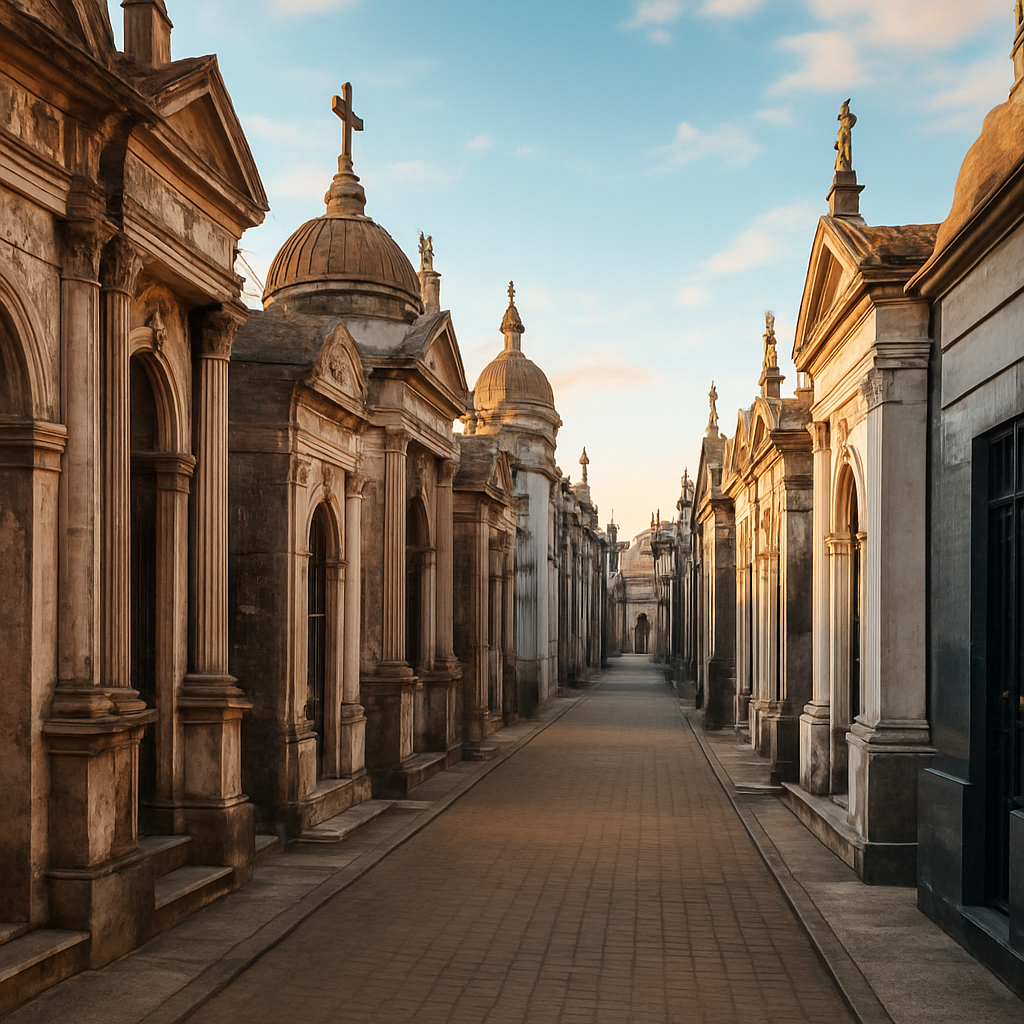
Cementerio de la Recoleta
This is not a cemetery in any ordinary sense — it's a city of the dead that dwarfs most living cities in architectural ambition. The mausoleums of Argentina's great families line cobblestone streets wide enough to drive a car through, each one competing with its neighbor in marble, bronze, and sheer Gothic drama. Eva Perón is here, but she's easy to find. The real pleasure is getting lost among the back rows where the names mean nothing to you and the craftsmanship means everything.
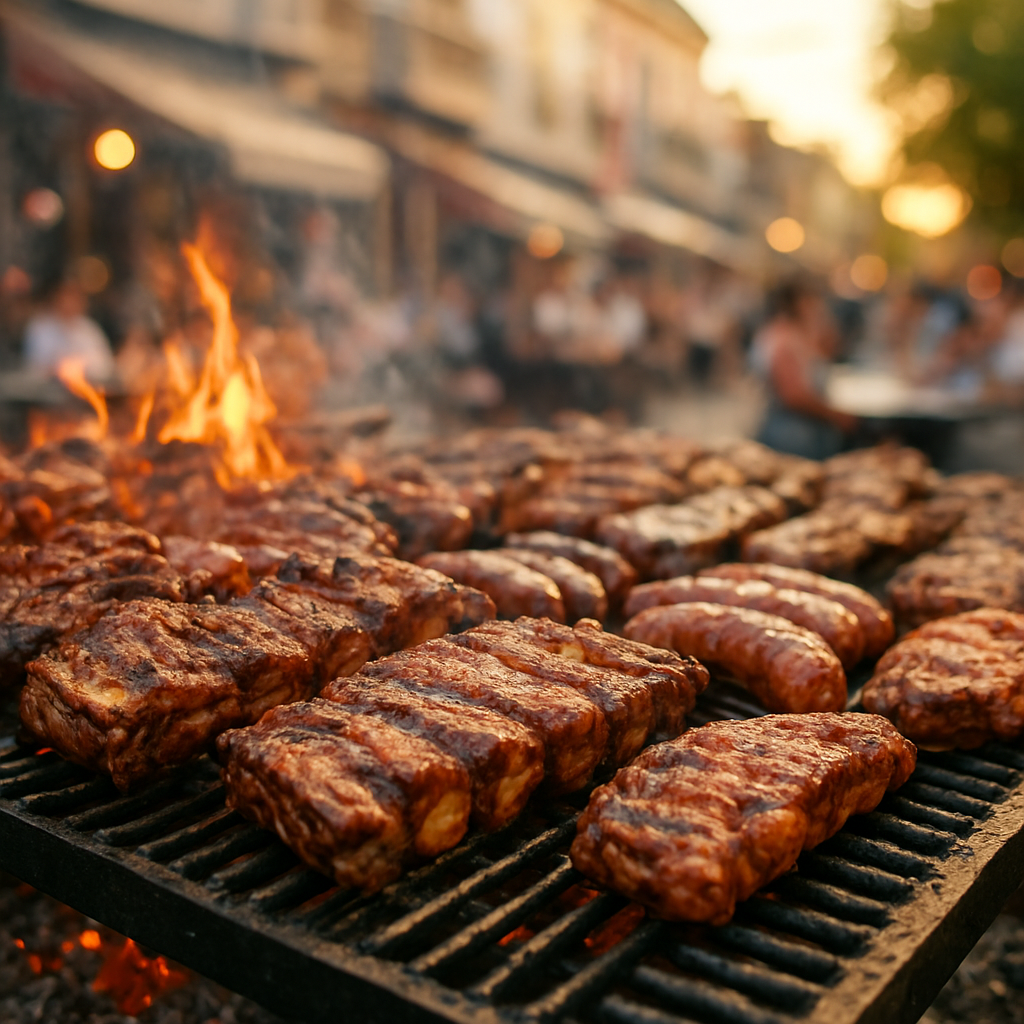
Dinner at a Traditional Parrilla
A proper Argentine asado is a commitment, and you should honor it. Find a parrilla — the grill restaurants that anchor every Buenos Aires neighborhood — order the mixed grill without looking at a menu, and let the process unfold. A good cut of bife de chorizo (which is not chorizo — it's a striploin) with nothing but chimichurri and bread will rearrange your understanding of what beef can be. Budget at least two hours. Order the house Malbec. Don't rush.

MALBA — Museo de Arte Latinoamericano de Buenos Aires
MALBA's permanent collection — Frida Kahlo, Antonio Berni, Xul Solar, and a whole room of Latin American surrealism that reads like a fever dream — is world-class art at peso prices that make it effectively free for anyone earning foreign currency. The museum also runs some of the most ambitious cultural programming in South America: film cycles, themed exhibitions, events worth rearranging your schedule for. Check their calendar before you arrive. The location in Palermo Chico puts you steps from the city's best restaurants for a full afternoon-into-evening run.
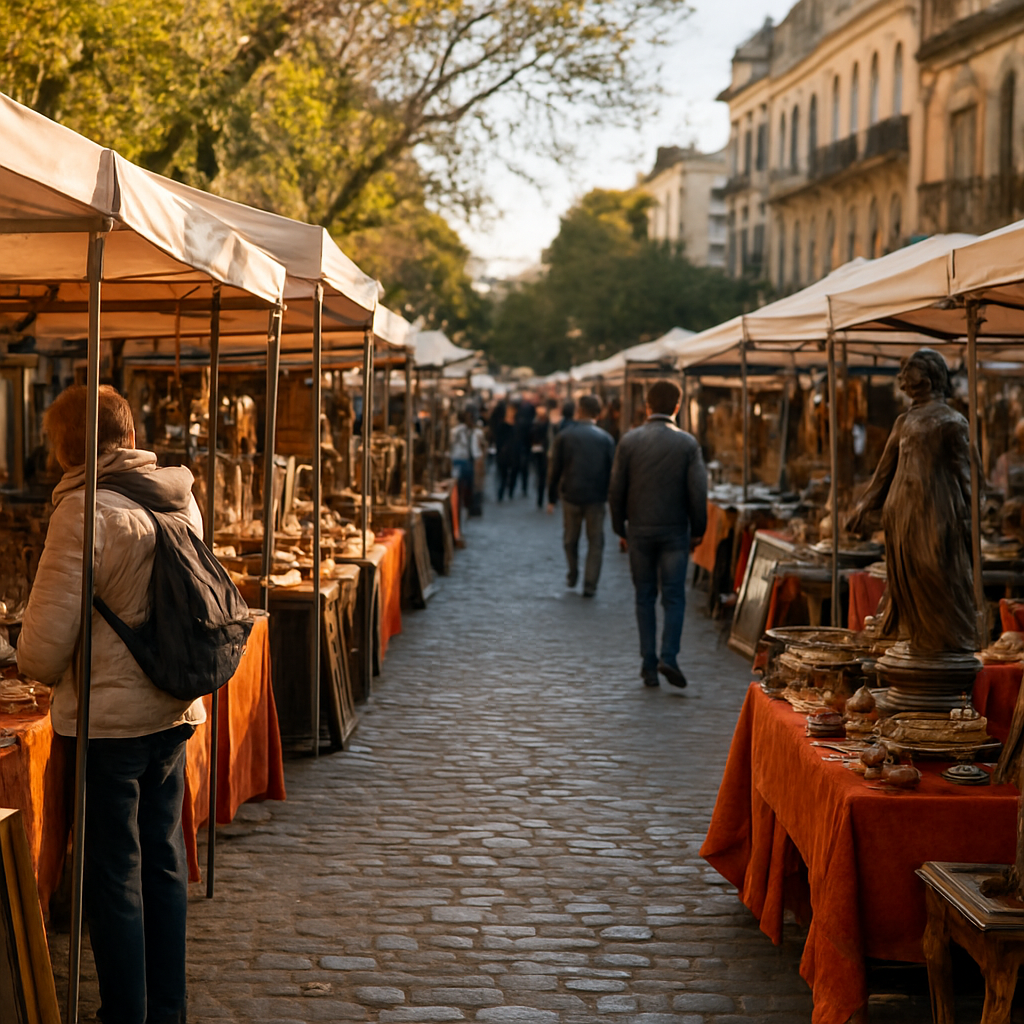
Sunday Market in San Telmo
San Telmo's Sunday antiques market on Plaza Dorrego is the kind of Buenos Aires experience that takes up half a day and feels like five minutes. Street vendors selling mate gourds, vintage military medals, leather goods, and entirely inexplicable knick-knacks line the cobblestones while tango dancers perform for tips between the stalls. The cafés around the plaza fill up by noon. Find a table with a sightline, order an espresso, and watch it all unfold.
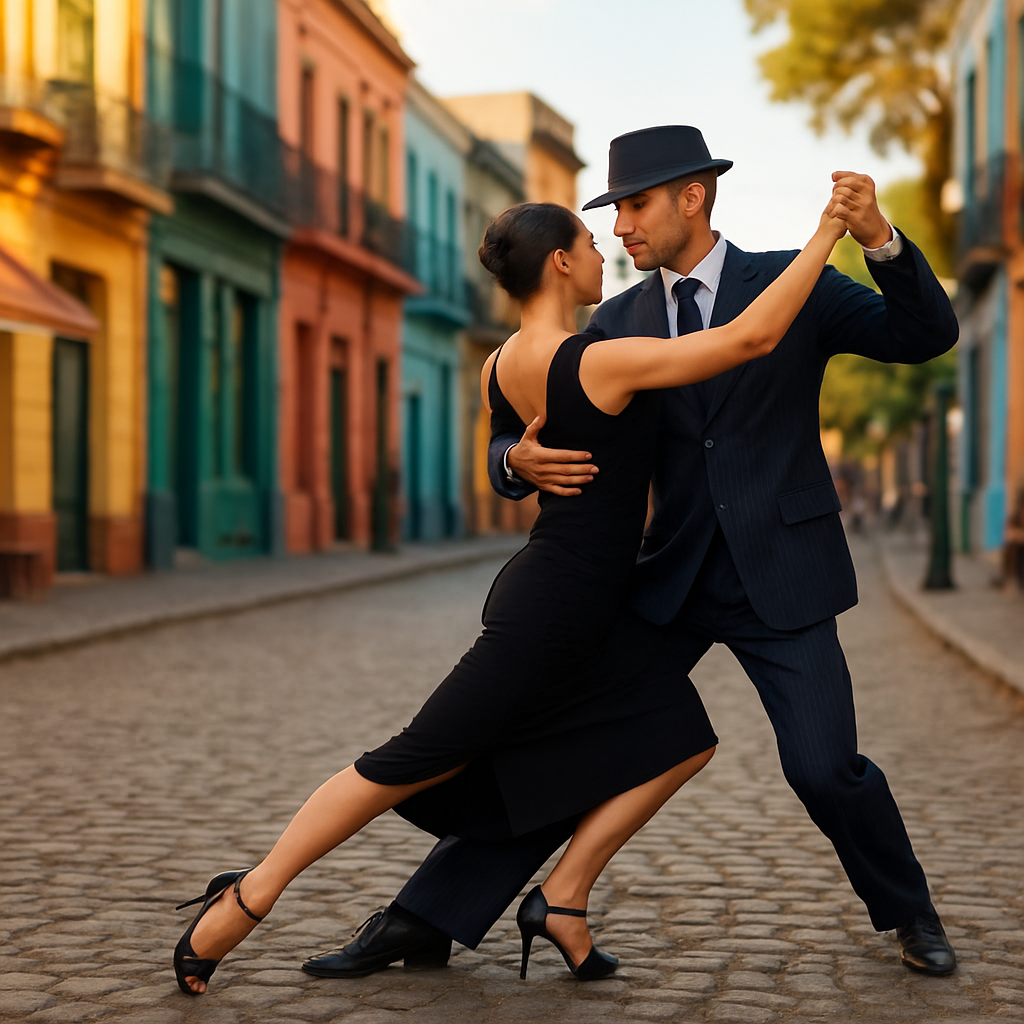
A Milonga Night
You don't need to know how to tango to go to a milonga — you just need to be willing to watch and patient about it. Buenos Aires has dozens of these tango dance halls, ranging from tourist showcases to the genuine article, where couples in their seventies move with a precision that makes you feel genuinely embarrassed about your own body. La Catedral in Almagro is the stripped-back, no-dress-code version for atmosphere without formality. Club Gricel in San Telmo skews more traditional. Either way: go late.
The places I actually send people to
Advice that fits how you travel
Buenos Aires is one of the best cities in South America for solo travelers, and for solo queer travelers specifically, it's borderline ideal. The queer social scene runs on genuine community energy rather than tourist polish — walk into Flux Bar in San Telmo alone on a Friday and you'll leave with a WhatsApp group and plans for the next night. The apps work well here (Grindr, Scruff, and local iterations of Tinder all have active presences), but the in-person social culture is warm enough that apps feel optional rather than essential.
Budget-wise, Buenos Aires is extraordinary value for anyone earning in a hard currency right now. A day of subte (subway) rides, lunch at a bodegón, dinner at a neighborhood parrilla, and a proper night at Amerika — cover, drinks, and a 3am choripán from a street cart — can come in under twenty US dollars total. The hostel scene is also genuinely excellent: Milhouse Avenue Hostel runs its own social schedule that functions as the informal activities calendar for budget travelers across the city. Solo doesn't mean isolated here.
The main practical precaution for solo travelers is the same as any major city after dark. Don't walk through Constitución or the area around Retiro bus terminal alone at night with your phone out. Use Uber or Cabify when returning from late nights in Palermo — not because the streets are especially dangerous, but because drunk tourists walking solo are a consistent pickpocket target regardless of orientation. Keep your valuables light and your ride-share app charged, and you'll have an uncomplicated time.
Buenos Aires is one of the world's great cities for couples, and it delivers for same-sex couples without asterisks or asterisks-in-disguise. Palermo's café tables spill onto the sidewalk precisely so you can sit with someone and watch the neighborhood happen around you — holding hands, leaning in, kissing over coffee — and nobody gives you a second look. The city runs on a romantic energy that feels like it was purpose-built for people who want to be seen together and left completely unbothered about it. I gave Buenos Aires an 8.5 on Chill in my Traven-Dex, which reflects one of the most genuinely relaxed environments for same-sex couples in all of Latin America.
For a standout date night: start with drinks and a picada at a wine bar in Palermo Soho, take a remis across to San Telmo for dinner at one of the neighborhood's candlelit restaurants, and end the night at a milonga for tango. You don't need to know the steps — watching is its own experience, and the room will draw you in. If your budget runs to it, the Alvear Palace Hotel in Recoleta is one of the great romantic hotel stays in South America; the level of discreet, professional service they extend to couples regardless of orientation is the standard everything else should be measured against.
For a day that sticks in memory specifically as a couple: take the fast ferry to Colonia del Sacramento in Uruguay. An hour across the Río de la Plata and you're in a UNESCO colonial town with cobblestone streets, riverside cafés, and zero agenda. Uruguay legalized same-sex marriage in 2013 and is deeply relaxed about it. Stay the night at a boutique hotel in the old town if you can, walk the Portuguese fort at sunset, and take the morning ferry back. That's the kind of travel memory that actually lasts.
LGBTQ+ families in Buenos Aires will find Argentina's legal framework among the most supportive in the hemisphere. Joint adoption has been legal since 2010, and same-sex couples have the same parental recognition as different-sex couples under Argentine law. What that means practically: no awkward moments at hotel check-in, no bureaucratic confusion about who the parents are, no need to over-document your family structure to access services. Buenos Aires is accustomed to diverse families and the city makes space for them without making a production of it.
The city is deeply kid-friendly in the Latin American tradition — children at restaurants, children at parks, children at the table until 11pm in the warm months, and nobody raising an eyebrow about any of it. Palermo's park system — the Bosques de Palermo lakes and bike paths — is built for families: wide, flat, stroller-friendly, and ringed with cafés that have outdoor seating where kids can roam while adults eat slowly. MALBA has dedicated family programming and a bookshop worth a look. The Cementerio de la Recoleta is genuinely fascinating for curious older children — it's essentially an outdoor architecture museum, and the stories are very good.
Practically: the subte has elevator access at most major stations, which makes stroller logistics manageable. Uber and Cabify let you select vehicle size, which helps with gear. Kid menus exist but aren't universal — Argentine food culture defaults to sharing, which works well for families in practice. The main logistics note: Buenos Aires eats very late, with restaurants not filling until 8:30 or 9pm. With younger children, aim to arrive around 8pm, before the room fills and the noise level rises, and you'll have a much smoother experience.
What Buenos Aires actually costs
Flights, visas, and the first 30 minutes
Airport: Buenos Aires is primarily served by Ministro Pistarini International Airport (EZE), located in Ezeiza, approximately 35–40km from the city center. Most international long-haul flights use EZE. Jorge Newbery Airport (AEP), much closer to the city, handles regional routes within Argentina and neighboring countries.
Direct routes: EZE connects to 80+ cities worldwide. From New York (JFK): approximately 11 hours. From Miami (MIA): approximately 9 hours. From London (LHR): approximately 14 hours. From Madrid (MAD): approximately 13 hours. From São Paulo (GRU): approximately 2.5 hours. From Santiago (SCL): approximately 2 hours. Frequent connections from most major North American and European hubs.
Visa requirements: US, UK, EU, Canadian, and Australian passport holders are all visa-free for stays up to 90 days. You receive an entry stamp on arrival — no advance visa application required.
Airport to city: The Tienda León Bus (ARS 8,000–12,000, approximately 50 minutes) is the most popular option — a reliable coach running direct to the Retiro terminal in central Buenos Aires. Uber and Cabify (ARS 18,000–30,000) are app-based; meet your driver outside arrivals — straightforward and reliable. A Remis (pre-booked taxi) from the official airport desk runs ARS 25,000–40,000 at a fixed price — book at the official counter before exiting, not from anyone approaching you in the arrivals hall. Private hotel-arranged transfers (ARS 45,000–80,000) offer meet-and-greet service and are worth the premium if you're arriving late at night or traveling with a lot of luggage.
Traven's seasonal breakdown
The questions everyone asks
Is it safe to hold hands as a same-sex couple in Buenos Aires?
Do I need to speak Spanish?
When is Pride in Buenos Aires?
How much should I budget per day?
Is Buenos Aires good for trans travelers?
What's the deal with the currency?
How late does nightlife actually run?
Screenshot this before you go
So should you actually go?
Go. Buenos Aires is one of the great queer cities on Earth — not because it's trying to be, but because it fought to be, and the evidence is everywhere from its laws to its late nights. The legal framework is rock-solid, the scene runs deep across generations and identities, the food and culture would justify the flight on their own, and your money goes shockingly far right now. Whether you're dancing at Amerika until sunrise, sharing a picada and a bottle of Malbec with someone you just met, or watching the Marcha del Orgullo flood into Plaza de Mayo with two hundred thousand people who actually mean it — this city will remind you what it feels like when queerness isn't tolerated but genuinely celebrated. I mean that with no qualification.
Sources & Resources
Official links we reference when compiling this guide. Last verified 2026-03-04.
- Fundación Huésped – HIV/Sexual Health Services
- Comunidad Homosexual Argentina (CHA)
- FALGBT+ – Federación Argentina LGBT+
- ATTTA – Asociación de Travestis, Transexuales y Transgéneros de Argentina
- 100% Diversidad y Derechos
- INADI – Instituto Nacional contra la Discriminación (Argentina Government)
- Buenos Aires Ciudad – Diversidad Sexual
- Ministerio de las Mujeres, Géneros y Diversidad – Argentina
- Bachillerato Popular Trans Mocha Celis
- Defensoría del Pueblo de la Ciudad de Buenos Aires
- Marcha del Orgullo LGBTIQ+ Buenos Aires