
Adelaide doesn't shout. It pours you a cool-climate riesling on a rooftop at six, walks you down a four-metre laneway by nine, and asks why you ever doubted it.
It's a Saturday afternoon in Light Square — Wauwi, the Kaurna name — and someone's set up a folding table with drag bingo cards. There's a Welcome to Country happening at the gazebo, a rosé in a plastic cup in my hand, and about four hundred of the city's gays scattered across rugs in the grass with their dogs, their nieces, and the kind of unhurried Sunday-afternoon energy this country does better than almost anywhere. The sun's behind the West End. Someone's queuing for the food truck. This is Feast Festival's Picnic in the Park, and this is Adelaide at full volume.
Which, in fairness, isn't very loud. Adelaide doesn't have a gay village — it has a gay block, give or take, clustered around Hindley and Sturt Streets in the West End, with satellite outposts on Peel Street, Leigh Street, and the East End. Once you accept the scale, the city stops feeling sleepy and starts feeling like a small town that knows exactly where to find its people. South Australia decriminalised homosexuality in 1975 — the first Australian state to do so — and locals will remind you of this with the same energy New Yorkers bring to Stonewall. Fifty years of the law and the culture catching up to each other, and they mostly have.
There's a reason I gave this city an 8.6 overall and a 10.0 on Legal. The framework here is genuinely progressive — self-ID, conversion practices banned in 2024, comprehensive anti-discrimination protections. But the real story is what the small-bar revolution did to the CBD a decade ago. Clever Little Tailor, Maybe Mae, Pink Moon Saloon, Hains & Co — laneways the size of a generous hallway, all pouring better cocktails than most cities twice this size. The food scene followed: Africola, Shōbōsho, Leigh Street Wine Room, the Adelaide Central Market that's been running since 1869 and still serves the cheapest great meal in the country.
One caveat, and it matters. Time your trip to Mad March (Fringe, Festival, WOMADelaide overlapping for a month) or November's Feast Festival. Outside those windows, Adelaide is genuinely quiet — and the scene collapses to Mary's Poppin on a Saturday and not much else. Show up at the right moment and this city is one of the most underrated travel weeks you'll have in Australia. Show up in July and you're drinking alone at Hains & Co. Both have their charms. Plan accordingly.
The stuff your travel guide buries on page 47
The legal picture in Adelaide is about as clean as it gets. As of 2026, marriage equality is federal law, adoption is legal for same-sex couples, and South Australia's Equal Opportunity Act includes sexual orientation, gender identity, and intersex status as protected attributes. SA passed comprehensive birth certificate reform in 2017 — gender marker changes via self-declaration, no surgical requirement — and banned conversion practices in 2024. The legal climate here is among the more progressive in Australia, on par with Victoria. For specifics on your rights and how to report a violation, the Equal Opportunity Commission SA is the first stop.
South Australia decriminalised homosexuality in 1975 — the first Australian state to do so — and locals will remind you of this with the same energy New Yorkers bring to Stonewall. That history matters to the civic identity here in a way it doesn't in Sydney. The practical result is a city where the law and the culture have had fifty years to catch up to each other, and they mostly have.
Visa logistics are simple. Most US, UK, Canadian, and EU travelers can apply online for an ETA or eVisitor — free, valid 12 months, typically approved in minutes. The free City Connector bus (route 98A/98C) loops the CBD and North Adelaide and is the easiest way to get between the West End venues and the East End brunch strip without an Uber surge. Pro tip: tap on with a contactless card on Adelaide Metro and you're set for the day.
For broader policy context and advocacy resources across the country, Equality Australia tracks the legal landscape in real time. PDA is fine across the CBD, the East End, North Adelaide, and the inner-east villages like Norwood and Unley. Outer suburbs are still fine — just less visibly diverse, so calibrate accordingly.
What it actually feels like on the ground
Holding hands and PDA: Completely unremarkable in the CBD, the East End around Rundle Street, Hindley Street, and the inner-east villages. Glenelg and Henley Beach are family-beach suburbs — same-sex couples are common, the vibe is slightly more conservative than the CBD, but nobody's going to look twice.
Hotel check-in: Non-issue. Adelaide hotels are used to same-sex couples — the Mayfair, the Crowne Plaza, and the Adabco Boutique are all in regular rotation for Feast Festival guests.
Late-night walks: Hindley Street west of Morphett Street gets rowdy after 1am — not homophobic, just drunk-suburban-rowdy. Stick to the Light Square end if you're in drag or visibly queer and walking home late. The East End and Peel Street precincts are calmer at the same hour.
Taxis and rideshare: Uber, DiDi, and Ola all operate. No issues to report. Cabs from the airport rank are metered and standard.
Trans travelers: The legal framework is genuinely progressive — self-ID is standard, and the Adelaide trans community is established through SHINE SA, Carrousel, and Feast Festival programming. Daily life in the city is generally safe and unremarkable. Outer suburbs warrant standard urban awareness — not a specific Adelaide problem, just a not-being-in-the-CBD problem.
Sexual health and PrEP: PrEP is on the PBS, and SHINE SA on Hyde Street does walk-in sexual health without judgment. Travelers can usually get seen the same week — call ahead and mention you're visiting. For peer support across Australia, QLife runs a national helpline and webchat.
If something goes wrong: SAPOL has an LGBTIQ+ liaison program and officers are generally fine, but for anything sensitive locals recommend going through Bfriend at Uniting Communities first — they'll advocate for you and know which officers to call. SAMESH is the other community resource worth bookmarking before you arrive.
The queer geography
Adelaide doesn't have a gay village — it has a gay block, give or take, clustered around Hindley and Sturt Streets in the West End. Once you accept the scale, the city stops feeling sleepy and starts feeling like a small town that knows exactly where to find its people. Here's where to look.
West End & Hindley Street
The bohemian quarter of the CBD, where the late-night scene loosely concentrates. Hindley Street is Adelaide's traditional nightlife strip — a mix of small bars, kebab joints, university bars, and the city's stobie poles plastered in Fringe flyers most of the year. Mary's Poppin on Synagogue Place is the closest thing to a dedicated gay club, with drag every Friday and Saturday. The Mars Bar on Gouger Street, around the corner, is the older, slightly grittier alternative — decades of nightly drag and a clientele that's seen everything. Both are walking distance from Light Square, which the Kaurna name Wauwi reclaims, and which hosts Feast Festival's Picnic in the Park every November.
East End & Rundle Street
The polished cousin to the West End. Rundle Street East is café-and-shop strip territory — wide footpaths, plane trees, brunch crowds spilling onto the pavement, and the Adelaide Botanic Garden at the end of the road. NOLA on Vardon Avenue is a New Orleans-themed whiskey bar with live jazz; Africola on East Terrace is one of the best meals in the city. Not officially queer, but the Venn diagram of "good cocktails" and "Adelaide gays who've returned from Melbourne" overlaps almost completely.
Peel Street & Leigh Street laneways
The small-bar revolution of the early 2010s rewired the CBD around these two narrow laneways. Clever Little Tailor opened in 2012 as one of the first venues under SA's small-venue license reforms and is still excellent. Maybe Mae hides in a basement off Peel Street and has been ranked among Australia's Top 50 Bars. Pink Moon Saloon on Leigh Street is a four-metre-wide architectural marvel that won the World Architecture Festival Bar of the Year. The whole precinct is queer-adjacent enough that Sunday afternoons drift naturally between Hains & Co and whatever new opening Leigh Street has produced this month.
North Adelaide & the Parade, Norwood
North of the river, you'll find leafy heritage streets, the Adelaide Oval, and a quieter, slightly bougie residential energy. The Parade in Norwood is the eastern suburbs' main shopping street — boutiques, brunch spots, the gay-and-married set. Goodwood Road south of the CBD does the same job for the southern suburbs. Strong queer residential presence, completely unremarkable.
Semaphore
Skip Glenelg if you only have one beach day and tram out to Semaphore instead. It's scrappier, has better coffee at the Semaphore Pizza Bar end, and the queer-arty crowd has quietly colonised the foreshore. A long jetty, a working-class history, and a Sunday-afternoon feel that the postcard beaches don't quite manage.
For year-round programming and the official queer cultural calendar, Feast Festival runs the show every November, and Thorne Harbour Health is the South Australian community health anchor worth knowing.
The experiences worth rearranging your itinerary for
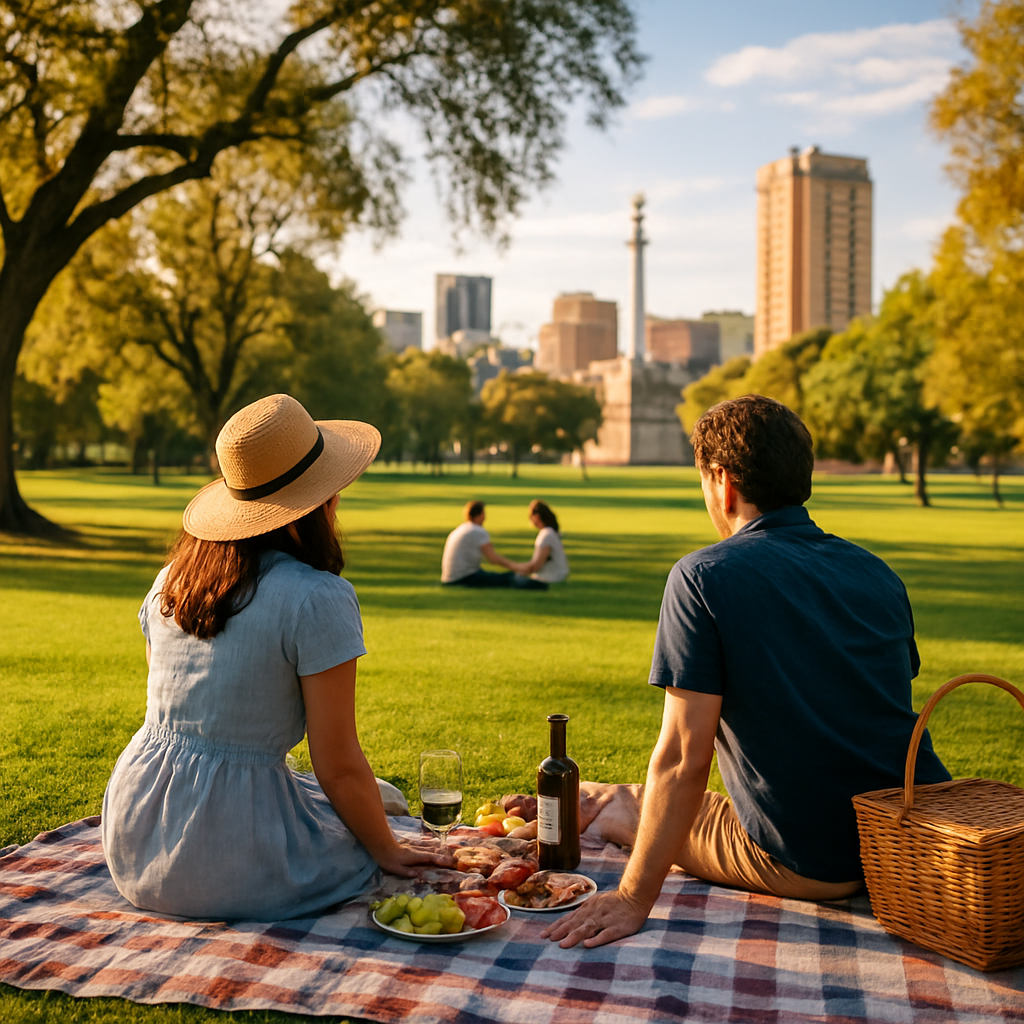
Feast Festival's Picnic in the Park at Light Square
Every November, the city's queer community spreads out across Light Square — the Kaurna name Wauwi — for Feast Festival's Picnic in the Park. Bring a rug, expect a Kaurna Welcome to Country, stay for the drag bingo, and don't leave before the sun drops behind the West End. It's the one unmissable queer event in the SA calendar, and it's free.
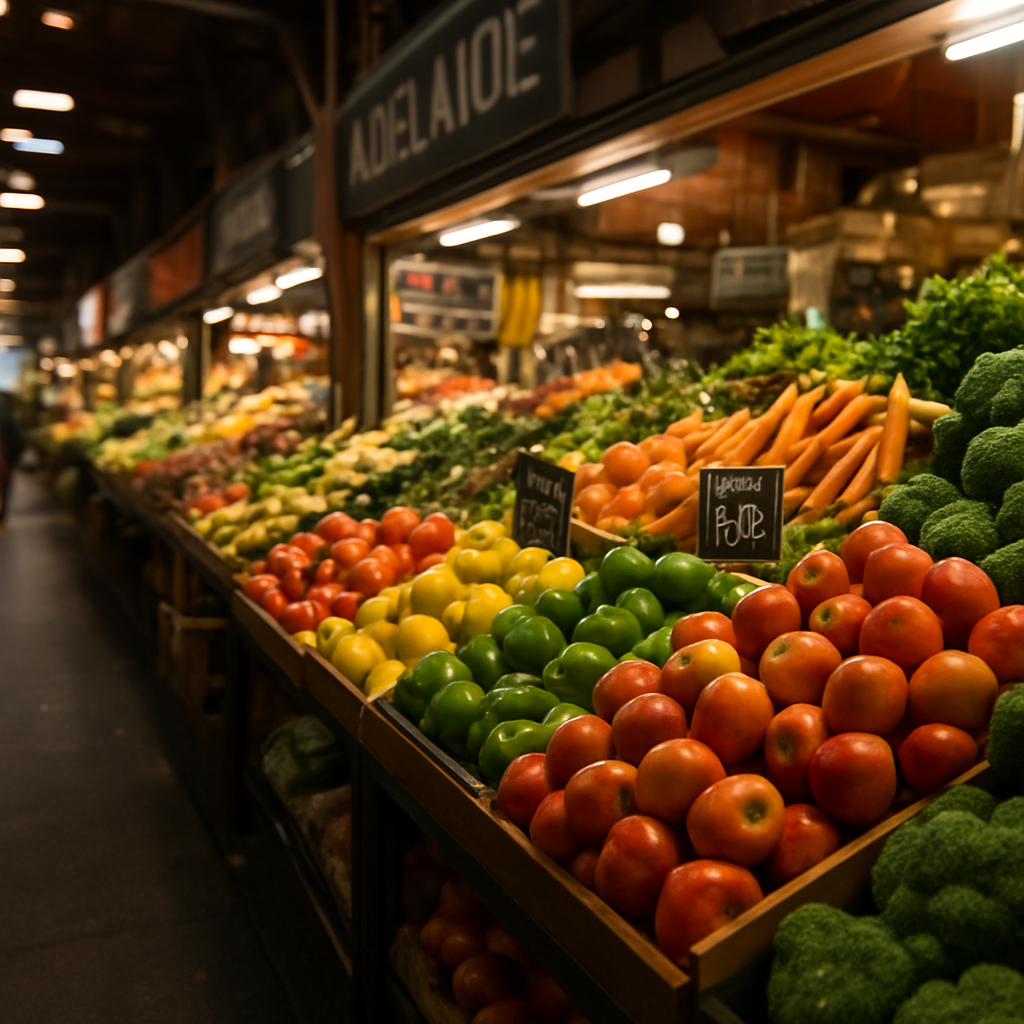
Eat Your Way Through the Central Market
Start at Lucia's for a long black, work past the Smelly Cheese Shop, the Mettwurst stall, and Big Table for breakfast eggs, and end with a bag of stone fruit you'll eat on a bench outside. The Adelaide Central Market has been running since 1869, with around 70 traders under one roof, and there's no faster way to understand how the city eats. It opens early and shuts mid-afternoon — go hungry, go before lunch.
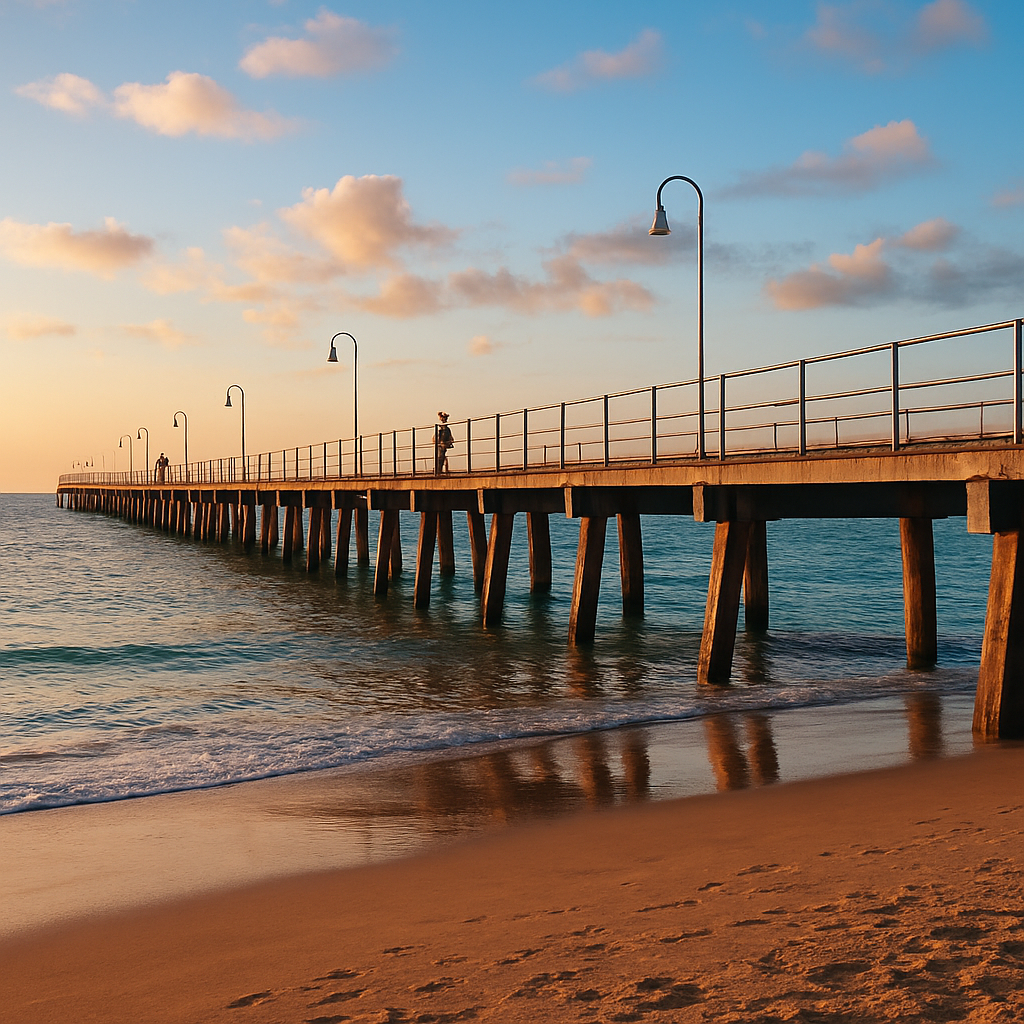
A Beach Day at Semaphore Instead of Glenelg
Skip Glenelg if you only have one beach day and tram out to Semaphore instead. It's scrappier, the coffee is better at the Semaphore Pizza Bar end, and the queer-arty crowd has quietly colonised the foreshore. A long jetty, a working-class history, and a Sunday-afternoon feel the postcard beaches don't quite manage.
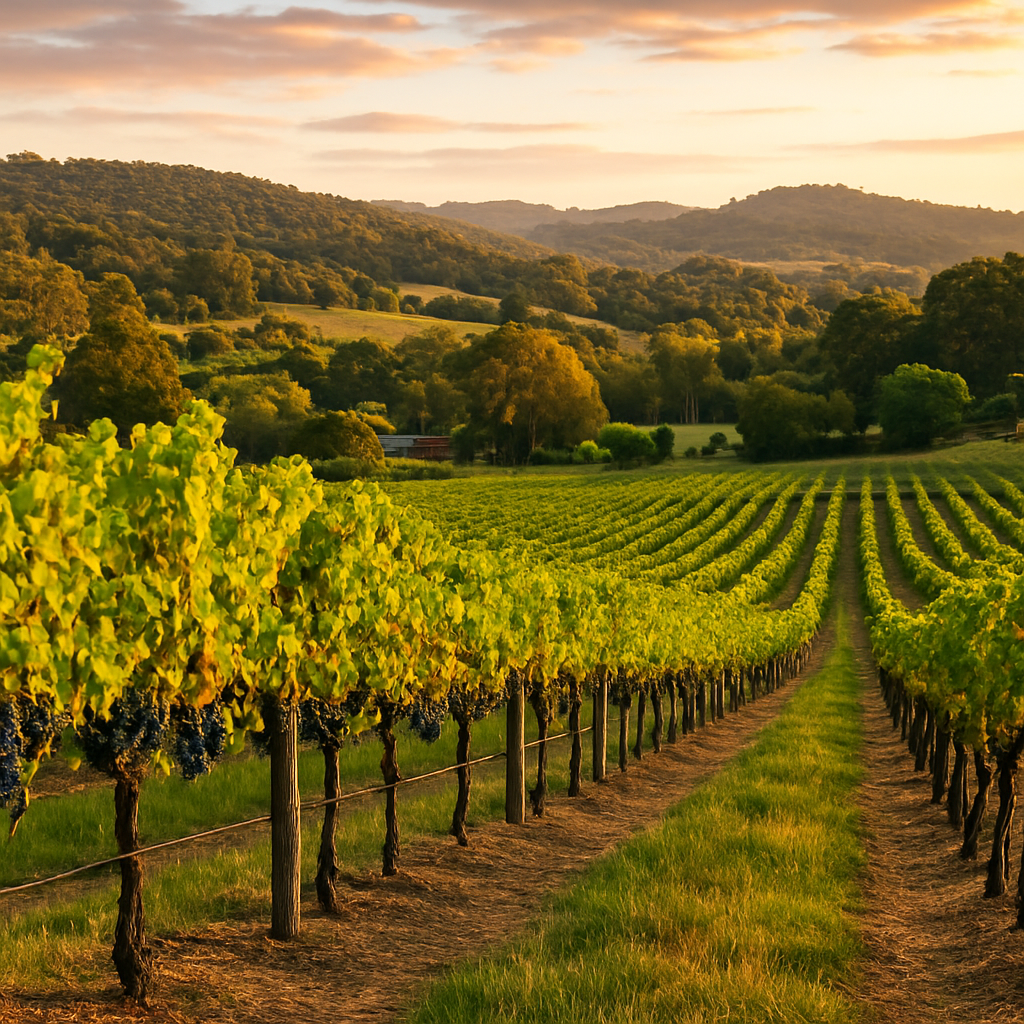
A Slow Day in the Adelaide Hills
Take the bus to Stirling, hit Lot 100 for a long lunch and Sidewood for a tasting, and you'll cross paths with half the Adelaide queer thirty-something cohort by 3pm on any Saturday. Hahndorf's German-village kitsch is fifteen minutes further if you want it, and Mount Lofty Summit gives you the view back over the city you flew into. Twenty minutes from the CBD and an entirely different climate — bring a jumper.
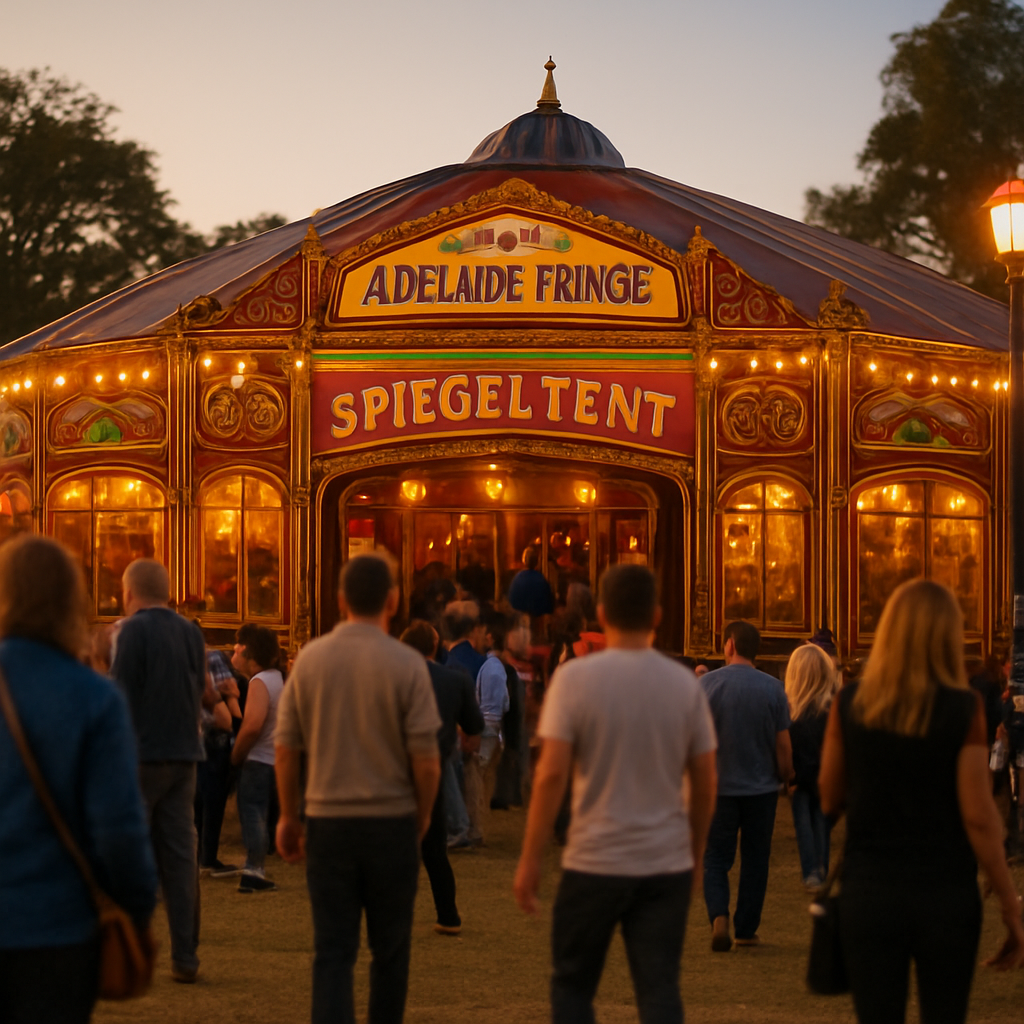
A Late Show at the Pink Flamingo During Fringe
During Adelaide Fringe in February-March, the Pink Flamingo at Gluttony in Rymill Park is a cabaret rite of passage — a literal flamingo-shaped Spiegeltent, and the late shows skew very, very queer. The Garden of Unearthly Delights runs the other major hub a few blocks east. Book a 10pm show, grab a drink, and let Adelaide's strangest month deliver.
The places I actually send people to
Advice that fits how you travel
Solo in Adelaide is easier than the city's reputation suggests. The CBD is walkable end-to-end in twenty-five minutes, the free City Connector bus loops the inner city for nothing, and the small-bar scale of the place means you'll be three drinks deep at Clever Little Tailor before you realise you've made friends with the bartender, the couple next to you, and someone's cousin visiting from Melbourne. Mary's Poppin on a Friday or Saturday is the easiest entry point — drag, dance floor, a crowd small enough that you'll see the same faces twice by midnight.
The apps work here, but the city's real currency is the laneway crawl. Start at Hains & Co on a Sunday afternoon, drift to Maybe Mae, end up at NOLA on Vardon Avenue when the jazz kicks in — that's how Adelaide's solo gays meet each other, and it's been the template for a decade. The Central Market at 10am with a long black at Lucia's is the daytime equivalent: you'll get talked to, and you'll like it.
Budget-wise, Adelaide is one of the gentler Australian cities on a solo wallet. A hostel dorm or a Hindmarsh Square guesthouse keeps you under AUD 75 a night, the Central Market handles meals for under thirty bucks, and the Art Gallery and Botanic Garden are both free. Time your visit for Mad March (Fringe, Festival, WOMADelaide) or November's Feast Festival if you want the city at peak energy — outside those windows it's genuinely quiet, and the scene collapses to Mary's Poppin on a Saturday and not much else.
Adelaide does romance in the slow, unshowy register — and same-sex couples will find PDA completely unremarkable across the CBD, the East End, North Adelaide, and the inner-east villages like Norwood and Unley. Book the Mayfair Hotel on King William Street for the heritage-1934 boutique-five-star experience, or push up to Eos by SkyCity if the trip is a milestone and you want the riverbank infinity pool staring at the Oval at sunset. Both have hosted Feast Festival guests for years; check-in is a non-event.
Date nights write themselves. Start with sunset cocktails at 2KW, six floors up on King William, looking out to the Adelaide Hills with a glass of cool-climate riesling. Walk five minutes to Leigh Street Wine Room for small plates and a Chef Hat-level South Australian wine list, or push the boat out at Orana inside the Adelaide Botanic Garden — Three Chef Hats, native Australian ingredients, the trip's special-occasion table. For the slow morning after, the Botanic Garden's Palm House and a long breakfast at Africola on the East End is exactly the unhurried pace this city was built for.
For couples wanting to escape the city for a day, the Adelaide Hills are twenty minutes east — Stirling, Hahndorf, Lot 100, Sidewood, Shaw + Smith — and McLaren Vale is forty-five minutes south with d'Arenberg, Wirra Wirra, and a beach swim if you time it right. Australia recognises same-sex marriage federally as of 2026, adoption is legal, and South Australia's anti-discrimination framework is comprehensive. Hold hands, book the suite, order the second bottle.
LGBTQ+ families are fully recognised under Australian law as of 2026 — marriage, adoption, parental recognition, the whole framework. South Australia's Equal Opportunity Commission covers families with two mums or two dads explicitly, schools and medical settings are typically routine about it, and Adelaide's CBD and inner-east suburbs are visibly welcoming. Nobody's going to ask you to explain your family at the hotel desk or the pharmacy counter.
The city is one of the more kid-friendly capitals in Australia simply because of its scale and pace. Adelaide Zoo (the only place in the Southern Hemisphere with giant pandas, last I checked), Cleland Wildlife Park in the Adelaide Hills for koala-and-kangaroo time, and Monarto Safari Park an hour east are the big three. The Adelaide Central Market is a stroller-friendly morning out, the Adelaide Botanic Garden is free and stretches across 50 hectares of shade and lawn, and Glenelg's tram-accessible foreshore handles a beach day with ice-cream-shop infrastructure already in place.
Practical logistics are easy. Kids ride free with a paying adult on Adelaide Metro weekends and public holidays, most CBD restaurants have kid menus or will improvise one without making it weird, and the Hotel Indigo Adelaide Markets or a serviced apartment near the Botanic Garden gives you space to spread out. For families travelling with trans or gender-diverse kids, Transcend Australia is the national parent-led support network, and Minus18 runs youth programming if your teen wants to plug into community while you're in town.
What Adelaide actually costs
Flights, visas, and the first 30 minutes
Airport: Adelaide Airport (ADL) sits about 7 km west of the CBD — one of the easier urban airports in Australia to navigate, with around 30 direct routes feeding the city. Most international travelers connect through Sydney, Melbourne, Singapore, or Doha; direct flights from Singapore (~7 hours), Auckland (~4 hours), and Doha (~14 hours) run year-round, with seasonal Bali and Pacific routes added in peak summer.
Visas: As of 2026, US, UK, Canadian, and EU passport holders typically need an electronic travel authorization to enter Australia. US, UK, and Canadian travelers apply online for the ETA (subclass 601) — free, generally approved within minutes, valid 12 months. EU citizens use the eVisitor (subclass 651) on the same terms. Australian citizens and permanent residents don't need a visa. Always confirm requirements on the official Department of Home Affairs site before booking, as policies can shift.
Airport to city — JetBus 3J: Adelaide Metro's airport bus runs roughly every 30 minutes into the CBD for AUD 4.40. Tap on with a contactless card or metroCARD. Approximately 30 minutes door-to-door, and the cheapest option by a wide margin.
Airport to city — Taxi: Metered cabs are available curbside 24/7. Expect AUD 25–35 to the CBD, 15–20 minutes outside peak.
Airport to city — Rideshare: Uber, DiDi, and Ola all operate from a designated rideshare pickup zone outside the terminal. Typically AUD 20–30 to the CBD, 15–20 minutes.
Airport to city — Rental car: All major agencies are on-site. AUD 50–90/day, and it's an easy 15-minute drive into the CBD. Worth it if you're planning Adelaide Hills, McLaren Vale, or Barossa days — public transport to wine country is doable but slow.
Pro tip: Once you're in the city, the free City Connector bus (route 98A/98C) loops the CBD and North Adelaide and is the easiest way to get between the West End venues and the East End brunch strip without an Uber surge.
Traven's seasonal breakdown
The questions everyone asks
Do I really need a visa for Australia?
Is it safe to hold hands in Adelaide?
When is the best time to visit Adelaide?
How easy is it to get around without a car?
Is there actually a gay scene, or is it all just Sydney?
How much should I budget per day?
Is Adelaide good for trans travelers?
Screenshot this before you go
So should you actually go?
Go — and go during Mad March or November Feast Festival if you possibly can. Adelaide isn't going to outscale Sydney or out-edge Melbourne, and it's not trying to. What it does is small-bar density, wine country at the doorstep, a food scene punching three weight classes above its size, and a legal framework that's genuinely among the cleanest in the world. As of 2026, LGBTQ+ travelers will find a city where the law caught up to the culture decades ago and the result is daily life that's unremarkable in the best sense of the word. Three or four nights in the CBD, a day in the Adelaide Hills, an overnight in McLaren Vale or two on Kangaroo Island, and you'll leave wondering why nobody told you about this place sooner. Now you know.
Sources & Resources
Official links we reference when compiling this guide. Last verified 2026-05-12.
- Adelaide City Council — Inclusive City
- Equal Opportunity Commission SA
- Equality Australia
- Feast Festival
- Legal Services Commission of South Australia
- Minus18 (LGBTQIA+ youth)
- QLife (national LGBTIQ+ peer support)
- SAMESH (SA Movement for Equality & Sexual Health)
- SHINE SA (Sexual Health Information Networking & Education)
- Thorne Harbour Health (SA services)
- Transcend Australia