
Melbourne doesn't try to seduce you. It just hands you a perfect flat white in a laneway you almost walked past, and by the third sip you're looking at apartment listings.
Four seasons in one day — you've heard it, and it's not a joke. I walked out of my hotel on Flinders Lane in March wearing a linen shirt, got rained on crossing to Fed Square, dried off over a laksa on Little Bourke Street, and ended the evening in shirtsleeves at a rooftop bar watching the sun set over the Yarra like the whole morning never happened. Melbourne doesn't care about your plans. It has its own schedule, and you're going to love adjusting to it.
The food here is the real headline. Not the famous restaurants — though Attica earns every word written about it — but the relentless, casual excellence everywhere in between. A $16 bowl of hand-pulled noodles in a CBD basement that would cost $34 in New York. A croissant from Lune on Rose Street that's so architecturally precise it feels like eating origami. The city's coffee culture isn't a personality trait, it's a civic religion, and honestly? They're right to be smug about it.
What makes Melbourne land at a 9.1 on my Traven-Dex is how unremarkable being gay feels here — and I mean that as the highest compliment. Commercial Road in Prahran has its rainbow crossings and its legacy venues, sure, but the thing that struck me is how the scene bleeds out in every direction. Fitzroy, Collingwood, Brunswick, Northcote — the gays aren't contained in one postcode. They're running the wine bars, the galleries, the vintage shops, the taco joints. I gave it a 10.0 on Legal because, as of 2026, Australia has full marriage equality, comprehensive anti-discrimination protections, and self-ID gender recognition in Victoria. That score isn't symbolic — you feel it on the ground.
Melbourne is a city that rewards curiosity over itineraries. Skip the hop-on-hop-off bus. Get a myki card, pick a tram line, ride it until something catches your eye, and get off. That's the whole strategy. It works every single time.
The stuff your travel guide buries on page 47
Legal framework: Australia legalised same-sex marriage nationally in December 2017. Same-sex couples have full marriage rights, civil union recognition, and equal adoption rights in Victoria. Comprehensive anti-discrimination protections cover sexual orientation, gender identity, and intersex status at both federal and state levels. Victoria enacted gender self-identification legislation in 2019 — no surgery or medical intervention required to update gender markers. Homosexuality has never been criminalised in Victoria since decriminalisation in 1980. In short: full legal equality, no asterisks.
Cultural reality: The laws reflect the city, not the other way around. Melbourne's inner suburbs — Fitzroy, Collingwood, St Kilda, Prahran — have been home to visible LGBTQ+ communities for decades. This isn't a city that recently decided to be welcoming; the infrastructure is generational. The Victorian Equal Opportunity & Human Rights Commission actively enforces protections, and institutions from hospitals to hotels operate with genuine LGBTQ+ competence, not performative tolerance.
PDA comfort: In Fitzroy, Collingwood, and along Commercial Road in Prahran, same-sex PDA is entirely normalised — holding hands, a kiss on the street, none of it registers. The CBD and St Kilda are High comfort — broadly fine with rare exceptions late at night around nightclub precincts. South Yarra and Richmond are good but can feel more heteronormative on game days near sports bars. Outer suburbs (30+ km from the CBD) have conservative pockets where situational awareness matters more.
Melbourne's weather is famously unhinged — "four seasons in one day" is a cliché because it's genuinely true. For outdoor Midsumma events at Alexandra Gardens in January, pack a layer regardless of the morning forecast. By 9pm you'll be hugging a stranger's jacket and regretting your choices.
Pro tip: Midsumma in January is legitimately world-class, but book ticketed shows early — sold-out drag cabarets and art exhibitions disappear fast even for locals. The free Carnival day at Alexandra Gardens is first-come, first-served and draws tens of thousands; arrive before noon if you want a patch of grass.
If you need sexual health services or PrEP access while visiting, Thorne Harbour Health on Commercial Road is the community institution — they see everyone, know everything, and won't make you feel like you wandered in off the tourist bus. Book ahead if you can; walk-ins are hit or miss.
What it actually feels like on the ground
Holding hands: Entirely comfortable in Fitzroy, Collingwood, Prahran, and St Kilda — you'll see other same-sex couples doing it and nobody looking twice. In the CBD, fine throughout the day and evening. Late at night around King Street or Chapel Street nightclub precincts, be aware of drunk crowds; isolated incidents happen but they're the exception.
Hotel check-in: No issues anywhere. Melbourne's hotel industry has been catering to same-sex couples without blinking for years. A double bed for two men or two women will not generate a raised eyebrow at any property from hostels to five-star. If you somehow encounter a problem, it's a violation of Victorian law and you can report it to the Victorian Equal Opportunity & Human Rights Commission.
Taxis and rideshare: No concerns. Melbourne's taxi and Uber drivers are diverse and professional. I've never heard a credible report of a same-sex couple being refused service or treated poorly in a rideshare here.
Beaches and public spaces: St Kilda Beach is relaxed and welcoming year-round. Fitzroy Pool in summer functions as an unofficial LGBTQ+ social hub, especially during Midsumma. Public parks and gardens — Royal Botanic Gardens, Edinburgh Gardens in Fitzroy — are completely comfortable spaces for same-sex couples.
Late night: Melbourne is broadly very safe for LGBTQ+ people at night, but context matters. The inner-north gay corridor (Smith Street, Wellington Street) is extremely safe because you're surrounded by community. Chapel Street in South Yarra after 2am on weekends can get rowdy — keep your wits about you walking between venues. Standard big-city awareness applies: stick to lit streets, don't walk through parks alone at 3am.
Trans travellers: Victoria is one of Australia's most progressive jurisdictions for trans and gender-diverse people. Gender self-identification is law. Trans-friendly venues are concentrated in Fitzroy and Collingwood, and community organisations including Transgender Victoria maintain current lists of affirming GPs and services — particularly useful if you need prescription continuity during your trip. Melbourne's trans community is visible and supported.
Verbal harassment: Rare in inner suburbs. Not unheard of in outer suburban areas where LGBTQ+ visibility is lower. The inner-north gay bubble is real and wonderful, but it doesn't extend everywhere — if your trip takes you 30+ km from the CBD, calibrate accordingly.
Crisis support: Switchboard Victoria (1800 184 527) runs a peer support line staffed by actual community members — not call-centre volunteers reading from a script. If you're having a rough night or need grounding, it's one of the genuinely better crisis lines in the country.
The queer geography
Fitzroy & Collingwood
Start on Smith Street in Collingwood and walk north into Fitzroy, and you'll cross from Vietnamese bánh mì shops and vintage furniture warehouses into wine bars with hand-chalked menus and bookstores that smell like they've been here since federation. The architecture is classic inner-Melbourne: double-fronted Victorian terraces with iron lacework, painted in colours that would get you fined in most suburbs, punctuated by converted factories now housing galleries and co-working spaces. The coffee is relentless — every third shopfront seems to be pulling shots — and the street art on side lanes like Rose Street changes faster than you can photograph it.
This is what locals call The gay North, and it's earned the name. Sircuit Bar anchors the scene on Smith Street with two levels of DJ nights, drag, and community events. A few blocks south, The Laird Hotel on Gipps Street has been Melbourne's leather and bear bar since 1981 — check their calendar before heading out, because themed nights (bears, rubber, uniform) fill the place in ways that make casual Friday very out of place. The Builders Arms Hotel looks like a normal gastropub from the street, but push through the front bar and the Sunday afternoon sessions on the back deck are a Melbourne institution. The Gasometer Hotel anchors the live music end of things. You can walk the Sircuit–Gasometer–Builders Arms triangle end-to-end in fifteen minutes and cover cocktail bar, live music venue, and gastropub without touching an Uber.
Commercial Road & Prahran
South of the river, Commercial Road runs through Prahran with the slightly faded grandeur of a neighbourhood that knows what it used to be. The rainbow crossings are still here, painted bright, and The Xchange Hotel is still pouring reliable mid-week drinks with good pool tables and zero attitude about what you're wearing. The Prahran Market — one of Melbourne's best food markets — sits just off the strip, and Chapel Street's shopping corridor is a five-minute walk south toward South Yarra.
This was Melbourne's original gay strip, and while the nightlife energy has migrated north, it hasn't emptied out. It's quieter, more residential, and the venues that remain feel like they belong to regulars rather than tourists. Thorne Harbour Health operates from Commercial Road and remains the community's most trusted institution for sexual health services and support. If you want to understand where Melbourne's scene came from before Collingwood claimed it, spend an afternoon here.
St Kilda
Melbourne's beachside suburb has the scuffed, salt-air charm of a neighbourhood that's been bohemian longer than bohemian was a brand. The palm-lined esplanade runs along Port Phillip Bay, the Luna Park entrance grin is visible from the pier, and on weekends the foreshore promenade fills with runners, dog walkers, and people eating fish and chips on the seawall. Acland Street still has its cake shops — fewer than a decade ago, but the survivors are worth visiting — and Fitzroy Street has a mix of backpacker bars, Thai restaurants, and wine bars that feel more relaxed than anything in the CBD.
The Greyhound Hotel still flies the flag here as St Kilda's LGBTQ+ venue, though the scene has largely migrated northward. The suburb's deep roots as a haven for artists, musicians, and the gays predate most of Melbourne's current nightlife by decades. It's a Sunday afternoon kind of place now — walk the pier at sunset, eat something on the esplanade, and appreciate a neighbourhood that's been welcoming longer than most.
Northcote & Thornbury
High Street in Northcote runs uphill through one of Melbourne's most interesting inner-north strips — independent record shops, Ethiopian restaurants, plant-heavy cafés with concrete floors, and a secondhand bookstore culture that refuses to die. The Thornbury Picture House programs arthouse cinema and community events in a beautifully restored theatre. The food here skews Middle Eastern and South Asian, with some of the city's best falafel and dosa within a few blocks of each other.
Northcote has become a centre of gravity for LGBTQ+ women and non-binary communities in Melbourne — not through dedicated bars, but through the cafés, the record shops, and community nights that don't show up on mainstream travel sites. Follow local Instagram accounts, not guidebooks, for the current schedule. It's quieter than Collingwood's bar strip but deeply embedded in the culture.
The experiences worth rearranging your itinerary for
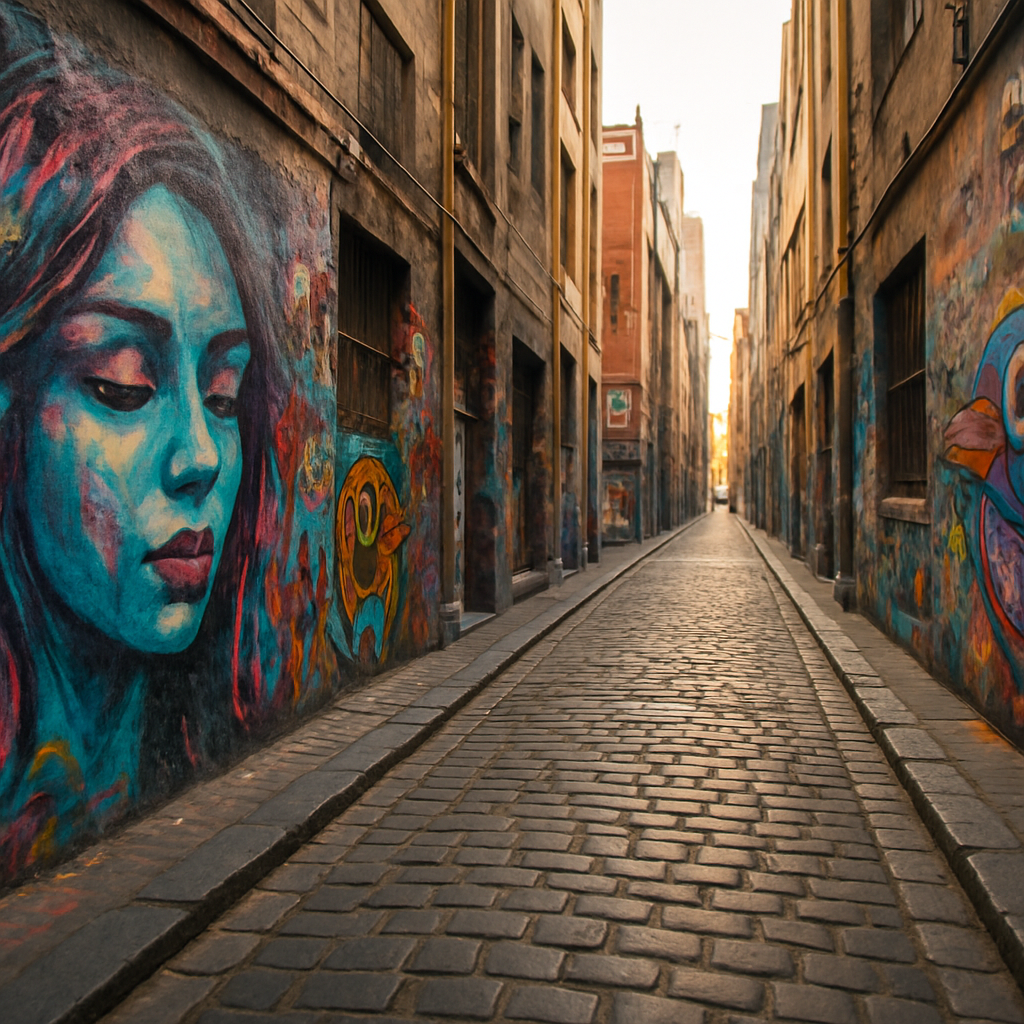
Melbourne's Laneway Culture & Street Art
Forget the official street art tours — just walk. Hosier Lane gets the Instagram traffic, but the real finds are scattered across Fitzroy and Collingwood's side streets, where murals change weekly and the quality ranges from technically jaw-dropping to cheerfully unhinged. AC/DC Lane, Degraves Street, and Centre Place in the CBD each have their own personality: AC/DC Lane is dark and grungy (Cherry Bar lives here), Degraves is the espresso-and-pastry corridor, Centre Place is narrower and more chaotic. You could spend a full morning just threading through the CBD's laneways and come out the other side caffeinated, fed, and with a camera full of things that won't exist next month.
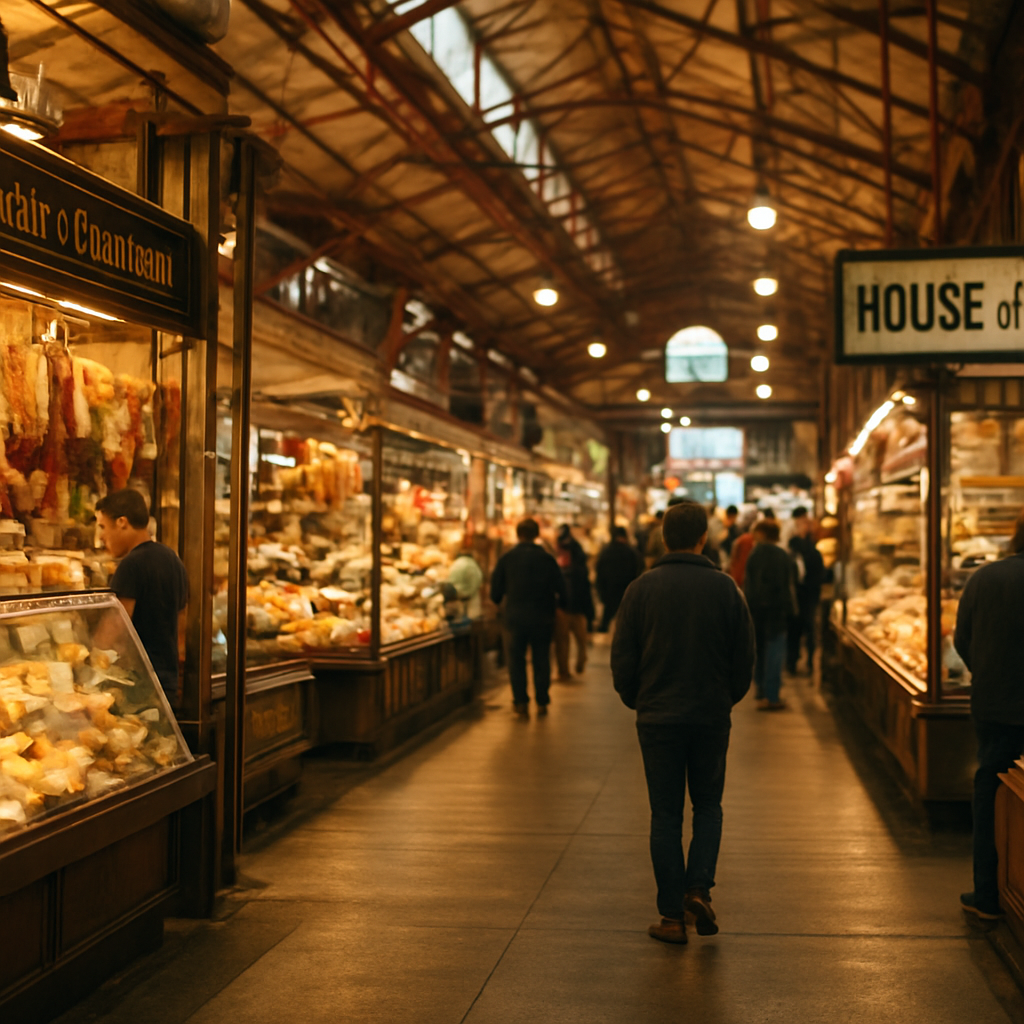
Queen Victoria Market on a Saturday Morning
The Queen Vic Market has been feeding Melbourne since 1878, and on a Saturday morning it runs at full volume — fishmongers shouting prices, cheese vendors offering samples of something bloomy and French, deli counters stacked with cured meats and olives. The fresh produce halls are staggering (stone fruit in summer will ruin you for supermarkets forever), and the general merchandise sheds on the outer edges sell everything from sheepskin boots to vintage vinyl. Eat a bratwurst from the German sausage stand, grab a bag of doughnuts from the American Doughnut Kitchen, and accept that you'll spend twice what you planned. It's worth it.
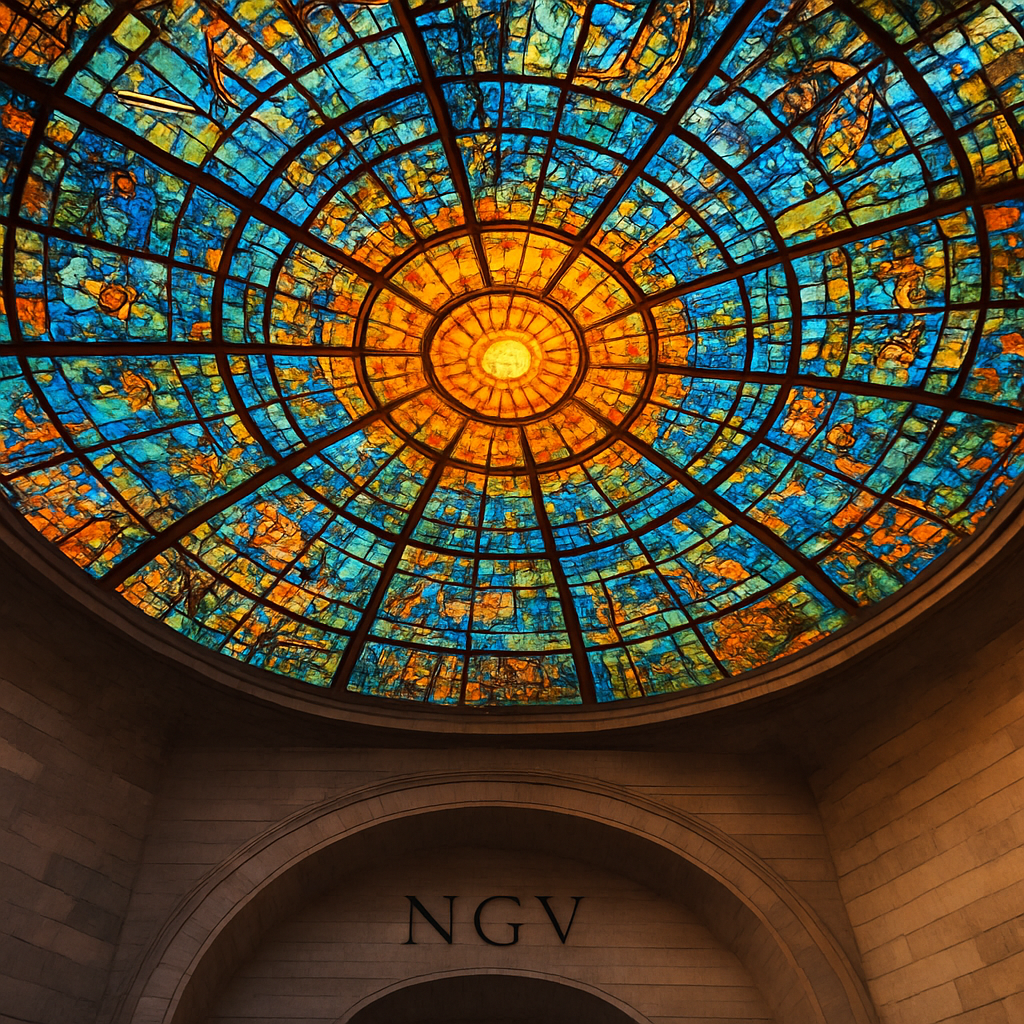
NGV International & the Arts Precinct
The National Gallery of Victoria on St Kilda Road is Australia's most visited art museum, and the permanent collection alone — free entry — is worth half a day. The water wall entrance is iconic, the European collection upstairs is genuinely world-class, and the contemporary Australian galleries give you context for the country's creative culture that you won't get anywhere else. Walk across to Arts Centre Melbourne with its distinctive spire, catch whatever's on at the Hamer Hall foyer (often free lunchtime performances), and loop through the Southbank promenade along the Yarra. On a clear evening, the CBD skyline reflected in the river is the Melbourne postcard you didn't know you wanted.
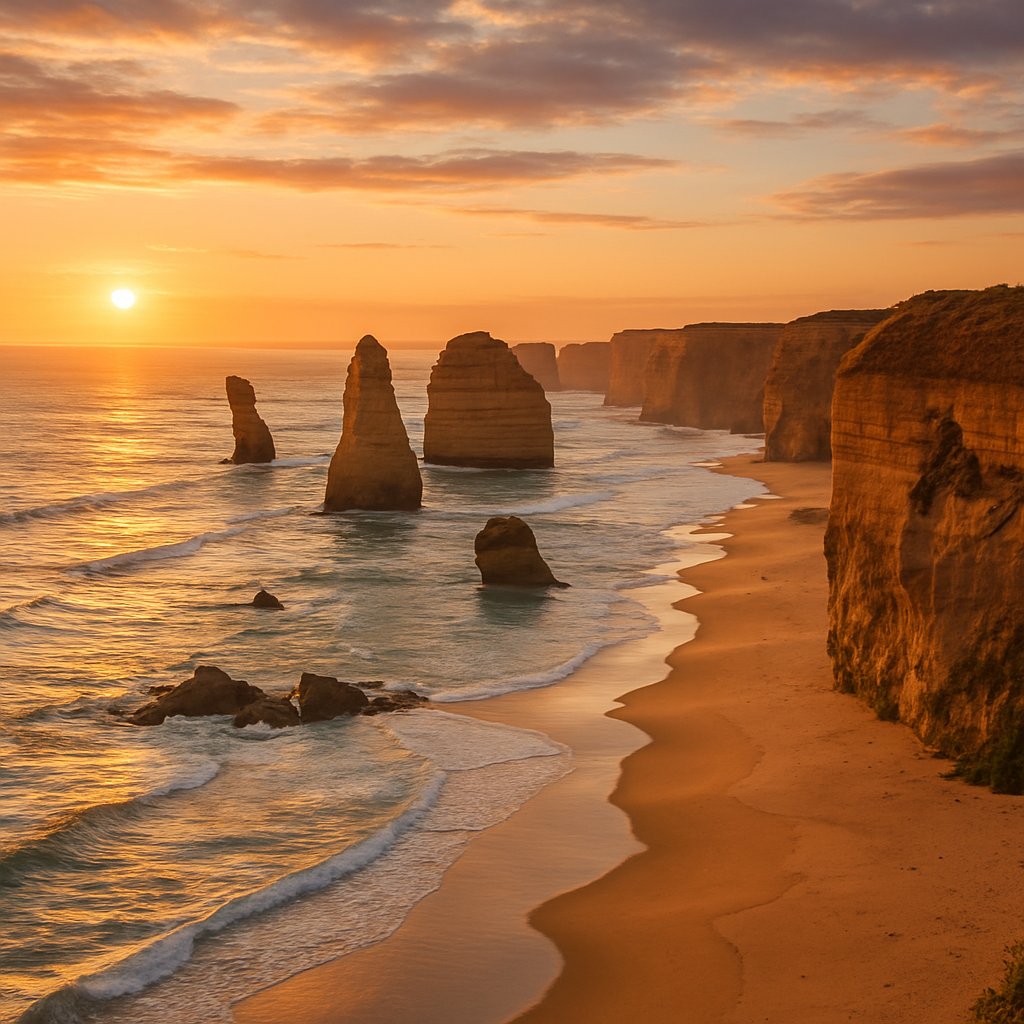
Great Ocean Road Day Trip
Yes, it's a tourist staple. Yes, you should still do it. The drive southwest from Melbourne along the Great Ocean Road is approximately three hours to the Twelve Apostles, and the coastal scenery between Torquay and Apollo Bay — limestone cliffs, eucalyptus-thick hillsides dropping into surf breaks — is genuinely spectacular. Stop at Lorne for fish and chips on the beach, walk the rainforest boardwalk at Maits Rest, and time your arrival at the Apostles for late afternoon when the light turns the limestone gold. Rent a car rather than taking a bus tour — the freedom to stop when you want is the whole point. If you have two days, overnight in Apollo Bay and catch the sunrise before the coaches arrive.
Daylesford & Hepburn Springs
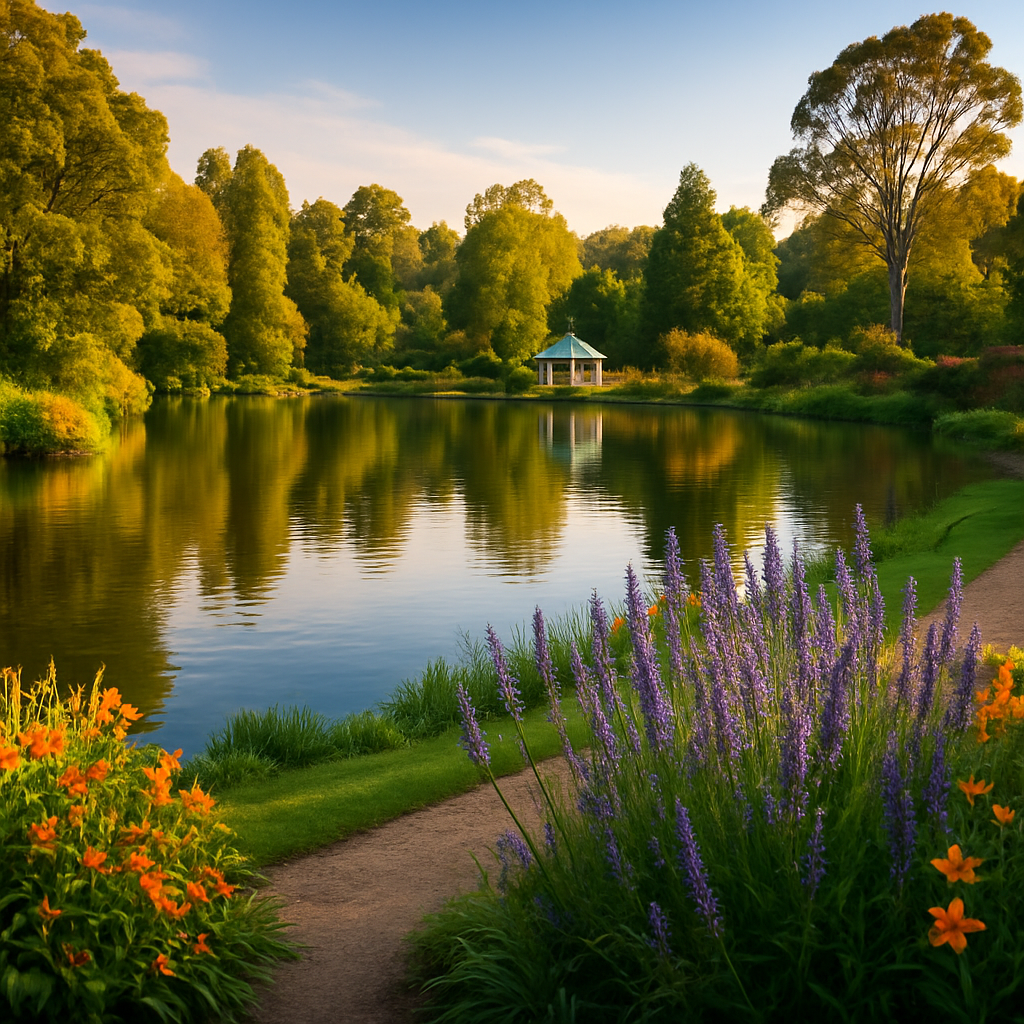
About ninety minutes northwest of Melbourne, Daylesford is Australia's spa country — mineral springs, bushland walks, boutique accommodation, and farm-to-table restaurants that take their produce very seriously. The town itself is small enough to walk in an afternoon: antique shops, a stunning botanical garden, a lake you can circuit on foot, and enough good cafés that you'll eat better here than in most capital cities. Book a soak at Hepburn Bathhouse & Spa, built over the original mineral springs, and budget time for the galleries and ceramics studios scattered through the surrounding villages. If your trip coincides with the ChillOut Festival in March — Australia's largest regional LGBTQ+ event — book accommodation months ahead.
The places I actually send people to
The Melbourne dates worth planning around
Advice that fits how you travel
Melbourne is one of the easiest cities in the world to travel solo, full stop. The café culture is built for people sitting alone with a flat white and a book — nobody will rush you, nobody will give you a look, and the barista will probably strike up a conversation about whatever you're reading. Public transport on the myki system covers the city thoroughly, the tram network is free within the CBD zone, and the grid layout means you won't get catastrophically lost even without maps open.
For meeting people, the apps are active and the culture around them is relaxed — Melbourne isn't a city where everyone's performing. Sircuit Bar on Smith Street and The Xchange Hotel on Commercial Road are both easy walk-in-alone venues where the staff and regulars make solo visitors feel welcome without being aggressively social. If you're here during Midsumma in January, the free Carnival day at Alexandra Gardens is the single best place to meet people organically — arrive before noon for a patch of grass.
Budget-wise, solo travel in Melbourne works at every level. A hostel private room, myki day cap, free gallery visits at the NGV, and café meals will run you around AUD 120–160 per day. The inner-north neighbourhoods — Fitzroy, Collingwood, Northcote — are the most solo-friendly, with enough bars, restaurants, and cultural venues within walking distance that you'll never feel stranded. Just bring layers. Melbourne's weather is famously deranged, and "four seasons in one day" isn't a cliché here — it's a warning.
Melbourne is close to a perfect city for same-sex couples — which is a statement I don't make lightly. My Chill score of 8.8 reflects a city where same-sex PDA in the inner suburbs doesn't register as remarkable. Fitzroy and Collingwood in particular operate as a gay-residential bubble where you'll feel the same ease on the street as you do inside the bar. Hand-holding, a kiss goodbye at a tram stop — nobody's watching, and if they are, they're approving.
For date nights, Gimlet at Cavendish House is the answer when you want to genuinely impress someone. The Langham's Chuan Spa is the answer when you want to disappear together for an afternoon without looking at a screen. And the walk from the NGV International along the Yarra at dusk, ending up somewhere in Southbank with a glass of something cold — that's free and it's better than any scheduled experience I can point you toward. The city does romance without you having to work for it.
The day trip to Daylesford & Hepburn Springs is the couples move that Melbourne locals do and visitors miss. Ninety minutes northwest, mineral springs, genuinely good food, and a regional LGBTQ+ community that settled there decades ago because of the welcome. Stay overnight. You won't regret it, and it'll feel like a different trip entirely.
Australia has comprehensive family recognition laws, and Victoria leads the country on this front. Same-sex couples have full adoption rights, and your family structure — whatever it looks like — will be legally recognised and practically unremarkable in Melbourne's inner suburbs. The city has been here on this for years, and it shows in the way institutions interact with families: nobody at the NGV or Melbourne Zoo is going to make your kids feel like they have a complicated family. They don't.
The NGV International is free for permanent collection visits and genuinely holds children's attention longer than you'd expect — the scale of the building alone buys you twenty minutes. Melbourne Zoo in Parkville is a full day and one of the better city zoos in the Asia-Pacific. Under-5s ride Melbourne's public transport free, and the myki daily cap system means you won't blow the budget getting around. The city's tram network is stroller-navigable on the main routes; the free City Circle tram is slow but the kids love it.
For LGBTQ+ family-specific community, PFLAG Australia has an active Melbourne presence, and the Midsumma Carnival at Alexandra Gardens in January is specifically family-friendly during the day — a genuinely joyful outdoor event where your family will be one of dozens of LGBTQ+ families sharing a patch of grass by the Yarra. Bring snacks, arrive before noon, and accept that the kids will want to stay longer than you planned.
What Melbourne actually costs
Flights, visas, and the first 30 minutes
Airport: Melbourne Airport (Tullamarine) — airport code MEL. Direct flights from 80+ cities worldwide.
Major routes: Sydney (1h 25m), Auckland (3h 30m), Singapore (8h 15m), Tokyo (10h 00m), Dubai (13h 45m), Los Angeles (16h 30m), London (21h 30m).
Visas: US, UK, and Canadian travellers need an Electronic Travel Authority (ETA) — apply online before departure, AUD 20 fee. EU travellers apply for the free eVisitor visa (subclass 651) online. Australian residents: domestic travel, no visa required.
Airport to city:
SkyBus Express Coach — AUD 24 one-way, 35–55 min. Runs 24/7, every 10 minutes during peak hours, drops at Southern Cross Station in the CBD. This is the move for most travellers.
Taxi / Rideshare (Uber) — AUD 55–75, 25–45 min. A fixed taxi fare zone applies from the airport; Uber is metered and traffic-dependent. Faster than SkyBus when traffic cooperates.
Pre-booked shuttle — AUD 30–45, 40–60 min. Door-to-door service. Worth it if you're travelling with significant luggage or a family.
Public bus (Route 901 Smartbus) — AUD 5 with myki card, 55–75 min. The least direct option, connecting to Broadmeadows and Sunshine stations. Budget travellers only — it's a commitment.
Traven's seasonal breakdown
The questions everyone asks
Is it safe to hold hands in Melbourne?
When is Melbourne's Pride festival?
Do I need a visa for Australia?
How much should I budget per day?
What's the best way from the airport to the city?
Do I need to speak English well to get around?
Can I access PrEP or sexual health services as a visitor?
Screenshot this before you go
So should you actually go?
Melbourne is one of those rare cities where the legal framework, the cultural attitude, and the actual lived experience all line up. Full equality under the law, a scene that's genuinely distributed across half a dozen neighborhoods, world-class food and coffee that will ruin you for wherever you live, and a city that treats you being gay as roughly as interesting as your shoe size. It's a long flight from most of North America and Europe — I won't pretend otherwise — but it's worth every hour in the air. Go, eat everything, ride the trams, and budget an extra day because you will not want to leave on schedule.
Sources & Resources
Official links we reference when compiling this guide. Last verified 2026-03-15.
- Switchboard Victoria — LGBTQ+ Counselling & Peer Support
- Thorne Harbour Health — LGBTQ+ Community Health
- Midsumma Festival — Melbourne LGBTQ+ Arts & Culture
- Melbourne Queer Film Festival (MQFF)
- PFLAG Australia — Family & Friends Support
- Victorian Equal Opportunity & Human Rights Commission
- Victoria Legal Aid — Discrimination & Rights
- QLife — LGBTQ+ Peer Support (National)
- Equality Australia
- ACON — LGBTQ+ Health & Wellbeing
- Pride in Diversity — LGBTQ+ Workplace Inclusion