Sydney doesn't audition for your affection — it walks out in a sequined harness at sunset and assumes, correctly, that you're already in love.
The first thing Sydney does to you is the light. I don't mean that in some poetic, travel-writer way — I mean the actual, physical quality of the light bouncing off the harbour at 6pm will make you stop walking and forget what you were saying. It hits the Opera House shells and turns them pink-gold, it catches the wake of the Manly ferry, and it makes every single person on the Circular Quay promenade look approximately 30% more attractive than they actually are. This city is cheating, and it knows it.
Oxford Street is having a complicated decade — half the old venues are apartments now — but don't write it off. What's left has tightened up beautifully, and on a Saturday night between Stonewall and Arq Sydney you'll find more energy per square metre than most cities can muster across an entire neighbourhood. Then there's Newtown, where queerness is baked into the furniture rather than announced on a neon sign — the Bank Hotel on King Street runs drag bingo that feels like a rowdy family dinner, and nobody is performing for tourists. It's just Tuesday. And The Imperial in Erskineville — the Priscilla connection is real, the drag shows are legitimately great, and the pub itself has this warm, slightly-worn neighbourhood feel that the slicker Oxford Street bars have mostly lost.
There's a reason my Traven-Dex score sits at 9.5 for this city: full marriage equality, comprehensive anti-discrimination law, a queer scene that's genuinely dispersed across four or five neighbourhoods instead of quarantined into one convenient strip, and a cultural attitude toward LGBTQ+ people that's moved past tolerance into something that looks a lot more like genuine indifference — the good kind, where nobody notices and nobody cares and you can kiss your boyfriend at Taylor Square while waiting for a bus and the only person who looks at you is the bus driver, because you're blocking the door.
I gave it a 10.0 on Destination because the city beneath the queer layer is genuinely world-class — the harbour, the beaches, the food, the coffee, the Blue Mountains ninety minutes west. And a 10.0 on Pulse because the events calendar, anchored by Mardi Gras but stretching far beyond it, keeps this city's queer heartbeat loud and consistent year-round. Sydney earns it. Go.
The stuff your travel guide buries on page 47
Legal Framework: Australia legalised same-sex marriage nationwide in December 2017 following a historic postal survey. Same-sex couples have full and equal marriage rights, joint adoption rights in all states, and comprehensive anti-discrimination protections at both federal and state levels. New South Wales — Sydney's state — has some of the strongest LGBTQ+ protections in the country: gender identity, intersex status, and sexual orientation are all protected categories under the Anti-Discrimination Act. Gender marker changes on NSW birth certificates have been available via self-identification (no surgery required) since 2023. Criminalization of homosexuality was repealed in NSW in 1984. In short: full legal equality, no caveats, no asterisks.
Cultural Reality: The legal framework matches the ground-level experience. Sydney hosted WorldPride in 2023, and the infrastructure and visibility boost that event created hasn't faded — if anything, it accelerated a trajectory the city was already on. ACON, the AIDS Council of NSW, remains the city's most important LGBTQ+ health and community organisation, headquartered near Taylor Square, and provides everything from sexual health services to community event listings. PrEP is widely available — ACON's website lists sexual health clinics by suburb, and the Surry Hills Sexual Health Clinic on Albion Street is the most experienced and LGBTQ+-fluent in the city, no awkward explaining required. Inner City Legal Centre offers free legal advice specifically for LGBTQ+ community members if anything goes sideways.
Mardi Gras runs for weeks — the parade is just one night in late February or early March, but the festival events stretch across the month, and the parties like Fair Day in Victoria Park are often better for actually meeting people than the parade itself. Sydney's queer scene is genuinely scattered across multiple neighbourhoods now — Oxford Street for bars and clubs, Newtown and Erskineville for a more alternative vibe, Marrickville for underground parties and queer people of colour spaces. Trying to stay in one zone will mean you miss the actual texture of the city.
PDA Comfort: Oxford Street and Darlinghurst — very high. Same-sex couples holding hands and kissing are entirely normal and celebrated; rainbow crossings at Taylor Square reinforce visibility. Surry Hills and Newtown — equally high, with progressive, queer-friendly crowds where affection between any couple is unremarkable. CBD, Circular Quay, and Bondi Beach — high, with cosmopolitan crowds and no notable safety concerns. Western suburbs like Parramatta and Penrith — moderate; generally fine during the day but exercise some discretion at night.
What it actually feels like on the ground
Holding Hands: Completely comfortable in Darlinghurst, Surry Hills, Newtown, Erskineville, and Bondi — you won't get a second glance. The CBD and tourist precincts around Circular Quay and The Rocks are equally fine. In western suburbs like Parramatta or Penrith, you're unlikely to encounter trouble, but occasional looks are possible. Nobody I've spoken to has reported anything beyond that.
Hotel Check-in: Zero issues. Sydney hotels, from backpacker hostels to five-star properties, handle same-sex couples as a complete non-event. QT Sydney and the Park Hyatt both have strong LGBTQ+ service records. Don't worry about booking a king bed or mentioning a partner — this genuinely does not register as notable.
Taxis and Rideshare: Fine across the board. Uber is the dominant rideshare platform and drivers in Sydney are accustomed to picking up same-sex couples from Oxford Street venues at 2am. Taxis from regulated ranks are equally safe. No reports of discrimination worth noting.
Beaches and Public Spaces: Bondi Beach has a diverse, international crowd and LGBTQ+ couples are entirely comfortable. For a historically queer beach, Obelisk Beach near Mosman is clothing-optional and has been a gay sunbathing spot for decades. The Harbour foreshore, Darling Harbour, and Centennial Park are all completely fine.
Late Night: Sydney is broadly very safe for queer travellers — same-sex couples in Darlo or Newtown draw zero attention — but like any major city, late-night transport corridors and isolated streets after 2am carry different energy. Locals recommend rideshare rather than walking alone after hours. Most bars in the Oxford Street precinct wind down around 3am, so plan accordingly.
Trans Travellers: NSW law allows self-identification for gender markers without surgery requirements, and comprehensive anti-discrimination protections extend to gender identity. Inner-city neighbourhoods are broadly welcoming. The Gender Centre is a Sydney-based resource specifically for trans and gender-diverse people and can provide support if needed. Some trans travellers have reported isolated incidents in outer suburbs, but inner Sydney is consistently reported as comfortable.
Verbal Harassment: Rare in inner-city areas. Not unheard of in outer suburbs late at night, but Sydney's LGBTQ+ community is well-supported — if anything goes sideways on Oxford Street, The Stonewall Hotel has long had a reputation as a safe haven. The staff know the community and the block, and it's the kind of place where asking for help doesn't feel like an imposition. Anti-discrimination protections in NSW are real and enforceable — if you're refused service or experience discrimination at a venue, the Inner City Legal Centre offers free advice specifically for LGBTQ+ community members.
The queer geography
Oxford Street & Darlinghurst
This is the historic spine of Sydney's gay village — the Golden Mile — running through Darlinghurst from Hyde Park down past Taylor Square toward Moore Park. It's had a complicated evolution: what was once wall-to-wall gay venues has thinned as property prices swallowed some of the old spots. But what remains is concentrated and sharp. The Stonewall Hotel anchors the strip with drag shows and a rooftop that puts you above the energy of the street. Arq Sydney is still the biggest queer club in the city. Palms on Oxford, Oxford Hotel and its rooftop, The Flinders Hotel — these are all within a five-minute walk of each other. The 78ers Monument at Taylor Square commemorates the activists arrested during the first Gay Solidarity march in 1978 — they still lead the Mardi Gras Parade every year. ACON's community hub is nearby, as is the Twenty10 youth space. This is the symbolic centre, and on a Mardi Gras night it's still the centre of everything.
Newtown & Erskineville
If Oxford Street is the glitter and the clubs, Newtown is the ink and the brunch. King Street — Newtown's main drag — is lined with queer-friendly bars, bookshops, and vintage stores. The Bank Hotel does drag bingo that feels like a community event rather than a show. The Courthouse Hotel runs women's nights, and Zanzibar Newtown programmes queer events throughout the year. Lesbian and queer women's spaces are strongest here and in adjacent Erskineville, where The Imperial Hotel — immortalised in Priscilla, Queen of the Desert — has been a queer landmark for decades. The Erskineville Hotel has a loyal local crowd that's been showing up for years without needing a themed event to justify it. This is where you go when you want queerness woven into the everyday rather than spotlit.
Surry Hills
Directly south of Darlinghurst, Surry Hills is where queer nightlife bleeds into creative industries, boutique bars, and the city's best brunch spots. The Beresford Hotel draws a mixed, queer-friendly crowd. The Standard is a reliable neighbourhood bar. Longrain is here. The energy is younger, more fluid, less explicitly labelled — and the boundary between Surry Hills and Darlinghurst barely exists in practice. If you're staying in this area, you're in the thick of it without needing to try.
Marrickville & The Inner West
Marrickville is where Sydney's queer nightlife has been migrating and diversifying — especially for queer people of colour and underground party scenes. Wayward Brewing Co is nearby. The warehouse venues shift and pop up, so following event listings (ACON's community calendar is the best single source) matters more than memorising addresses. For leather, bears, and fetish events, check Harbour City Bears socials — the scene is active but event-driven rather than venue-anchored.
Pro tip: Grindr works fine in Sydney, but Scruff has a notably stronger presence in the city's LGBTQ+ community. For non-app socialising, Fair Day in Victoria Park during Mardi Gras season is genuinely the best mass-gathering for meeting locals in a low-pressure, daytime setting.
The experiences worth rearranging your itinerary for

The Bondi to Coogee Coastal Walk
Six kilometres of sandstone cliffs, hidden coves, and ocean views that hit you at a new angle every hundred metres. Start at Bondi's south end, pass through Tamarama and Bronte, and finish at Coogee Beach — the whole thing takes about two hours at a pace that allows for stopping and staring, which you will do repeatedly. The morning light along this stretch is unreasonable. Grab a flat white at Bondi before you start and fish and chips at Coogee when you finish.
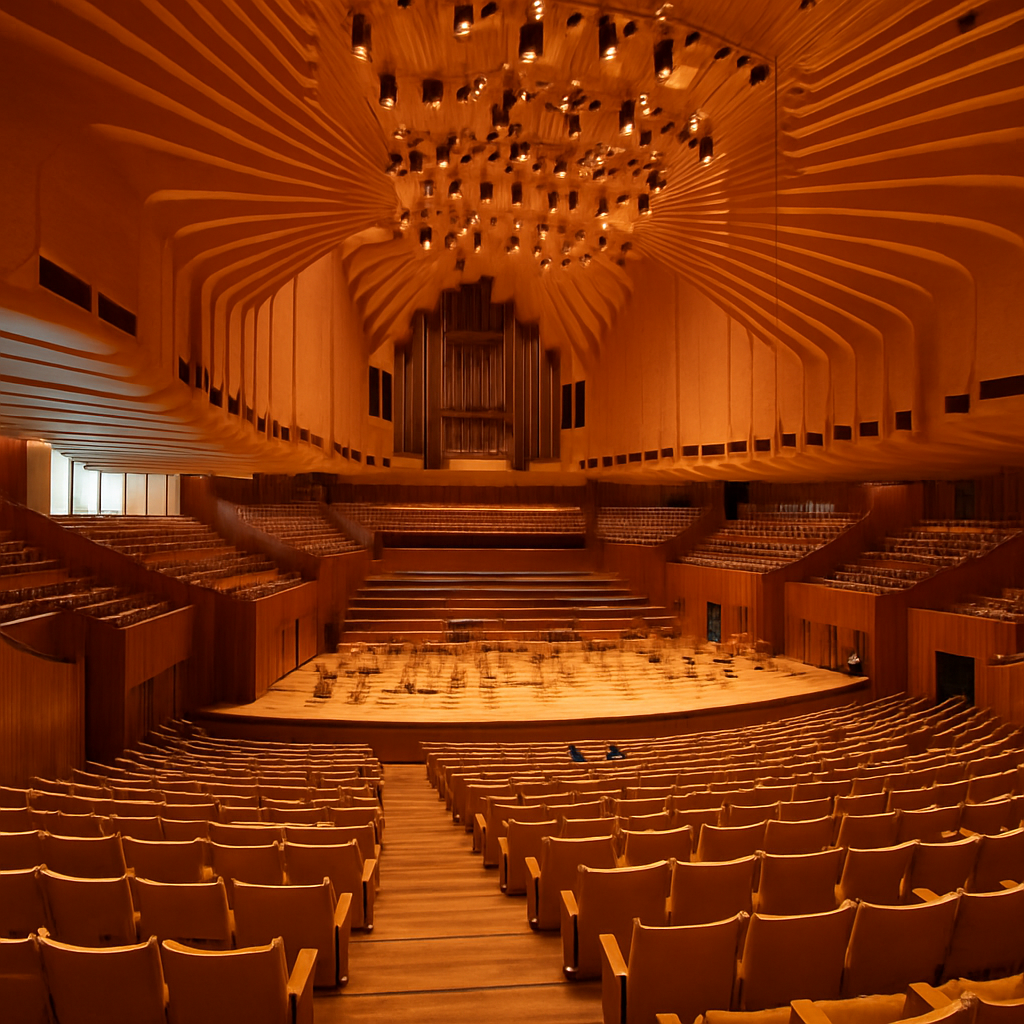
Sydney Opera House Interior Tour
Everyone photographs the outside — the shells, the harbour, the postcard. But the interior is where you understand what Jørn Utzon actually built: the concert hall ceiling that looks like the inside of a giant instrument, the Brutalist concrete corridors, the way the glass walls frame the harbour like it was designed as a set piece. Book a guided tour or, better, get tickets to an actual performance. Hearing music inside a building this architecturally perfect changes what you think a room can do.
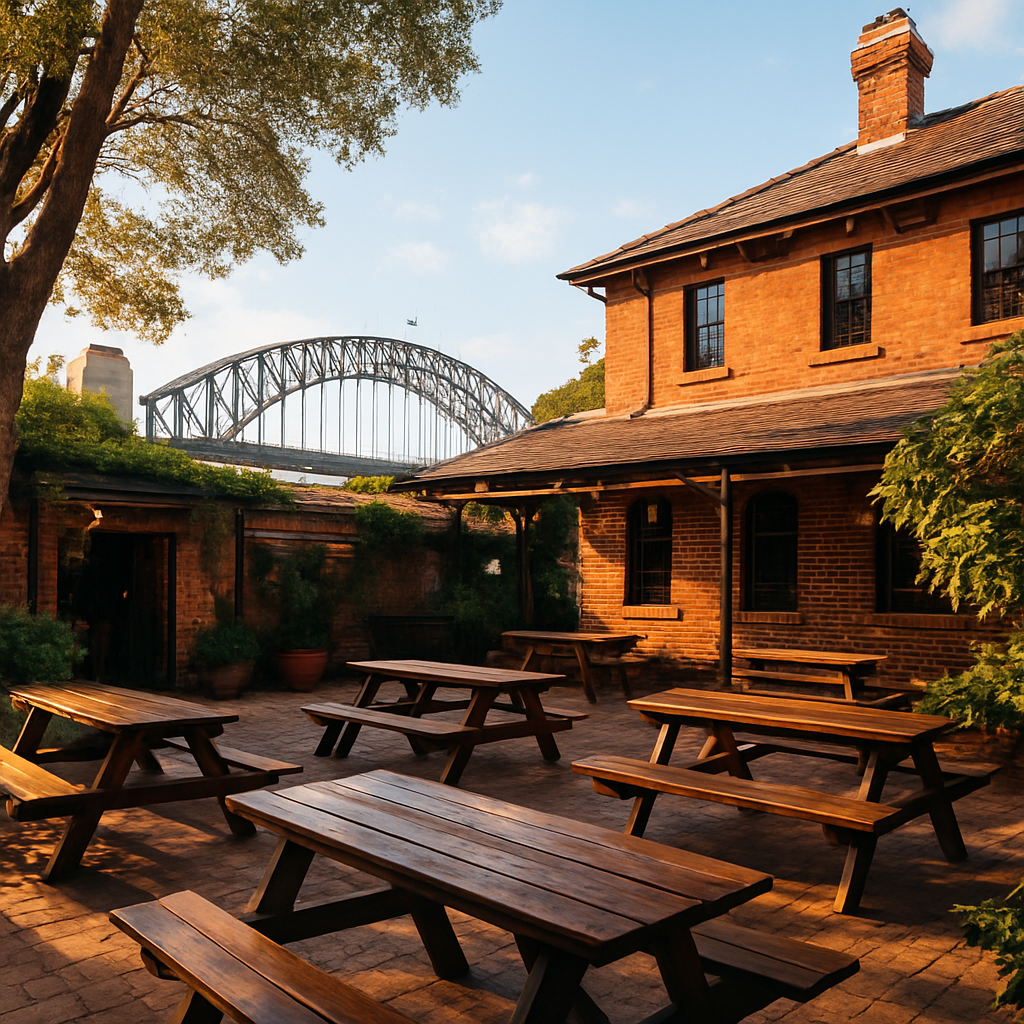
Sunday Session at Green Park Hotel
Sunday arvo at Green Park Hotel on the corner of Oxford and Victoria streets is one of those Sydney moments that can't be manufactured — the afternoon light comes through at a specific angle, everyone is slightly sunburned from the beach, and the whole thing feels accidental and perfect. It's a pub, not an event. Order a schooner, sit in the courtyard, and let the afternoon happen to you.
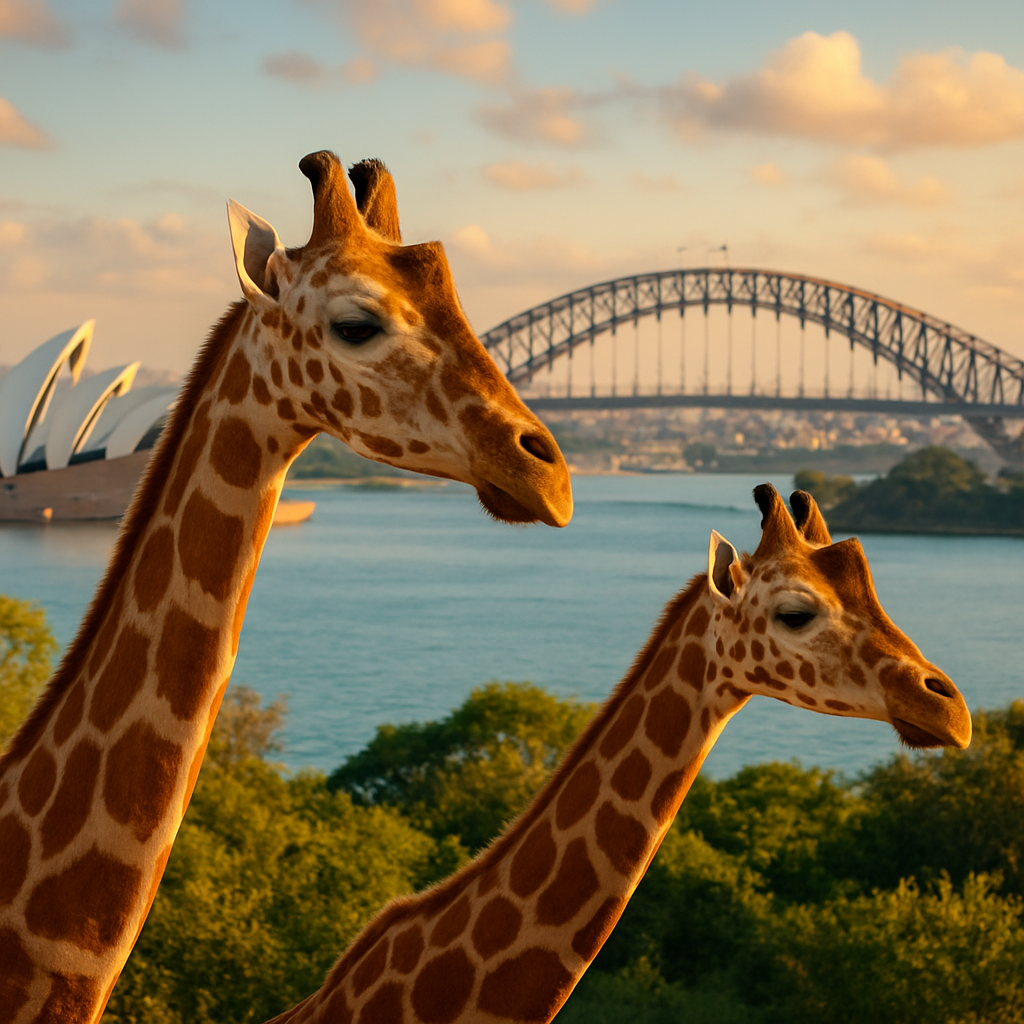
Taronga Zoo Ferry & Harbour Views
The zoo itself is excellent — one of the best in the world, legitimately — but the real reason I'm including it is the ferry ride from Circular Quay. Twelve minutes across the harbour with the Opera House receding behind you and the Harbour Bridge framing the skyline. The giraffes at Taronga have the single best view of any zoo animal on earth. You'll spend as much time looking backward at the city as you do looking at the animals, and both are worth it.
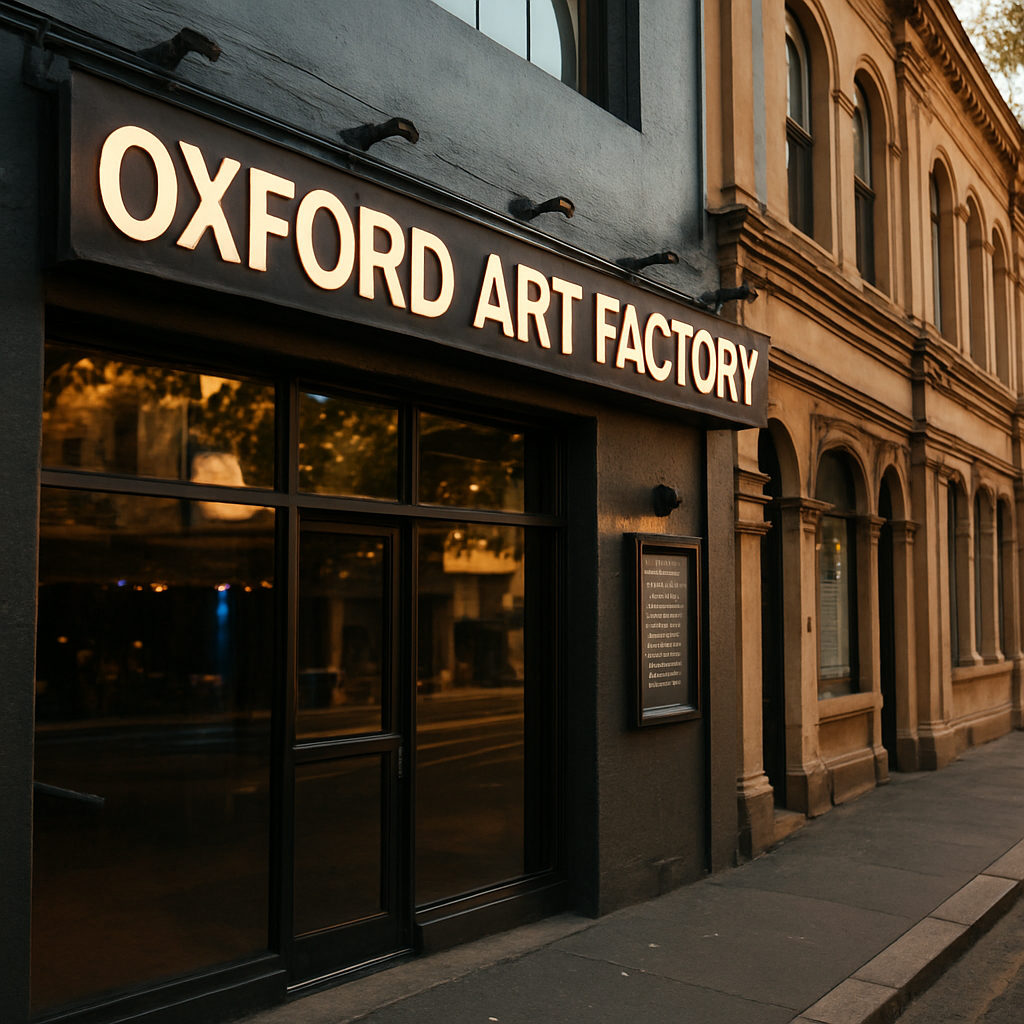
Oxford Art Factory on a Live Music Night
Oxford Art Factory on Oxford Street programmes queer and queer-adjacent music events throughout the year — it's not explicitly a gay venue, but the overlap between the Newtown art crowd and the Darlo queer crowd is massive, and the sound system is exceptional. Check the listings before your trip. On the right night, this is one of the best live music rooms in Sydney, and the crowd has that specific inner-city energy where nobody is checking to see if they fit in because everyone already decided they do.
The places I actually send people to
Advice that fits how you travel
Sydney is a spectacularly good solo city. The public transport system — anchored by the Opal card — gets you everywhere from Bondi to Newtown to the harbour without needing a car, and the city's café culture practically insists on solo lingering. Order a flat white at any Surry Hills café, pull out a book, and nobody will rush you. The Bondi to Coogee walk is one of the best solo morning activities in any city I've covered — two hours of coastline where the view changes every five minutes and the endorphins are free. Budget-wise, hostel private rooms in Darlinghurst or Surry Hills run AUD 40–65 a night and put you walking distance from everything.
Meeting people is straightforward. Scruff has a stronger footprint than Grindr here, and the app culture is active without being aggressive. For non-app socialising, the Sunday arvo pub session is a Sydney institution — Green Park Hotel or The Beresford on a Sunday afternoon are low-pressure, conversational, and genuinely welcoming to people who walked in alone. If your trip overlaps with Mardi Gras season, Fair Day in Victoria Park is the single best opportunity to meet locals in a daytime, relaxed setting. Drag shows at The Stonewall Hotel are also reliable solo-friendly territory — sit at the bar, order a drink, and the room does the social work for you.
Safety for solo travellers is excellent in inner-city areas. Standard city rules apply after dark — Uber rather than walking isolated streets past 2am, keep your phone aware in crowded late-night spots. But daytime and early evening, Sydney's inner neighbourhoods feel as safe as any city I send solo travellers to, and considerably safer than most.
Sydney might be the most naturally romantic city in the southern hemisphere, and I say that with full awareness of how much competition that statement involves. A dinner at Icebergs with the Pacific Ocean beneath you, followed by a walk along the Bondi to Coogee coastal path in the warm evening air — that's a first-night-in-Sydney move that doesn't require improvement. The PDA situation in Darlinghurst and Surry Hills is genuinely stress-free; no one looks, no one performs tolerance, it just doesn't register as notable in either neighbourhood.
For accommodation, the Park Hyatt in The Rocks is the obvious splurge answer — Opera House views from your room, and the kind of breakfast service that makes you feel you've been making correct life decisions all along. If the Hyatt is outside the budget, QT Sydney on Market Street gives you drama, design, and a Mardi Gras-partnered hotel with strong queer energy at roughly a third of the price. Either way, book directly and mention the occasion — Sydney hotels, especially the LGBTQ+-allied ones, are genuinely good at making it feel like a moment.
The best couples' move in Sydney that most visitors miss: take a late-afternoon Sydney Ferry from Circular Quay to Manly. It's AUD 8 each way on an Opal card, it takes 30 minutes, and the harbour views as you head out through the Heads in the dropping afternoon light are the kind of thing you'll still be talking about three years from now. Have fish and chips on Manly Beach, catch the return ferry as the city lights come on, and try to explain to me why you'd spend AUD 350 on a harbour cruise instead.
Sydney is one of the most genuinely LGBTQ+-family-friendly cities on the planet — and I say that as a statement of legal and social fact, not reassurance. Same-sex adoption is fully legal, marriage equality has been in place since 2017, and anti-discrimination protections covering family structure are comprehensive under NSW law. Practically speaking, the city is exceptionally well set up for kids: children under 16 travel free on public transport off-peak on an Opal card, Taronga Zoo is legitimately one of the best in the world, and the SEA LIFE Sydney Aquarium at Darling Harbour will occupy small children for a solid half-day. Rainbow Families NSW runs regular community events and can connect visiting families with local social networks — genuinely worth checking before you arrive.
If you're travelling during Mardi Gras season, Fair Day in Victoria Park is explicitly family-friendly — face painting, community stalls, live music, all free — and it's one of the most welcoming daytime events I've attended with kids anywhere in the world. The parade itself in late February or early March is a full-on spectacular that older kids will remember for years; for younger children, grandstand tickets give you a safer, less-crowded vantage point than standing in the street crowd along Oxford Street.
For accommodation with families, the Pyrmont area puts you directly on Darling Harbour with the aquarium, ferries, and the Chinese Garden of Friendship all walkable. Bondi Beach is the other strong family base — sections of the Bondi to Coogee coastal walk are manageable with a pram, the beach has excellent surf lifesaving supervision through summer, and the cafés on Campbell Parade do proper kid menus. Pro tip: the Icebergs ocean pool at the southern end of Bondi has a children's pool that costs almost nothing and shares the same Pacific Ocean view as the award-winning restaurant directly above it.
What Sydney actually costs
Flights, visas, and the first 30 minutes
Airport: Sydney Kingsford Smith Airport (SYD) — one of the best-connected airports in the southern hemisphere, with direct flights from 90+ cities worldwide.
Major Routes:
Los Angeles (LAX) — approximately 15 hours direct
London (LHR) — approximately 22 hours direct
Singapore (SIN) — approximately 8 hours direct
Tokyo (NRT) — approximately 9 hours 30 minutes direct
Dubai (DXB) — approximately 14 hours direct
Auckland (AKL) — approximately 3 hours direct
Visa Requirements:
US: ETA (eVisitor) required — apply online before travel, AUD 20 fee, typically approved instantly
UK: eVisitor visa required — free, apply online before travel
EU: eVisitor visa required for most EU nationals — free, apply online
Canada: ETA required — AUD 20 fee, apply online
Australia: No visa required — citizens and permanent residents
Getting to the City:
Train (Airport Link): AUD 19–21 | 13–25 minutes | Direct to Central, Town Hall, and Wynyard stations; runs frequently from 5am to midnight. This is the move for most travellers — fast, cheap, no traffic.
Taxi / Rideshare (Uber): AUD 45–65 | 20–40 minutes | Convenient door-to-door, but subject to traffic; airport surcharge applies from the taxi rank.
Bus (Route 400): AUD 3.20 | 45–60 minutes | Budget option running to Bondi Junction via Mascot; requires an Opal card loaded in advance.
Private Transfer: AUD 80–120 | 20–35 minutes | Pre-booked and meets you in the arrivals terminal — worth it for groups travelling with significant luggage.
Traven's seasonal breakdown
The questions everyone asks
Is Sydney safe for LGBTQ+ travellers?
Do I need to speak English well to get around?
How much should I budget per day?
Is it worth timing my trip for Mardi Gras?
What's the best neighbourhood to stay in?
Can I get by without a car?
Is the tap water safe to drink?
Screenshot this before you go
So should you actually go?
Sydney is a 9.5 on my Traven-Dex and it earns every decimal point. Full legal equality, a queer scene that spans four or five distinct neighbourhoods instead of one tokenised strip, a city underneath that's genuinely world-class — the harbour, the beaches, the food, the coffee, the light — and a cultural attitude toward LGBTQ+ people that's landed firmly in the territory of comfortable indifference. The flights are long from the northern hemisphere, and the prices are higher than Southeast Asia, and none of that matters once you're standing at Circular Quay at sunset watching the Opera House turn gold. Go. I mean that with no qualification.
Sources & Resources
Official links we reference when compiling this guide. Last verified 2026-03-06.
- ACON – LGBTQ+ Health & Community
- Sydney Gay and Lesbian Mardi Gras
- Twenty10 – LGBTIQ+ Youth Services
- Bobby Goldsmith Foundation – HIV Support
- Inner City Legal Centre – LGBTQ+ Legal Aid
- The Gender Centre
- Rainbow Families NSW
- PFLAG Australia
- Minus18 – LGBTQ+ Youth Australia
- NSW Health – LGBTIQ+ Resources