Vienna doesn't do gay loud — it does gay in a 19th-century coffeehouse with impeccable ceilings and absolutely no rush to get to the point.
Vienna does gay the way it does everything — with an almost infuriating elegance and zero urgency. This isn't Berlin's chaos or Barcelona's sun-drunk exhibitionism. It's a city where queer culture is woven into coffeehouse rituals and 19th-century bathhouse tiles, where the most meaningful encounter you'll have might be a three-hour conversation over Melange and Apfelstrudel at a window table in Café Savoy while the afternoon light does something obscene to those original high ceilings. The scene here isn't loud. It's layered. And you earn it by staying past midnight on a Wednesday when the real regulars show up.
Linke Wienzeile is the axis around which queer Vienna quietly rotates — Rosa Lila Villa at one end giving you your bearings, Café Savoy a few blocks up for your first Spritzer, and the Naschmarkt flea market on Saturdays doing the rest. You don't need an app. Just walk the street. The 6th district, Mariahilf, functions as the gay village without ever needing to announce itself, and the adjacent 7th, Neubau, picks up where it leaves off with design bars and third-wave coffee shops full of younger queer Viennese who'd rather talk about their graphic novel than which club to hit. There's a reason I gave this city a 9.5 on Destination — the bones are imperial, the culture is staggering, and the queer infrastructure just slides right into it like it's always been there. Because, honestly, it has.
What surprised me most is the Gemütlichkeit — that untranslatable Viennese warmth that turns every bar visit into a two-hour affair nobody wants to end. Order a Pfiff at Eagle Vienna and someone will eventually nod at you, then start a conversation, then insist you try their favorite Beisl around the corner. The Viennese brand of dry, deadpan humor — they call it Wiener Schmäh — pervades even the queer bars, so expect irony delivered with a completely straight face. Summer evenings along the Donaukanal, with its graffiti-covered banks and pop-up bars, feel like the whole city exhaled at once. And then after midnight, Why Not? on Tiefer Graben packs out with a crowd that ranges from tourists to regulars who've been coming since the '90s. Vienna isn't trying to impress you. It's just being itself, and that confidence is what makes my Traven-Dex score of 8.8 feel exactly right.
The stuff your travel guide buries on page 47
The legal picture: Austria has full marriage equality (since 2019), joint adoption rights for same-sex couples, comprehensive anti-discrimination protections covering employment, housing, and services, and a self-identification model for legal gender change introduced in 2023. Criminalization of homosexuality was fully repealed decades ago. My Legal score is a perfect 8.5, and it's earned — this is one of the most complete legal frameworks in Europe.
What that means on the ground: Vienna is a city where the legal protections aren't aspirational — they're operational. Same-sex couples checking into hotels, navigating hospitals, or dealing with any bureaucratic process will encounter the same treatment as anyone else. The city government actively maintains an anti-discrimination office (Wiener Antidiskriminierungsstelle), and organizations like HOSI Wien and Rosa Lila Villa provide walk-in counseling and orientation services specifically welcoming to travelers.
For trans travelers: Austria's 2023 self-ID law makes Vienna one of Europe's more progressive destinations. Trans-inclusive healthcare and facilities are accessible in the central districts, and TransX offers community support. Social awareness outside central Vienna varies — the inner districts are significantly more informed than the outer ones.
PDA comfort: In Mariahilf (6th district) and Neubau (7th district), same-sex PDA is normalized and widely visible — you won't turn a single head. The 1st district tourist center and the Prater area are comfortable, though the occasional conservative older local may glance. The outer districts (10th, 11th, 15th) warrant more discretion — not because of danger, but because stares are more likely. Public transit is overwhelmingly safe city-wide.
Pro tip: Rosa Lila Villa on Linke Wienzeile 102 operates a walk-in counseling service and is the single best first stop for any LGBTQ+ traveler who needs local orientation, health resources, or just a friendly face who speaks English. They're used to visitors and genuinely welcoming.
Vienna's Pride, the Regenbogenparade, typically runs in mid-June along the Ringstrasse and is one of Central Europe's largest — book accommodation two to three months out because the city fills up and prices spike aggressively that weekend.
What it actually feels like on the ground
Holding hands: In Mariahilf, Neubau, the MuseumsQuartier, and along the Donaukanal bars — genuinely unremarkable. Vienna is progressive in a quietly confident way that doesn't require a pride flag on every lamppost to signal safety. In the 1st district tourist areas, also fine. In the outer districts, you may draw stares but physical confrontation is extremely rare.
Hotel check-in: No issues. Austrian hotels are required by law to serve all guests equally, and Vienna's hospitality industry is experienced with LGBTQ+ travelers. Whether you're at a hostel dorm or Hotel Sacher, you'll check in without a second look or awkward question about your booking.
Taxis and rideshare: Standard Vienna taxis, Bolt, and Uber are all safe and professional. Drivers are regulated and complaints are taken seriously. No need to modify behavior in a cab.
Public spaces and parks: The Donaukanal banks in summer, the Naschmarkt terraces, the MuseumsQuartier courtyard — all comfortable for visibly queer people. Prater park is vast and relaxed during daylight. After dark, sections of the Prater (particularly the wooded areas near Heustadelwasser) have longstanding cruising significance — locals discuss this matter-of-factly, and it's generally unbothered, but use standard nighttime park awareness.
Late night: The queer bar districts in the 6th and 7th are safe well into the early hours. The Gürtel late-night bar strip draws a mixed crowd and is generally fine. The outer districts and late-night U-Bahn rides can occasionally produce unwanted attention, particularly from groups of drunk young men — it's not endemic, but the local advice is to take a cab or Bolt after 3am if you're in full drag or visibly queer in a way that reads as provocative outside the inner districts.
Trans travelers: Central Vienna is generally respectful, and legal protections are strong. Gendered facilities may still be binary in older establishments, but newer venues and most queer spaces are inclusive. TransX and Courage offer support if needed.
Verbal harassment: Rare in central districts but not nonexistent. Isolated incidents tend to involve alcohol and late hours rather than systemic hostility. Vienna is a safe city by European standards, and LGBTQ+-specific crime is statistically uncommon.
Health resources: Checkpoint Vienna, run through AIDS Hilfe Wien, offers confidential HIV and STI testing with no appointment needed during walk-in hours. The staff are experienced, multilingual, and completely non-judgmental — the go-to for locals and visitors alike.
The queer geography
Mariahilf (6th District) — Vienna's Queer Heartland
This is it. The 6th district is Vienna's de facto gay neighborhood — compact, walkable, and organized around a single street that makes the whole thing almost suspiciously easy. Linke Wienzeile runs along the Naschmarkt and serves as the informal spine: Rosa Lila Villa at number 102 anchors the community end, Café Savoy delivers the coffeehouse-as-gay-bar experience a few blocks north, and Felixx on Gumpendorfer Strasse handles the cocktail-and-drag side of things seven nights a week. Mango Bar near Mariahilfer Strasse is where the after-work queer crowd decompresses — the terrace in summer becomes its own little social ecosystem worth arriving at before 7pm to secure a seat. This is the district where same-sex PDA is so normalized it barely qualifies as a statement.
Neubau (7th District) — The Creative Annex
Adjacent to Mariahilf and equally queer-friendly, Neubau is where younger LGBTQ+ Viennese increasingly gravitate. The vibe is less traditional gay bar, more independent coffee shop and design store with a queer clientele that treats the neighborhood as a daytime living room. The MuseumsQuartier courtyard sits at its eastern edge and hosts queer-themed exhibitions and events throughout the year. If Mariahilf is where you go out, Neubau is where you hang out.
Innere Stadt (1st District) — After Midnight
Why Not? on Tiefer Graben is Vienna's most durable gay club — it has survived multiple generations of electronic music trends and still packs out on Friday nights with a crowd ranging from tourists to Viennese regulars in their 40s who've been coming since the '90s. Kaiserbründl, the gay sauna near Schwedenplatz, is genuinely historic — housed in a 19th-century bathhouse, locals treat it with the reverence Viennese reserve for cultural institutions. The 1st district isn't the gay village, but it's where the night ends.
The Gürtel & Beyond
The elevated U-Bahn arches along the Gürtel ring road host a cluster of late-night bars and clubs — Gürtellokal among them — that attract a mixed queer and straight crowd deep into the early hours. Pratersauna and Flex Club on the Donaukanal draw queer-friendly electronic music crowds, and for the leather and bear crowd, Eagle Vienna delivers without pretension — the vibe is unpretentious, the beer is cold, and the crowd is friendlier than the exterior suggests, which in Vienna means they'll nod at you before they eventually start a conversation.
The experiences worth rearranging your itinerary for
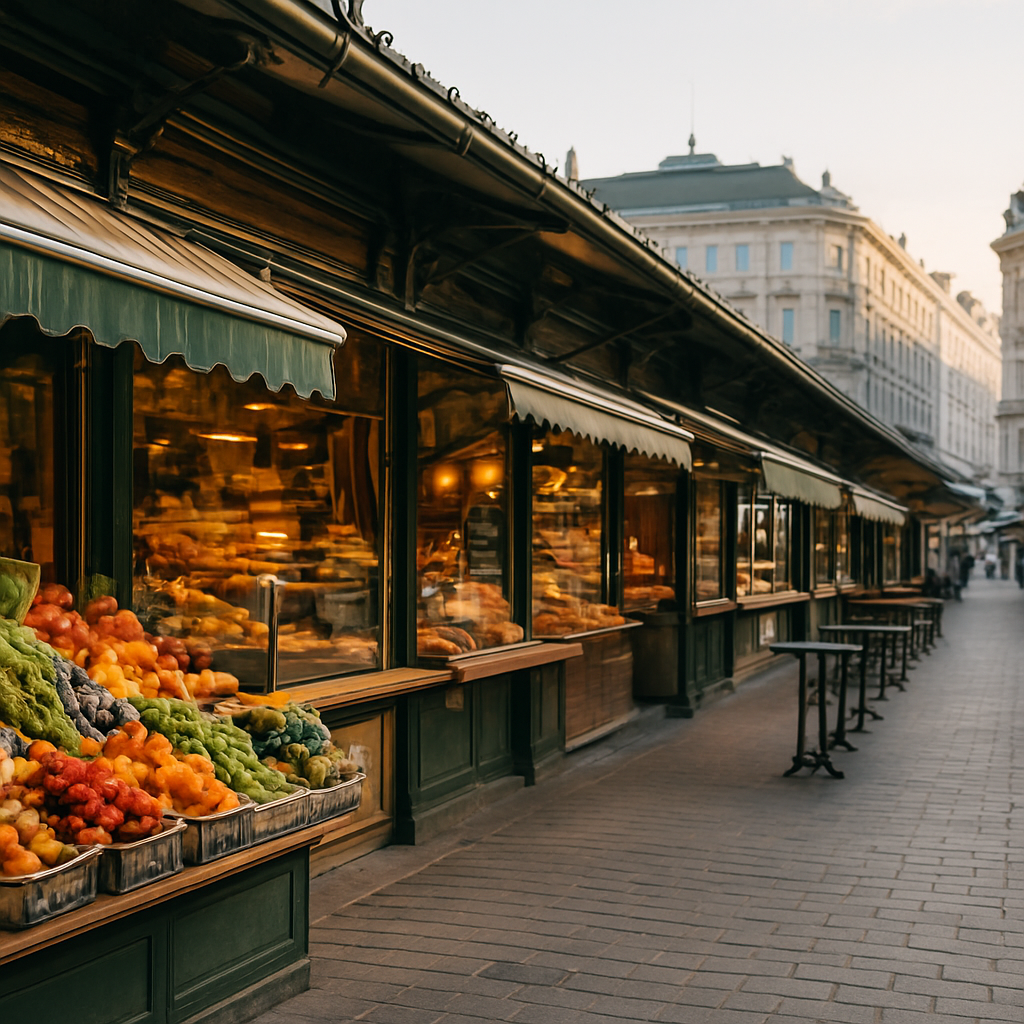
Naschmarkt on Saturday Morning
Arrive by 9am before the tourists dominate. Follow the locals to the produce stalls at the western end, where the olives and cheese selections are reason enough to have brought a tote bag. The Saturday flea market extends from the western end with antiques, vinyl, and oddities that reward patience. Afterward, claim a terrace table at one of the market's cafés, order eggs and a Melange, and let the rest of your day organize itself. This is Viennese weekend culture at its most honest.
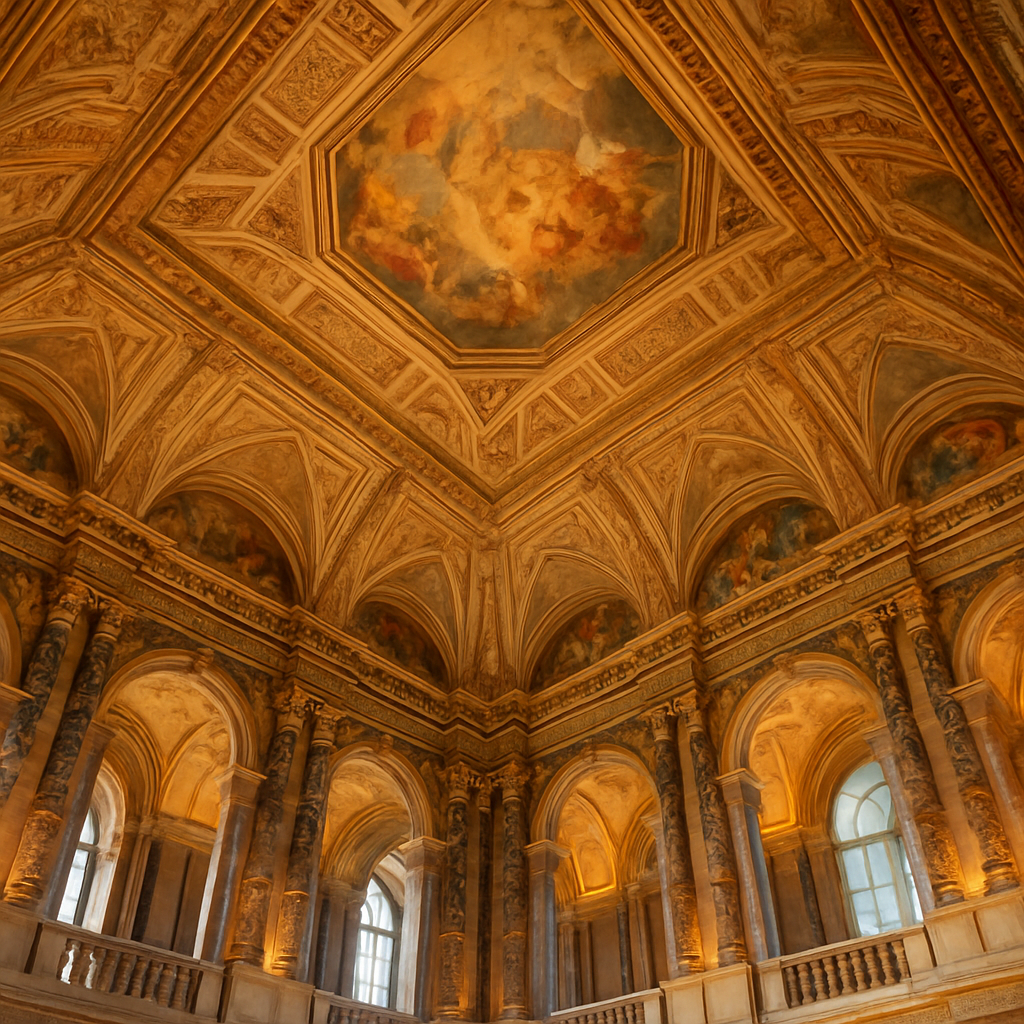
The Kunsthistorisches Museum — All of It
I don't say this about many museums: give it a full day. The Habsburg imperial collections are staggering — Bruegel's peasant scenes, Vermeer's quiet interiors, Titian, and an Egyptian antiquities wing that deserves its own afternoon. But the building itself, completed in 1891, is the kind of architecture that makes you stop walking and look up at the ceiling, which in a museum is exactly the right instinct. Free for visitors under 19, which makes it one of the best family value propositions in Europe.
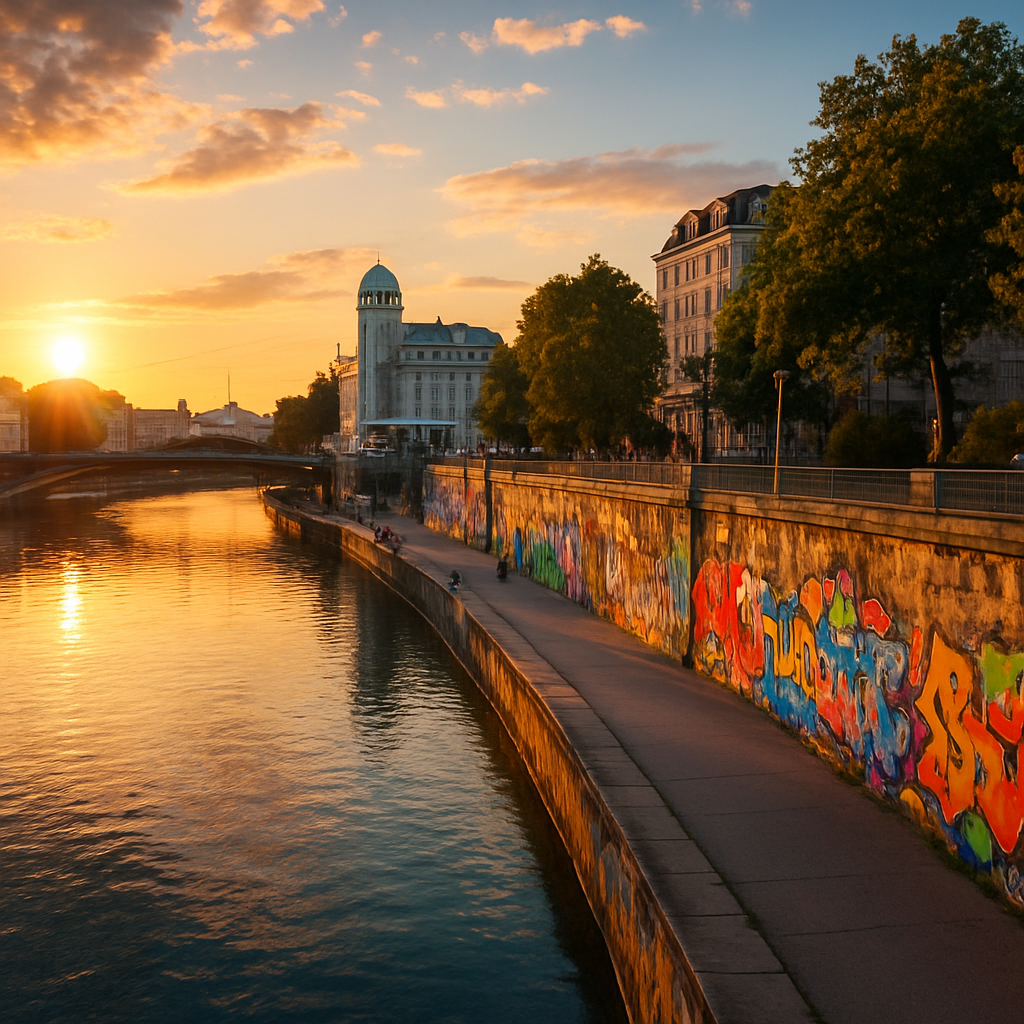
Donaukanal at Sunset
The Danube Canal's graffiti-covered banks transform on warm evenings into one of Vienna's best social scenes — pop-up bars, street food, and a genuinely relaxed atmosphere that pulls everyone from university students to after-work professionals. Grab a Spritzer at one of the canal-side bars like Heuer am Karlsplatz, find a spot on the embankment, and watch the light change over the water. It's free, it's unstructured, and it's the version of Vienna that locals will tell you they love most.
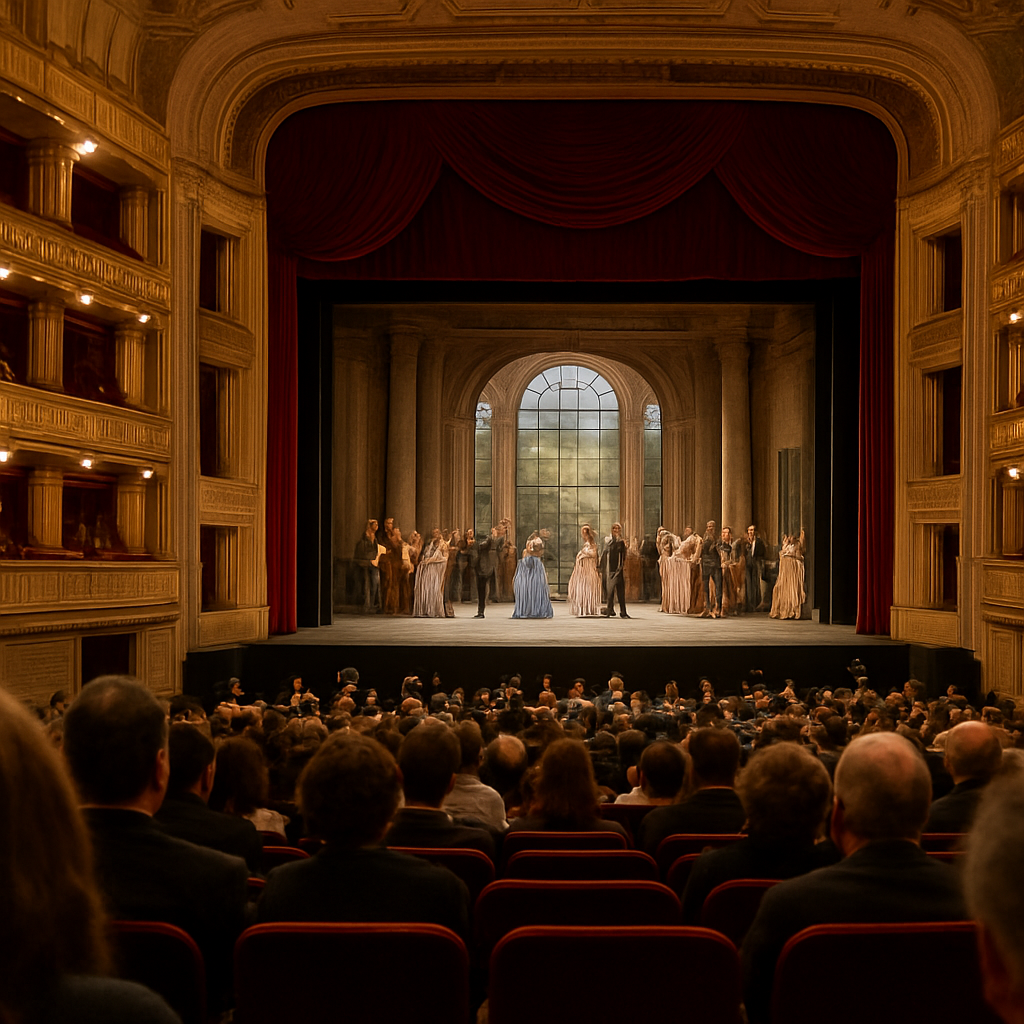
An Evening at the Staatsoper
Standing-room tickets at the Vienna State Opera start around €15 and go on sale 80 minutes before curtain — queue early for the good spots. Even if opera isn't your thing, the experience of standing in one of the world's great opera houses, surrounded by gilded excess and a crowd that takes this very seriously, is worth exactly one evening of your life. If you want to commit, proper seats run from €30 to genuinely absurd. Either way, dress up — not because they require it, but because Vienna rewards the effort.
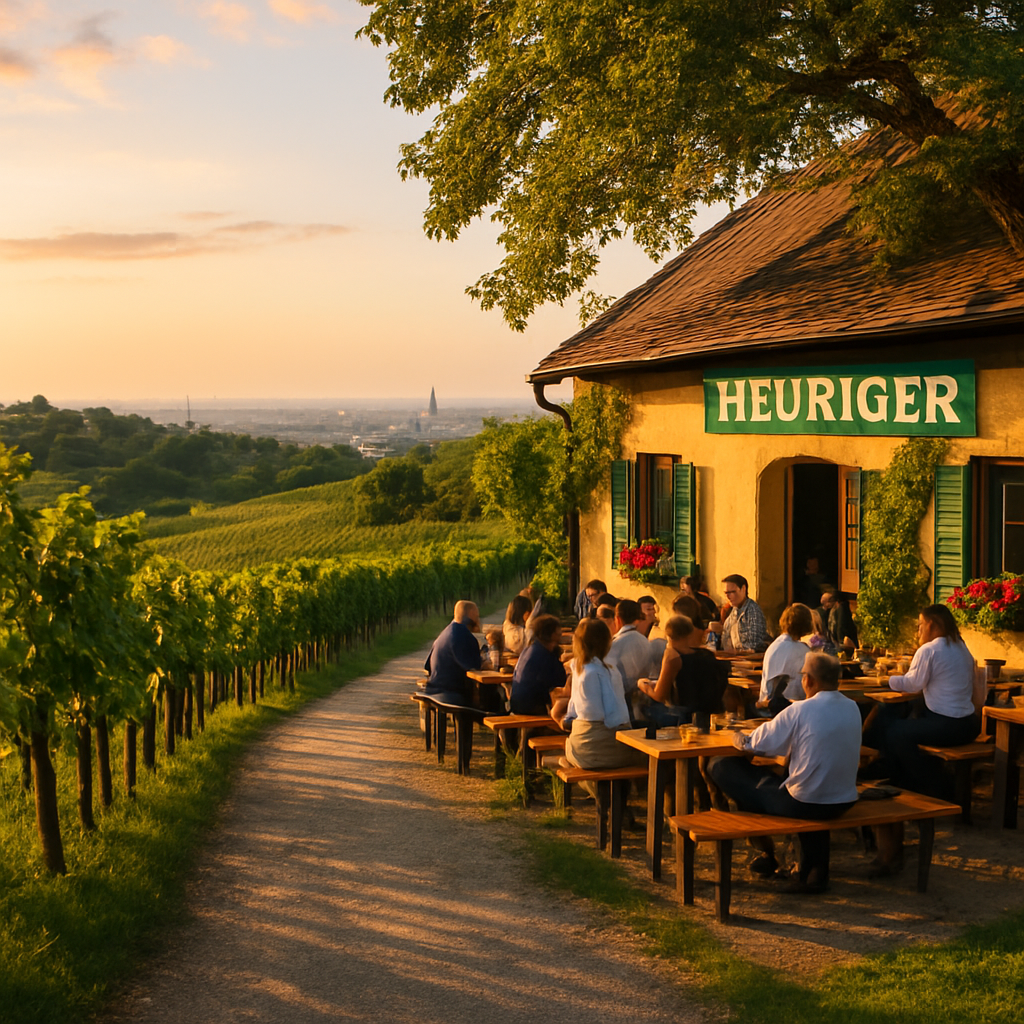
Heurigen Wine Taverns in the Outer Villages
Take the tram to Grinzing or Neustift am Walde and walk into a Heuriger — a traditional wine tavern serving the current year's vintage by the Achtel alongside cold buffet spreads of bread, cheese, and cured meats. These places sit in the actual vineyards on Vienna's northern edge, and on a warm evening with the city visible in the distance, they deliver a version of Vienna that no museum or palace can replicate. Same-sex couples are increasingly comfortable here, and the locals are far more interested in whether you're enjoying the wine than who you're drinking it with.
The places I actually send people to
Advice that fits how you travel
Vienna is one of the easiest cities in Europe to travel solo, and for LGBTQ+ solo travelers specifically, the infrastructure is almost suspiciously convenient. The 6th district (Mariahilf) puts the queer bar cluster, the Naschmarkt, and reliable budget accommodation within a five-minute walk of each other. Wombat's hostel sits directly on the market strip for €28 a night, and the sociable bar downstairs means you're meeting people before you've finished checking in. App culture exists — Grindr and Scruff are active — but Vienna rewards the analog approach: walk into Mango Bar at 6pm, order a Pfiff, sit on the terrace, and let it happen.
Safety for solo travelers is excellent. Vienna consistently ranks among Europe's safest capitals, and the central districts are comfortable at all hours. The U-Bahn runs all night on weekends, which means you can actually get home from Why Not? or the Gürtel bars at 4am without a cab. Pro tip: download the Wiener Linien transit app before you arrive — it handles tickets and real-time schedules and immediately makes the city feel navigable.
Budget-wise, solo Vienna is very doable at €60–€80 a day if you're strategic. Many museums are free on the first Sunday of the month. The Naschmarkt stalls and Würstelstände across the city feed you well for under €6. And the coffeehouse culture — the genuine Viennese article, not the tourist version — is designed for solo lingering. Nobody will rush you out of Café Savoy if you're sitting with a Melange and a book for two hours. In fact, they'd find it odd if you didn't.
Vienna was essentially designed for couples who take their pleasures seriously. The Staatsoper alone — with standing-room tickets from €30 all the way up to box seats that feel genuinely absurd in the best possible way — is reason enough to plan the trip around a specific date. Book a table at one of the wine bars in the 7th district before curtain, order a bottle of Grüner Veltliner, and accept that you are now the people you used to be slightly jealous of.
PDA comfort across the central districts is high, and I mean that as a practical statement rather than a reassurance. In Mariahilf, Neubau, and along the Donaukanal, same-sex couples are genuinely unremarkable — the city's progressive confidence means you're not going to get stared at holding hands on the Ringstrasse or sharing a moment outside the KHM. For something memorably Viennese, a horse-drawn Fiaker ride through the 1st district lands somewhere between deeply romantic and deeply kitsch depending on your disposition, and either outcome makes for a good story.
For accommodation, Hotel Sacher puts you across from the State Opera in Imperial-style rooms with the kind of service that makes you feel briefly like someone who has always lived this way. If that's too rich, 25hours Hotel in the 7th district gives you design-forward rooms with rooftop bar access and a neighborhood that's walkable to everything worth walking to. The Saturday Naschmarkt flea market is the perfect unhurried morning together — arrive by 9am, graze the produce stalls, claim a café terrace, and let the afternoon organize itself from there.
Vienna is unusually good for LGBTQ+ families, and not just on paper. Same-sex marriage, joint adoption rights, and self-ID gender law are all in place — Austria has full legal equality — which means your family structure is recognized without friction at hotels, hospitals, and every bureaucratic checkpoint in between. The city also has a genuine culture of children in restaurants, museums, and public spaces that makes traveling with kids feel normal rather than performative.
The practical news is excellent: most Vienna museums charge nothing for visitors under 19, which transforms the economics of the trip considerably. The Kunsthistorisches Museum is free for kids. The Prater's Riesenrad — the giant Ferris wheel that's been turning since 1897 — is a €15 ride with views across the entire city that children find genuinely exciting and adults remember for years. The Zoom Kindermuseum in the MuseumsQuartier is designed specifically for younger visitors and worth booking in advance. For a full family day out, the Prater park itself has playgrounds, a miniature railway, and enough open space to absorb the kind of energy that museums cannot.
Stroller logistics in Vienna are reasonable — the U-Bahn has lifts at most major stations, and the central districts are flat enough to navigate without drama. Pro tip: Würstelstände — Vienna's iconic sausage stands — are stationed throughout the city and will reliably feed children who've run out of patience for sit-down dining. A Käsekrainer and a lemonade costs about €4 and buys approximately 40 minutes of goodwill, which in a city this packed with culture is an extremely efficient transaction.
What Vienna actually costs
Flights, visas, and the first 30 minutes
Airport: Vienna International Airport (VIE) — officially Flughafen Wien-Schwechat — sits about 18 km southeast of the city center and connects to 180+ cities worldwide. It is one of Central Europe's major hubs with no shortage of ways to get in and out.
Major routes: London Heathrow is 2h 20m away. Paris CDG is 2h 05m. Berlin BER is just 1h 30m — practically a commute. From North America, New York JFK runs about 9h 30m and Toronto YYZ is 9h 10m. Dubai DXB connects in 5h 45m. Sydney is 21h with one stop.
Airport to city: The City Airport Train (CAT) is the slickest option — €14.90 one-way, non-stop to Wien Mitte in 16 minutes, runs every 30 minutes. If you have a transit day pass, the S-Bahn S7 covers the same route for €4.20 in 25–30 minutes and is included in Vienna's transit passes. The Vienna Airport Lines bus runs €9.00 one-way to multiple city center stops in 30–45 minutes. A taxi or Bolt/Uber will run €35–€50 depending on traffic and time of day — fixed-rate taxis are available at the official stands.
Visa requirements: US, Canada, Australia: No visa required; Schengen 90/180-day rule applies. UK: No visa required post-Brexit; same 90/180-day Schengen limit. EU citizens: Freedom of movement; an ID card is sufficient — no passport required.
Traven's seasonal breakdown
The questions everyone asks
Is Vienna safe for LGBTQ+ travelers?
Do I need to speak German?
How much should I budget per day?
Is it safe to hold hands with my partner?
When is Vienna Pride?
What's the best neighborhood to stay in?
Is the queer scene only nightlife, or are there daytime options?
Screenshot this before you go
So should you actually go?
Go to Vienna. I say that with the specific enthusiasm I reserve for cities that don't need to try hard but deliver completely. The legal framework is solid — marriage, adoption, anti-discrimination protections all in place as of 2026 — and the cultural reality matches it in the districts that matter. The scene won't slap you in the face; it'll hand you a Spritzer, pull up a chair, and wait for you to catch up to its rhythm. The art is world-class, the food is better than its reputation, the transit runs all night on weekends, and you can day-trip to Bratislava for €15. Whether you're spending €60 a day in a hostel on the Naschmarkt or €600 a night at the Sacher, Vienna treats you with the same elegant indifference to who you love — and honey, that's exactly how it should be.
Sources & Resources
Official links we reference when compiling this guide. Last verified 2026-03-06.
- HOSI Wien (Homosexuelle Initiative Wien)
- Rosa Lila Villa – LGBTQ+ Community & Counseling Center
- AIDS Hilfe Wien
- Regenbogenparade / Vienna Pride
- Lambda Wien – LGBTQ+ Legal & Social Support
- TransX – Transgender Community Austria
- Wiener Antidiskriminierungsstelle (City of Vienna Anti-Discrimination Office)
- Courage – Counseling Against Right-Wing Extremism & Discrimination
- Checkpoint Vienna – Gay Men's Sexual Health Testing
- Wiener Gesundheitsverbund – LGBTQ+ Health Services