
Antwerp doesn't raise its voice. It pours you a bolleke at golden hour on Vlaamse Kaai and lets the silence do the selling.
It's a Saturday in late June, around 7pm, and the Vlaamse Kaai terraces in Het Zuid are doing what they do best — a slow, golden-hour drift of design students, off-duty fashion people, and the same handful of Antwerpenaars who've been holding court at the same café tables since the KMSKA reopened. Someone at the next table orders een bolleke, the De Koninck amber arrives in its proper chalice, and across the square two guys hold hands without a single head turning. This is the city in one frame. Restrained, sharp-dressed, completely unbothered.
Antwerp is what happens when a fashion capital and a port town raise a kid on Trappist beer and Vincent Van Duysen interiors. 't Stad, as locals call it, is small enough to walk in a day and dense enough to keep you for a week. The whole gay infrastructure essentially lives on two streets in Het Zuid plus the older strip on Dambruggestraat near Stadswaag — walkable, knowable, refreshingly free of the which-neighborhood-do-I-pick anxiety you get in bigger cities. There's a reason I gave it 8.6 on my Traven-Dex: this is one of the most quietly confident gay weekends in Western Europe, and almost nobody outside Belgium is talking about it.
The legal frame, as of 2026, does most of the work — Belgium was the second country in the world to legalize same-sex marriage and it shows in how no one performs welcome here. They just are. My 8.7 on Chill is doing real lifting; this is a city where hotel check-in is a non-event and the staff at Hessenhuis remember your drink before they remember your name. The scene runs smaller than Berlin or Brussels (hence the 8.0), but the trade is precision over volume. You'll see the same faces twice in a weekend. The second time, someone says hello.
Don't try to compare it to Amsterdam. The bars close earlier. The locals are sharper-tongued. The cruising is more discreet. The design eye is unmatched. Come here for the dinner at The Jane inside a former hospital chapel, the sunset on the MAS rooftop with a bottle from the Carrefour Express downstairs, and the Cogels-Osylei walk that reframes what you think Belgian architecture is allowed to look like. Wear the one nice black thing. Let the city do the rest.
The stuff your travel guide buries on page 47
Belgium was the second country in the world to legalize same-sex marriage — back in 2003 — and joint adoption followed in 2006. As of 2026, the legal framework is about as comprehensive as it gets: marriage, adoption, anti-discrimination protections that cover employment, housing, and services, and self-ID for legal gender change since 2018 with no surgery or diagnosis required. The country sits comfortably in the top 5 of ILGA-Europe's Rainbow Index year after year, and Unia, Belgium's federal anti-discrimination authority, will actually move on a complaint if you file one.
That's the law. The street reality in Antwerp is a little more textured. This is Flanders, not Brussels — proudly Flemish, design-obsessed, and culturally a touch more reserved than the capital or Ghent. The city votes to the right of its southern cousins, and you'll feel that in pockets: the Diamantwijk around Centraal Station and parts of the Hasidic quarter run conservative, and on Sabbath especially, restraint is the move. South of the tracks, in Het Zuid and the historic center, no one's looking twice.
Pro tip: most Antwerpenaars speak fluent English, French, and Dutch, but they're proud of their Flemish identity. Open with hallo or goedendag before defaulting to English and you'll get noticeably warmer service. And if you're timing a visit around Antwerp Pride — second weekend of August, parade ending at Steenplein on the Scheldt — book your hotel by April. Otherwise you're commuting in from Mechelen. Resources like Het Roze Huis and Çavaria are excellent first stops if you want to plug into local life or get questions answered before you arrive.
What it actually feels like on the ground
Holding hands and PDA: In Het Zuid — particularly around Vlaamsekaai and Waalsekaai — same-sex couples can hold hands without anyone clocking it. Same goes for the historic core around the Cathedral, the Meir, and Het Eilandje by the MAS. The shift happens around the Diamantwijk and parts of Borgerhout near the station, where readers have flagged occasional incidents involving visibly queer people. Not constant, but enough that locals will tell you to keep PDA for the Zuid side of the tracks after dark.
Hotel check-in: Non-issue at every property in this guide. Belgium's anti-discrimination law has teeth and the Antwerp hospitality industry knows it.
Taxis and ride-share: Bolt is widely used and reliable; Uber availability is limited. Metered taxis from the airport or central ranks are fine. No reported issues with drivers and same-sex couples.
Stadspark and late-night cruising areas: Stadspark has a long cruising history and the city has worked hard to make it safer — better lighting, more patrols. It's comfortable to walk through during the day. At 2am, take a Velo bike or a cab around it, not through it. That's a general rule for any urban park, not a Belgium-specific warning.
Trans travelers: Self-ID has been law since 2018, so ID checks shouldn't be friction points. Antwerp has visible trans community resources via Çavaria and Boysproject, and travelers report comfort in the central and southern districts. Transgender Infopunt is the go-to national resource if you need anything during your stay — healthcare, legal questions, or just orientation.
Verbal harassment: Rare in Het Zuid, the historic center, Eilandje, and Zurenborg. Possible but uncommon elsewhere. The Belgian response to street harassment leans procedural — if something happens, report it. Unia handles discrimination complaints nationally, and Lumi, the Flemish LGBTQ+ helpline, can connect you to local support and English-speaking resources. Belgians actually move on these reports — don't sit on it.
Pro tip: Keep an eye on bags and phones around Centraal Station and the Diamond District. The petty-theft warnings are real, and they apply to everyone equally — no LGBTQ+-specific angle, just standard European train-station hygiene.
The queer geography
Het Zuid
The southern district is where Antwerp keeps its appetite, its galleries, and most of its nightlife. The two big squares — Vlaamse Kaai and Waalse Kaai — face the old docks and form the spine of the neighborhood. Spend a Saturday here and you'll wander from the contemporary art at M HKA to the Flemish Primitives at the reopened KMSKA, then settle into a café terrace as the design students start filtering in for golden hour. The food rewards you: oysters at Fiskebar, bao at Bun, classic brasserie Belgian at Den Artist. This is also the unbothered heart of the gay scene — bars cluster on and around Volkstraat, and the daytime crowd at the Vlaamse Kaai cafés (Cargo, Hopper) is the scene during daylight. Order een bolleke — the local De Koninck amber — and stop trying to look like you're not staring.
Stadswaag & Dambruggestraat
North of the historic center, this is the older gay strip — less polished than Het Zuid, more decades-deep. Dambruggestraat has anchored Antwerp's LGBTQ+ nightlife for years, with Café Strange and The Wood pulling weekend crowds, and Boots running the longest-serving cruise program in the Benelux. The energy here is unfiltered late-night Antwerp — beer, dance floors, men in expensive black t-shirts who know the bartender by name. Walk it during the day and it's quiet, almost residential; come back at midnight and the whole thing wakes up.
Het Eilandje
The old harbor district reborn. The 60-meter red-sandstone tower of the MAS — Museum aan de Stroom — is the anchor, and the free rooftop panorama is the move whether or not you buy a museum ticket. Sunset up there with a bottle from the Carrefour Express downstairs is a gay Antwerp tradition nobody puts in the guidebooks. Around the base: regenerated quays, design shops, weekend brunches, and 't Zilte three Michelin stars on the ninth floor for the splurge. The neighborhood reads creative, relaxed, and welcoming day and night.
Zurenborg
East of the center, this is Antwerp's Art Nouveau showpiece. Walk Cogels-Osylei even if architecture isn't your thing — it's a single street of mansions that survived two wars, all gables and ironwork and stained glass. A chunk of Antwerp's older creative class lives in the side streets, and the neighborhood has long been bohemian-coded. Het Roze Huis on Draakplaats — the LGBTQ+ community center operated by Çavaria's Antwerp chapter — is here, with Café Den Draak attached. Start a bar crawl on its terrace and you'll meet half the local community before you've finished your first drink.
Historic Centre
The Cathedral of Our Lady, the Grote Markt, the guild houses, the chocolate shops, the Rubenshuis — this is the postcard Antwerp, and it earns the postcard. The pedestrian Meir cuts through it as the main shopping artery from Centraal Station, useful for orientation but not where the queer scene lives. What makes the historic center worth lingering in is texture — narrow lanes off the Grote Markt, jenever poured cold at De Vagant, and Hessenhuis a short walk north in the Schipperskwartier, a 16th-century warehouse turned gay-friendly café-bar with a candlelit courtyard that's pure summer magic. For more on local resources and Pride programming, Antwerp Pride and Visit Antwerp are both worth a bookmark before you go.
The experiences worth rearranging your itinerary for
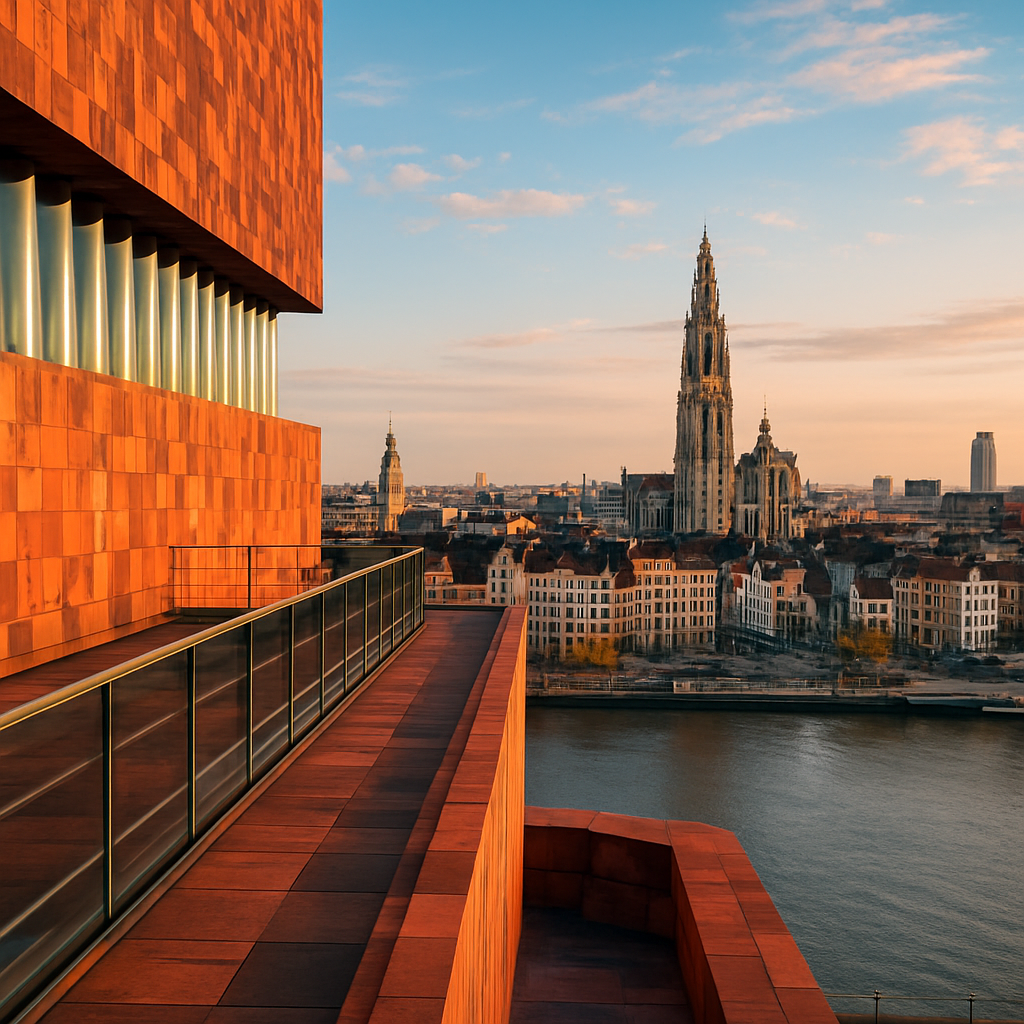
MAS Rooftop at Sunset
The 60-meter red sandstone tower of the MAS in Eilandje has a rooftop panorama that's free — no museum ticket required, no line if you skip the exhibits. Take the spiral escalators all the way up at golden hour and you'll get the entire city, the port cranes, and the Scheldt curving north out of frame. Locals grab a bottle from the Carrefour Express downstairs and treat the top deck as their living room. It's the gay Antwerp tradition nobody puts in the guidebooks.
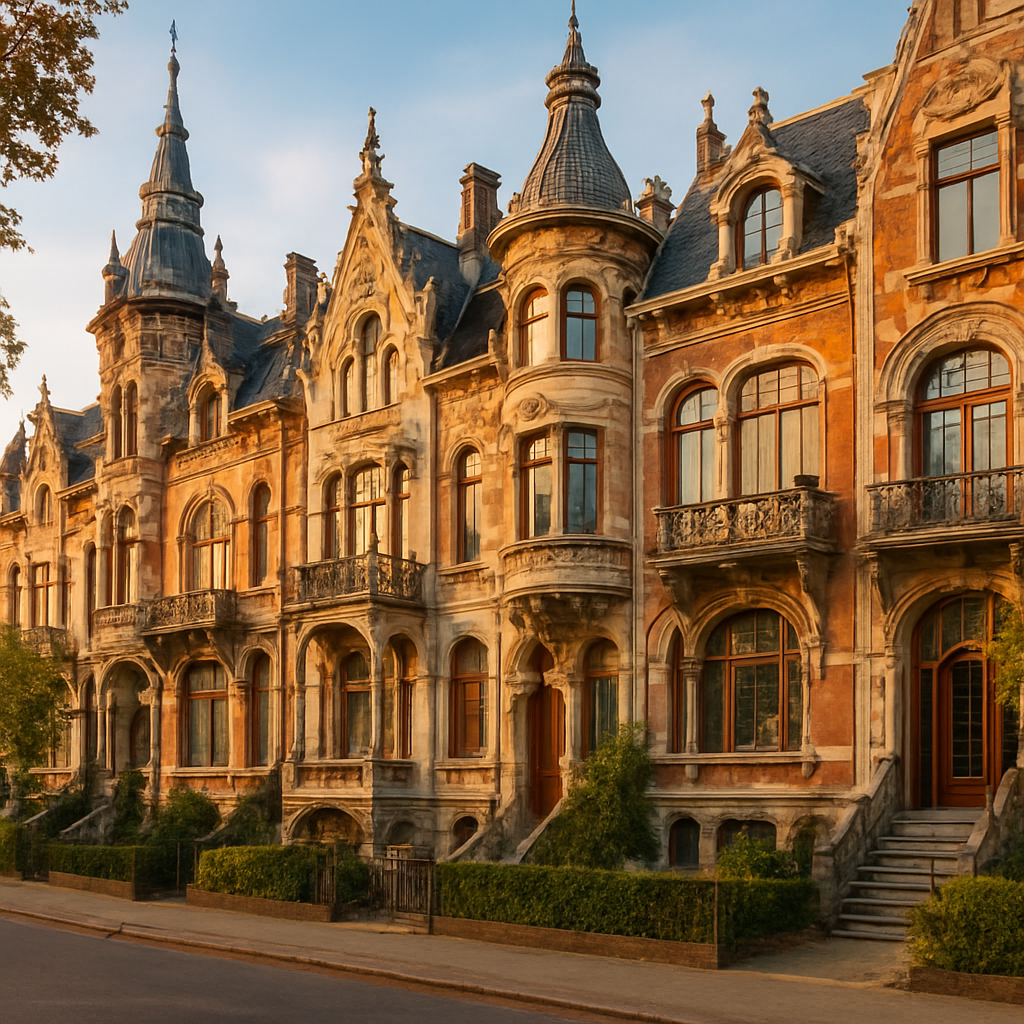
Walk Cogels-Osylei in Zurenborg
One street, east of the centre, that survived two world wars with all its gables, ironwork, and stained glass intact. Cogels-Osylei in Zurenborg is Antwerp's Art Nouveau showpiece — a single residential block of mansions that look like a Brussels architect's fever dream. Walk it slowly, then drift to Draakplaats for a coffee at Café Den Draak. The whole loop takes an hour and reframes what you think Belgian architecture is allowed to look like.
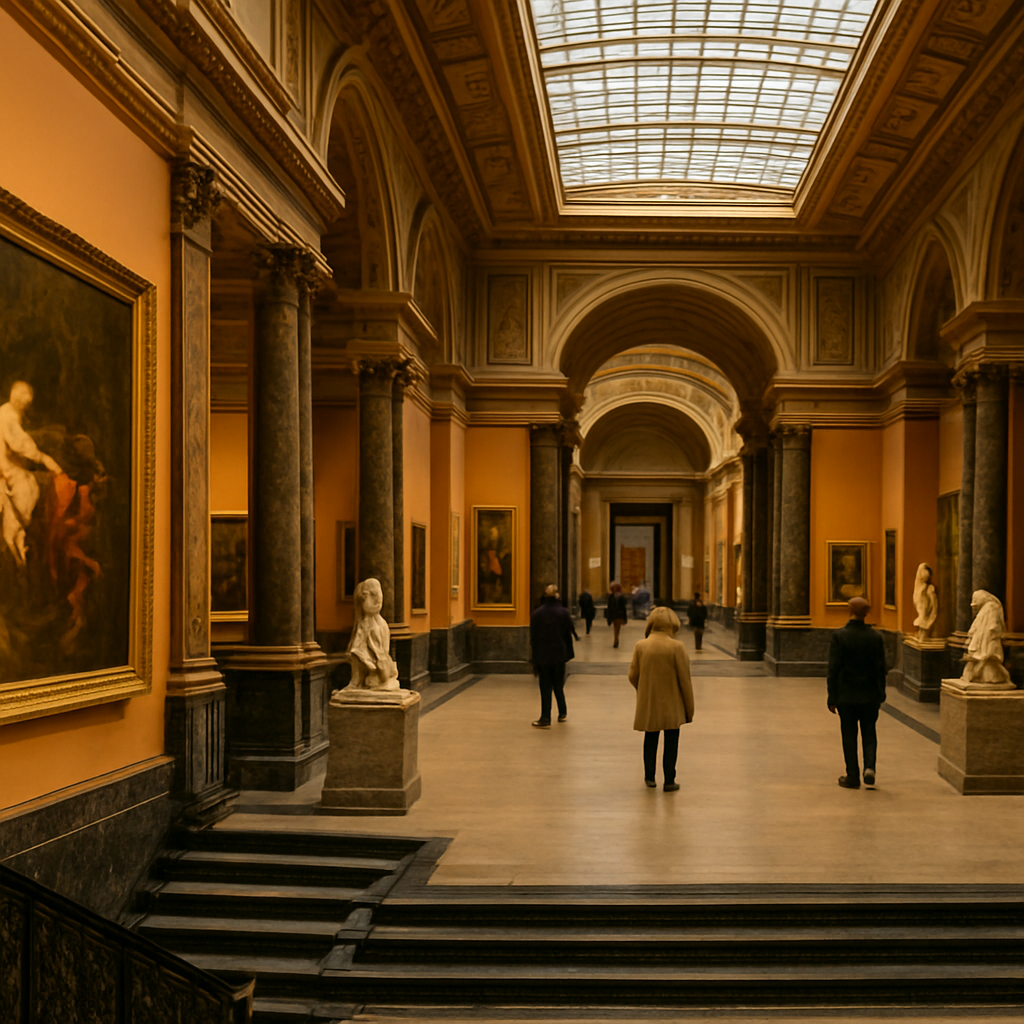
An Afternoon at the KMSKA
The Royal Museum of Fine Arts reopened in 2022 after an eleven-year renovation by KAAN Architecten that dropped a stark white contemporary museum inside the 1890 neoclassical shell. The collection runs from the Flemish Primitives — Van Eyck, Memling — through Rubens and Ensor to Magritte, and the new architecture is genuinely worth the ticket on its own. Give it three hours, eat lunch in Het Zuid after.
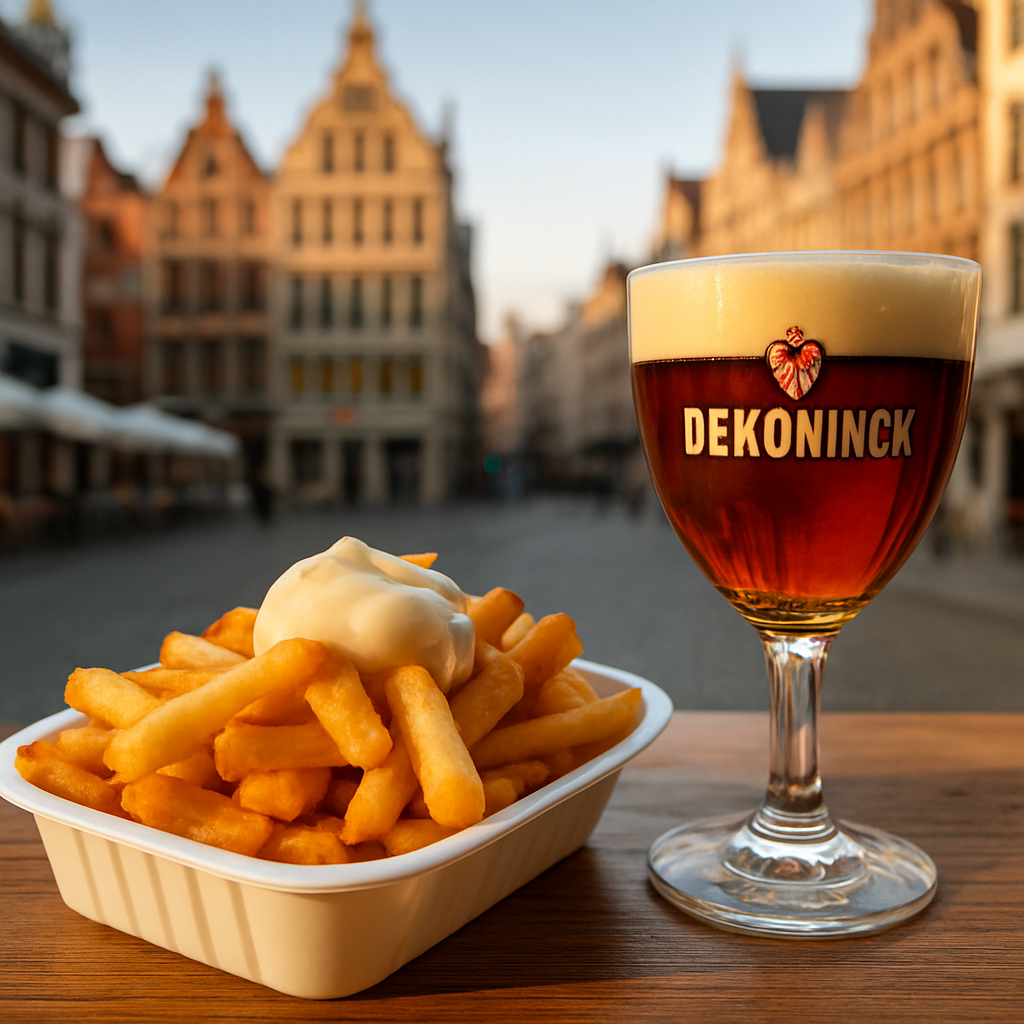
Frites, Bolleke, and a Belgian Night Out
The full Belgian sequence: classic brasserie dinner at Den Artist or somewhere on Volkstraat, then een bolleke — the local De Koninck amber, served in a chalice — at any café that pours it properly. End at Frituur No. 1 on Hoogstraat for frites with stoofvlees sauce, eaten standing up at midnight. This is how locals close out a night, and you should at least once.
Day Trip to Ghent or Bruges
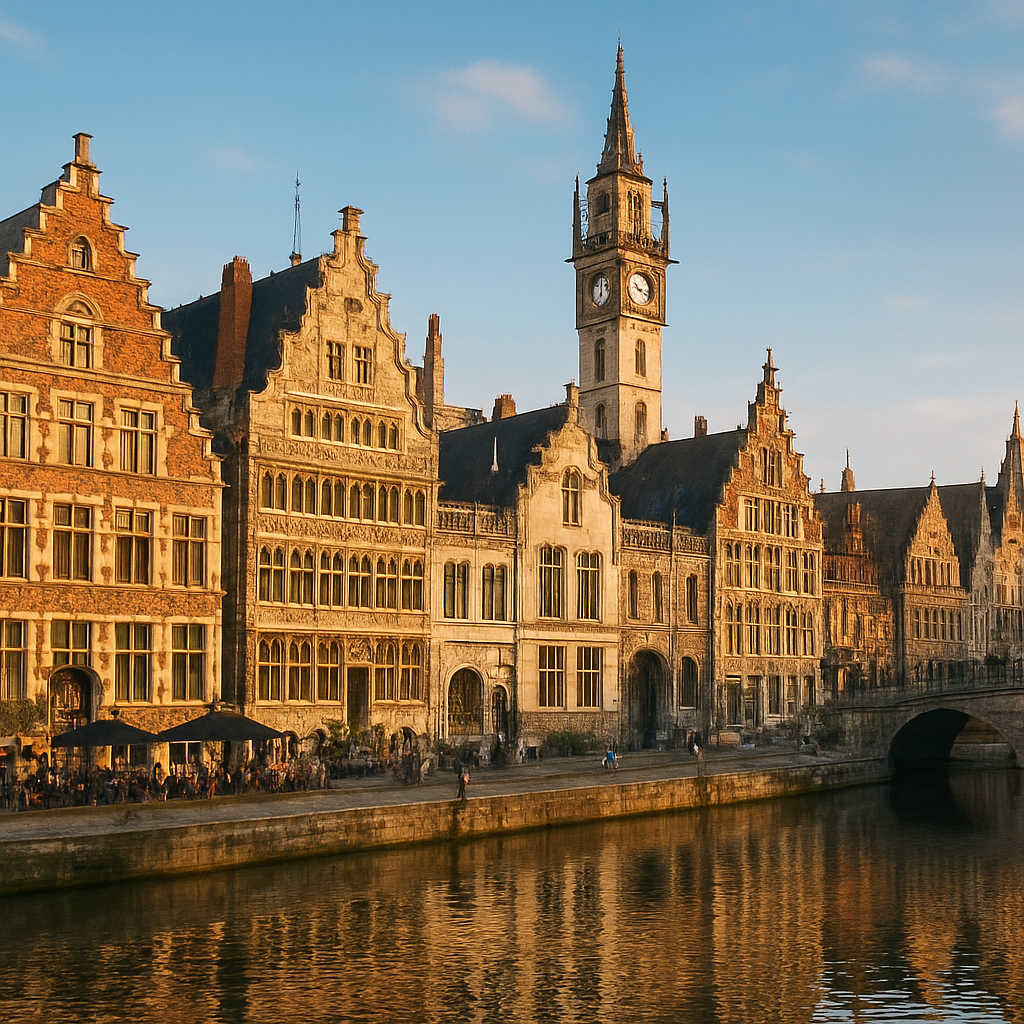
Belgium is small enough that day trips are basically free. Ghent is 50 minutes by train — a university city with the Gravensteen castle, a working medieval centre, and an energy younger and looser than Antwerp. Bruges is 75 minutes — the canal-laced UNESCO postcard, the Belfry, the Groeningemuseum's Flemish Primitives. Pick Ghent if you want a city. Pick Bruges if you want a museum you walk through.
The places I actually send people to
Advice that fits how you travel
Antwerp is a forgiving city for solo travelers — small enough to walk in a day, dense enough to keep you busy for a week, and structured so you don't have to wonder where you're going at night. The whole queer infrastructure essentially lives on two streets in Het Zuid plus Van Schoonbekestraat near the station. It's walkable, knowable, and refreshingly free of the 'which neighborhood do I pick' anxiety you get in bigger cities.
For meeting people: the apps work fine and the local crowd is generally sharper-tongued than what you'll find in Berlin or Brussels, so come with a point of view. The bar crawl basically writes itself — start solo at Café Den Draak on Draakplaats inside Het Roze Huis (warmest entry point to the local scene), drift to Popi Café on Plantinkaai for the campier crowd, then end at Boots or Red & Blue when you want it dark and loud. By Saturday night you'll see the same faces twice, and the second time someone says hello.
Budget-wise, solo Antwerp is reasonable for Northern Europe — €90-130/day on the lean side, €180-260 if you're staying somewhere with a personality. Pro tip: the trams from Het Zuid back to Centraal stop around midnight on regular nights (later on Pride weekend and big Saturdays), so register for Velo bike-share before you arrive. It's the move locals use to close out the night, and it solves the 1am cab-hunting problem before it starts.
Antwerp is built for couples who care about how things look. Same-sex couples can hold hands without a second glance through Het Zuid, the historic centre, Het Eilandje, and Zurenborg — which covers basically every neighborhood you'd actually want to spend time in. The legal frame, as of 2026, is full equality on marriage, adoption, and anti-discrimination, so hotel check-in is a non-event at every property in this guide.
For the romantic itinerary: book a room at August, the Vincent Van Duysen-designed convent conversion in Het Groen Kwartier — the kind of restrained Belgian design that makes you reconsider every hotel you've ever stayed in. Splurge dinner at The Jane, two Michelin stars inside a former military hospital chapel with stained glass still in place — the room alone makes it the most-photographed dinner you'll have in Belgium. Earlier in the day: oysters at Fiskebar on Marnixplaats, an afternoon at the reopened KMSKA, and sunset on the MAS rooftop with a bottle from the Carrefour Express downstairs. That last one is the local move and it costs nothing.
For pure atmosphere, the Hessenhuis courtyard in July — 16th-century warehouse, exposed beams, candlelight — is the most romantic outdoor drink I've found in 't Stad. And if you're timing the trip around Antwerp Pride in mid-August, book by April. The boat parade on the Scheldt ending at Steenplein is genuinely one of the more communal Pride moments in Western Europe.
Belgium is one of the easiest countries in Europe for LGBTQ+ families on paper and in practice. As of 2026, marriage has been legal since 2003, joint adoption since 2006, and both parents are recognized on birth certificates from day one — no second-parent adoption gymnastics. Anti-discrimination protections are comprehensive and enforced by Unia, the federal authority. Schools, pediatricians, and family-friendly venues in Antwerp generally treat two-parent queer families as unremarkable, particularly in Het Zuid, the historic centre, and Zurenborg.
Practical logistics work in your favor. The MAS in Eilandje is stroller-friendly with a free rooftop panorama that kids love (it's the tallest building they've been in all week). The KMSKA reopened in 2022 with much-improved family programming. The Cathedral of Our Lady, Rubens' garden at the Rubenshuis (the main building is under renovation through 2030, but the portico and Italian-inspired garden remain accessible), and the open squares of the Grote Markt all do the heavy lifting for a kid-paced day.
For food, Belgian brasserie culture genuinely welcomes children — frietkot stops at Frituur No. 1 on Hoogstraat, kid menus at almost every café in Het Zuid, and waffles that need no marketing. Day trips work beautifully: Bruges in 75 minutes by train for the canals and the Belfry, Ghent in 50 for the Gravensteen castle. Both are direct, both are reasonable, both are worth the day.
What Antwerp actually costs
Flights, visas, and the first 30 minutes
Airport: Antwerp's own airport, Antwerp International (ANR), sits about 7 km southeast of the centre and handles roughly 10 direct routes — useful if you're connecting via London City, Málaga, or a handful of European leisure hubs. The honest truth: most international travelers fly into Brussels Airport (BRU) instead, then take the direct InterCity train, which runs every 30 minutes and gets you to Antwerpen-Centraal in about 45 minutes for €15-20. Centraal Station itself is one of the most beautiful train stations in Europe — arriving by rail is genuinely the move.
Visas (typical, as of 2026): US, UK, Canadian, and Australian passport holders generally enter visa-free for up to 90 days within any 180-day Schengen period. ETIAS authorization is required from 2026 — a quick online application, approximately €7, valid three years. Apply before you fly. EU citizens have full freedom of movement and need nothing beyond a valid ID.
Airport to city from ANR: Bus 51, 52, or 53 (operated by De Lijn) runs to Berchem and Centraal Station for €2.50 in about 20-25 minutes. A metered taxi from the terminal exit runs €20-30 and takes around 15 minutes. Bolt is widely available and typically cheaper at €15-25; Uber availability is limited.
Airport to city from BRU: Direct InterCity trains to Antwerpen-Centraal every 30 minutes, €15-20, about 45 minutes door-to-door. Buy tickets at the SNCB machines in the airport's lower level — easier than the app for first-timers. Pro tip: validate that you're boarding the IC train, not the local — it'll save you 20 minutes and a transfer.
Traven's seasonal breakdown
The questions everyone asks
Is Antwerp safe for same-sex couples to hold hands in public?
Do I need to speak Dutch to get by?
When is Antwerp Pride and is it worth planning around?
Should I fly into Antwerp Airport (ANR) or Brussels (BRU)?
Where do the gays actually go out in Antwerp?
How much should I budget per day?
Are LGBTQ+ families welcome in Antwerp?
Screenshot this before you go
So should you actually go?
Go. Antwerp is the rare Western European city that overdelivers without ever raising its voice — full legal equality as of 2026, a small but unbothered gay scene anchored in Het Zuid, world-class design, three Michelin-starred dining inside a hospital chapel, and a community that closes ranks around you the second time you walk in. My 8.6 on the Traven-Dex isn't an accident, and it's not a number that gets thrown around for cities Americans don't fly to. Skip Amsterdam for a weekend, take the train from Brussels, book by April if you're aiming at Pride, and let 't Stad show you what happens when a fashion capital decides it doesn't need to prove anything to anyone. LGBTQ+ travelers will leave wondering why this isn't already on the shortlist. It should be.
Sources & Resources
Official links we reference when compiling this guide. Last verified 2026-05-03.
- Antwerp Pride
- Çavaria (Flemish LGBTQ+ umbrella)
- Het Roze Huis – çavaria Antwerpen
- Lumi (LGBTQ+ helpline)
- RainbowHouse Brussels (national network partner)
- Sensoa (Flemish sexual health center)
- Transgender Infopunt
- Unia (Belgian anti-discrimination authority)
- Visit Antwerp – LGBTQ+
- Wel Jong (LGBTQ+ youth organization)