
Recife doesn't audition for tourists. It hands you a tapioca on Rua dos Navegantes at midnight and lets the frevo orchestra at Marco Zero finish the sentence.
Recife is the Northeast Brazilian gay city that hasn't been laundered for export — and that's exactly why you should come. While Rio sells itself in airline ads and São Paulo runs the country's biggest Pride, Pernambuco's capital has been quietly building a queer scene that answers to locals first and visitors second. The result is a city where the nightlife isn't curated, the food isn't dumbed down, and the politics are written into the architecture. There's a reason I gave it an 8.1 overall: this is a real place, doing a real thing, on its own terms.
The contradiction is the whole pleasure. Boa Viagem is a seven-kilometer wall of beach towers where you sleep, jog the seawall at sunrise, and eat tapioca from a cart at midnight — fully comfortable, fully visible, hands held without comment. Then you cross the river into Boa Vista and the city changes register entirely: Rua da Aurora reflecting in the Capibaribe at dusk, Mary Club on Rua das Ninfas hitting its stride at 1 a.m., the bartenders at Eskinão playing brega-funk to a crowd that doesn't need an international DJ to validate the night. I gave it a 7.8 on Scene because the scene is genuinely Pernambucano — and that's a feature, not a deduction.
Then there's Olinda seven kilometers up the coast, the UNESCO-listed colonial hilltop where the bohemian half of metropolitan Recife actually lives. Climb the cobblestones to Alto da Sé at sunset, eat at Oficina do Sabor for chef César Santos's stuffed jerimum, and you'll understand why locals talk about Recife and Olinda as one city with two souls. During Carnaval, As Travestidas — a travesti-led bloco — turns those steep streets into a moving political poem; in September, the Parada da Diversidade rolls down Avenida Boa Viagem and ends with the after-party migrating straight onto the sand.
Yes, there's friction. Recife has real street crime, the bars don't fill up before 1 a.m., the rainy season is genuinely soggy, and queer nightlife runs Thursday through Sunday — show up Tuesday and you'll wonder where everyone went. But friction is what keeps a city honest, and Recife's honesty is its best amenity. Come for the architecture and the seafood. Stay for the moment, around midnight on a Saturday in Recife Antigo, when a frevo orchestra strikes up at Marco Zero and you realize this is the version of Brazil you came looking for.
The stuff your travel guide buries on page 47
Brazil legalized same-sex marriage in 2013, and as of 2026 those rights extend across the country — civil unions, joint adoption, full legal parity. Pernambuco actually moved earlier on its own, passing a state anti-homophobia decree decades before federal protections caught up. The Secretaria da Mulher, Diversidade e Direitos Humanos de Pernambuco is the state body charged with enforcing it, and they're not symbolic — there's actual infrastructure here. That's a big part of why I gave it a 9.5 on Legal.
Gender recognition runs on Self-ID as of 2018: name and gender markers can be changed at any civil registry without surgery, hormone therapy, or a court order. That's one of the most progressive frameworks in the Americas, and it's why ABGLT and other national advocacy groups have continually pointed to Brazil's legal architecture as a model — even as cultural reality lags behind the paperwork.
Because that's the catch. Legal and cultural are two different beaches in Pernambuco. In Boa Viagem, Recife Antigo, and the Alto da Sé arts core in Olinda, you'll see same-sex couples holding hands without comment. Step into the working-class suburbs — Casa Amarela, the outer zones — and the temperature drops. Discretion isn't required by law; it's required by the same situational awareness any traveler practices in any city with real economic divides.
Pro tip: most queer nightlife here runs Thursday through Sunday and starts late — showing up to Mary Club before 1 a.m. is a rookie move that earns you an empty dance floor and judgmental bartenders. And cash a few hundred reais before heading into Boa Vista; smaller bars around Rua da Aurora still side-eye foreign cards, and the ATMs near Marco Zero close their hoods after 10 p.m.
What it actually feels like on the ground
Holding hands. Comfortable along the Boa Viagem beachfront, throughout Recife Antigo on weekend nights, and in Olinda's historic core. In Casa Amarela, the northern suburbs, or any periphery zone after dark, dial it back — not because the law says to, but because street crime in those pockets doesn't care who you are, and a foreign-looking couple stands out.
Hotel check-in. The Boa Viagem chain hotels — Atlante Plaza, Grand Mercure, Bugan — operate under corporate inclusion policies and process same-sex couples without comment. Independent pousadas in Boa Viagem and Olinda's historic core are similarly fine. I haven't seen credible refused-room reports in the tourist zones.
Taxis and ride-hail. Use Uber or 99. Both work, but 99 tends to be cheaper for the Boa Viagem–Boa Vista–Olinda triangle that any queer weekend in Recife inevitably traces. Avoid hailing street taxis late, especially around the bridges connecting Recife Antigo to the mainland.
Beaches. Boa Viagem has an informal queer section near Rua dos Navegantes — easygoing, mixed crowd. Critical: stay between the lifeguard flags. Bull sharks are not a meme here, and the safe swim windows around Rua dos Navegantes are clearly marked. Outside the flagged zones, you don't swim. Period.
Late night. Recife has real street crime — the kind that doesn't care who you're holding hands with — so the local advice is the same advice locals give themselves: phone in your front pocket, no flashy watch on Avenida Conde da Boa Vista at night, take a 99 instead of walking the bridges. Save Brazil's human rights hotline Disque 100 in your phone before you go out.
Trans and travesti travelers. Brazil records the world's highest absolute number of trans murders annually, and that statistic doesn't pause for tourists. ANTRA tracks the data and runs a national support network. Trans and travesti friends in Recife consistently tell me the safest stretches at night are the lit blocks of Rua da Aurora near the bars and the Marco Zero plaza — wander into the side streets of Santo Amaro after midnight and your luck changes fast.
Verbal harassment. Rare in the tourist zones, more common in residential periphery. If something escalates, the Defensoria Pública de Pernambuco — Núcleo de Direitos Humanos handles LGBTQ+ complaints and can connect you with legal aid. The US State Department maintains a Level 2 advisory for Brazil generally as of 2026 — it's about street crime, not about you.
The queer geography
Recife Antigo
This is the original colonial port — an island city of restored sobrados, baroque churches, and the Marco Zero plaza where Recife officially begins counting. The architecture alone is worth a slow afternoon: pastel townhouses on Rua do Bom Jesus, the oldest synagogue in the Americas a few doors down, and the Paço do Frevo museum chronicling the city's hyperactive Carnaval rhythm. By night the same blocks pivot into Recife's main bar strip — Burburinho books queer-leaning live music in a 19th-century townhouse where you can hear maracatu, sip a caipirinha de cajá, and flirt without yelling. The Parada da Diversidade de Pernambuco uses these blocks as its staging ground each September.
Boa Vista
The central neighborhood across the river, anchored by Rua da Aurora running along the Capibaribe — pastel facades reflecting in the water at sunset, food carts setting up on the corners, the kind of dusk light that makes the painters keep coming back. It's also the densest cluster of LGBTQ+ nightlife in the city. Mary Club on Rua das Ninfas is the closest thing Recife has to an institution: three floors, a drag stage, and a back patio that smells like cigarettes and someone's grandmother's perfume in the best way. Eskinão throws the brega-funk parties locals actually go to — the crowd is mixed, deeply Pernambucano, and far more interesting than any "international" club playing tired circuit anthems. Metrópole Recife rounds out the trio with electronic nights and drag programming. Movimento LGBT+ de Pernambuco is a good follow for the calendar.
Boa Viagem
The seven-kilometer beach strip where most travelers actually sleep — high-rise apartments, palm trees, joggers at sunrise, vendors selling tapioca with queijo coalho from carts on the seawall. The sand near Rua dos Navegantes is the informal queer section, especially Saturdays. It's where the city decompresses, and it works. Walk the avenue at dusk for a sense of how the place breathes; eat at Parraxaxá for the regional buffet; let the day end with caipirinhas at one of the quiosques.
Olinda
Up the coast seven kilometers, the UNESCO-listed colonial town founded in 1535 — cobblestone streets climbing to Alto da Sé, baroque churches in yellow and rose, ateliers tucked into 400-year-old houses. By day it's the artist colony of the Northeast; during Carnaval it becomes one of Brazil's most beloved street parties, with giant puppets — bonecos gigantes — towering over the parades. Catch As Travestidas, a travesti-led bloco that turns those steep cobblestones into a moving political poem. Grupo Leões do Norte maintains Olinda ties and is worth a follow for what's actually happening on the ground.
Pina
The wedge between Boa Viagem and the old port — quieter, younger, with food trucks lining the seawall and small bars opening into the night. Boteco Decom draws a mixed neighborhood crowd to its outdoor seating; the food is unpretentious Brazilian bar fare, the prices are sane, and the energy is exactly what you want when you don't feel like a club. A good base if you want Boa Viagem's beach access without its tower-block density.
The experiences worth rearranging your itinerary for
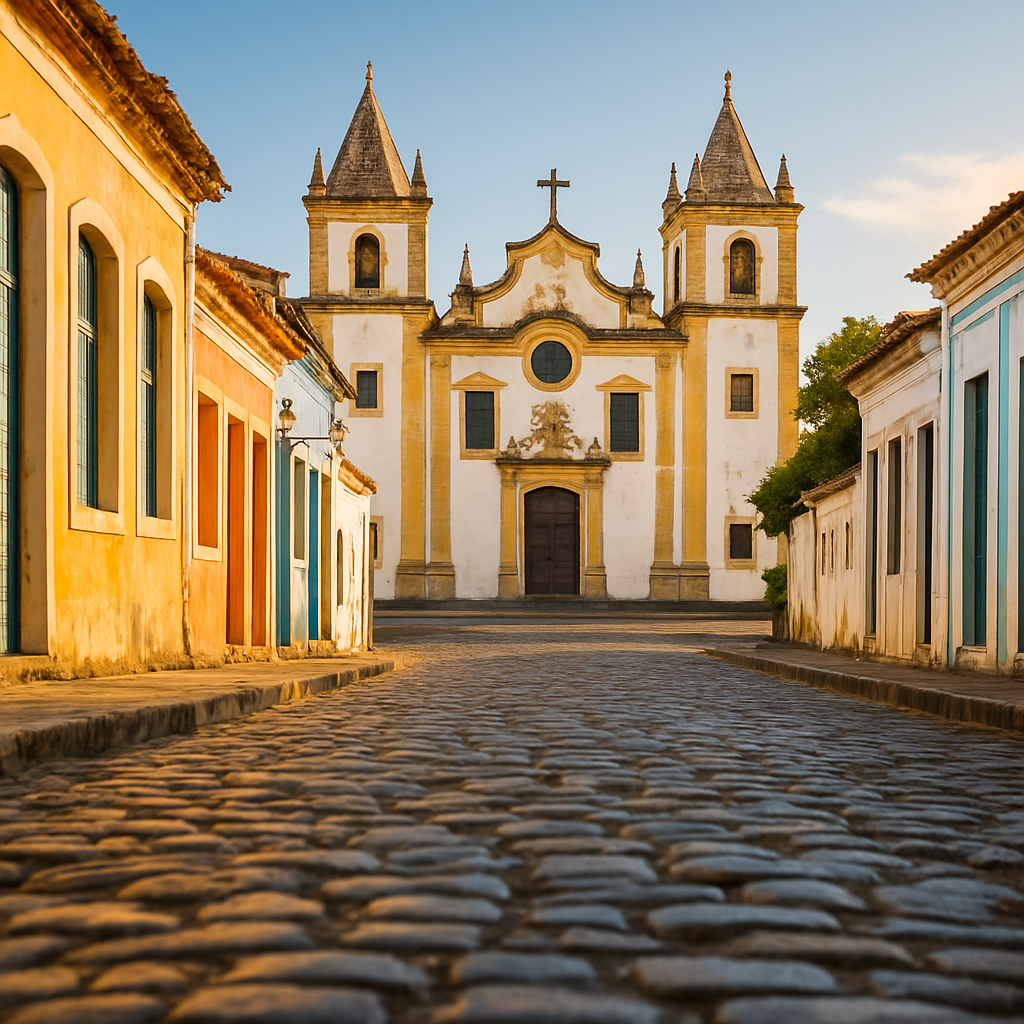
Olinda's Cobblestone Climb to Alto da Sé
Seven kilometers up the coast, the colonial hilltop town founded in 1535 still has working ateliers tucked into 400-year-old houses and baroque churches the color of guava. Climb the cobblestones to Alto da Sé before sunset — the whole metropolitan coastline opens at your feet, vendors set up tapioca carts on the lookout, and a man with a guitar will probably be playing a frevo standard. Stay for the light. Leave when the church bells say so.

Tidal Pools at Porto de Galinhas
Sixty kilometers south of the city, the offshore reefs trap clear pools at low tide, and traditional jangada rafts ferry you out for snorkeling so calm it feels staged. Fish school around your legs, the rafts smell like sun-warmed wood, and lunch back on the sand is grilled fish you watched arrive. Time it with the tide chart, not the tour bus.

A Frevo Class at Paço do Frevo
Frevo is the hyperactive Pernambucan rhythm UNESCO inscribed on its intangible heritage list in 2012, and the Paço do Frevo is the museum that takes it seriously — exhibits, archives, and an active dance studio that runs drop-in classes for visitors. You'll fail. Everyone fails. The point is the trying, and the espresso afterward at the café next door.
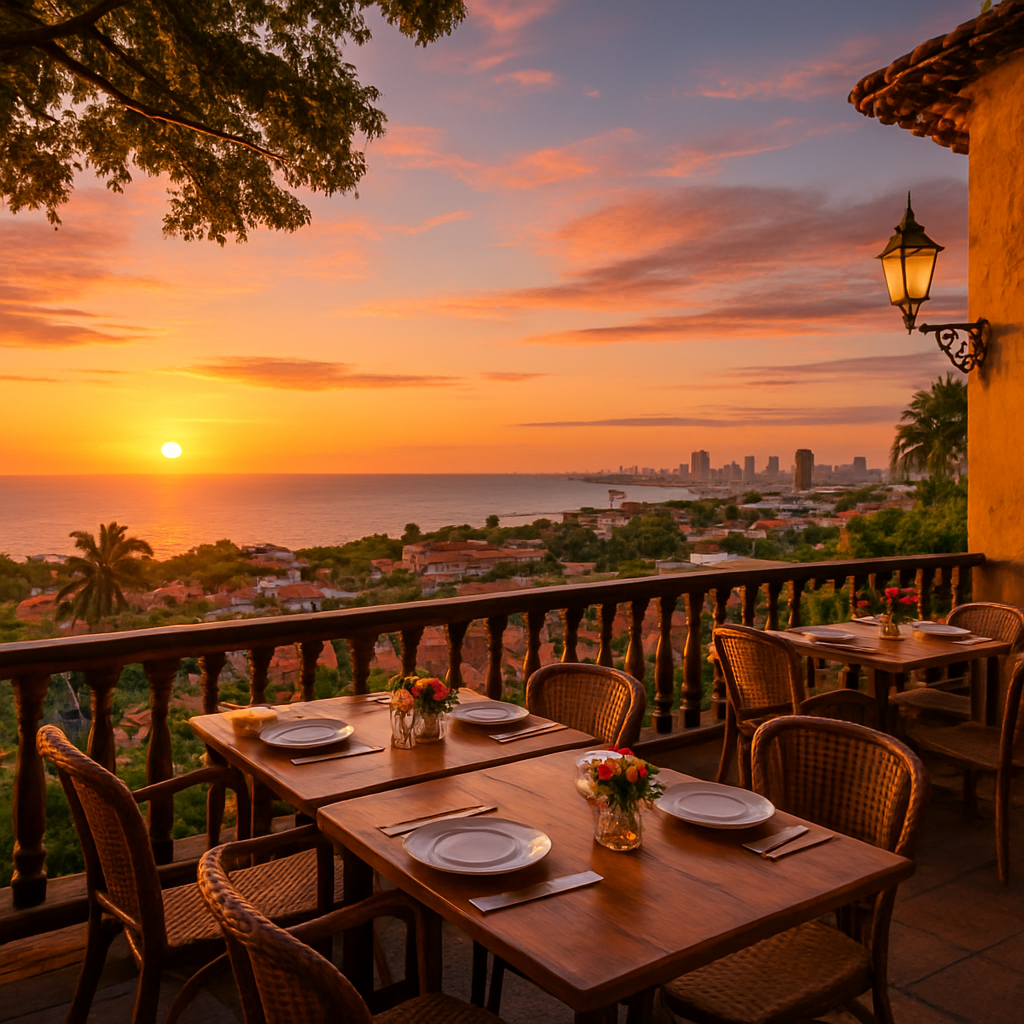
Dinner at Oficina do Sabor in Olinda
Chef César Santos has been serving his signature stuffed jerimum — pumpkin filled with shrimp, dried meat, or coconut-stewed crab — inside a colonial Olinda house since 1991. The terrace looks across rooftops toward Recife's coastline and the wait between courses passes in a long Pernambucan twilight. Book ahead, especially weekends.
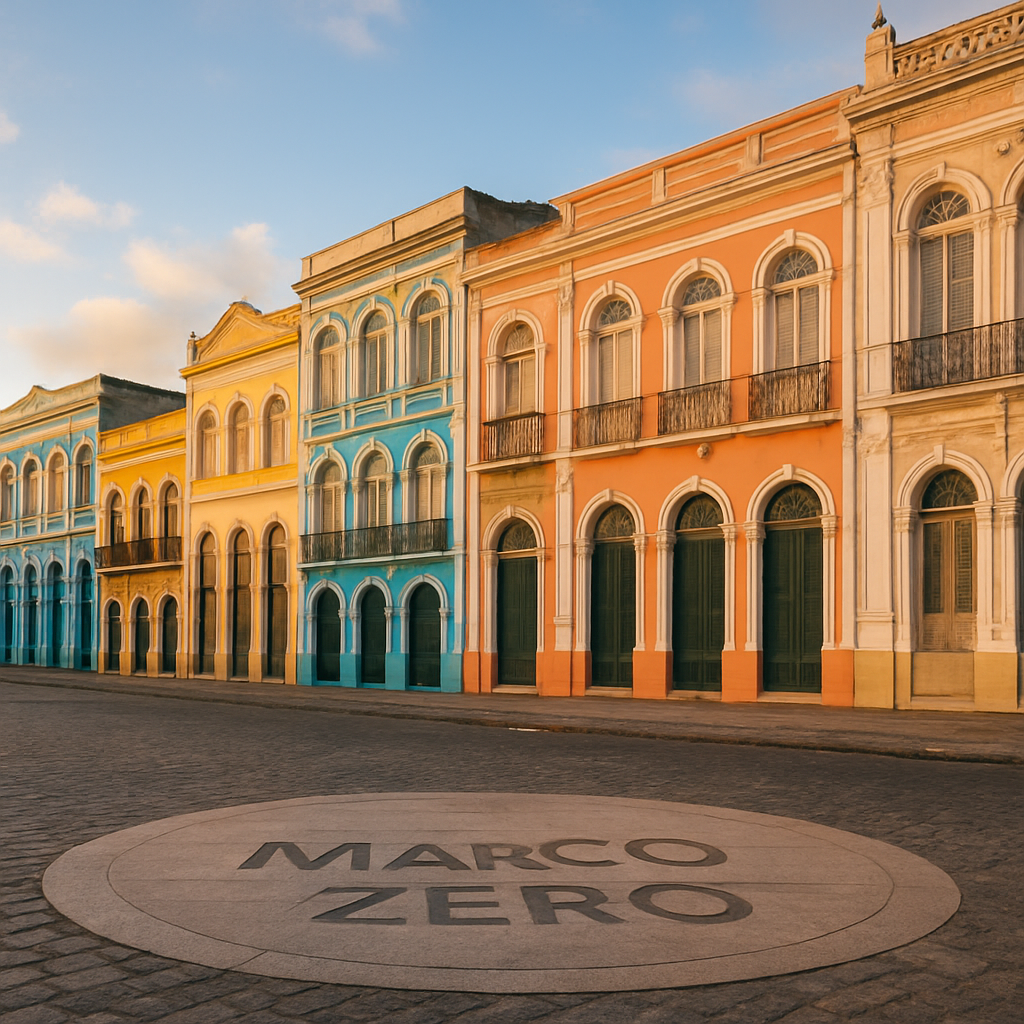
Marco Zero and the Rua do Bom Jesus Walk
The Recife Antigo loop is the city's most essential walk — Marco Zero plaza on the harbor, Rua do Bom Jesus running inland past the oldest synagogue in the Americas (Kahal Zur Israel, 1636), and pastel sobrados on every block. Saturday afternoons there's usually a frevo orchestra playing on the plaza. Stay for sunset, when the cargo ships catch the last light.
The places I actually send people to
Advice that fits how you travel
Recife rewards solo travelers who don't mind a little friction. The city isn't preassembled for tourists the way Rio's South Zone is — you'll need to figure out the Boa Viagem–Boa Vista–Olinda triangle yourself, and the payoff is meeting actual Pernambucanos instead of the international circuit crowd. Stay at a small pousada on Boa Viagem rather than a tower; the family-run format is where you make real friends by day three. The apps work — Grindr is busy, especially Thursday through Sunday — and the local crowd is genuinely curious about visitors, not jaded.
Solo logistics are friendly. Budget travelers can do the city well on R$280–420 a day including a hostel dorm, plenty of tapioca from the seawall carts, and an Antarctica at Burburinho. Mid-range runs R$550–850 with a 3-star Boa Viagem room and a real dinner at Parraxaxá or Pomodoro Caffè. Public transit exists but I'd just use 99 — the app's cheaper than Uber for the local triangle most queer weekends here trace.
Practical solo notes: the bars don't fill up before 1 a.m., so plan a long dinner and a slow walk through Recife Antigo first. Walk in groups when crossing the bridges back from Marco Zero late, or grab a 99. Wiwo Café in Boa Vista is your daytime headquarters — specialty coffee, alternative crowd, and the kind of staff who'll tell you which bloco rehearsals are happening that weekend if you ask.
Recife is a quietly excellent couples city if you know where to point yourselves. Same-sex couples can hold hands without comment along the Boa Viagem beachfront, throughout Recife Antigo on weekend nights, and in Olinda's historic core — three of the most romantic stretches in Northeast Brazil. The chain hotels on Boa Viagem — Hotel Atlante Plaza, Grand Mercure, Bugan — process same-sex check-in without a blink, and the rooftop pools at all three earn their place at sunset. For a longer stay, the apartment-format rooms at Hotel Boa Viagem in Pina give you a balcony, a kitchen, and a quieter end of the avenue.
Date-night architecture is built in. Dinner at Oficina do Sabor in Olinda — chef César Santos's stuffed jerimum, terrace overlooking the rooftops, the long Pernambucan twilight doing its thing — is the kind of meal you'll talk about for years. Ponte Nova on Rua do Bom Jesus pairs perfectly with a Recife Antigo bar crawl after, and Beijupirá Olinda is the seafood splurge worth the cab ride. For a slow weekend, Porto de Galinhas sixty kilometers south has tidal pools, jangada rafts, and LGBTQ+-friendly pousadas built for two.
One pro tip: time it around the Parada da Diversidade in September if you can. The parade rolls down Avenida Boa Viagem and ends at the beach — the after-party migrates straight onto the sand, and the city becomes a different city for the weekend. February's Carnaval is the other window, but it's louder, sweatier, and not for couples who want quiet.
LGBTQ+ families travel comfortably in Recife. As of 2026, Brazil recognizes joint adoption and grants full legal parity to same-sex parents — your family structure is paperwork-clean here. Pernambuco's Secretaria da Mulher, Diversidade e Direitos Humanos backs that up at the state level, and hotels in Boa Viagem handle two-parent same-sex check-in as routine. I haven't seen credible reports of LGBTQ+ families running into hassle at the chain properties or the better pousadas.
Kid logistics are straightforward in the tourist zones. Boa Viagem's seawall has a paved walking path, playgrounds, vendors selling tapioca and grilled queijo coalho for unfussy lunches, and lifeguarded swim windows near Rua dos Navegantes — critical to stay between the flags, because the bull-shark advisories are real. The Instituto Ricardo Brennand is a neo-Gothic castle complex with edged-weapons and Frans Post collections that older kids find weirdly riveting, and the Paço do Frevo runs frevo dance classes that any seven-year-old will love failing at.
For day trips, Olinda's cobblestone streets aren't stroller-friendly — bring a carrier — but the artist ateliers and the climb to Alto da Sé work well with kids old enough to walk. Porto de Galinhas is the family pick: shallow tidal pools, schooling fish around your legs, jangada rides that feel like an adventure without actually being one. Budget a moderate family day at R$1,300–2,000 and you'll cover a 2-bed apartment, three meals, and the activities that matter.
What Recife actually costs
Flights, visas, and the first 30 minutes
Airport: Recife/Guararapes–Gilberto Freyre International (REC) sits about 11 km south of central Recife, walking distance from the Boa Viagem hotel strip. It's the busiest airport in Northeast Brazil, with roughly 30 direct routes spanning Brazilian capitals and a steady set of international links — Lisbon on TAP, Buenos Aires on the regional carriers, and seasonal Miami service among them.
Visas (as of 2026): EU and UK passport holders are typically visa-free for stays up to 90 days. US, Canadian, and Australian travelers need a visa as of April 2025 — the Brazilian government's e-visa system handles it online, generally cleared within five business days. Don't show up at REC without it; the policy is being enforced.
Airport to city: Uber and 99 are the most reliable picks at R$25–45 to Boa Viagem or central Recife, with a clearly signposted pickup zone at arrivals. Official airport taxis run R$45–70 on fixed-zone pricing. The Linha Sul metro stops at Aeroporto station for R$4.05 — cheapest option, but it requires a transfer and isn't friendly to anyone hauling a large suitcase. City buses 033 and 042 run the same route for R$4.05 if you have time and patience.
Pro tip: Skip the official taxi rank if there's any wait — 99 is almost always cheaper, and the app's pickup point at REC is well-organized, not the chaotic edge-of-airport situation you sometimes get in other Brazilian cities.
Traven's seasonal breakdown
The questions everyone asks
Is Recife safe for LGBTQ+ travelers?
Do I need to speak Portuguese?
When is the best time to visit?
Is it safe to hold hands?
Do I need a visa?
How much should I budget per day?
Is Recife better than Rio for gay travelers?
Screenshot this before you go
So should you actually go?
Go. As of 2026, Brazil offers full marriage and adoption rights, Pernambuco has real state-level enforcement infrastructure, and Recife delivers the best regional food in the country wrapped around a queer scene that hasn't been over-curated for visitors. The street-crime caveat is real and standard for Brazilian cities — apply 99 instead of street taxis after dark, stay between the lifeguard flags at Boa Viagem, and you'll be fine. Time it for September's Parada da Diversidade or October-November for dry-season weather, skip May entirely, and let Olinda, Boa Vista, and the Marco Zero walk show you a Northeast Brazil that the postcard cities never quite manage to be. LGBTQ+ travelers who want depth over polish — this is your city.
Sources & Resources
Official links we reference when compiling this guide. Last verified 2026-05-04.
- ABGLT — Associação Brasileira de LGBTI+
- ANTRA — Associação Nacional de Travestis e Transexuais
- Defensoria Pública de Pernambuco — Núcleo de Direitos Humanos
- Disque 100 — Direitos Humanos
- Grupo Leões do Norte
- Movimento LGBT+ de Pernambuco
- Parada da Diversidade de Pernambuco
- Secretaria da Mulher, Diversidade e Direitos Humanos de Pernambuco