Rio doesn't ask if you're ready. It just hits you — sun, bass, skin, salt — and you either surrender or you miss the whole point.
The first thing you notice isn't the mountains or the beach or any of the postcard geography. It's the sound. Rio has a frequency — a low hum of funk carioca bleeding out of car windows, the slap of frescobol paddles on sand, someone singing something heartbreaking in a language you half-understand — and it gets under your skin before you've cleared customs. I've been to cities with better infrastructure, cleaner streets, more organized nightlife. I have never been to a city with this much uncut sensory information coming at you at once. My Traven-Dex score of 8.1 reflects something I struggled with: a destination so extraordinary it earned a 8.5 on Destination, paired with a street-level safety reality that keeps its Chill at 7.2. Both numbers are honest. Both exist simultaneously on the same block.
Ipanema gets the glossy treatment in every magazine, and it deserves it — the Farme de Amoedo stretch at Posto 8 is one of the most naturally queer-integrated beach environments I've seen anywhere in the Western Hemisphere. Guys in impossibly small shorts ordering açaí, couples kissing without a flinch from the families next to them, the whole scene starting around 4pm and folding into bar crawls that spill down Rua Teixeira de Melo toward Galeria Café. But the real heartbeat of queer Rio shifts to Lapa after midnight — the Arcos lit up, someone playing pagode on the street, Sacrilégio spilling out onto the cobblestones in a way that feels genuinely alive. It's messier and louder than Farme, and that's entirely the point.
Don't sleep on the trans and travesti history baked into this city. Organizations like CasaNem and ANTRA do essential work here, and showing up to their fundraiser events gives you a window into queer Rio that no bar crawl ever will. This is a city where drag, samba, Candomblé, and activism share the same bloodstream — where Mangueira samba school's rehearsal nights have a queer presence so powerful it blurs every gender line in the room. That layered, complicated, occasionally dangerous beauty is what makes Rio unlike anywhere else.
Here's the thing I tell everyone: Rio will give you the best night of your trip and make you check your pockets at the same time. It demands your attention — to the beauty, to the music, to the guy selling caipirinhas from a cooler, and yes, to your surroundings. Come with your eyes open, your ego relaxed, and a willingness to follow the city's rhythm instead of imposing your own. It will reward you for it.
The stuff your travel guide buries on page 47
The legal picture is strong. Brazil legalized same-sex marriage nationwide via a 2013 National Council of Justice resolution, backed by the Supreme Federal Tribunal. Same-sex couples have equal adoption rights. Gender identity follows a self-ID model enacted in 2018 — name and gender marker changes on documents don't require medical procedures or judicial approval. There's no federal statute explicitly naming sexual orientation in anti-discrimination law, but the Supreme Court's landmark 2019 ruling criminalized homophobia and transphobia under existing hate crime statutes. That ruling is real, enforceable, and has been applied in court. If something happens, the Defensoria Pública do Estado do Rio de Janeiro is your first call — they're the public defender's office, and they take these cases seriously.
The cultural reality is more complicated than the law suggests. Brazil is a vast, contradictory country. The same nation that produced one of the world's largest Pride parades also records among the highest rates of anti-LGBTQ+ violence globally, particularly against trans women and travestis. In Rio's Zona Sul — Ipanema, Copacabana, Leblon — visible queerness is normalized. Same-sex couples hold hands on Farme de Amoedo without a thought. Move into Centro, Zona Norte, or peripheral neighborhoods, and the social temperature drops. Read the room. Follow the lead of local queer people around you.
PDA comfort varies sharply by location. At Posto 8 on Ipanema beach and along the Farme de Amoedo strip: high comfort, same-sex PDA is routine and unremarkable. Around established LGBTQ+ venues in Copacabana (near Le Boy, Rua Domingos Ferreira): moderate comfort — you'll be fine immediately near the venues but exercise situational awareness in wider Copacabana crowds, especially after dark. Santa Teresa and Lapa: moderate — the bohemian culture is tolerant, but discretion is smart after midnight when general street safety also decreases. Centro, Zona Norte, and transit hubs: keep it low-key. More conservative, and general street crime risk is elevated regardless of orientation.
Pro tip: PrEP is available for free through Brazil's SUS public health system. The SAE Lapa clinic is one of the most LGBTQ+-experienced in the city — speak to them directly rather than trying to navigate the general system, especially as a foreign visitor. General travel insurance with emergency medical evacuation coverage is strongly recommended for any trip to Brazil.
What it actually feels like on the ground
Holding hands: Comfortable and normalized at Posto 8, along Farme de Amoedo, and inside any established LGBTQ+ venue. In broader Copacabana and Ipanema beyond the immediate gay zones, you'll likely be fine but read the energy. In Centro, Zona Norte, or on transit: I'd pull back. This isn't about hiding — it's about a real statistical pattern of targeted harassment outside tourist-facing neighborhoods.
Hotel check-in: No issues at any reputable hotel in Zona Sul. Same-sex couples booking doubles won't get a raised eyebrow at the Fasano, Santa Teresa Hotel, Mama Ruisa, or any mid-range chain property. Budget hostels in Copacabana and Flamengo are similarly unbothered — Rio's hospitality sector in tourist areas is well-practiced with LGBTQ+ guests.
Taxis and ride-hailing: Use 99 or Uber over street taxis at night, always. Confirm your driver's name and plate before getting in. If you're leaving Fosfobox or anywhere in Copacabana after 3am, order the car from inside the venue — don't hail from the street, full stop. During daytime, both apps and metered yellow taxis are fine. Drivers in Zona Sul are generally indifferent to who's riding together.
Beaches and public spaces: Posto 8 at Ipanema is genuinely safe during daylight hours for visibly queer travelers. Do not leave belongings unattended on any Rio beach — phone theft is endemic and opportunistic, not orientation-targeted. After dark, all beaches become no-go zones. This applies to everyone. Don't walk Copacabana beach at night, period.
Late night: Copacabana's back streets after 2am deserve real caution. La Cueva on Rua Raul Pompéia is a safer anchor than wandering — the staff there have been looking out for patrons for decades. In Lapa, stick to the main drag around Rua do Lavradio and the arches; the side streets empty fast after 1am and aren't worth the risk. Pro tip: Empório 37 in Ipanema is a reliable low-key spot to decompress if you don't want to deal with Lapa logistics.
Trans travelers: I need to be direct here. Brazil consistently records among the world's highest annual rates of anti-trans violence, tracked by ANTRA and Transgender Europe's monitoring project. Trans women and travestis face a significantly different safety reality than gay cis men in Rio. Within Zona Sul's tourist districts — Ipanema, Copacabana — the risk is lower but not absent. Outside these areas, harassment and violence remain ongoing concerns. Self-ID gender recognition is legally established, and documents should be respected, but practical encounters vary. Travel with a charged phone, share your location with someone you trust, and stay in established areas.
Verbal harassment: In Zona Sul's established areas, rare. You may hear boiola — older derogatory slang for a gay man — from passersby on occasion, more likely in transitional zones between neighborhoods. It's not common in Ipanema proper but it happens. The response from other Cariocas is usually disapproval of the person saying it. Outside Zona Sul, the risk increases. General awareness and not engaging with aggressors is the best practice.
The queer geography
Ipanema — Rua Farme de Amoedo & Posto 8
This is the center of gravity. The stretch of Farme de Amoedo between Visconde de Pirajá and the beach is essentially its own micro-universe — sidewalk tables, açaí spots, guys in impossibly small shorts — and it starts functioning as a social space around 4pm, not just at night. Galeria Café sits one block off Farme on Rua Teixeira de Melo and has been a gay institution for over two decades — café by day, bar by night, community anchor always. The beach at Posto 8 (some locals call it Posto 9 — the boundary is fluid, like everything in Rio) is where the LGBTQ+ crowd clusters: bring a canga, not a towel, and you'll signal immediately that you know what you're doing. This is the Rio that gets the magazine covers, and honestly, it earns them.
Lapa
Where queer Rio gets its edge. The neighborhood sits beneath the iconic Arcos da Lapa — the 18th-century aqueduct that's become Rio's most recognizable nightlife landmark. Sacrilégio on Rua do Lavradio spills out onto cobblestones, and on any given night the crowd is a genuine mix — gay, straight, trans, all of it blurred by cachaça and samba. Circo Voador hosts everything from samba nights to explicitly queer electronic events depending on the week — check their schedule independently, because the same space feels completely different on a Thursday versus a Saturday. Clube dos Democráticos on Rua do Riachuelo is where you drink a caipirinha de maracujá for about R$12 while live samba plays. Funk queer parties pop up around Lapa and occasionally at Casa Rosa in Laranjeiras — they're not on mainstream apps, but Conexão G and local Instagram queer collectives are where the event listings actually live. Follow before you land.
Copacabana
Le Boy has been a landmark since the 1990s — one of Rio's oldest continuously operating gay clubs, with a big dance floor and sustained drag programming. Fosfobox nearby draws a younger, more mixed electronic crowd. The Copacabana scene is grittier and less curated than Ipanema, which is either a feature or a bug depending on what you're after. If you like your nightlife a little rough around the edges and your drinks cheap, this is your zone. Just stay alert on the back streets after 2am.
Botafogo & Santa Teresa
Botafogo is the slightly grittier, increasingly queer-friendly bairro between Flamengo and Humaitá — home to Bar Bukowski and a more local, less tourist-facing bar scene. Santa Teresa, the hilltop bohemian neighborhood above Lapa, has an artist-colony energy that's been tolerant of difference for decades. Ateliê Insurgente and the area around Largo do Guimarães are worth an afternoon of wandering. The walk between Santa Teresa and Lapa via the Escadaria Selarón is iconic but steep — take it by daylight.
The experiences worth rearranging your itinerary for

Sugarloaf Mountain at Golden Hour
You've seen the photos. They don't prepare you. The two-stage cable car to the summit of Pão de Açúcar gives you a 360-degree view of Guanabara Bay, Corcovado, Niterói across the water, and the entire sweep of Zona Sul's coastline. Go late afternoon — the light between 4pm and sunset turns the granite a shade of orange that doesn't exist anywhere else on earth, and the city starts to sparkle before you've descended. Get there early enough to avoid the worst of the lines, bring a light jacket for the wind at the top, and do not rush this.

Mangueira Samba School Rehearsal Nights
In the weeks leading up to Carnival, Mangueira — one of Rio's most legendary samba schools — opens its rehearsal nights to the public in Zona Norte. This is not a tourist show. The drums hit your chest before you walk through the door. The passistas blur every gender line, drag queens own the floor, and the collective energy in that room is something you cannot manufacture or replicate. It's chaotic, sweaty, and genuinely joyful. Yes, it's a commute from Zona Sul. Worth every minute.
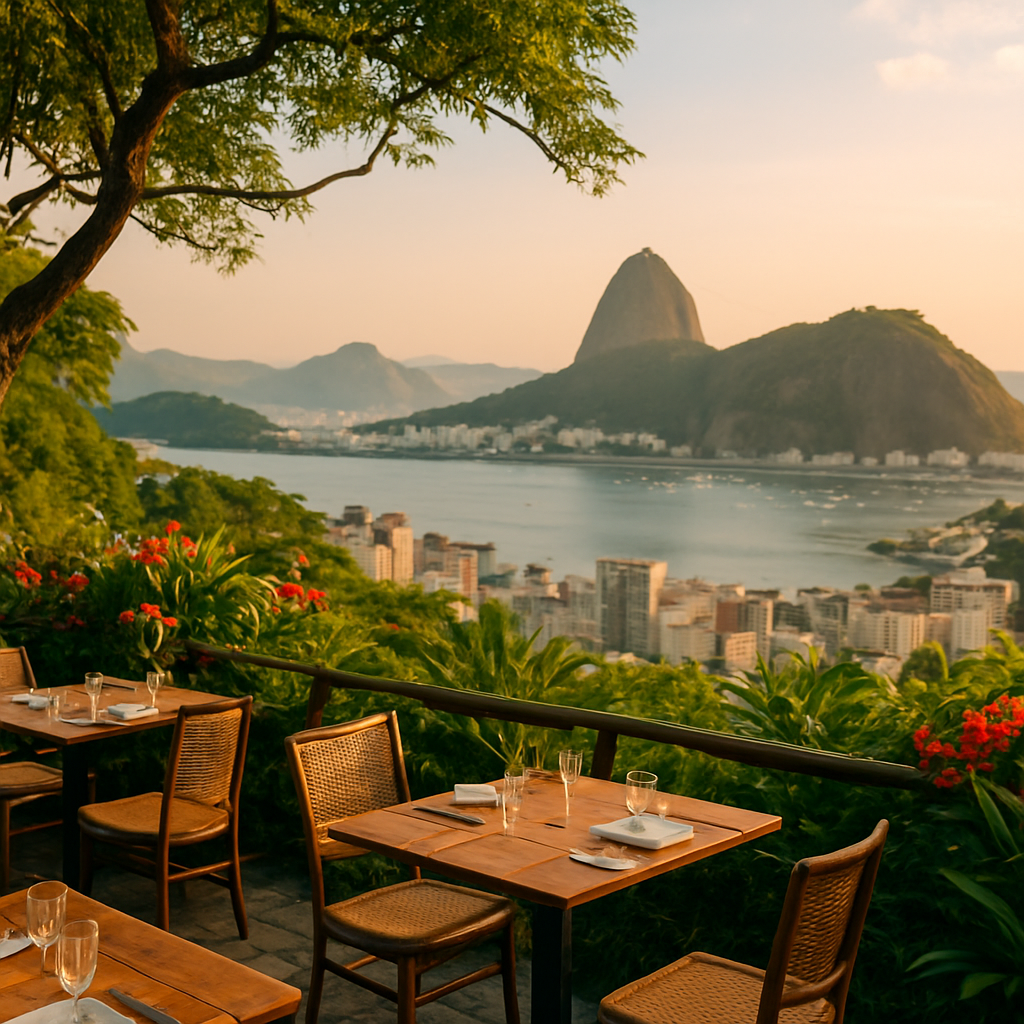
Lunch at a Hillside Garden in Santa Teresa
Santa Teresa feels like a different city. The cobblestone streets, the crumbling colonial mansions, the street art, the quiet. Aprazível sits built into a hillside garden with multi-level terrace seating that looks out over Rio's skyline — chef Ana Castilho has been running this kitchen since 2001, serving Brazilian regional food with over 100 varieties of cachaça. Order the feijão tropeiro, pick something from the cachaça list you've never heard of, and sit there until the light changes. The walk from Largo do Guimarães to the restaurant passes some of the best street art in the city.
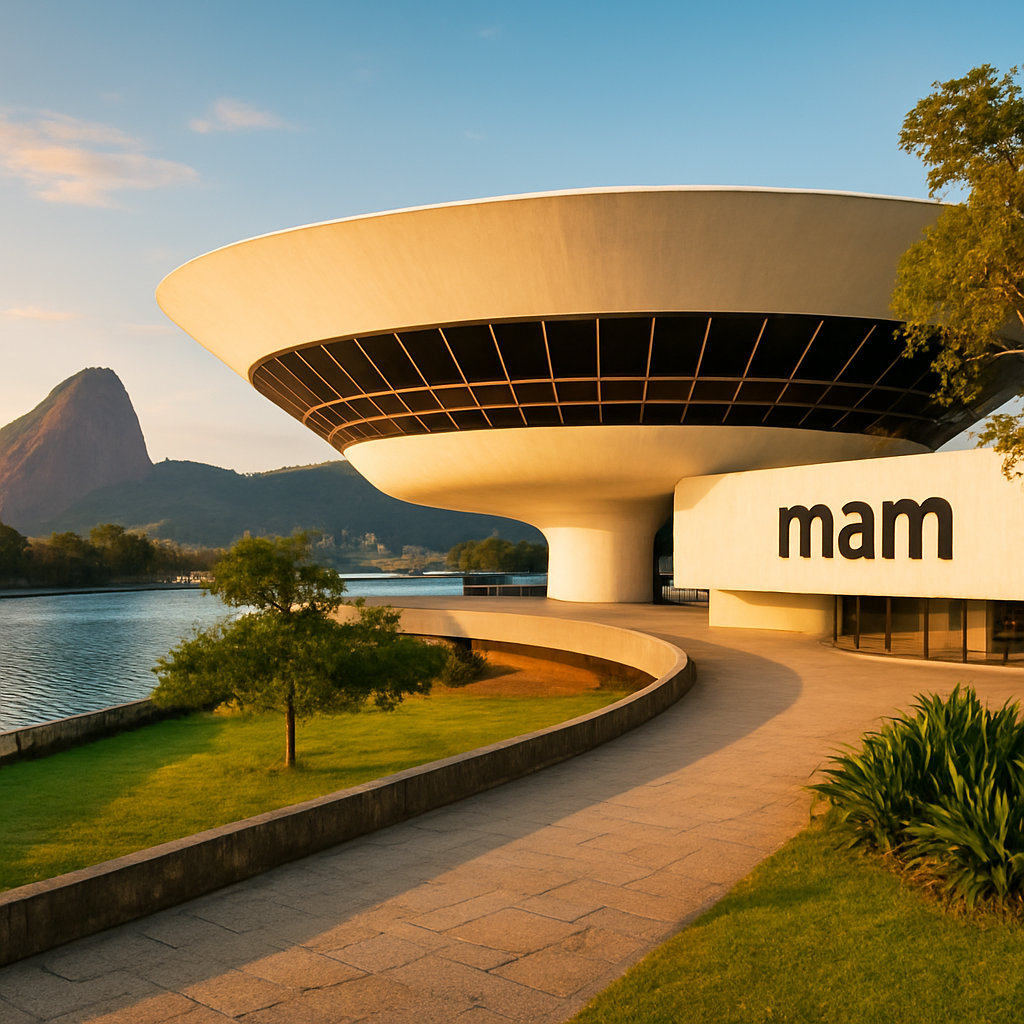
The Museu de Arte Moderna and Flamengo Park
The Museu de Arte Moderna (MAM) sits inside Aterro do Flamengo — a massive waterfront park designed by Roberto Burle Marx. The building itself, by Affonso Eduardo Reidy, is a brutalist concrete slab hovering over gardens, and the permanent collection covers Brazilian modernism with a weight and seriousness that sneaks up on you. After the museum, the park stretches for kilometers along the bay — rent bikes, let kids run, or just sit on the grass and stare at Sugarloaf framed between palm trees. The whole experience costs almost nothing.

A Day Trip to Búzios
Armação dos Búzios sits on a peninsula about 175km east of Rio — roughly 2.5 to 3 hours by road. Brigitte Bardot put it on the map in 1964, and the bronze statue of her on the Orla Bardot promenade confirms the town has never gotten over it. Twenty-five beaches, cobblestone Rua das Pedras lined with restaurants and bars, and a reputation as one of Brazil's more LGBTQ+-welcoming resort towns. It's a real change of pace from Rio's intensity — slower, saltier, built for long lunches and boat rides to the next cove.
The places I actually send people to
Advice that fits how you travel
Rio is a phenomenal solo city if you calibrate correctly. The beach is your social infrastructure — plant yourself near Posto 8 on Ipanema with a canga and a cold drink, and conversation will find you. Cariocas are among the most socially forward people I've encountered anywhere; the barrier to entry for a chat is essentially zero if you can manage basic Portuguese or cheerful hand gestures. App culture is active — Grindr, Hornet, and Scruff all have significant user bases in Zona Sul, and the transition from screen to in-person is generally faster and more relaxed than in comparable cities. Just exercise the same judgment you would anywhere: meet in public, share your location, don't go to unfamiliar neighborhoods alone at night.
Budget solo travel here is genuinely viable. A hostel dorm in Copacabana or Flamengo runs BRL 80–130/night, prato feito lunches at local restaurants cost BRL 20–30, and the beach is free. The Metro covers Zona Sul well enough for daytime. For nightlife, Galeria Café is the best solo anchor in Ipanema — the daytime café atmosphere makes it easy to show up alone without feeling exposed, and by evening it's a full bar with a community energy that absorbs solo visitors naturally. In Lapa, Sacrilégio and Centro Cultural Carioca are both easy to walk into alone. The music gives you something to do with your body while you figure out the room.
Safety is the solo-specific variable that needs attention. Don't walk Copacabana or Ipanema beach after dark — this isn't orientation-specific, it's universal. Use Uber or 99 after midnight, always order from inside the venue, and keep your phone in your front pocket or a crossbody bag during the day. Empório 37 near Farme is a good low-key spot to end a night in Ipanema without the intensity of a full club. If you're headed to Lapa solo, stick to the main arteries around Rua do Lavradio and the Arcos, and don't wander down empty side streets. Rio rewards the confident and alert solo traveler enormously — just don't mistake relaxation for carelessness.
Rio is one of those cities that does the work for you. The setting alone — Dois Irmãos peaks framing a beach at golden hour, the smell of salt and grilled meat drifting off the calçadão — creates a backdrop that makes even a mediocre relationship look cinematic. If yours is actually good, you're in trouble, because you may never want to leave.
The Farme de Amoedo stretch at Posto 8 is where you spend your afternoons — plant yourselves with a cold canga, order caipirinhas from the beach vendors, and hold hands without a second thought. It's one of the most genuinely relaxed same-sex PDA environments I've encountered anywhere in Latin America. For dinner, book Aprazível in Santa Teresa well in advance — a hillside garden, candlelight, 100+ varieties of cachaça, and views of Rio's skyline. That's a date night that earns its keep. Lasai in Botafogo is your splurge option: a Michelin-starred tasting menu built on Brazilian regional ingredients, intimate, unhurried, the kind of meal you'll still be talking about six months later.
Stay on Avenida Vieira Souto if budget allows — waking up to Ipanema beach directly out the window changes the rhythm of a trip. The Fasano's rooftop pool is worth every real for a couple of hours even if you're not staying there. If you want something more intimate and personality-rich, Mama Ruisa in Santa Teresa is a seven-room boutique guesthouse in a French colonial mansion that's been welcoming LGBTQ+ couples for years — communal veranda breakfast, panoramic gardens, and a location that puts you minutes from Lapa for the evening. Romance doesn't require a big budget here. It requires paying attention.
Brazil extended full marriage equality, joint adoption rights, and self-ID gender recognition nationally, so LGBTQ+ families arrive here on solid legal ground. In practice, Zona Sul — Ipanema, Copacabana, Leblon — is broadly welcoming to families in all configurations. You won't be navigating raised eyebrows at hotel check-in or restaurant seating. The culture is warm toward children in general; Cariocas adore kids, and that extends to yours regardless of who's accompanying them.
The beaches are the obvious anchor. Ipanema and Copacabana are both stroller-accessible along the flat beachfront promenade, and the water is calm enough for younger kids on most days. The Museu de Arte Moderna (MAM) in Flamengo Park has a kid-accessible program calendar and grounds that work well for little ones who need to move. Sugarloaf Mountain via cable car is a genuine all-ages highlight — lines can be long, so go first thing in the morning. The Jardim Botânico in the South Zone is 54 hectares of forest, birds, and shade, and costs almost nothing to enter.
Practical note: ride-hailing apps (Uber, 99) are your best friend with children in tow — the Metro system is good but buses can be crowded and disorienting with luggage or a stroller. Restaurants in Ipanema and Leblon universally carry kids' menus or will adapt dishes on request; no one will look at you sideways for asking. Budget for the BRL 1,600–2,300/day moderate family range if you want a comfortable hotel, sit-down meals, and the occasional paid activity — it's very manageable at current exchange rates for North American and European visitors.
What Rio de Janeiro actually costs
Flights, visas, and the first 30 minutes
Airport: Rio de Janeiro–Galeão International Airport (GIG) — also known as Antonio Carlos Jobim International Airport — is Rio's main international gateway, located on Ilha do Governador approximately 20km north of Zona Sul. A secondary domestic airport, Santos Dumont (SDU), sits in Centro and handles many domestic Ponte Aérea shuttle flights from São Paulo.
Direct routes: GIG connects to 70+ cities with direct service. Key routes include New York JFK (10h 30m), Miami MIA (8h 30m), London LHR (11h 45m), Lisbon LIS (9h 30m), Buenos Aires EZE (3h), and São Paulo GRU (1h). TAM/LATAM, Gol, Azul, American, United, British Airways, and TAP all serve Rio on major international routes.
Visas: US citizens — visa-free, up to 90 days. UK citizens — visa-free, up to 90 days. EU nationals (most) — visa-free, up to 90 days. Canadian citizens — visa-free, up to 90 days. Australian citizens — visa-free, up to 90 days. Confirm your specific nationality against Brazil's current entry requirements before travel, as policy changes occur.
Airport to city:
Taxi / Uber / 99: BRL 80–130, 40–70 minutes in normal traffic. App-based services are available curbside and are strongly preferable to negotiating with street touts. Pro tip: traffic on Linha Vermelha heading into Zona Sul can double your journey time during peak hours — factor that in if you have a flight to catch.
Aeroexpress shuttle bus: BRL 20–55, 60–90 minutes. Air-conditioned coaches with stops in Copacabana, Ipanema, and Centro — a solid value option if you're not traveling at an odd hour or hauling excess luggage.
Municipal bus + Metro: BRL 10–18, 90–120 minutes. No direct Metro connection to GIG exists; a bus transfer is required to reach the subway network. I'd steer most travelers away from this on arrival — the savings aren't worth the complexity with bags.
Traven's seasonal breakdown
The questions everyone asks
Is Rio safe for LGBTQ+ travelers?
Do I need to speak Portuguese?
When is Rio Pride?
How much should I budget per day?
What's the deal with Posto 8 vs. Posto 9?
Is Carnival worth the crowds?
Can I use credit cards everywhere?
Screenshot this before you go
So should you actually go?
Rio de Janeiro is one of the great queer cities on earth — full stop. The legal framework is solid, the scene is deep and layered, the beach culture at Posto 8 is unlike anything else in the Americas, and the sheer sensory force of the place makes it unforgettable. My Chill score of 7.2 is real, though, and it reflects a city where general street crime and anti-trans violence coexist with extraordinary openness. You need to be present. You need to pay attention to where you are, what time it is, and who's around you — the same way a Carioca does. If you can hold that awareness without letting it shrink your experience, Rio will give you nights, meals, beaches, and connections that very few cities on this planet can match. Go. Just go with your eyes open.
Sources & Resources
Official links we reference when compiling this guide. Last verified 2026-03-06.
- ABGLT – Associação Brasileira de LGBTI+
- ANTRA – Associação Nacional de Travestis e Transexuais
- ABIA – Associação Brasileira Interdisciplinar de AIDS
- CasaNem – Casa de Acolhimento Trans, Rio de Janeiro
- Grupo Arco-Íris de Conscientização Homossexual
- Defensoria Pública do Estado do Rio de Janeiro
- Prefeitura do Rio – Secretaria Municipal de Saúde
- Conexão G – LGBTQ+ News Brazil
- ILGA World – International Lesbian, Gay, Bisexual, Trans and Intersex Association
- STD/AIDS Referral Center Rio – SAE Lapa