
Salvador doesn't perform for you. It hands you an acarajé at midnight, a drum line at the wrong corner, and dares you to keep up.
Salvador hits you in layers, and the first one is sound. You'll be eating moqueca at a plastic table in Rio Vermelho when a drum line you didn't see coming rolls past Largo da Mariquita and rearranges your interior weather. Then the heat — wet, salt-thick, dendê-oil heat that settles into your skin and doesn't leave until you've showered three times. Then the realization that what you're walking through is the oldest African city in the Americas, that the Portuguese colonial pastel you're photographing was built on the back of the largest enslaved population outside of Africa itself, and that the music, the food, the gods — yes, the gods — never stopped being Yoruba. That's the city. Hold all of it.
The gay layer here doesn't look like the Marais or Chueca and you'll waste your trip if you try to map it that way. There's no tidy strip with rainbow crosswalks. The queerness is woven into the texture: the bicha preta dancing barefoot behind an Olodum drum line, the Baiana in white lace selling acarajé at Largo de Santana who is also a mãe-de-santo at her terreiro, the open-air sprawl of Beco dos Artistas where everyone — gay, straight, tourist, baiano — ends up at 1 a.m. drinking R$8 beers under laundry lines. Candomblé has been welcoming gay men and travestis into its houses since long before anyone in São Paulo had thought of a Pride parade. Salvador has older, stranger, more spiritually queer energy than most cities I've scored, and you'll feel it the first time a terreiro opens its doors to you.
The contradictions are real and you should hold them at the same time. Grupo Gay da Bahia — Latin America's oldest LGBTQ+ organization — was founded right here in 1980, and Bahia consistently ranks among the worst Brazilian states for anti-LGBTQ+ violence in GGB's own annual reports. The protections are loud and old and organized. The danger is also real, particularly for Black trans women. As of 2026 the legal architecture is genuinely strong — marriage, adoption, self-ID, criminalized homophobia, all of it — and Salvador's tourist core (Pelourinho, Barra, Rio Vermelho, Santo Antônio) generally lets same-sex couples breathe. Read the room outside that core. Take the Uber.
There's a reason I gave it an 8.4 on my Traven-Dex, and the 9.0 on Destination is doing most of the work. The food alone — Origem, Amado, Casa de Tereza, an acarajé at Largo da Mariquita at midnight — is reason enough to fly here. Pair it with the Tuesday Bençao in Pelourinho, a sunset at Porto da Barra, and one long evening at Beco dos Artistas, and you've got a city that punches above its weight in every direction except convenience. Salvador is not the easy trip. It's the one you remember.
The stuff your travel guide buries on page 47
Brazil is, on paper, one of the most legally progressive countries in the world for LGBTQ+ people. As of 2026, same-sex marriage has been legal nationwide since 2013, joint adoption is recognized, and trans Brazilians have had self-ID gender recognition without surgery or court order since the 2018 Supreme Court ruling. In 2019, the Supreme Court criminalized homophobia and transphobia under the country's existing racism statute. The legal architecture is genuinely strong.
Then there's the ground reality, and you need to hold both at once. Bahia consistently ranks among the worst Brazilian states for anti-LGBTQ+ violence in the annual reports from Grupo Gay da Bahia — and yet GGB, founded in Salvador in 1980, is the oldest LGBTQ+ organization in Latin America. That contradiction is Salvador. The protections exist, the community is loud and old and organized, and the violence is also real, particularly against Black trans women. ANTRA tracks the data and it's sobering.
PDA is generally fine in Pelourinho during the day, in Barra around Porto da Barra, and almost anywhere in Rio Vermelho after dark. It gets reserved fast in Cidade Baixa and the residential bairros, and you should read the room before reaching for someone's hand in the periferia. Hotel check-ins for same-sex couples are a non-event at the boutique pousadas listed below — most are European-owned and used to it.
Pro tip: cash is still king at street stalls and the smaller bars in Pelourinho. Pix (Brazil's instant payment system) requires a Brazilian bank account, which you don't have, so hit an ATM at Shopping Barra before heading into the historic center. And learn the word axé — it's hello, goodbye, and a blessing all at once, and yes, you should say it back.
What it actually feels like on the ground
Holding hands: Comfortable in Barra near Porto da Barra, in Rio Vermelho after dark, and inside the main squares of Pelourinho. Get noticeably more reserved in the Cidade Baixa, the outer bairros, and any quiet residential street at night. Locals will tell you to read the room and they mean it literally.
Hotel check-in: A non-event at the European-owned boutiques in Santo Antônio, Pelourinho, and Rio Vermelho. The big international brands (Fasano, Pestana) are equally smooth. At smaller pousadas outside the tourist core, your reception will track the individual owner — call ahead if you want to confirm.
Taxis and rideshares: Uber and 99 are everywhere and cheap — Pelourinho to Barra is rarely more than R$25. Use them. Don't take unmarked taxis from the Mercado Modelo no matter how friendly the driver is. After dark, rideshare every time, even for short hops. As of 2026, US, UK, Canadian and Australian government advisories all flag Salvador for street crime, so this isn't paranoia, it's just the city.
Pelourinho after midnight: The historic center is patrolled and lively until about midnight, then it empties fast and the side alleys get sketchy. Finish your caipirinha and Uber down to Rio Vermelho or Barra rather than walking back to your pousada through Santo Antônio at 2 a.m.
Beaches: Porto da Barra is the unofficial gathering spot — left end near the fortress is where the queer crowd clusters, especially weekends. It's relaxed and visible. Itapuã is more local and more low-key. Don't bring valuables to either.
Trans travelers: Brazil grants self-ID and constitutional protections, and Salvador's trans community is visible and organized. It also reports the world's highest absolute number of trans murders annually, and Bahia is not insulated from that. ANTRA is the national trans-rights org and a useful resource for situational reports. Stick to tourist corridors and well-lit central areas, especially at night, and Rio Vermelho and Barra are your safer bets for nightlife than anywhere further out.
Carnaval: Don't bring your fancy phone. I'm serious. Buy the cheapest Motorola at any Casas Bahia, put your real SIM in it, and treat your iPhone like it's already gone. Pickpockets work the trios in pairs and you're an obvious tourist.
Verbal harassment: Uncommon in Pelourinho, Barra and Rio Vermelho. More likely the further you get from the tourist core. If something happens, ABGLT maintains a national network of LGBTQ+ legal and support resources.
The queer geography
Pelourinho
The colonial heart of Salvador and a UNESCO World Heritage site since 1985 — pastel facades, cobblestones that will destroy your shoes, and the densest concentration of Portuguese Baroque architecture in the Americas. Walk up from Praça da Sé through Terreiro de Jesus and you'll pass the gilded interior of Igreja e Convento de São Francisco, the Carybé orixá panels at the Museu Afro-Brasileiro, and the Casa do Olodum headquarters where the drum lines start. Tuesday nights are the Bençao — when the churches let out and the percussion takes over the Largo do Pelourinho — and it's one of those experiences that resets your sense of what a city can do. The LGBTQ+ layer is woven through the bars and street parties; San Sebastian has been the steady gay anchor here for decades, small and loud, and the kind of place where the bartender remembers your face on night two. Show up after 11. For deeper context on the community here, Grupo Gay da Bahia is headquartered in the city and has been organizing since 1980.
Rio Vermelho
The bohemian bairro east of the center, and the answer to where everyone actually eats and drinks. Largo da Mariquita and Largo de Santana are the twin plazas at the heart of it — Dinha's acarajé stand at one, Acarajé da Cira at the other, plastic tables, cold beer, the smell of dendê palm oil at every corner. The restaurant row hides Origem and Casa de Tereza, two of the most serious kitchens in the Northeast, and the bars stay open until the catamarans start running at dawn. The crowd skews artsy, mixed, and queer-welcoming after dark; San Sebastian Bar on the Rio Vermelho side picks up where Pelourinho leaves off, with weekend DJ nights that run late.
Barra
The beachfront. Farol da Barra — the lighthouse — anchors the southern tip of the peninsula, and Porto da Barra is the crescent of calm water that everyone walks to at sunset. The leftmost end of the beach, near the fortress, is the unofficial gathering spot where the queer crowd plants towels on weekends. Walk the promenade at golden hour and you'll see what makes Salvadorenses smug about their city. Off Club a few blocks back from the water runs LGBTQ+ themed nights, and Queens Clube over in Barris is the closest thing to a proper big-night-out gay club, with drag shows on Saturdays that run until the sun comes up. For visitor info and event calendars, the city's tourism authority Saltur publishes most of what's worth knowing.
Santo Antônio Além do Carmo
The narrow ridge that runs north from Pelourinho, lined with restored colonial houses, view-balconies over the Bay of All Saints, and the highest concentration of small European-owned pousadas in the city. It's quieter than Pelourinho, prettier than Barra, and the bay views from Forte de Santo Antônio Além do Carmo at the end of the street are the best free thing you'll do in Salvador. The neighborhood has long been a default base for LGBTQ+ travelers — most of the pousadas here are run by gay couples or longtime expats and the welcome is genuine.
Garcia / Politeama
Not a tourist neighborhood, which is the point. Beco dos Artistas off Politeama is where everyone — gay, straight, tourist, baiano — ends up at 1 a.m. drinking R$8 beers under the laundry lines. It's the closest thing Salvador has to a one-stop gay strip, and it's a vibe, not a strip mall. Take an Uber in and an Uber out. For the broader picture of LGBTQ+ political life and the alliances doing the work, Aliança Nacional LGBTI+ is the national umbrella worth knowing.
The experiences worth rearranging your itinerary for
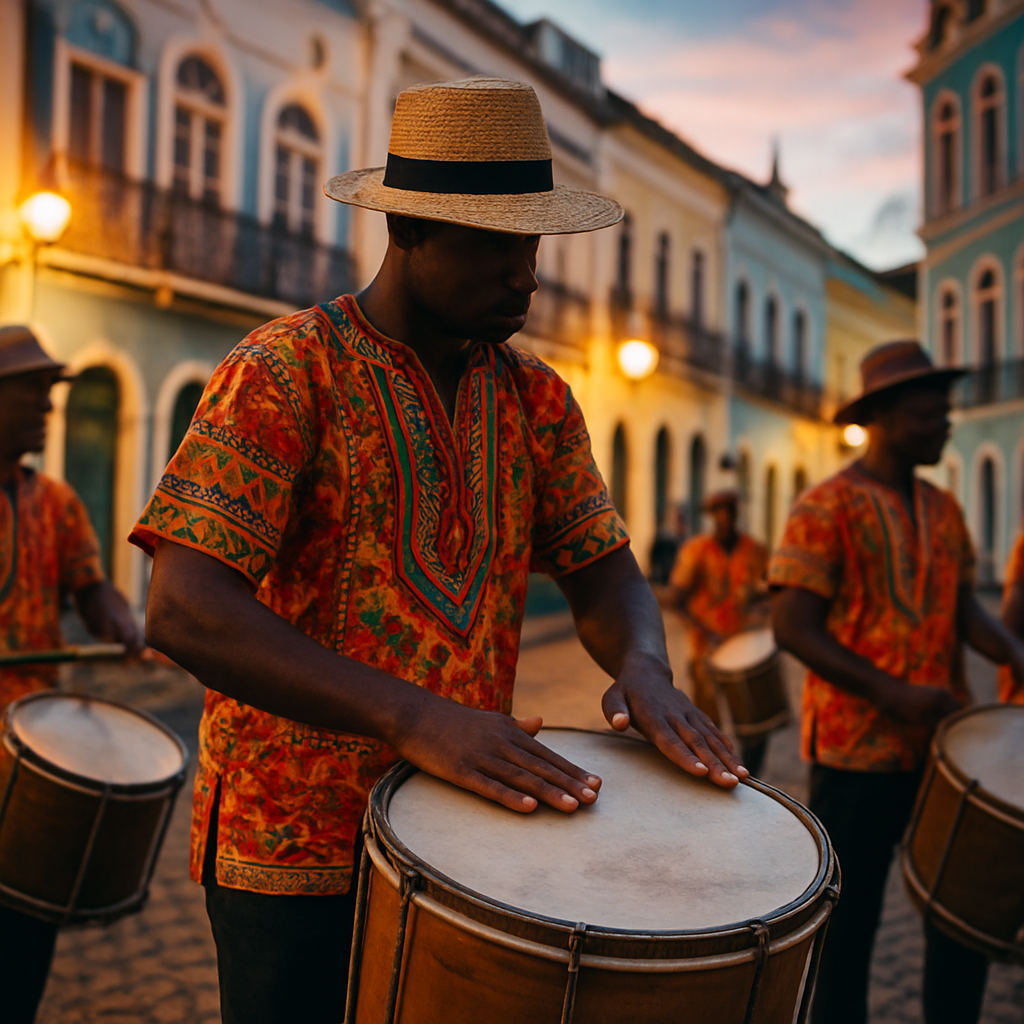
The Tuesday Night Bençao in Pelourinho
Tuesday is the night the churches in Pelourinho let out around 8 p.m. and the drum lines take over the Largo do Pelourinho — Olodum's percussion machine in particular, rolling out from Casa do Olodum and turning the entire square into a moving wall of sound. Stand near the Casa around eight, don't try to record it on your phone, and let it happen to you. It's one of those experiences that resets your sense of what a city can do.
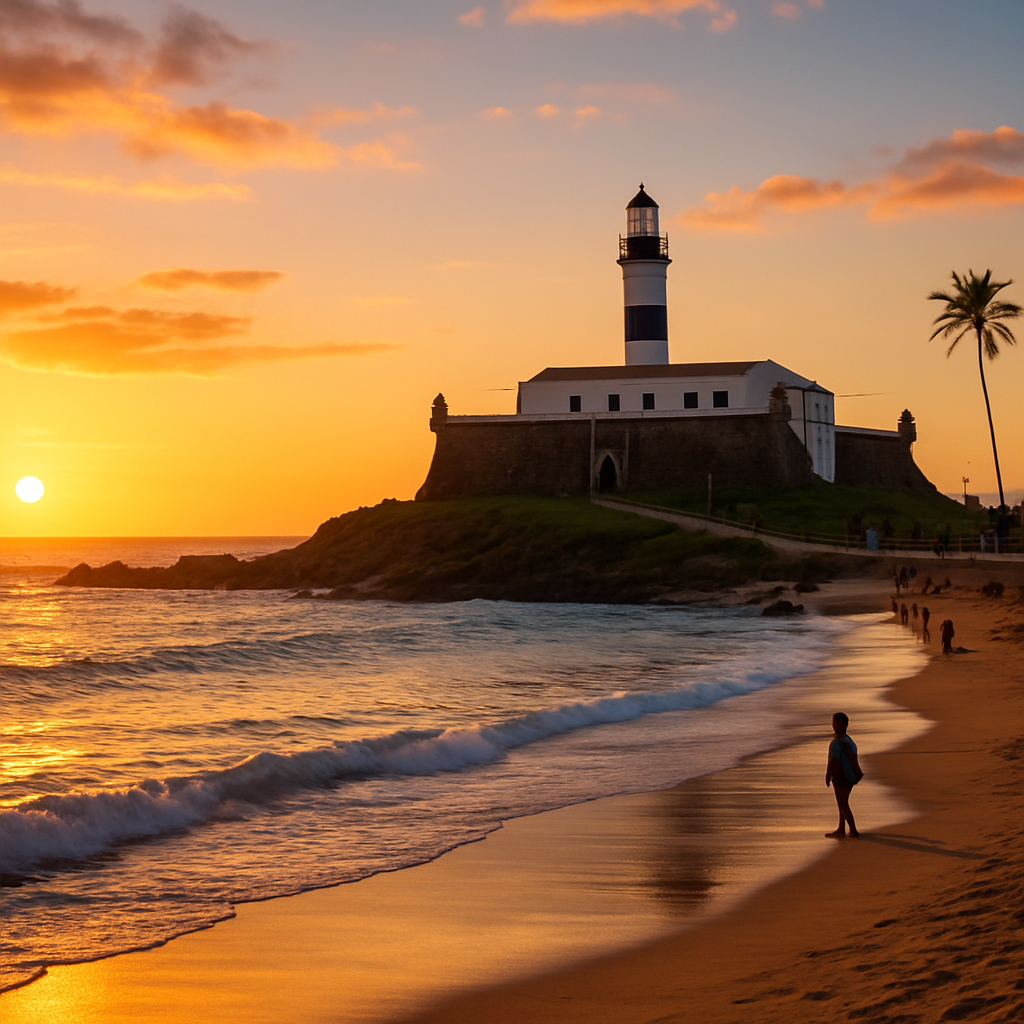
Sunset at Porto da Barra
The crescent of calm water at the southern tip of the peninsula, anchored by the Farol da Barra lighthouse, fills up every evening with Salvadorenses who've decided this is where the day ends. Walk the promenade at golden hour, plant yourself on the sand near the fortress, buy a beer from someone with a Styrofoam cooler, and watch the sky do what it does. There's a reason this is the postcard.
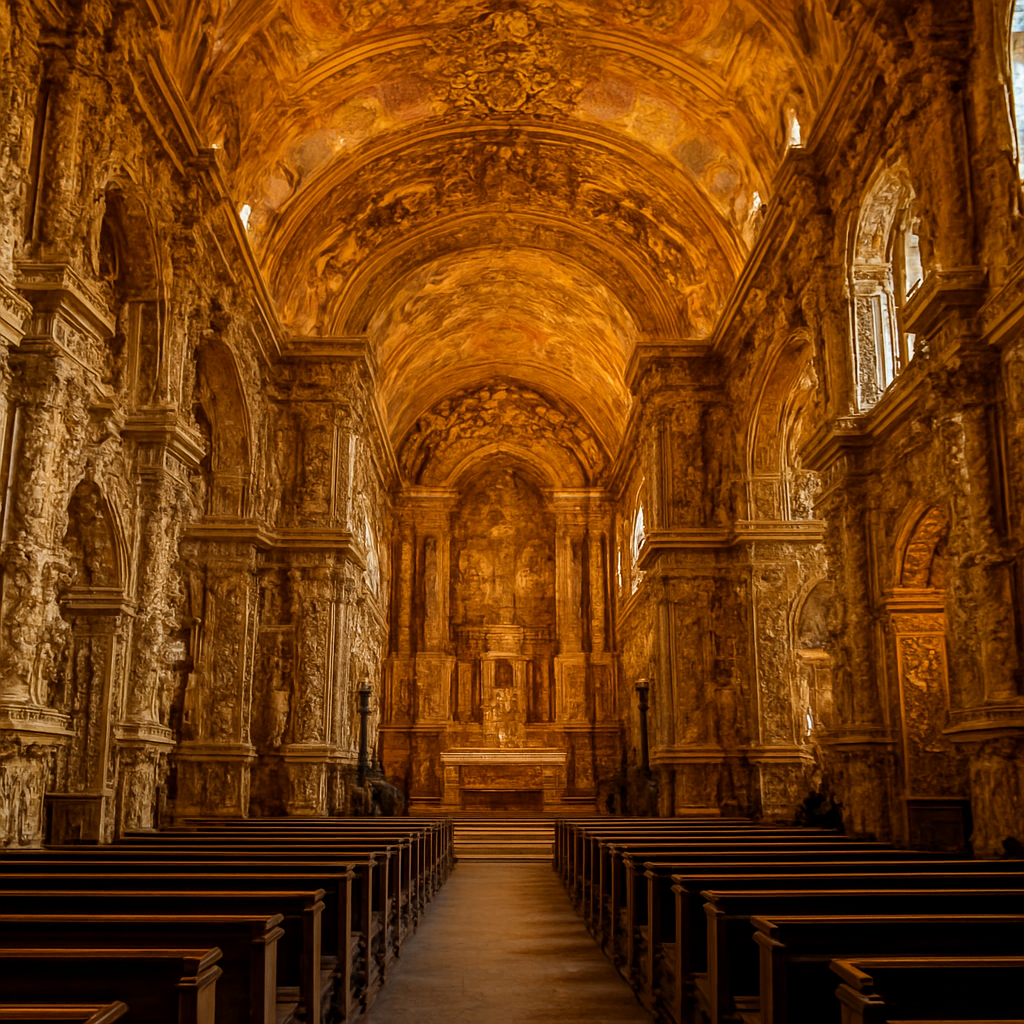
The Gilded Interior of Igreja de São Francisco
Built between 1708 and 1755 and so coated in gold-leafed woodwork that the room reads as a single piece of jewelry, the Igreja e Convento de São Francisco is Portuguese Baroque pushed past restraint and into the sublime. The azulejo-tiled cloister is the encore. Ten reais, an hour, and the kind of architectural moment that justifies the entire trip.
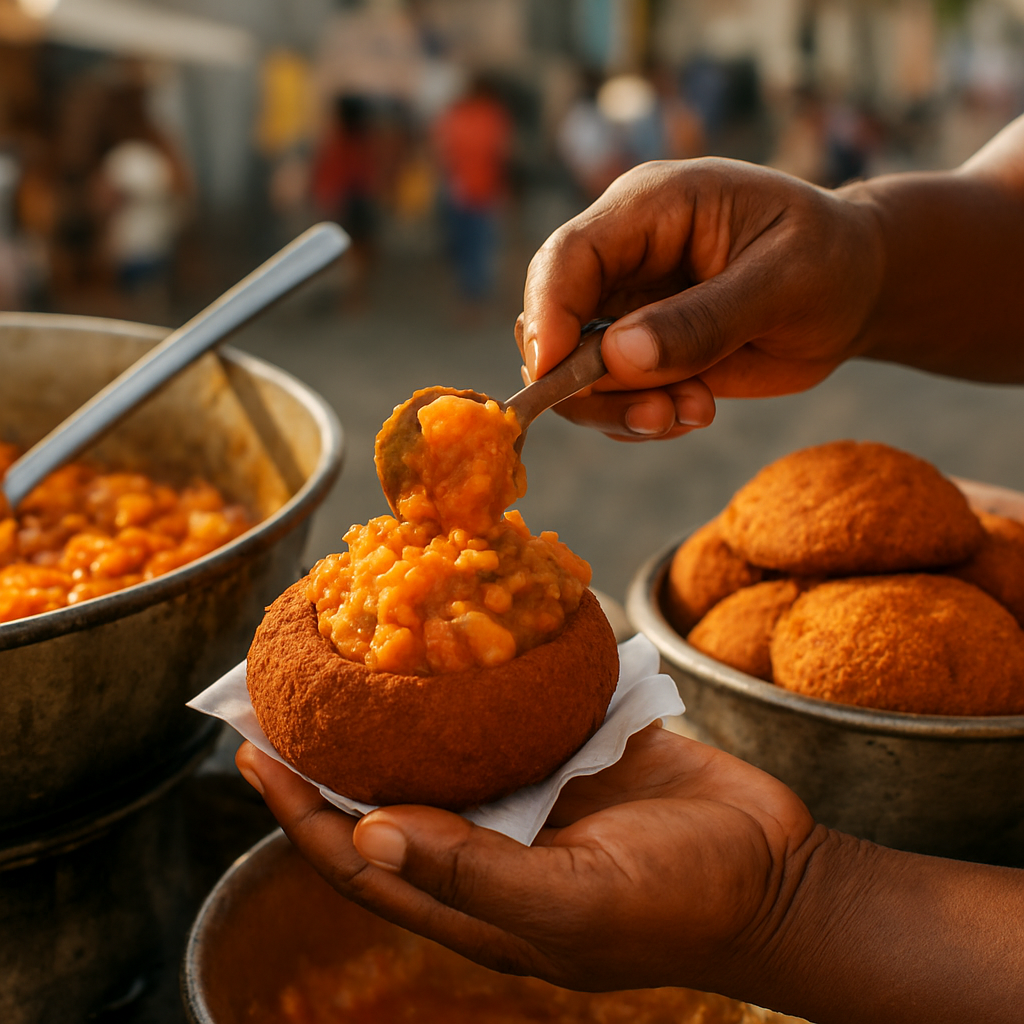
An Acarajé Night in Rio Vermelho
Walk into Largo de Santana or Largo da Mariquita after dark and the squares are loud, lit, and smelling entirely of dendê palm oil. Order an acarajé from Dinha at one square, walk to Acarajé da Cira at the other, hold a cold beer, sit at a plastic table, and don't move for two hours. This is how the city actually eats.
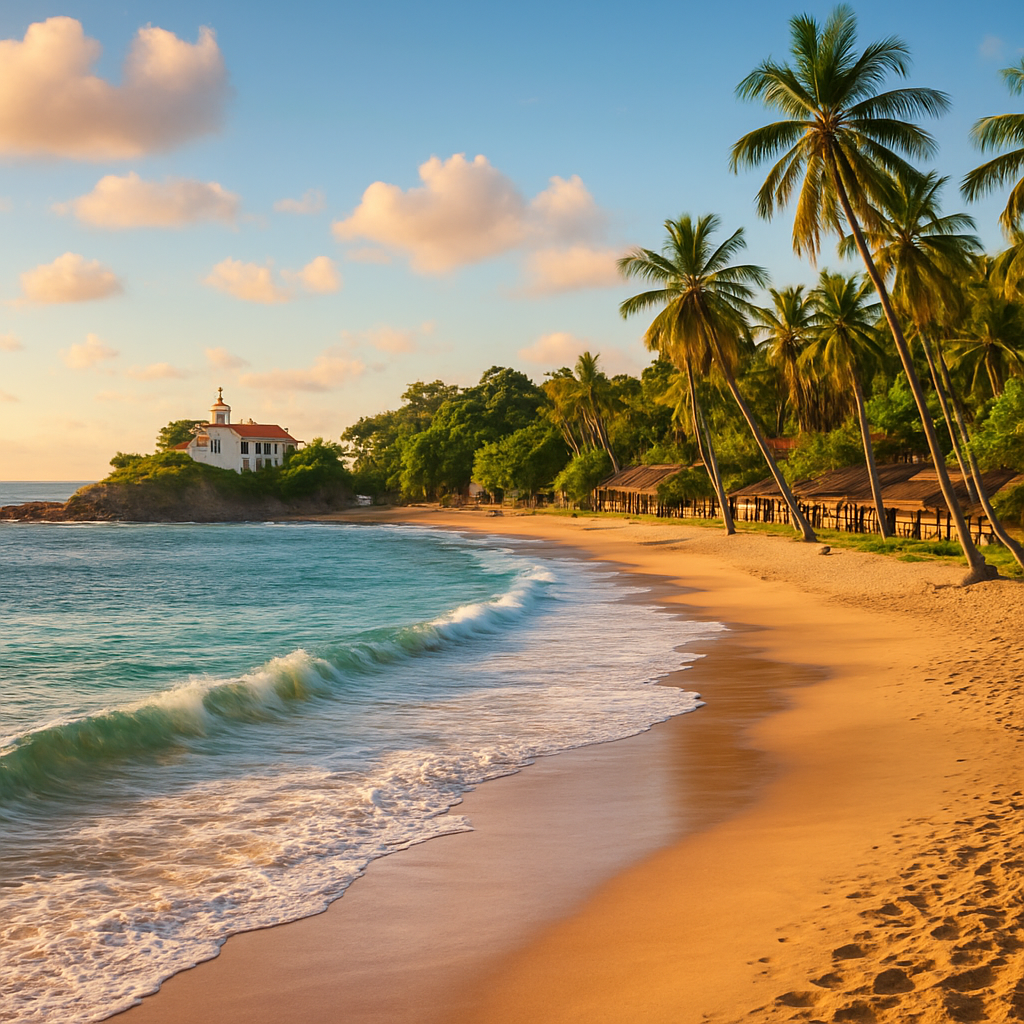
A Day on Morro de São Paulo
Two hours by catamaran from Terminal Marítimo, you're on a car-free island organized around numbered beaches — Primeira through Quinta Praia — and a 17th-century Portuguese fort. Segunda Praia is the social one. Bring sunscreen, a real swimsuit, and the willingness to do nothing for six hours. The catamaran back is sunset-timed if you book it right.
The places I actually send people to
Advice that fits how you travel
Salvador is a generous city for solo travelers. The hostels and small pousadas in Santo Antônio Além do Carmo run mostly $30–60 a night, the acarajé at Largo de Santana is R$15, and an Uber from Pelourinho to Barra rarely tops R$25 — your daily spend can sit in the R$280–450 range without you trying. The apps work the way they do anywhere in urban Brazil: Grindr is busy, Hornet has a strong Brazilian user base, and Tinder will surface a mixed crowd. Rio Vermelho is your easiest landing pad if you're flying solo and want to meet people without committing to a club night — Largo da Mariquita turns into an open-air mixer most weeknights after 9.
For nightlife, start at San Sebastian in Rio Vermelho or roll directly into Beco dos Artistas in Garcia, where the crowd is mixed enough that nobody's clocking you for showing up alone. Queens Clube in Barris is the dedicated dance floor when you want a real night — the drag shows on Saturdays are a one-way ticket to making friends. Stick to Pelourinho, Barra, Santo Antônio and Rio Vermelho during the day; they're walkable, busy, and the safest of the central neighborhoods for a solo wander.
Pro tip: never walk home alone after midnight, even from Pelourinho to Santo Antônio. The historic center empties fast once the bars close and the side alleys go quiet. Uber every time — it's R$15 and it's the rule. As of 2026, US, UK, Canadian and Australian advisories all flag Salvador for street crime, so this isn't paranoia, it's just the math.
Salvador is built for couples who want romance with texture. Same-sex couples can hold hands without issue along the Porto da Barra promenade at sunset, in the main squares of Pelourinho, and almost anywhere in Rio Vermelho after dark — these are the comfortable zones. Hotel check-ins at the European-owned boutiques (Casa do Amarelindo, Villa Bahia, Aram Yamí) and the international brands (Fasano, Pestana Convento do Carmo) are a non-event. The Pestana — a 16th-century Carmelite convent with the original cloisters intact — is the once-in-a-lifetime stay, and the Fasano rooftop pool is where you end up at golden hour whether you planned to or not.
For dinner, book Origem in Rio Vermelho — Latin America's 50 Best, tasting format, and the meal you'll talk about for years. Amado on the Comércio waterfront is the sunset-window special-occasion play, with the bay doing half the work. Casa de Tereza is the warmer, less ceremonial alternative, and the moqueca there is a genuine Bahian moment. For something quieter, the courtyard at Maria Mata Mouro in Pelourinho is one of the most beautiful places in the city to spend three hours over wine.
The signature couples experience is the Tuesday-night Bençao in Pelourinho — when the churches let out around 8 p.m. and the Olodum drum lines take over Largo do Pelourinho. Stand near Casa do Olodum, don't try to film it, and let it happen to you. Pair it with a caipirinha on the rooftop at Casa do Amarelindo afterward and you've engineered the kind of evening you don't have to manufacture chemistry around.
As of 2026, Brazil recognizes same-sex marriage and joint adoption nationwide, and LGBTQ+ families are legally on equal footing — your kids' parentage, school enrollments, and medical consents are recognized without negotiation. The on-the-ground reality in Salvador's tourist core is generally welcoming. The boutique pousadas in Pelourinho and Santo Antônio are used to international families of every shape, and the international brands (Fasano, Pestana) are equally smooth. Two dads or two moms with children won't draw a second glance in Pelourinho, around Porto da Barra, or in Rio Vermelho.
For activities, the city is dense with the kind of stops that work for kids without dumbing things down. The Elevador Lacerda is fifteen centavos and a 72-meter ride with a bay view — the cheapest delight in the city. Casa do Carnaval at the waterfront is interactive and loud in the right ways. The Museu Afro-Brasileiro's Carybé orixá panels are six reais and worth the visit even with younger kids. For a day out of the city, Praia do Forte 80 km up the coast is the obvious pick — the Projeto TAMAR sea turtle conservation headquarters is a genuinely great kid experience, the village is pedestrianized, and the tide pools entertain everyone.
Practical notes: strollers and Pelourinho's cobblestones are a war you'll lose, so a soft carrier is the better call for the historic center. Restaurants are typically welcoming to children at any hour — Brazilian dining culture skews family-inclusive — and most of the Rio Vermelho kitchens will accommodate without fuss. Skip Carnaval with younger kids; the trios elétricos are a sensory wall and the crowds are intense. September through November and July through August are the family-friendly windows: dry, mild, and crowd-light.
What Salvador actually costs
Flights, visas, and the first 30 minutes
Airport: Salvador Bahia Airport (SSA), officially Aeroporto Internacional Deputado Luís Eduardo Magalhães, sits about 28 km north of the historic center. As of 2026, it handles roughly 30 direct routes, mostly domestic — São Paulo (GRU/CGH, ~2h 30m), Rio de Janeiro (GIG, ~2h), Brasília (~2h), Recife, and Belo Horizonte run constantly. International direct service is limited and seasonal: typically Lisbon on TAP Portugal (~7h 30m), Buenos Aires, and occasional charter routes from Europe. From North America, you'll generally connect through São Paulo, Lisbon, or Panama City.
Visas (as of 2026): EU and UK travelers are typically visa-free for stays up to 90 days. US, Canadian, and Australian travelers generally need a visa as of April 2025 — Brazil reinstated reciprocal entry requirements, and the e-visa is the standard route, applied for online before arrival. Always confirm with the Brazilian consulate before booking; entry rules shift more often than they should.
Airport to city: The cheapest reliable option is Uber or 99 at roughly R$60–90 to Pelourinho or Barra (30–45 minutes, and what most travelers use). Fixed-rate taxis from the airport desk run R$110–150. The air-conditioned Executive Bus to Praça da Sé is R$18 and takes 60–80 minutes — fine if you're traveling light and not in a hurry. Pre-booked hotel transfers run R$180–250 and are worth it for late-night arrivals when you don't want to negotiate at the curb.
Pro tip: Hit an ATM at the airport before you leave — the boutique pousadas in Santo Antônio and Pelourinho are easy to pay for by card, but the acarajé stand and the bar at Beco dos Artistas are cash-only, and Pix doesn't work without a Brazilian bank account.
Traven's seasonal breakdown
The questions everyone asks
Is Salvador safe for same-sex couples?
Do I need to speak Portuguese?
When's the best time to go?
Do I need a visa for Brazil?
How much should I budget per day?
Where should I stay — Pelourinho, Barra, or Rio Vermelho?
Is the gay scene visible or underground?
Screenshot this before you go
So should you actually go?
Go. With your eyes open and your iPhone left at the pousada — but go. Salvador is one of the most culturally singular cities I've scored, and LGBTQ+ travelers who land in Pelourinho, Barra, Rio Vermelho, or Santo Antônio with a little neighborhood awareness and a working Uber app will find a city that gives more than it asks. The legal protections are genuine as of 2026, the community is older and louder than most, and the food, music, and architecture run on a frequency you won't find in any other major Brazilian city. The street-crime advisories are real, the periferia is not the move, and trans travelers should hold the trans-violence reality alongside the welcome. Bring respect, bring cash, learn to say axé back. Then let the drum lines happen to you.
Sources & Resources
Official links we reference when compiling this guide. Last verified 2026-05-03.