
São Paulo doesn't want to be your favorite city. It just is, and it couldn't care less whether you've figured that out yet.
São Paulo is the city that proved a megacity could also be a gay capital — not by being pretty or polished, but by being so relentlessly itself that it made space for everyone who refused to be anything else. This is a city of 22 million people where a club that opened during the military dictatorship is still packing a dance floor on Saturday night, where the world's largest Pride parade shuts down Avenida Paulista every June with 3 to 5 million people, and where you can eat a two-Michelin-star tasting menu at D.O.M. at 11pm and still make it to a foam party at The Week by 2am. There's a reason my Traven-Dex sits at 8.8 — this city earns every decimal.
What hits you first isn't the scene — it's the scale. São Paulo doesn't do anything small. The Rua Frei Caneca corridor in Consolação has more gay bars per block than most cities have total. Love Story has been operating since the 1970s. A Lôca draws everyone from twenty-somethings to silver foxes on a Thursday. Clube das Winnas gives lesbian and queer women something most cities can't — a dedicated space that actually exists. I gave it a 9.2 on Scene, and honestly, I could argue it deserves higher.
But this isn't a city where you spend all your time in gay bars. The food alone justifies the flight. Chef Alex Atala is doing things with Amazonian ingredients that would make most European kitchens weep. Mocotó, a northeastern Brazilian restaurant in Vila Medeiros that's been open since 1973, serves a cow-foot stew that will rearrange your priorities. The pizza — yes, the pizza — is a legitimate food tradition here, thin-crust and serious, and Bráz Elettrica will make you question everything you thought you knew about where good pizza comes from. Walk through Beco do Batman in Vila Madalena at golden hour, murals dripping color off every surface, and tell me this city doesn't have soul.
Here's the thing you need to hold in your head, though: São Paulo's legal protections are among the strongest in the Americas — marriage, adoption, anti-discrimination, self-ID for gender recognition. That's real, and it matters. But Brazil also records some of the highest rates of anti-LGBTQ+ violence in the world, and that reality doesn't stop at the city limits. Inside the progressive neighborhoods — Jardins, Consolação, Pinheiros, Vila Madalena — you'll feel freer than in most places on earth. Venture into the outer bairros, and the temperature changes fast. São Paulo rewards you enormously, but it asks you to pay attention. That trade-off is worth it. For most of you, it won't even feel like a trade-off at all.
The stuff your travel guide buries on page 47
Legal framework: Brazil's legal protections for LGBTQ+ people are among the strongest in Latin America and exceed those of several Western European countries in specific areas. Same-sex marriage has been legal nationwide since a 2013 Supreme Court ruling (Resolução 175 of the CNJ). Same-sex couples can adopt jointly. Anti-discrimination protections are broad — in 2019, the Supreme Court ruled (ADO 26/MI 4733) that homophobia and transphobia constitute criminal conduct equivalent to racism under existing law, carrying penalties of up to five years' imprisonment. Gender identity law allows administrative name and gender marker changes through self-identification, without surgery or medical requirements, following a 2018 STF ruling. There is no criminalization of same-sex conduct and hasn't been since the colonial period ended. My Legal score of 9.2 reflects a framework that is genuinely comprehensive on paper. For the full legal landscape, ABGLT maintains current resources.
The cultural reality: Here's the gap you need to understand. Brazil's legal rights are stronger than many visitors expect, but anti-LGBTQ+ violence remains a serious national issue, and São Paulo is no exception. The country consistently records high absolute numbers of hate crimes against LGBTQ+ people, with trans and travesti communities bearing a grossly disproportionate share. The legal tools exist; enforcement is inconsistent. In the core LGBTQ+ districts — Consolação, Jardins, Vila Madalena, the Paulista corridor — you'll experience a level of openness that feels genuinely free. Outside those areas, particularly in peripheral neighborhoods and after dark, the calculus shifts. That's why my Chill score is 7.2, not higher: the city's best spaces are excellent, but the whole city isn't those spaces.
Language note: Brazilian Portuguese has its own queer vocabulary that's genuinely different from European Portuguese. Knowing that bicha can be a tender term of endearment between friends, that GLS (Gay, Lésbico e Simpatizante) still appears on event flyers, and that travesti is a distinct identity with its own political history will change how locals engage with you. Listen before you use any reclaimed terms — context and your relationship with the speaker matter enormously.
PDA comfort: In Consolação, Jardins, Vila Madalena, and along Avenida Paulista, same-sex couples holding hands or kissing is routine and unremarkable. These are neighborhoods where queer life is simply part of the fabric — nobody's looking twice. In the Centro Histórico (República, Sé, Luz), PDA is less common and situational awareness is advised, particularly after dark. In outer peripheral neighborhoods — Zona Norte, Zona Leste, southern periphery — social conservatism is more prevalent and overt PDA may attract unwanted attention. Stick to the core districts for comfort; everywhere else, read the room.
Timing note: Venues like The Week and Blue Space don't get going until 2am at the absolute earliest. Showing up at midnight means you're in an empty room chatting with bartenders. Paulistanos eat late, drink late, and go out very, very late. Adjust your body clock or you'll miss every peak moment.
Check the UK Foreign Office travel advice for Brazil for current visa requirements, health guidance, and safety information before traveling.
What it actually feels like on the ground
Holding hands: Completely fine in Consolação, Jardins, Vila Madalena, and along Avenida Paulista — these neighborhoods have high LGBTQ+ visibility and same-sex couples are unremarkable. In the Centro Histórico, be more selective; heavily trafficked areas during daytime are fine, quieter streets after dark less so. In peripheral neighborhoods, I'd keep physical affection for private spaces. The core LGBTQ+ district feels notably safer than much of the city, but avoid displaying affection on dark, quiet blocks between venues late at night, even on the Frei Caneca strip.
Hotel check-in: Zero issues at any hotel in the Jardins, Paulista, Consolação, or Pinheiros areas. Same-sex couples are routine guests at every price tier. Brazil's legal framework means hotels cannot refuse or distinguish — and in this city, they genuinely don't want to. You won't be asked about your relationship at any reputable property.
Taxis and rideshare: Use 99 or Uber for all late-night travel, without exception. São Paulo's public transit shuts down early, and street taxis can be unpredictable in ways ranging from overcharging to genuinely unsafe. Every local LGBTQ+ person uses ride-hailing after dark — follow their lead entirely. During daytime, the Metro is clean, efficient, and safe. Pro tip: download 99 alongside Uber; it often has better pricing and availability in São Paulo.
Public transit: The Metro (CPTM) is well-maintained and safe during operating hours. Lines 2 (Green) and 4 (Yellow) serve the main LGBTQ+ areas. It closes around midnight, which is hours before the nightlife peaks — plan your return via rideshare. Buses are functional but harder to navigate without Portuguese and not recommended after dark.
Beaches and public spaces: São Paulo is inland, but Parque do Ibirapuera on a Sunday afternoon functions as the city's closest equivalent to a gay beach — LGBTQ+ groups picnicking, playing music, and taking over the lawns near the MAC and Oca building. It's joyful and totally safe during daylight. After dark, parks are not advisable.
Late night: The area immediately around the major clubs is generally fine — venues like The Week and Blue Space have their own security infrastructure and the surrounding streets are active with other clubgoers. The risk window is the walk between a venue exit and your rideshare pickup. Don't walk long distances at night. Don't display your phone on the street. Have your rideshare ordered before you step outside. This applies to everyone in São Paulo, not just LGBTQ+ travelers.
Trans travelers: Brazil's 2018 Supreme Court ruling allows administrative gender marker and name changes without surgery or medical requirements, and São Paulo has a visible trans community, particularly in Consolação. However — and I won't soften this — Brazil consistently records among the world's highest rates of violence against trans and travesti people nationally. ANTRA documents these figures. Trans women and travestis face significantly higher risks outside the LGBTQ+ district and after dark. Legal protections do not uniformly translate to street-level safety. Exercise heightened awareness outside confirmed safe spaces, travel by rideshare after dark, and stay in the core districts.
Verbal harassment: In the core LGBTQ+ neighborhoods, extremely rare. In mixed areas and especially the Centro, catcalling and verbal aggression directed at visibly queer people — particularly those who are gender-nonconforming — does occur. It's less common than in many Latin American cities, but it's not absent. The response that works best is disengagement: keep walking, don't escalate, and move toward a populated area.
General crime note: The US State Department rates Brazil at Level 2 (Exercise Increased Caution) due to crime. Petty theft, phone snatching, and opportunistic street crime are real risks across São Paulo — this isn't about being queer, it's about being in a megacity. Don't display phones or valuables on the street. Use rideshare. Stay aware. These precautions are universal here.
Equaldex provides comprehensive, regularly updated information on LGBTQ+ legal rights, anti-discrimination protections, and local support resources across Brazil. Equaldex Brazil LGBTQ+ legal guide.
The queer geography
Consolação & Rua Frei Caneca
This is the center of gravity. Rua Frei Caneca is the spine of São Paulo's gay village — and I use "village" loosely because there's nothing village-scale about it. Shopping Frei Caneca, the mall at number 1485, has anchored LGBTQ+ commerce since the 1990s, and the corridor radiating outward from it contains the densest concentration of explicitly LGBTQ+-identified businesses in any Brazilian city: gay bars, nightclubs, saunas, sex-positive venues, community organizations, LGBTQ+-owned retail, and coffee shops where you'll wonder if there's a minimum attractiveness requirement to get a table. The strip is active all week — not just weekends — and Metro Consolação (Line 2 Green) drops you right into it. A Lôca is one of the veteran nightlife spots along the corridor, and the bar strip inside the shopping center is where you go for current recommendations on what's happening tonight.
For lesbian bars and events, São Paulo requires more legwork than gay men's venues. Dedicated sapatão spaces open and close frequently — the best intel is on Instagram, not Google Maps. Ask at the Frei Caneca bar strip for current recommendations from people who actually know.
Jardins (Jardim Paulista & Jardim América)
Flanking Consolação to the south and west, Jardins is the upscale counterpart — tree-lined streets, sidewalk cafes, high-end boutiques, and a longstanding LGBTQ+ social presence that predates the Frei Caneca corridor. Spot on Alameda Ministro Rocha Azevedo has been a documented LGBTQ+ gathering point for thirty years. Bar Balcão and Fausto Bar are the kind of places where the queer regulars are indistinguishable from every other well-dressed person because that's just what Jardins is like. PDA is entirely comfortable here — this is one of the most naturally accepting neighborhoods in South America.
Vila Madalena & Pinheiros
Vila Madalena is São Paulo's bohemian arts district — street murals (including the famous Beco do Batman alley), galleries, bars, and a strong LGBTQ+ residential community that gives the neighborhood its character. Pinheiros, adjacent, is slightly more polished but equally welcoming and home to some of the city's best restaurants, including Maní. These neighborhoods attract a more alternative, less scene-conscious crowd than Jardins — if the circuit aesthetic isn't your thing, this is where you'll feel most at home. The bar culture here is boteco style: cold beer, loud conversation, unpretentious, and genuinely warm.
Santa Cecília
Just north of Consolação, Santa Cecília has become the hub for São Paulo's alternative, artsy LGBTQ+ crowd. Studio SP is the best answer to "where do artsy, non-mainstream queer people go" — it's messier and weirder than the Jardins clubs in the best possible way, with a crowd that skews younger, queerer, and more politically engaged than the polished circuit scene. If you want to feel the city's cultural pulse beyond the dance floor, spend an evening here.
Rua Augusta
Rua Augusta stretches from Avenida Paulista down toward Jardins and is one of São Paulo's most legendary nightlife streets. The further down you walk, the more eclectic it gets — LGBTQ+-friendly clubs, dive bars, alternative culture venues, and the kind of energy that doesn't peak until 3am. It's not specifically a gay street, but it's queer in spirit and practice, and on a Friday night it's one of the most alive stretches of pavement in the Americas.
ILGA's Brazil country profile lists active LGBTQ+ organizations, community centers, and support services throughout São Paulo and the country. ILGA Brazil country profile.
São Paulo's world-famous Pride Parade has an official website with event schedules, community organization contacts, and year-round LGBTQ+ happenings. Parada do Orgulho GLBT de São Paulo official site.
Casa 1 is São Paulo's leading LGBTQ+ community center, offering support services, co-working spaces, events, and welcoming social programming. Casa 1 - São Paulo LGBTQ+ community center.
The experiences worth rearranging your itinerary for
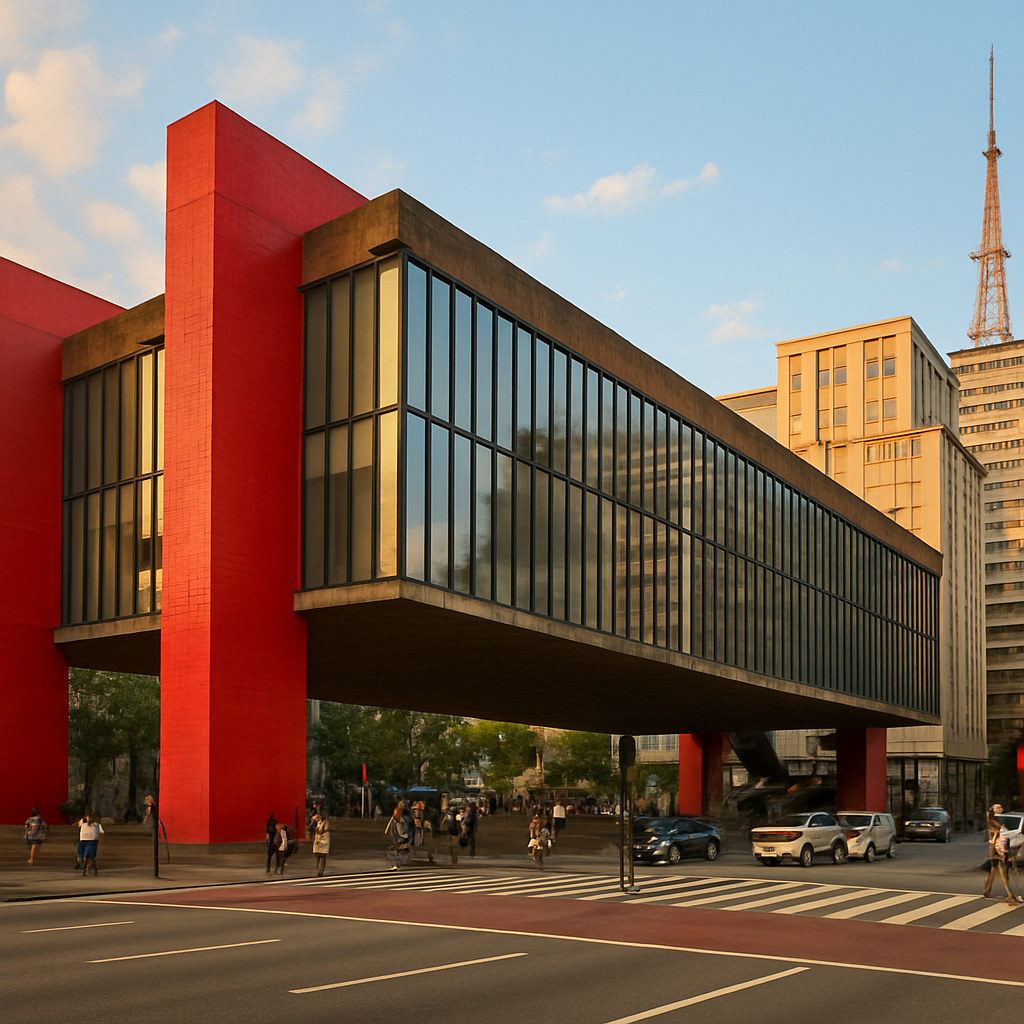
MASP and the Vão Livre
Lina Bo Bardi's 1968 masterpiece hovers above Avenida Paulista on red concrete stilts, and the open plaza beneath it — the vão livre — is one of the great public spaces in South America. The museum holds the largest collection of Western art in the Southern Hemisphere, and it's free on Tuesdays. But the building itself is the real exhibit: that suspended concrete box defying gravity over a gathering space where skaters, street performers, activists, and weekend markets coexist in a way that feels uniquely São Paulo. Stand underneath it, look up, and understand why architects make pilgrimages here.
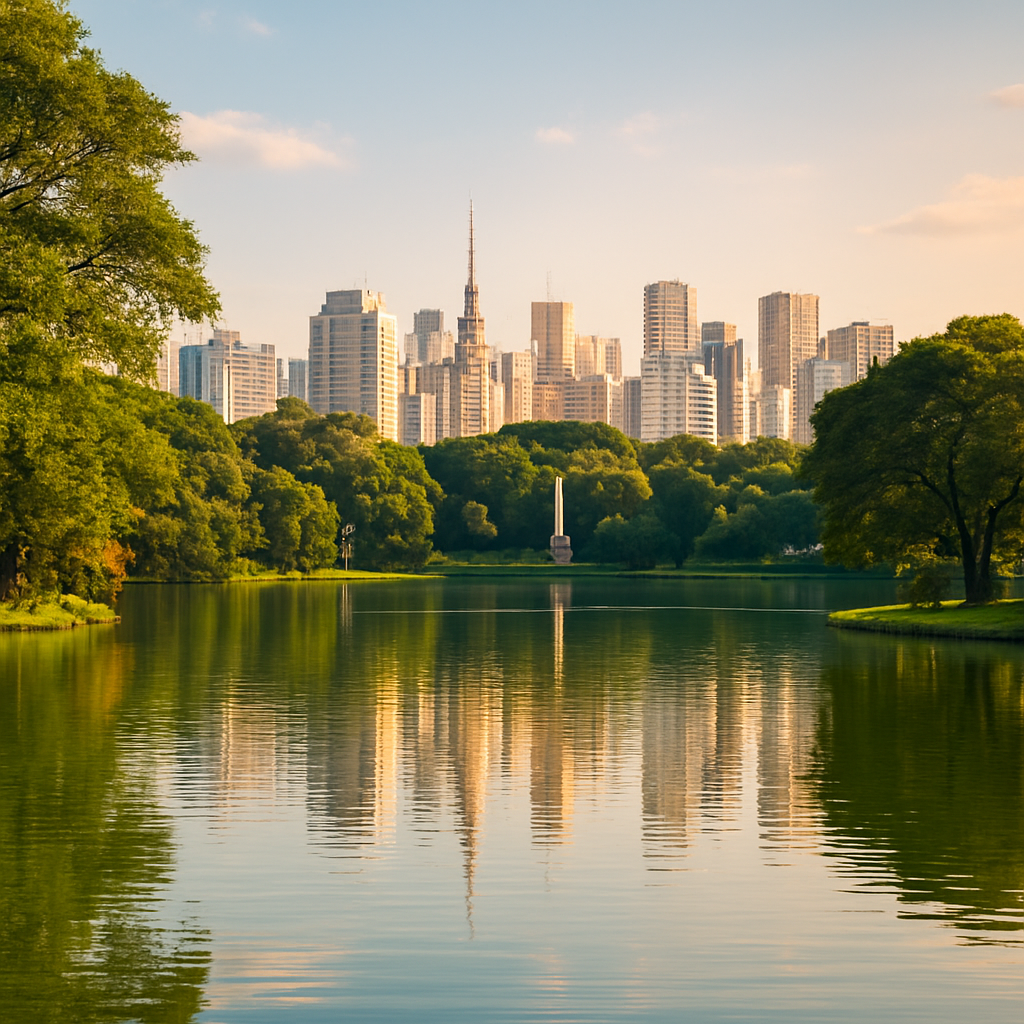
Sunday at Parque do Ibirapuera
Parque do Ibirapuera on a Sunday afternoon is São Paulo exhaling. This enormous green space — designed by Oscar Niemeyer and Roberto Burle Marx — fills with families, runners, picnickers, and musicians in a way that makes you forget you're in the middle of a concrete megacity. The lawns near the MAC and the Oca building are where groups stake out territory, open coolers, and settle in for the day. Rent a bike, walk the trails around the lake, or just sit on the grass and watch São Paulo being human for a few hours. It's the city's best free experience.
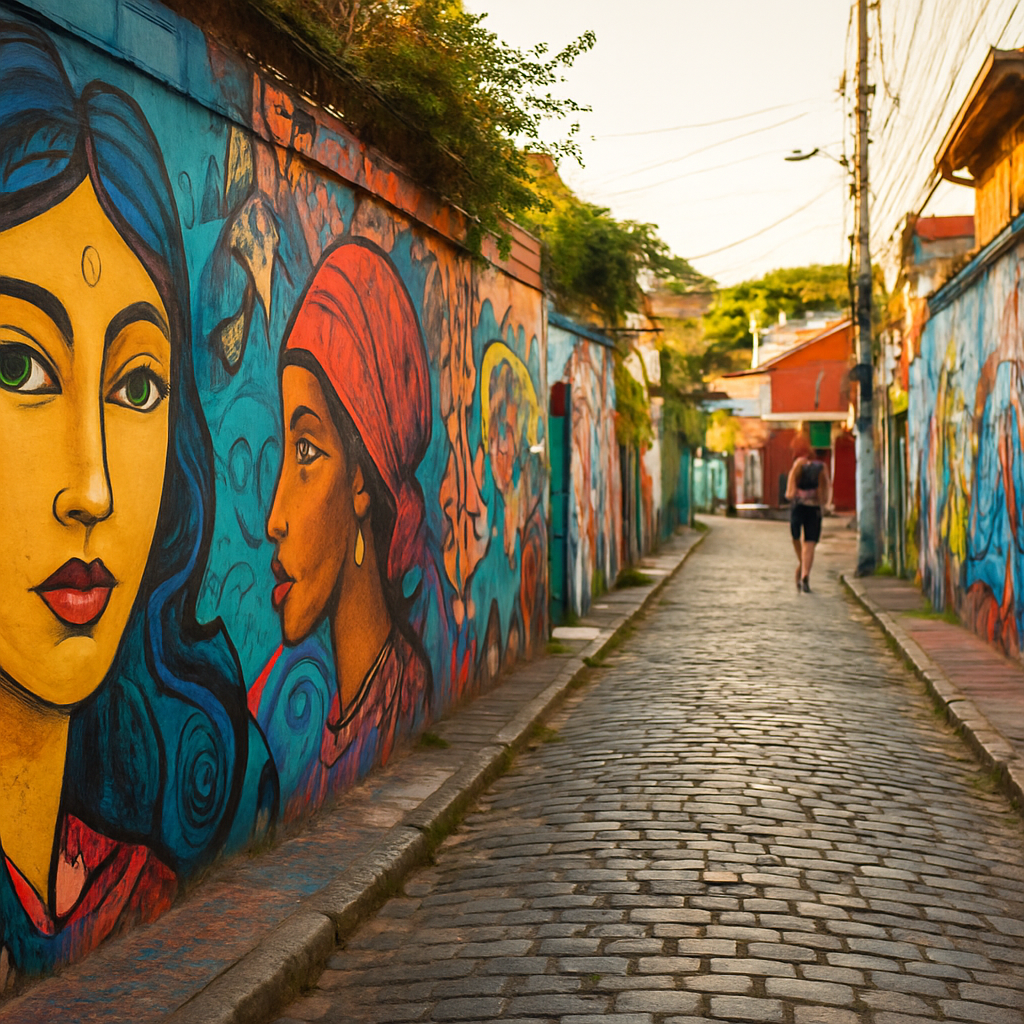
Beco do Batman & Vila Madalena Street Art
The Beco do Batman alley in Vila Madalena is covered floor-to-roofline in street art that's been evolving since the 1980s — murals layered on murals, colors so saturated they vibrate in the afternoon light. It's become a well-known stop, but the surrounding streets of Vila Madalena are just as rewarding: galleries, ceramic studios, and small bars spilling onto sidewalks. Go on a Saturday morning before the crowds arrive, then walk the neighborhood and eat lunch at whatever looks most packed with locals. That's the move.
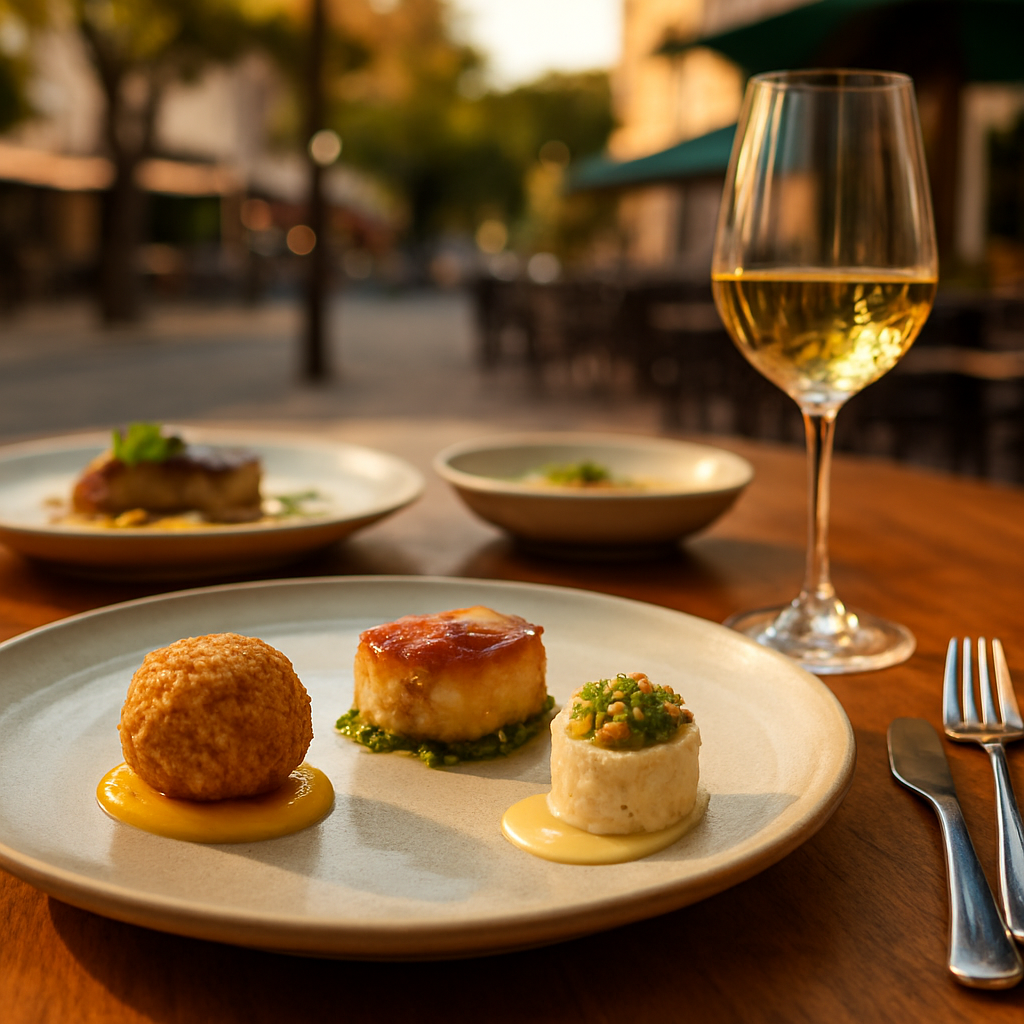
A Michelin Meal at Maní
Helena Rizzo's Maní in Pinheiros has held a Michelin star since the inaugural Brazilian guide in 2015, and the contemporary Brazilian tasting menu is one of the great food experiences in South America. Rizzo works with ingredients that are distinctly Brazilian — tucupi, cassava, native herbs — but with a technical precision that never feels fussy. This is the meal you'll text someone about from the table. Budget BRL 280–480 per person and don't skip the wine pairing.
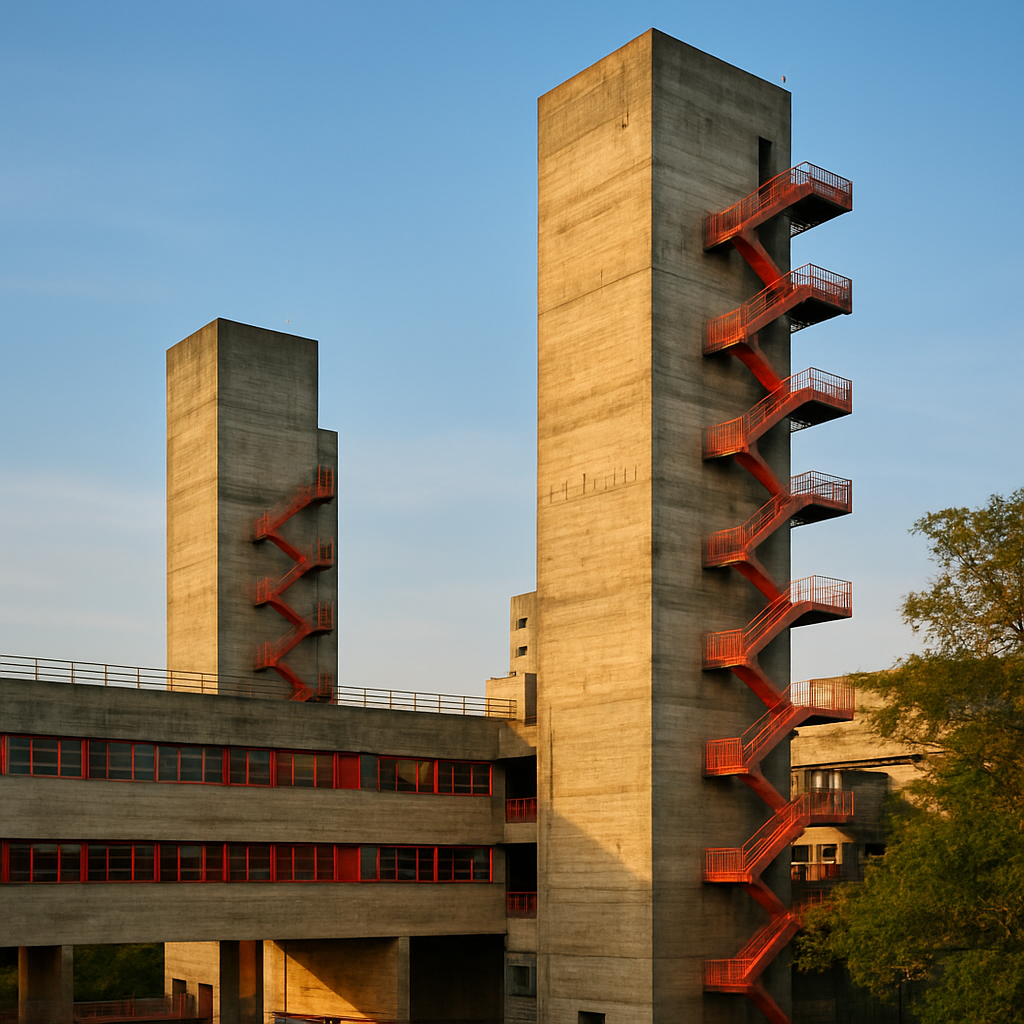
SESC Pompeia
Another Lina Bo Bardi masterpiece — this time a former barrel factory transformed into a brutalist cultural center that's become one of São Paulo's most important public spaces. SESC Pompeia hosts exhibitions, theater, concerts, a swimming pool, a library, and a canteen that serves better food than it has any right to. The concrete towers connected by aerial walkways are architectural landmarks. Entry is free or nearly free for most programming. It's the kind of place that makes you wonder why every city doesn't have something like this.
The places I actually send people to
The Sao Paulo dates worth planning around
Advice that fits how you travel
São Paulo is one of the easiest cities in the world to travel solo as a queer person, and I don't say that casually. The city's size means anonymity is built in — you're never the only foreigner, never the only person eating alone, never the only one navigating the Metro with a phone in one hand and a map in the other. The LGBTQ+ district around Consolação and Jardins is walkable, well-served by Metro, and active enough at all hours that you'll never feel isolated. Solo dining is completely normal here — Spot on Alameda Ministro Rocha Azevedo is a great solo table, and the self-service por quilo lunch buffets across the city are perfectly designed for one person (pay by weight, eat exactly what you want, no awkward half-portions).
App culture is strong. Grindr and Scruff work, but Hornet has significantly higher usage among Brazilian men — download it before you land if you want to connect with locals rather than other tourists orbiting the same three hotels. Meeting people is easy in São Paulo; Brazilians are genuinely warm and curious about foreigners, and a little Portuguese goes an absurdly long way. Even "oi, tudo bem?" with a terrible accent will get you a smile and a conversation. The boteco bar culture — casual spots where people linger over cold beer — is where a lot of real socializing happens, and sitting at a bar alone is an invitation for someone to start talking to you.
Safety-wise, the same rules apply solo as in any group: stay in the core neighborhoods after dark, use rideshare exclusively at night, don't display your phone on the street. Budget travelers will find São Paulo extraordinarily good value — a day on BRL 350–500 gets you a hostel bed, solid meals, Metro travel, and a club cover charge. For moderate comfort, BRL 850–1,300 per day puts you in a 3-4 star hotel near Paulista with sit-down meals and enough room for spontaneity. The city rewards solo travelers who stay out late and say yes to things — this is not a place to be in bed by midnight.
São Paulo is one of the most naturally romantic cities in Latin America for queer couples, and it earns that without trying particularly hard. Same-sex marriage has been legal since 2013, which means checking into a hotel together, booking a table for two, or being visibly a couple anywhere in the Jardins or Consolação corridor gets you exactly zero second looks. The city has had enough practice that it's just... normal. That normalcy is its own kind of luxury.
For a date night that will genuinely stick with you, book at Maní in Pinheiros — Helena Rizzo's Michelin-starred tasting menu is the kind of meal couples talk about for years, and the neighborhood is relaxed enough that you won't feel overdressed walking there. If you want something more lived-in and classic, Spot on Alameda Ministro Rocha Azevedo has been the place where Jardins couples linger over wine for thirty years. The outdoor terrace on a clear May evening is as close to perfect as São Paulo gets. After dinner, Rua Augusta runs downhill through the city's most eclectic nightlife stretch — follow it as far as your energy allows.
For accommodation, Hotel Unique's Skye Bar rooftop pool is legitimately one of the great date-night perches in South America — order something with cachaça, watch the skyline, and accept that you made an excellent decision coming here. The Tivoli Mofarrej at Alameda Santos is another strong call: walking distance to everything, panoramic views, and the kind of five-star ease that makes a city trip feel effortless. PDA in this part of the city is entirely comfortable — hold hands, kiss at the bar, be yourselves.
Brazil's legal framework for LGBTQ+ families is among the strongest in the Americas — same-sex couples can adopt jointly, and family structures are legally recognized at the federal level. São Paulo reflects this in practical terms: LGBTQ+ parents with children are visible across the city's upscale neighborhoods, and nobody at a restaurant, museum, or park is going to make your family feel like a curiosity. The Parque do Ibirapuera, São Paulo's answer to Central Park, is an ideal family day — enormous, green, with playgrounds, the MAC museum, paddle boats, and space to breathe in a city that doesn't offer much of it. On a Sunday afternoon it's the most joyful public space in the city.
MASP — the Museu de Arte de São Paulo — is free on Tuesdays and genuinely worth a visit with older kids; the Lina Bo Bardi building alone is an architecture lesson. The open plaza underneath it, the vão livre, is a gathering point for street performers, activists, and skaters on weekends. Younger kids will do better at the Parque Estadual da Cantareira or the Zoológico de São Paulo in Ipiranga, which are excellent half-day trips that keep energy levels manageable. The city's SESC cultural centers — SESC Paulista and SESC Pompeia particularly — run programming for children and families year-round and are some of the most welcoming public spaces in the city.
Practically: strollers work fine in Jardins and Pinheiros, which have wider sidewalks than much of the city. Kid menus are standard at casual botecos and sit-down restaurants alike — the classic Brazilian self-service lunch buffet (pay by weight, take what you want) is stress-free with picky eaters. The Metro is clean, safe during daytime hours, and free for children under 5. Stay in Jardins or near Avenida Paulista for the most family-navigable radius, and use Uber for anything after dark or involving luggage.
What Sao Paulo actually costs
Flights, visas, and the first 30 minutes
Airport: GRU — São Paulo/Guarulhos–Governador André Franco Montoro International Airport. São Paulo is one of South America's primary aviation hubs with direct connections from 100+ cities worldwide.
Major routes: New York (JFK) ~10h 30m · Miami (MIA) ~9h · London (LHR) ~11h 30m · Lisbon (LIS) ~10h · Buenos Aires (EZE) ~3h · Frankfurt (FRA) ~12h · Santiago (SCL) ~4h
Visas: US citizens — visa-free up to 90 days (reciprocal agreement in force since January 2024) · UK — visa-free up to 90 days · EU/Schengen — visa-free up to 90 days · Canada — visa-free up to 90 days (reciprocal agreement since January 2024) · Australia — visa-free up to 90 days (reciprocal agreement since January 2024)
Airport to city — your options:
CPTM Line 13 Jade (Airport Express Train): BRL 9 · ~60 min to the Metro interchange at Tamanduateí or Engenheiro Goulart · Note: you'll need a separate fare for onward Metro travel into the center. This is the cheapest option and works well if you're traveling light and landing during daylight hours.
Taxi / Rideshare (Uber, 99): BRL 100–180 · 45–90 min, heavily traffic-dependent · App-based rideshare is widely available at arrivals. Budget extra time during peak hours or if it's raining — São Paulo traffic in the rain is a force of nature.
Executive Airport Bus: BRL 60–85 · 60–120 min · Multiple operators run routes serving Paulista, Consolação, Jardins, and the Tietê Bus Terminal, with departures roughly every 30–60 minutes. A solid middle ground if you want door-to-neighborhood service without rideshare pricing.
Traven's seasonal breakdown
The questions everyone asks
Is São Paulo safe for LGBTQ+ travelers?
Do I need to speak Portuguese?
How much should I budget per day?
When is São Paulo Pride?
What time do clubs open?
Is Uber available?
What's the best neighborhood to stay in?
Screenshot this before you go
So should you actually go?
Go. São Paulo is one of the great gay cities on earth — not because it's easy or cute, but because it's massive, loud, delicious, and unapologetically alive. The legal framework is as strong as you'll find anywhere in Latin America. The scene is enormous and genuinely diverse — men, women, everyone in between. The food alone would put it on any serious traveler's list. You do need street smarts, especially outside the core neighborhoods and after dark, but that's true of any megacity this size. If you want a gay trip that's also a world-class cultural trip, a food trip, and a nightlife trip all at once, São Paulo delivers on every count. I don't say that about many places.
Sources & Resources
Official links we reference when compiling this guide. Last verified 2026-03-15.
- ABGLT — Associação Brasileira de Lésbicas, Gays, Bissexuais, Travestis, Transexuais e Intersexos
- Parada do Orgulho LGBT de São Paulo
- ANTRA — Associação Nacional de Travestis e Transexuais do Brasil
- Defensoria Pública do Estado de São Paulo — Núcleo de Combate à Discriminação, Racismo e Preconceito
- Grupo Gay da Bahia — National LGBTQ+ Rights Organization