Toronto didn't wait for permission to build a queer city — it just built one, and then kept going.
There's a specific moment on Church Street, usually around 11pm on a Saturday, when you realize the sidewalk traffic has become its own organism. The drag queens outside Crews & Tangos are warming up, the line at Woody's is three-deep at the bar, someone's eating poutine on a patio in a look that cost either $12 or $1,200 — and the entire strip just hums with the confidence of a neighbourhood that has been doing this for decades and has no plans to stop. Church Street is one of those rare gay strips that still actually functions as a gay strip, and the crowd runs from fresh-faced college kids to veteran bears without a hint of awkwardness, which is honestly a feat.
What makes Toronto different from the other big North American queer cities isn't just scale — it's that the city grew a second scene entirely on its own. Queer West out on Queen Street West around Ossington and Parkdale feels like a different universe: more DIY art show, less neon, everyone has a Bandcamp page. Both ecosystems are thriving, and they barely overlap. You could spend a full weekend in each and think you'd visited two separate cities. My Traven-Dex score of 9.1 reflects a place where the legal framework is perfect, the scene is deep and layered, and the cultural welcome isn't performative — it's structural.
Anyone who tells you The Village is "over" has clearly never been inside Crews & Tangos on a Friday when the drag show is running and the line wraps around the corner onto Maitland. This city does not do things by half. Glad Day Bookshop — the world's oldest surviving LGBTQ+ bookstore — now has a liquor license, so you can sip a genuinely good cocktail while browsing queer theory on shelves that have been stocked since 1970. Buddies in Bad Times Theatre has been producing queer work since 1979. The 519 Community Centre still anchors real community life. These aren't museum pieces. They're operational infrastructure, and they make the difference between a city that tolerates you and one that was partly built by you.
I gave it a 9.2 on Scene because the depth is real — you can find leather nights at the Black Eagle, literary cocktails at Glad Day, sweaty karaoke at Crews, and a Bandcamp DJ set at The Beaver, all on the same night, all without trying very hard. Toronto doesn't need to prove itself to anyone. It just keeps showing up.
The stuff your travel guide buries on page 47
Legal framework: Canada legalized same-sex marriage nationwide in 2005 — it was the fourth country in the world to do so. Same-sex adoption is fully legal. Anti-discrimination protections at both the federal and provincial level are comprehensive, covering employment, housing, public services, and more. Ontario's Human Rights Code explicitly covers gender identity and gender expression, and Toronto's enforcement culture actually reflects that — this isn't a jurisdiction where the law exists on paper and dies in practice. I gave it a perfect 10.0 on Legal because there's nothing missing.
Gender identity: Canada's federal gender self-identification law and Ontario's Human Rights Code provide robust protections for trans travelers. Gender-neutral washrooms are widely available downtown. Healthcare providers generally offer respectful service, and Sherbourne Health Centre at 333 Sherbourne Street is the go-to for LGBTQ+-affirming primary care, PrEP access, and trans health services.
Cultural reality: The legal framework and the lived reality actually match here. Toronto is one of the most ethnically diverse cities on the planet, and that diversity extends to genuine acceptance of LGBTQ+ people across most of the city. You're not navigating a gap between law and culture — the culture arrived first and the law caught up.
PDA comfort: In The Village, the Entertainment District, Kensington Market, Queen West, and Yorkville, same-sex PDA draws zero attention. Holding hands, kissing, being visibly together — nobody is watching, and that's the whole point. In the outer suburban boroughs like Scarborough or North Etobicoke, queer visibility is lower and you should exercise normal situational awareness, especially at night, but outright hostility is rare.
Pride Toronto: It happens the last weekend of June and it is not a small civic event — it's one of the largest Pride festivals in North America, drawing over a million people. The main parade is Sunday, the Dyke March is Saturday, and the Trans March is Friday. If you're planning to attend, book your hotel before January or be prepared to commute from Mississauga. Full details at Pride Toronto.
Community resources: The 519 Community Centre on Church Street has a public noticeboard and drop-in services that are genuinely useful even for short-term visitors — it's where you find out what's actually happening in queer Toronto this week, not what was on a blog two years ago. Egale Canada is the national LGBTQ2+ human rights organization, and Hassle Free Clinic offers confidential sexual health services.
What it actually feels like on the ground
Holding hands: In the Village, downtown, Queen West, Kensington Market, and Yorkville — completely fine, fully normalized, nobody bats an eye. In suburban areas farther from the core, same-sex couples are less visible but you're unlikely to face hostility. Use basic situational awareness late at night in any neighbourhood, same as any major city.
Hotel check-in: No issues anywhere. Toronto hotels are universally accustomed to same-sex couples, and the major chains and boutique properties are genuinely welcoming — not performatively, practically. You won't be asked to justify a king bed. This is Canada.
Taxis and rideshares: Uber, Lyft, and taxis all operate without issue. Drivers in Toronto are overwhelmingly professional. Getting picked up from a gay bar on Church Street is a completely routine occurrence for every driver working that zone.
Public spaces and beaches: Hanlan's Point Beach on Toronto Island has a clothing-optional section with a longstanding queer presence — it's been a gathering spot for decades and is explicitly welcoming. City beaches along the waterfront are fully comfortable for LGBTQ+ visitors. Parks, including Barbara Hall Park in the Village (home to the AIDS Memorial), are well-maintained and safe during daylight.
Late night: Church Street itself between Bloor and Carlton is busy, well-lit, and as safe as any major city strip gets. Here's the thing to know: the blocks immediately east of Jarvis Street get quiet fast, and I mean fast. Keep that in mind after 2am when bars close and Ubers are slow. The Hasty Market on Church Street is a 24-hour neighbourhood institution — the staff have seen everything and are genuinely kind, and it's a perfectly reasonable place to regroup at 3am while you sort out a ride home.
Trans travelers: Toronto has an active trans community, gender-neutral washrooms are widely available downtown, and Ontario's legal protections are enforceable and enforced. Sherbourne Health Centre accepts walk-ins for trans health services. The Trans March during Pride Week is one of North America's largest. You're in one of the best cities on the continent for this.
Verbal harassment risk: Low across the board. Isolated incidents can happen — this is still a city of three million people — but the cultural norm is firmly pro-LGBTQ+, and bystander intervention is common. If something does happen, you have full legal recourse under Ontario law.
The queer geography
Church-Wellesley Village (The Village)
This is the one. Toronto's historic gay neighbourhood runs along Church Street roughly between Bloor Street to the north and Carlton Street to the south, with Wellesley Street as its beating heart. The permanent rainbow crosswalks at Church and Alexander aren't just decorative — they mark the centre of a neighbourhood that still functions as genuine queer community infrastructure. Woody's at Church and Maitland has been the gravitational centre for decades. Crews & Tangos sits just south, running drag shows nightly. Glad Day Bookshop is mid-block — the world's oldest LGBTQ+ bookstore, now operating as a bookshop-bar hybrid where you can nurse a cocktail over queer theory. There is no other place on earth that sentence describes.
The 519 Community Centre at Church and Wellesley anchors the real community life — drop-ins, legal clinics, the kind of resource centre that actually helps people. Barbara Hall Park and its AIDS Memorial sit quietly in the middle of everything. Buddies in Bad Times Theatre on Alexander Street has been producing queer work since 1979, and the building holds that history in a way you can feel. The leather and kink community anchors at the Black Eagle on Church — it's been around long enough that the patina is real, not decorative, and the Thursday Scruff nights draw people who actually know the scene rather than tourists in borrowed harnesses.
Queer West (Queen Street West / Ossington / Parkdale)
Toronto's second queer hub developed organically along Queen Street West, roughly between Ossington Avenue and Parkdale. The vibe here is entirely different from the Village — more indie, more DIY, more flannel-and-vinyl. The Beaver is the bar that defines the zone: dive-bar bones, eclectic DJ nights, zero pretension. Gladstone House has been hosting queer arts events in a Victorian landmark building since before the word "boutique" applied to hotels. This is where Toronto's queer arts scene lives — galleries, music venues, the kind of bar where someone's screening their short film in the back. Come here when you want the other Toronto.
Kensington Market
Kensington Market isn't a queer neighbourhood per se, but it's deeply queer-friendly and a favourite for young LGBTQ+ Torontonians. The dense tangle of vintage shops, cheap eats, and painted houses west of Spadina has an energy that resists description — imagine if a flea market became a neighbourhood and developed strong opinions about coffee. It's walkable, affordable, and the kind of place where you lose an afternoon without trying.
Leslieville
Leslieville, along Queen Street East in the city's east end, has a significant queer residential population and a relaxed, brunch-and-coffee-shop energy. It's less of a going-out destination and more of a living-here neighbourhood, which makes it a good daytime wander for travelers who want to see where Torontonians actually live. The stretch between Carlaw and Leslie has excellent cafés and one of the better weekend brunch scenes in the city.
The experiences worth rearranging your itinerary for
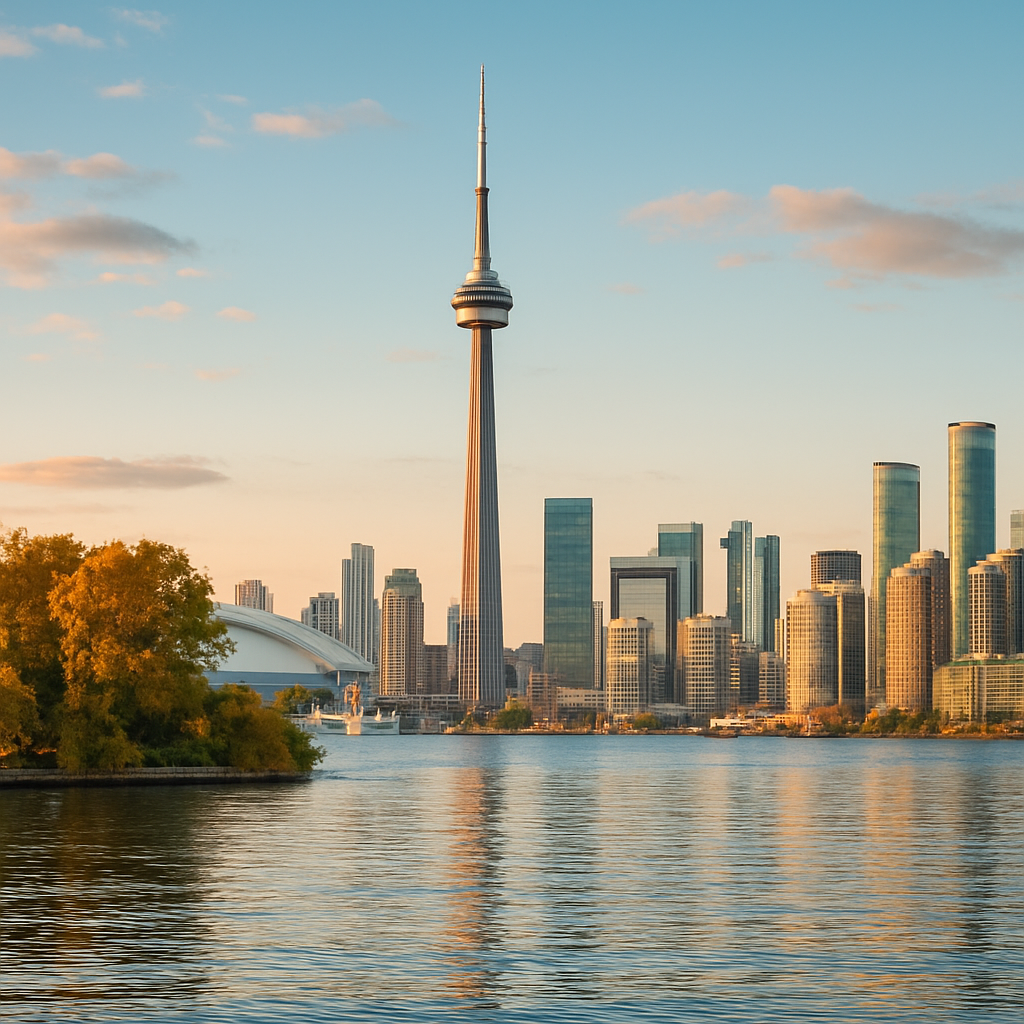
The Toronto Islands by Ferry
Take the ferry from Jack Layton Terminal at the foot of Bay Street — the 15-minute ride across the harbour delivers one of the best skyline views in North America, and it costs less than a coffee. Once you're on the island, walk or bike to Hanlan's Point Beach at the south end. The clothing-optional section has a low-key queer presence that's been there longer than most people's memories, and on a warm afternoon the skyline view across the water is almost annoyingly beautiful. Centre Island has a gentler family pace with picnic spots and gardens. Budget a half day minimum.
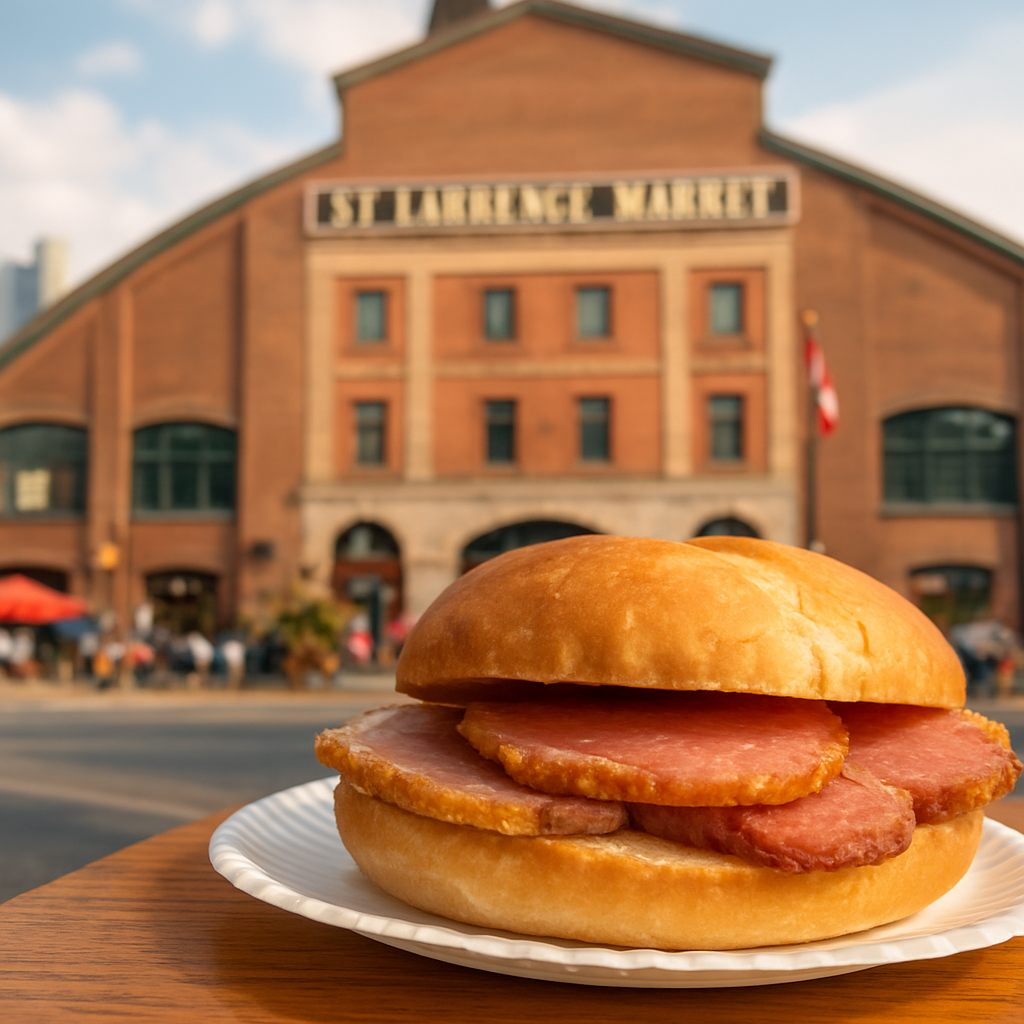
St. Lawrence Market Saturday Morning
Toronto's flagship public market on Front Street has been running since 1803 and the Saturday morning farmer's market is the version locals actually shop at. The peameal bacon sandwich from Carousel Bakery — a slab of cornmeal-crusted pork loin on a Kaiser roll — is a Toronto rite of passage and costs about CAD $9. Walk the lower level for cheese, charcuterie, and produce from Ontario farms. Arrive before 9am to beat the crowd and eat your sandwich standing up like everyone else.
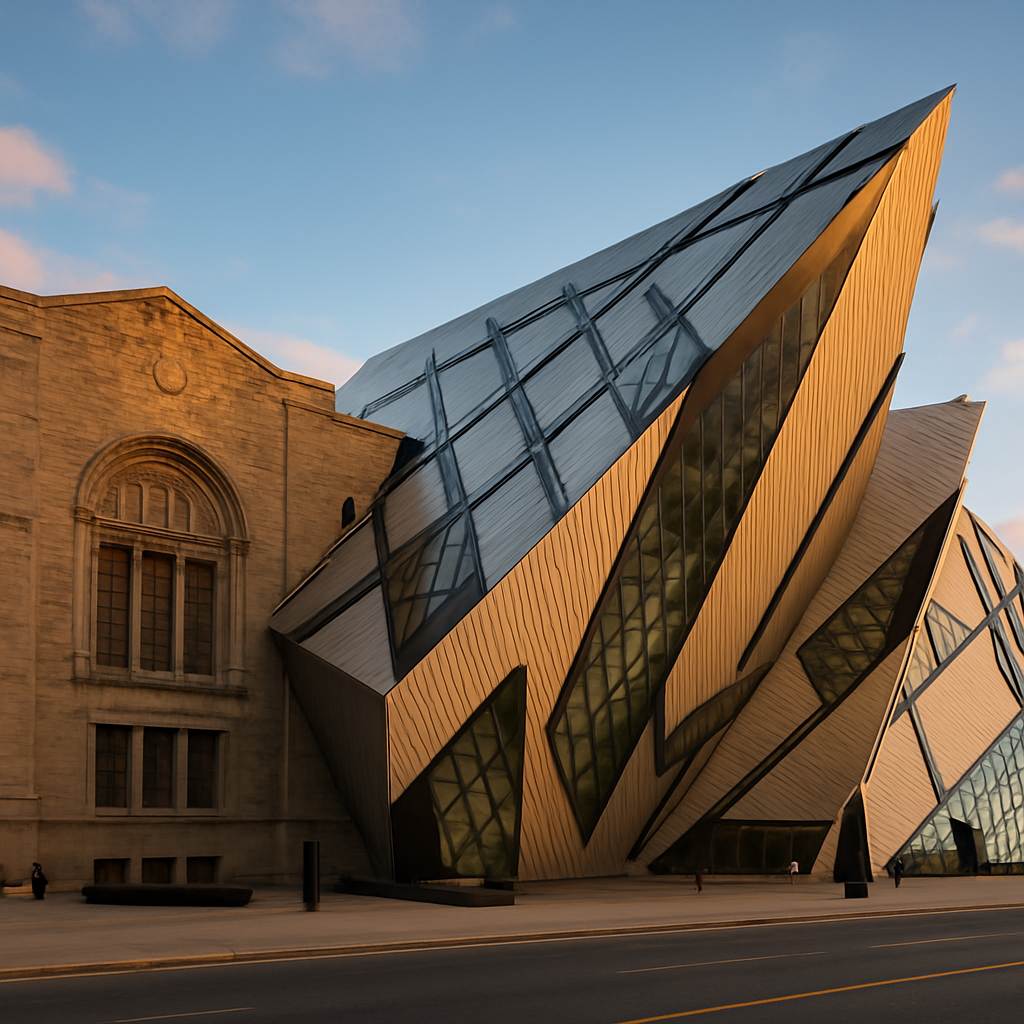
Royal Ontario Museum
The ROM on Bloor Street is one of the largest natural history and world culture museums in North America, housed partly in a heritage building and partly in Daniel Libeskind's aggressively angular Michael Lee-Chin Crystal addition — love it or hate it, you'll have an opinion. The dinosaur gallery is legitimately world-class, the Chinese art collection is extraordinary, and free admission on Tuesday evenings makes it a smart budget play. You can spend three hours or a full day here and neither is wrong.
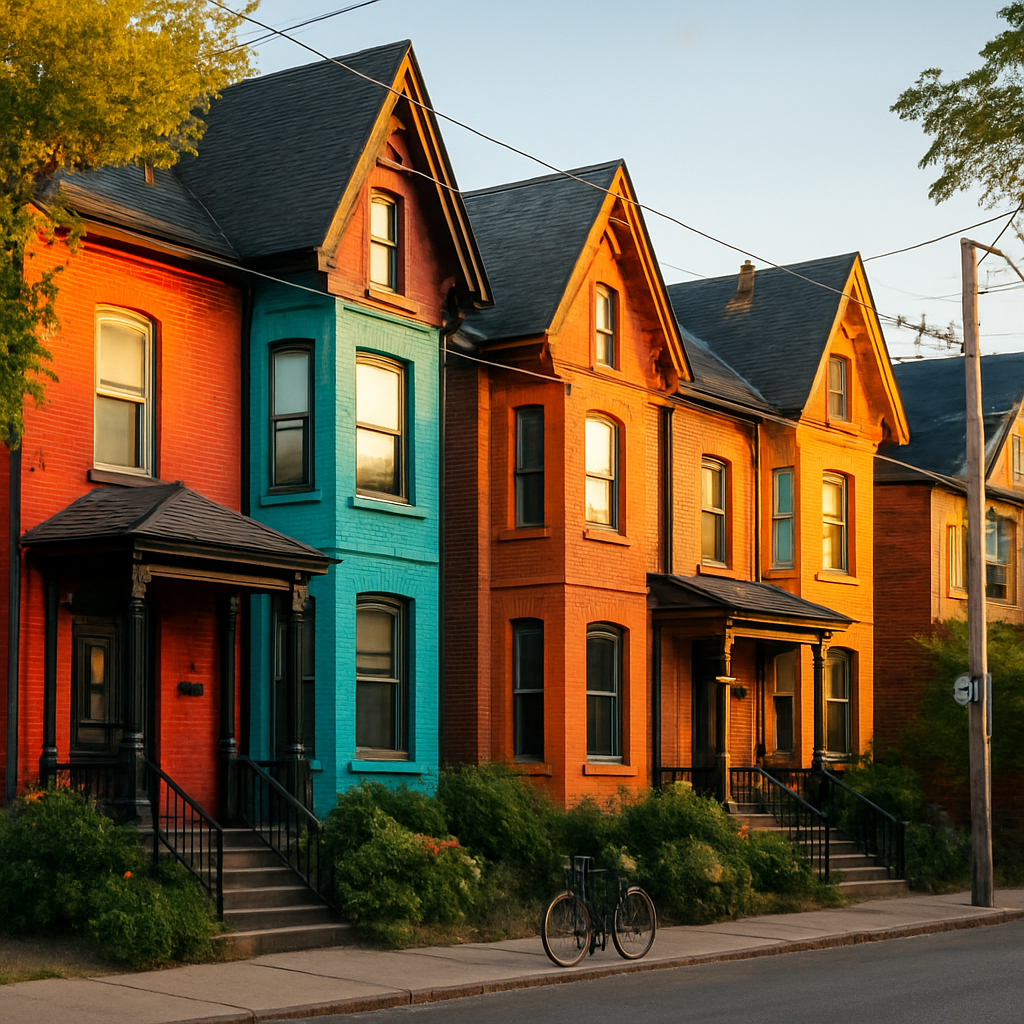
Kensington Market on a Sunday
On Pedestrian Sundays (monthly, May to October), Kensington Market closes to car traffic and the whole neighbourhood becomes a street festival — live music on corners, food vendors on the sidewalk, vintage shopping with the doors thrown open. Even on a regular day, the market is one of Toronto's most walkable and characterful neighbourhoods: a tight grid of painted Victorian houses converted into shops, restaurants, and bars. Get a cheap banh mi, dig through a record bin, people-watch from a patio. This is the Toronto that locals miss when they leave.

Buddies in Bad Times Theatre
The world's longest-running queer theatre on Alexander Street has been producing work since 1979, and the building radiates that history. Check their calendar before you go — it's not always experimental theatre, sometimes it's gloriously weird cabaret, and the programming rotates fast enough that no two visits are the same. Tickets are affordable and the bar is open before curtain. If you care about queer culture as something that gets made, not just consumed, this is the stop.
The places I actually send people to
Advice that fits how you travel
Toronto is one of the easiest cities in North America to travel solo, and the queer infrastructure makes it even easier. The Village on Church Street is built for exactly this: walk into Woody's or Crews & Tangos on any given evening and you'll find yourself in conversation within twenty minutes, because the bar culture here is social by design, not cliquey. Glad Day Bookshop is an ideal solo afternoon — cocktail in hand, books on the shelves, nobody expecting you to be anywhere. App culture is active and the response rate is high; Grindr and Scruff both have strong Toronto usership, and people are generally direct about what they're looking for.
Safety for solo travelers is strong across the core. Stick to well-lit, populated streets after 2am — the blocks east of Jarvis off Church get quiet fast, and that's the one navigation note worth remembering. The TTC subway and streetcar system gets you across the city cheaply (a day pass is CAD $13.50), and the UP Express from Pearson to Union Station eliminates any arrival anxiety. Budget solo travelers can do Toronto for CAD $100–$140/day with hostel accommodation and street food; a moderate solo trip runs CAD $230–$310/day with a proper hotel and restaurant meals.
The best solo move in Toronto is neighbourhood-hopping: morning in Kensington Market for a cheap breakfast and vintage shopping, afternoon in the Village for a walking tour and a drink at Glad Day, evening at The Beaver on Queen West for a DJ set and a dive-bar vibe. You'll cover three distinct atmospheres in a single day, meet people at each stop, and sleep well knowing the city had your back the whole time.
Toronto is one of those rare cities where romance is built into the infrastructure. The Village puts same-sex couples on equal footing as everyone else — which is to say, nobody is looking at you, and the restaurant on Church Street with the good cocktails is just a restaurant with good cocktails. For a proper date night, Byblos on King West is my first call every time: sharing plates in a beautiful room, the kind of meal where you keep ordering because the conversation keeps going.
For accommodation, the Kimpton Saint George gives you boutique romance inside a heritage building without sleeping directly in the middle of the action — which is the right call if you actually want to sleep. The Fairmont Royal York is the grand gesture option: 1929 architecture, a serious spa, and a lobby that makes arriving feel like an event in itself. Book a superior room and file it firmly under trip-of-a-lifetime.
The ferry to Hanlan's Point Beach on Toronto Island is the move for couples on a warm afternoon — the skyline view from the water is one of the best city views in North America, full stop, and the beach has a queer-friendly history that runs deeper than most visitors realise. Finish the evening back in the Village for drinks at Crews & Tangos or a quieter nightcap at Glad Day Bookshop, where you can nurse a cocktail while browsing the shelves of the world's oldest LGBTQ+ bookstore. That is a Toronto date.
Canada's federal adoption law and Ontario's Human Rights Code mean LGBTQ+ families arrive in Toronto with full legal recognition and zero administrative awkwardness — your family structure is acknowledged without drama at hotels, attractions, and everywhere else you take it. This isn't a city where inclusivity is a policy document; it's a lived reality, and the difference is palpable the moment you check in somewhere.
The CN Tower is the obvious anchor for families with kids, and the glass floor delivers every single time. Ripley's Aquarium of Canada, right at the waterfront beside the Tower, is one of the better urban aquariums in North America — the underwater tunnel through the shark tank earns its ticket price for children of any age. The Royal Ontario Museum has free Tuesday admissions and enough range across natural history, world cultures, and art to fill a full day without running out of room. Pro tip: kids under 12 ride TTC free, which makes getting around the city genuinely affordable on any budget tier.
For families with real energy to burn, the Toronto Zoo out in Scarborough is a serious institution — over 5,000 animals across 287 hectares — and worth the trip east. A well-paced Toronto weekend with kids looks something like this: waterfront walk, island ferry, one big-ticket attraction, lunch on Queen West, early evening back at the hotel. The city is large enough to be endlessly interesting and navigable enough not to be exhausting, which is exactly what you need when you're herding a family across a new city for the first time.
What Toronto actually costs
Flights, visas, and the first 30 minutes
Airport: Toronto Pearson International Airport (YYZ) is one of North America's major international hubs, with direct service from 180+ cities worldwide.
Key routes: New York JFK (1h 30m), Chicago O'Hare (1h 30m), Los Angeles LAX (5h 15m), London Heathrow (8h), Paris CDG (8h 30m), Sydney (19h 30m).
Visas: US citizens need no visa — a passport or NEXUS card is sufficient. UK, EU, and Australian travelers need no visa but must obtain an eTA (Electronic Travel Authorization) before departure; it costs CAD $7 and takes minutes to complete online. Canadian citizens need neither visa nor eTA.
Airport to city: The UP Express train at CAD $12.35 is the obvious move — 25 minutes direct to Union Station, runs every 15 minutes, no traffic stress involved. The TTC bus-to-subway connection costs CAD $3.30 but takes 45–75 minutes depending on connections. Taxis run CAD $55–$75 with fixed-rate options available at the airport; Uber and Lyft both operate there. Pre-booked sedan or SUV service runs CAD $85–$120 for a smoother, no-negotiation arrival.
Traven's seasonal breakdown
The questions everyone asks
Is Toronto's gay village still worth visiting, or has it declined?
Is it safe to hold hands in Toronto?
Do I need to speak French in Toronto?
How much should I budget per day?
When is Toronto Pride and should I time my trip for it?
What's the best way to get from the airport to downtown?
Is Toronto good for trans travelers?
Screenshot this before you go
So should you actually go?
Go. Toronto is one of the most complete queer cities in the world — not because it's perfect, but because the infrastructure is real, layered, and built by the community that uses it. The legal framework is flawless, the cultural welcome is genuine, the scene has genuine depth across multiple neighbourhoods and subcultures, and the city itself is a world-class destination that would justify the trip even without the Church Street strip and everything it represents. My Traven-Dex score of 9.1 isn't aspirational — it's descriptive. This city earned every decimal.
Sources & Resources
Official links we reference when compiling this guide. Last verified 2026-03-06.
- The 519 Community Centre
- Pride Toronto
- Egale Canada (National LGBTQ2+ Human Rights)
- PFLAG Canada
- AIDS Committee of Toronto (ACT)
- Sherbourne Health Centre (LGBTQ+ Affirming Care)
- Casey House (HIV/AIDS Specialty Hospital)
- Hassle Free Clinic (Sexual Health)
- Ontario Human Rights Commission
- City of Toronto LGBTQ2S+ Resources