
Santiago doesn't announce itself. It just hands you a pisco sour, points you toward the Andes, and waits for you to figure out you're already in love.
It's a Thursday around midnight on Calle Loreto in Bellavista, and the street is just starting to wake up. A couple walks their dachshund past the same doorway where, in about two hours, a drag queen will be lip-syncing to Mon Laferte. Across the street, someone's ordering their second terremoto — that unholy cocktail of pipeño wine and pineapple sorbet that earns its name "earthquake" around drink three. Twelve hours ago this block was all dog walkers and café con leche. Now it's becoming something else entirely. Don't show up before 11pm expecting anything except empty bars and confused bartenders.
Santiago is a city that makes you work for it, and then pays you back double. Chile legalized same-sex marriage in 2022, and you genuinely feel that shift on the ground — same-sex couples in Providencia and Bellavista read as completely unremarkable now, which is a gorgeous thing after years of activism by groups like MOVILH. My Traven-Dex score of 8.1 reflects a city that's earned a perfect 10.0 on Legal — full marriage, adoption, comprehensive anti-discrimination protections, self-ID gender recognition — and pairs it with a scene that's genuinely alive rather than performatively welcoming. Fausto on Avenida Santa María has been the elder statesman of Santiago gay bars since the '90s. The crowd skews older and more mixed than the club kids down the block, and it's the right place to get your bearings before migrating deeper into the carrete.
What I love about this city is the texture. The Andes sit there behind everything — behind the rooftop bars, behind the smog on a winter morning, behind the view from Cerro San Cristóbal at dusk that makes you insufferably romantic for the rest of your trip. The food scene has actual range, from Rodolfo Guzmán's foraged-ingredient tasting menus at Boragó to a post-club completo dripping with avocado from a street stand at 4am. The culture runs deep — Centro Cultural Gabriela Mistral is named after a Nobel laureate who contemporary scholarship widely identifies as a lesbian, and Club de Cueca Diversa is reclaiming Chile's national folk dance with queer and feminist framing. This isn't a city that borrowed its identity from someone else's playbook.
Santiago won't hit you with the immediate sensory overload of a Rio or a Mexico City. It's drier than that, more contained, more Chilean — which is to say it takes a minute to reveal itself and then won't let you leave. The nightlife runs on a clock that will destroy unprepared visitors: pre-drinks at someone's apartment (the previa) go until 1am, clubs don't peak until 3, and you'll stumble into daylight wondering where the night went. Pace yourself on those terremotos. I mean that with medical sincerity.
The stuff your travel guide buries on page 47
Legal framework: Chile legalized same-sex marriage and joint adoption in March 2022 (Law 21.400). Civil unions (Acuerdo de Unión Civil) have been available since 2015 through the Registro Civil. The anti-discrimination law — Ley Zamudio (Law 20.609, 2012) — explicitly prohibits discrimination based on sexual orientation and gender identity across employment, education, and public services. Homosexuality has never been criminalized under the current legal framework. Gender identity is covered by Law 21.120 (2018), which allows legal gender marker changes through an administrative process at the Civil Registry — no surgery, no medical treatment required. Adults can self-declare; those aged 14–17 need parental consent and judicial oversight. For trans travelers, OTD Chile is the go-to resource for navigating Chilean institutions and connecting with community support if anything goes sideways administratively.
Cultural reality: The laws are strong. The culture is catching up — fast in central Santiago, slower at the edges. In Bellavista, Barrio Lastarria, and Providencia, same-sex couples are an unremarkable part of the scenery. The marriage equality shift in 2022 was genuinely felt on the ground — groups like MOVILH and Fundación Iguales fought for decades to get here, and the result is tangible. Outer comunas and suburban areas remain more conservative, and social attitudes toward trans individuals still lag behind the legal protections, particularly outside queer-adjacent neighborhoods.
PDA comfort: High in Barrio Bellavista — this is the LGBTQ+ nightlife district and same-sex affection is routine. Moderate-to-high in Barrio Lastarria and Barrio Italia — arts-oriented, progressive, nobody blinks. Moderate in Providencia and Santiago Centro — broadly tolerated, occasional stares, incidents uncommon. Low-to-moderate in outer municipalities and peripheral comunas — discretion advisable.
Nightlife clock warning: Santiago nightlife runs on a completely different schedule than you're used to. Pre-drinks at someone's apartment (the previa) often go until 1 a.m. before anyone heads to a club. Pace yourself on terremotos at a Bellavista bar — that's genuinely strategic advice, not a joke. Clubs don't hit peak until 2–3 a.m. and run well past sunrise.
What it actually feels like on the ground
Holding hands: In Bellavista, Lastarria, and Providencia, holding hands draws essentially zero reaction. In Santiago Centro's busier corridors, you'll be fine — high foot traffic actually reduces confrontation risk. In outer comunas further from the core, same-sex hand-holding will attract attention and discretion is the smarter call.
Hotel check-in: No issues at any hotel I'd recommend. Chile's anti-discrimination law covers this explicitly, and properties in central Santiago — from The Singular down to Castillo Rojo — handle same-sex couples as routine. You won't get a second glance at the desk.
Taxis and rideshares: Uber works reliably in Santiago and is genuinely the smart call after midnight in Bellavista — safe, trackable, and drivers are largely unfazed by queer passengers, which is not nothing at 3 a.m. when you're done dancing and just want to get home. For airport transfers, book through the official taxi booths inside arrivals. Avoid the informal touts working the curb outside.
Public spaces and parks: Parque Balmaceda and the green spaces around Bellavista are comfortable during daylight hours. Plaza Baquedano — universally called Plaza Italia by locals — is both a joyful gathering space for Pride overflow and a protest flashpoint. Check what's happening politically before you wander through late at night, because carabineros presence can spike unpredictably.
Late night: Bellavista and Providencia are legitimately safe and queer-comfortable after dark, but the dynamic shifts once you're further from the core. Crossing into more peripheral comunas late at night, particularly on foot and obviously queer, warrants the same urban situational awareness you'd apply anywhere in Latin America. Stick to Uber over walking after 2 a.m. if you're heading beyond the central neighborhoods.
Trans travelers: Legal protections are strong — self-ID gender marker changes, no medical requirements. Social reality is mixed. In Bellavista and the central queer-adjacent neighborhoods, trans visibility is part of the landscape. Outside those areas, misgendering and hostility are possible. OTD Chile provides practical support and community connection.
Verbal harassment: Uncommon in central neighborhoods but not unheard of, particularly late at night in transitional zones between districts. If something does happen, MOVILH runs a discrimination reporting line and has been documenting incidents for over 30 years — they're the first call, and they take it seriously rather than treating it as a bureaucratic checkbox.
The queer geography
Barrio Bellavista
This is the center of gravity. Wedged between Cerro San Cristóbal and the Mapocho River, Bellavista is Santiago's principal LGBTQ+ district — and one of those rare queer neighborhoods that actually functions as a neighborhood first. Locals walk their dogs on Calle Loreto at noon. The street art on Pasaje Loreto changes seasonally. By midnight the same blocks are a full-on carrete with Fausto anchoring the scene on Avenida Santa María and clusters of bars running along Bombero Núñez and Constitución. Diablillo and El Hueco on the same block of Pasaje Loreto represent two different speeds — Diablillo is louder and younger, El Hueco has more of a local-regular feel — and bar-hopping between them on the same street is peak efficient carrete strategy. Teatro Mori Bellavista brings performing arts into the mix, and Mercado Tirso de Molina is excellent for a cheap, colorful lunch before any of the nightlife starts.
Barrio Lastarria
If Bellavista is the party, Lastarria is the morning after — in the best way. This compact arts-oriented neighborhood sits just south of the Mapocho, walking distance from both Bellavista and the Alameda, and it's where Santiago's cultural and creative class hangs out in daylight. GAM (Centro Cultural Gabriela Mistral) dominates the western edge with free programming in its plaza. The Singular Santiago is here. The cafes are excellent. Same-sex PDA is genuinely unremarked upon. It's a neighborhood where you'll end up spending more time than planned.
Barrio Italia
The real daytime queer social life in Santiago happens here. The Sunday market at Barrio Italia Mercado draws a massively queer-skewing creative crowd, the coffee shops are genuinely good, and it's where you'll overhear half of Bellavista's bar staff recovering with excellent brunch. Vintage shops, design studios, small galleries — this is a hip, artsy neighborhood with a progressive, open-minded energy that doesn't try too hard.
Other neighborhoods worth knowing
Providencia is the upscale buffer between Bellavista and the eastern suburbs — cosmopolitan restaurants, boutique hotels, and a generally tolerant urban vibe that makes it ideal for pre-carrete dinners. Ñuñoa, southeast of the center, is residential and politically progressive with independent bars, theaters, and a strong lefty cultural identity. And Cine Arte Alameda regularly programs queer cinema, particularly around June and during the local festival circuit — check their schedule before you arrive because these screenings become community events with actual discussion afterward, not just film tourism.
The experiences worth rearranging your itinerary for
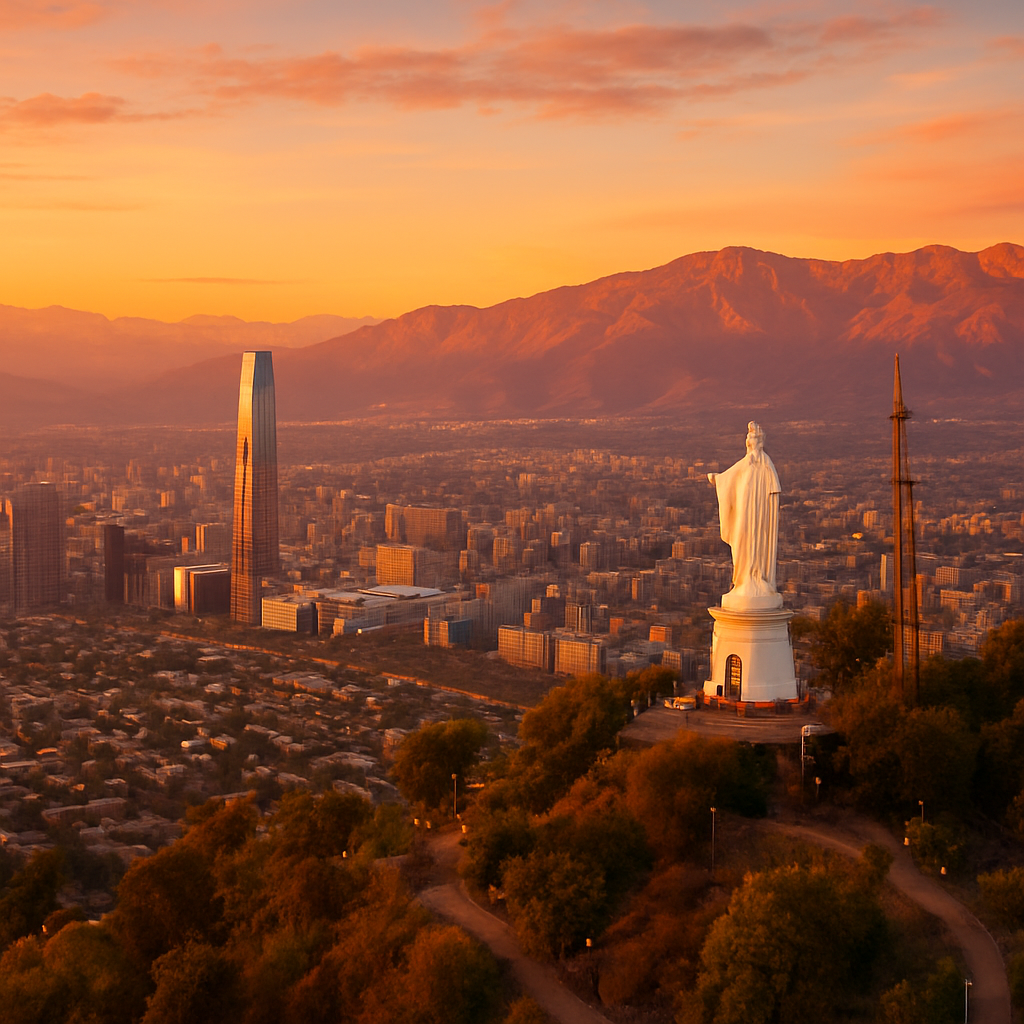
Cerro San Cristóbal at Dusk
Walk up from Bellavista — or take the funicular if your legs have opinions — and reach the mirador as the light starts to go gold. The entire city sprawls below you, flat and vast, and behind it the Andes stand like a wall of teeth with snow on top. This isn't a view you photograph and move on from. You sit. You stay. You watch the city lights come on while the mountains turn purple. Do this before a night out and you'll be insufferably romantic for the rest of the trip. The walk down takes you straight back into Bellavista in time for the carrete to start.
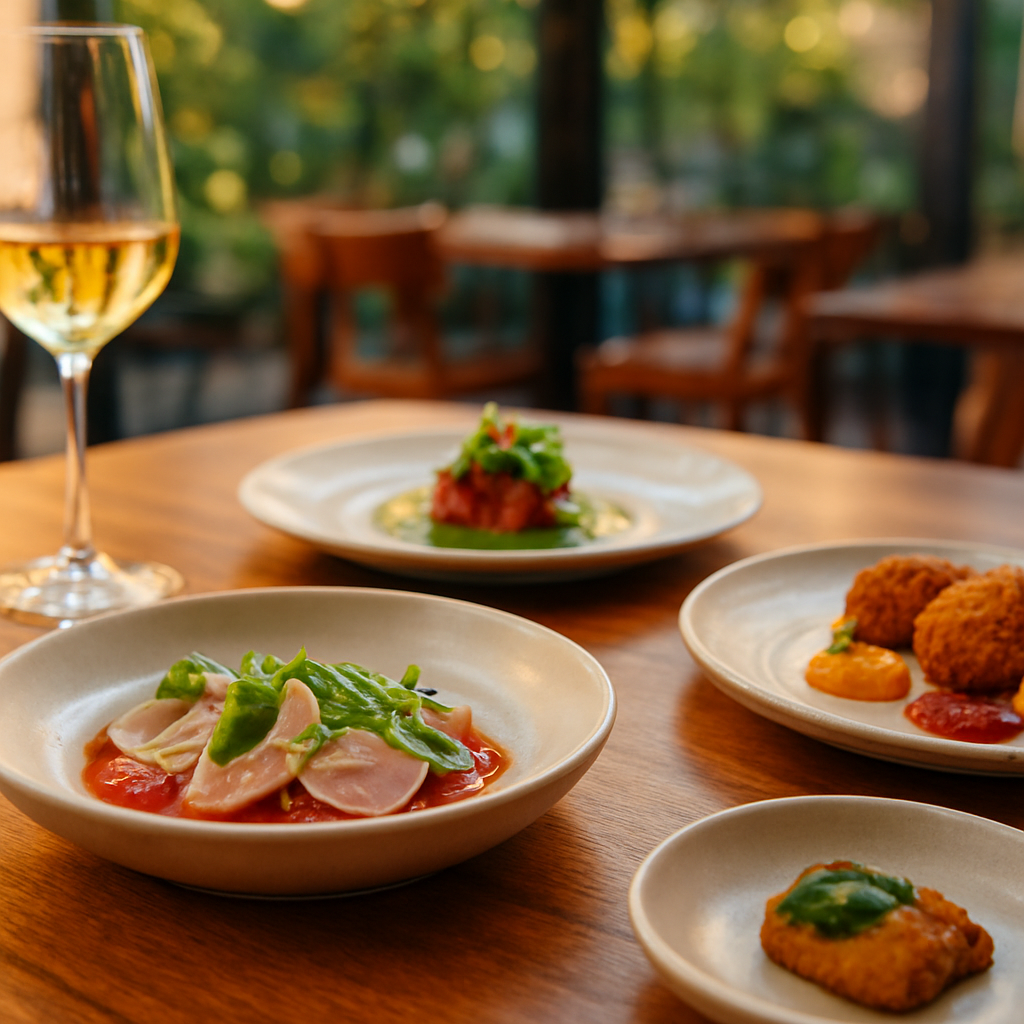
Boragó — Rodolfo Guzmán's Endemic Tasting Menu
Rodolfo Guzmán's restaurant in Vitacura has been on the Latin America's 50 Best list continuously since 2013, and the concept is unlike anything else on the continent: every ingredient is native Chilean, foraged or endemic, built into 10 to 20+ courses that feel like eating the country's geography. You'll taste seaweed from the Atacama coast, wild herbs from the central valley, things that don't have English names. Budget CLP 150,000–220,000 per person for the tasting menu. Book weeks ahead, not days. This is the meal you'll be describing to people for years.
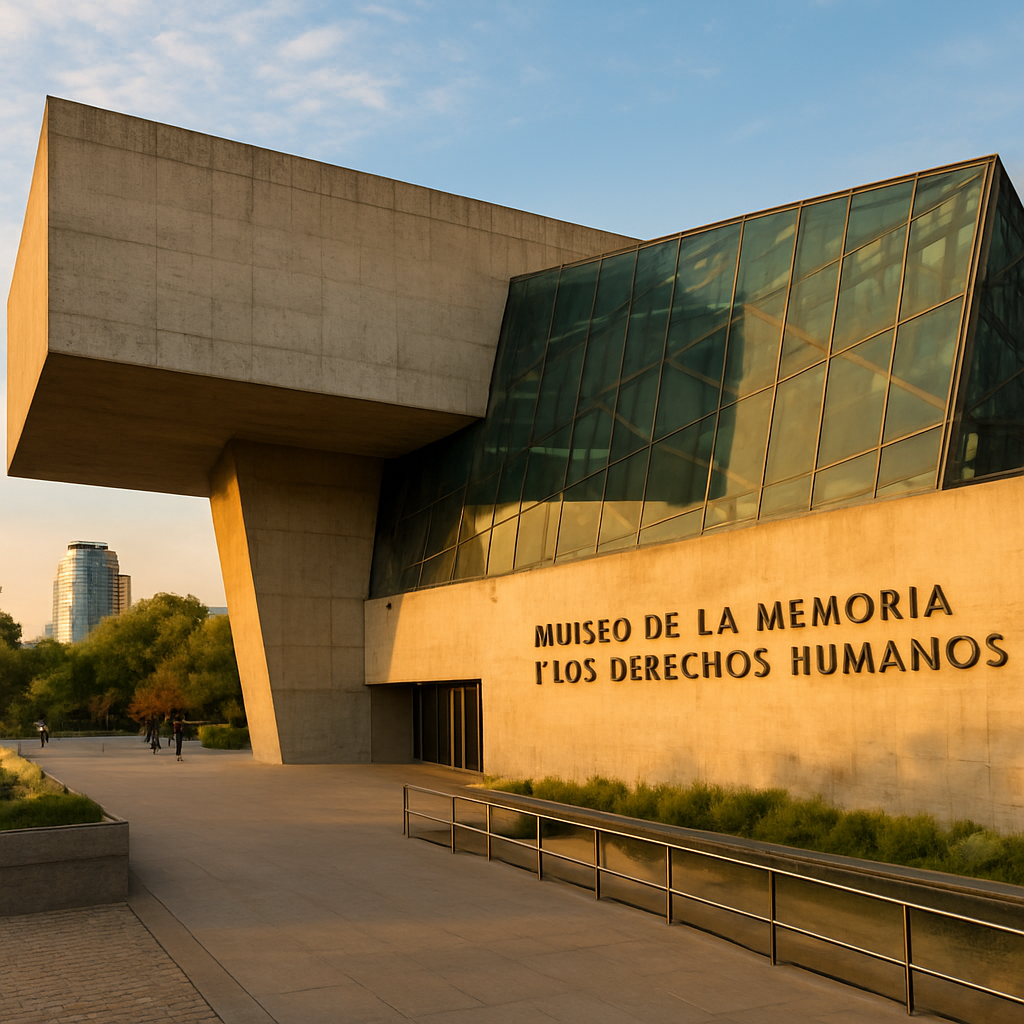
Museo de la Memoria y los Derechos Humanos
Inaugurated in 2010 by President Michelle Bachelet, this museum in Barrio Yungay documents the human rights violations of the Pinochet dictatorship (1973–1990) with testimonies, photographs, state documents, and artefacts — including specific material on the persecution of LGBTQ+ individuals during the regime. It's free. It's devastating. It's essential. Allow at least two hours and understand that this is one of the most important museums in South America. The permanent collection doesn't soften anything, and it shouldn't.
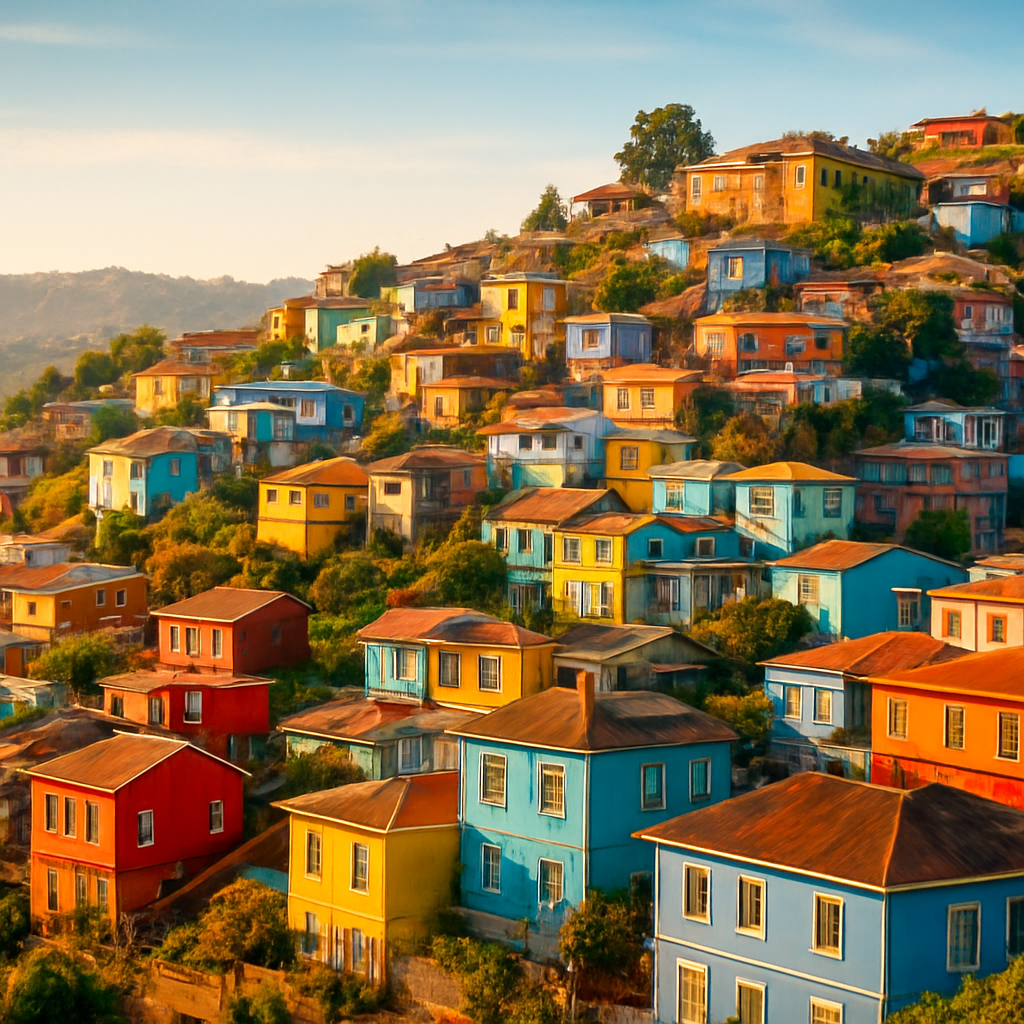
Valparaíso Day Trip — UNESCO Hills and Street Art
The Pacific port city of Valparaíso sits 120 km northwest of Santiago — about 1 hour 40 minutes by frequent bus from Terminal Alameda or Pajaritos (CLP 6,000–10,000 round-trip). Its historic quarter earned UNESCO World Heritage status in 2003, and the city is structured across 40+ hillside cerros connected by historic funicular elevators called ascensores. The street art is world-class, the bohemian energy is genuine, and Valparaíso runs its own annual Pride march independent of Santiago's. Ride the ascensores, eat seafood on Cerro Alegre, and come back sunburned and satisfied.
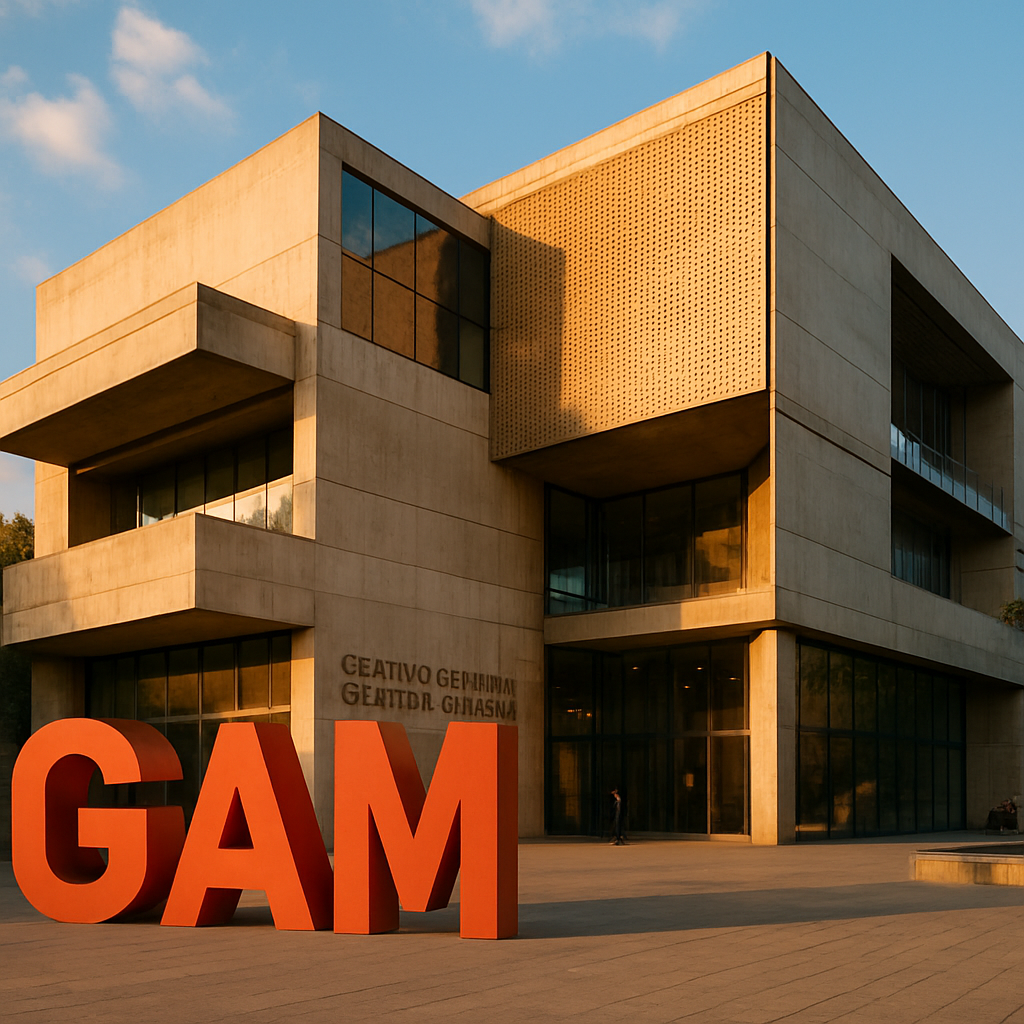
GAM and the Alameda Cultural Corridor
The Centro Cultural Gabriela Mistral — everyone calls it GAM — is the largest public cultural center in central Santiago, named after the 1945 Nobel Literature laureate widely identified as a lesbian in contemporary scholarship. The building itself, opened in 2010 on the repurposed site of the UNCTAD III conference building, is architecturally striking. But the real draw is the programming: theater, dance, music, visual arts, and an outdoor plaza with free events that become community gathering points. Walk the Alameda corridor east from here and you'll pass Cine Arte Alameda, which programs queer cinema regularly and turns screenings into actual discussion events.
The places I actually send people to
Advice that fits how you travel
Santiago is an excellent solo city, and I don't say that lightly. The Metro is clean, reliable, and intuitive — load a Bip! card before you do anything else and you can move between Providencia, Bellavista, Lastarria, and the center for almost nothing. The budget math is genuinely friendly: a solo traveler on a moderate spend is looking at CLP 140,000–210,000 per day including a comfortable hotel, solid meals, and a night out. On a tight budget, CLP 45,000–60,000 per day is genuinely achievable if you're willing to stay in a guesthouse like Castillo Rojo and eat where locals eat.
Meeting people is easy if you understand the rhythm. Apps work — Grindr and Scruff are both active in Santiago — but the more interesting social entry point is the previa culture. Chileans don't just show up at a bar alone at 9 p.m. They gather, they drink at someone's place, they migrate together. As a solo traveler, your access point is the early bar hours at Fausto or the cafes in Barrio Italia on a Sunday, where the creative queer crowd is recovering from Saturday and open to conversation. Drop a cachai into the exchange and watch how quickly the dynamic shifts. Pro tip: El Huerto in Providencia has been a quietly LGBTQ+-welcoming space since the 1980s — lunch there alone on a weekday and you'll probably end up in conversation with a regular.
Safety-wise, central Santiago is comfortable for solo queer travelers, day or night. Bellavista and Providencia are fine on foot until the early hours, but once you're done dancing, Uber is the smart call — trackable, safe, and drivers are unbothered. Don't walk solo through peripheral comunas you don't know late at night; that's basic Latin American urban sense, not a queer-specific warning. The city rewards solo exploration more than almost any capital in South America because the distances are manageable and the neighborhoods are distinct enough to feel like different trips within the same visit.
Same-sex marriage has been legal in Chile since 2022, which means Santiago is one of the few Latin American cities where you and your partner have full legal recognition the moment you land. That changes the texture of everything — from hotel check-in to that spontaneous decision to hold hands crossing Plaza Baquedano. In Barrio Bellavista and Providencia, PDA between same-sex couples reads as completely unremarkable. You're not a statement here. You're just two people on a date.
For the date itself: start at Cerro San Cristóbal at dusk. Walk up from Bellavista, watch the whole city go gold with the Andes behind it, and try not to be insufferably romantic — you won't succeed. Then work your way down into Barrio Lastarria for dinner. The Singular Santiago sits right there, and if your budget stretches, the rooftop pool at sunset is genuinely unfair in how beautiful it is. For a true occasion meal, Boragó in Vitacura is one of the best restaurants in South America — 10 to 20 courses of endemic Chilean ingredients that will give you something to talk about for months. Book weeks ahead, not days.
The pre-nightlife ritual in Santiago is the previa — drinks at the hotel or a bar before anyone goes out properly — and it's one of the more naturally intimate ways to start an evening together. Embrace it. Castillo Rojo on Constitución street drops you directly into Bellavista's heart at an honest price, while The Singular gives you the polish of Barrio Lastarria with Bellavista still walkable after dinner. Either way, you're in a city that now legally recognizes your relationship and, more importantly, culturally shrugs at it in the best possible sense.
Chile legalized same-sex adoption in 2022 alongside marriage equality, so LGBTQ+ family structures carry full legal recognition here. On the ground, Santiago's more progressive neighborhoods — Lastarria, Providencia, Barrio Italia — receive diverse families without incident. The Centro Cultural Gabriela Mistral (GAM) on the Alameda is a genuine family anchor: free most days, with outdoor plazas where kids can run and weekend programming that ranges from puppet theater to live music. It's named after a Nobel laureate widely identified as a lesbian and it quietly does important work while also being an excellent place to spend an afternoon.
Cerro San Cristóbal is the other essential with kids — cable car, small zoo, a pool complex open in summer, and the kind of wide-open hilltop space that makes children immediately run in circles while you recover and look at the Andes. Mercado Tirso de Molina in Barrio Yungay is excellent for lunch: fresh juice, cheap empanadas, and enough visual energy to keep curious kids occupied for an hour. The Metro is clean, reliable, and manageable with strollers on most lines — load a Bip! card before you do anything else and you'll spend almost nothing getting around the city.
A word on the Museo de la Memoria y los Derechos Humanos: it's one of the most important museums in South America, free, and documents the full weight of the Pinochet dictatorship including the persecution of LGBTQ+ individuals. Essential for adults and older teenagers. For younger children, the content is genuinely heavy — assess accordingly. The broader point is that Santiago is remarkably affordable for families: GAM, most major parks, the museum, and street markets mean a full and extraordinary family day can cost well under CLP 50,000. The city will surprise you with how much it gives away for free.
What Santiago actually costs
Flights, visas, and the first 30 minutes
Airport: Santiago is served by Arturo Merino Benítez International Airport (SCL), approximately 20 km northwest of the city center. It's one of South America's principal hub airports with direct service from 90+ cities worldwide.
Major direct routes:
- Miami, USA → Santiago: ~8h 30m
- New York JFK, USA → Santiago: ~10h 30m
- Los Angeles, USA → Santiago: ~9h 30m
- London Heathrow, UK → Santiago: ~14h
- Madrid, Spain → Santiago: ~13h
- Buenos Aires, Argentina → Santiago: ~2h
- Lima, Peru → Santiago: ~3h 30m
- São Paulo, Brazil → Santiago: ~4h
- Bogotá, Colombia → Santiago: ~5h
Visa requirements: Citizens of the US, UK, Canada, and Australia need no visa — passport valid on arrival, up to 90 days. Most EU member state citizens are also visa-free for up to 90 days; verify your specific country if uncertain. Chile is genuinely easy to get into.
Airport to city center:
- Bus (Centropuerto / Turbus): CLP 2,500–3,800 | 45–75 min | Services run to Pajaritos Metro station and central bus terminals. Most economical option and perfectly reasonable with luggage.
- Official airport taxi (metered zone fare): CLP 20,000–28,000 | 25–45 min | Fixed zone fares available at official taxi booths inside the arrivals hall. Book there — avoid informal touts working the curb outside.
- Rideshare (Uber / inDriver): CLP 12,000–18,000 | 25–45 min | Designated rideshare pick-up zone is clearly marked outside arrivals. Price shifts with traffic and surge — still the best balance of cost and ease for most travelers.
Traven's seasonal breakdown
The questions everyone asks
Do I need to speak Spanish in Santiago?
Is it safe to hold hands with my partner?
How much should I budget per day?
What's the deal with Santiago nightlife timing?
Is Santiago safe for trans travelers?
When is Santiago Pride?
Can I use Uber in Santiago?
Screenshot this before you go
So should you actually go?
Santiago is a city that earned its place on this list — a perfect legal framework, a gay scene with actual history and personality centered in Bellavista, and a capital-city cultural depth that gives you museums, world-class food, and the Andes as your permanent backdrop. It's not the loudest LGBTQ+ destination in South America, but it might be the most structurally solid. You'll eat extraordinarily well, you'll stay out far too late, and you'll catch yourself staring at a mountain range from a rooftop bar wondering why it took you this long to get here. Go.
Sources & Resources
Official links we reference when compiling this guide. Last verified 2026-03-15.
- ACCIONGAY Chile
- APROFA – Asociación Chilena de Protección de la Familia
- Fundación Iguales
- Fundación Todo Mejora Chile
- Ministerio de Salud Chile – Diversidad Sexual y Salud
- MOVILH – Movimiento de Integración y Liberación Homosexual
- OTD Chile – Organizando Trans Diversidades
- MOVILH – Movimiento de Integración y Liberación Homosexual
- MOVILH – Santiago Pride Marcha del Orgullo
- Vivo Positivo – HIV/AIDS Community Organization Chile