Bogotá doesn't audition for your approval — it's been doing this since before you knew to look.
Bogotá doesn't ease you in. You step off the plane at 2,600 meters and the thin air announces itself before the city does — a lightness in your chest that makes that first tinto from a street cart hit harder than any espresso you've had at sea level. Then you get to Chapinero and the altitude becomes the second most disorienting thing about the place, because this neighborhood isn't performing queerness for tourists. It's been this way for decades and it knows it. Walk Carrera 13 on a Saturday afternoon and you'll pass a drag queen getting her nails done next to an abuela buying pan de bono, and nobody flinches. That casualness is the whole vibe.
There's a reason my Traven-Dex score sits at 7.5 — the legal framework here is genuinely progressive (as of 2026, marriage, adoption, self-ID gender recognition are all on the books), and the scene in Chapi has the kind of depth that only comes from a community that's been building in the same streets for decades. Theatron legitimately earns its reputation as one of the largest gay clubs in Latin America — thirteen themed rooms, thousands of people on a peak Saturday, a sound system you feel two blocks away. Just know that showing up before midnight means you're having drinks alone in a cavernous empty space, which is a very specific kind of sad. But the city is more than its megaclub. Parque de los Hippies during the day, Cine Tonalá for an afternoon screening, Baum when you want electronic music with a crowd that's mixed and gorgeous — the layers here reward you for staying longer than a weekend.
What you need to understand about Bogotá is that it's a city of neighborhoods, and the comfort level shifts meaningfully between them. Chapinero and Zona Rosa feel easy and open. La Candelaria asks for more discretion. The southern barrios ask for real caution. This isn't unusual for a Latin American capital of ten million people — it's just geography you need to learn, fast. The altitude will also betray you on your first big night out. What felt like three reasonable aguardiente shots at sea level becomes a full betrayal by shot five up here. Locals call it el soroche, pace themselves accordingly, and drink water between rounds like it's their job. Follow their lead.
Bogotá is a city that rewards curiosity and punishes laziness. If you stay in Chapinero, eat the ajiaco, learn to say chévere, and actually talk to people instead of staring at your phone, you'll find a queer community that's politically engaged, culturally sharp, and genuinely warm once you show up properly. If you just want a party, Theatron will give you one. But there's so much more here if you want it.
The stuff your travel guide buries on page 47
Legal framework: Colombia legalized same-sex marriage in 2016 via Constitutional Court ruling. Same-sex couples have full adoption rights. Anti-discrimination protections are broad, covering employment, housing, and public services. Gender identity law operates on self-ID under Decree 1227 (2015) — legal gender marker changes require only a simple notarial declaration, no surgery or psychiatric evaluation. Criminalization: none. On paper, this is one of the most progressive legal environments in Latin America, and it's not just paper — these protections have institutional backing.
The cultural reality: That visibility is most real in Bogotá and Medellín. Within Bogotá, the gap between neighborhoods is significant. Chapinero operates with genuine, lived-in queer normalcy — this isn't a curated tourist corridor, it's a neighborhood where LGBTQ+ community organizations, bars, and everyday life have coexisted for decades. Outside the major cities, the cultural reality shifts considerably, and discretion in public becomes a practical consideration rather than a paranoid one. Bogotá's district government funds LGBTQ+ community infrastructure through the Secretaría Distrital de Integración Social, and organizations like Colombia Diversa maintain active human rights monitoring and legal support.
Health access: Profamilia has a clinic accessible from Chapinero offering STI testing, PrEP consultations, and full sexual health services — professional, genuinely nonjudgmental, and significantly cheaper than private clinics if you need anything during your stay.
PDA comfort by area: In Chapinero (Calle 57–67 between Carrera 7 and Carrera 13), same-sex couples are routinely visible in public without incident — this is where comfort is highest. Zona Rosa and Parque de la 93 are solidly tolerant, especially at restaurants and bars. Usaquén is moderate — upscale and generally tolerant but with a limited visible scene. La Candelaria draws higher foot traffic from conservative domestic tourists and religious groups; discreet behavior is recommended. Southern and peripheral districts (Kennedy, Suba, Ciudad Bolívar) are socially conservative with higher street crime rates — avoid PDA and exercise significant caution.
Pro tip: Skip street taxis at night and use InDriver or Cabify — you'll pay less, have a record of the trip, and the driver can't improvise a scenic detour through somewhere expensive. Chapinero to La Macarena should run you under 15,000 pesos on a typical night.
What it actually feels like on the ground
Holding hands: In Chapinero proper, same-sex public affection rarely draws more than a passing glance — the neighborhood is well-trafficked and visibly queer throughout the day. In Zona Rosa and Parque de la 93, you're fine at restaurant tables and bar patios. Venture south toward La Candelaria or into working-class barrios and the math changes. It's not dramatic — just read the room and trust your instincts like you would anywhere.
Hotel check-in: No issues at any property marketed to international travelers. Chapinero hotels are deeply accustomed to same-sex couples. Budget guesthouses elsewhere in the city may occasionally show mild surprise but won't refuse service — the law is on your side and front-desk staff in tourist areas know it.
Taxis and ride-hailing: Use app-based rides (Uber, InDriver, Cabify) over street hails, especially at night. You'll have a trip record, a fare estimate, and driver accountability. Always book from inside a venue, not from the curb. Agree on fare before boarding any licensed taxi. The paseo millonario — where someone forces you to drain your bank account at ATMs — is a documented risk in Bogotá and typically targets people leaving clubs alone late at night. Go out with your parche, share cabs home, and put your phone away after midnight in any neighborhood.
Beaches and public spaces: No beaches in Bogotá (it's an Andean city at 2,600m), but public parks are relevant. Parque de los Hippies in Chapinero is relaxed and queer-friendly during daylight. Parque Nacional is fine in daytime but should be avoided after dark. The Ciclovía on Sundays is safe, festive, and inclusive.
Late night: Chapinero's club corridor (Theatron, Baum, the bars along Carrera 13) is safe while you're inside or on the main strip. The risk increases when you leave alone at 3am and walk toward a quieter block. Always leave with people. Always have your ride pre-arranged. The altitude makes alcohol hit harder — pace yourself or the walk home becomes the most dangerous part of the night.
Trans travelers: Colombia's legal framework under Decree 1227 is genuinely progressive — gender marker changes via notarial declaration, no surgical requirements. In practice, trans women, particularly those who are visibly gender non-conforming, face elevated rates of street violence and police profiling outside of LGBTQ+-affirming areas. Trans travelers are considerably safer within Chapinero's venue cluster and surrounding streets. GAAT (Grupo de Acción y Apoyo a Personas Trans) is one of the most respected trans-led organizations in Latin America and is based right in Bogotá — their practical resources for trans travelers navigating Colombian documentation, healthcare, and legal recognition are thorough and current.
Verbal harassment: Rare in Chapinero and Zona Rosa. More likely in La Candelaria (catcalling exists regardless of orientation), and significantly more likely in southern/peripheral districts. The word marica is complicated — reclaimed as affectionate slang among queer Colombians, but it can also be deployed as a slur. Context and tone will tell you everything.
Pride: Bogotá's Pride march (Marcha por la Ciudadanía LGBTI) typically happens in late June and floods Chapinero and the Séptima with hundreds of thousands of people — security presence is heavy and the energy is genuinely euphoric. If your timing allows it, this is the single best week to be in the city.
The queer geography
Chapinero
This is it. Bogotá's queer district runs along Carrera 13 between roughly Calles 57 and 67, and it's been this way for decades — not a recent gentrification story, not a tourism rebrand, but an actual neighborhood where gay bars, community organizations, cafés, and everyday life have coexisted long enough that nobody treats it as remarkable anymore. Theatron anchors the nightlife end with 13 rooms and a capacity that justifies its reputation as one of the largest gay clubs on the continent. Video Bar Strawberry Fields runs quieter and has been open for over 15 years, drawing a mixed crowd that's notably welcoming to trans and non-binary patrons. During the day, Parque de los Hippies (officially Parque Lago, on Carrera 13) functions as the neighborhood's informal living room — craft vendors, tarot readers, dog walkers, and a genuinely relaxed queer presence that doesn't require a cover charge.
Cine Tonalá on Calle 65 is your daytime anchor — an art-house cinema with a plant-filled courtyard bar, rotating LGBTQ+ film programming, and a crowd that actually discusses what they just watched. Arrive for brunch, stay through the afternoon screening, leave with new opinions. The Centro Comunitario LGBTI in Chapinero runs free legal aid sessions, health workshops, and community events funded by the city — the noticeboard alone will tell you more about what's actually happening in the community than any travel guide, including this one.
Chapinero Alto
Climb east above central Chapinero and the energy shifts from nightlife corridor to bohemian hillside. The streets get steeper, the cafés get smaller, the street art gets better. This is where Bogotá's creative and queer communities overlap most naturally — indie coffee shops, weekend brunch spots, and the kind of effortless tolerance that comes from a neighborhood that genuinely doesn't care who you are as long as you're interesting. Sunday ajiaco up here is a local institution.
La Macarena
Adjacent to the historic center but spiritually closer to Chapinero, La Macarena is Bogotá's arts-forward neighborhood — independent galleries, design shops, bookshop-restaurants like Prudencia, and a weekend brunch culture that draws the city's creative and queer professionals. It's compact and walkable, with a different energy than Chapinero — less nightlife, more conversation. El Bandido and the small restaurants along Carrera 4A are worth an afternoon.
Zona Rosa & Zona G
Zona Rosa centers on Parque de la 93 and the surrounding restaurant-and-bar grid — upscale, commercially oriented, and generally LGBTQ+-tolerant without being specifically queer. Zona G (the Gastronomic Zone) overlaps with northern Chapinero and draws a mixed, largely LGBTQ+-friendly professional crowd for high-end dining and wine bars. These neighborhoods are where you eat well and feel comfortable without necessarily being in a specifically queer space.
The experiences worth rearranging your itinerary for
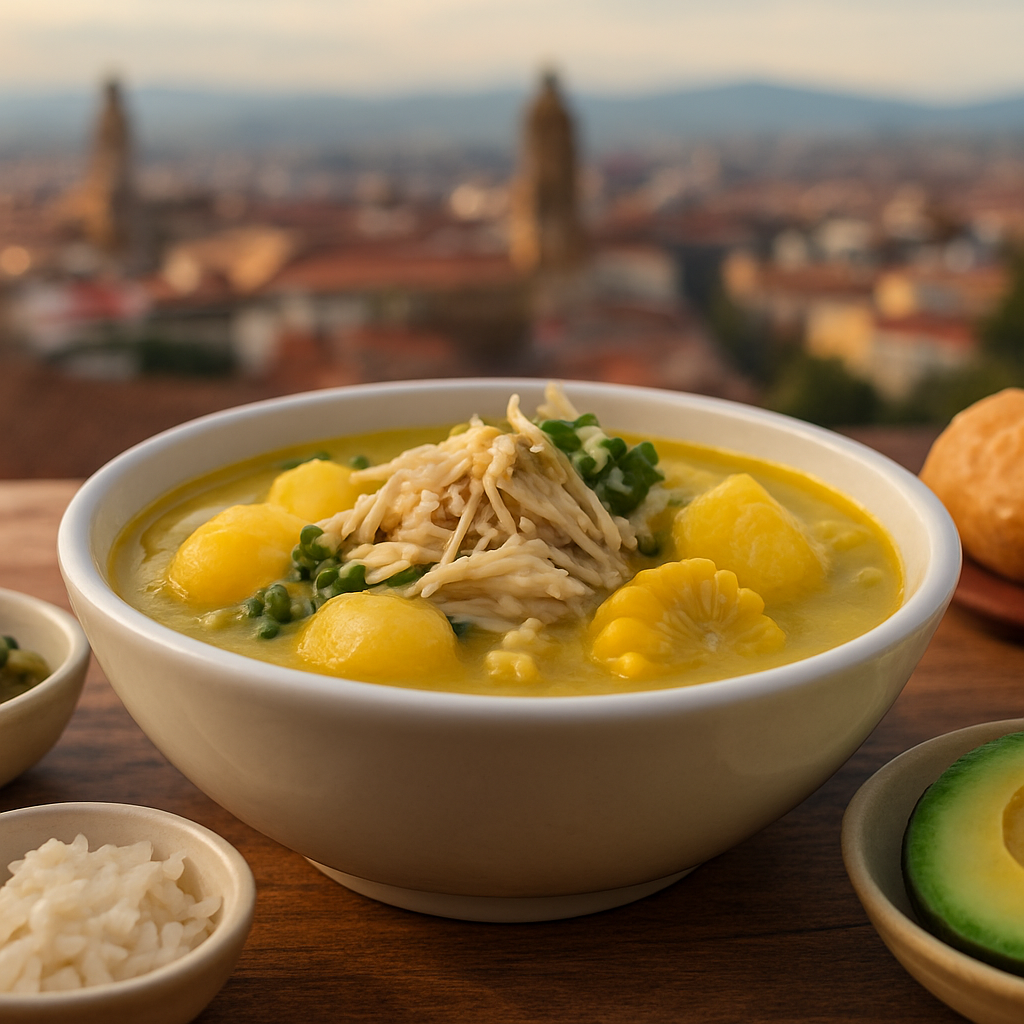
Sunday Ajiaco in Chapinero Alto
Ajiaco is Bogotá's canonical comfort food — a layered potato-and-chicken soup with corn, capers, avocado, and cream that locals swear by as the post-rumba recovery meal. Sunday lunch in Chapinero Alto is the ritual: find any hillside spot running a set Sunday menu, sit at a table for three hours, eat slowly, debate politics and novelas with whoever you're with, and let the altitude hangover dissolve. This is peak Bogotá, and it costs almost nothing.
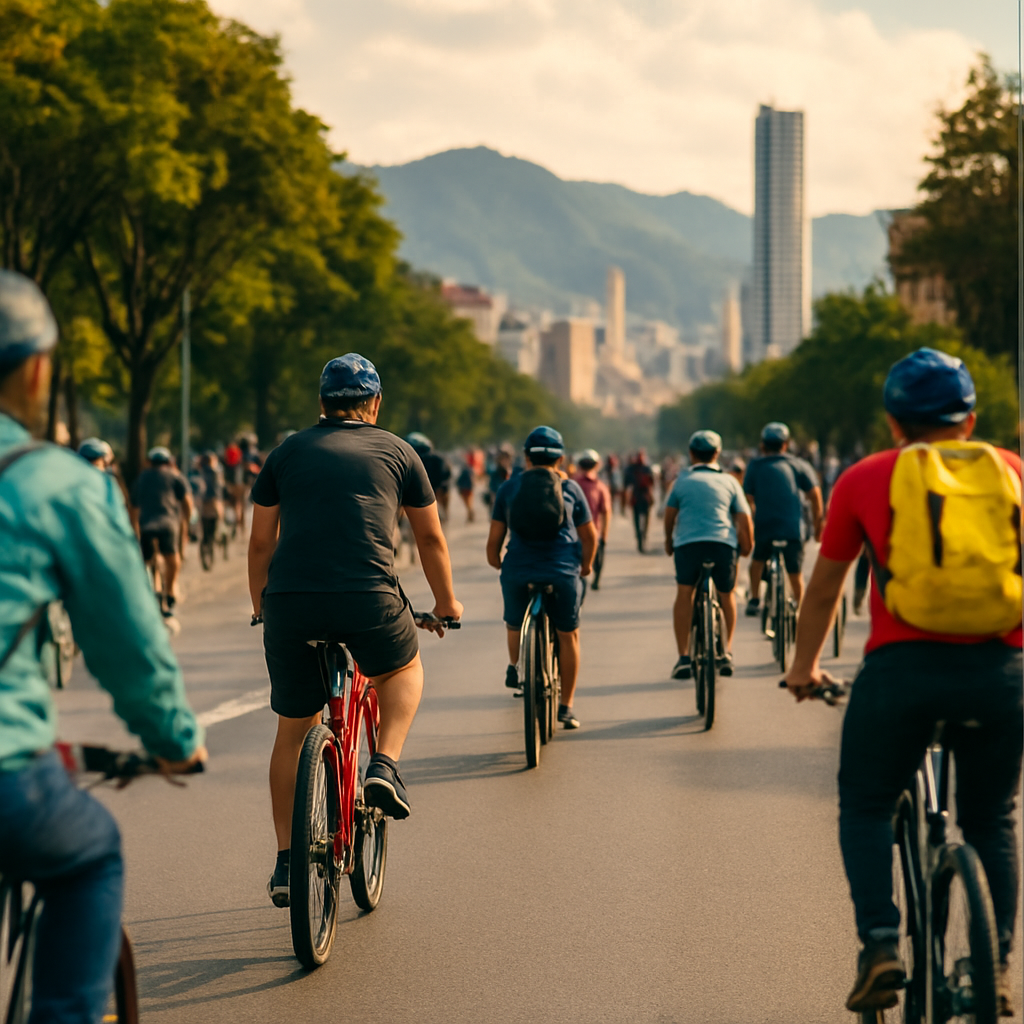
Ciclovía on Sunday Morning
Every Sunday since 1974, Bogotá closes roughly 120 kilometers of city streets to cars and hands them to cyclists, runners, skaters, and dog walkers. Routes run through Chapinero, past Parque Nacional, and across the city — the whole thing is free, bike rentals are available along the route, and the energy between 8am and noon is joyful and completely uncomplicated. It's the most democratic public event I've seen in any Latin American city, and it works beautifully for every kind of traveler.
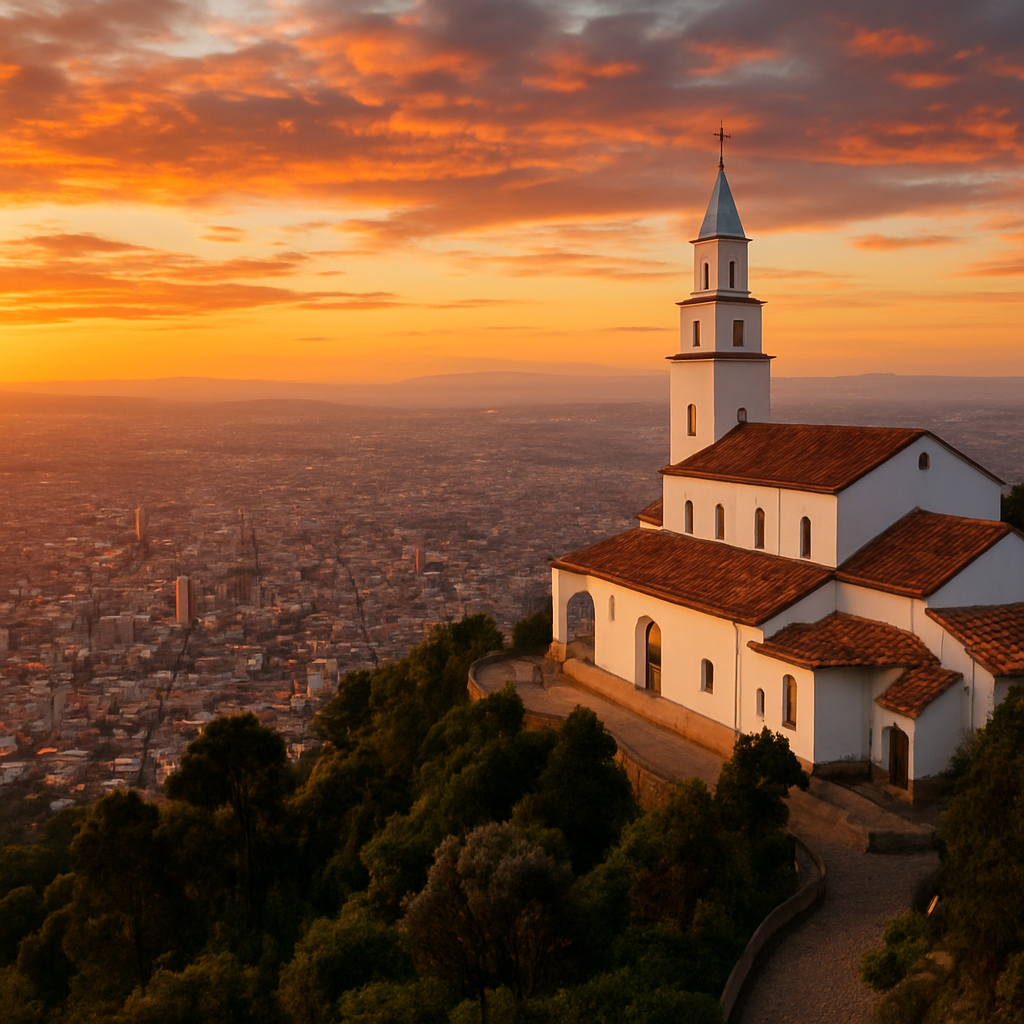
Monserrate at Golden Hour
Monserrate rises 3,150 meters above sea level on the eastern ridge of the city, and the view from the top at sunset is one of those moments where Bogotá's scale actually registers — eight million people spread across a high-altitude plateau with the Andes behind you. Take the funicular or cable car up (the hike is steep and not recommended late in the day), time your arrival for an hour before sunset, and watch the city light up. There's a restaurant at the summit, but the view is the meal.
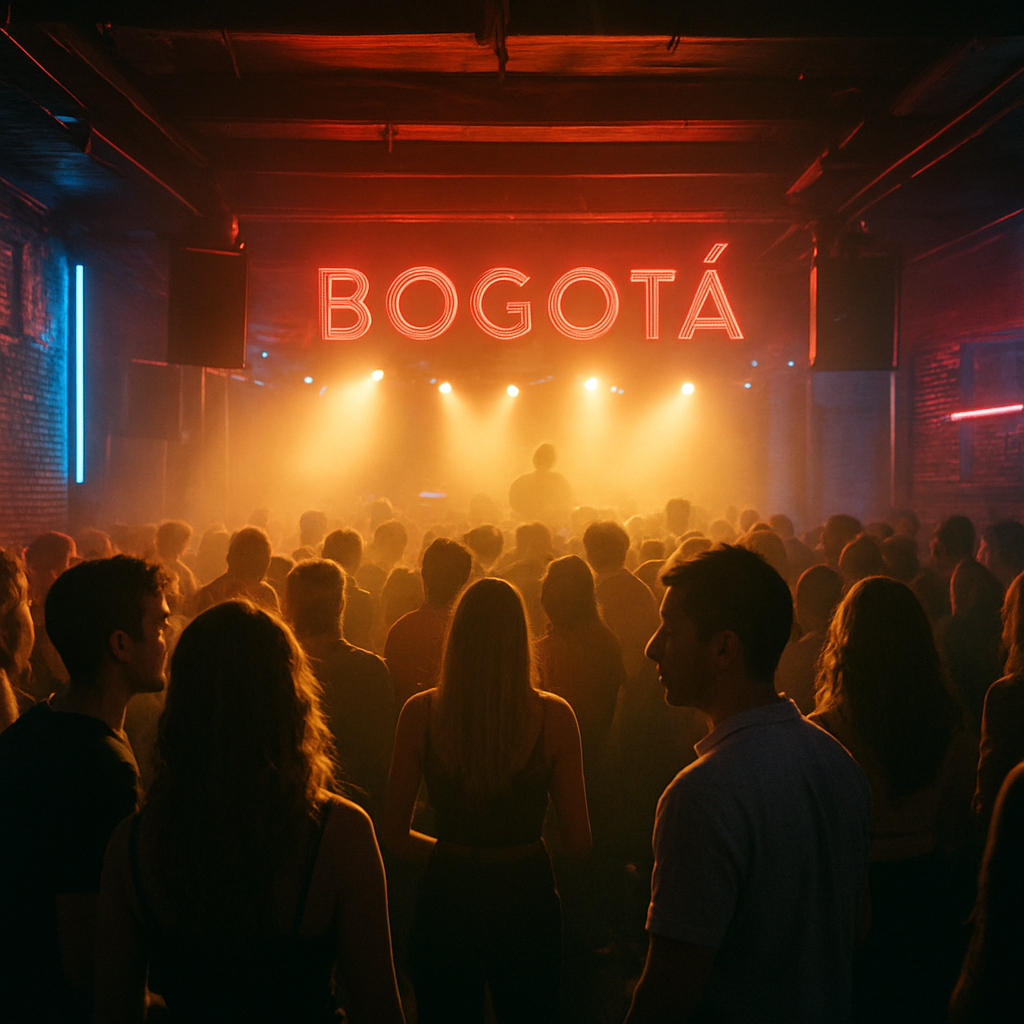
Baum on a Weekend Night
Baum is Bogotá's best electronic music venue and it skews heavily queer on weekends — the production values are exceptional, the crowd is mixed and gorgeous, and it's the kind of room where you lose four hours to a DJ set and feel genuinely grateful about it. International bookings rotate alongside Colombian DJs who know the room. It's not a gay club by label, but the energy is unmistakable.
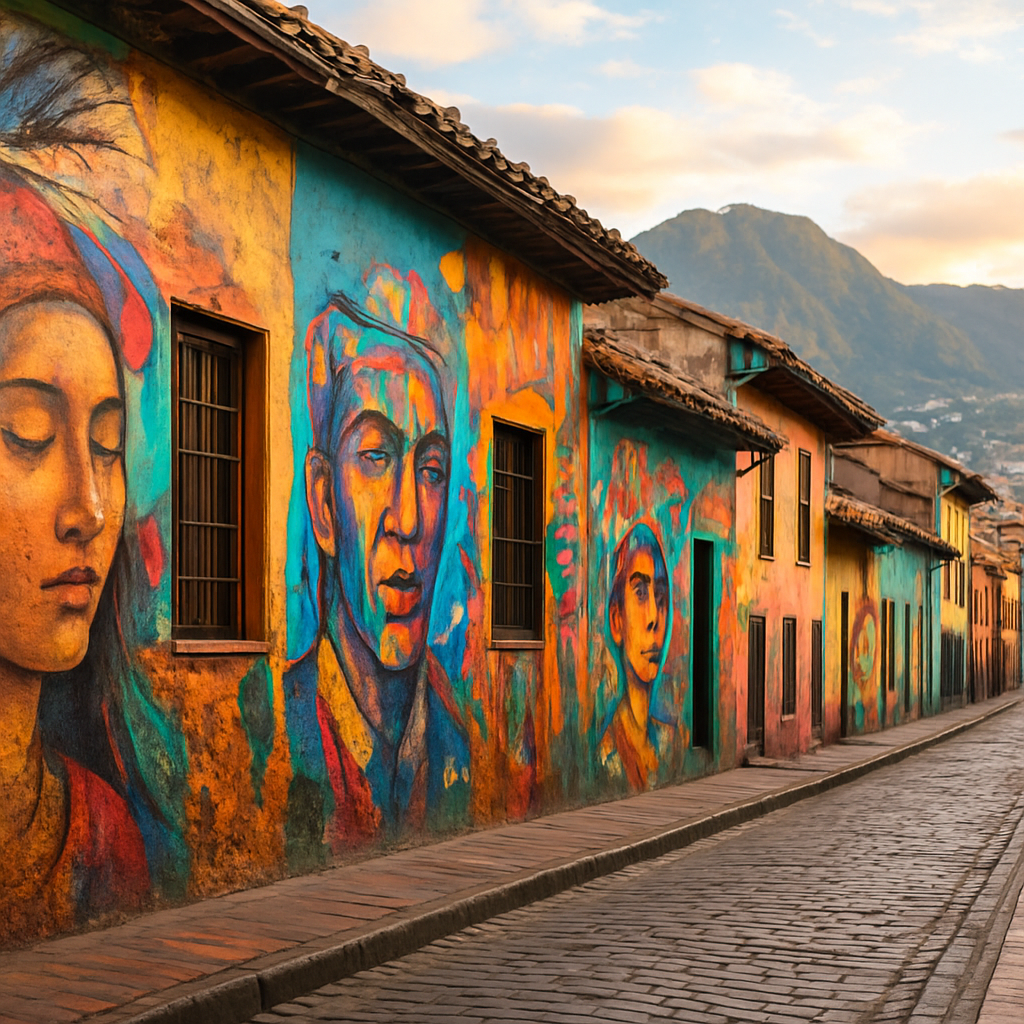
La Candelaria Street Art Walk
Bogotá's historic center is covered in some of the most technically accomplished street art in South America — massive murals spanning entire building facades along Calles 12 and 13 that address politics, identity, and Colombian history with real ambition. A self-guided walk from Plaza de Bolívar south through the university district takes about two hours and costs nothing. Go in daylight, keep your phone reasonably discreet, and stay on populated streets. The gold museum (Museo del Oro) is right there if you want to pair it with an indoor stop.
The places I actually send people to
Advice that fits how you travel
Bogotá is one of the better solo-travel cities in Latin America for queer travelers, and the reason is simple: Chapinero is a neighborhood where it's genuinely easy to meet people without engineering it. App culture is active — Grindr and Scruff both have dense user bases here — but the bars and cafés along Carrera 13 do the work just as well. Parque de los Hippies during the day, Cine Tonalá for an afternoon screening, Video Bar Strawberry Fields at night — each of these spaces is designed for hanging out, not just passing through, and solo visitors get absorbed into groups (parches) faster than you'd expect. The local concept of parchar — hanging out with no particular agenda — is a genuine social mode here, and it works in your favor.
Budget-wise, solo Bogotá is remarkably affordable. A hostel dorm or budget guesthouse in Chapinero runs COP 60,000–100,000 per night, daily food and drink comes in at COP 35,000–65,000 if you're eating local, and TransMilenio gets you across the city for under COP 3,000 a ride. At a moderate level with a boutique hotel and app-based rides, you're looking at COP 420,000–630,000 per day — roughly $100–$150 USD. That buys a lot of city.
Safety as a solo traveler requires standard urban discipline, amplified slightly. Don't leave clubs alone at 3am — share a ride with people you've met inside or have your app car called before you walk out the door. The paseo millonario risk is real and it disproportionately affects solo targets. Keep a decoy phone with a cracked screen for the street and your real one buried when you're walking at night. None of this is Bogotá-specific paranoia — it's the same common sense you'd use in any major Latin American city — but the altitude-plus-aguardiente combination can erode your judgment faster than you think. Pace yourself. Drink water. You'll be fine.
Bogotá is genuinely one of the better cities in the Americas for a queer couple who want to feel at ease without engineering their entire itinerary around it. In Chapinero, you're not performing bravery by holding hands on the street — you're just walking around a neighborhood that has been this way for decades. Dinner at a terrace table on Zona G, a nightcap at a bar on Carrera 13, a slow Sunday morning with tinto and nowhere to be — that's a Bogotá romance, and it works.
For the date that actually lands, book a table at LEO in advance. Chef Leonor Espinosa's tasting menu — built around Colombian biodiversity and fermented ingredients sourced from Indigenous producer communities — is one of the most memorable meals you can have in South America right now. It's a splurge at COP 180,000–350,000 per person, but it's the dinner you'll still be talking about on the flight home. For something lower-key, Prudencia in La Macarena pulls off the rare trick of being a bookshop, restaurant, and genuinely romantic space simultaneously — market-driven Colombian cooking in a room full of good paperbacks, for under COP 90,000 a head.
On accommodation, Click Clack Hotel puts you one block from Chapinero's main strip with a rooftop bar and city panorama that does a lot of heavy lifting at sunset. If budget allows, Hotel Casa Medina in Chapinero Alto is a 1940s heritage mansion that's now part of Small Luxury Hotels of the World — the kind of place where breakfast in a colonial courtyard makes you feel like you've made the right life choices. PDA comfort is high throughout Chapinero and solid across Zona Rosa; just dial it back slightly in La Candelaria and the historic center, where the crowd reads more conservatively.
Colombia's legal framework is genuinely solid for LGBTQ+ families: same-sex marriage has been legal since 2016, adoption rights are recognized, and gender identity law operates on self-ID under Decree 1227 (2015). In practice, Bogotá is the most family-forward city in the country for queer families — the district government funds community infrastructure through the Secretaría Distrital de Integración Social, and the overall urban environment in tourist-adjacent neighborhoods is notably cosmopolitan. That said, same-sex family structures are not universally normalized throughout the city, and you'll notice a wider range of reactions as you move further from Chapinero and Usaquén.
On the practical side, Bogotá delivers well. The Ciclovía — 120 km of car-free streets every Sunday — is one of the genuinely great free family experiences anywhere in the world, and the routes run right through Chapinero. Kids on bikes, kids on rental scooters, kids eating street food at 9am: it works for all of it. Parque Nacional Enrique Olaya Herrera is a large, flat green space adjacent to Chapinero suitable for a half-day, and the Museo de Arte Moderno de Bogotá (MAMBO) charges under COP 15,000 entry and has enough visual scale to hold a child's attention longer than most galleries manage. Budget for family logistics at COP 900,000–1,450,000 per day at a moderate level, which gets you connected rooms, proper restaurant meals, and app-based transport rather than taxis.
A few practical notes: stroller navigation in La Candelaria is genuinely difficult given cobblestone streets and foot traffic — save the historic center walk for kids old enough to do it on foot. Kid menus exist at larger restaurants but aren't universal; pointing at a bandeja paisa or asking for rice and chicken gets you fed everywhere. The altitude at 2,600 meters is real — young children may need a day to adjust, so plan lighter activity on day one and keep everyone hydrated. Bogotá's neighborhoods best suited to families are Chapinero, Usaquén (for its Sunday artisan market), and La Macarena for its weekend brunch scene.
What Bogota actually costs
Flights, visas, and the first 30 minutes
Airport: Bogotá is served by El Dorado International Airport (BOG), one of the busiest airports in Latin America and a major hub for Avianca, LATAM, and Copa Airlines. Direct routes connect to 100+ cities across the Americas and Europe.
Major direct routes:
Miami (MIA) — 3h 45m
New York (JFK) — 5h 30m
Madrid (MAD) — 10h 30m
Lima (LIM) — 3h 30m
Panama City (PTY) — 1h 15m
Visa requirements:
🇺🇸 US — Visa-free up to 90 days
🇬🇧 UK — Visa-free up to 90 days
🇪🇺 EU — Visa-free up to 90 days (most member states)
🇨🇦 CA — Visa-free up to 90 days
🇦🇺 AU — Visa-free up to 90 days
Airport to city:
TransMilenio bus — COP 2,950 · 60–90 min · Connect at Portal El Dorado; multiple transfers required to reach Chapinero. Cheapest option but slow and involves luggage management on crowded buses.
Ride-hailing app (Uber / InDriver) — COP 25,000–40,000 · 30–45 min · Available at airport from the designated app-taxi staging area. Best value for most travelers — cheaper than licensed taxis with a trip record built in.
Authorized taxi (Taxis Libres / Radio Taxi) — COP 35,000–50,000 · 30–45 min · Use only licensed taxis booked at official airport booths — do not accept unsolicited offers in arrivals. Agree on the fare before boarding.
Executive airport bus (Ejecutivo) — COP 15,000–20,000 · 45–75 min · Scheduled service to Portal El Dorado and select city stops. Good middle ground if you're traveling light and not in a hurry.
Traven's seasonal breakdown
The questions everyone asks
Is Bogotá safe for LGBTQ+ travelers?
Do I need to speak Spanish?
How much should I budget per day?
Will the altitude affect me?
Is it safe to hold hands in Bogotá?
What's the best neighborhood to stay in?
When is Bogotá Pride?
Screenshot this before you go
So should you actually go?
Go. Bogotá is one of the most legally progressive capitals in Latin America, with a queer neighborhood that's been building community for decades — not months. The scene has genuine depth, the food will ruin you for lesser cities, and your money stretches further than almost anywhere else with this level of infrastructure. You do need to be neighborhood-aware, altitude-aware, and street-smart after dark — this is a massive, complex city with real security considerations, not a resort. But if you travel with your eyes open and your instincts on, Bogotá gives back more than it asks. I'd go back tomorrow.
Sources & Resources
Official links we reference when compiling this guide. Last verified 2026-03-06.
- Colombia Diversa – LGBTQ+ Human Rights Organization
- Fundación GAAT – Grupo de Acción y Apoyo a Personas Trans
- Caribe Afirmativo – National LGBTQ+ Rights Organization
- Profamilia – Sexual and Reproductive Health Services
- Secretaría Distrital de la Mujer de Bogotá
- Secretaría Distrital de Integración Social (LGBTI Community Centers)
- Sentiido – Colombian LGBTQ+ News and Media
- ILGA Latin America & Caribbean
- Alcaldía Mayor de Bogotá – LGBTI Affairs
- Red Comunitaria Trans Colombia