
Zagreb doesn't have a strip, a skyline, or a sales pitch. It has a Thursday night on Tkalčićeva, and that turns out to be enough.
It's a Thursday night in May on Tkalčićeva and the entire street has dissolved into one continuous outdoor room — pastel townhouses on either side, two-floor terraces stacked with pint glasses, a couple at the next table over holding hands without performing it. A few blocks south, the door at Hotpot swings open every couple of minutes and a regular yells across the bar at someone who just walked in. This is Zagreb's version of a scene: small, unbothered, and not staging anything for you. You either get it or you walk past it.
Croatia spent the last decade quietly rewriting itself on LGBTQ+ rights — life partnerships in 2014, fostering for same-sex couples in 2022, comprehensive anti-discrimination law on the books — and the capital is markedly more progressive than the rest of the country. As of 2026, marriage is still off the table and the Catholic Church still has a loud chair at the political conversation, but in central Donji grad the cultural reality is running ahead of the legislation. Locals will tell you that within ten minutes of meeting.
What you'll actually do here is the locals' Saturday trifecta — Špica at Cvjetni trg, where the city collectively turns people-watching into a civic art form, then Hotpot around eleven, then Super Super after midnight. In between, you'll eat štrukli in an alley below the cathedral, drink third-wave coffee at Cogito, climb the 1890 funicular up to Gornji grad at sunset and watch the gas lamps get lit by hand. I gave it a 7.0 on Scene because the venue count is honest — Zagreb doesn't have a gay strip and isn't pretending to. What it has is a community small enough that you'll be introduced to three people before you finish your first Karlovačko.
That's the whole pitch, and my Traven-Dex of 7.3 reflects it. This is a city for travelers who'd rather walk into a small room where everyone knows everyone than a megaclub fantasy that doesn't exist here anyway. Mid-tier Central European capital, real food scene, the first Michelin star in the country at Noel, a Pride march that fought to exist in 2002 and now draws thousands under heavy police protection every June. Skip it if you want a coastline. Come if you want a city that's quietly figuring itself out and doesn't need your approval to do it.
The stuff your travel guide buries on page 47
Croatia sits in a useful middle ground on LGBTQ+ rights — not Western Europe, not the Balkans of fifteen years ago. As of 2026, same-sex marriage isn't legal, but life partnerships have been recognized since 2014 and grant most of the rights of marriage, including inheritance, hospital visitation, and tax treatment. Same-sex couples have had the right to foster since 2022, and adoption pathways have been opened by court rulings even where legislation lags. Comprehensive anti-discrimination law covers sexual orientation and gender identity in employment, housing, education, and services.
Gender recognition exists but still requires medical and psychiatric documentation as of 2026 — there's no self-ID. Trans Aid Croatia is the primary resource for navigating that process, and they answer in English. For broader rights advocacy, Zagreb Pride and Kontra jointly run a legal team that handles incident reports from residents and visitors alike.
The cultural reality runs ahead of the legislation in central Zagreb and behind it in rural Slavonia and parts of the coast. The capital is markedly more progressive than the rest of the country — locals will tell you that within ten minutes of meeting. The Catholic Church remains a loud voice in the political conversation, and same-sex marriage was constitutionally restricted by referendum in 2013, which still shapes the legal landscape. Pro tip: cash still rules at smaller bars and at Dolac market — the card machine at half the konobas in Donji grad is permanently "broken." Hit a Zaba or PBZ ATM before a night out.
Zagreb Pride happens the first Saturday of June and assembles around Hrvatska bratska zajednica before marching through the center. Police presence is heavy and protective — that's the norm here, not a red flag. Croatian small talk runs colder than Italian and warmer than Austrian, somewhere on the scale of polite skeptic. Don't read a flat barista face as homophobia; it's just Tuesday.
PDA-wise: hand-holding around Cvjetni trg, Bogovićeva, and Tkalčićeva is genuinely fine and increasingly common. Around the cathedral and Dolac in the early morning, the crowd skews older and more traditional — not hostile, just keep it relaxed. In outer neighborhoods like Dubrava and Sesvete, discretion is the smarter call.
What it actually feels like on the ground
Holding hands and PDA: Comfortable in the Lower Town pedestrian zones — Cvjetni trg, Bogovićeva, Britanski trg, and the Tkalčićeva bar strip. You'll see other same-sex couples doing the same. Around Ban Jelačić Square and Dolac in the early-morning market hours, the crowd skews older and more traditional — not unsafe, just less common. In residential outer neighborhoods, keep it minimal.
Hotel check-in: The international five-stars (Esplanade, Sheraton, Canopy, Capital) and the design hostels are unbothered by same-sex couples sharing a king bed. The smaller family-run properties in the Upper Town don't make a thing of it either, but expect the conversation to be transactional rather than warm — that's Croatian service, not anti-gay.
Taxis and rideshare: Bolt and Uber are the safer, cheaper bet over street taxis, particularly late at night. Drivers are professional, GPS-tracked, and the apps log everything. I've never had a flagged taxi try anything, but the metered rates from the airport can creep up if you don't pay attention.
Beaches and public spaces: Jarun lake on the southwest edge has an unofficial queer-friendly stretch in summer, and Maksimir park has been a gentle daytime gay-friendly green space for decades. Daytime in either is fine. After dark, both get sparse — apply standard urban-park caution.
Late night: The walk between Hotpot, Super Super, and Tkalčićeva is well-lit, well-trafficked, and one of the safest after-hours circuits in Central Europe. Watch out for: football match days, especially Dinamo home games at Maksimir — that's the one time I'd quietly tone down PDA on the trams heading east. It's not a Pride-week situation; it's a stadium-crowd situation. Late-night tram rides out to Dubrava or Trešnjevka after 1 a.m. — read the car first, like you would anywhere.
Trans travelers: Central Zagreb is relatively safe in practice, and anti-discrimination protections include gender identity. Public visibility is limited and trans-specific community space is thin. Trans Aid Croatia is the go-to resource for healthcare navigation, ID-related questions, and incident support — they answer in English. For sexual health and PrEP continuation, HUHIV runs the affiliated clinics; bring documentation if you're continuing a prescription.
Verbal harassment: Rare in central tourist zones. If something happens, Zagreb Pride's hotline and Kontra both take incident reports and will route you to legal help in English. The Ombudsperson for Gender Equality also accepts discrimination complaints directly from non-citizens.
The queer geography
Donji Grad (Lower Town)
The Lower Town is Zagreb's grand 19th-century grid — Habsburg-era apartment blocks, leafy squares strung along the so-called Green Horseshoe, and an unbroken loop of museums from the Mimara to the Archaeological. Cvjetni trg (Flower Square) and Bogovićeva are where the city's Špica ritual happens — the Saturday late-morning coffee-and-people-watching exercise that doubles as essential social theater. Most of the LGBTQ+-anchored venues sit inside this grid: Hotpot on Petrinjska is the dependable weeknight queer anchor, small and chatty, with drag nights that actually start on time, and Super Super picks up the late-night dance hours most weekends. Zagreb Pride stages the annual march from Hrvatska bratska zajednica avenue through this district every June.
Gornji Grad (Upper Town)
The medieval core climbs the hill above the Lower Town in a tangle of cobbled lanes, gas lamps that are still lit by hand at dusk, and walled gardens that smell like linden in spring. St. Mark's Square is the postcard — that tiled coat-of-arms roof on St. Mark's Church genuinely stops you in the street — and the Lotrščak Tower fires its noon cannon every day, a habit going back to the 19th century. The funicular has been running since 1890 and remains the laziest, most charming way up. The Museum of Broken Relationships is here, and it's worth your time — the collection includes LGBTQ+ stories alongside everything else, told without fuss. Pride marches traditionally end at the lookout over the Lower Town.
Tkalčićeva and Kaptol
Once a stream that powered the city's mills, Tkalčićeva is now a pedestrian café-and-bar canyon running between the Upper Town and Dolac market. The buildings are pastel townhouses with two-floor terraces; on a warm Thursday night the whole street is one continuous outdoor room. It's not a gay strip — Zagreb doesn't really have one — but it's the closest the city has to a casually inclusive nightlife corridor, and same-sex couples drink here without anyone clocking it. Across the bridge, Kaptol holds the cathedral and the older, quieter restaurants. Eat štrukli at La Štruk in the alley below the cathedral — twelve seats, baked cheese dumplings that ruin you for other carbs.
Martićeva and Britanac
East of the center, Martićeva is where the creative class actually lives — bookstores, independent cafés, and Booksa, the literary café that isn't a queer venue per se but is where the lesbian, trans, and feminist book-club crowd quietly overlaps with the cool Zagreb intellectuals. Come for a reading, stay for the eavesdropping. Britanski trg ("Britanac") hosts a Sunday antiques market and pulls a relaxed, artsy weekend crowd. Queer Zagreb, run by the Domino organization, programs film screenings, performances, and talks at venues across this part of the city year-round — check their calendar before you check the bars. Kontra and Iskorak both operate from the wider central area and are the community's institutional memory.
The experiences worth rearranging your itinerary for
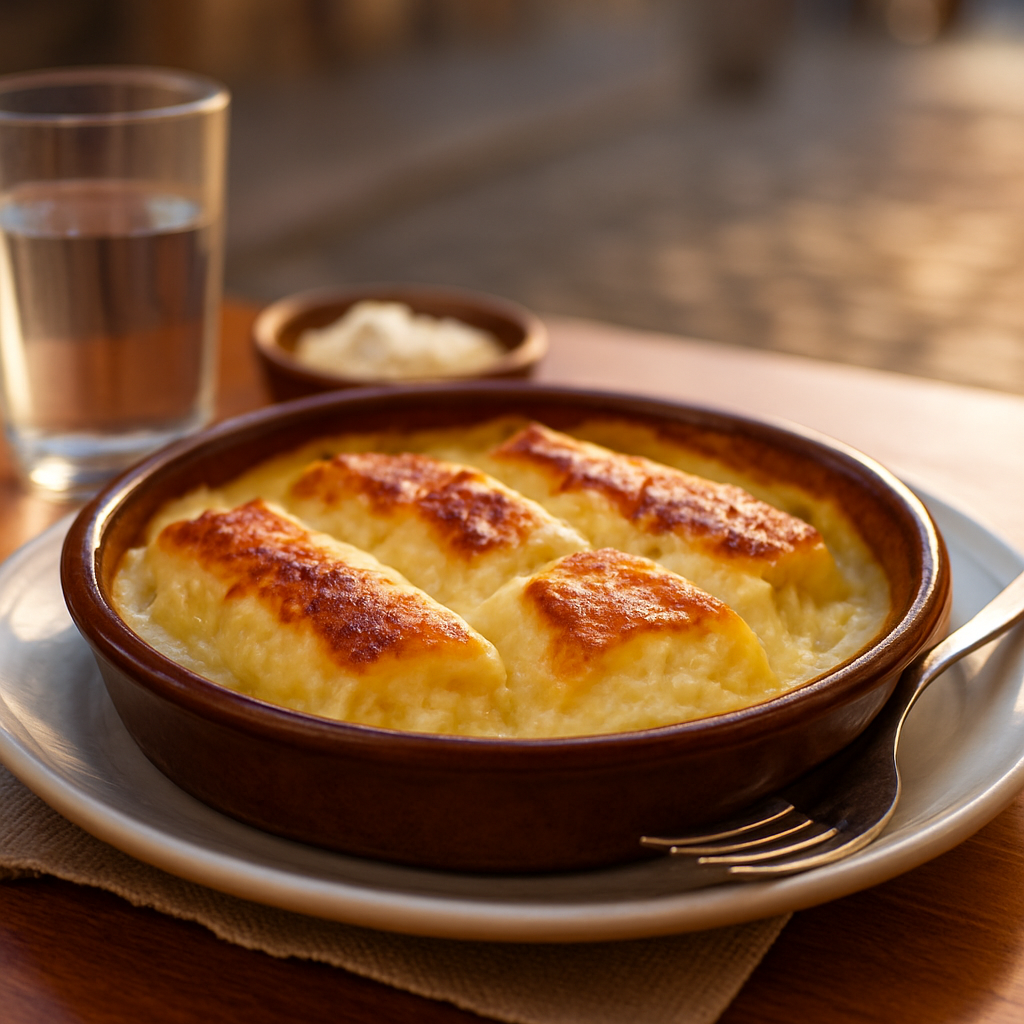
Štrukli at La Štruk
Twelve seats in an alley below the cathedral, baked cheese dumplings that ruin you for other carbs, and a staff that has clocked every regular in Zagreb by now. Štrukli is a Zagorje specialty — paper-thin dough, fresh cheese, baked until the top blisters. Order both the savory and the sweet, share with whoever you came with, accept that you will be back tomorrow. It's the most Zagreb meal you can eat in twenty minutes.
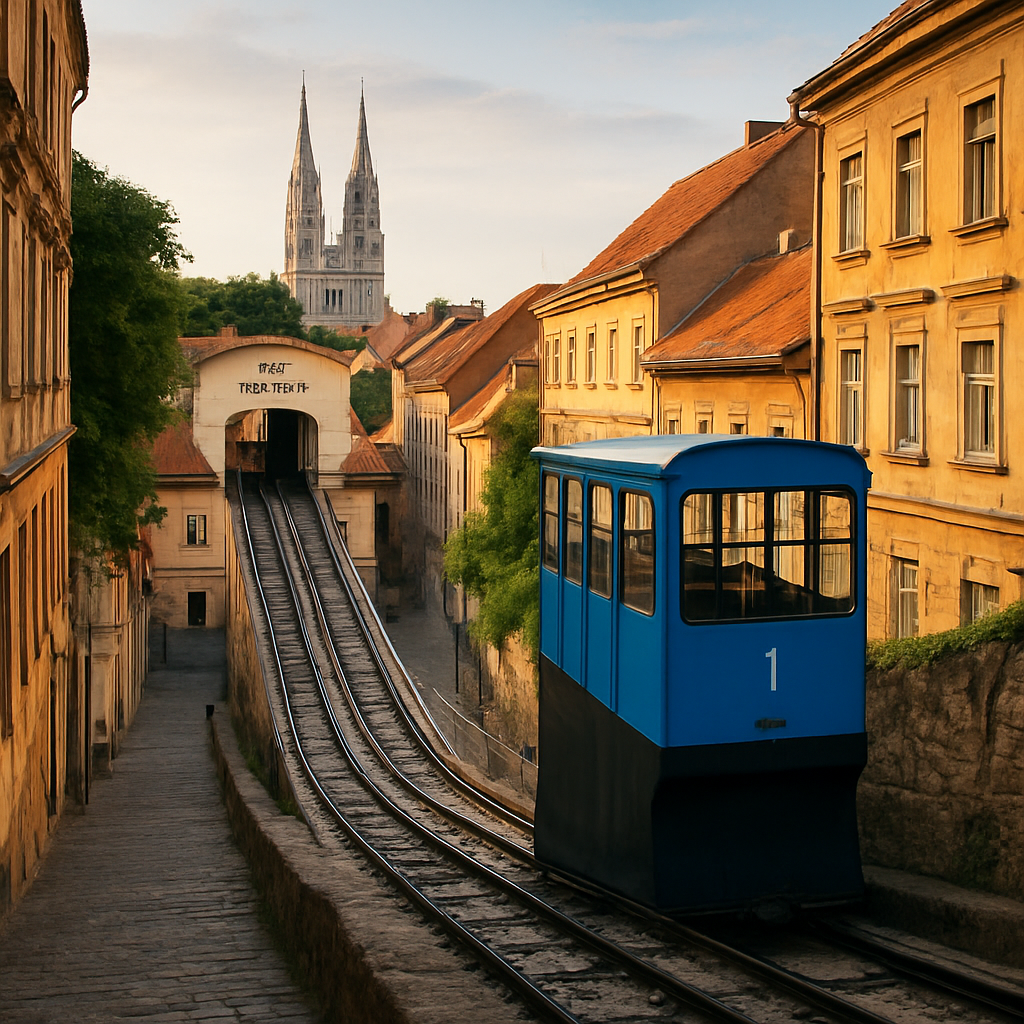
The Funicular at Sunset
Take the 1890 funicular up to Gornji Grad right before golden hour — sixty-six meters of track, the shortest funicular in the world still in service. Walk past St. Mark's Church with its insane tiled coat-of-arms roof, hear the Lotrščak Tower cannon if you've timed the noon run, and end at the Strossmayer promenade as the city lights start to take. It's the most romantic thirty minutes Zagreb offers and it costs about a euro.
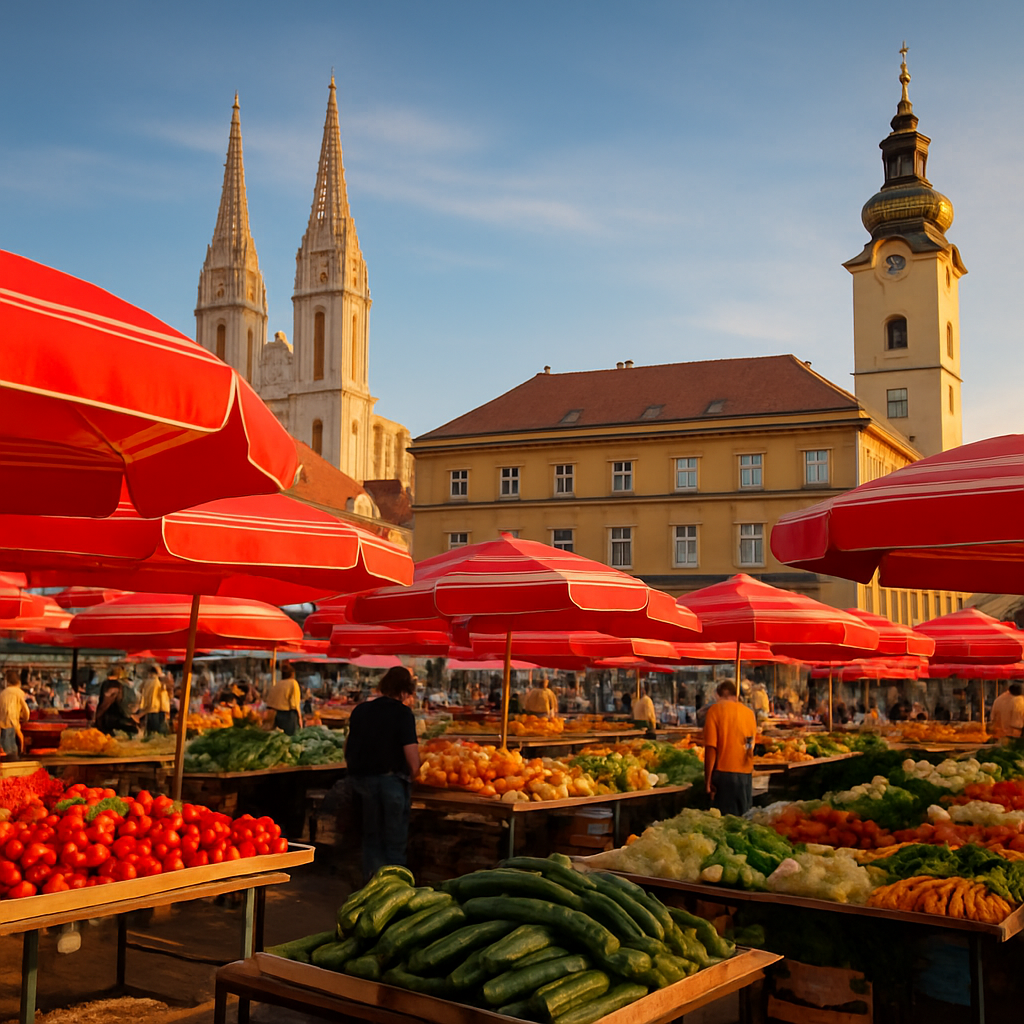
Dolac Market and Saturday Špica
Hit Dolac early — red parasols above, dairy and fish stalls below, vendors who have been working the same plot for decades. Then drift down to Cvjetni trg and Bogovićeva for Špica, the Saturday late-morning ritual where the entire city sits at café tables and people-watches at each other for hours. It's not a tourist activity — it's the social fabric. Sit, order a coffee, do not rush.
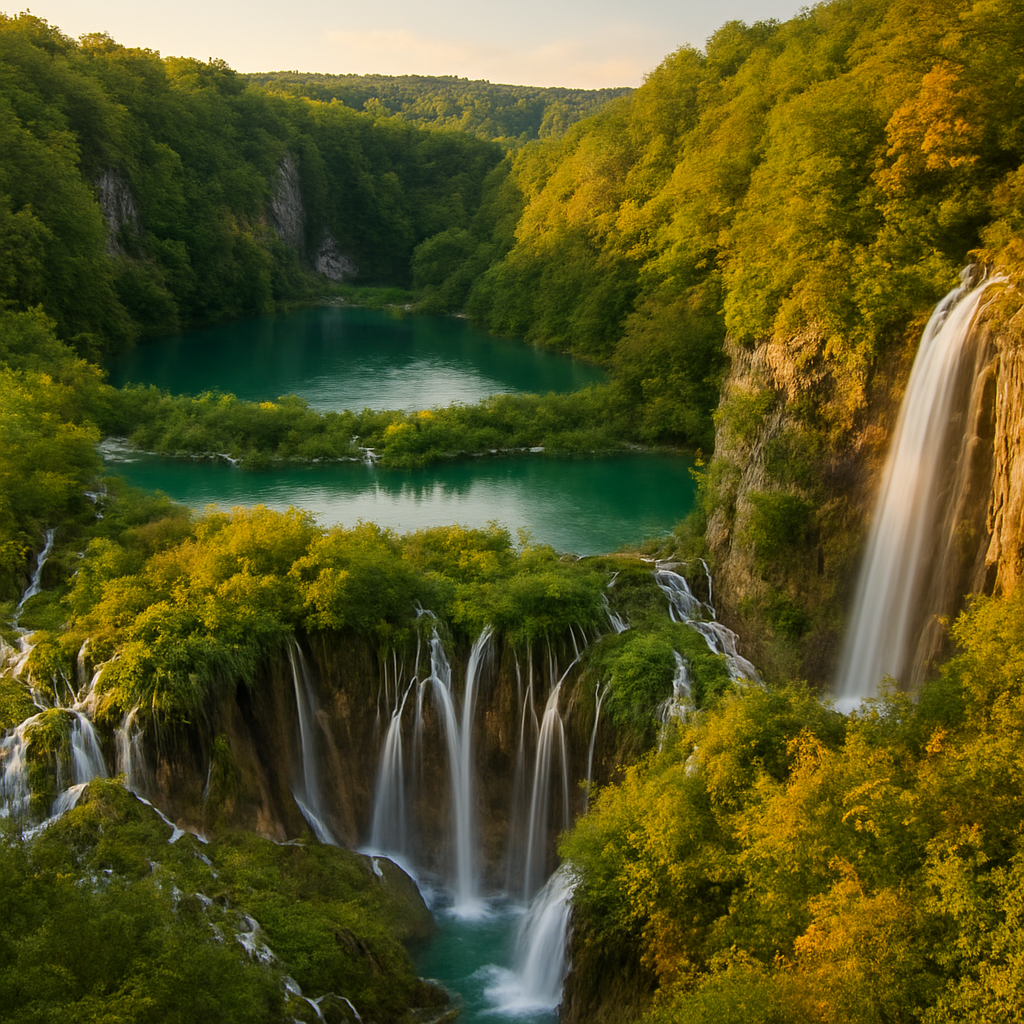
Plitvice Lakes
Two hours south of Zagreb, sixteen terraced lakes spill into each other across waterfalls so persistently photogenic they almost feel staged. UNESCO-listed since 1979 — Croatia's oldest national park, and on a clear May morning the water reads turquoise in a way that doesn't translate to any photo you'll take. Wooden boardwalks thread the lower lakes, the upper section is the longer, quieter walk. Go early, wear real shoes, stay until the afternoon light hits.
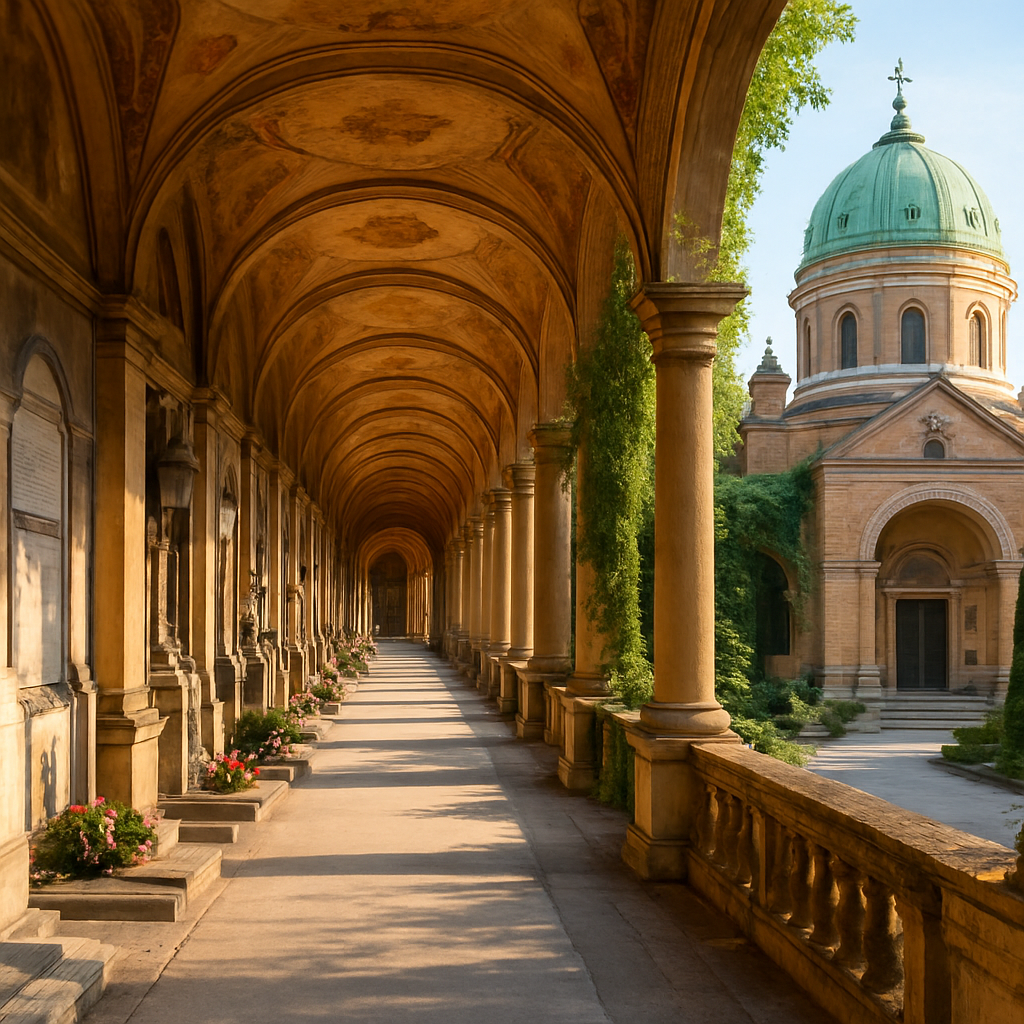
Mirogoj's Arcades
Hermann Bollé's 1876 cemetery is one of the most beautiful pieces of architecture in Croatia, and almost no first-time visitor knows to go. Neo-Renaissance arcades stretch hundreds of meters, ivy swallowing the brick, cupolas at the corners, Catholic and Orthodox and Jewish and Muslim sections sitting side by side without comment. Take the 106 bus from the cathedral, walk slowly, give it an hour. It's the quietest beautiful place in the city.
The places I actually send people to
Advice that fits how you travel
Zagreb is one of the easier solo trips in Central Europe — small enough to walk end-to-end, safe enough to stay out late, cheap enough that a budget traveler eats well without thinking about it. The Lower Town grid is your home base, and within a week you'll know the same baristas at Cogito, the same regulars at Hotpot, and roughly half the staff at Swanky Mint. The city rewards repetition — go to the same café three mornings running and someone will eventually start a conversation.
Meeting people is a slow build, not a swipe-storm. Grindr works in the center but the population is small, and the apps skew toward locals looking for locals. The better move is showing up at Hotpot on a weeknight — it's small, chatty, and drag nights actually start on time. Pro tip: follow Queer Zagreb and Domino on Instagram before you fly in. That's how the community actually finds out what's happening, and a film screening at MSU or a party at Super Super will introduce you to more people than three nights of swiping.
Budget-wise, solo travelers do well here. €70–95 a day covers a hostel bed, real meals, and tram tickets across Donji grad. The 30-minute ZET ticket from a kiosk is cheaper than from the driver, and the app finally works. Stay central — anywhere in Donji grad means you walk home from every venue I've named in eight to fifteen minutes, which matters more than any single hotel feature when you're traveling alone.
Zagreb is a quietly excellent couples city, and same-sex couples can hold hands across most of the central pedestrian zones — Cvjetni trg, Bogovićeva, Tkalčićeva, and the Britanski trg area — without anyone clocking it. The romantic move is the funicular at sunset: take the 1890 cabin up to Gornji grad, walk past St. Mark's Church with its tiled coat-of-arms roof, and end at the Strossmayer promenade as the city lights come on. Thirty minutes, about a euro, the most quietly romantic stretch the city offers.
For the splurge dinner, book Noel three weeks out — Croatia's first Michelin-starred restaurant, precise without being precious, with a dining room small enough that you remember the table next to you by name. Bistro Apetit in the Upper Town is the warmer-weather alternative, with a garden terrace that earns the climb. For accommodation, the Esplanade is the one-night splurge — a 1925 Orient Express grande dame where the staff move at the calm, century-trained pace you only get at a real heritage hotel. Hotel Capital's rooftop bar has the cathedral view every other hotel in town has been chasing.
The unforced romance happens during Špica — the Saturday late-morning ritual where the entire city sits at café tables on Cvjetni trg for hours. Order coffee, do not rush, and watch a city that has decided people-watching is a civic art form. Then drift to Pod Zidom for a long lunch sourced from Dolac market twenty steps away. The international five-stars (Esplanade, Sheraton, Canopy, Capital) and the design hostels are unbothered by same-sex couples sharing a king bed; the smaller family-run properties don't make a thing of it either.
LGBTQ+ families are in workable but uneven legal territory in Croatia as of 2026. Same-sex life partnerships have been recognized since 2014 with most marriage rights, fostering rights were granted to same-sex couples in 2022, and adoption pathways have been opened by court rulings even where legislation lags. Comprehensive anti-discrimination law covers sexual orientation and gender identity in education and services. Central Zagreb runs noticeably more progressive than the rest of the country, and schools, museums, and family venues in Donji grad generally treat two-mom and two-dad families without comment.
For kid logistics, the city is genuinely walkable, the trams are stroller-friendly with low floors on most modern cars, and restaurants are relaxed about children — kids' menus exist at most mid-range spots, and high chairs are standard. Family-anchored experiences worth the trip: the funicular up to Gornji grad (the world's shortest still in service, kids love it), the noon cannon at the Lotrščak Tower, the red parasols and produce theater at Dolac market, and Bundek lake park in Novi Zagreb on a Sunday. Maksimir park has a zoo, playgrounds, and enough shaded paths to absorb a hot afternoon.
For day trips with kids, Plitvice Lakes is the obvious move — UNESCO-listed, two hours south, and the wooden boardwalks make it surprisingly manageable for school-age kids in real shoes. Samobor is the easier half-day, 25 km west, with castle ruins to climb and the kremšnita custard pastry that locals make the trip for. Pro tip: book a family apartment in Donji grad over a single hotel room — €90–120 a night gets you a kitchen, a washer, and the kind of square footage that makes a week with kids actually pleasant.
What Zagreb actually costs
Flights, visas, and the first 30 minutes
Zagreb's Franjo Tuđman Airport (ZAG) sits about 17 km southeast of the city center and handles roughly 40 direct routes — mostly European hubs (Frankfurt, Munich, Vienna, Zurich, Paris, London, Amsterdam) plus seasonal links to Istanbul and a handful of regional Balkan cities. From North America you're typically connecting through one of those hubs; there are no direct US or Canadian flights as of 2026.
Visas: Croatia joined Schengen in 2023, so as of 2026, US, UK, Canadian, and Australian passport holders are generally visa-free for stays up to 90 days within any 180-day window. ETIAS authorization is required from 2026 for visa-exempt non-EU travelers — it's a quick online application, valid three years, and you should typically apply at least a few days before flying. EU citizens enter freely under freedom of movement.
Airport to city: The Croatia Airlines Bus runs every 30 minutes to the main bus station for €8 (about 30 minutes). Cheapest option is public bus 290 to Kvaternik Square — €2, around 45 minutes, fine in daylight with a small bag. Bolt and Uber are the smart pick for €15–25 and 20–30 minutes, generally cheaper and more transparent than street taxis (€25–35 metered). Pre-booked private transfers run €40–60. Pro tip: skip the rideshare surge by walking two minutes from the terminal exit before you open the app — Bolt prices typically drop noticeably outside the immediate pickup zone.
Traven's seasonal breakdown
The questions everyone asks
Is Zagreb safe for same-sex couples to hold hands?
Can same-sex couples get married in Croatia?
Do I need to speak Croatian to get around?
How much should I budget per day?
Is PrEP available if I need to refill while in Zagreb?
When is Zagreb Pride and is it safe to attend?
Do I need cash or are cards accepted everywhere?
Screenshot this before you go
So should you actually go?
Go, but go for the right reasons. Zagreb isn't a circuit-party destination and never will be — what it is is a walkable, affordable, quietly progressive Central European capital with one of the better food scenes in the region, a small but real community that will absorb you fast if you show up at Hotpot on a Tuesday, and enough day-trip range (Plitvice, Rovinj, Samobor) to anchor a longer trip. As of 2026, life partnerships are recognized, anti-discrimination law has teeth, and the central pedestrian zones are comfortable for same-sex couples in practice. Pair it with three days on the Istrian coast and you've built one of the smarter weeks in Europe. LGBTQ+ travelers who want a city that doesn't perform for them — and rewards the ones who pay attention — will find Zagreb genuinely worth the flight.
Sources & Resources
Official links we reference when compiling this guide. Last verified 2026-05-04.