Copenhagen didn't invent queer acceptance — it just got there thirty years before everyone else and then moved on to perfecting the cocktails.
Studiestræde on a Tuesday night in February: the windows at Centralhjørnet are fogged over, someone inside is buying rounds, and the bar — open since 1917 — radiates the kind of warmth that has nothing to do with the radiator. This is where I understood Copenhagen. Not during Pride, not in the long summer light, but on a dark winter evening when the city's queer life wasn't performing for anyone. It was just there, the way a heartbeat is just there. The candles were lit, the Tuborg was cold, and nobody in that room was thinking about whether it was okay to be themselves. That question was settled here before most of us were born.
Denmark passed the world's first same-sex partnership law in 1989. That's not trivia — it's the foundation of a city where queerness isn't a scene you visit, it's a baseline assumption the culture runs on. There's a reason my Traven-Dex score sits at 9.1 for this city, and most of it comes down to something you can't quantify: the complete absence of friction. You hold your partner's hand on Strøget and nobody's being brave. You kiss at Islands Brygge Havnebad and nobody's making a statement. It's just boring, normal life — and that boring normalcy is the most radical thing a city can offer you.
But don't mistake relaxed for flat. The queer geography here has real texture. Studiestræde in Indre By gives you the classic crawl — Cozy Bar, Centralhjørnet, Masken Bar & Cafe, all within stumbling distance. Cross into Vesterbro and the energy shifts: Kødbyen, the old Meatpacking District, runs late with queer-adjacent club nights in repurposed industrial spaces. Then there's Nørrebro — a completely different animal, where the queer scene is less neon and more folkekøkken, more collective kitchen, more politics in the conversation. A reader wrote in to tell me that if your whole trip is one street in Indre By, you're getting a tourist version of something much richer. They're right.
And then there's the wild card nobody tells you about: Café Intime in Frederiksberg, a piano bar open since 1917 where a mixed queer crowd sings along to Danish folk songs by midnight and nobody's performing for an Instagram audience. Take the bus out there. It's worth it. This city rewards you for going deeper, for staying later, for understanding that hygge — that untranslatable Danish coziness — isn't a marketing concept. It's the organizing principle of some of the best queer spaces in Europe.
The stuff your travel guide buries on page 47
Legal framework: Denmark offers full legal equality for LGBTQ+ people, and I gave it a perfect 10.0 on Legal because there's genuinely nothing missing. Same-sex marriage has been legal since 2012 — the first ceremonies were held at Copenhagen Cathedral, which tells you something about the cultural temperature. Same-sex adoption is fully legal. Comprehensive anti-discrimination protections cover employment, housing, and services. Denmark introduced legal gender self-identification in 2014, one of the world's first countries to do so, and gender-affirming healthcare is available through the public system (though wait times can be long). There is zero criminalization of any kind. The Danish Institute for Human Rights monitors and reports on these protections actively.
Cultural reality: Here's what the laws actually mean on the ground: Denmark doesn't just tolerate you — it considers itself a pioneer, and the cultural ownership of that history is real. Danes know about registreret partnerskab — the 1989 registered partnership law that made Denmark the first country in the world to legally recognize same-sex unions — and they bring it up with genuine pride. You're not walking into a country where acceptance is the result of a recent political fight. It's baked into the national identity. The LGBT Danmark organization operates openly with government support and serves as a community hub for both residents and visitors.
Trans travelers: Denmark's self-ID law means legal gender recognition doesn't require surgery, diagnosis, or any medical intervention — just a six-month reflection period. Trans travelers will find Copenhagen socially progressive, with inclusive facilities and strong legal protections under the Danish Equal Treatment Act. For community support, Trans-Danmark runs regular meetups and peer support groups in Copenhagen.
PDA comfort: Across the board, this city is a non-issue. In Vesterbro, Rådhuspladsen, Nyhavn, and Indre By, same-sex PDA is completely normalized and widely visible. Nørrebro and Frederiksberg are very comfortable — progressive, relaxed, zero negative attention. Even in more residential areas like Amager, you're looking at moderate-to-high comfort. At no point in central Copenhagen should you feel the need to self-edit.
Nightlife timing: Pro tip — Copenhagen nightlife runs on a strict Scandinavian delay. Never Mind Bar on Nørre Voldgade is dead at 11pm and absolutely electric at 2am. Plan accordingly: eat a late dinner, resist the urge to show up before midnight, and you'll actually experience the city's nightlife as it's meant to be experienced.
Pride: Copenhagen Pride in mid-August is not just a parade — it's a full week of harbor swims, open-air concerts, and events scattered across neighborhoods. Check their calendar before you go and book accommodation at least three months out. The city fills up and prices follow.
What it actually feels like on the ground
Holding hands / kissing in public: Kissing your partner on Strøget or holding hands through Vesterbro will earn you exactly zero stares. This is genuinely one of Europe's most relaxed cities for visible queer affection — not in a performative ally-badge way, just in a boring, normalized way. My Chill score of 9.5 reflects something you'll feel immediately: nobody cares, in the best possible sense.
Hotel check-in: No issues anywhere. Copenhagen hotels are trained in equality standards, and even the most traditional properties won't bat an eye at a same-sex couple requesting a double room. The d'Angleterre has hosted partnership ceremonies. Budget hostels like Generator are actively LGBTQ+-friendly. This is a complete non-concern.
Taxis and ride-hails: Dantaxi and Bolt are the standard options, both entirely safe and unremarkable. Danish taxi culture is professional and regulated — drivers won't comment on your relationship, and same-sex couples can be affectionate without concern. Late-night rides from Studiestræde or Kødbyen are routine.
Beaches and public spaces: The havnebade — Copenhagen's harbor baths — are genuinely queer-friendly summer spots with no dress code and a refreshingly body-positive vibe. Islands Brygge Havnebad is a favorite. Parks like Frederiksberg Have and Kongens Have are completely comfortable for same-sex couples. You'll see it happening around you.
Late night: The Studiestræde and Rådhuspladsen area is well-lit and populated until very late. Standard urban awareness around Nørreport Station on weekend nights is sensible — it's a busy transit hub where alcohol-related incidents occasionally happen, regardless of orientation — but nobody's going to tell you Copenhagen requires any particular vigilance as a queer traveler. Walk home, take a taxi, use common sense.
Trans travelers: Copenhagen is among Europe's most progressive cities for trans and nonbinary people. Legal self-ID means your documents are respected. Inclusive restroom facilities exist in many public venues. LGBT Danmark runs regular trans-specific meetups, peer support groups, and social events entirely separate from the commercial bar scene — their events calendar is worth bookmarking before you land.
Verbal harassment risk: Extremely low. Isolated incidents are possible as in any European capital, but they're rare enough to be genuinely newsworthy when they occur. No specific neighborhoods require extra caution for LGBTQ+ travelers beyond basic city-living awareness.
Sexual health: For rapid HIV testing or sexual health services in English, Stop AIDS Denmark and Sex & Samfund both have Copenhagen clinics with English-speaking staff and walk-in hours on select days — no awkward language barrier, no judgment.
The queer geography
Studiestræde & Indre By — The Original
Studiestræde is the de facto gay street of Copenhagen, and it earns its reputation without trying. Within a few hundred meters in Indre By, you've got Centralhjørnet (open since 1917, fogged windows, someone always buying rounds), Cozy Bar (your warm-up spot, low-key and welcoming), Masken Bar & Cafe (when you're ready to dance), and Never Mind Bar on Nørre Voldgade (dead before midnight, electric after — plan accordingly). Around the corner on Teglgårdsstræde, Men's Bar runs themed dress-code nights and takes them seriously — this is a proper leather and bears bar, not a costume party. Come correct or don't be surprised when you feel out of place. Jailhouse CPH does the whole prison theme — cell-booth seating, guard uniforms on bartenders — in a way that somehow lands without feeling like dinner theater. It draws an easy mixed crowd and is genuinely the right call for a first night when you're still mapping the scene. The rainbow pedestrian crossing near Rådhuspladsen marks the geographic and spiritual center of it all, and Oscar Bar & Café's terrace on City Hall Square functions as the queer outdoor living room of the city in summer.
Vesterbro — The Cool Neighbor
Once Copenhagen's red-light district, Vesterbro is now the city's stylish, queer-friendly neighborhood of choice for craft bars, brunch spots, and serious nightlife. Kødbyen — the Meatpacking District — houses some of Copenhagen's best alternative and queer-adjacent nightlife in repurposed industrial buildings, running late on weekends with a crowd that skews young and creative. Jolene Bar is the standout: eclectic DJ nights, punk-meets-disco energy, LGBTQ+-heavy and completely unpretentious. VEGA Music Venue is nearby and pulls major acts alongside queer events. This is where the scene bleeds into the broader culture in a way that feels effortless.
Nørrebro — The Political One
Nørrebro is Copenhagen's most politically progressive and culturally diverse neighborhood, and its queer scene is a completely different animal from Studiestræde. Less neon, more collective kitchen, more politics in the conversation. The grassroots energy here centers on community events, DIY bars, folkekøkken (community kitchens where cheap shared meals double as social gatherings), and collective spaces rather than commercial clubs. Blågårds Plads is the neighborhood's beating heart. If your whole Copenhagen trip stays on one street in Indre By, you're missing the richer, messier, more interesting version of this city's queer life.
Frederiksberg — The Wild Card
Technically a separate municipality entirely enclosed by Copenhagen, Frederiksberg is home to a quieter, older layer of the city's queer culture — and its crown jewel is Café Intime, a piano bar open since 1917 where a mixed queer crowd sings along to Danish folk songs by midnight. Nobody's performing for an Instagram audience. Frederiksberg Have (the gardens) are gorgeous for a daytime stroll, and the neighborhood's upscale residential feel makes it a pleasant counterpoint to the nightlife-heavy districts.
For trans and nonbinary community specifically, LGBT Danmark runs regular Copenhagen meetups, peer support groups, and social events entirely separate from the commercial bar scene — their events calendar is updated and worth bookmarking before you land.
The experiences worth rearranging your itinerary for
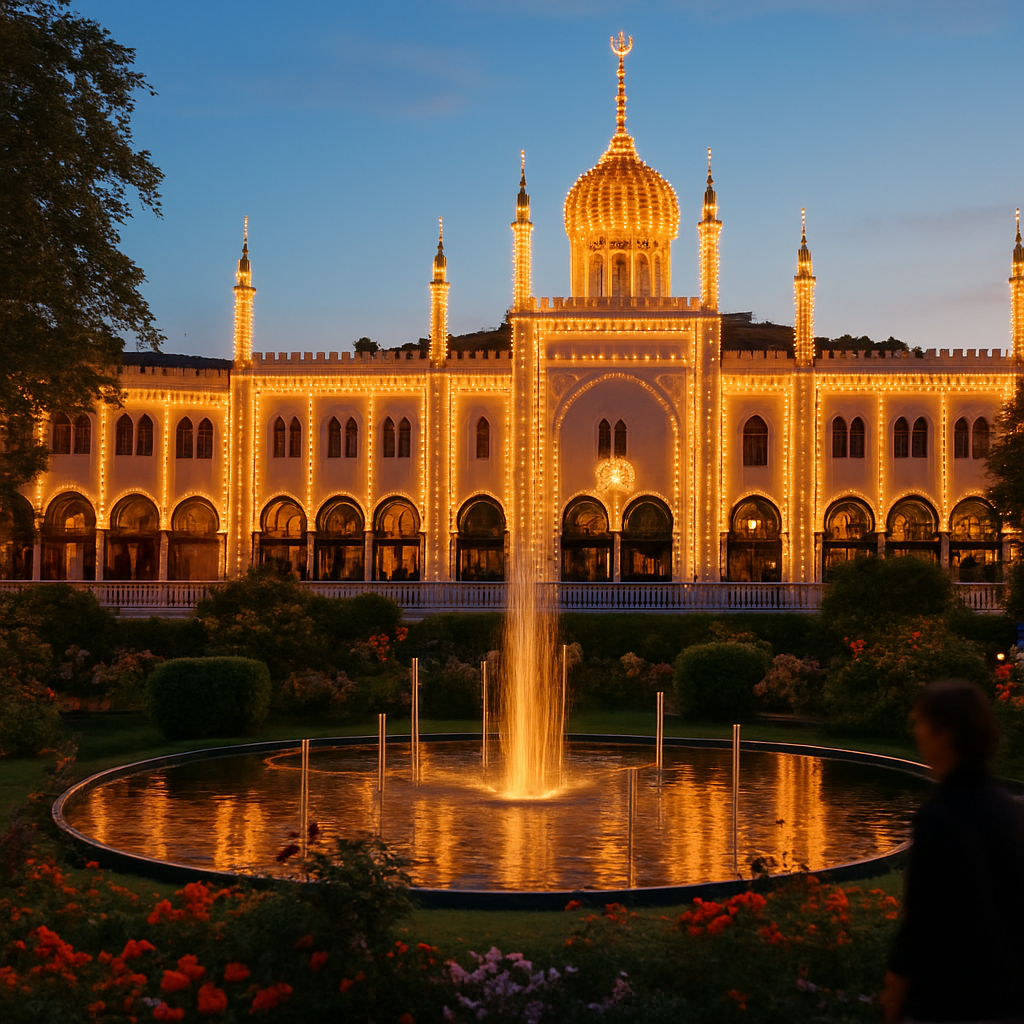
Tivoli Gardens at Dusk
Yes, it's on every list. No, that doesn't make it skippable. Tivoli opened in 1843 and somehow still works — the gardens, the rides, the restaurants, the string lights coming on as the sun drops. This isn't a theme park grind; it's a 19th-century pleasure garden sitting improbably in the middle of a modern capital. Go in the evening when the crowds thin and the atmosphere shifts from family outing to something genuinely magical. In December, the Christmas market version is its own event entirely — mulled wine, wooden stalls, the full hygge experience without irony.
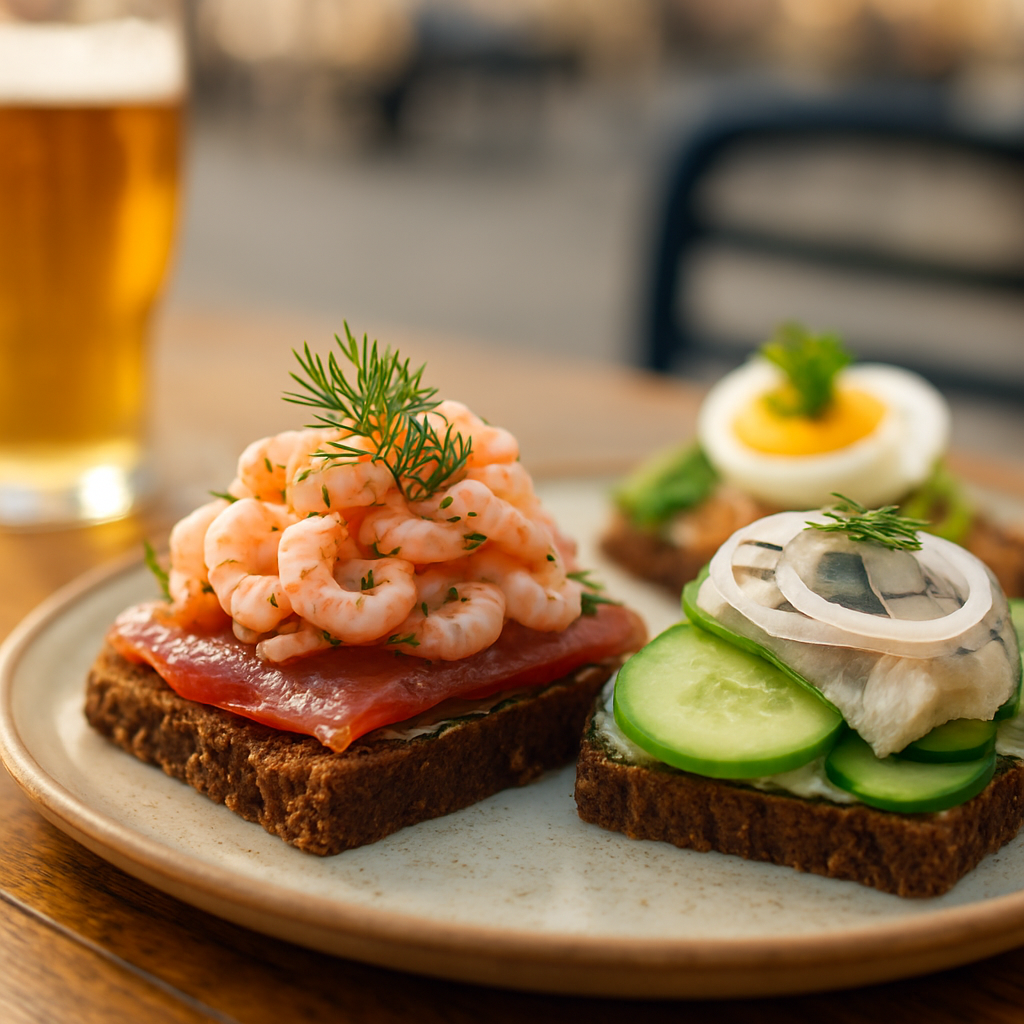
Smørrebrød at a Canal-Side Café
You're going to eat smørrebrød — open-faced Danish rye bread sandwiches — and you should lean into it completely. The best versions involve cured herring, roast pork, or shrimp piled with obscene generosity on dense rugbrød, finished with dill, pickles, and remoulade. Find a café along Nyhavn or in Vesterbro and eat outside if the weather allows. This is the lunch that sets the rhythm of a Copenhagen day: unhurried, satisfying, and paired with a cold Tuborg or an aquavit if you're feeling it. Budget DKK 100–180 per sandwich at a proper sit-down place.
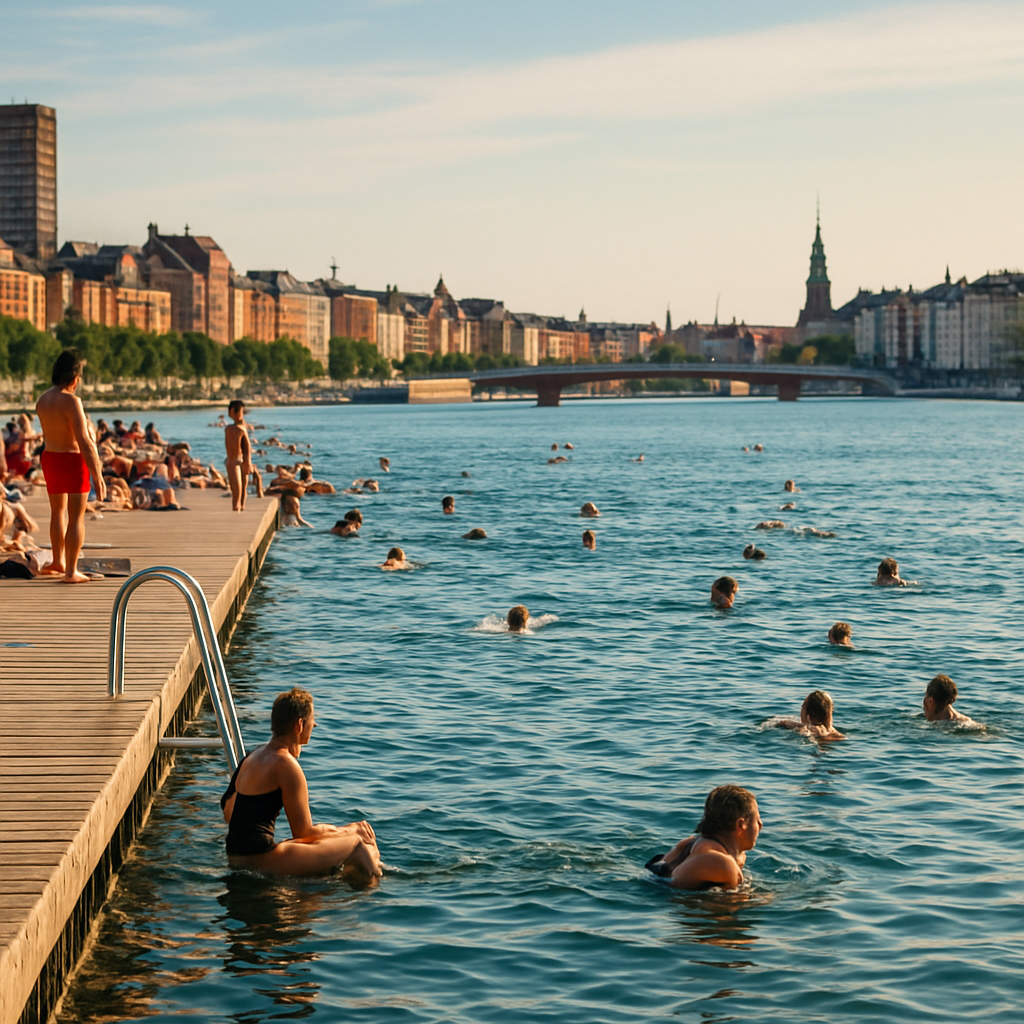
Islands Brygge Harbor Bath
Islands Brygge Havnebad is proof that Copenhagen takes its public spaces seriously. The harbor water is clean enough to swim in — and in summer, half the city does exactly that. Five pools, diving platforms, and a vibe that's body-positive and completely relaxed. Bring a towel, grab a coffee from one of the nearby kiosks, and spend an afternoon doing exactly nothing. During Pride week in August, the harbor events — kayaking, open swimming, waterfront concerts — are genuinely distinct from what any other city offers, and they're free.
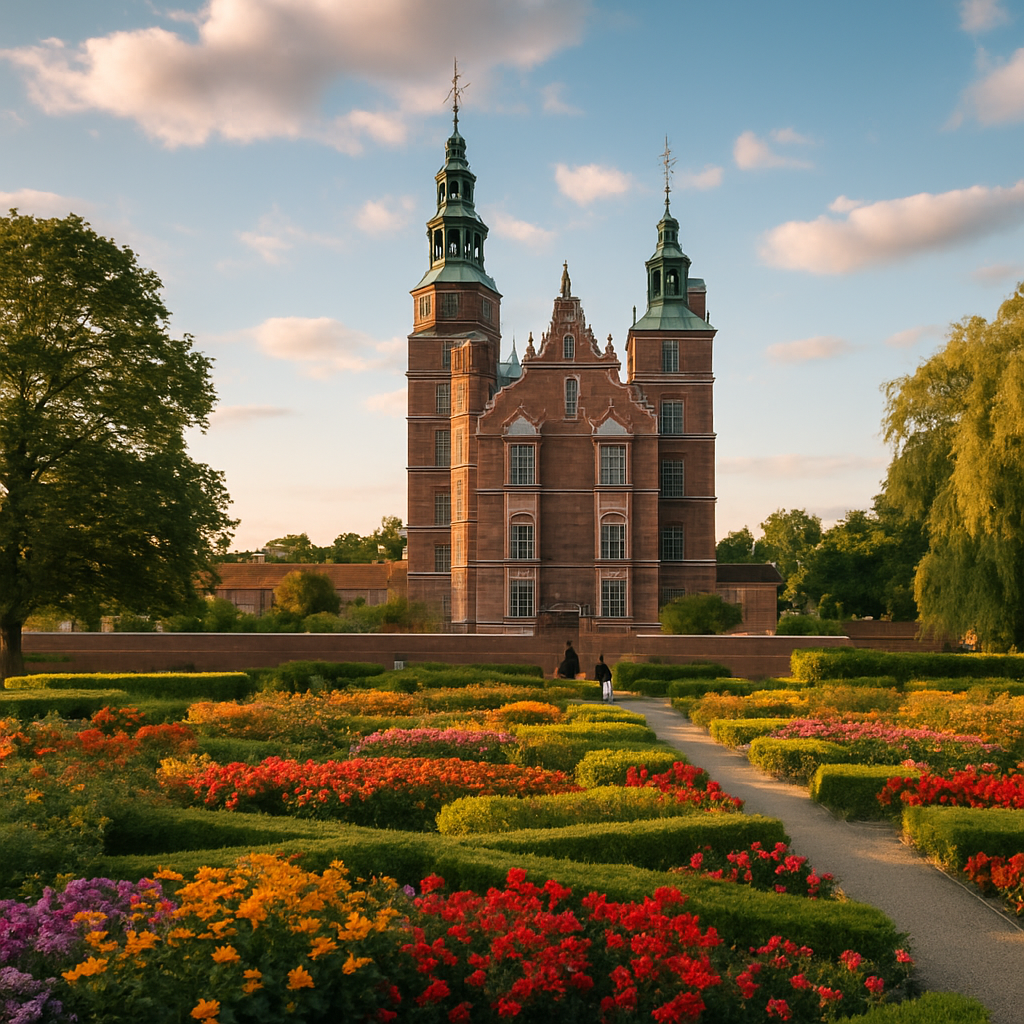
Rosenborg Castle & the Crown Jewels
Built in the early 1600s as a royal summer residence, Rosenborg sits in the middle of Kongens Have (the King's Garden) and houses the Danish Crown Jewels in its basement vault. The castle interiors are preserved down to the original tapestries and furniture — it's one of those places where the history feels physical rather than narrated. The gardens are free to enter and are a favorite spot for picnics, people-watching, and a post-museum decompression. Budget about 90 minutes for the castle and as long as you want for the gardens.
Cycling Through Nørrebro to Assistens Cemetery
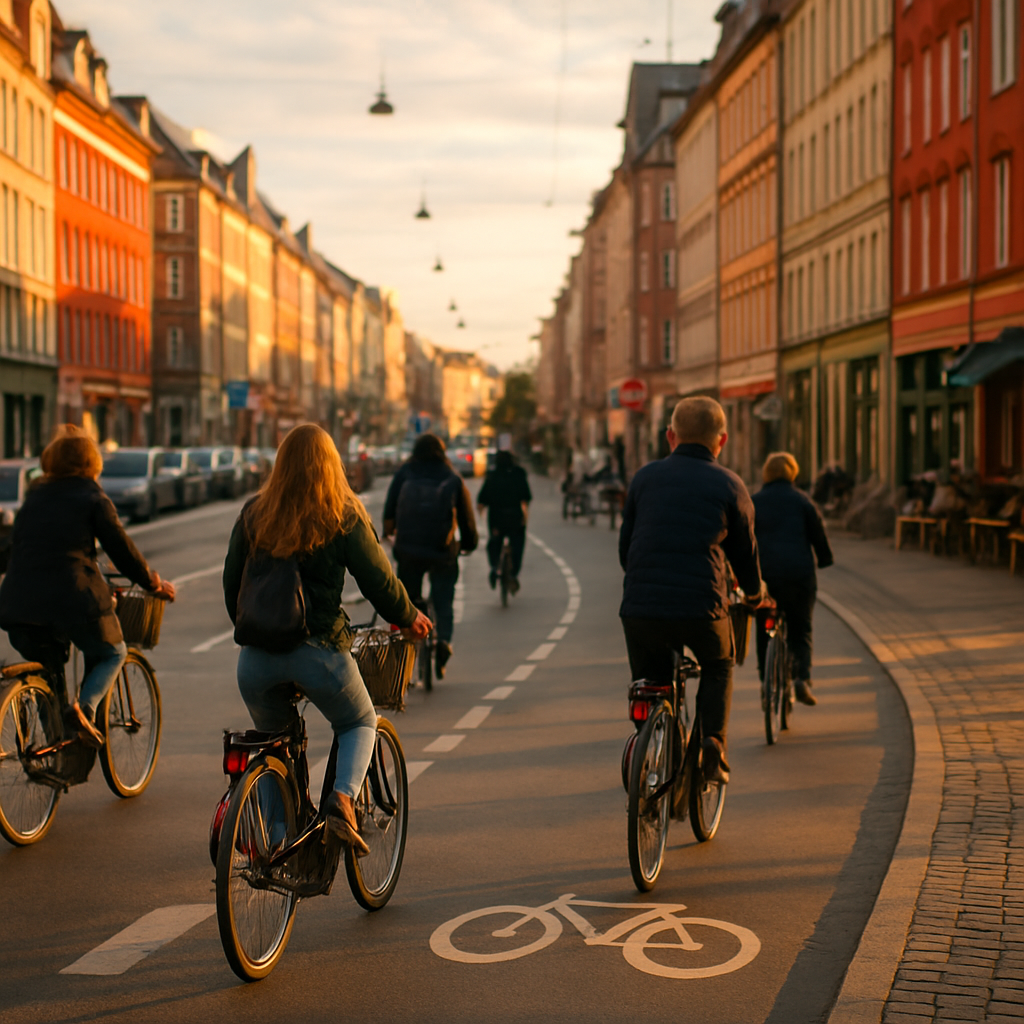
Copenhagen is a cycling city the way New York is a walking city — it's not optional, it's the mode. Rent a bike (DKK 80–150/day from multiple shops) and ride through Nørrebro to Assistens Kirkegård, the cemetery where Hans Christian Andersen and Søren Kierkegaard are buried. Locals use it as a park — picnicking, sunbathing, reading on benches between the headstones. It's not morbid; it's deeply Danish. Continue through the neighborhood and stop at Blågårds Plads for a coffee and the full Nørrebro street-life experience.
The places I actually send people to
Advice that fits how you travel
Copenhagen is one of the easiest cities in Europe to travel solo, and it actively rewards it. The scale is walkable, the public transit is 24/7, English is spoken everywhere, and the social infrastructure — from hostel bars to folkekøkken community kitchens to the bars along Studiestræde — is built for meeting people without forcing it. Generator Copenhagen in Adelgade is purpose-built for this: social events, a lively bar, and a central location near Nørreport that puts everything within reach. At DKK 250/night for a dorm bed, it's also the best antidote to Copenhagen's otherwise punishing prices.
App culture here is active but relaxed — Grindr and Scruff have healthy user bases, and the general approach is more conversational than transactional. The bar scene is genuinely welcoming to solo travelers: Centralhjørnet on Studiestræde is the kind of place where regulars will talk to you unprompted, and Jailhouse CPH's mixed crowd makes it an easy first stop. For something completely different, Café Intime out in Frederiksberg is the solo traveler's secret weapon — you'll end up singing along to Danish folk songs with strangers by midnight, and it'll be one of the best nights of your trip.
Safety solo is a non-issue. Copenhagen is consistently among Europe's lowest-crime capitals, and the queer neighborhoods are well-lit and populated late. Standard urban awareness — watch your phone on crowded trains, don't leave bags unattended — is all that's required. Budget solo travelers should know that pre-gaming at your apartment with a bottle from Netto or Irma is completely normalized; every local does it. A beer on Studiestræde runs DKK 75–95 (around $11–14), so pacing yourself financially is just common sense, not cheapness. Budget DKK 650–900/day if you're careful, DKK 1,400–2,000 if you want to eat well and not think about it.
Copenhagen earns its reputation as one of Europe's most romantic cities without leaning on cliché. Walking Nyhavn at dusk when the canal lights come on and the evening crowd settles into the outdoor tables is one of those experiences that feels curated even when it isn't — and from there you're a short stroll from dinner in the Latin Quarter or Vesterbro. The city's compact geography means a date night here almost never involves logistics stress, which is underrated as a quality in a travel destination.
PDA is effortless. You'll see same-sex couples kissing on Strøget, sharing a blanket at Islands Brygge Havnebad in summer, holding hands through Frederiksberg Have on a Sunday afternoon — and none of it warrants a second glance from anyone. The Oscar Bar & Café terrace on Rådhuspladsen is the ideal first-evening opener for couples: outdoor, warm in summer, completely unpretentious. If you want something genuinely intimate, Café Intime in Frederiksberg — piano bar, candlelit, a crowd that's been coming for forty years — is one of the most romantic spots in this city and almost no one outside Denmark knows it exists. Take the bus out there. It's worth the detour.
For accommodation, Hotel SP34's rooftop terrace is a natural pre-dinner cocktail perch, and Hotel d'Angleterre delivers proper celebration-worthy luxury if this trip marks something significant. Couples on a moderate budget can eat extraordinarily well — splurge on one dinner at a biodynamic Nørrebro restaurant and eat smørrebrød at a canal café for lunch and you'll feel like you've done it right. Budget DKK 800–1,100/day for food and drink and you won't feel deprived for a moment.
Denmark has had full marriage equality since 2012 and legal same-sex adoption since 1999, and the practical upshot for LGBTQ+ families is that your family structure is legally recognized without asterisks. Schools, museums, and public spaces are built without assumptions about who the parents are — and the general cultural attitude is so matter-of-fact about family diversity that you'll likely not notice it at all, which is exactly as it should be. No advocacy required, no explaining yourself to hotel check-in staff. You're just a family on holiday.
Practically, Copenhagen is an excellent city for families. Children under 12 ride the metro free, Nationalmuseet's permanent collection costs nothing, and Tivoli Gardens — the 1843 amusement park sitting right in the city centre — does a genuinely good job for all ages without feeling like a theme park grind. The harbor baths at Islands Brygge Havnebad are beloved by kids in summer, the city is almost entirely stroller-navigable, and the food scene runs deep on kid-friendly options alongside the adult menus. On a family budget, DKK 200–300/day for activities goes surprisingly far when so much of the good stuff is free.
The city's compact scale is a genuine family asset — the walk from Nyhavn to Rosenborg Castle to the National Museum fits into a single day without a meltdown. August brings Copenhagen Pride Uge, and the week includes family-friendly outdoor concerts, harbor swims, and waterfront events that are inclusive of all ages, not just adults in a club. If you're planning around Pride, book accommodation at least three months in advance — the city fills up and prices follow.
What Copenhagen actually costs
Flights, visas, and the first 30 minutes
Airport: Copenhagen Airport (Kastrup) — airport code CPH. One of Northern Europe's primary international hubs, with direct service from 180+ cities. The airport is well-organized, English-fluent, and genuinely easy to navigate after a long flight.
Major Routes: London Heathrow (~2h) | New York JFK (~8h 30m) | Amsterdam AMS (~1h 30m) | Dubai DXB (~6h 30m) | Toronto YYZ (~8h 45m) | Sydney SYD (~21h, 1 stop).
Visas: US, Canadian, and Australian travelers enter under Schengen rules — no visa required, standard 90-day/180-day limit applies. UK travelers: no visa required post-Brexit, up to 90 days. EU citizens: freedom of movement, no documentation beyond ID required.
Getting to the City:
- Metro (M2): ~DKK 38 | ~14 min to city centre. Runs 24/7 and stops at Kongens Nytorv — this is the move for almost everyone. Direct, cheap, no stress.
- Train (DSB): ~DKK 38 | ~15 min to Copenhagen Central Station. Frequent departures; good option if your hotel is near the station.
- Taxi / Ride-hail (Dantaxi, Bolt): DKK 250–350 | ~20–30 min. Metered fares; sensible if you're traveling with luggage or in a group.
- Airport Bus (5A): ~DKK 38 | ~35 min. The budget-conscious option; stops along the Amagerbrogade corridor for accommodation in that area.
Traven's seasonal breakdown
The questions everyone asks
Is Copenhagen safe for LGBTQ+ travelers?
Do I need to speak Danish?
How expensive is Copenhagen really?
When is Copenhagen Pride?
Is it safe to hold hands with my partner?
What's the best way to get from the airport to the city?
Can I do a day trip to Malmö from Copenhagen?
Screenshot this before you go
So should you actually go?
Go. Copenhagen earned my Traven-Dex score of 9.1 not by being loud about its queerness but by being so far past the conversation that the conversation barely registers anymore. This is a city where the world's first same-sex partnership law is old news, where holding your partner's hand is as unremarkable as ordering a coffee, and where the queer scene has had decades to develop real depth — from the candlelit bars of Studiestræde to the DIY kitchens of Nørrebro to a piano bar in Frederiksberg that's been running since 1917. It's expensive, yes — genuinely, unapologetically expensive — and the winter darkness is no joke. But if you come between May and September, or brave the cold for hygge season and the Tivoli Christmas market, you'll find a city that doesn't just welcome you. It's already moved on to the next thing, and it's inviting you along.
Sources & Resources
Official links we reference when compiling this guide. Last verified 2026-03-06.
- LGBT Danmark (National LGBTQ+ Organization)
- Copenhagen Pride (Official Organization)
- Sex & Samfund (Sexual Health Denmark)
- Stop AIDS Denmark (HIV & Sexual Health)
- Danish Institute for Human Rights
- Sundhedsstyrelsen – Danish Health Authority
- ILGA-Europe – Denmark Country Overview
- Copenhagen Municipality (Københavns Kommune)
- Amnesty International Denmark
- Trans-Danmark (Transgender Denmark)