
Punta Cana doesn't ask who you came with. It asks which gate you booked, and the rest of the week follows from there.
It's a Wednesday afternoon at Captain Cook on El Cortecito beach, the paper tablecloth flapping under a clip, a cold Presidente sweating onto it, a whole grilled snapper just landed in front of you with a side of tostones. A fishing boat is pulled up about ten meters away. Two German guys at the next table just ordered the same thing without speaking the menu. The Atlantic is doing the Atlantic thing. Nobody — and I mean nobody — is looking at the gay couple holding hands two tables down. This is Punta Cana at its honest best: a stretch of sand engineered for international tourism, sanded down at the edges, where you can be exactly who you are inside the perimeter and almost nobody clocks it.
Now walk inland twenty minutes into Verón, and you're in a different country. Colmados spilling onto the road, dominoes slapping a folding table, a Catholic church on every other block, conservative on family and identity in the way the Dominican Republic genuinely is. That's the contradiction Punta Cana asks you to manage. There's a reason my Traven-Dex sits at 5.6 here — I gave it a 7.5 on Scene because the international resort infrastructure is real and welcoming when you book the right property, and I gave it a 2.5 on Pulse because there is no gay scene in Bávaro, full stop. No bars, no nights, no community center. Both numbers are true at the same time.
What this place actually is: an all-inclusive machine on one of the better beaches in the Caribbean, run mostly by international brands that train staff for global clientele. The Apple Leisure Group properties — Breathless, Secrets, Zoëtry, Dreams — carry IGLTA affiliation and the staff posture that comes with it. Club Med publishes clear nondiscrimination language. Inside those perimeters, same-sex couples consistently report being read as couples and nothing more. Outside them, the calculus shifts and you read the room. That's the deal.
If you want LGBTQ+ life in this country, you have to leave Punta Cana. The actual scene — bars, the annual Marcha del Orgullo, advocacy organizations like TRANSSA and Movimiento Diversidad — lives in Santo Domingo's Zona Colonial and Gazcue, about three hours west. My honest recommendation: book the beach week, then tack two nights in the capital onto the back end. That's the version of this country with the lights on.
The stuff your travel guide buries on page 47
Let's be clear about the legal landscape, because Punta Cana is the kind of destination where what's on paper and what's on the ground are two different conversations. As of 2026, same-sex sexual activity is decriminalized in the Dominican Republic — and has been since 1822, which sounds progressive until you realize that's the floor, not the ceiling. Same-sex marriage is constitutionally prohibited. Civil unions don't exist. Joint adoption isn't available. There are no anti-discrimination protections covering sexual orientation or gender identity in employment, housing, or services, and there is no legal pathway for gender marker changes on identity documents. For a current snapshot of the legal framework, Equaldex tracks LGBTQ+ rights in the Dominican Republic and ILGA World maintains the global rights database.
What that means in practice: the law won't help you, but it also won't hunt you. Enforcement isn't the issue here — culture is. The country is deeply Catholic, increasingly evangelical, and conservative on family and identity matters. Inside the international resort bubble in Bávaro and Cap Cana, that culture is sanded down for international guests. Outside it, in Higüey or Verón, you're in a different country.
Pro tip: book international-brand all-inclusives that train staff for global clientele — Hyatt, Hilton, Meliá, Apple Leisure Group properties (Breathless, Secrets, Zoëtry, Dreams). Smaller Dominican-owned properties vary wildly. Read recent LGBTQ+ traveler reviews before you commit.
For trans and gender-nonconforming travelers, the calculus is harder. There is no legal gender recognition, misgendering is common even in tourist-facing spaces, and airport scrutiny can be more invasive than for cisgender travelers. TRANSSA (Trans Siempre Amigas), the country's leading trans advocacy organization, is based in Santo Domingo and maintains community contacts and referral services. Bookmark them before you fly. OutRight Action International also covers Caribbean LGBTQ+ advocacy if you want broader regional context.
On PDA: inside resort grounds, discreet hand-holding generally goes unremarked. On resort-facing beaches like Playa Bávaro, you're fine. In Bávaro's commercial strips, markets, and local-facing restaurants, expect stares and the occasional comment. In Higüey, El Macao, or Verón, keep affection to yourselves — visiting is fine, visible affection isn't.
What it actually feels like on the ground
Holding hands. Inside the Bávaro resort perimeters and at branded beach clubs along Playa Bávaro, same-sex couples consistently report feeling comfortable — the international crowd doesn't notice or care. The moment you step into the Friusa corridor or the local commercial strips at night, the room reads differently. Read it.
Hotel check-in. Major international all-inclusives — Hyatt-portfolio properties (Breathless, Secrets, Zoëtry, Dreams), Club Med, Hard Rock, Meliá — handle same-sex couple bookings without friction. Smaller Dominican-owned and budget properties are inconsistent. Book a king bed explicitly, keep your reservation confirmation handy, and if anything feels off at the desk, ask for a manager — don't argue with the clerk.
Taxis. Use resort transfers or pre-booked private cars. Unofficial taxis along Bávaro Boulevard are an equal-opportunity hassle for everyone, but visibly queer or gender-nonconforming travelers report some drivers using that as leverage for inflated fares. Agree on the price before you get in. Ride-hailing apps have limited reliability in the resort corridor.
Beaches and public spaces. Resort-facing stretches of Playa Bávaro and Cap Cana are the comfort zone. Playa Macao and the more remote public beaches are quieter and crowd-sparse, which is both the appeal and the trade-off — fewer eyes, less infrastructure if something goes sideways.
Late night. Coco Bongo, Imagine Punta Cana, and the major resort nightclubs are loud, dark, tourist-saturated, and largely unbothered — visitors consistently report feeling fine there. Avoid wandering off the main tourist strips after midnight on foot. Take a transfer back to the resort.
Trans travelers. Expect more scrutiny at the airport and in any setting where ID is checked. Misgendering happens. Resort staff sensitivity varies by property and shift. Stick to international-brand properties, carry documentation that matches the name on your booking, and keep TRANSSA contact details saved offline.
Verbal harassment. Inside the resort bubble, it's rare. Outside it — in Verón, Higüey, or local-facing nightlife in Friusa — it can happen. Walk with purpose, ignore the performance, and don't engage.
Health and emergencies. For HIV/STI services and referrals, CONAVIHSIDA maintains island-wide resources, and the Dominican Republic Ministry of Public Health lists accredited facilities. For US citizens, the U.S. Embassy in Santo Domingo handles emergency consular services. Save all three before you travel.
The queer geography
Here's the honest framing: Punta Cana doesn't have a gay neighborhood. There are no dedicated gay bars, no scene streets, no community center within driving distance of your resort. What it has is a string of tourist zones where the international crowd is diverse enough that LGBTQ+ visitors move through without friction — and a few pockets of real Dominican life on the edges. For the actual scene, you go to Santo Domingo, three hours west.
Playa Bávaro & the Resort Corridor
This is where almost everyone stays and most people never leave. A long arc of white sand and turquoise water lined with all-inclusive compounds, spas, and beach clubs — manicured to within an inch of its life and engineered for a frictionless international vacation. The beach itself is genuinely beautiful: powder-soft sand, palm shade, water that stays warm and clear year-round. Spend a morning at Kukua Beach Club or wander up to Los Corales Beach for a less curated stretch. The international guest mix at the major properties — Hard Rock, the Apple Leisure Group brands, Iberostar, Meliá — means same-sex couples report blending in without issue inside the resort perimeter and on the resort-facing sand.
El Cortecito
The scrappiest and most honest patch of the tourist zone. El Cortecito sits between the big resorts as a small beachside village with independent seafood restaurants — Captain Cook, Jellyfish, Huracán Café — local vendors with their tables half in the sand, fishing boats pulled up on the beach, and a looser, mixed crowd of Dominicans and international visitors. This is where you eat grilled fish with your feet basically in the water and pay a fraction of resort prices. There's no queer scene to speak of, but the international tourist density and informal vibe make it the most relaxed part of the strip for visible same-sex couples to wander, eat, and have a slow afternoon.
Cap Cana
South of the airport, Cap Cana is the upscale gated enclave — quieter, more polished, a marina, manicured golf, the cenote at Hoyo Azul, and boutique-luxury properties like Tortuga Bay, the Oscar de la Renta–designed villa hotel. The crowd skews older, wealthier, and more international, which translates to a notably more discreet and comfortable experience for same-sex couples seeking a low-key luxury stay. It's not lively in the nightlife sense — it's the opposite of lively, and intentionally so.
Friusa & Verón
Inland from the resort strip, Friusa and Verón are where Dominicans actually live, eat, drink, and socialize. Colmados spilling into the street, cold Presidente beers, dominoes, la bandera at lunch counters for a few hundred pesos, sancocho bubbling on weekends. This is the real Dominican Republic — culturally conservative, Catholic, working-class, and not a place for visible same-sex affection. Visit during the day for the food and the texture of life beyond the resort gates. Skip it after midnight unless you're with someone who knows the corridor.
Santo Domingo (the real scene, three hours west)
If you want LGBTQ+ life in this country, you have to leave Punta Cana. The capital's Zona Colonial — a UNESCO World Heritage cobblestone grid of 16th-century Spanish colonial architecture, courtyard restaurants, and the oldest cathedral in the Americas — and the adjacent Gazcue neighborhood hold the country's primary cluster of LGBTQ+ nightlife and advocacy. Fobia Club is the most established gay venue. The annual Marcha del Orgullo (Pride march) runs in June. IGLTA and ILGA Latin America & Caribbean both reference Santo Domingo as the country's LGBTQ+ hub. Pro tip: tack two nights in the capital onto your beach week. It's the only way you'll see this country with the lights on.
The experiences worth rearranging your itinerary for
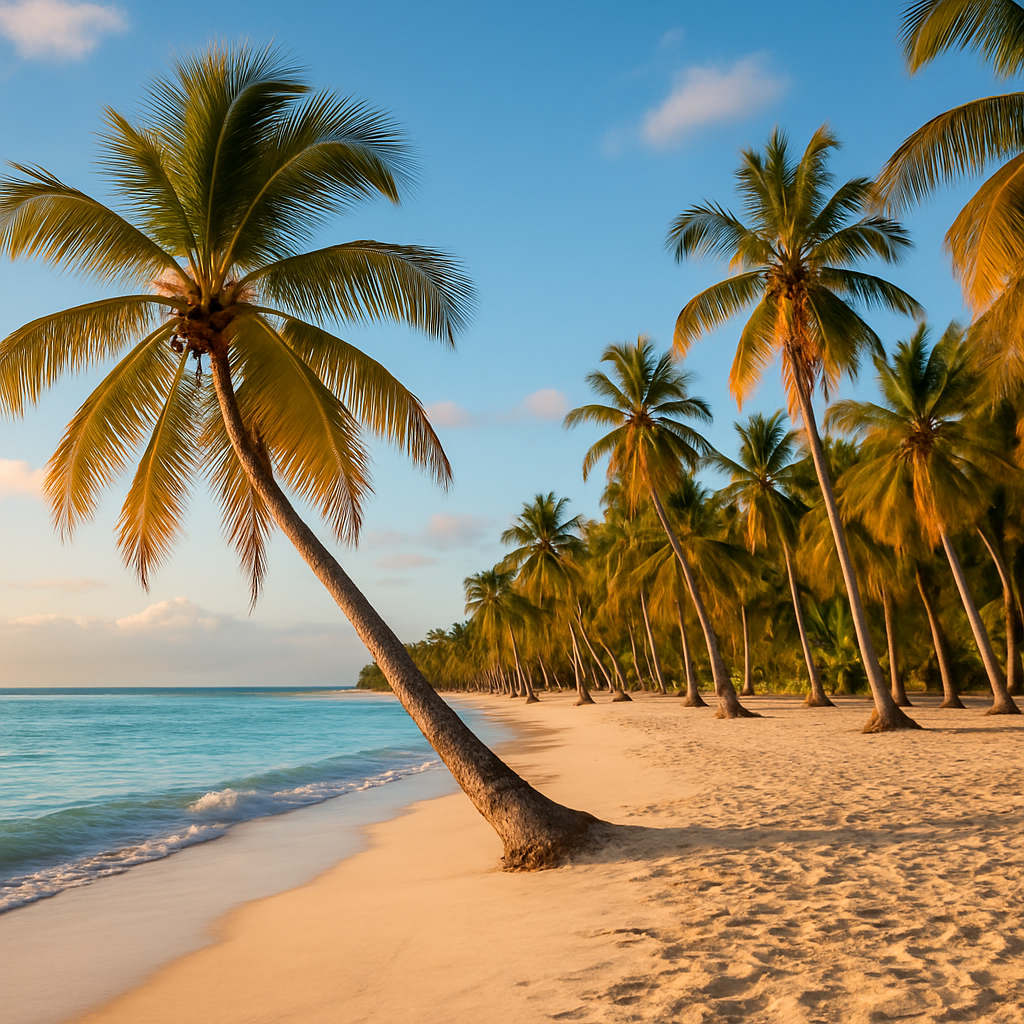
Spend a Day on Isla Saona
Head down to Bayahibe — about an hour from Bávaro — and take the speedboat across to Isla Saona, an uninhabited island inside Parque Nacional del Este. Palmilla Beach has a natural shallow-water pool where you can stand waist-deep 100 meters offshore and watch starfish do nothing. It's the most-visited natural attraction in the country for a reason, and no amount of resort beach prepares you for it.
Pro tip: book the speedboat-and-catamaran combo rather than the catamaran-only option. Faster out, slower back, more beach time in the middle.
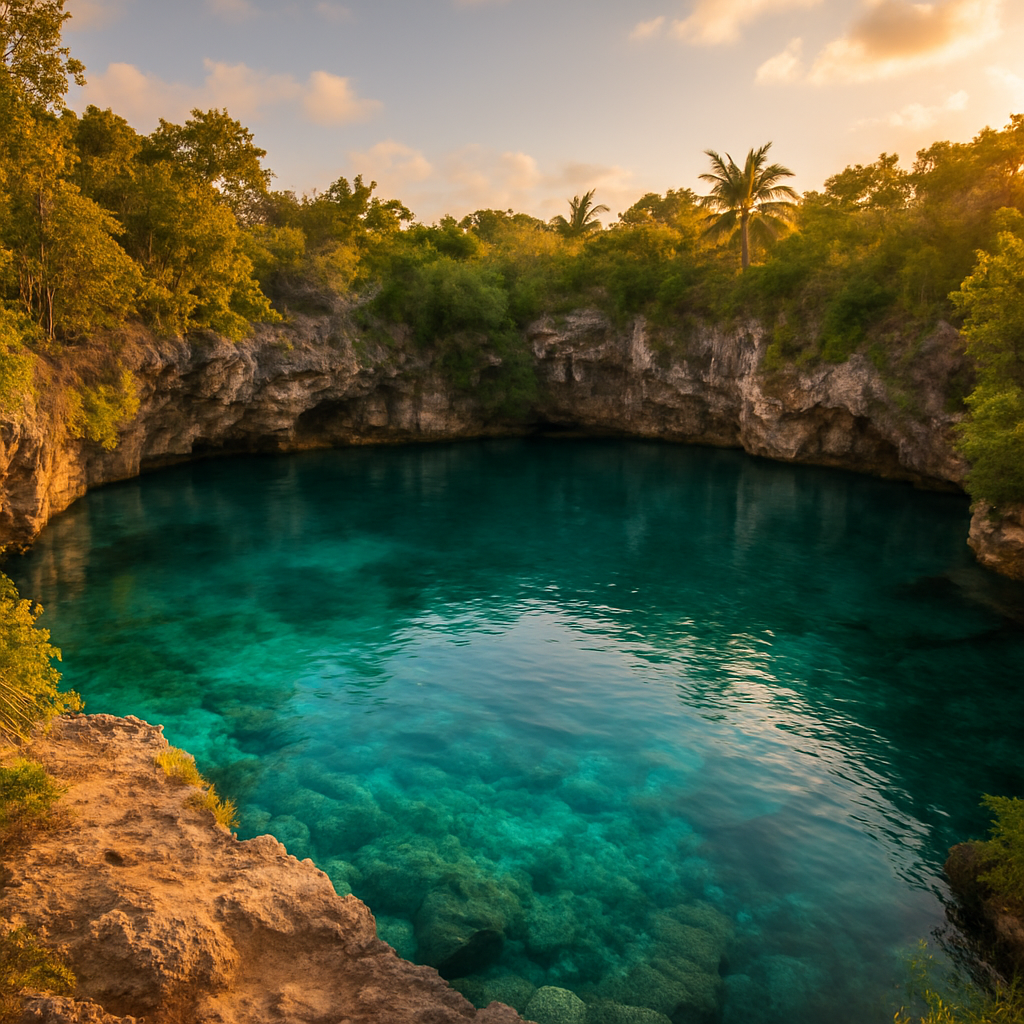
Drop Into Hoyo Azul
Inside Scape Park in gated Cap Cana, Hoyo Azul is a natural cenote about 40 meters deep, framed by a limestone cliff and filled with water a shade of blue that reads as synthetic until you're standing over it. A short guided walk through the park drops you at a platform where you can swim in the cenote itself.
Go early. By mid-morning, the light changes and the tour buses start stacking.

Eat at Captain Cook in El Cortecito
Walk off the resort property and down to El Cortecito, the scrappiest stretch of sand in the Bávaro strip — fishing boats on the beach, independent restaurants, locals mixed in with international visitors. At Captain Cook, you pick your fish from the ice, they grill it whole, and you eat it at a paper-covered table with the ocean running up to your chair.
Order the whole red snapper, a cold Presidente, and a side of tostones. That is the meal.
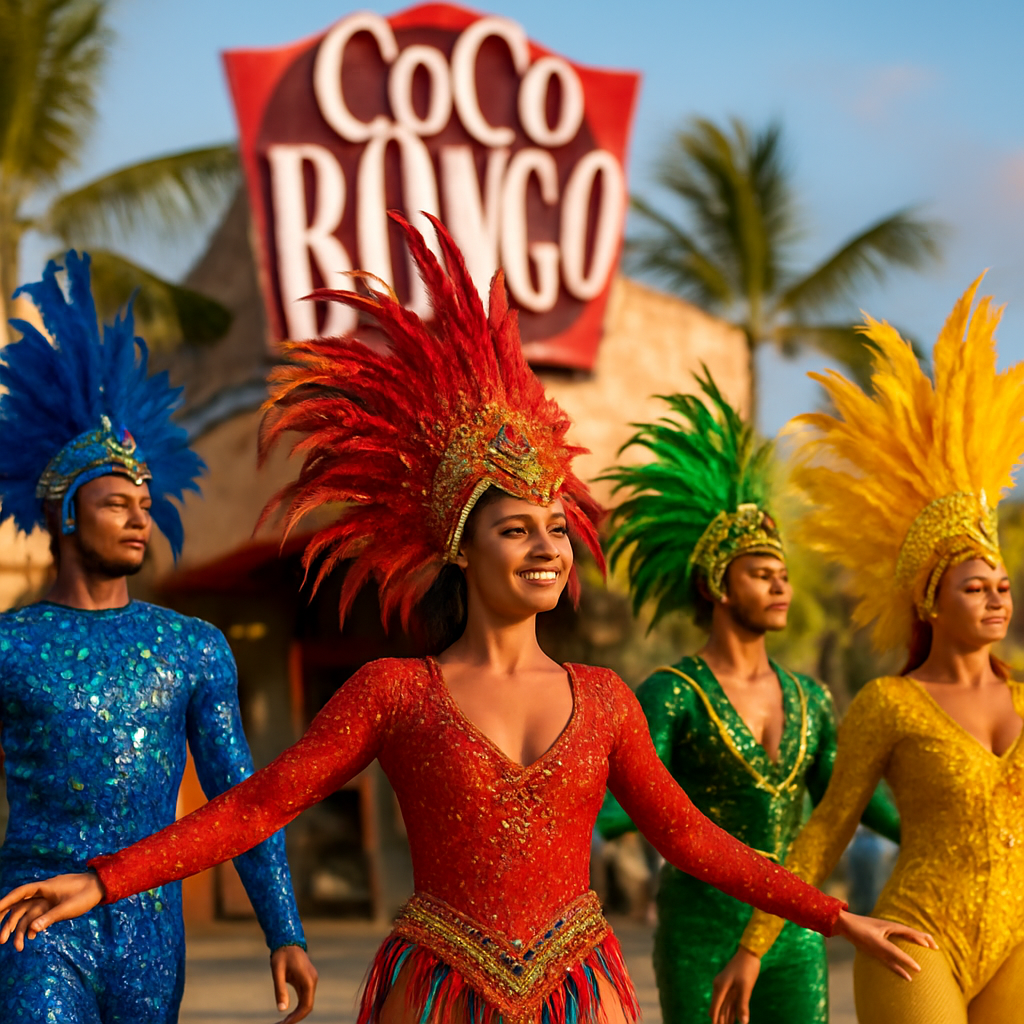
See Coco Bongo Once
Coco Bongo is a Las Vegas-scale spectacle stuffed inside a nightclub — acrobats on silks from the ceiling, confetti cannons, theatrical tribute performances, DJ sets in between. It is not a gay venue. It is gloriously, shamelessly extra, and the production value would make a drag queen send a resume.
Go once. Go for the audacity of it. Then go to bed.
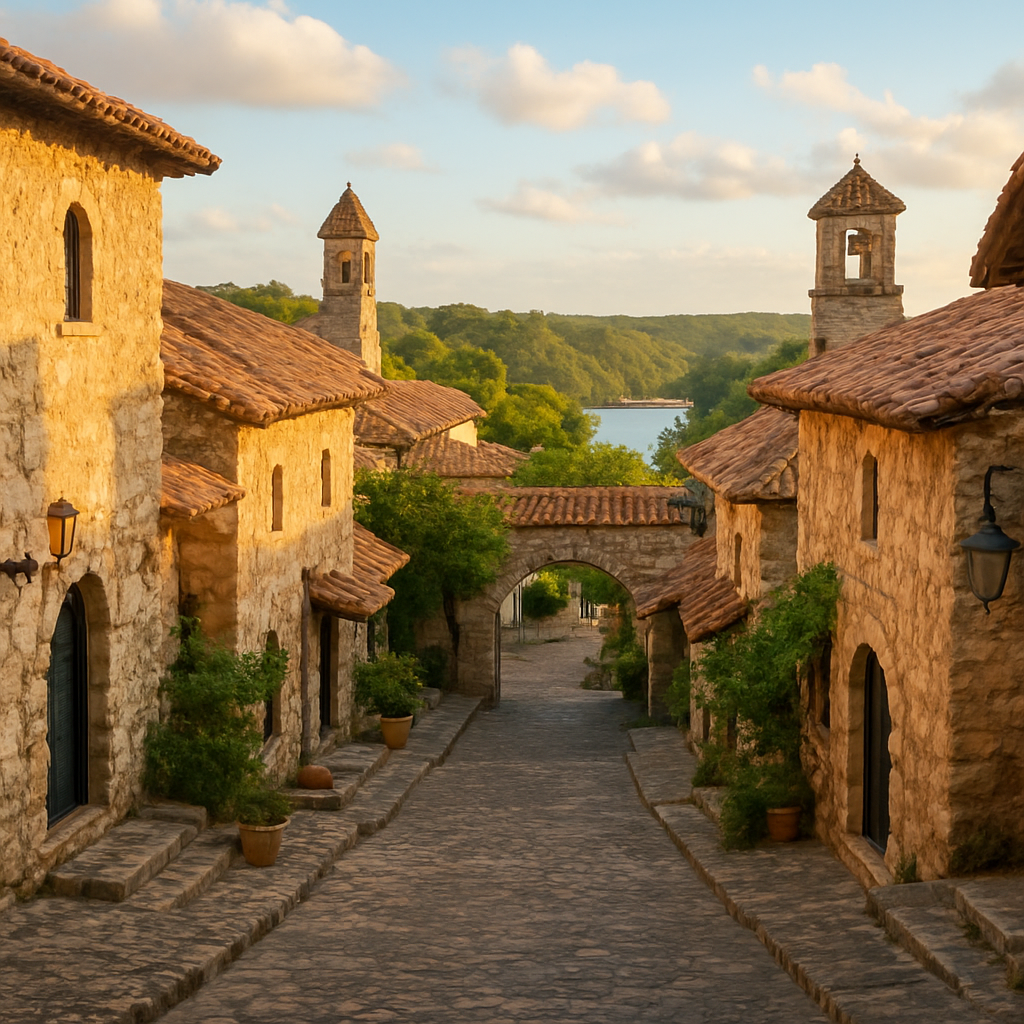
Wander Altos de Chavón
About an hour west in La Romana, Altos de Chavón is a replica 16th-century Mediterranean village built in the 1970s on a cliff above the Río Chavón. The 5,000-seat amphitheater was inaugurated by Frank Sinatra in 1982 and the on-site design school is affiliated with Parsons. Cobblestones, galleries, artisan workshops, a view that earns the drive.
Pair it with a long lunch at Casa de Campo and you've built an actual culture day into a beach trip.
The places I actually send people to
Advice that fits how you travel
Solo travel in Punta Cana works best when you embrace what the destination actually is: an all-inclusive machine. The flat-rate model means you're not penalized for traveling alone the way you are in cities where solo supplements add up — food, drinks, and beach are covered, and the social infrastructure of a big resort (beach bars, entertainment programs, pool decks) gives you natural points of contact with other travelers. The right property matters more here than almost anywhere else, so book an ALG/Hyatt brand (Breathless, Secrets, Dreams) or Club Med where staff are trained to treat solo bookings as bookings, not as puzzle pieces looking for a plus-one.
The gay scene, to be honest with you, doesn't exist in Bávaro in any organized sense. There are no dedicated bars, no weekly nights, no circuit infrastructure. The apps — Grindr especially — will show you what's moving in the area, and there's a Dominican gay social network that operates with considerably more discretion than what you might be used to at home. Be direct about expectations and read the context you're in carefully. If you want actual community rather than resort loungers, the overnight to Santo Domingo is worth building into your trip: the Gazcue neighborhood has the bars, the people, and the social gravity that Punta Cana simply doesn't offer.
On safety as a solo traveler: the calculus shifts slightly without a companion. Use resort transfers instead of unofficial taxis — especially at night. At venues like Coco Bongo and Imagine Punta Cana, the tourist saturation and general noise make them reliably low-friction spaces. Don't wander off the main strip after midnight on foot alone. El Cortecito's independent strip is genuinely worth an afternoon — the mixed local-international crowd, the fish restaurants with tables half in the sand, the looser energy — but head back to the resort side before it gets late. Punta Cana rewards solo travelers who stay curious inside the tourist zone and cautious at the edges of it.
For same-sex couples, Punta Cana has a clear playbook: book the right property, and you'll have a genuinely relaxing beach vacation with minimal friction. The wrong property, and the trip becomes a low-grade calculation from check-in onward. The Apple Leisure Group/Hyatt brands — Breathless in Uvero Alto, Secrets Royal Beach and Zoëtry on Playa Bávaro, Dreams in Cabeza de Toro — have the most documented track record here. Their IGLTA affiliation and explicit no-gender-restriction couple booking policies are not marketing language; same-sex couples consistently report being read as couples at these properties, not as a booking anomaly. Club Med is the right call if one of you is bringing family along — it handles a same-sex couple in the adults zone and a sibling's family down the beach without making anyone explain themselves.
PDA is possible but calibrated. Inside the resort perimeter and on resort-facing Playa Bávaro, hand-holding and proximity go largely unremarked among the international crowd. Take that same ease into the Bávaro commercial strip or local-facing restaurants and it reads differently — stares, occasional comments. For romantic dinners outside the resort system, Jellyfish on El Cortecito beach, La Yola at the Puntacana Marina, and Bana Restaurant inside Tortuga Bay all offer non-gated settings where you'll be treated as guests before anything else. The day trip to Isla Saona is the most consistently romantic thing available in the area — uninhabited island, warm shallow water, a natural pool at Palmilla Beach. You're two people on a boat heading toward one of the better beaches in the Caribbean. That context handles itself.
For couples wanting the quieter luxury end: Cap Cana skews older, more private, and more discreet than the Bávaro strip. Tortuga Bay's 30 Oscar de la Renta–designed villas and exclusive Playa Blanca access make it the most genuinely private stay in the corridor. Zoëtry in Uvero Alto is the 96-suite wellness retreat option within the same ALG/Hyatt umbrella — smaller, calmer, more spa and less entertainment spectacle. Kukua Beach Club also handles private celebrations — including same-sex occasions — without requiring anyone to justify the booking.
LGBTQ+ families need to go in clear-eyed on the legal reality as of 2026: the Dominican Republic offers no recognition of same-sex partnerships, no joint adoption rights, and no legal framework for same-sex co-parenting. In practice, this means that in any situation where family documentation is examined — a medical situation, travel authorization for a child with a non-biological parent, any official interaction outside the resort — you are relying entirely on your home-country paperwork and the goodwill of whoever you're dealing with. Carry all relevant documentation, have it organized and accessible, and save the U.S. Embassy contact (or your country's equivalent) before you fly. That's not a reason not to go. It's just the reality of traveling in a country where the law simply doesn't account for your family structure.
Inside the major international all-inclusive compounds, the day-to-day is considerably more functional. Club Med Punta Cana — open since 1981, roughly 500 rooms, with dedicated family zones alongside adults-only sections — has explicit LGBTQ+ inclusion language at the brand level and a no-gender-restriction booking policy. It's the most practical call for LGBTQ+ families because the infrastructure is genuinely designed around mixed-group dynamics: kids in family programs, adults with their own pools and beach, everyone on the same property. The resort grounds are stroller-accessible, the all-inclusive format solves the kid-meal logistics automatically, and the beach and pool setups are built to absorb families without fuss.
For activities with children: Manatí Park Bávaro (Taíno cultural programming, dolphin and sea lion presentations, operating since 1995) and Hoyo Azul at Scape Park Cap Cana (the cenote swim works well for older kids and adults) are both resort-corridor options with international visitor bases and no reported issues for LGBTQ+ families. Isla Saona works well for families with older children who can handle a boat excursion — the shallow-water pool at Palmilla Beach is ideal for kids. Outside the resort zone, in Verón or local-facing areas, same-sex parents with children will attract more attention than they would inside the tourist perimeter. Worth knowing, not a deterrent — just set your context accordingly and stay aware of where you are.
What Punta Cana actually costs
Flights, visas, and the first 30 minutes
Airport: You're flying into Punta Cana International Airport (PUJ) — one of the busiest airports in the Caribbean, with approximately 150 direct routes connecting destinations across North America, Europe, and Latin America. From the US East Coast, expect roughly 3.5–4 hours from New York and about 3 hours from Miami. From Canada, Toronto and Montreal run approximately 4–5 hours. From the UK, direct service lands around 9–10 hours out.
Visa requirements (as of 2026): No traditional visa is required for most nationalities, but everyone needs a tourist card. US, UK, EU, and Canadian travelers will typically find the tourist card (~DOP 630 / approximately $10 USD) pre-included in the cost of their airfare — confirm with your airline before departure. Australian passport holders should generally purchase the card in advance or on arrival at the airport counter. All tourist card stays are capped at 30 days. Overstay that, and you'll pay a fine on the way out.
Getting from PUJ to your resort: One thing to know before anything else — the airport is called Punta Cana International Airport, but your resort is almost certainly in Bávaro, 20–30 minutes up the road. Unofficial taxis work the arrivals hall hard. Agree on a price before you get into anything, or book your resort's pre-arranged transfer in advance and skip the negotiation theater entirely.
- Private transfer — DOP 1,900–2,500 / approximately 30–45 minutes. Book through your resort or a verified operator before you land. The recommended option.
- Shared shuttle — DOP 900–1,300 / approximately 45–70 minutes. Makes multiple resort stops and runs slower, but it's economical. Book at the airport desks on arrival.
- Public guagua (minibus) — DOP 80–150 / approximately 60–90 minutes. Very local, limited luggage space, not practical for resort-zone check-in with bags. An option if you genuinely know what you're doing.
Traven's seasonal breakdown
The questions everyone asks
Is Punta Cana safe for same-sex couples?
Are there any gay bars in Punta Cana?
Which resorts are most LGBTQ+ welcoming?
Do I need a visa to visit?
What's the deal with airport transfers?
When should I avoid going?
Is it worth going to Santo Domingo for the gay scene?
Screenshot this before you go
So should you actually go?
Should you go? If what you want is a beach week at a well-run international all-inclusive with low-friction service for same-sex couples, yes — book an Apple Leisure Group / Hyatt property or Club Med, stay inside the perimeter for the rough edges, and you'll have a genuinely relaxing trip. If what you want is a gay travel destination in the way Puerto Vallarta or Mykonos is, no — that doesn't exist here, and any guide telling you otherwise is selling. The honest play is to use Punta Cana for what it does well (sand, water, frictionless service, day trips to Isla Saona and Hoyo Azul) and add two nights in Santo Domingo for the country with the lights on. Go in clear-eyed about the legal floor as of 2026, pick the right property, and this trip works. Just don't ask Punta Cana to be something it isn't.
Sources & Resources
Official links we reference when compiling this guide. Last verified 2026-04-14.
- CONAVIHSIDA – National Council for HIV and AIDS, Dominican Republic
- Dominican Republic Ministry of Public Health (MSP)
- Equaldex – LGBTQ+ Rights in the Dominican Republic
- IGLTA – International Gay & Lesbian Travel Association
- ILGA Latin America & the Caribbean
- ILGA World – LGBTQ+ Rights Global Database
- OutRight Action International – Caribbean LGBTQ+ Advocacy
- TRANSSA – Trans Siempre Amigas (Dominican Republic)
- U.S. Embassy Santo Domingo – Emergency Consular Services