Quito is the city where marriage equality arrived before the altitude headache wore off — and the scene that's growing here deserves your attention before everyone else catches on.
The first thing that registers isn't the colonial skyline or the volcano flanking the city like a bodyguard — it's the light. At 2,850 meters, Quito's equatorial sun hits different: sharper, closer, casting everything in a clarity that makes the terracotta rooftops and white church facades look like someone turned the contrast up on a film set. You step off the plane and your lungs remind you this isn't sea level. By the time you're sitting on a rooftop in La Mariscal with a canelazo warming your hands, watching Volcán Pichincha go pink at sunset, you've stopped thinking about the altitude and started wondering why nobody told you about this place sooner.
Quito's queer scene punches well above its altitude. The drag shows at Bungalow 6 on Calle Juan León Mera start at 11pm — because this is still Latin America — and the crowd skews genuinely local rather than tourist, which keeps the energy real. Same-sex marriage has been legal since a landmark 2019 Constitutional Court ruling, and that shift is palpable on the ground: same-sex couples walk hand-in-hand around Plaza Foch without drawing stares from most passersby. But here's the nuance that earns my Traven-Dex score of 7.2 rather than something higher — step outside the La Mariscal and La Floresta bubble and the cultural temperature drops noticeably. The Centro Histórico is one of the most spectacular colonial old towns in the Americas, but it's also deeply Catholic and socially conservative. The city has two faces, and you should know both.
What surprised me most was La Floresta. Locals will tell you it's where the interesting queer stuff actually happens — not the nightlife (that stays in La Mariscal), but the daytime culture. Cafés where activists plan campaigns over colada morada, gallery openings featuring queer artists, Ocho y Medio arthouse cinema screening LGBTQ+ films for the price of a cocktail elsewhere. Café Libro has been a progressive community gathering space for over two decades. It's a scene that feels like it's building something rather than just performing for visitors, and I gave it a 7.0 on Scene because of that substance underneath the surface.
The practical reality: Ecuador uses the US dollar, so there's no currency confusion. A moderate solo day runs $95–$135. The food scene — from Zazu's place on the Latin America's 50 Best extended list to 2am fritada from a street cart — is genuinely compelling. And the day trips — Mindo cloud forest, Cotopaxi volcano, the Otavalo market — transform this from a city break into something more like a base camp for one of South America's most underrated corners. Just drink a liter of water before you go out. Two canelazos at altitude hit like four at sea level, and noon the next day will be unforgiving.
The stuff your travel guide buries on page 47
The legal picture: As of 2026, Ecuador has marriage equality for same-sex couples, established by a Constitutional Court ruling in June 2019. Same-sex adoption is legal in principle under the same framework. Civil unions have been available since 2014. Anti-discrimination protections exist but are classified as limited — Ecuador's 2008 constitution explicitly prohibits discrimination on grounds of sexual orientation and gender identity, but enforcement varies significantly depending on where you are and who's on the other side of the counter. There is no criminalization of same-sex activity.
Gender identity law: Legal gender marker changes require a judicial process with medical documentation — there's no self-identification pathway under current Ecuadorian law. Organizations like SILUETA X and Proyecto Transgénero Ecuador provide legal aid and advocacy for trans individuals navigating the system.
The cultural reality: Laws and lived experience are two different currencies here. La Mariscal and La Floresta are meaningfully more relaxed for visible queer couples than most other parts of the city. The Centro Histórico, despite being your primary sightseeing destination, is a strongly Catholic environment where same-sex PDA draws unwanted attention — especially around the churches and market areas. Southern Quito and outer districts trend more conservative with a more pronounced machismo culture. The gap between legal progress and street-level comfort is real and neighborhood-dependent.
PDA comfort: In La Mariscal around Plaza Foch and the Zona Rosa, same-sex couples are a familiar presence and casual affection doesn't typically draw attention, though occasional street harassment from passersby is reported after dark. La Floresta during the day is similarly relaxed. The González Suárez hotel corridor is generally tolerant but has no specific queer-affirming infrastructure — discreet PDA is unlikely to cause an incident. In the Centro Histórico and southern neighborhoods, same-sex PDA is genuinely inadvisable.
Altitude warning: This one is not optional. Quito sits at nearly 2,850 meters and even seasoned travelers drastically underestimate how two canelazo cocktails feel compared to sea level. Drink a liter of water before you go out. Take your first day slowly. The altitude headache is real and it doesn't care how fit you are.
Getting around safely: Always use InDriver, Uber, or Cabify rather than hailing a cab from the street — this is universal Quito safety advice that the queer community particularly reinforces for visitors heading home from La Zona late at night. The US State Department maintains a Level 2 (Exercise Increased Caution) advisory for Ecuador due to crime. Tourist corridors have increased police presence, but petty theft is documented and express kidnapping incidents occur. Keep your phone in your pocket, use app-based transport, and stay aware.
What it actually feels like on the ground
Holding hands: In La Mariscal and La Floresta during daylight hours and into the evening, same-sex hand-holding is generally unremarkable. Around Plaza Foch and the Zona Rosa bars, you'll see other queer couples doing the same. In the Centro Histórico, drop hands — the environment is socially conservative and PDA draws attention you don't want, particularly around church plazas and the busy market zones. In southern Quito and outer districts, same-sex PDA is inadvisable.
Hotel check-in: International chain hotels (JW Marriott, Swissôtel) and upscale boutiques (Casa Gangotena, Illa Experience) process same-sex couples without issue — brand-level non-discrimination policies apply. Mid-range independents in La Mariscal and La Floresta are similarly unproblematic. If you're booking a budget property outside the tourist corridors, you may encounter awkwardness but outright refusal would be legally actionable under Ecuador's constitutional protections.
Taxis and rideshares: Use app-based services — InDriver, Uber, or Cabify — consistently. This is standard Quito safety practice, not LGBTQ+-specific advice, but the queer community reinforces it emphatically for anyone heading home from the bars after midnight. Street-hailed cabs present both safety and overcharging risks. App-based rides give you a documented route and driver identity.
Public spaces and parks: Parque El Ejido on a weekend afternoon is a genuinely relaxed queer social space — the open-air art market draws a diverse Quito crowd including visible LGBTQ+ locals. Parque La Carolina is similarly low-key during daylight. After dark, both parks warrant standard urban caution regardless of orientation.
Late night: La Mariscal after midnight is the city's nightlife center and police presence is higher here, but petty theft targets tourists leaving bars. Keep your phone in a front pocket, travel in pairs when possible, and book your ride home through an app before you leave the venue. The walk between La Mariscal and La Floresta is short but poorly lit on some blocks — take a car after midnight.
Trans travelers: Ecuador's constitutional protections cover gender identity, but enforcement is uneven. Trans women face disproportionate police attention especially outside tourist zones, and La Mariscal remains significantly safer than peripheral neighborhoods for visible trans people. SILUETA X has an active presence in Quito and is genuinely reachable if you face discrimination or need support.
Verbal harassment: Occasional catcalling and homophobic comments happen, particularly from passing vehicles on busier roads and after dark outside the queer-friendly corridors. It's more common for visibly gender-nonconforming individuals. In La Mariscal and La Floresta, this is relatively rare but not zero. The Centro Histórico has a higher baseline for street-level commentary.
If you face discrimination: The Defensoría del Pueblo processes LGBTQ+ complaints and community members report it actually functions — it's not just a bureaucratic suggestion. Fundación Equidad also provides support including HIV testing and health services.
The queer geography
La Mariscal (Zona Rosa)
La Mariscal is where Quito's queer nightlife lives, and it's not subtle about it. The cluster of LGBTQ+ venues radiates outward from Plaza Foch, concentrated along Calle Juan León Mera and the surrounding blocks that locals call La Zona — saying vamos a La Zona on a Friday means one thing and everyone knows it. Bungalow 6 is the anchor: multi-level, reliably packed Thursday through Saturday, with drag shows that start around 11pm and a crowd that's genuinely mixed between locals and visitors. El Aguijón has been part of the scene for over a decade, operating as a more informal neighborhood bar where the queer community gathers without the club energy. Matrioshka fills the gap with themed nights and a mixed LGBTQ+ and allied clientele. The pubs — Finn McCool's, Turtle's Head — are expat fixtures with 15-20 years of welcoming queer travelers, a few minutes' walk from the gay bar cluster. The energy is real, the scene is concentrated, and you won't struggle to find ambiente if you're asking for it.
La Floresta
If La Mariscal is where you go out, La Floresta is where the queer community actually lives its life. This walkable, bohemian neighborhood adjacent to La Mariscal has become Quito's progressive epicenter — independent galleries, bookshops, and cafés line the streets around Calle Isabel La Católica, and the queer presence here runs through daytime culture rather than nightlife. Café Libro has operated as a literary café and progressive community space for over two decades, with a documented history as a gathering point for LGBTQ+ organizers. Ocho y Medio, Quito's primary arthouse cinema, regularly screens LGBTQ+ films and hosts events aligned with the Muestra de Cine LGBTI. Bandido Brewing, one of Ecuador's first craft breweries, draws a diverse international crowd. Mercado La Floresta, the weekend food market, functions as a community gathering space in the city's most welcoming neighborhood. The queer women's social scene in particular runs through La Floresta's café circuit more than through dedicated bars — Bohemia Arte y Cultura and the surrounding streets reward wandering on a weekend afternoon far more than any nightlife listing will tell you.
Other Neighborhoods Worth Knowing
Centro Histórico: You'll spend time here — it's one of the most spectacular colonial old towns in the Americas and a UNESCO World Heritage Site since 1978. Theatrum inside the Teatro Nacional Sucre draws a stylish mixed crowd for cocktails and fine dining. The annual Orgullo Quito Pride march routes through these streets each June. But socially, this neighborhood is conservative — come for the architecture and culture, save your PDA for La Mariscal.
González Suárez: Quito's upscale residential and international hotel corridor. The Illa Experience Hotel sits here, and the JW Marriott and Swissôtel are nearby on the northern hotel strip. Generally tolerant, no queer-specific infrastructure, but a comfortable and safe base if you prefer quiet over nightlife proximity.
Parque El Ejido: The green buffer zone between La Mariscal and the Centro Histórico has been an informal queer gathering space for decades — its role as a meeting point predates the city's organized bar scene. The weekend open-air art market along the northern edge draws a diverse crowd including plenty of LGBTQ+ locals.
The experiences worth rearranging your itinerary for
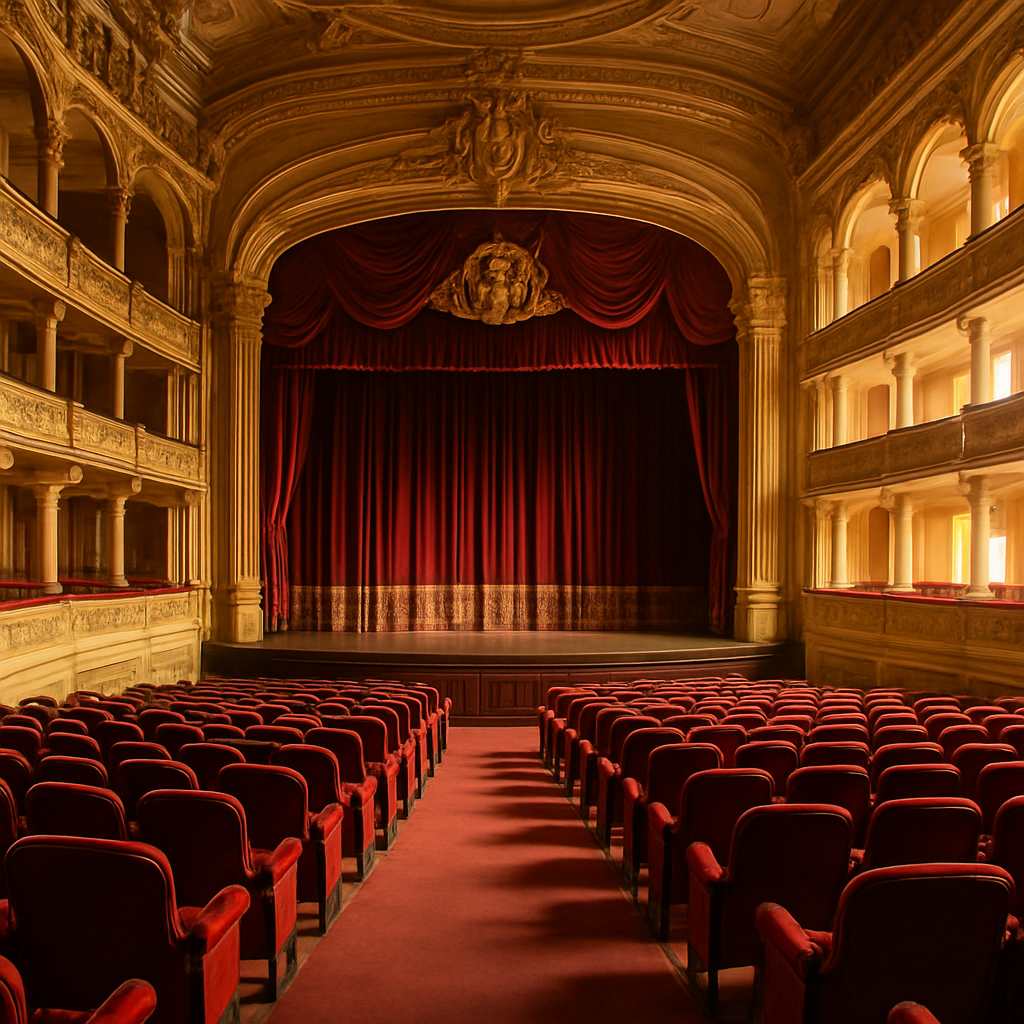
Teatro Nacional Sucre and Cocktails at Theatrum
The 19th-century Teatro Nacional Sucre on Plaza del Teatro is one of Quito's most beautiful buildings, and Theatrum — the restaurant tucked inside it — does cocktail hours that attract a stylish mixed crowd. The contemporary Ecuadorian-French cuisine is serious, but honestly, the setting does half the work. You're eating inside a working national theater in a UNESCO-listed old town. Come before or after a performance, or just come for the bar — it's the kind of place that makes you feel like you've discovered something, even though everyone who's spent a week in Quito already knows about it. The terrace views of the plaza at dusk are the real closer.
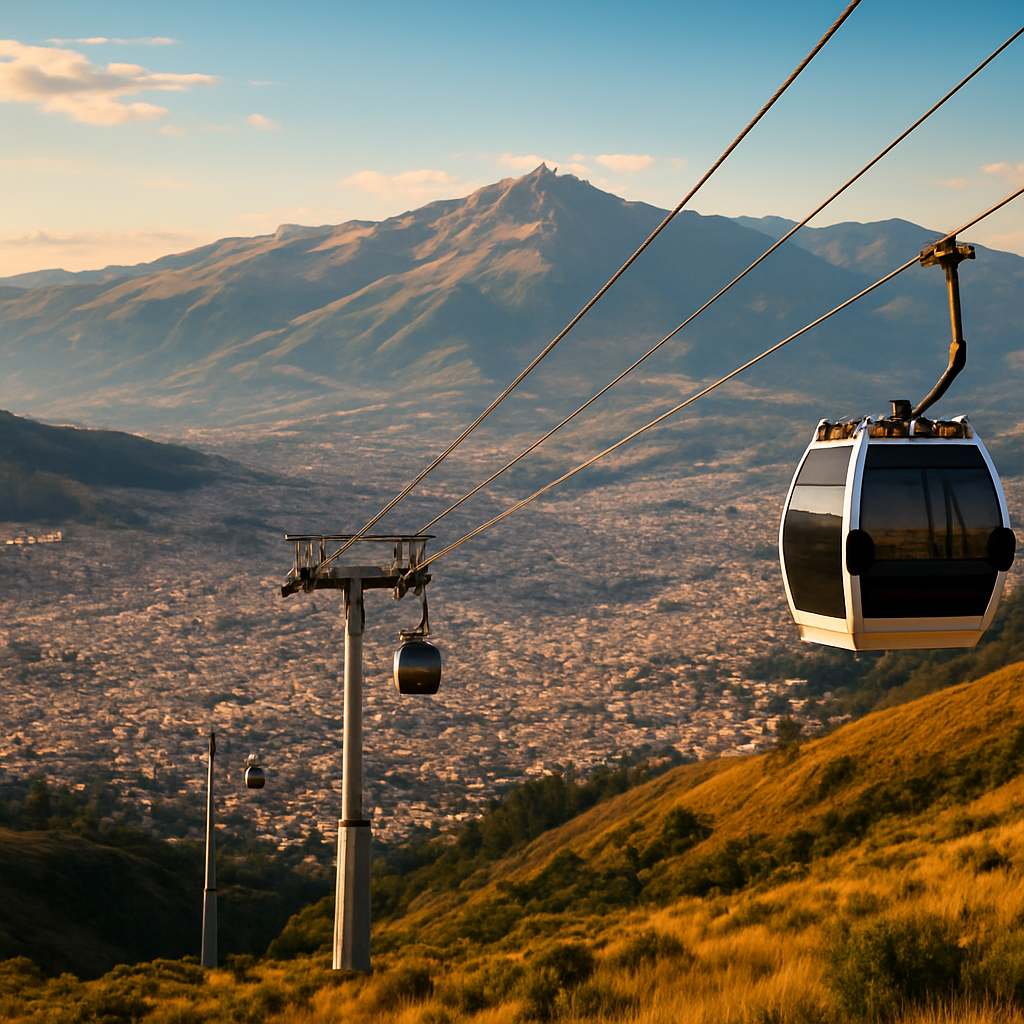
Teleférico to 4,100 Meters on Volcán Pichincha
A gondola cable car carries you from 2,950 meters to 4,100 meters on the slopes of Volcán Pichincha in about 10 minutes — making this one of the highest urban aerial tramways in the world. At the top, the panorama across the entire Quito metropolitan area and surrounding Andean peaks is the kind of view that makes you put your phone down and just stand there. Hiking trails lead further up the volcano from the top station. The thin air is no joke at this elevation — go slowly, bring layers, and don't be a hero on day one. $8.50 for adults, $4.50 for kids. The clearest skies are June through August.
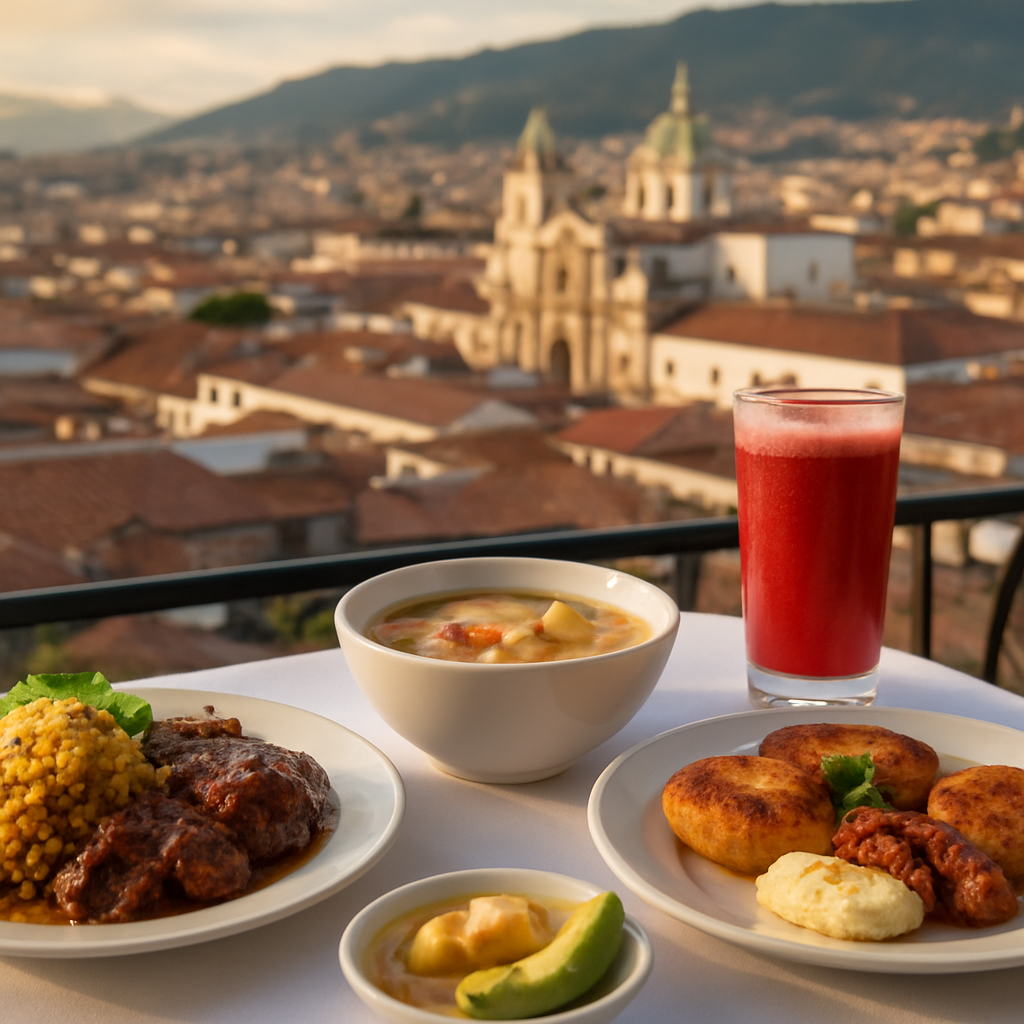
Zazu and Quito's New Ecuadorian Kitchen
Zazu has been a fixture of Quito's fine dining scene since the mid-2000s and it's earned its spot on Latin America's 50 Best Restaurants extended rankings. The kitchen sources from Ecuadorian producers and the menu shifts with what's available — this isn't fusion gimmickry, it's a genuinely serious restaurant with a South American wine list worth clearing your evening for. Follow it with Urko Cocina Local in La Floresta on another night — chef Santiago Granda's hyper-local sourcing from indigenous farmers and smallholders is one of the most exciting things happening in Ecuadorian food right now. Two meals, two arguments for why Quito's culinary scene deserves more international attention.
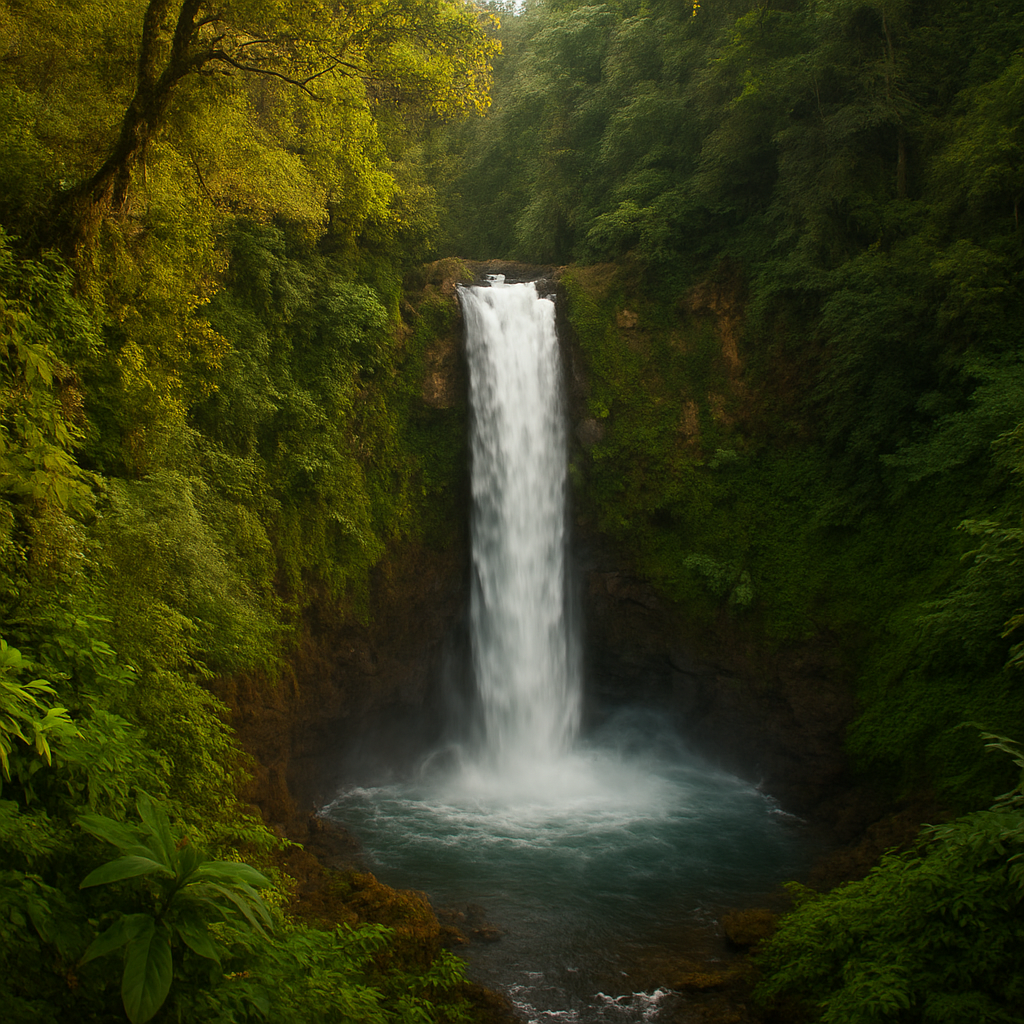
Mindo Cloud Forest Day Trip
Eighty kilometers northwest of Quito, the village of Mindo sits at 1,250 meters in a cloud forest with over 500 recorded bird species. You can be there in two hours by road and spend the day zip-lining through canopy, tubing a river, or hiking to waterfalls that crash through green so dense it feels computer-generated. Several eco-lodges are documented as LGBTQ+-welcoming in travel resources. The temperature drop from Quito's perpetual spring to Mindo's tropical warmth is a genuine physical relief, and the birding — even if you've never held binoculars voluntarily — will convert you. Book a morning departure and you'll be back in Quito for dinner.
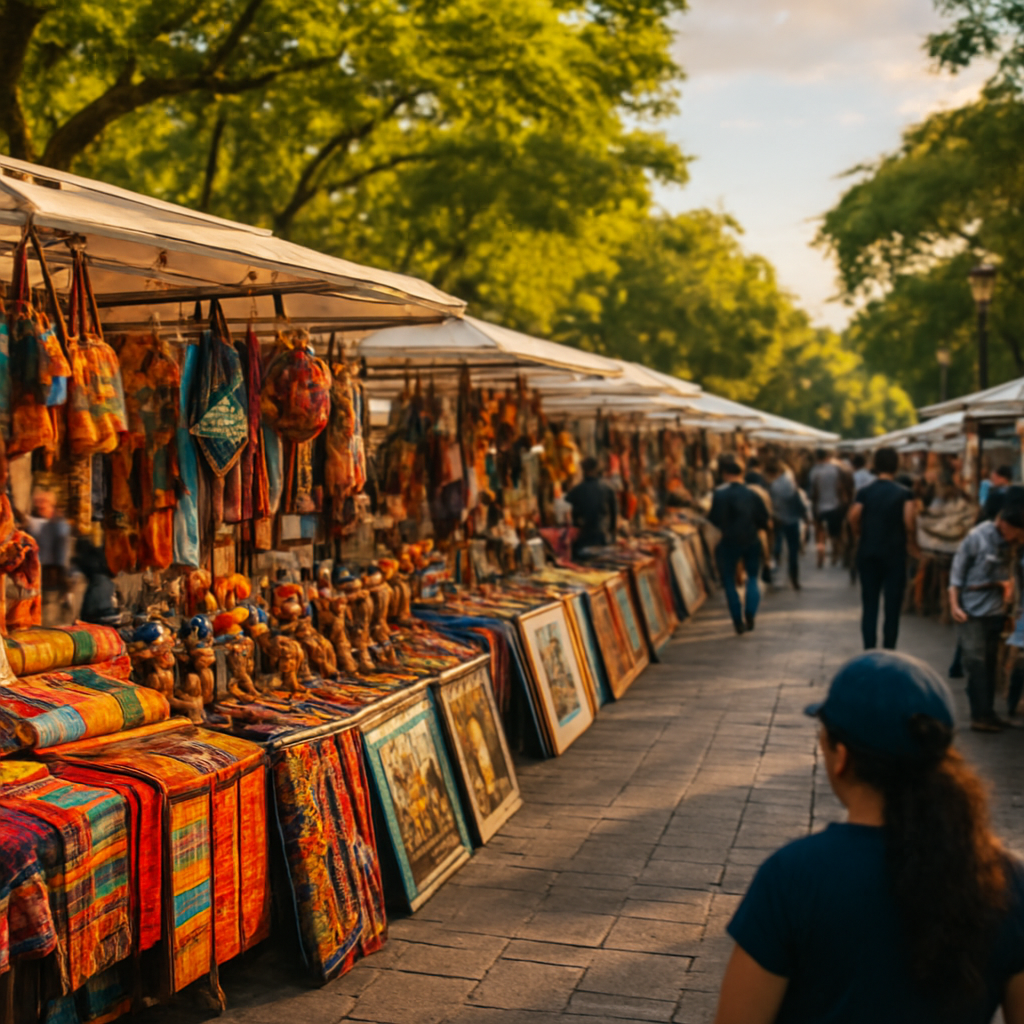
Parque El Ejido Sunday Art Market
Parque El Ejido on a Sunday is Quito at its most unguarded. The open-air art market lines the northern edge of the park — oil paintings, prints, crafts — and the surrounding grass fills with families, students, food vendors, and a cross-section of Quiteño life that includes plenty of LGBTQ+ locals just existing in public space. No cover charge, no altitude sickness from dancing, no agenda. Buy an empanada, wander the stalls, sit on the grass and people-watch. It's the kind of afternoon that doesn't make any best-of list but becomes the thing you actually remember about a city.
The places I actually send people to
Advice that fits how you travel
Quito is a genuinely good solo city if you know which neighborhoods to anchor yourself in. La Mariscal and La Floresta are your home base — both are walkable, both have the concentration of cafés, bars, and restaurants where solo travelers can settle in without feeling conspicuous, and both have the kind of welcoming queer infrastructure that makes it easy to start conversations. The hostels in La Mariscal (Secret Garden from $18/night, Community Hostel from $14/night) are specifically noted in LGBTQ+ backpacker resources as inclusive, and the social events they organize are a natural way to meet people. Budget solo travelers can do Quito for $35–$50/day, which is genuinely difficult to beat in a capital city.
App culture is active — Grindr and Scruff both have real user bases in Quito, and the standard safety rules apply: meet in public first, share your location with someone, and use the apps to verify where the nightlife is landing on any given night rather than as your only social strategy. The gay bars in La Zona — particularly Bungalow 6 and El Aguijón — skew local enough that showing up solo doesn't read as unusual, and a few Spanish phrases go an enormous distance toward genuine human connection. Locals notice the effort and appreciate it even when your accent makes them smile.
Safety for solo travelers: stay in La Mariscal or La Floresta, use app-based rideshares after dark, and keep your phone in your front pocket. The Centro Histórico at night warrants more situational awareness — stick to well-lit corridors around Plaza Grande. The day trips — Mindo, Cotopaxi, Otavalo — are all easy to join as a solo traveler via organized tours departing from La Mariscal hostels and agencies. And Parque El Ejido on a Sunday afternoon is an underrated solo experience: free, relaxed, diverse, and one of the few public spaces in the city where you can just sit and watch Quito be itself.
Quito isn't Paris, but it has a romantic logic entirely its own — a city where you can watch Andean mist roll over colonial rooftops from a candlelit terrace, then walk four blocks to a bar where the drag show doesn't start until midnight. The key for couples is understanding which parts of the city work for you. In La Mariscal and La Floresta, same-sex couples report being largely unremarked upon — holding hands around Plaza Foch or lingering over coffee in La Floresta's café circuit doesn't draw attention. The Centro Histórico is a different story: it's spectacular, but the social climate is conservative and PDA there is genuinely inadvisable. Keep your affection for the neighborhoods that have earned it.
For a date night, Zazu on Avenida Mariana de Jesús is the serious food move — it's landed on Latin America's 50 Best extended rankings for a reason, and the South American wine list is an event in itself. If you want something more rooted in the neighborhood, Urko Cocina Local in La Floresta serves hyper-local Ecuadorian ingredients in a setting that feels like eating inside someone's excellent taste. For a view that stops conversation, book a taxi up to Mosaico on the Itchimbía hill — the open terrace panorama over the historic city at dusk is genuinely stop-you-mid-sentence beautiful, and it's accessible enough that it doesn't feel like an expedition.
For accommodation, the Illa Experience Hotel in González Suárez (from $220/night) is the best couples bet: eight suites, personalized concierge, and the kind of quiet attentiveness that makes a trip feel cared-for. If budget is a factor, Anahi Boutique Hotel in La Floresta (from $90/night) puts you in Quito's most progressive neighborhood within easy walking distance of everything worth exploring. Time your visit for late June and the Orgullo march down Av. Amazonas is one of those public events that makes you feel genuinely part of something — tens of thousands of people, multi-generational, and joyful in a way that reads as hard-won rather than performative.
Ecuador legalized same-sex adoption in principle following the landmark 2019 Constitutional Court ruling, and as of 2026, same-sex couples can register births and pursue adoption through the Registro Civil Ecuador — though navigating the bureaucracy can be uneven in practice, and documentation from your home country matters. LGBTQ+ families traveling through Quito's tourist corridors — La Mariscal, La Floresta, the González Suárez hotel zone — generally report being received without incident. The Centro Histórico is more conservative culturally, which is worth factoring into where you choose to base yourselves and how much daily friction you want to manage with younger children in tow.
The city has real things to offer kids. The Teleférico Quito cable car ascent to 4,100m on Volcán Pichincha is a genuine thrill for older children — just take the altitude seriously, go slowly, and hydrate before you ride. The Saturday indigenous market in Otavalo, about two hours north of the city by road, is one of South America's most visually spectacular markets and an easy day trip that children tend to remember vividly. The Mindo cloud forest, 80km northwest, offers zip-lining, waterfall hikes, and river tubing with several eco-lodges that LGBTQ+ travel resources specifically note as welcoming — it makes for a natural overnight add-on if you have a few days.
Practically: app-based rideshares via InDriver or Uber work significantly better than city buses when you're traveling with strollers or young children. Most mid-range and upscale restaurants in La Mariscal and La Floresta accommodate kids without issue and carry recognizable options alongside local food. Budget families will find Quito genuinely accessible — moderate family budgets run approximately $220–$320/day for a family of four including accommodation — which means the Andean drama doesn't come at an Andean price premium.
What Quito actually costs
Flights, visas, and the first 30 minutes
Airport: Quito is served by Mariscal Sucre International Airport (UIO), located approximately 18km east of the city center. The airport handles direct routes from approximately 40+ cities internationally, making connections straightforward from most major hubs.
Major Direct Routes: Miami (MIA) — ~4h 10m | New York (JFK) — ~6h 00m | Bogotá (BOG) — ~1h 00m | Lima (LIM) — ~2h 30m | Madrid (MAD) — ~11h 00m | Amsterdam (AMS) — ~13h 00m. Bogotá is the most efficient regional connection if you're routing through South America.
Visa Requirements (as of 2026): US, UK, EU, Canadian, and Australian citizens typically enter Ecuador visa-free for stays of up to 90 days. Entry requirements can change without notice — always check your government's current travel advisory before you book.
Getting into the City:
Taxi / App-based Rideshare: $25–$35 USD, approximately 45–60 minutes. Official taxi counters are in the arrivals hall; InDriver and Uber both operate from the airport. Use app-based services rather than curbside taxis — the fare transparency alone is worth it, and it's standard safety practice in Quito.
Aeroservicios Shuttle Bus: $8 USD, approximately 60–75 minutes. Scheduled service stopping at Terminal Quitumbe in the south and Terminal La Ofelia in the north. Not door-to-door, but the cheapest reliable option if you're traveling light and your hotel is near a major transit node.
Private Hotel Transfer: $40–$60 USD, approximately 45–55 minutes. Pre-bookable through most hotels; fixed rate with a driver meeting you in arrivals. If you're arriving late at night, this is the one I'd take — the fixed price and guaranteed pickup are worth the premium.
Traven's seasonal breakdown
The questions everyone asks
Is it safe to hold hands with my partner in Quito?
Do I need to speak Spanish?
Will the altitude affect me?
How much should I budget per day?
Is Quito safe for trans travelers?
When is Quito Pride?
Should I use Uber or taxis?
Screenshot this before you go
So should you actually go?
Quito is a city of real substance and real contradictions. The 2019 marriage equality ruling shifted the ground beneath the culture, and you can feel that in La Mariscal and La Floresta — neighborhoods where queer life is visible, creative, and genuinely community-driven. But step outside those corridors and the social climate gets colder fast. My Traven-Dex of 7.2 reflects exactly that tension: an 8.5 on Destination because the colonial architecture, the Andean setting, and the food scene are world-class; a 5.5 on Chill because the welcome isn't uniform and the gap between legal progress and street-level comfort is real. If you're comfortable navigating that unevenness — knowing which neighborhoods are yours, reading the room, adjusting your visibility by context — Quito will reward you with extraordinary experiences at a price point that feels almost unfair. It's not a city where you can be unthinking, but it's a city where the thinking pays off. Go with your eyes open and you'll find something building here that's worth being part of.
Sources & Resources
Official links we reference when compiling this guide. Last verified 2026-03-08.
- SILUETA X – Transgender Rights Organization, Ecuador
- Fundación Ecuatoriana Equidad – LGBTQ+ Health & Rights
- Defensoría del Pueblo Ecuador – Human Rights Ombudsman
- Municipio del Distrito Metropolitano de Quito – Official City Government
- Taller de Comunicación Mujer – Feminist & LGBTQ+ Advocacy
- Proyecto Transgénero Ecuador – Trans Legal Aid & Advocacy
- CARE Ecuador – LGBTQ+ Inclusive Health Programs
- Cancillería Ecuador – Civil Registry & Legal Rights Information
- Registro Civil Ecuador – Same-Sex Marriage & Legal Documentation
- Ministerio de Salud Pública Ecuador – Sexual Health Services