
Helsinki won't make eye contact on the tram and will strip naked next to you in a sauna twenty minutes later. The city isn't cold. It's just running a different operating system.
Helsinki sneaks up on you. The first morning you'll think you've landed somewhere quiet to the point of stoicism — Finns moving past each other on the tram without a single word exchanged, the tram itself gliding past Eliel Saarinen's Central Station in a kind of architectural hush. Then you turn down Iso Roobertinkatu on a Friday night and the whole register shifts: pedestrian patios stacked four-deep, a drag queen having a smoke outside DTM, and a line at Fafa's that loops past three doorways. Same city. Different operating system.
The thing nobody tells you about Helsinki is how the gay scene fits inside a five-block radius and somehow that feels like enough. DTM, Hercules, and Mann's Street form a triangle you can stumble between in heels, with Fairytale and Kaiku across the bridge in Kallio when you want it scruffier and younger. I gave Helsinki a 9.2 on Chill for a reason — the legal scaffolding here is genuinely top-of-class (marriage equality 2017, Self-ID 2023, comprehensive anti-discrimination), and the city wears it without performance. PDA in Punavuori doesn't get a glance. Hotel check-in for two men and a king bed is the most boring transaction of your week.
What surprised me was the duality. Finns won't make eye contact at the bus stop and will then strip naked next to you in a sauna twenty minutes later. The reserve isn't disapproval — it's the operating system. Once you stop trying to break it and just let it run, the city opens up: a Michelin-starred plant tasting at Grön, a sunset session at Löyly with a Baltic Sea plunge, the third floor of Oodi library functioning as the de facto queer co-working space without anyone announcing it. The city doesn't sell you anything. It just shows up and works.
Come in late June. The sun barely sets, Helsinki Pride takes over Kaivopuisto, and the city's emotional thermostat finally cracks above cordial. That's when you understand why my Traven-Dex landed at 8.7 — and why the only thing keeping it from going higher is that the scene, on a 7.8, is exactly as small as I just told you it was.
The stuff your travel guide buries on page 47
Finland is, as of 2026, one of the most legally settled places on the planet to show up gay. Tasa-arvoinen avioliitto — marriage equality — has been law since 2017, joint adoption rights came with it, and the 2023 Self-ID legislation scrapped the sterilization and medical-gatekeeping requirements that used to make Finland's trans framework an embarrassment. Comprehensive anti-discrimination protections cover employment, housing, services, and education, and Finland sits comfortably in ILGA-Europe's top 10 every year. I gave Helsinki a 10.0 on Legal for a reason — there is genuinely no asterisk here.
Enforcement matches the paperwork. The Non-Discrimination Ombudsman of Finland actually answers emails, and complaints filed in Helsinki tend to move rather than vanish. Seta, the national LGBTI rights organization founded in 1974, is still the backbone of the community and runs an English-language support line if anything gets weird. Helsinki Pride Community partners with city government on programming, not against it.
Culturally, the reality on the ground is Finnish reserve, not Finnish disapproval. Locals won't make eye contact at the bus stop and then will strip naked next to you in a sauna twenty minutes later — make peace with that duality before you land. PDA in Punavuori and Kallio is a non-event. In suburban malls or late at night near the Central Railway Station, you'll generally see couples dial it back a notch — read that as ambient quiet, not hostility.
Pro tip: Helsinki nightlife runs on an early clock by EU standards. Bars typically peak around 1am and close by 4. Don't pull a Berlin and show up at midnight expecting a line — you'll have already missed the room.
What it actually feels like on the ground
Holding hands and PDA: In Punavuori, Kallio, the Design District, and along Esplanadi, holding hands and a casual kiss are fully unremarkable. Suburbs like Itäkeskus and Vuosaari skew more conservative — generally safe, but you may catch the occasional stare. Locals quietly dial it back near the Central Railway Station after midnight, more from Finnish reserve than from fear.
Hotel check-in: Same-sex couples checking into a king bed in central Helsinki should expect zero friction. Scandic and Strawberry/Nordic Choice properties are documented Helsinki Pride sponsors with staff training; Marriott and Design Hotels properties operate under inclusive brand standards.
Taxis and rideshare: Yellow Line, Taksi Helsinki, Uber, and Bolt all operate cleanly. I haven't heard credible reports of driver hostility toward visibly queer passengers in central neighborhoods. Fixed-price airport options exist if you'd rather not negotiate.
Saunas: Most public saunas are gender-segregated and nude — that's not homophobia, that's tradition. Mixed-gender swimsuit-required venues like Löyly and Allas Sea Pool are the easy entry point for couples and groups who want to share the experience without the etiquette puzzle.
Trans travelers: Self-ID since 2023 is genuinely meaningful. Public restrooms are increasingly gender-neutral, particularly in central Helsinki venues, and trans visibility in the queer scene is high. For health concerns or referrals, HUS — Trans Health Services at Helsinki University Hospital is the institutional anchor, and Trasek handles trans and intersex advocacy directly.
Late-night transit: Standard urban caution applies near Kamppi and the Central Railway Station after 2am — the rare incidents I've heard about involve intoxicated individuals rather than targeted violence. There's been an uptick in far-right street presence around Senate Square on certain weekends; annoying, not dangerous, and police plus Pride security take it seriously.
Sexual health and crisis support: HivPoint Finland runs free, anonymous testing in English, and MIELI Mental Health Finland operates a crisis helpline if a night goes sideways. Hate crimes can be reported through the Finnish Police hate crime portal — the channel exists and is used.
Pro tip: if anything goes wrong, document and report. This is not a city where complaints disappear into a drawer.
The queer geography
Punavuori
Punavuori is the closest thing Helsinki has to a gay village, and it earns the title without trying. The streets are low-rise late-19th-century stone, the ground floors are vintage shops, independent design studios, natural-wine bars, and tiny cafés that take their cinnamon buns very seriously. Iso Roobertinkatu — pedestrianized, lined with patios in summer — is the spine. The Michelin-starred Grön sits a block off it, plant-forward and Green Star sustainable, and the original Fafa's on the same pedestrian stretch is still the city's best cheap pita. The queer layer: DTM is the mothership — multiple floors, drag every weekend, and the only place in Finland where the dance floor is reliably packed at 2am on a Tuesday in February — and the gay-bar triangle of DTM, Hercules, and Mann's Street is genuinely walkable in heels. The Helsinki Pride parade route runs through here every late June.
Kallio
Cross the bridge north of the center and the architecture changes — Kallio is grittier, taller, working-class-turned-hipster, with corner kiosks, secondhand stores, and the magnificent 1908 Hakaniemi Market Hall at the foot of the neighborhood. Bars are louder, cheaper, and stay scruffier than Punavuori; the food leans Vietnamese, Thai, and Middle Eastern. The queer layer here is younger and more genderqueer — Fairytale runs drag and themed parties, Kuudes Linja and Siltanen pull the alternative crowd, and Kaiku is the techno club with a door policy that takes inclusivity seriously. Same city as Punavuori, completely different mood.
Kamppi & the Design District
Kamppi is central Helsinki at full volume — Eliel Saarinen's 1909 Central Station, the Functionalist 1931 Hotel Torni, and the underground Kamppi Chapel sit within a few blocks of each other. The Design District officially encompasses Punavuori, Ullanlinna, and parts of Kamppi, and walking it is the best Helsinki primer there is: Marimekko, Iittala, Aalto-era furniture shops, and the Design Museum on Korkeavuorenkatu. Hercules and Mann's Street anchor the gay nightlife on this side, and Bar Loose isn't queer per se but is so queer-adjacent and pierced it functions as the city's unofficial alt-queer living room.
Kaartinkaupunki & the Esplanade
This is the postcard Helsinki — Esplanadi's leafy promenade, the Aalto-designed Savoy on the eighth floor of its 1937 building, the 1889 Old Market Hall on the South Harbour with its fishmongers and salmon soup, and the grand 1887 Hotel Kämp where Sibelius used to argue politics. The neighborhood is tourist-heavy in summer but never feels like a theme park. The queer relevance is ambient — there's no scene here, but the institutions get it. The Evangelical Lutheran Church of Finland authorized same-sex church blessings in 2024, and Helsinki Cathedral on Senate Square sits a five-minute walk away. Seta's offices are in Pasila if you want to see where Finnish queer advocacy has been run from since 1974.
The experiences worth rearranging your itinerary for
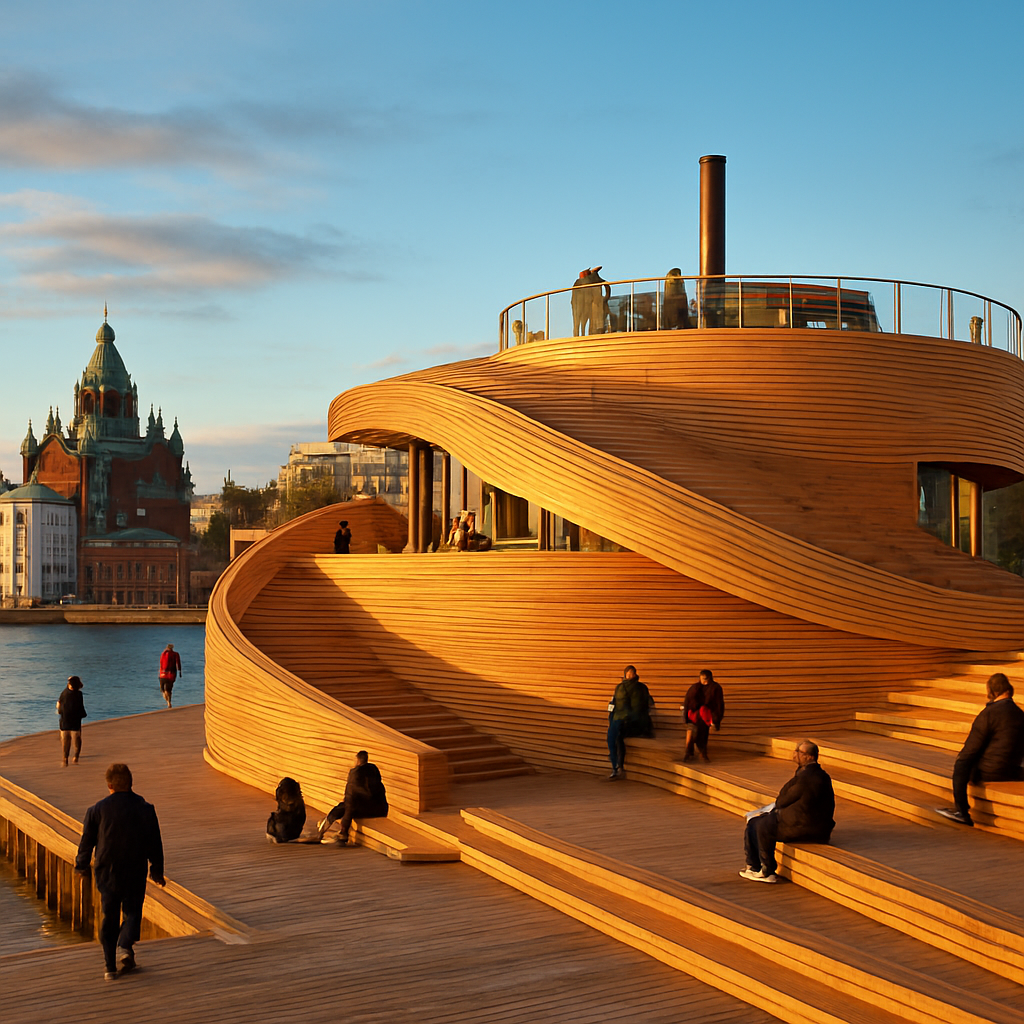
A Löyly Sauna Session Into the Baltic at Sunset
Book an evening slot at Löyly on the Hernesaari shoreline — Avanto Architects' sculptural pine-clad sauna that opened in 2016. You'll cycle between the traditional and smoke saunas, then walk down the wooden steps and drop into the actual Baltic Sea. The terrace bar afterward gets visibly queerer the later it gets, and the sun, in summer, doesn't really set so much as hover.
Pro tip: book at least a week ahead in summer, bring a swimsuit (mixed-gender, suit required), and stay for dinner — the restaurant is genuinely good.
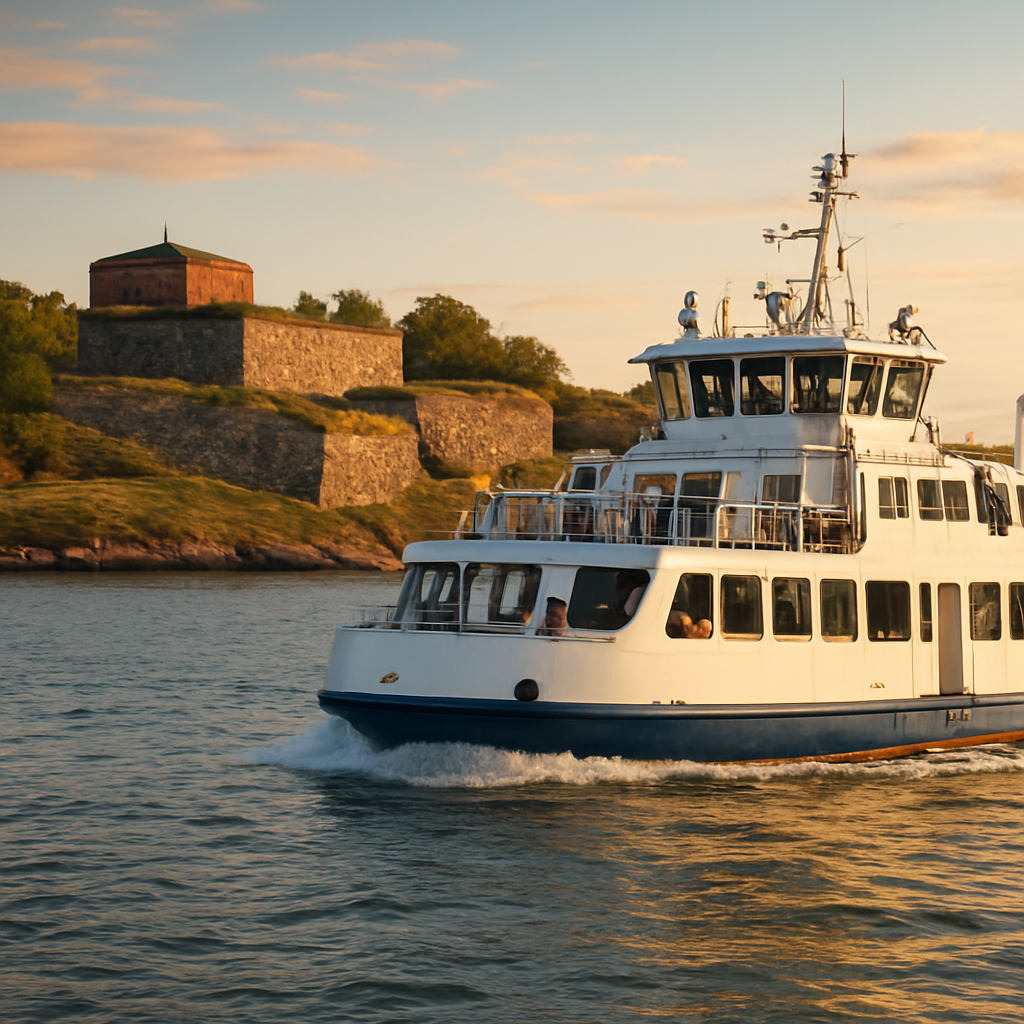
Ferry to Suomenlinna with a Bag of Cinnamon Buns
Grab korvapuusti — Finnish cinnamon buns — from the Old Market Hall, walk five minutes to Market Square, and take the fifteen-minute HSL ferry to Suomenlinna, the UNESCO sea fortress strung across six islands. The grassy ramparts on the south side are where the entire city ends up sprawled on a sunny afternoon — locals, tourists, dogs, occasional sunburned Brits, all of it.
Pro tip: the ferry is covered by the same HSL day ticket as the trams and metro. Don't buy a separate fare like a tourist.
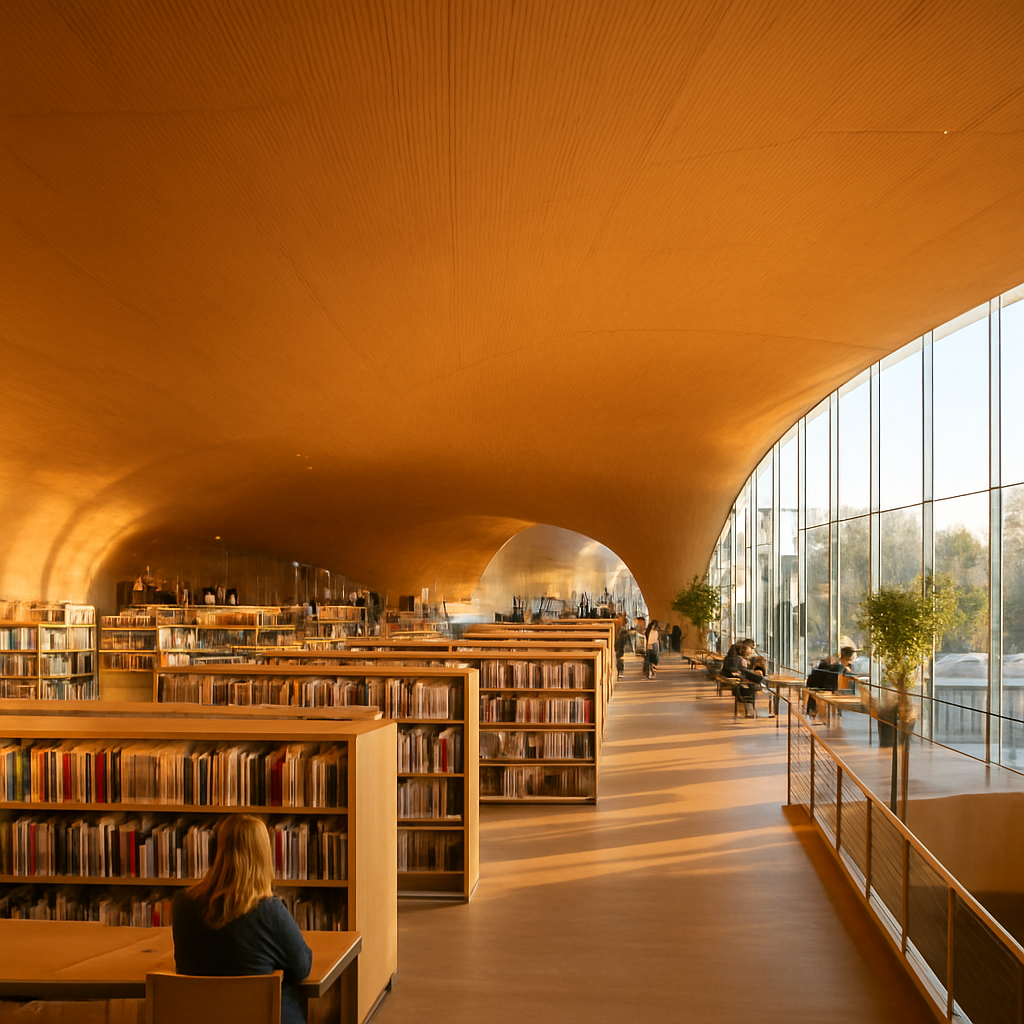
An Afternoon on the Top Floor of Oodi Library
Oodi opened in 2018 across from the Parliament and immediately became one of the great public buildings of the 21st century — wood-clad, free, and packed with everyone from toddlers to retirees to graduate students. The third floor is the headline: a single curving room of light and white oak, with reading nooks, a balcony over the city, and what locals will tell you is the de facto queer co-working space.
Pro tip: bring a laptop. The wifi is excellent, the coffee is cheap, and the whole building is genuinely free to use without buying anything.
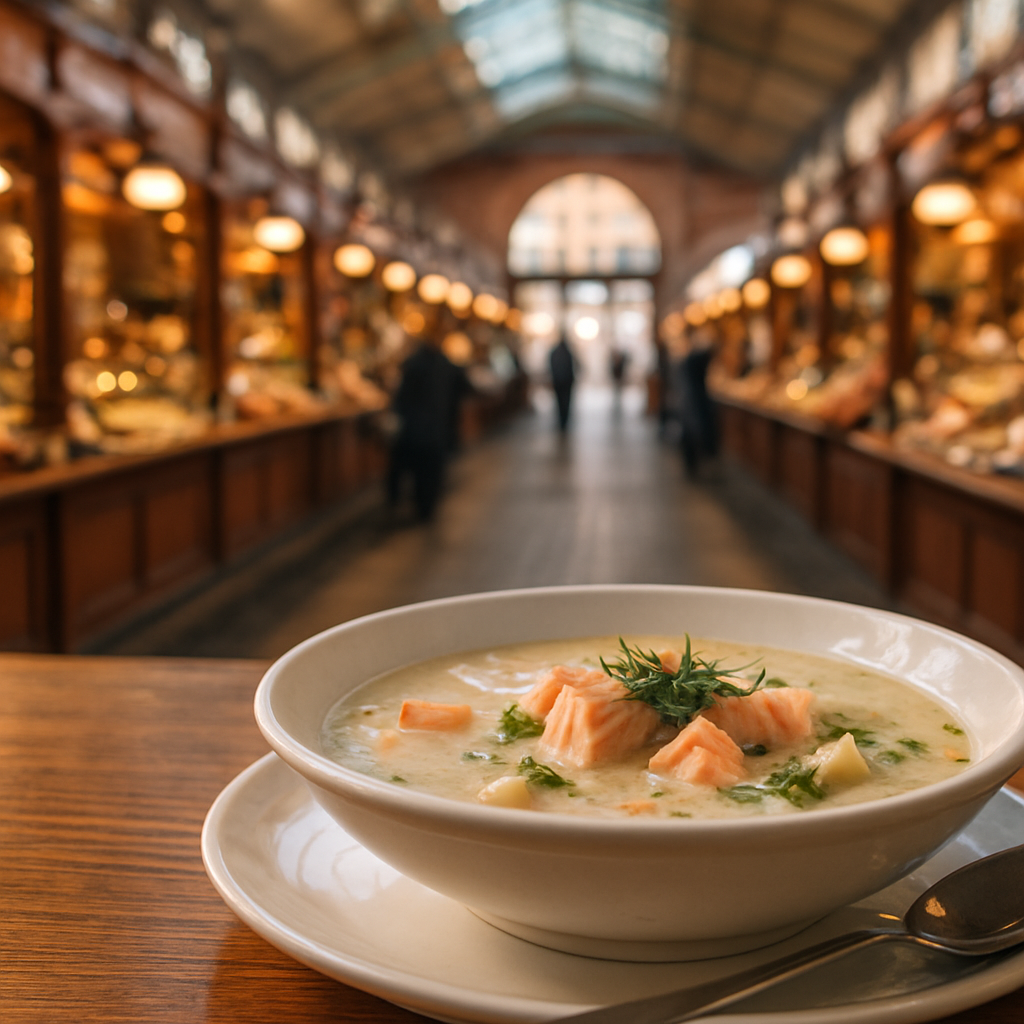
Salmon Soup at the Old Market Hall
Gustaf Nyström designed Vanha Kauppahalli in 1889 as Helsinki's first indoor market, and the building still does its original job — fishmongers, butchers, cheese counters, and small cafés along the South Harbour. The salmon soup at Soppakeittiö is the order: dill, cream, potato, big chunks of salmon, served with rye bread, around eleven euros.
You can be in and out in twenty minutes or you can stay an hour and taste your way down the hall. Either way, this is the most efficient lesson in what Finns actually eat.
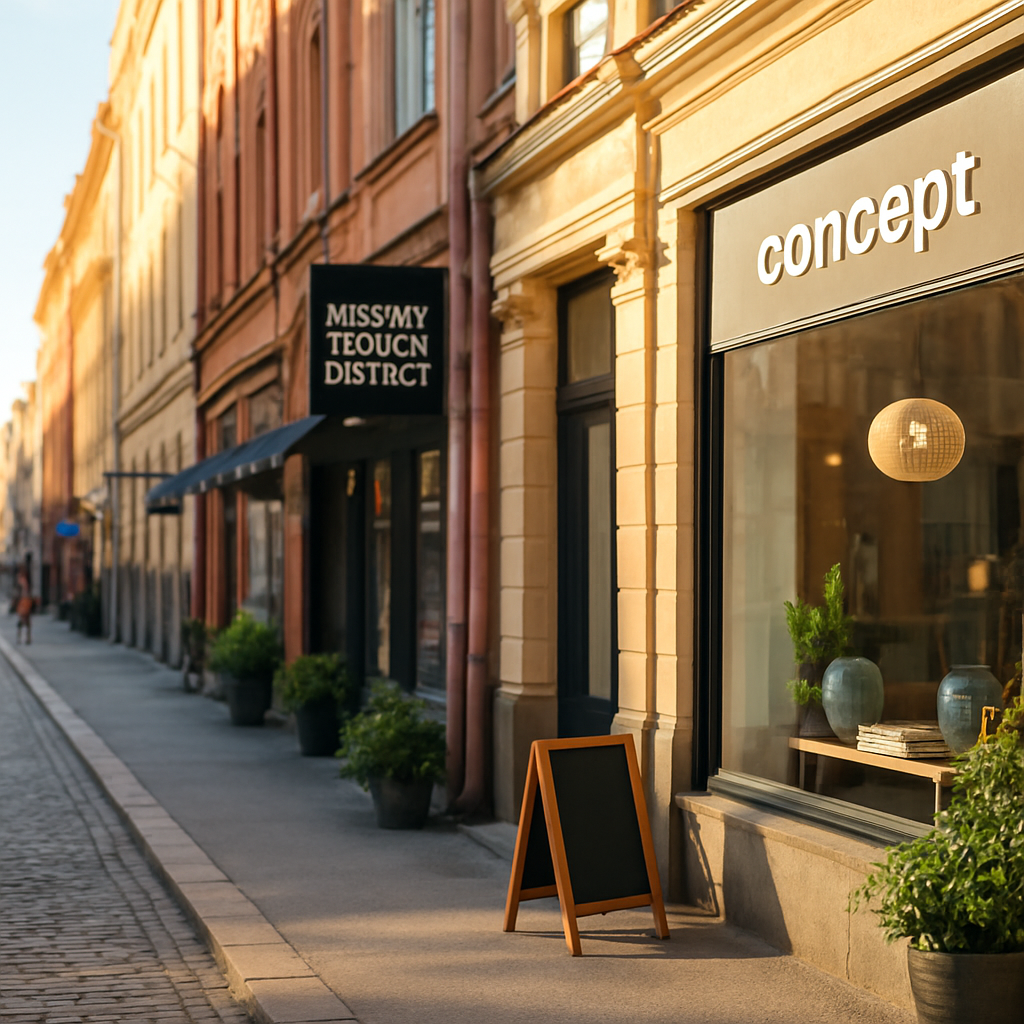
A Long Walk Through the Design District
The Helsinki Design District officially covers Punavuori, Ullanlinna, and parts of Kamppi, and walking it is the best primer on Finnish design there is. Start at the Design Museum on Korkeavuorenkatu, work your way through Marimekko, Iittala, and a dozen Aalto-era furniture shops, and end up at Café Bar 9 for a cheap, excellent lunch among locals.
Pro tip: pick up the free Design District map at any participating shop — it'll route you past studios and galleries you'd otherwise walk straight past.
The places I actually send people to
Advice that fits how you travel
Helsinki is one of the easiest solo trips in Europe, and one of the loneliest if you don't push yourself. Finns won't approach you at the bar — that's not personal, it's structural. But everyone under 50 speaks better English than your cousin in Ohio, and once you start a conversation, the famous Finnish reserve cracks faster than you'd expect. DTM on a weekend is the easiest single room in the city to land in solo and leave with five new contacts; Fairytale in Kallio is the move if you want a younger, scruffier crowd that talks first.
The apps work — Grindr, Scruff, and Tinder all run normally with no shadow-banning, and Helsinki being small means you'll see the same faces on the apps and on Iso Roobertinkatu within a single weekend. Punavuori is the obvious solo base — walkable to every gay bar, surrounded by cafés that are fine to camp in alone, and two minutes from the third floor of Oodi library, which functions as the de facto queer co-working space and is genuinely free to use without buying anything.
Budget-wise, solo Helsinki runs about €95–130/day on the low end, €180–260 moderate. The HSL day ticket is €9 and covers trams, metro, buses, and the Suomenlinna ferry — buy it on the app and stop overpaying like a tourist. Pro tip: book a Löyly sauna slot a week ahead in summer. Going alone is completely normal, the etiquette puzzle is solved for you (mixed-gender, swimsuit required), and the terrace bar afterward gets visibly queerer the later it gets.
Helsinki is a quietly romantic city, and same-sex couples can move through it without ever once thinking about who's watching. Marriage equality has been law since 2017, joint adoption rights came with it, and PDA in Punavuori, Kallio, the Design District, and along Esplanadi is genuinely a non-event. Hotel check-in for a king bed in central Helsinki should produce zero friction at any address I've recommended — Scandic and Strawberry/Nordic Choice properties are documented Helsinki Pride sponsors with staff training, and Marriott and Design Hotels operate under inclusive brand standards.
For the date itself: book Grön in Punavuori for the food event of the trip — Michelin-starred, Green Star sustainable, plant-forward in a way that doesn't preach — or Savoy on Esplanadi if you want to eat dinner inside an Alvar and Aino Aalto interior from 1937. The slow-burn move is a sunset session at Löyly with a sea plunge and the terrace bar afterward, then the fifteen-minute walk back into Punavuori for cocktails at Liberty or Death. Hotel St. George, Lilla Roberts, or Hotel F6 are my three go-tos for couples — central, design-forward, walking distance from Iso Roobertinkatu, and quiet enough that the morning after stays civilized.
The weekend day-trip game is unusually strong here. The fifteen-minute HSL ferry to Suomenlinna with a bag of cinnamon buns from the Old Market Hall is the cheapest UNESCO site visit you'll ever make as a couple, and the two-hour ferry across the Gulf of Finland to Tallinn — where Estonia legalized same-sex marriage in January 2024 — turns a long weekend into two countries and two centuries. Pro tip: come in late June for white nights and Pride week, when the sun barely sets and the city's emotional thermostat finally cracks above cordial.
Helsinki is, as of 2026, one of the most legally and culturally settled cities on the planet for LGBTQ+ families. Marriage equality has been law since 2017, joint adoption rights came with it, and sateenkaariperhe — literally 'rainbow family' — is a recognized term in Finnish with its own well-funded support network through Seta. Two-mom and two-dad families won't get a second look at hotel check-in, school gates, or playgrounds. The 2023 Self-ID legislation also makes Finland one of the more straightforward European jurisdictions for trans parents traveling with kids.
Practically, this is a tremendously kid-friendly city. Strollers go everywhere — the trams, metro, buses, and the Suomenlinna ferry are all step-free and free for an adult traveling with a stroller. Restaurants are uniformly comfortable with children, including the casual end of the food scene at Sandro, Fafa's, and the Old Market Hall. Oodi library has a full children's floor that is genuinely one of the great public spaces of the 21st century, the contemporary art at Kiasma programs family-friendly weekends, and the Suomenlinna ferry plus a bag of korvapuusti is the cleanest half-day in the city for kids.
Budget for families runs €220–320/day on the low end, €420–600 moderate — apartment hotels and serviced apartments are widely available and often cheaper than two hotel rooms. Pro tip: tap water is the best you'll ever drink, every restaurant has a kids menu without you having to ask, and the public saunas at Löyly and Allas Sea Pool are mixed-gender and swimsuit-required, which means the whole family can do the sauna-and-swim ritual together without navigating Finland's gendered nude-sauna etiquette.
What Helsinki actually costs
Flights, visas, and the first 30 minutes
Airport: Helsinki-Vantaa (HEL) sits about 18 km north of the city center and handles approximately 130 direct routes across Europe, North America, and Asia. Finnair anchors the long-haul lineup, and HEL has historically been one of the most efficient transfer hubs between Europe and East Asia.
Visas (as of 2026): US, UK, Canadian, and Australian passport holders can typically enter visa-free for up to 90 days within any 180-day Schengen window, and ETIAS travel authorization is generally required from 2026 onward — apply online before you fly. EU citizens have full freedom of movement and need no advance authorization.
Airport to city: The cheapest and fastest combo is the Ring Rail Line (I or P train) — €4.10 on an HSL ABC zone ticket, runs every ten minutes or so, and drops you at the Central Station in roughly 30 minutes. The Finnair City Bus 615 (~€6.80, 35–45 min) is the easy option with luggage. Taxis run €45–60 with fixed-price options through Yellow Line and Taksi Helsinki; Uber and Bolt both operate at HEL and typically come in around €35–50. Renting a car (~€40–90/day) is generally not worth it — central parking is expensive and the city is built for walking, trams, and the metro.
Pro tip: grab the HSL app before you land. One day ticket covers trams, metro, buses, AND the Suomenlinna ferry — don't buy them separately like a tourist.
Traven's seasonal breakdown
The questions everyone asks
Is Helsinki actually safe for LGBTQ+ travelers, or is that just the Nordic reputation talking?
Do I need to speak Finnish?
When's the best time to visit?
Is the gay scene big enough to bother with?
What's the deal with saunas if I'm shy about being naked?
How much should I budget per day?
Do I need a visa?
Screenshot this before you go
So should you actually go?
Go. Helsinki is one of the most legally and culturally settled cities on the planet for LGBTQ+ travelers, the food scene punches well above its size, and the design heritage alone justifies the flight. The gay nightlife is small but real, the saunas are unlike anywhere else, and the day-trip game — Suomenlinna by ferry, Tallinn across the Gulf of Finland — turns a long weekend into something bigger than the city's footprint suggests. Time it for late June through August, book Löyly a week ahead, get the HSL app, and don't expect anyone to start the conversation. You'll have to. They'll meet you there.
Sources & Resources
Official links we reference when compiling this guide. Last verified 2026-05-03.
- Finnish Police — Hate Crime Reporting
- Helsinki Pride Community
- HivPoint Finland — Sexual Health & HIV
- HUS — Trans Health Services (Helsinki University Hospital)
- MIELI Mental Health Finland — Crisis Helpline
- Non-Discrimination Ombudsman of Finland
- Positiiviset ry (Finnish HIV+ Network)
- Seta — National LGBTI Rights Organization
- Trasek — Trans & Intersex Rights