
Lyon eats better than cities twice its size and keeps its scene close enough to walk home from — that's not an accident, that's civilization.
It's a Thursday around 7pm on Rue Tupin, and the guy behind the bar at L'Archange is pouring Picon bières with the kind of deliberate calm that tells you he's done this ten thousand times and still respects the ritual. The sidewalk tables are filling. Two guys sharing a cheese board haven't looked at their phones in twenty minutes. A group of women are laughing about something from last weekend's Le Sucre night. Nobody's performing anything. This is just how Lyon does its evenings — food first, then we'll figure out the rest — and it extends to the gay scene with an ease that cities three times this size can't replicate.
Lyon is France's gastronomic capital, and the community here takes that identity seriously. The pre-club apéro isn't a formality — it's social grammar. You start with a glass of local Beaujolais at a Presqu'île bar, you eat something real at a bouchon lyonnais where the quenelle de brochet arrives without apology for its size, and then you let the night assemble itself from there. The scene sits within a few walkable blocks between Rue Tupin, Rue Sainte-Catherine, and the Saône — compact enough to bar-hop without a plan and still land somewhere worthwhile. Paris scatters its gay life across arrondissements. Lyon keeps it close.
There's a reason my Traven-Dex score of 8.7 lands where it does. France's legal framework is as strong as it gets — a perfect 10.0 on Legal — and Lyon's cultural reality genuinely reflects those protections on the ground. The Centre LGBT+ du Rhône runs a real community hub, not a pamphlet rack. Fierté·s Lyon in June draws tens of thousands. Les Berges du Rhône on a warm evening are full of couples of every configuration, and nobody's counting. What keeps this from a 9+ overall is the pulse — it's not Berlin, it's not Barcelona, and the nightlife peaks late and runs narrow. But what Lyon lacks in volume, it makes up for in quality, in confidence, and in the particular pleasure of a city that knows exactly what it is and doesn't need you to validate it.
I gave it an 8.5 on Scene, which might surprise people who think of Lyon as Paris's quieter cousin. Walk the Presqu'île on a Saturday night and count the venues between Place des Terreaux and the river. Then go uphill to La Croix-Rousse on Sunday morning and watch the city's queer contingent show up at Parc de la Tête d'Or with their dogs and their coffees and a casualness that no bar can manufacture. That's not a scene performing inclusivity. That's a city that absorbed it.
The stuff your travel guide buries on page 47
Legal framework: As of 2026, France provides full legal equality for LGBTQ+ individuals. Same-sex marriage has been legal since 2013. Joint adoption by same-sex couples is legal. Comprehensive anti-discrimination protections cover sexual orientation and gender identity in employment, housing, and public services. France's 2017 self-ID law (amended 2022) allows gender marker changes on official documents without surgery. There is no criminalization of same-sex conduct — none, and there hasn't been since 1791. My legal score of 10.0 reflects one of Europe's most protective frameworks.
Cultural reality: The legal picture and the street-level picture align closely in Lyon's urban core. This is a mid-sized French city with a major university population, a strong progressive civic culture, and a queer community that's been visibly present for decades. That said, France isn't a monolith — attitudes in outer suburbs like Vénissieux and Vaulx-en-Velin tend more conservative, and you'll want standard urban awareness in those areas, particularly at night. Within the Presqu'île, Croix-Rousse, and central Lyon, being visibly queer draws essentially no attention.
Language matters: French is non-negotiable here in a way Paris has learned to soften. Lyon's bartenders, servers, and locals are friendly — but your night goes measurably better if you lead with bonsoir and make a genuine attempt at the language. The city rewards that effort with a warmth it doesn't hand out freely to people who open with English.
Timing note: Lyon's gay bars open late and peak very late. Don't show up at 9pm expecting a party — things won't properly warm up until midnight or after, which is perfectly fine if you've eaten dinner like a Lyonnais. During Fête des Lumières in December, the Presqu'île gets genuinely overwhelming with tourists — book accommodation months out and expect queues at venues that normally wave you in.
PDA comfort: On the Presqu'île and in Croix-Rousse, same-sex couples hold hands and show affection freely — this is high comfort territory. Vieux-Lyon is broadly fine, though you'll occasionally notice conservative Catholic groups near the cathedral; exercise casual situational awareness. Les Berges du Rhône on a warm evening is one of those promenades where being visibly queer feels genuinely unremarkable. Outer suburbs warrant more discretion, particularly at night.
Consult France.fr, the official French tourism site, for comprehensive travel planning and practical information before your trip. France.fr - Official French Tourism.
Verify your visa requirements and entry documentation at France-Visas, the official French government portal. France-Visas: French visa and entry requirements.
What it actually feels like on the ground
Holding hands: Completely comfortable on the Presqu'île, in Croix-Rousse, along Les Berges du Rhône, and in the Guillotière bar zone. In Vieux-Lyon tourist areas, you'll be fine — it's a UNESCO site full of visitors and no one's tracking your hand position. In outer arrondissements and banlieues, use more discretion, especially after dark.
Hotel check-in: Same-sex couples checking into a double room will encounter zero friction at any reputable Lyon hotel. This is France — the law is unambiguous and the hospitality industry knows it. Budget, mid-range, luxury: you'll be treated as any couple would.
Taxis and rideshares: No reports of issues with Lyon taxis or Uber/VTC services. Lyon's taxi pool is professional and regulated. App-based rides give you the added paper trail if you want it, but standard city cabs are reliable.
Restaurants and public spaces: Lyon's dining culture is famously convivial and the Presqu'île bouchons will seat same-sex couples without a raised eyebrow. Public parks including Parc de la Tête d'Or are comfortably queer-visible on weekends. The Confluence district and its museum complex are modern, open, and unremarkable for queer visitors.
Late night: The gay bar strip around Rue Tupin is well-trafficked and generally safe. Standard awareness applies to any late-night walk in any city — stick to lit streets, be aware of your surroundings after 2am. The Presqu'île and Croix-Rousse are among the safest late-night areas in Lyon.
Trans travelers: France's self-ID law means gender marker changes don't require surgery, and trans travelers will find Lyon's urban core and queer venues welcoming. Ensure your travel documents align with your presentation where possible — this matters more at border entry than within the city. Trans-inclusive healthcare is available through Lyon's university hospital system. For community-specific support, Exist is a Lyon-based trans and non-binary support association.
Verbal harassment risk: Low in central Lyon. SOS Homophobie maintains a free 24-hour listening line at 0800 269 269 from French phones — save it before you travel. Not because you're likely to need it, but because having it is just the move.
The queer geography
The Presqu'île — Lyon's Queer Heart
Lyon's queer scene lives on the Presqu'île — the narrow peninsula between the Saône and Rhône rivers that forms the city's social, commercial, and cultural centre. The concentrated cluster of gay bars sits within a few walkable blocks around Rue Tupin and Rue Sainte-Catherine, close enough together that you can bar-hop without a plan and still land somewhere worthwhile. That's a genuine luxury — Paris's scattered scene can't offer it. Bar Le Central gives you a Presqu'île option right in the commercial heart, while the Guillotière strip across the Rhône extends the night with spots like Le Bud, La Ruche, and Le Silk. This isn't a district that's been branded and packaged — it's a neighborhood where queer life and city life overlap so completely they're indistinguishable.
Croix-Rousse
La Croix-Rousse sits on the hill above the Presqu'île, historically the neighborhood of Lyon's canuts — the silk workers whose labor movement defined the district's character. Today it's Lyon's bohemian quarter: artisan workshops, independent coffee shops, weekend markets along the Boulevard, and a progressive sensibility that makes it one of the most LGBTQ+-comfortable areas in the city to live and wander. La Machine à Soie, a cultural venue in a former silk-spinning factory, runs queer-inclusive performances and events. The walk down to the Presqu'île gay bars takes about 15 minutes, or you can ride the funicular if the hill has defeated your dinner.
La Confluence
South of the Presqu'île where the two rivers meet, La Confluence is Lyon's sleek redevelopment district — modern architecture, the striking Musée des Confluences, and a newer generation of nightlife. Le Sucre, built on the roof of a former sugar factory, runs queer and welcoming nights that pull serious, well-dressed crowds. Check their programming before you arrive because the good nights sell out. This is where Lyon's younger queer residents are gravitating, and it shows.
Vieux-Lyon
Across the Saône from the gay bars, Vieux-Lyon is the Renaissance old town — UNESCO-listed, architecturally stunning, and worth a full afternoon exploring les traboules, the covered passageways that cut through buildings and connect courtyards. The LGBTQ+ nightlife stays on the Presqu'île side, but Vieux-Lyon is where you'll eat some of the best bouchon food in the city, including at Daniel et Denise Saint-Jean. Walk back across the Pont Bonaparte after dinner and you're in the gay village in five minutes.
SOS Homophobie, France's leading LGBTQ+ rights organization, maintains community resources and event information for travelers. SOS Homophobie France - LGBTQ+ rights organization.
Lyon-Tourisme provides neighborhood guides, local events, and business directories including LGBTQ+-friendly venues throughout the city. Lyon Tourism Board (Lyon-Tourisme).
Wikipedia's article on LGBT rights in France includes current community resources and venue information for Lyon and other cities. LGBT rights in France - Wikipedia.
The experiences worth rearranging your itinerary for
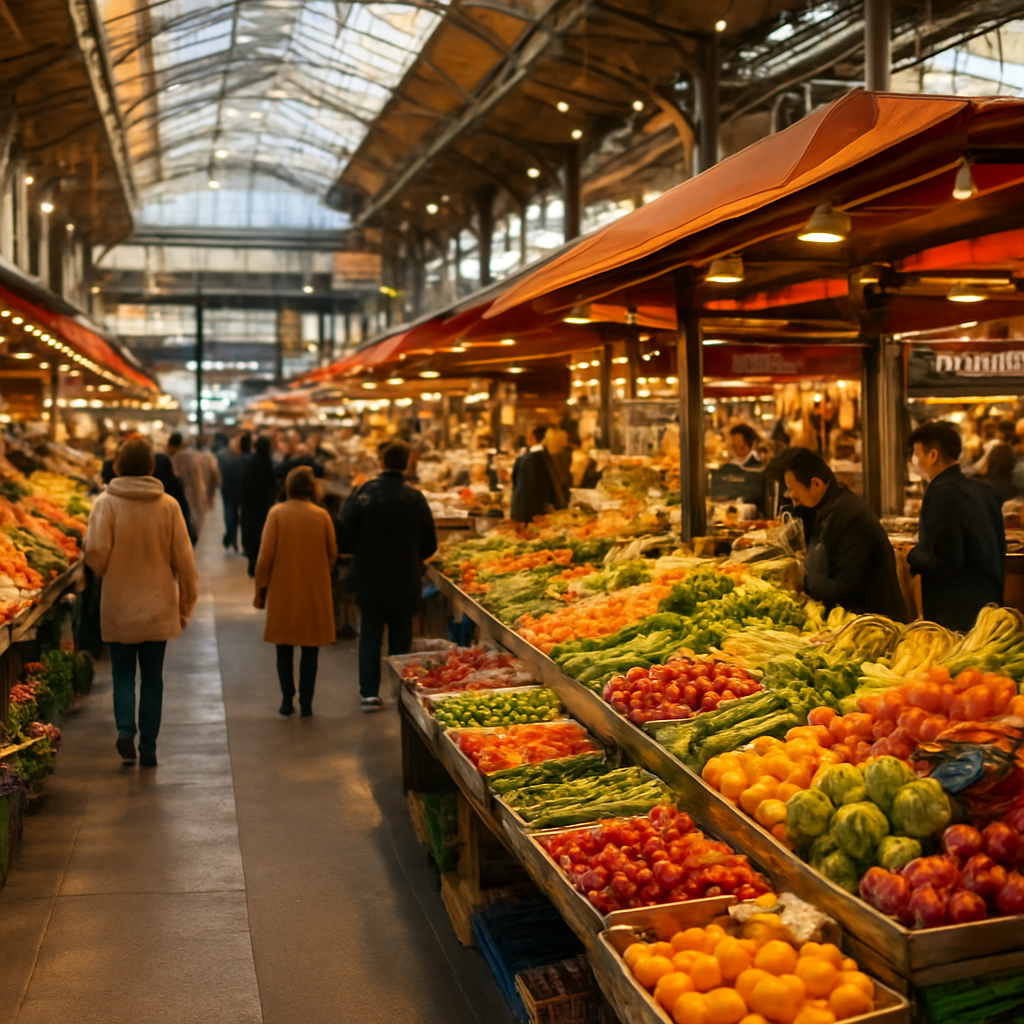
Les Halles de Lyon Paul Bocuse
This covered market in the 3rd arrondissement is Lyon's gastronomic temple — not a tourist simulation of one. Stalls run by Meilleur Ouvrier de France holders sit next to family charcutiers and cheese vendors who've been here for decades. Order a plate of quenelle at one counter, Saint-Marcellin cheese at another, a glass of Côtes du Rhône at a third. Go hungry on a Saturday morning and give yourself two hours minimum. Budget around €25–€40 for a proper graze.
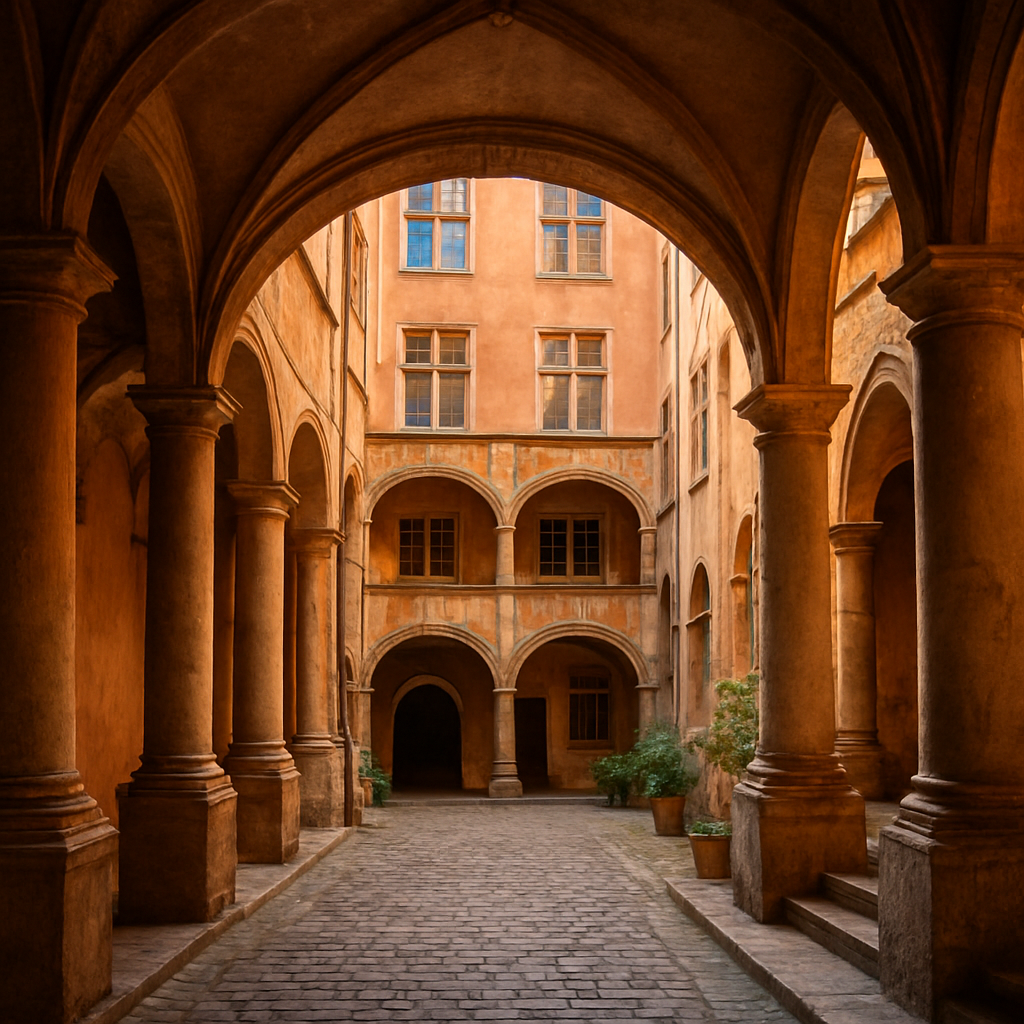
The Traboules of Vieux-Lyon and Croix-Rousse
Lyon's traboules — covered passageways cutting through Renaissance-era buildings between streets — are unlike anything else in Europe. In Vieux-Lyon, they thread through 15th- and 16th-century mansions, opening into courtyards with spiral staircases and galleries you'd swear belong in a museum. In Croix-Rousse, they follow the routes silk workers used to transport fabric downhill without rain damage. Some are signed, many aren't — push the heavy doors, they're meant to be opened. A guided traboule walk runs about €15 and is worth every centime for the doors they'll get you through.
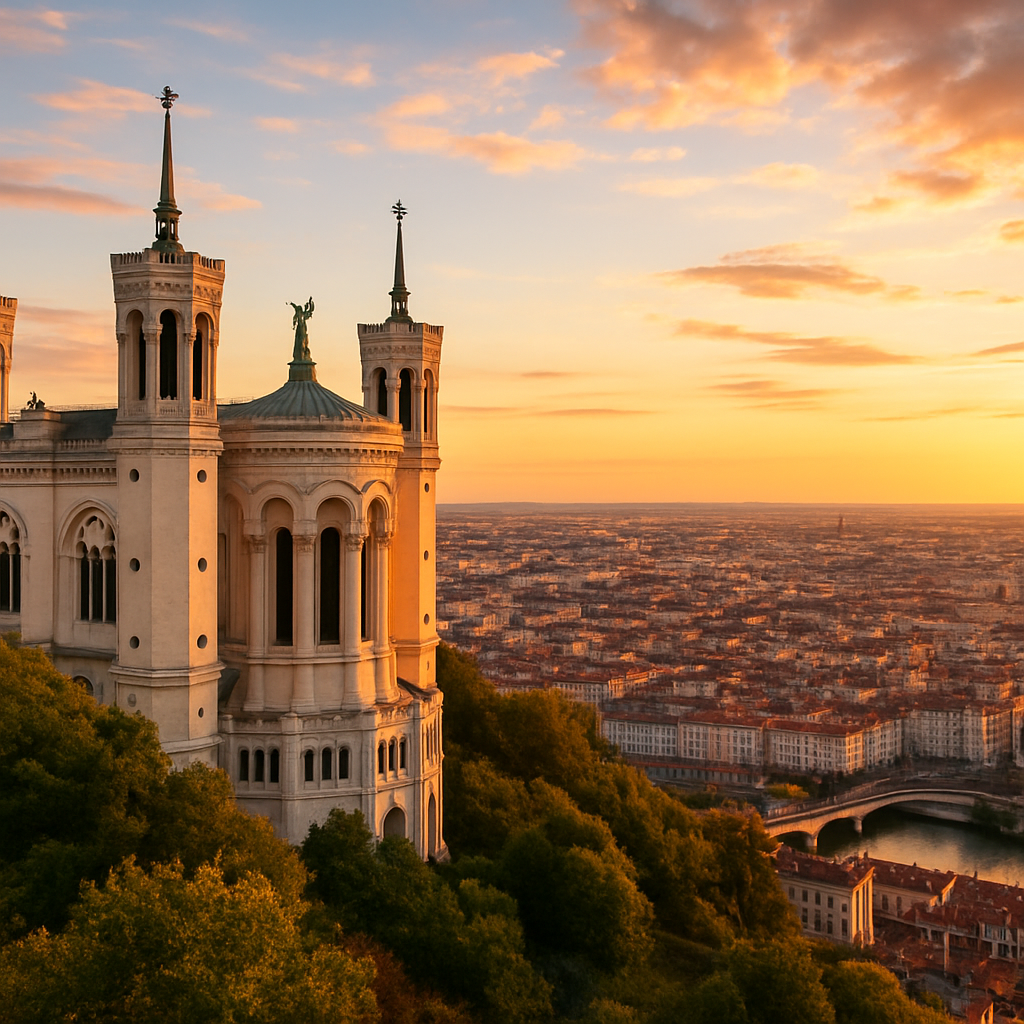
Fourvière Hill at Golden Hour
Take the funicular from Vieux-Lyon to the top of Fourvière hill and arrive about 45 minutes before sunset. The Basilica of Notre-Dame de Fourvière is wildly ornate — gold, marble, mosaics, the whole French ecclesiastical production — and worth seeing whether or not churches are your thing. But the real payoff is the esplanade out front, where the entire city unfolds below you: the two rivers, the Presqu'île, the Alps on clear days. The adjacent Gallo-Roman theatres — still used for performances — sit in open parkland you can wander for free. This is the view that explains why Lyon exists.
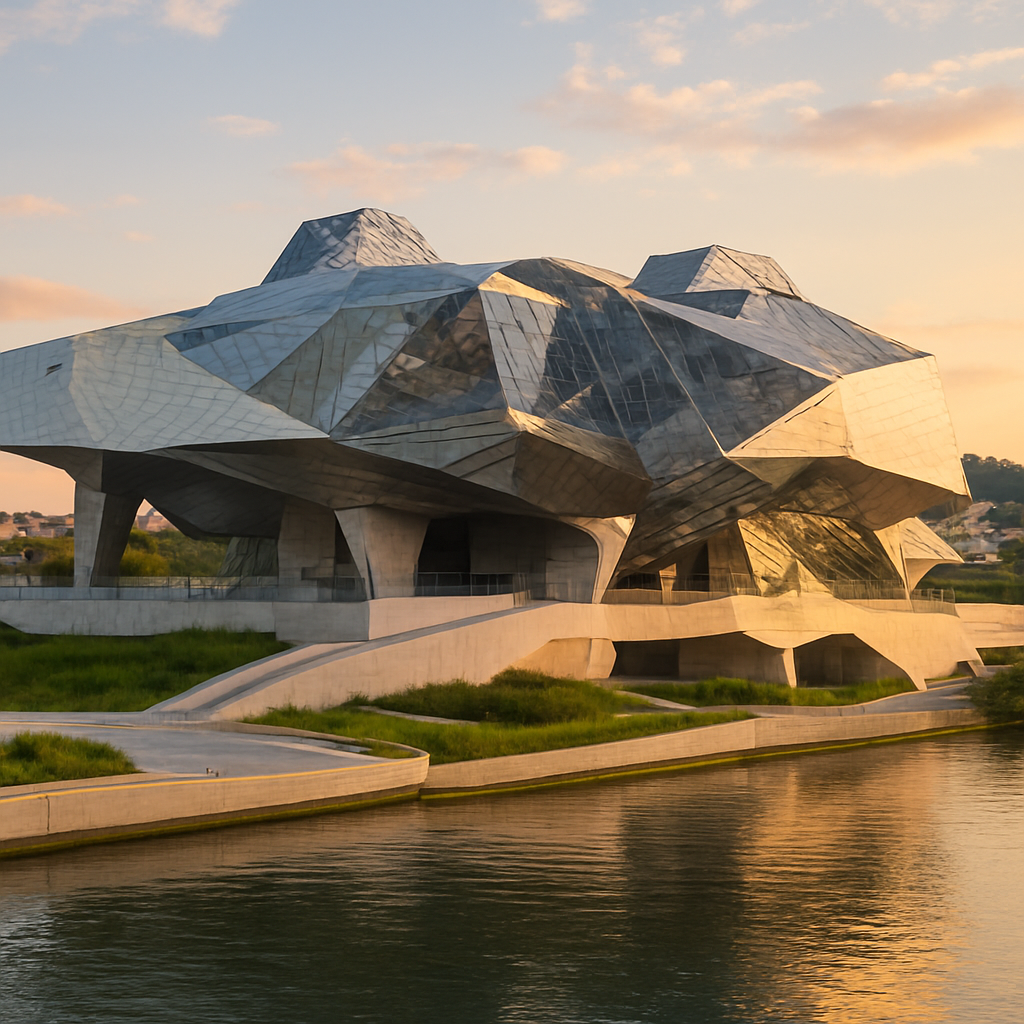
Musée des Confluences
The Coop Himmelb(l)au building alone is worth the trip to the southern tip of the Presqu'île — a deconstructivist steel-and-glass structure that looks like it's mid-argument with gravity. Inside, permanent collections span natural history, anthropology, and human societies across multiple floors, with rotating exhibitions that frequently engage with identity, gender, and culture in ways that feel genuinely considered rather than tokenistic. Build a morning around it. Admission is €9–€12 for adults; EU residents under 26 get in free.
Sunday Morning at Parc de la Tête d'Or
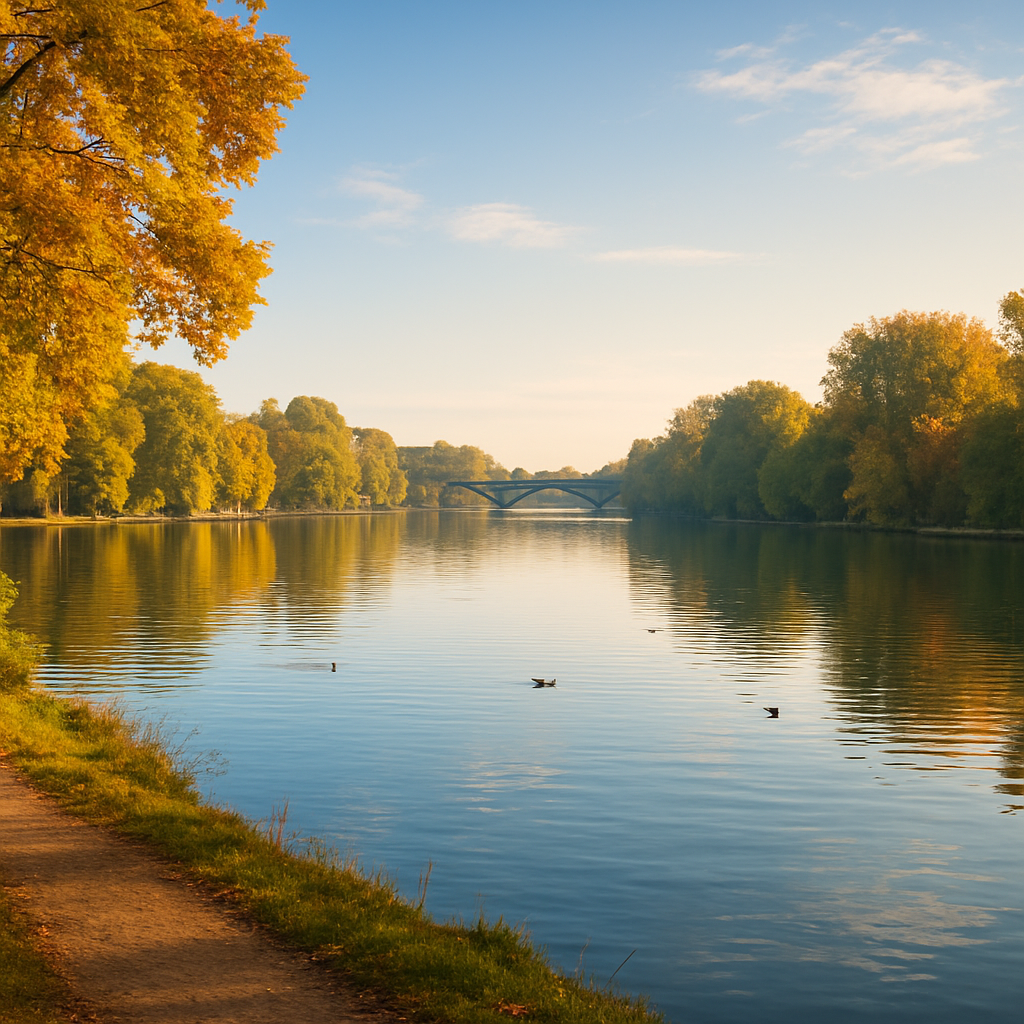
Lyon's 117-hectare urban park in the 6th arrondissement is a Sunday ritual for much of the city, including its queer contingent. There's a free zoo (decent, not spectacular), a lake with rowing boats, rose gardens that peak in June, and wide paths made for slow walking with coffee. The real draw is the atmosphere — dogs, joggers, families, couples, and a casual ease that no bar can manufacture. Bring pastries from a boulangerie on the walk over and claim a bench. Free entry, zero agenda required.
The places I actually send people to
Advice that fits how you travel
Lyon is an excellent solo city, and I don't say that lightly. The Presqu'île's gay bar concentration means you can walk into La Ruche for a coffee at 3pm, switch to wine by 7pm, and be in conversation with someone local by 8pm — the daytime-café-to-evening-bar format removes the awkwardness of walking into a nightlife venue alone. Apps work here — Grindr and Scruff have active user bases in Lyon, skewing younger and more conversational than Paris's sometimes-transactional vibe. The Centre LGBT+ du Rhône is a genuinely useful first stop: they can point you to community events, meetups, and gatherings that don't make it onto English-language platforms.
Budget-wise, solo travel in Lyon is viable from about €60–€80/day if you're strategic — hostel dorms start around €28 at the HI Vieux Lyon, a bouchon lunch plat du jour runs €12–€15, and the TCL day pass covers unlimited transit for about €6. The city is extremely walkable, and most of what you want to see sits within the Presqu'île, Vieux-Lyon, and Croix-Rousse triangle. Safety for solo queer travelers is strong in these central neighborhoods — standard urban awareness applies after midnight, but the Presqu'île bar area is well-trafficked and well-lit.
Pro tip: Lyon's apéro culture is the solo traveler's secret weapon. Sitting alone at a bar with a glass of Beaujolais at 7pm isn't awkward here — it's correct social behavior. Start your evening that way, eat something real at a bouchon counter, and figure out the night from there. The city rewards patience and doesn't punish solitude.
Lyon is a city built for couples who take eating seriously, and if that's you, consider yourself welcomed with open arms and a very good wine list. A long dinner at a bouchon lyonnais on the Presqu'île — order the quenelle de brochet, share a carafe of local Beaujolais, let the evening run well past what you planned — is the kind of meal that becomes a reference point. For a bigger occasion, Têtedoie on the Fourvière hillside combines Michelin cooking with a panoramic terrace looking out over the confluence of the Rhône and Saône. Book it for your first night and you'll spend the rest of the trip quietly trying to recreate the feeling.
PDA between same-sex couples is genuinely unremarkable on the Presqu'île, in Croix-Rousse, and along Les Berges du Rhône — the riverbanks on a warm evening are one of Europe's great romantic promenades, and Lyon's queer couples are a completely visible part of that picture. For accommodation: the Hôtel Carlton Lyon puts you in the middle of everything with Belle Époque bones and walking distance to both the gay bars and Place des Terreaux. Cour des Loges in Vieux-Lyon is the dramatic option — a five-star Renaissance mansion with a courtyard pool that earns its rate and then some.
My specific couples rec: Sunday morning in Parc de la Tête d'Or, followed by a slow brunch at Café Mokxa. It sounds understated and it is — but that's Lyon's romantic register. The city doesn't perform for you. It puts two good glasses of wine in front of you and lets the evening take care of itself.
France's protections for LGBTQ+ families are comprehensive, as of 2026 — same-sex marriage, joint adoption rights, and full anti-discrimination coverage are legally in place. In Lyon's urban core, same-sex parents with children will draw essentially no attention. The Presqu'île, Croix-Rousse, and the riverbank areas are environments where diverse family structures are a visible, unremarkable part of daily life. The FFLAG network operates support resources for LGBTQ+ families traveling in France if you want to connect with community before you arrive.
On the ground, Lyon works well for families. Parc de la Tête d'Or — 117 hectares of parkland in the 6th arrondissement with a free zoo, a lake, and wide paths — is the city's great family equalizer; half of Lyon is there on Sunday mornings and the queer contingent is fully represented. The Musée des Confluences at the southern tip of the Presqu'île is genuinely excellent for older kids, with sweeping permanent collections across natural history and human societies and rotating exhibitions that engage seriously with identity and culture. Admission runs €9–€12 for adults; EU residents under 26 get in free.
Logistics: Lyon's TCL metro and tram network is stroller-accessible on main lines, and children under 4 travel free. The city's bouchons and brasseries handle families without drama — Brasserie Georges on Cours de Verdun, with 600 seats and a menu spanning Lyonnaise classics since 1836, is a reliable all-ages call. If you're staying more than two nights, a Presqu'île or Croix-Rousse apartment rental will serve you better than a hotel room, particularly if you need kitchen access for early mornings or late nights with small humans in tow.
What Lyon actually costs
Flights, visas, and the first 30 minutes
Airport: Lyon-Saint Exupéry Airport (LYS) connects to over 100 cities. Within Europe, you're rarely more than two hours out: Paris CDG is approximately 1h 10m, London LHR around 1h 50m, Amsterdam AMS about 1h 55m, Barcelona BCN roughly 1h 30m, and Madrid MAD approximately 1h 45m. From North America, the most common routing is via a European hub — New York JFK connects in approximately 9h 30m total travel time.
Visa requirements (as of 2026): US, Canadian, and Australian passport holders typically don't need a visa for stays up to 90 days within the Schengen Area, but ETIAS electronic travel authorization is generally required before travel — check your government's official travel advisory for current entry requirements. UK passport holders generally don't require a visa for short stays up to 90 days post-Brexit, but ETIAS applies here too. EU citizens travel under freedom of movement with no visa requirement. Entry rules can and do change; always verify with your government's advisory before booking.
Airport to city centre: The Rhônexpress Tram (€16.90 one-way) is the smart call for most travelers — direct to Part-Dieu station in 30 minutes, running every 15–30 minutes from 5am to midnight. Taxi runs €50–€70 on fixed-rate zones, taking 25–45 minutes depending on traffic. Uber/VTC options range €40–€65 from a dedicated pickup zone with similar journey times. If you're watching every euro, Bus Line 47 costs just €2.00, but it terminates at Gare de Vénissieux rather than the city centre — factor in an additional transit connection and the time that costs you.
Traven's seasonal breakdown
The questions everyone asks
Do I need to speak French in Lyon?
Is it safe to hold hands with my same-sex partner?
Where's the gay neighborhood?
How much should I budget per day?
When is Lyon Pride?
Is the Fête des Lumières worth timing my trip for?
How do I get from the airport to the gay area?
Screenshot this before you go
So should you actually go?
Lyon is one of the most rewarding cities in Europe for LGBTQ+ travelers who want more than nightlife — though the nightlife holds its own. You'll eat extraordinarily well, you'll walk Renaissance streets that make you forget what century it is, and you'll find a gay scene that's compact, confident, and woven into the city rather than bolted on. The legal protections are airtight, the cultural warmth is real, and the worst thing anyone can say about it is that the clubs don't start until midnight. If that's a dealbreaker, I can't help you. If you understand that a city that insists you eat a proper dinner before going out is a city that has its priorities right — go. Lyon earns it.
Sources & Resources
Official links we reference when compiling this guide. Last verified 2026-03-15.