
Nice doesn't announce itself — it just hands you a glass of rosé, points you toward Rue Gubernatis, and lets the evening prove the point.
Nice is the Riviera city that doesn't need you to know it's gay — and that confidence is exactly what makes it work. Walk a block inland from the Promenade's polished tourist veneer and you'll find Rue Gubernatis, where a compact, intentional cluster of gay bars hums with the energy of a scene that's been here for decades without ever feeling the need to advertise. The Côte d'Azur has drawn queer artists and writers since before any of us were born — Somerset Maugham, Jean Cocteau, Elton John all made homes on this coast — and that legacy gives Nice's community a rootedness you can feel the moment you sit down at a bar and realize the regulars aren't performing anything. They're just home.
I gave it an 8.8 on my Traven-Dex, and the number that might surprise people is the 8.8 on Scene — because you won't see it coming from the Promenade. The gay area is tiny. You can walk the whole thing in ten minutes. But Blue Boy Enterprise on Rue Spinetta has been packing its weekend drag nights for over thirty years, La Chambre runs cocktails-to-drag-show in a single room with the kind of versatility most cities can't pull off, and L'Ascenseur near Rue Bonaparte is the bar where the locals will tell you what's actually worth doing tonight — if you're willing to start the conversation in French. The scene is small by design, not by deficit. Everything here is within stumbling distance of everything else, and by midnight on a Saturday, the circuit between Vieux-Nice and the Carré d'Or feels like one continuous, very well-lubricated conversation.
The food alone justifies the trip. A Michelin-starred 30-cover dining room in Vieux-Nice run by an openly gay South African chef — that's Jan Restaurant, and it's as extraordinary as the backstory suggests. A former Negresco chef who gave back his star to cook daube for 25 people at a time with no phone and no credit cards — that's La Merenda, and you'll book in person or not at all. And then there's socca from Chez René, which has been doing exactly one thing since 1943 for about four euros, and it's the single most essential bite on the Riviera. Nice eats like a city that has never once worried about what Paris thinks of it.
What catches you off guard is how the city layers its pleasures. Morning at the Cours Saleya flower market, afternoon on the pebble beach near Le Castel Plage — informally recognized as the gay-friendly stretch for years — then apéro on the Promenade with a glass of Bellet rosé while the Hôtel Negresco's pink dome turns gold. By the time you've climbed Colline du Château at sunset and watched the entire Baie des Anges go amber below you, the question isn't whether to come back. It's how soon you can manage it.
The stuff your travel guide buries on page 47
France is, on paper and in practice, one of the most legally progressive countries in the world for LGBTQ+ rights. As of 2026, same-sex marriage has been legal since 2013, civil unions (PaCS) since 1999, and joint adoption is fully available to married same-sex couples. Anti-discrimination protections are comprehensive — covering employment, housing, goods, and services — and are enforced by the Défenseur des Droits, France's independent anti-discrimination authority. Gender identity law operates on a self-declaration basis since a 2017 reform, meaning no medical requirements for legal gender marker changes. Criminalization? None. Not since 1791, making France one of the first countries in the world to decriminalize homosexuality. You can review the full legal framework for PaCS and marriage at Service-Public.fr.
Now, the cultural reality. France is broadly liberal, but Nice isn't Paris. The city trends politically conservative — it's historically a stronghold of the French right — and that shapes the atmosphere in ways you'll feel more than see. The tourist center, the Promenade, Vieux-Nice — all completely fine. Same-sex couples holding hands draw zero attention. But in quieter residential quartiers, particularly the northern suburbs and outer arrondissements, you may want to read the room. This isn't hostility so much as a more traditional Mediterranean social fabric where public affection of any kind is lower-key.
Nice's gay area is genuinely compact — you can walk all of Rue Gubernatis and its surrounding blocks in under ten minutes. Don't mistake small for insignificant. What's here is intentional, friendly, and carries the quiet confidence of a scene that's been around for decades. The broader Côte d'Azur has drawn queer artists, writers, and travelers since the early twentieth century — Somerset Maugham, Jean Cocteau, Elton John — and that legacy gives the community here a rootedness that bigger, flashier scenes sometimes lack.
Pro tip: most locals will switch to English the second they detect an accent, but opening with a genuine bonjour and a sincere attempt at French will warm up any conversation — especially in the bars around Rue Gubernatis. They notice. Every time.
PDA comfort is high across the main tourist zones. The Promenade des Anglais, Vieux-Nice, the Carré d'Or nightlife cluster — all places where same-sex couples are unremarkable. During Carnaval de Nice in February, the festival energy makes the entire city feel wide open. In hillside residential neighborhoods like Cimiez, you're unlikely to face confrontation, but you might catch an occasional glance. Standard awareness, nothing more.
What it actually feels like on the ground
Holding hands. Along the Promenade des Anglais and throughout Vieux-Nice, same-sex couples holding hands are an entirely ordinary sight — particularly in summer, when the tourist population skews international and the city settles into its most relaxed self. In the Carré d'Or bar district around Rue Gubernatis, you're in explicitly affirming territory. In residential neighborhoods further from the centre — northern suburbs, outer arrondissements — lower-profile is sensible, not because of documented incidents but because the social temperature is different.
Hotel check-in. No issues at any level of accommodation. France's anti-discrimination law covers hospitality, and Nice's hotel industry serves an international clientele year-round. Same-sex couples booking a double room or king bed will encounter zero friction at chains, boutiques, or independent properties. This is not a city where you need to strategize your booking.
Taxis and rideshares. Standard experience. Uber and Bolt both operate in Nice. Local taxi drivers are professional — this is a major tourist city, and they've seen everything. No reports of discrimination or discomfort from same-sex couples.
Beaches and public spaces. Nice's beaches are international tourist territory. Same-sex couples on the public pebble beaches or at private beach clubs face no social friction. The eastern stretch near Le Castel Plage on the Quai des États-Unis has long been informally recognized as a gay-friendly section. Private clubs like Plage Beau Rivage draw a stylish, mixed crowd — the modest entry fee buys you significantly better energy than the free public stretches.
Late night. The area around Nice-Ville train station and the periphery of the old port can feel less welcoming after midnight — this is standard big-city awareness, not an LGBTQ+-specific concern. Petty theft on the Promenade and in tourist areas is the primary safety advisory from every Western government, not anti-LGBTQ+ risk. Stick to well-lit routes between venues, or grab a Bolt.
Trans travelers. France's self-declaration gender marker law means no legal barriers. In practice, social acceptance in Nice's tourist areas is generally good, but trans visibility in mainstream Niçois culture is still emerging. Some misgendering in service contexts — restaurants, shops — may occur, particularly outside the city centre. It's carelessness, not malice, but it's real.
Verbal harassment. Rare in the tourist centre. Not unheard of in outer neighborhoods late at night, but documented incidents are uncommon. If you experience or witness anti-LGBTQ+ harassment, SOS Homophobie (01 48 06 42 41) is France's national reporting and support line — save the number before you arrive, even if you never need it. For health support, HIV testing, or crisis counseling, AIDES Côte d'Azur is your local touchpoint on the ground. Confidential HIV and STI counseling is also available through Sida Info Service.
Overall posture. Nice is a safe city for LGBTQ+ travelers. The risks here are the same ones every tourist faces — pickpockets on the Promenade, overpriced restaurants on Cours Saleya, sunburn. Adjust your awareness by neighborhood and time of night, and you'll be fine.
The queer geography
Vieux-Nice (Old Town)
Start here. The narrow pedestrian lanes of Vieux-Nice are a sensory overload in the best way — Baroque facades in faded ochre and terracotta, laundry strung between shuttered windows, the smell of socca baking in wood-fired ovens drifting out of doorways on Rue Droite. This is where you'll eat the best food in the city: Chez René Socca has been serving chickpea crêpes since 1943, and La Merenda — run by a former Negresco chef who gave back his Michelin star to cook daube for 25 people at a time — doesn't have a phone. You show up in person or you don't go. The morning flower market on Cours Saleya is a Saturday institution worth dragging yourself out of bed for.
The LGBTQ+ layer here is woven in naturally. Several of Nice's gay bars cluster in and around the old town — L'Ascenseur near Rue Bonaparte, La Chambre with its drag nights, Hole Bar for a straightforward, no-pretense drink. The Nice tourism office can point you toward current events, and the Couleurs Gaies community association is based in this part of town. It's a neighborhood where the scene and the city are the same thing — you're not going to a gay district, you're going to the heart of Nice, and the gays happen to have excellent taste in real estate.
Rue Gubernatis & the Carré d'Or
Walk a block inland from the beach and the polished Promenade veneer peels away into something younger, messier, and considerably more interesting. Rue Gubernatis is the informal heart of Nice's gay scene — a compact stretch where the city's LGBTQ+ bars and social spaces cluster within a few minutes' walk of each other. The architecture is classic Belle Époque Nice: ornate ironwork balconies, tall shuttered windows, tiled entryways that smell faintly of old stone and fresh bread from the boulangeries on every corner.
The Carré d'Or — Nice's golden square of streets between the station and the sea — is where you'll find Hôtel Windsor, with its artist-designed rooms and subtropical garden, alongside wine bars and bistros that fill up for apéro starting around 6pm. The bar crawl here is walkable and low-effort: start with drinks at Le Smarties or Le Klub near Place Masséna, then follow the noise south as midnight approaches. Blue Boy Enterprise on Rue Spinetta is the anchor — over 30 years of weekend drag shows and themed soirées that pack the place past 2am. It's loud, fun, and unashamedly retro in the absolute best way.
Promenade des Anglais & the Waterfront
The Promenade des Anglais needs no introduction, but it deserves a proper walk anyway. Seven kilometers of seafront — the famous blue chairs, joggers at dawn, the whole Mediterranean unfurling in that specific shade of impossible blue that Matisse spent years trying to capture. The Hôtel Negresco's pink dome anchors the western stretch like a wedding cake someone left on the beach in 1913 and the city just decided to keep.
The private beach clubs along the Promenade are the most reliably mixed and welcoming spots for a day on the water. Plage Beau Rivage draws a stylish, diverse crowd. Further east, the public pebble section near Le Castel Plage on the Quai des États-Unis has been informally recognized as a gay-friendly beach for years — referenced in the Spartacus Guide across multiple editions. Nice Pride — the Marche des Fiertés — routes along the Promenade every June, drawing participants from across the Côte d'Azur, Provence, and even northern Italy.
Place Garibaldi & the Port
If Vieux-Nice is the tourist magnet, Place Garibaldi is where the locals actually hang out. This grand Italianate square — all arcaded facades in Piedmontese yellow — sits at the eastern edge of the city centre near the port, flanked by cafés with zinc counters and terraces that catch the late afternoon light. The energy is younger, more local, and considerably less curated than the Promenade. Order a pression at one of the corner bars and watch the evening unfold.
The port end of the city has its own rhythm — fishing boats and ferries to Corsica, restaurants serving the day's catch, and the kind of unpolished Mediterranean atmosphere that the beachfront hotels have long since buffed away. The walk from here up to Colline du Château — the hilltop park above Vieux-Nice — rewards you with what might be the best free view on the entire Riviera: the Baie des Anges stretched out below, the city in terracotta miniature, and if you time it right, a sunset that explains why queer artists and writers have been drawn to this coast for over a century. Take the free elevator up if it's late; the footpath is steep.
Cimiez
Up the hill from the city centre, Cimiez is Nice's quieter, greener face — Roman ruins, the Matisse Museum in a seventeenth-century Genoese villa, and olive groves that feel improbably rural for a city of 350,000. The Villa Saint-Exupéry Gardens Hostel occupies a former nineteenth-century monastery up here, and budget travelers who don't mind a tram ride get gardens, communal kitchens, and a pace of life that's a world away from the Promenade. This isn't a neighborhood with LGBTQ+ nightlife — it's a neighborhood for the morning after, when you want a quiet museum and a park bench with a view. The energy is residential and local; PDA is fine but lower-key than the centre. Come for the Matisse, stay for the silence.
The experiences worth rearranging your itinerary for
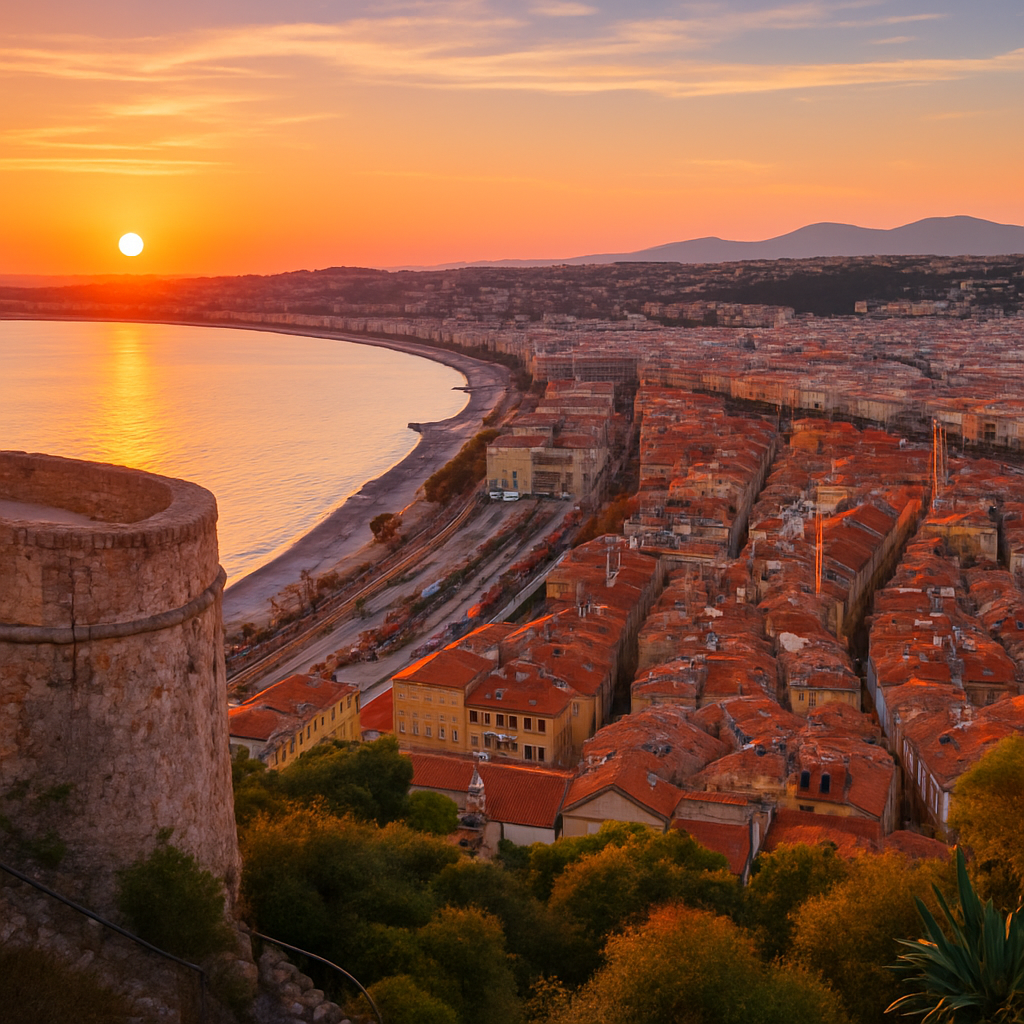
Sunset from Colline du Château
Take the free elevator from the eastern end of the Quai des États-Unis or walk the steep footpath — either way, you'll end up on a hilltop park above Vieux-Nice with the entire Baie des Anges stretched out below you. The panorama is absurd: terracotta rooftops in miniature, the Promenade curving into the distance, and the Mediterranean doing that impossible color thing it does when the light starts dropping. Bring a bottle of rosé from the shop at the bottom of the hill. There's a reason artists have been coming to this coast for over a century, and from up here, you understand it in about three seconds. Free, daily, non-negotiable.
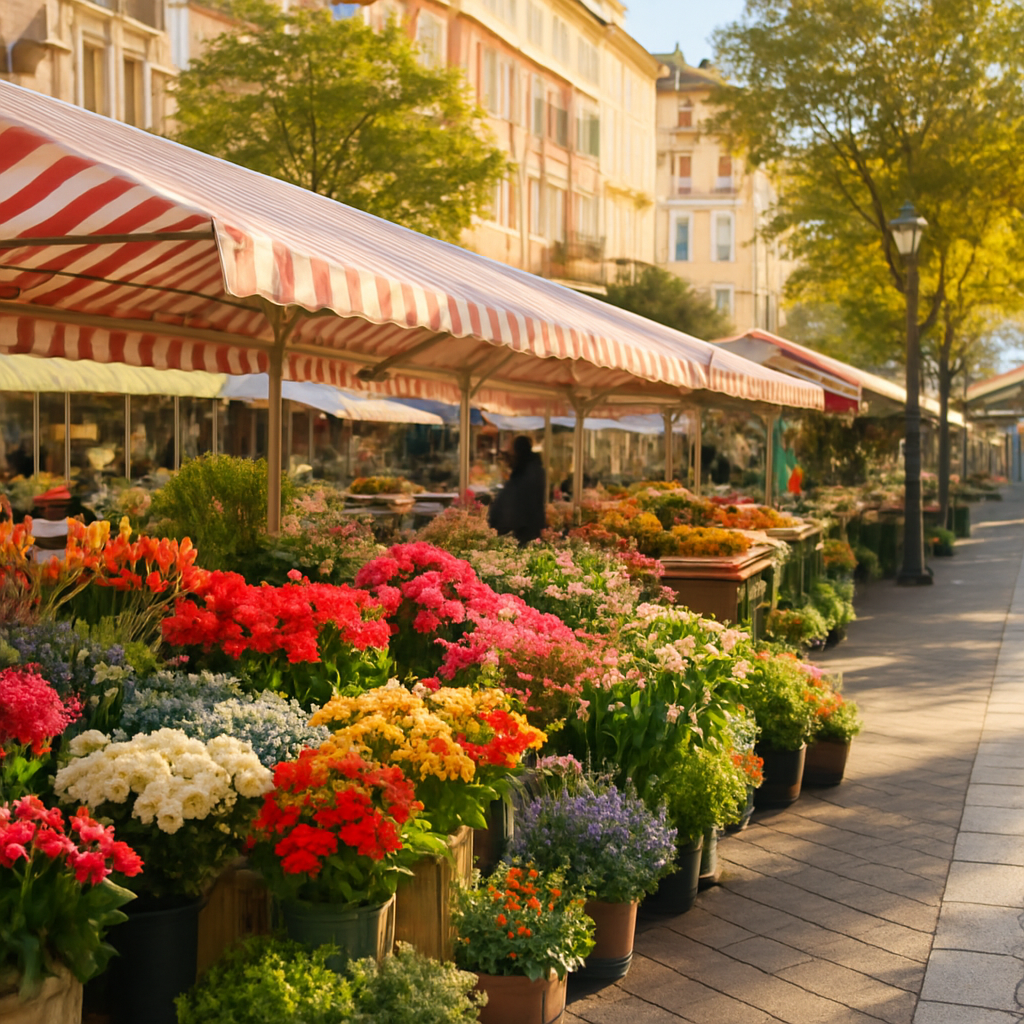
Socca and the Cours Saleya Market
Saturday morning, Cours Saleya: the flower market is out, the produce stalls are stacked with Provençal tomatoes and olives, and the smell of wood-fired socca is drifting up from Chez René Socca a block away. Get there before noon, pay cash, burn your fingers on the chickpea crêpe, and eat it standing up at a shared table. Then walk the market — the vendors have been setting up here for generations, and the quality of the produce is a direct line to why Niçois cuisine tastes the way it does. Follow the socca with a pissaladière from the nearest bakery and call it the best €8 breakfast of your life.
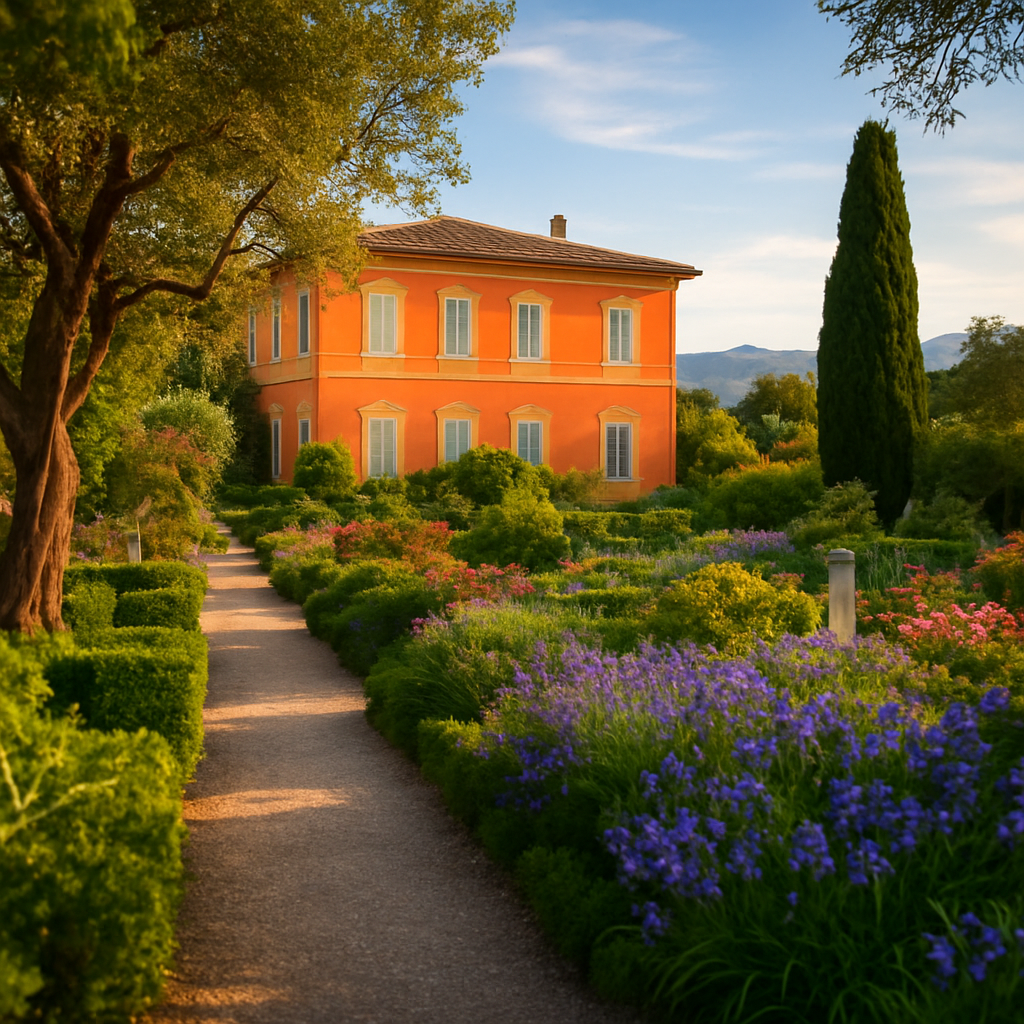
The Matisse Museum in Cimiez
Henri Matisse spent the last decades of his life in Nice, and the city keeps his legacy in a 17th-century Genoese villa set among the olive groves of Cimiez. The collection traces his entire arc — from early paintings through the paper cut-outs that defined his final period — and the setting is as much the point as the art. The gardens outside are quiet in a way that feels earned after the Promenade crowds, and the Roman ruins a few steps away remind you this hill has been attracting people for considerably longer than tourism has existed. Take Tram Line 1 to Arènes and walk five minutes up the hill. Allow two hours for the museum, longer if you want the park to yourself.
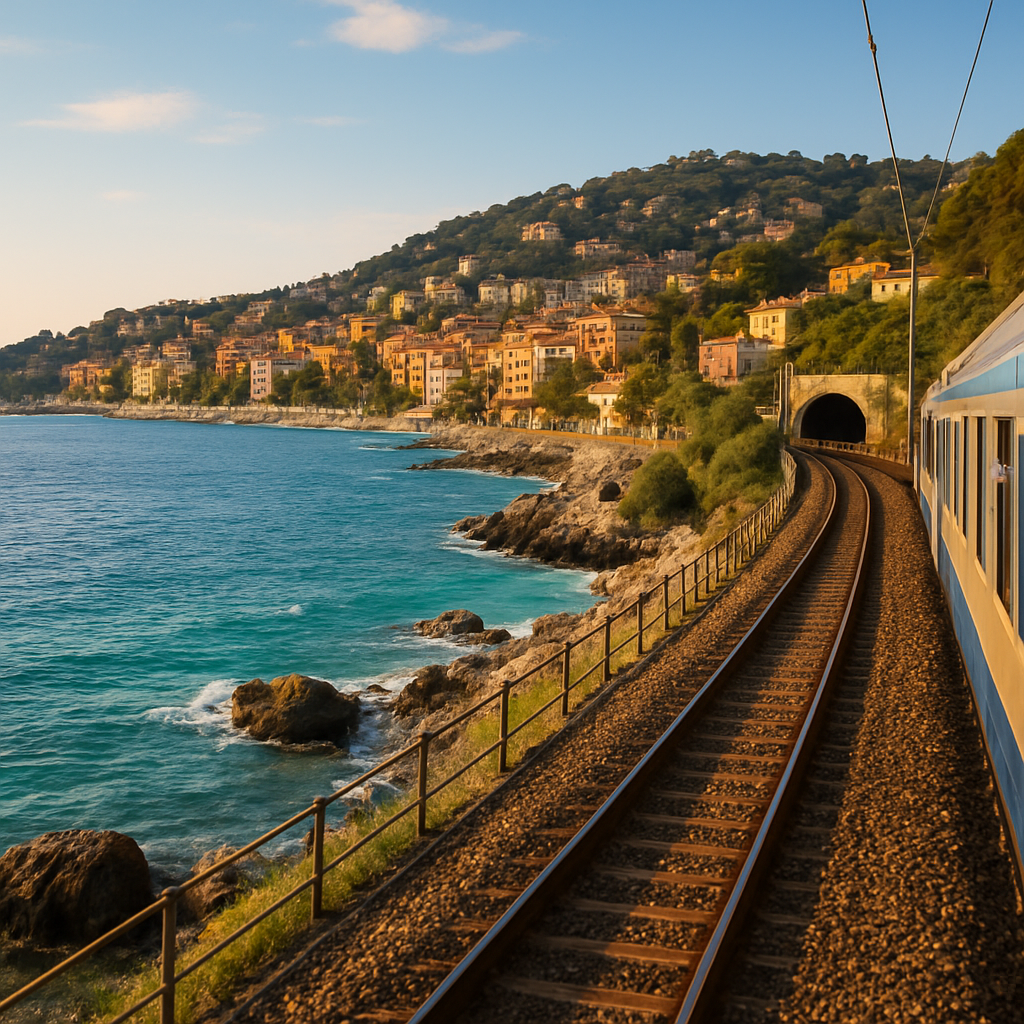
The Riviera Coast by Train
The TER train from Nice-Ville station hugs the coastline in both directions, and the ride itself is half the experience. East toward Monaco (25 minutes) and Menton (35 minutes), the track passes through tunnels that open suddenly onto cliffside views of turquoise water and red-roofed villages. West to Antibes (25 minutes) and Cannes (35 minutes), the coast flattens into sandy beaches and yacht harbors. Buy a day ticket, pick two or three stops, and improvise — lunch in Antibes, the Casino de Monte-Carlo in the afternoon, dinner back in Nice. No car needed, no planning required, just the most beautiful commuter rail in the Mediterranean.
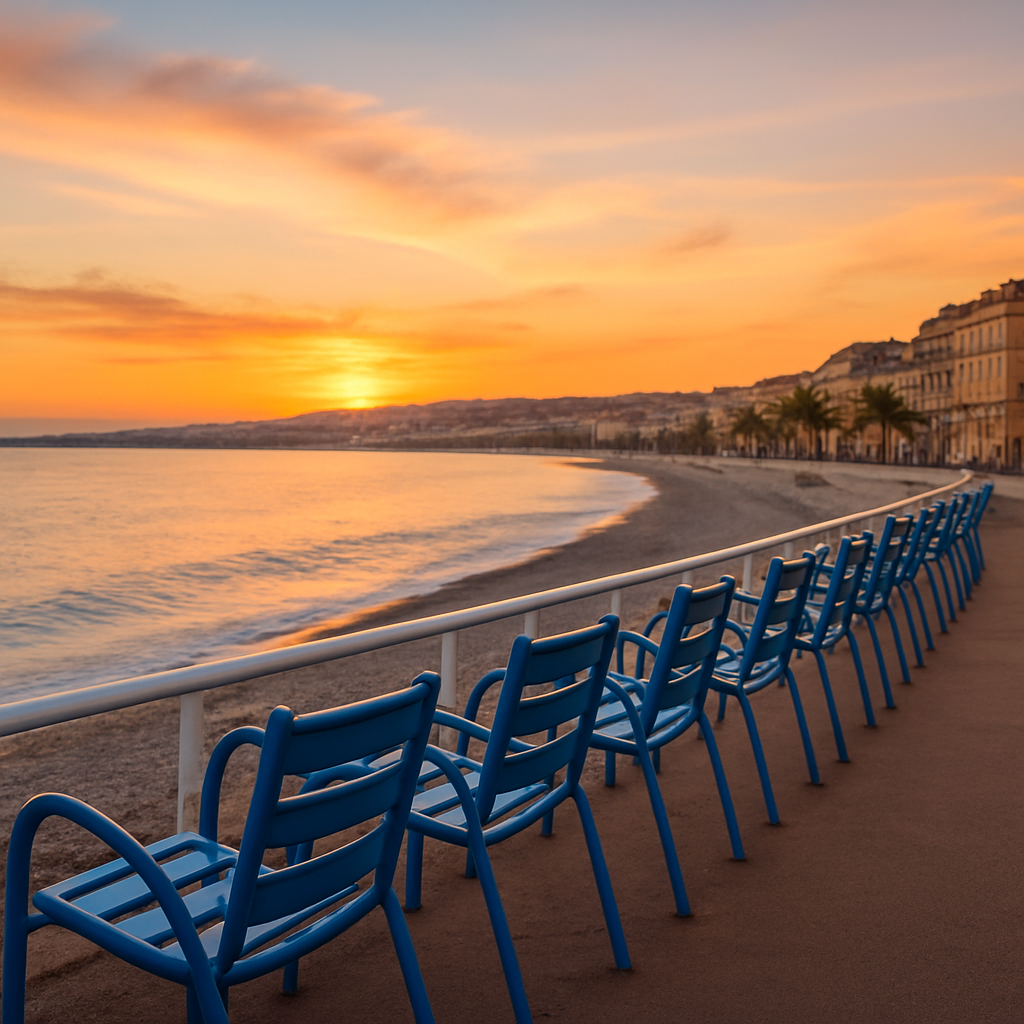
Apéro on the Promenade des Anglais
The French invented apéro — that golden stretch between 6pm and 9pm when the entire country collectively agrees that the day is over and drinks must happen — and Nice is where the ritual reaches its most photogenic form. Grab a seat at one of the Promenade-facing terraces, order a glass of Bellet rosé (Nice has its own appellation, and most people don't know that), and watch seven kilometers of seafront turn gold as the light drops. The famous blue chairs along the Promenade are free and face the sunset. The Hôtel Negresco's pink dome catches the last light in a way that feels like it was designed specifically for this hour. This isn't an activity — it's a lifestyle, and it takes about one evening to understand why the French don't eat dinner until 9pm.
The places I actually send people to
Advice that fits how you travel
Nice rewards the solo traveler in ways that cities twice its size don't always manage. The gay bar circuit on Rue Gubernatis is compact by design — you can work the entire stretch in a single evening, and because the venues cluster within minutes of each other, you're perpetually in position to follow whoever you just met to the next spot. The apps are active and notably practical here: Grindr and Scruff both show a healthy presence, particularly in summer when the city's population swells with international visitors. Bar culture does the heavy lifting, though — Nice's regulars at places like L'Ascenseur and Le Smarties are the kind of locals who give honest recommendations, and a solo traveler willing to start a conversation will finish the evening with a list of places nobody has Googled.
Budget solo travel in Nice is more achievable than the Riviera's reputation suggests. The tram system covers the key zones for €1.70 a ride, the free beaches are genuinely good, and a lunch of socca from Chez René costs about €4. For accommodation, Villa Saint-Exupéry Gardens Hostel in Cimiez is one of the highest-ranked hostels in France — former monastery, garden terrace, communal kitchen — and if you want your own room without a chain hotel price tag, Nice Garden Hotel in the Carré d'Or consistently delivers. A solo morning at the Matisse Museum in Cimiez is worth blocking out — the quiet of the olive groves outside is the kind of thing you can actually absorb when nobody is waiting for you to move on.
Safety for solo travelers is straightforward. The tourist center, the Promenade, and the gay bar area are well-lit and well-trafficked at night. The blocks around Nice-Ville station warrant the standard late-night situational awareness any large city demands — nothing LGBTQ+-specific, just the usual petty-theft awareness every Western government flags for this city. Pro tip: the walk from Rue Gubernatis to most central hotels is 10–15 minutes along populated streets, but if it's past 2am and you've had a full Mediterranean evening, Bolt is cheap and always running.
Nice is genuinely romantic for same-sex couples, and not in the manufactured way — in the way that actually works. Sunset at Colline du Château with a bottle of local Bellet rosé costs nothing and delivers a view that will make both of you go quiet. Dinner at Jan Restaurant in Vieux-Nice — where openly gay chef Jan Hendrik van der Westhuizen is doing the most interesting cooking on the Riviera — is the kind of meal that becomes a reference point for future anniversary dinners. For something more relaxed, Olive et Artichaut on Rue Sainte-Réparate delivers Michelin-recognized quality at bistro prices, steps from the Cours Saleya flower market, in one of the most beautiful dinner settings in the old town. Then there's apéro on the Promenade itself — grab a table at one of the seafront terraces, order two glasses of rosé, and watch the Hôtel Negresco's pink dome catch the last light. That particular hour costs almost nothing and is almost impossible to do badly.
PDA for same-sex couples is unremarkable along the Promenade des Anglais, throughout Vieux-Nice, and especially in the Carré d'Or nightlife cluster — you're not making a statement, you're just two people in Nice. For accommodation, Hôtel Beau Rivage is the couples' pick: private beach access on the Quai des États-Unis, Henri Matisse history in the walls, and a location that puts you at the doorstep of every gay bar in the old town. If that stretches the budget, Hôtel Windsor in the Carré d'Or — where every room is individually designed by a different contemporary artist — makes the room itself part of the romance. Wake up surrounded by original art, drink coffee in the subtropical garden, and walk to the beach in eight minutes.
The day-trip dimension of Nice is a couples' asset worth using. The TER train from Nice-Ville to Monaco takes 25 minutes — stroll the rock, admire the Casino de Monte-Carlo, take the train back in time for dinner. Or go west: Cannes in 35 minutes, where La Croisette is exactly as cinematic as advertised and the beach clubs are better quality and less chaotic than Nice's. The coastline between Nice and Menton is arguably the most beautiful stretch of Mediterranean Europe, and you can see most of it from a train window for €5 each way. If your timing aligns with late June or early July, Nice's Marche des Fiertés along the Promenade is a warm, genuinely joyful event that traditionally ends in a collective apéro spilling across Cours Saleya until midnight — a very good night to be a couple in this city.
LGBTQ+ families are on solid legal ground in France, and Nice reflects that without friction. As of 2026, same-sex marriage and joint adoption are fully legal, meaning two-parent same-sex families face no recognition issues at hotels, in medical contexts, or in any tourist-facing situation. The city's international character means staff across the hospitality industry have seen every family configuration and will treat yours without a second glance. Colline du Château — free, accessible by elevator from the eastern end of the Quai des États-Unis, and delivering a panoramic view of the Baie des Anges that impresses adults and children equally — is the best free family activity in Nice. The park at the top has space to run, ruins to explore, and a waterfall that reliably delights the under-tens. Take the elevator up; the footpath is steep enough to create complaints on the way down.
The practical logistics are manageable. The tram system accommodates strollers, runs frequently, and covers the main points of interest. The pebble beaches require preparation — bring water shoes, because Nice's shingle is not a sand-between-toes situation — but the water is clear and safe. The Cours Saleya morning market on Saturdays is genuinely engaging for older children: flowers, produce stalls piled high with Provençal tomatoes and olives, and the smell of wood-fired socca baking nearby. Chez René Socca handles snacking at a price that won't sting. For a full-day outing, the TER train to Monaco is 25 minutes from Nice-Ville station — the Oceanographic Museum in Monte-Carlo is one of the finest natural history museums on the Mediterranean coast and genuinely excellent for ages six and up. No car required, no parking to navigate.
The Matisse Museum in Cimiez is worth the tram ride for families with art-curious older children — the 17th-century Genoese villa surrounded by olive groves holds attention even when the paintings don't. For LGBTQ+ families looking for community connection, the Couleurs Gaies association can point you toward local family-focused events and resources; the Centre LGBT+ Nice Côte d'Azur also runs a community calendar with family programming, particularly around Pride season in June. Nice's Le Refuge PACA network, though primarily a youth support service, is a useful local contact point if your family needs any kind of LGBTQ+-specific resource during your stay. This is not a city that will make LGBTQ+ family life complicated — it won't even make it notable.
What Nice actually costs
Flights, visas, and the first 30 minutes
Airport: You're landing at Aéroport Nice Côte d'Azur (NCE) — one of the busiest airports in France, and the main gateway for the entire French Riviera. With approximately 100 direct connections, you won't struggle to get here from most major European cities. Transatlantic travelers typically connect through Paris (CDG or ORY), London Heathrow, or Amsterdam Schiphol.
Visa requirements (as of 2026): EU citizens travel on free movement — no visa, no permit, no paperwork. US, UK, Canadian, Australian, and most other Western passport holders are typically admitted visa-free for up to 90 days within any 180-day period under Schengen rules. Note that ETIAS — the EU's pre-travel authorization system — is generally required from mid-2025 for visa-exempt nationalities including the US, UK, Canada, and Australia. It's a quick online process and costs a small fee, but you'll want to sort it before you arrive. Not a bureaucratic nightmare; just don't leave it to the airport queue.
Getting from the airport to the city: Tram Line 2 is the move — €1.70 flat fare, direct to the city centre, running every 4–6 minutes at peak hours. Buy your ticket at the platform machine before boarding. The ride takes 30–35 minutes and drops you into the heart of Nice without the taxi drama. If you're arriving late with luggage or heading straight to a hotel on the Promenade, a taxi or VTC (Uber or Bolt, available curbside) runs €30–45 depending on your destination and takes 15–25 minutes. Bus 23 connects Terminal 2 to Riquier station for the same €1.70, but it's slower and less direct — only worth it if you're already connecting to the suburban rail network. Rental cars are available in Terminal 1, but I'd skip it: parking in the city centre is expensive and genuinely miserable to navigate.
Traven's seasonal breakdown
The questions everyone asks
Is Nice safe for same-sex couples?
Where's the gay area in Nice?
Do I need to speak French?
How much should I budget per day?
Is there a gay beach in Nice?
When is Nice Pride?
Can I do day trips without a car?
Screenshot this before you go
So should you actually go?
Go. Nice is a city where the food is exceptional, the legal protections are as strong as they get anywhere on earth, the scene is compact but genuine, and the Mediterranean is doing that impossible blue thing right outside your window. It's not Paris — it's smaller, quieter, more conservative in pockets — but that's precisely what gives it its charm. The gays have been coming to this coast for over a century, and they've chosen well. You'll spend less than you expect, eat better than you planned, and leave with a tan and a list of bars you want to revisit. My Traven-Dex of 8.8 reflects a city that delivers on nearly every front — the only reason it's not higher is that the scene, while excellent, is genuinely compact and the cultural pulse outside summer months drops noticeably. But from May through October, honey, this is one of the best trips you can take in Europe. I mean that with zero qualification.
Sources & Resources
Official links we reference when compiling this guide. Last verified 2026-03-17.
- Act Up Paris – National LGBTQ+ Health & Rights Advocacy
- AIDES – HIV/AIDS Prevention & Support (National, Côte d'Azur Branch)
- Couleurs Gaies – Nice-Based LGBTQ+ Community Association
- Défenseur des Droits – Official French Anti-Discrimination Authority
- ILGA-Europe – European LGBTQ+ Rights Monitoring & Advocacy
- Inter-LGBT – French National LGBTQ+ Federation
- Le Refuge – Emergency Housing & Support for LGBTQ+ Youth
- Nice Côte d'Azur Tourism – Official City Tourism Office
- Planning Familial – Sexual Health, Rights & Counseling Services
- Service-Public.fr – Official Guide to French LGBTQ+ Legal Rights (PaCS & Marriage)
- Sida Info Service – Free, Confidential HIV & STI Counseling Hotline
- SOS Homophobie – National LGBTQ+ Anti-Discrimination Hotline & Reporting