
Papeete doesn't perform for you. It hands you poisson cru on a plastic stool at Place Vaiete and lets the sunset do the rest.
Tahiti gets sold to you as a postcard — overwater bungalow, turquoise lagoon, the honeymoon you saw in someone's Instagram carousel — and the postcard is real. But the actual story of Papeete starts about ten kilometers east of all that, on a strip of waterfront called Place Vaiete, where every night around 7pm a fleet of food trucks called roulottes wheels into formation and the entire city shows up to eat poisson cru on plastic stools. A māhū auntie is plating your dinner. Her cousin is selling tiare flowers two trucks down. A French expat is arguing with a fisherman about rugby. This is the room where Papeete is itself, and it has nothing to do with a bungalow.
That's the contradiction this city runs on. Legally, you're in France — same-sex marriage since 2013, joint adoption, gender marker change by self-declaration, the whole European framework. That's why I gave it a 10.0 on Legal. But you're also 10,000 miles from Paris, on islands where evangelical congregations carry real weight in residential Pirae and Faa'a, and where the social ceiling shifts block by block. The redeeming feature is one I didn't expect to matter as much as it does: Polynesian culture has recognized māhū as a third-gender identity for centuries before the missionaries showed up, and that lineage is still visible in the dance troupes at Heiva i Tahiti, in the gallery upstairs at the Marché de Papeete, in who's running the show on the Piano Bar stage at midnight.
Papeete is not a city with a gay village. The 6.5 on Scene reflects that — there's no neighborhood you can walk to and find a row of rainbow flags. What's there instead is a single bar on Rue des Écoles called Piano Bar, gloriously divey, where māhū and raerae performers have been holding the room together through every chapter of this city's history. There's Paradise Night Club a few doors down for the after-1am dance floor. There's the upstairs gallery at the market where introductions happen if you're polite, buy something, and speak some French. The queerness here is woven, not bordered — and that takes a beat longer to read.
What you come for is the bigger picture. Sunset on the Jardins de Paofai promenade with a Hinano from the kiosk. The early ferry to Moorea on a quiet Tuesday. Le Lotus built on stilts over the InterContinental's lagoon at 6:15pm when the Moorea sunset hits the dining room. A 7.7 on my Traven-Dex isn't an accident — Papeete delivers the postcard and gives you a real city underneath it, and same-sex couples get to stand inside both. Just don't fly here for the nightlife. Fly here for everything else.
The stuff your travel guide buries on page 47
Here's the thing about French Polynesia that surprises people: legally, you're in France. As of 2026, same-sex marriage has been on the books since 2013, civil unions (PACS) are recognized, joint adoption is fully legal, and gender marker change is available via self-declaration. Anti-discrimination protections are comprehensive and enforced by French national authorities — the Haut-Commissariat de la République en Polynésie française applies the same statutes you'd find in Lyon or Marseille. That's why I gave it a 10.0 on Legal.
But you're also 10,000 miles from Paris, on islands where evangelical and Catholic churches carry real cultural weight. The legal floor is European; the social ceiling varies block by block. The redeeming feature — and it's a big one — is the long Polynesian tradition of māhū, a third-gender identity recognized in Tahitian society for centuries before the missionaries showed up. Māhū aunties run flower stalls at the Marché de Papeete. They dance in Heiva i Tahiti troupes every July. The fluidity is older than the cathedral.
One word on terminology: locals will gently correct you if you call someone trans when they're māhū, or vice versa. The words aren't synonyms here, and the distinction matters. Polynesian gender categories predate French ones by centuries, and people are protective of that lineage. The local LGBTQ+ association, Cousins Cousines de Tahiti, hosts community events sporadically and marks IDAHOBIT on May 17 with low-key visibility actions — there's no Pride parade, and don't expect one.
Pro tip: Sundays are a dead zone. Papeete observes a serious Christian Sunday — most shops, including the market, shut by noon Saturday and don't reopen until Monday. Plan your roulotte runs accordingly or you're eating hotel buffet. PDA-wise: high comfort on resort grounds and at Piano Bar, moderate along Boulevard Pomare and the waterfront, lower in residential pockets of Pirae and Faa'a where evangelical congregations are dense. Read the block, not the country.
What it actually feels like on the ground
Holding hands: Fine on Boulevard Pomare in the early evening, fine on resort grounds, fine at the roulottes on Place Vaiete. The variable isn't local hostility — Polynesian culture is famously accepting of māhū and same-sex affection draws less attention than you'd expect. The variable is drunk-tourist and drunk-sailor energy after 2am near the Quartier du Commerce when the bars empty out. Read the room.
Hotel check-in: Zero issue at the InterContinental, Le Méridien, the Hilton, or any of the Pearl Resorts properties. Honeymoon couples of all configurations are routine here, and Tahiti Tourisme actively markets to LGBTQ+ travelers. Independent guesthouses in central Papeete like Fare Suisse are equally fine.
Taxis: Generally professional, metered, no issues reported. The Le Truck public bus along Boulevard Pomare is half the price and twice the experience — locals will tell you when to pull the cord. Surcharge of approximately 500 XPF after 8pm and on Sundays/holidays is standard.
Beaches and public spaces: Family beaches like Plage de Toaroto and PK18 are fine for affection, but overt PDA is uncommon for any couple — Tahitian beach culture is relaxed but not demonstrative. Jardins de Paofai at sunset is comfortable for everyone.
Late night: The actual risk on the waterfront is petty theft, not homophobia. Phones get snatched off café tables on Boulevard Pomare with depressing regularity. Keep it in your pocket and you'll be fine. The walk from Piano Bar back to a downtown hotel is short and well-lit; longer treks should be a taxi.
Trans travelers: French law applies — gender marker change via self-declaration, healthcare access through the Centre Hospitalier de la Polynésie française at Taaone, and a Polynesian cultural context that has integrated māhū and raerae people for centuries. You'll find Tahiti more welcoming than most Pacific destinations. Rural areas of the outer islands remain socially conservative; central Papeete and the resort coasts are typically the most comfortable zones.
Verbal harassment: Rare in tourist zones, more possible in evangelical pockets of Pirae or residential Faa'a after dark. Discretion appreciated outside the central districts.
If something goes sideways: The gendarmerie at Place Tarahoi is the right call — they're French national police, professional, and discrimination based on sexual orientation is a criminal offense under French law that applies in full here. For health concerns, including HIV/PrEP services, APROSEF handles sexual health and prevention locally, and SOS Homophobie covers French Polynesia under their national mandate. Standard advisories cover ciguatera fish poisoning and occasional dengue outbreaks — nothing LGBTQ+-specific from any government.
The queer geography
Papeete is not a city with a gay village. It's a city where the gay village is a roulotte at Place Vaiete at 9pm, where a māhū auntie is plating your poisson cru and her cousin is selling tiare flowers two trucks down. The queerness is woven, not bordered. Here's where it shows up.
Quartier du Commerce (Central Papeete)
The downtown grid between Boulevard Pomare and Cathédrale Notre-Dame is where everything happens — ferry terminals, the yellow-and-white cathedral consecrated in 1875, the Marché de Papeete on Rue du 22 Septembre 1914 with its monoi oil and pareos stacked high, and the bar strip on Rue des Écoles. Le Piano Bar on Rue des Écoles is the longest-running queer-friendly spot in the city — gloriously divey, late-night cabaret with māhū and raerae performers, and a Venn diagram of regulars, sailors on shore leave, and tourists who took a wrong turn from the Hilton. Paradise Night Club on the same street is the after-1am dance floor where the queer crowd reliably shows up Friday and Saturday — the reggaeton-to-Eurodance pivot around 2am is unhinged in the best way. Pro tip: the upstairs gallery at the market is where daytime community happens; several māhū vendors run flower stalls there, and it's where introductions happen if you're polite, buy something, and speak some French. Tourist info via Tahiti Tourisme.
Papeete Waterfront (Boulevard Pomare & Place Vaiete)
The harbor-front promenade is the city's living room. Jardins de Paofai stretches along the water with lawns, playgrounds, and event spaces — sunset here with a Hinano from the kiosk is the most Tahitian date possible: joggers, lovers, kids on bikes, a sky that does pink-to-violet better than any Instagram filter. A few hundred meters east, Place Vaiete fills nightly with the roulottes — Tahitian poisson cru, Chinese chow mein, French crêpes, all served on plastic stools at honest prices. Cash only; pull 5,000 XPF before dinner. Place To'ata, the open-air amphitheater on the same waterfront, is the principal venue of Heiva i Tahiti every July — the cultural festival where māhū performers have always held respected roles in the dance troupes. Les 3 Brasseurs on Boulevard Pomare is the early-evening expat-and-traveler crossover spot.
Pirae
The eastern suburb is more residential and quieter — Stade Pater, the Bain Loti spring where Pierre Loti famously bathed, and panoramic mountain restaurants like Le Bélvèdere at 600m elevation with fondue and a view over Papeete and Moorea. Le Royal Tahitien on the black-sand lagoon hosts live Polynesian music several nights a week and is a long-running mixed-local gathering spot. Religiously conservative pockets exist; discretion appreciated outside tourist zones, and the further you get from Boulevard Pomare, the more the social temperature shifts.
Faa'a & Punaauia (West Coast)
West of the airport is where you'll find the resort coast — Pointe Tata'a with the InterContinental and its overwater bungalows, Le Méridien with its sand-bottom lagoon pool, and the Musée de Tahiti et des Îles in Punaauia, which documents māhū tradition in its permanent collection — go on a Saturday morning and walk the lagoon after. Punaauia has a relaxed Riviera-of-the-Pacific feel: beach clubs, expat villas, sunset views toward Moorea, and the largest infinity pool in French Polynesia at the Manava Suite Resort. For French Polynesia's broader LGBTQ+ community, Cousins Cousines de Tahiti is the local association to watch for events.
The experiences worth rearranging your itinerary for
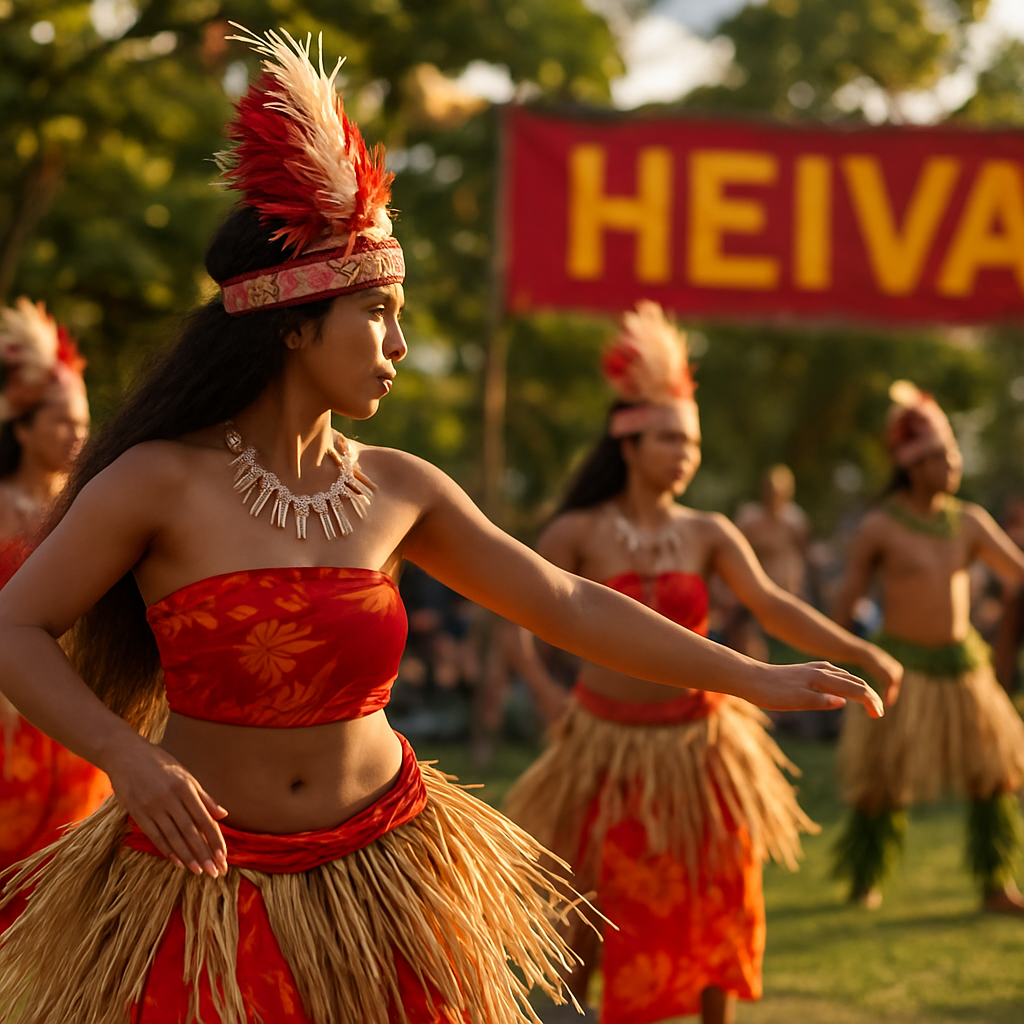
Heiva i Tahiti at Place To'ata
Every July, the open-air amphitheater on the Papeete waterfront fills with traditional 'ori tahiti dance and song competitions, a festival running annually since 1881. Māhū performers have always been part of the troupes — this is a tradition that survived missionaries, colonization, and globalization with its gender fluidity intact. Get tickets to a competition night and watch what the missionaries never managed to erase, performed at full volume.
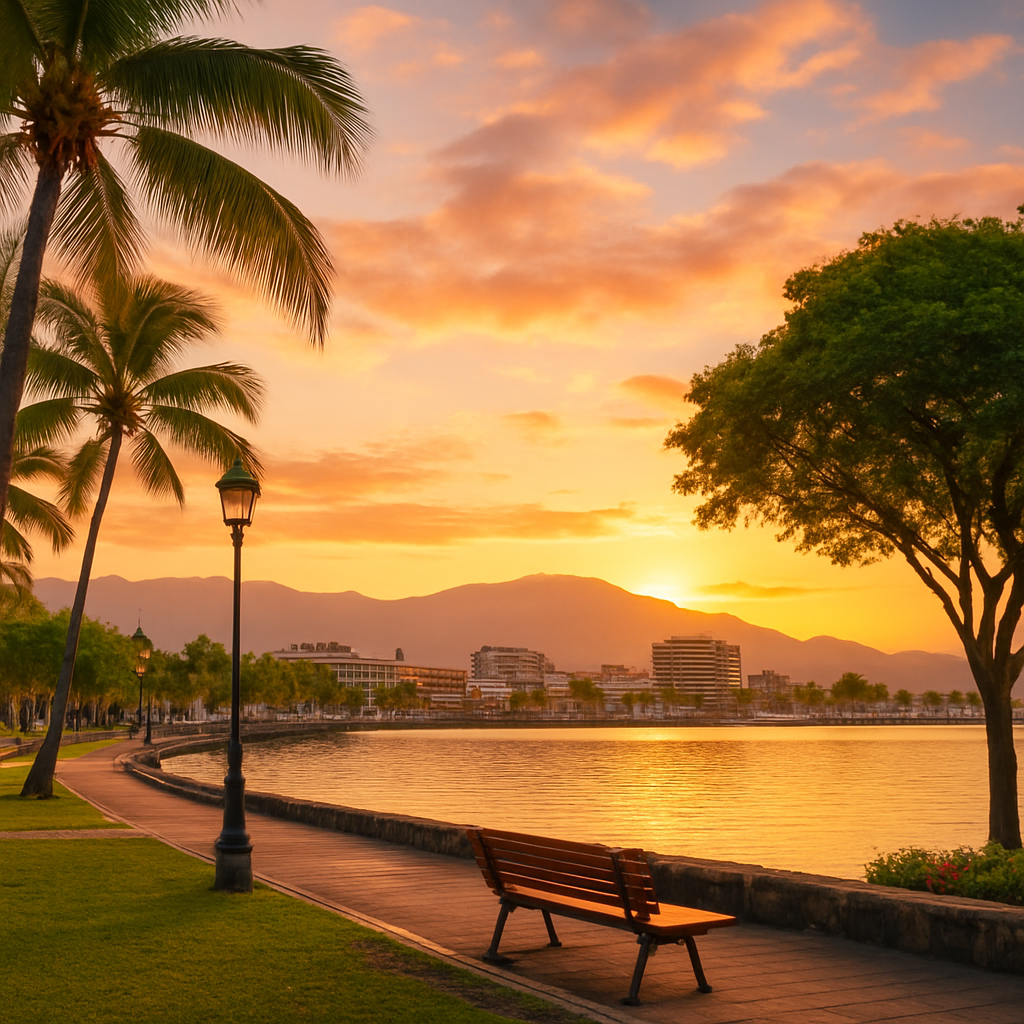
Sunset on the Jardins de Paofai Promenade
Grab a Hinano from the kiosk and walk the waterfront park along Boulevard Pomare as the sky does pink-to-violet better than any Instagram filter. Joggers, lovers of all configurations, kids on bikes, a harbor full of inter-island ferries — this is the city's actual living room, and 6pm is when it fills. Stay until the streetlights pop on and walk three minutes to Place Vaiete for dinner at the roulottes.
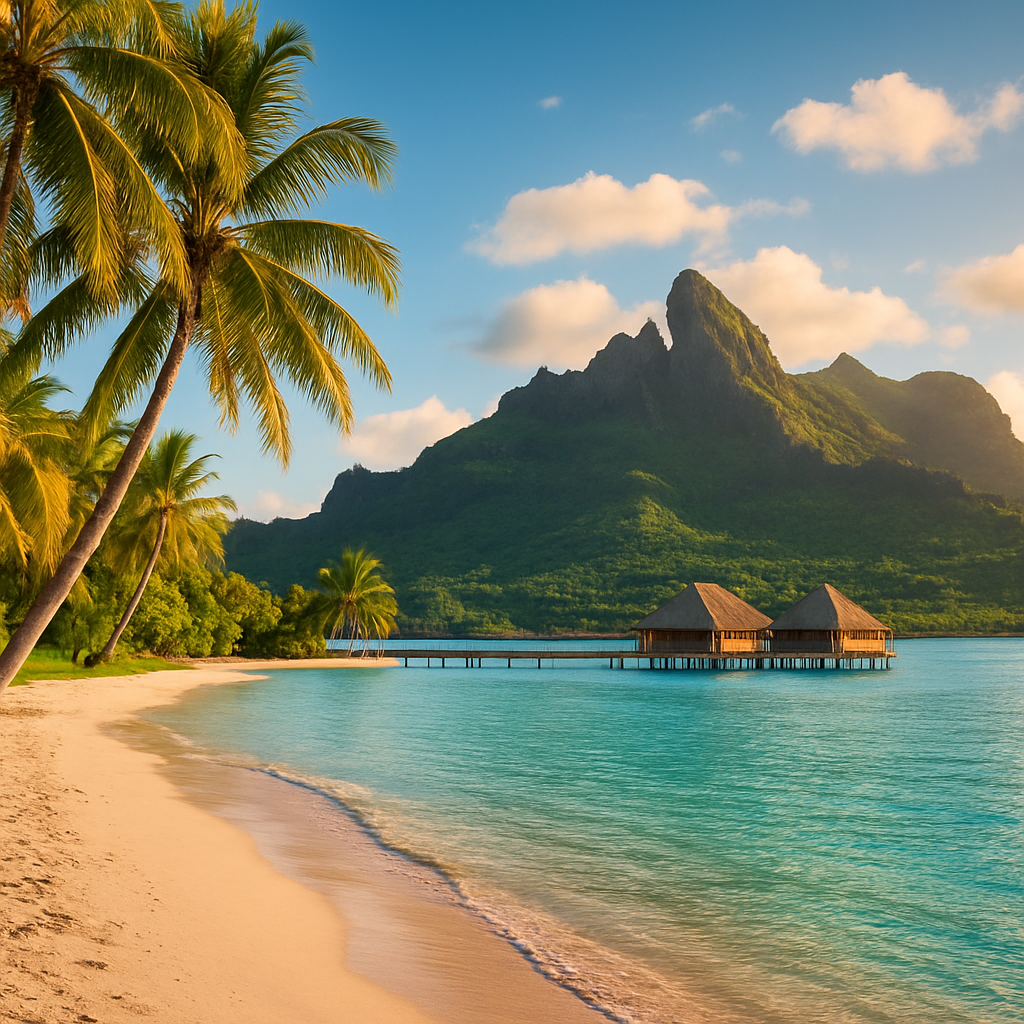
Early Ferry to Moorea, Beach Day at Temae
Skip the organized excursion and take the 30-minute ferry from Gare Maritime instead — approximately 2,000 XPF one-way, a coffee on the deck, and Moorea's silhouette growing as you cross. Spend the day at the white-sand beach at Temae, snorkel the reef, eat lunch at a beachside snack, and ferry back in time for dinner at the roulottes. The locals you meet on the boat are friendlier than any guided tour will allow.
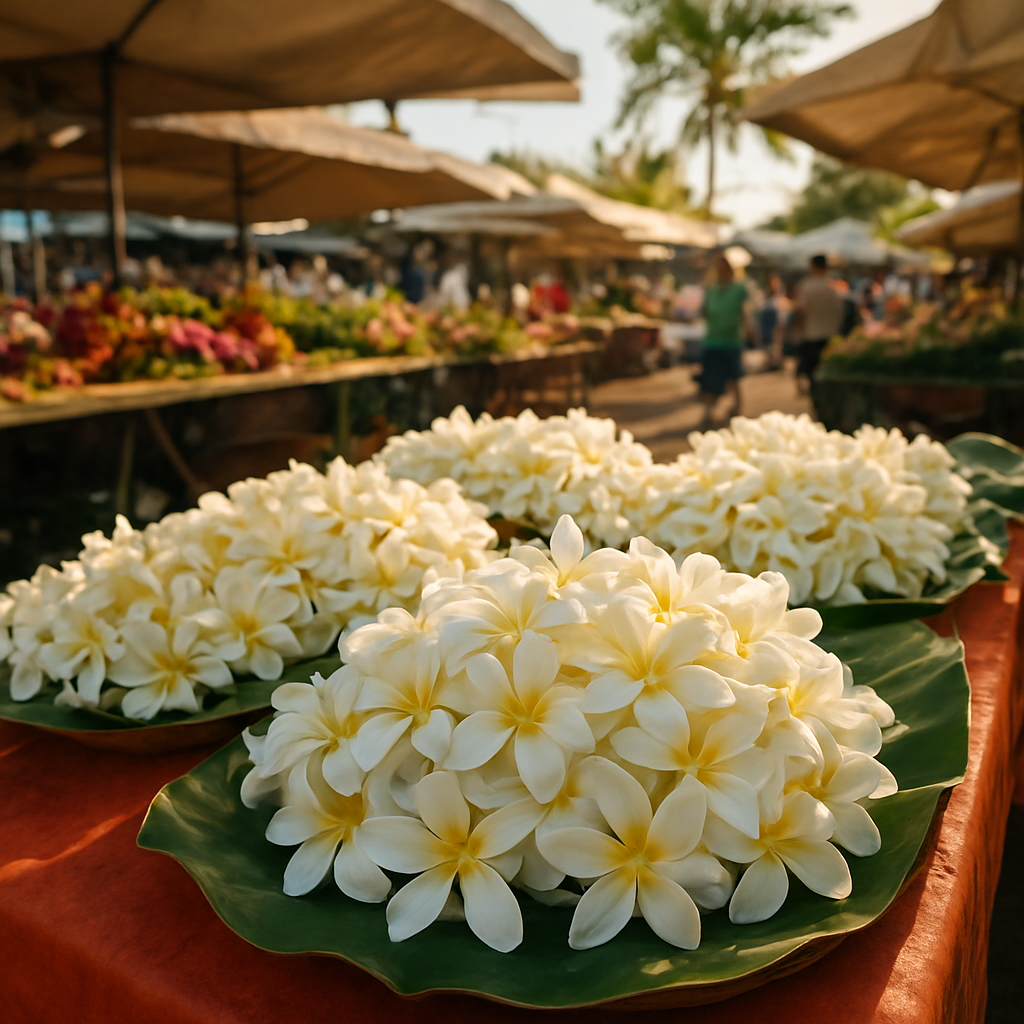
Saturday Morning at the Marché de Papeete
The two-story municipal market on Rue du 22 Septembre 1914 is the city's beating heart — monoi oil and pareos stacked high, tiare flowers braided into crowns, vendors plating poisson cru upstairs. Saturday morning is when the whole city shows up; the gallery upstairs, where several māhū vendors run flower and pareo stalls, is where daytime community happens. Buy a tiare, speak some French, and watch the room fill.
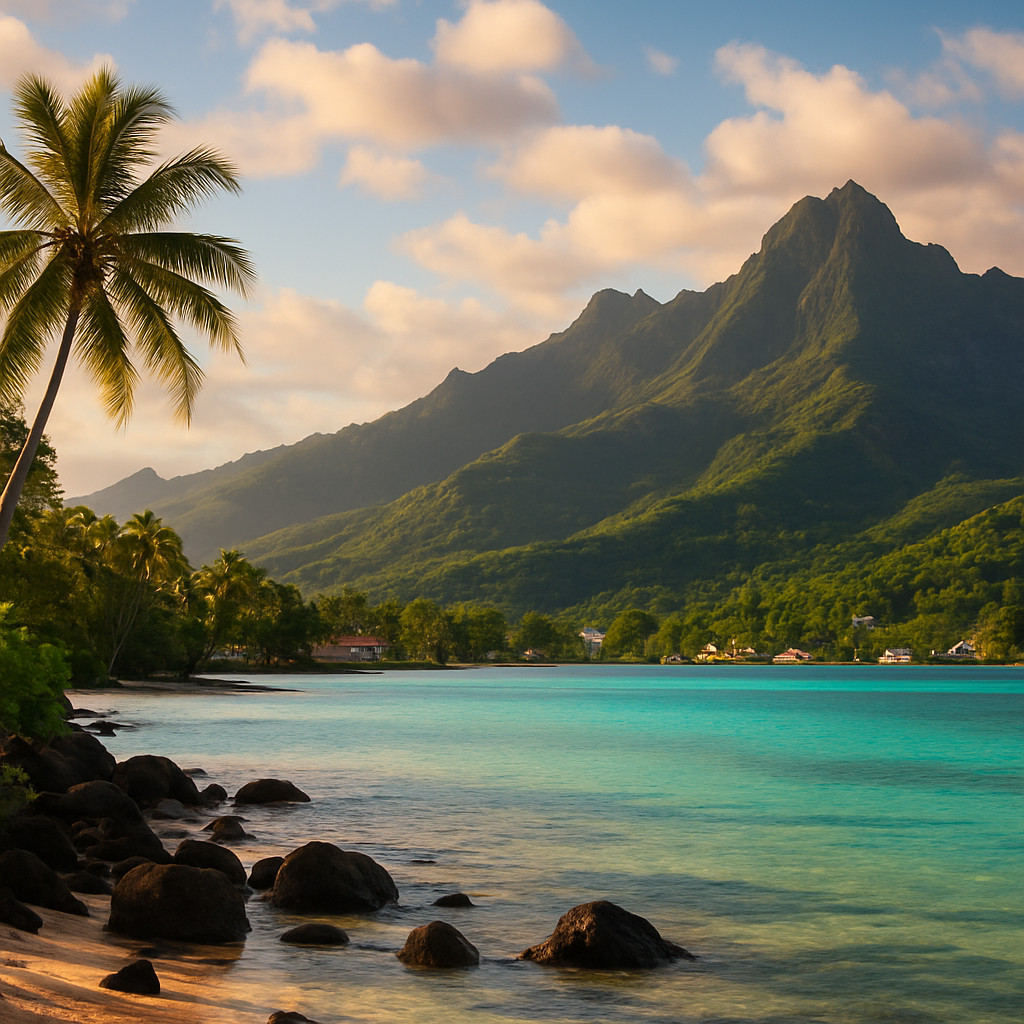
Musée de Tahiti et des Îles in Punaauia
The national ethnographic museum sits on a lagoon point in Punaauia, founded in 1974, with permanent collections covering pre-European Polynesian society — including a thoughtful contextualization of the māhū tradition that predates the cathedral by centuries. Plan an hour for the galleries, then walk the lagoon-front grounds afterward. The combination is the best history-and-place lesson you can get on Tahiti.
The places I actually send people to
Advice that fits how you travel
Solo travel in Papeete works better than the brochures suggest, partly because the city is small enough to learn in two days and partly because Polynesian hospitality genuinely extends to people sitting alone. Base yourself centrally — Fare Suisse if you're watching the budget, the Hilton if you want a rooftop pool and a five-minute walk to dinner — and you'll be eating at the roulottes on Place Vaiete by 8pm with strangers who turn into something else by dessert. Cash matters here: the food trucks don't take cards, so pull 5,000 XPF before you head to the waterfront.
App culture is real but thin. Grindr works in central Papeete, the grid stretches further than you'd expect, and the crowd skews local, French expat, and the occasional sailor on shore leave. Piano Bar on Rue des Écoles is the one nightlife address that matters for a solo gay traveler — gloriously divey, late-night cabaret with māhū and raerae performers, and a room where it's typically easy to fall into conversation. Paradise Night Club on the same street is the after-1am dance floor where the queer crowd reliably shows up Friday and Saturday.
For daytime, the upstairs gallery at the Marché de Papeete is the answer nobody gives you — several māhū vendors run flower and pareo stalls there, and introductions happen if you're polite, buy something, and speak some French. Take the early ferry to Moorea on a quiet day — approximately 2,000 XPF one-way, the locals on the boat are friendlier than any organized tour will allow. Pro tip: a tiare flower behind the right ear means single, behind the left means taken — a signal that crosses orientations and works as an icebreaker at every bar from Piano Bar to the Hilton terrace.
This is honeymoon country, and same-sex couples are not a footnote here — they're a market Tahiti Tourisme actively courts. As of 2026, French law applies in full: same-sex marriage, civil unions (PACS), and joint adoption are all legal and recognized. Hotel check-in at the InterContinental, Le Méridien, the Hilton, the Pearl Resorts properties, and The Brando on Tetiaroa is the same as it would be for any other couple — overwater bungalow, rose petals, the works. I gave Papeete a 9.2 on Destination because the postcard delivers, and same-sex couples get to stand inside it.
For the night you'll remember, book a window-side table at Le Lotus at the InterContinental — built on stilts over the lagoon, French gastronomic kitchen, the Moorea sunset hits the dining room around 6:15pm. Le Coco's in Punaauia has been the west-coast fine-dining benchmark since 1992; Le Bélvèdere at 600m above Pirae is the weird-perfect fondue-with-a-Pacific-panorama dinner that feels like a private discovery. PDA is comfortable on resort grounds and along Boulevard Pomare in the early evening; tone it down in the residential pockets of Pirae and Faa'a where evangelical congregations are dense.
For accommodation, my picks split by mood: Le Méridien's sand-bottom lagoon pool in Punaauia is the architectural seduction, the InterContinental's overwater bungalows are the classic, and Tetiaroa's The Brando is the once-in-a-lifetime splurge — they host same-sex weddings as a routine matter. Pro tip: the most Tahitian date possible is the cheapest one — sunset on the Jardins de Paofai promenade with a Hinano from the kiosk, then dinner at the roulottes on plastic stools. Save the tasting menu for night two.
LGBTQ+ families travel well here, and the legal architecture supports you the whole way. As of 2026, French Polynesia operates under French law — joint adoption is fully legal, parental rights are recognized, and gender marker change via self-declaration applies. Resorts catering to families — Le Méridien with its sand-bottom lagoon pool, the InterContinental with its lagoonarium where reef sharks and rays cruise past kids' snorkel masks, the Hilton with its rooftop infinity pool — handle two-mom and two-dad reservations as routine. Tahiti Tourisme actively markets to LGBTQ+ travelers, and the resort coast is where that effort is most visible on the ground.
The cultural context is the bonus your kids may not realize they're getting. Polynesian society has recognized māhū — a third-gender identity — for centuries, and the tradition shows up in everyday life: māhū aunties running flower stalls at the Marché de Papeete, performers in the dance troupes at Heiva i Tahiti in July, vendors plating poisson cru at the roulottes. The fluidity is older than the cathedral, and growing up around a culture that makes that visible is its own small education.
Practical logistics: the lagoonarium at the InterContinental is a half-day on its own, the Musée de Tahiti et des Îles in Punaauia is a thoughtful hour for older kids (and contextualizes the māhū tradition you'll see around town), and the early ferry to Moorea for a beach day at Temae is the universally good family outing. Strollers handle Boulevard Pomare and the Jardins de Paofai fine; sidewalks elsewhere in central Papeete are uneven. Pro tip: Sundays are a dead zone — most shops shut by noon Saturday and don't reopen until Monday, so plan your supermarket run for Saturday morning or you're at the resort buffet for 36 hours.
What Papeete actually costs
Flights, visas, and the first 30 minutes
Airport: Faa'a International Airport (PPT) sits about 5 kilometers west of downtown Papeete — close enough that the 5am Air Tahiti Nui arrival from LAX puts you on Boulevard Pomare before the city wakes up. Approximately 10 direct routes connect Tahiti to the world, with the heaviest traffic from Los Angeles, Auckland, Tokyo Narita, Paris CDG (via a fuel stop), and seasonal service from San Francisco and Seattle.
Flight times (typical): LAX is roughly 8 hours nonstop on Air Tahiti Nui, French Bee, or Delta. Auckland is about 5 hours on Air New Zealand. Tokyo runs roughly 11 hours. From Europe, expect around 22 hours total via LAX or San Francisco — there's no fully nonstop option from CDG, though Air Tahiti Nui's one-stop is the most efficient routing.
Visa requirements (as of 2026): French Polynesia is a French overseas collectivity, so EU citizens typically have full freedom of movement with no time limit. US, UK, Canadian, and Australian travelers generally enter visa-free for up to 90 days under Schengen-style rules — bring a passport valid at least six months past your departure date and proof of onward travel. Always confirm current entry requirements with the Haut-Commissariat before you book.
Airport to city: A taxi runs 2,500–3,500 XPF for a 15–20 minute ride to downtown — add approximately 500 XPF after 8pm or on Sundays and holidays. Skip the hotel transfer quote; the taxi line outside arrivals is typically faster and cheaper. Hotel shuttles run 1,500–2,500 XPF if pre-booked, and most overwater bungalow resorts include transfers in your rate. The public bus (Le Truck/RTC) is 200 XPF and runs 25–35 minutes, but it's daytime-only and not realistic with luggage. Rental cars from Avis, Europcar, and Hertz start around 7,000 XPF/day and make sense if you're circling the island — though for a Papeete-only stay, taxis and Le Truck handle everything.
Pro tip: If you're connecting to an outer island (Bora Bora, Rangiroa, Moorea by air), Air Tahiti's interisland terminal is a separate building 200 meters from international arrivals. Build at least 90 minutes between flights — Tahitian time is real, and so are weight restrictions on baggage.
Traven's seasonal breakdown
The questions everyone asks
Do I need to speak French to get around Papeete?
Is it safe for same-sex couples to hold hands in public?
What's the deal with māhū? Is it the same as trans?
How much should I budget per day?
When is Pride in Papeete?
Should I stay in Papeete itself or at an overwater bungalow resort?
When should I avoid going?
Screenshot this before you go
So should you actually go?
Go. Tahiti is one of the easiest tropical destinations on earth for LGBTQ+ travelers right now — French law applies in full as of 2026, the resorts treat same-sex honeymooners as routine, and Polynesian culture brings a centuries-old māhū tradition that no missionary ever managed to erase. The 6.5 on Scene is honest — if you want a gay village and circuit nights, fly to Sydney or Bangkok instead. But if you want the postcard plus a real city underneath it, plus Piano Bar at midnight, plus the roulottes at Place Vaiete on plastic stools next to a māhū auntie plating your poisson cru, this is the trip. Split your nights between downtown Papeete and the resort coast, hit Heiva if July works, and don't skip the museum in Punaauia. Worth every yen of the airfare.
Sources & Resources
Official links we reference when compiling this guide. Last verified 2026-05-04.
- APROSEF (Sexual Health & HIV Prevention)
- Assemblée de la Polynésie française
- Centre Hospitalier de la Polynésie française (Taaone)
- Cousins Cousines de Tahiti (LGBT+ Association)
- Direction de la Santé de Polynésie française
- Haut-Commissariat de la République en Polynésie française
- Présidence de la Polynésie française
- SOS Homophobie (France-wide, covers PF)
- Tahiti Tourisme (Official Tourism Board)
- Te Niu o te Huma (Women's & Family Support)