Berlin didn't ask for your approval in 1920 and it's certainly not starting now.
You're standing on the platform at Kottbusser Tor at 1am on a Thursday, and every third person waiting for the U8 is heading to Möbel Olfe under the arches. A drag queen in full paint is eating a döner without smudging a single lash. Two leather daddies are sharing a cigarette. A couple who met on Grindr forty minutes ago are already holding hands. Nobody is looking at any of this, because in Berlin, none of it registers as remarkable. That's the thing about this city — it doesn't celebrate queerness so much as it simply assumes it, the way other cities assume oxygen.
Schöneberg is Berlin's grandmother of gay neighborhoods — cozy, a little worn at the edges, and deeply lovable for it. The Motzstraße bars still fill up on a Tuesday with men who've been coming since before reunification, and there's something genuinely moving about that continuity. Don't sleep on it just because the Neukölln kids say it's passé. Meanwhile, the queer center of gravity has been pulling south and east for years — Kreuzberg and Neukölln hold a scrappier, more intersectional energy now, with spots like SchwuZ on Rollbergstraße and the legendary fur-lined chaos of Roses Bar on Oranienstraße drawing crowds who weren't born when the Wall fell. Both neighborhoods are worth your time; they just attract different moods and different decades of your life.
And then there's Berghain. It's not a nightclub in any conventional sense — it's a secular cathedral, and the Sunday Lab.oratory fetish sessions in the basement are as much ritual as party. You will not get photos past the bouncers, and honestly, your Instagram doesn't deserve to be there anyway. Berlin earns my Traven-Dex score of 9.2 not because it's polished or easy — this city can be grey, blunt, and occasionally hostile to your comfort — but because its queer infrastructure runs deeper than anywhere else I've scored. A perfect 10.0 on Legal, a self-ID law that actually means something, community centers like Mann-O-Meter that have been open since the Cold War, and a nightlife ecosystem that treats your identity as the least interesting thing about you. Go.
I gave it a 9.5 on Pulse because Berlin doesn't slow down — it just changes venues. The party that started at a Späti sidewalk at midnight migrates to a basement bar, then to a warehouse, then to a lake at sunrise. The city operates on its own clock, and once you sync to it, every other city's last call will feel like a personal insult. This is not a destination that asks you to find the queer parts. In Berlin, the queer parts found the city first.
The stuff your travel guide buries on page 47
Legal framework: Germany offers full legal equality for LGBTQ+ people. Same-sex marriage has been legal since October 2017, with full joint adoption rights. Anti-discrimination protections are comprehensive at the federal level, covering employment, housing, and public services. In November 2024, Germany enacted its Self-ID law (SBGG), allowing legal gender marker changes without medical requirements — making it one of Europe's most progressive frameworks for trans individuals. Criminalization of homosexuality was fully repealed in 1994, and historical convictions under Paragraph 175 were formally annulled in 2017. My Legal score of 10.0 reflects all of this: there is nothing missing here.
Cultural reality: Berlin, specifically, is one of the most genuinely queer-integrated cities on earth. This isn't just legal acceptance on paper — queer life is woven into the city's infrastructure, politics, culture, and daily rhythms in ways that go far beyond tolerance. Drag at brunch isn't an event; it's a Wednesday. The city government actively funds LGBTQ+ organizations, the police have dedicated LGBTQ+ liaison officers through the Landeskriminalamt, and resources like Mann-O-Meter on Bülowstraße and Checkpoint BLN on Fuggerstraße provide community support and free anonymous HIV testing with no German required and no insurance needed.
PDA comfort: In Schöneberg, Kreuzberg, Friedrichshain, and Mitte, same-sex PDA is completely normalised — hand-holding, kissing, none of it draws attention. Prenzlauer Berg is similarly relaxed, with queer families being a common sight. Central Neukölln is mostly fine, with queer bars anchoring the scene, though quieter side streets late at night warrant standard awareness. Outer suburbs can feel more conservative — PDA is generally tolerated but may draw stares. Use the same judgment you'd use in any unfamiliar neighborhood.
Clubbing culture: German clubs open late and close very, very late. "Pre-drinks at 11pm" is sincere advice here, not performative. SchwuZ parties don't hit stride until 2am, and it's not unusual to leave Berghain when Sunday afternoon light is streaming through the windows. Pack your stamina and your flat shoes. And on Berghain's door specifically: it doesn't have a dress code so much as a vibe code — all black, confident, not visibly trying. Wearing a button-down from a business trip is essentially a self-rejection letter.
What it actually feels like on the ground
Holding hands / kissing: In Schöneberg, Kreuzberg, Friedrichshain, and Mitte, you can hold hands and kiss your partner without a second thought. This isn't optimism — it's daily reality. Elaborate drag looks at 3am on the U-Bahn land without incident in these neighborhoods nearly universally. In outer districts, keep the situational awareness you already carry; just don't abandon it at the airport.
Hotel check-in: No issues anywhere in the city. Berlin hotels are professionally welcoming to same-sex couples across all categories, from hostels to the Adlon. You won't be asked to justify a double bed, and staff won't blink. This is a non-issue.
Taxis and rideshares: Uber is available, taxis are plentiful, and I've never heard a report of a driver giving a same-sex couple trouble in Berlin. That said, the U-Bahn and S-Bahn are so comprehensive and affordable that you'll use them more than cars. Pro tip: the U8 late at night can feel edgy depending on the stop, but around Kottbusser Tor specifically, you're so likely to be surrounded by queers heading to or from Möbel Olfe that the platform functions as an informal community escort.
Parks and public spaces: Tiergarten is relaxed during the day and has well-established cruising areas at night that are part of Berlin's landscape without controversy. Hasenheide in Neukölln similarly — queer outdoor socializing is a long Berlin tradition. Standard nighttime park awareness applies, but the context is generally low-risk.
Late night: Berlin's nightlife runs until morning, and the infrastructure supports that — public transport runs 24/7 on weekends, Spätis are open all night, and the streets in Schöneberg and Kreuzberg have foot traffic at 4am. You are not alone out there. Stick to well-trafficked streets when moving between venues and you'll be fine.
Trans travelers: Germany's 2024 Self-ID law means legal gender changes are straightforward, and Berlin's trans community is well-established, particularly in Schöneberg and Kreuzberg. Trans-inclusive healthcare exists, community spaces are genuine, and visible trans people are an unremarkable part of daily life in central Berlin. That said, misgendering and ignorance aren't zero — they're just dramatically lower than most destinations.
Verbal harassment: Isolated incidents do occur in Berlin, as in any city of 3.7 million. They're most likely in outer districts and least likely in the central queer neighborhoods. If you experience discrimination involving a landlord, employer, or public official, LADS Berlin — the Senate anti-discrimination office — provides free, multilingual advice and has actual legal reach. This is not a symbolic resource; they have filed complaints and won.
The queer geography
Schöneberg — The Regenbogenkiez
Berlin's original queer village radiates outward from Nollendorfplatz, where the pink triangle memorial on the U-Bahn station facade sets the tone before you've even crossed the street. Motzstraße is the main drag — gay bars, cafés, and sex shops have anchored the scene here since the 1970s, and on a warm evening the sidewalks fill with a crowd that spans every decade of queer Berlin life. Café Berio on Maassenstraße opens early for massive breakfasts; Hafen is the neighborhood watering hole with a view and an opinion; Heile Welt does relaxed cocktails in dim, flattering light. For the leather and fetish crowd, Fuggerstraße is your block — Eagle Bar, Connection Club, and Tom's Bar on nearby Motzstraße are all within stumbling distance of each other, and during Folsom Europe in September the entire neighborhood transforms into one enormous outdoor playground. Don't sleep on Schöneberg just because the Neukölln kids say it's passé — there's something deeply moving about a queer neighborhood with this much continuity.
Berlin's lesbian scene is genuinely present here in a way most cities can't claim. Begine on Potsdamer Straße is a feminist cultural café that's been running since 1984 — it's not a museum piece; it has a packed calendar and a loyal crowd who will absolutely talk to you. Schwules Museum at Mehringdamm 61 is free on the first Saturday of every month — even a two-hour visit through the permanent collection on Berlin queer history from the Magnus Hirschfeld era through reunification is worth rearranging your itinerary for.
Kreuzberg — Kotti and Beyond
Kottbusser Tor — everyone calls it Kotti — anchors a scrappier, more radical queer scene under the U-Bahn arches. Möbel Olfe in its repurposed furniture store is the gravitational center, especially on Thursdays. Roses Bar on Oranienstraße is the velvet-drenched fever dream that stays open until 8am. SO36, the legendary punk-and-everything venue on Oranienstraße, has hosted queer events for decades. The energy here is younger, more intersectional, and less polished than Schöneberg — and deliberately so. If Schöneberg is the grandmother, Kreuzberg is the cousin who dropped out of art school and is doing fine, actually.
Neukölln — The New Gravity
South of Kreuzberg, Neukölln has been pulling queer Berlin's under-35 crowd steadily for a decade. SchwuZ on Rollbergstraße is one of Germany's longest-running queer clubs, with parties spanning drag, techno, and everything between. Ficken3000 does what its name suggests with Berlin's characteristic frankness. Reuterkiez is the neighborhood sweet spot — rapidly gentrifying, plenty of queer-friendly bars, and affordable by Berlin standards. Exercise basic awareness on quieter side streets late at night, but the vibe is welcoming.
Also Worth Knowing
Friedrichshain: East-side energy, younger crowd, and the East Side Gallery along the Spree. nhow Berlin sits right here, and the bar and club scene bleeds across the Oberbaumbrücke bridge from Kreuzberg. Prenzlauer Berg: The family-friendly neighborhood where LGBTQ+ parents are a common sight at playgrounds and brunch spots — progressive without performing it. Mitte: Tourist-heavy but culturally essential — the Memorial to Homosexuals Persecuted under National Socialism is in Tiergarten, and the area around Brandenburg Gate is broadly liberal and PDA-comfortable.
The experiences worth rearranging your itinerary for
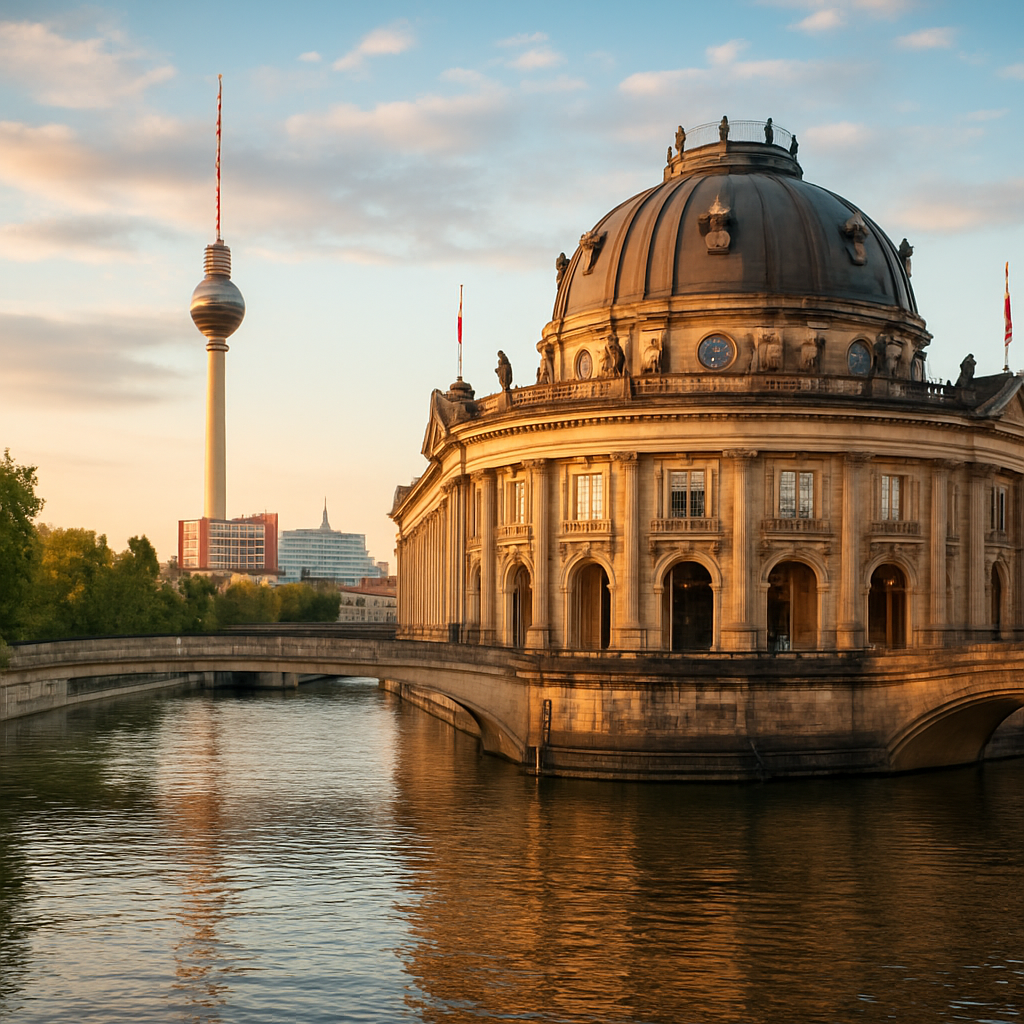
Museum Island and the Neues Museum
Five world-class museums on a single island in the Spree — it sounds like someone designed it specifically for the traveler who wants to feel cultured without moving too far. The Neues Museum holds the bust of Nefertiti, which is smaller than you expect and more beautiful than you're prepared for. Budget at least half a day; the architecture of the buildings themselves is worth the visit even before you get inside. Rainy days in Berlin were made for this.
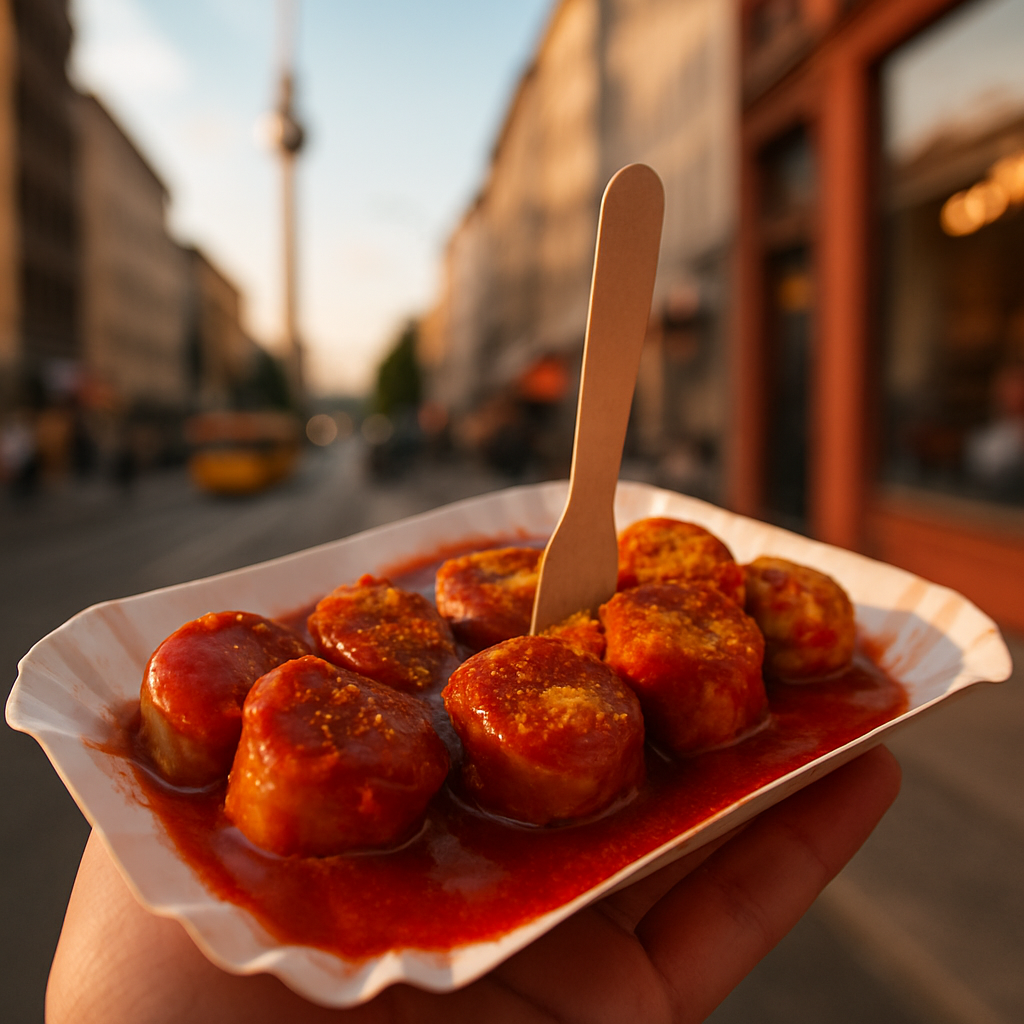
Currywurst at Konnopke's Imbiss
Konnopke's Imbiss has been serving currywurst under the Eberswalder Straße U-Bahn tracks in Prenzlauer Berg since 1930 — the queue tells you everything, and it moves fast. The sausage is sliced, not whole, doused in a curry-ketchup sauce that hits a specific register of sweet, smoky, and sharp that no other city replicates. Get it with fries, stand at the counter, eat it in under ten minutes. It costs about €4. This is Berlin in its purest edible form.
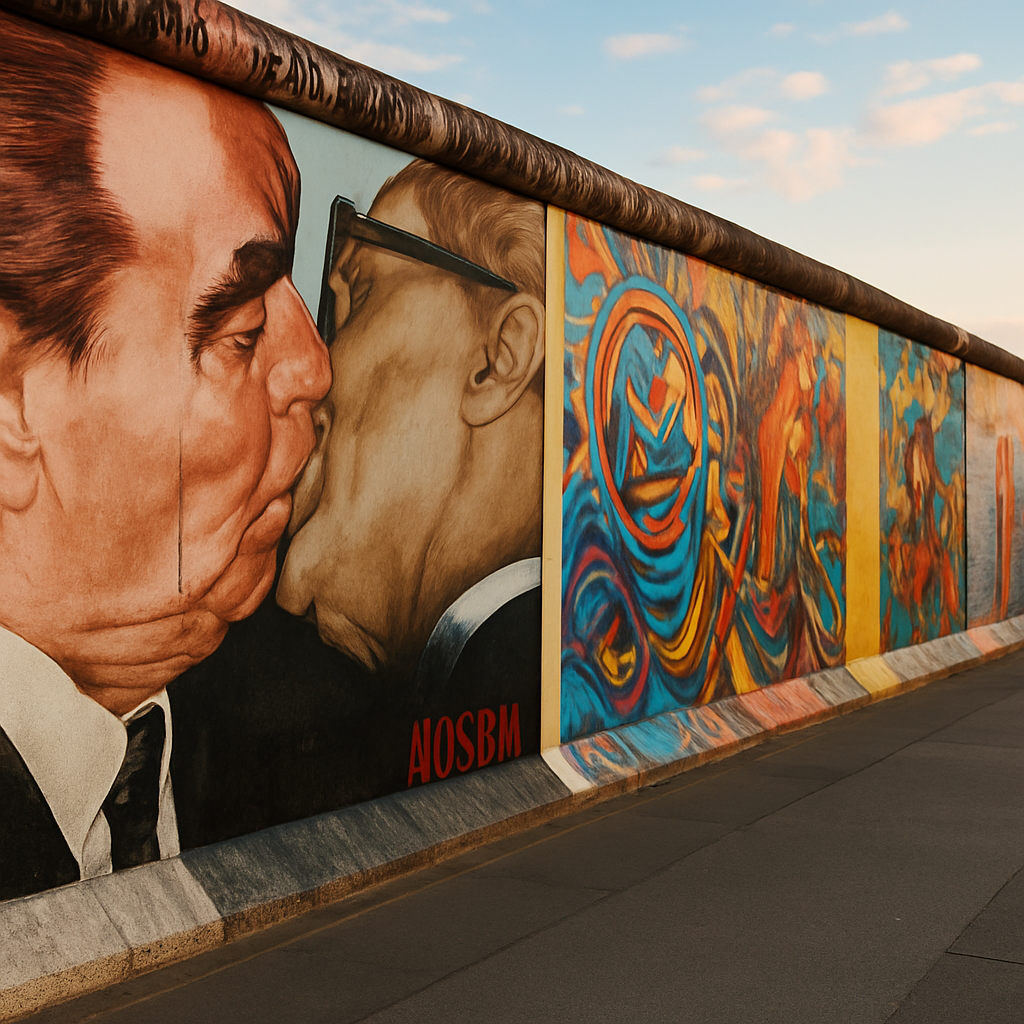
East Side Gallery Along the Spree
A 1.3-kilometer stretch of the Berlin Wall covered in murals painted by artists from around the world after reunification — including Dmitri Vrubel's iconic Brezhnev-Honecker kiss, which hits differently when you know the full history. Walk it in the late afternoon when the light comes off the Spree at an angle that makes the colors sharpen. It's free, it's outdoors, and the emotional weight of standing next to a piece of concrete that divided a city for 28 years doesn't fade no matter how many photos you've already seen.
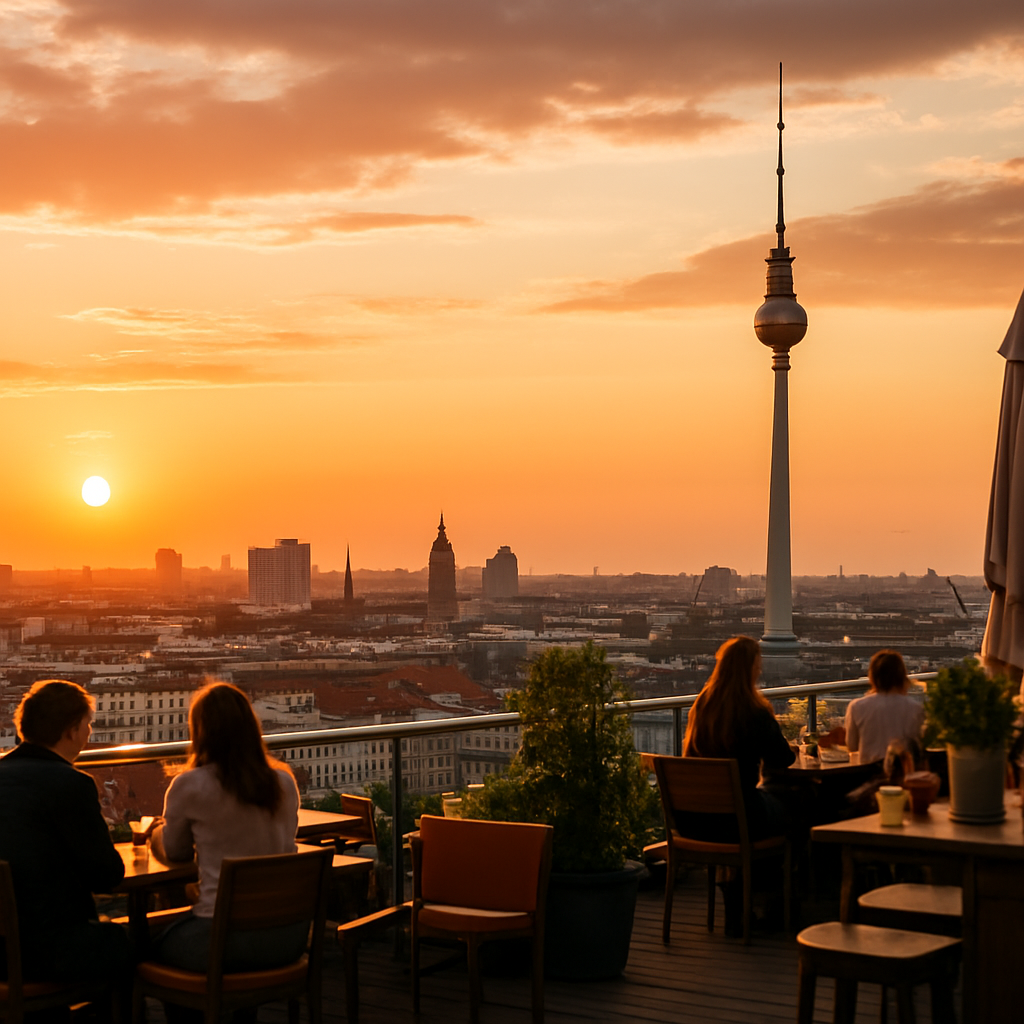
Sunset Drinks at Klunkerkranich
Klunkerkranich is a rooftop garden bar on top of the Neukölln Arcaden shopping mall parking garage — which sounds terrible and is actually one of the best sunset spots in Berlin. Take the elevator to the top floor, climb the last flight of stairs, and suddenly you're in a scrappy urban garden with DJ sets, cheap beer, and a panoramic view of the city skyline turning gold. It's cash-only, the entry fee varies (usually €3–€5 evenings), and on a clear summer night there's nowhere else I'd rather be.
Tiergarten on a Sunday Morning
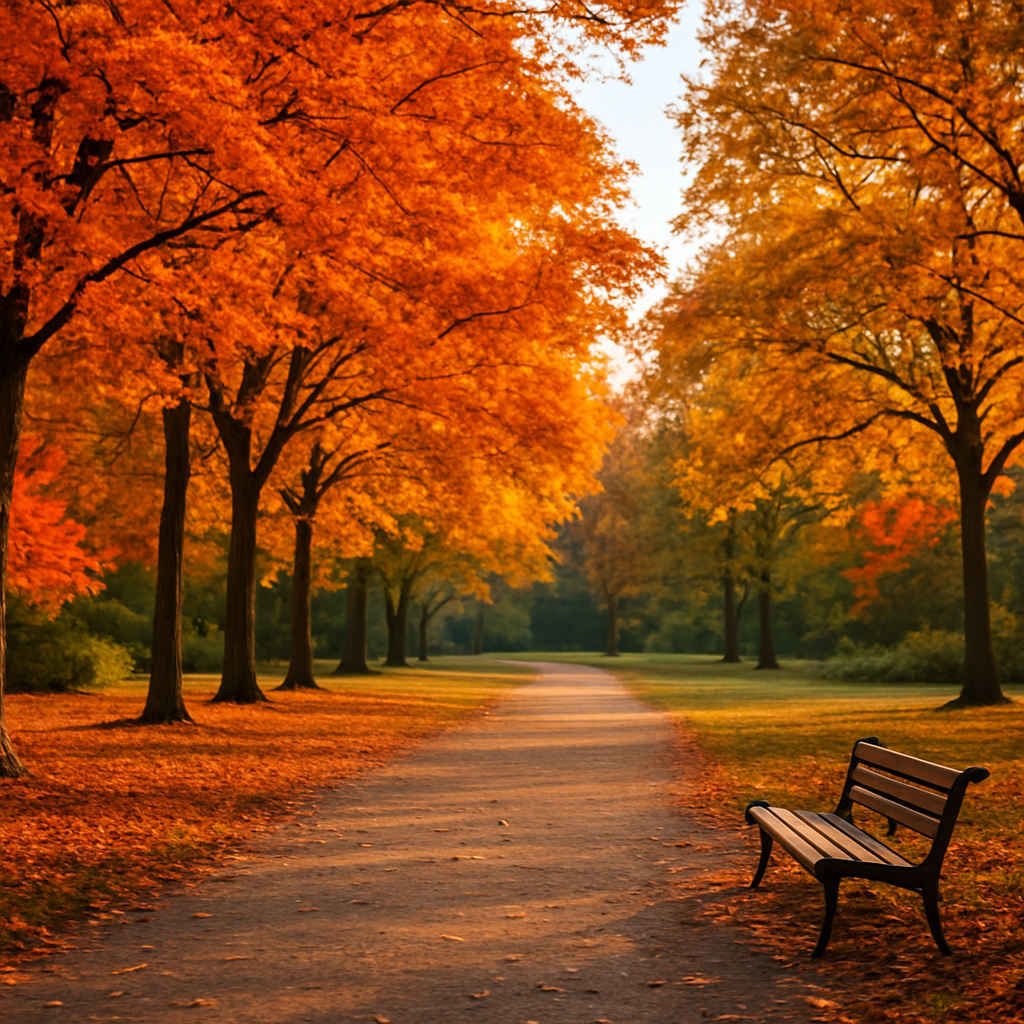
Berlin's enormous central park — bigger than Hyde Park, wilder than Central Park — is at its best on a quiet Sunday morning before the city wakes up. Walk from the Brandenburg Gate west along the tree-lined paths, past the Victory Column, through stretches of woodland that make you forget you're in a capital city of 3.7 million. In summer, stop at the Café am Neuen See for a beer and a pretzel lakeside. The whole walk is flat, stroller-friendly, and free — and it recalibrates your relationship with Berlin from nightlife destination to actual living city.
The places I actually send people to
Advice that fits how you travel
Berlin is arguably the best solo travel city in Europe, and it's not close. The combination of a massive, affordable, and highly social nightlife scene, a city that runs on independence, and a queer infrastructure that actively facilitates meeting people makes it almost absurdly easy to arrive alone and leave with a full contact list. App culture is alive and well — Grindr, Scruff, and Hornet are all heavily used — but the real magic is that Berlin's queer bars are built for strangers to talk to each other. Plant yourself at Möbel Olfe on a Thursday or at the bar at Hafen in Schöneberg, and you will have a conversation within twenty minutes without trying.
Budget solo travelers will find Berlin almost unreasonably affordable. Hostel dorms run €25–€35/night, a döner kebab is €4–€5, and a BVG day ticket is under €10. My budget estimate of €65–€85/day for a solo traveler is genuine — you can eat, drink, move around the city, and see things without ever feeling like you're being squeezed. The free tier of Berlin is enormous: parks, memorials, street art, walking neighborhoods, and Späti sidewalk culture cost nothing. Mann-O-Meter on Bülowstraße is a drop-in community center, social space, and local knowledge hub all in one — if you're new to the city or navigating something complicated, walk in. They've seen everything and judge nothing.
Safety for solo travelers is high across all central neighborhoods. The public transport runs 24/7 on weekends, the streets in queer areas have foot traffic at 4am, and the density of queer spaces means you're rarely far from familiar territory. Use the standard solo-travel awareness you'd apply anywhere — keep your phone charged, don't leave drinks unattended in clubs — but Berlin's risk profile for a solo queer traveler is about as low as it gets anywhere on earth.
Berlin is one of the most effortlessly romantic cities in Europe for same-sex couples — not because it performs romance, but because it doesn't make you think about it at all. Holding hands on Motzstraße, kissing at a canal-side bar in Kreuzberg, checking into any hotel in the city as a couple: none of it requires a second thought. That freedom is genuinely rare, and it's worth slowing down to actually feel it.
For date nights, I'd start with Cookies Cream in Mitte — the plant-based tasting menu at ~€95 per person is special-occasion territory, and the theatrical, club-adjacent setting makes it feel like you're getting away with something good. For something lower-key and deeply Berlin, grab a bottle of wine from a Späti and walk along the Spree at dusk near the East Side Gallery. It sounds too simple. It isn't. For your base, the Axel Hotel in Schöneberg puts you in the middle of everything, has a rooftop pool, and requires minimal effort to have a great night.
The day trip to Sanssouci in Potsdam is practically designed for couples — baroque gardens, lake views, and the quiet satisfaction of wandering together through a UNESCO World Heritage site with no agenda. Take the S-Bahn on a Tuesday morning when the crowds are thin, and spend the afternoon back in Schöneberg at Café Berio with a long, slow coffee. Berlin rewards the couple that builds in time to breathe.
Berlin is genuinely excellent for LGBTQ+ families. Same-sex couples have full adoption rights under German law, and in neighborhoods like Prenzlauer Berg and Schöneberg, queer families are woven into daily life without comment. Your family won't register as unusual here; you'll be unremarkable in the best possible sense, which after navigating other destinations is its own relief.
Practically speaking, Berlin overdelivers on family logistics. The BVG public transport system covers up to three children under 14 for free with one adult ticket — the city is genuinely affordable when you're moving a family around. The museum scene is exceptional: the Deutsches Technikmuseum in Kreuzberg is one of the best science-and-technology museums in Europe for kids, and the Naturkundemuseum in Mitte has a blue whale skeleton that stops every child dead in their tracks. Zoo Berlin in Tiergarten and Tierpark in Friedrichsfelde both work well with younger visitors, and the Tiergarten park itself is enormous, stroller-friendly, and free.
Food logistics are easy and affordable — döner kebabs run €4–€5 across the city, supermarkets are everywhere, and casual restaurants in Schöneberg and Kreuzberg are used to families at all hours without fuss. For accommodation, I'd look at apartment hotels in Prenzlauer Berg: kitchen facilities, real space, and a neighborhood where children are practically a local currency. Budget around €170–€220/day for a family of four at the sensible end, and you'll eat well, see everything, and not feel squeezed.
What Berlin actually costs
Flights, visas, and the first 30 minutes
Airport: All commercial flights arrive at Berlin Brandenburg Airport (BER) — a modern, single-terminal operation with sensible layout, good English signage, and none of the chaos of larger European hubs. Customs for Schengen arrivals is painless; non-EU travelers clear passport control quickly at off-peak times.
Direct routes: Berlin connects to 170+ cities worldwide. Key routes for English-speaking travelers: London Heathrow (~1h 55m), New York JFK (~9h), Amsterdam (~1h 40m), Paris CDG (~1h 55m), Toronto Pearson (~9h 30m), and Sydney (~22h with one stop).
Visas: US, Canadian, and Australian passport holders need no visa for stays up to 90 days within any 180-day period (Schengen rules). UK travelers are in the same position post-Brexit — 90 days, no visa required, no pre-registration needed. EU citizens travel on a national ID card; no passport necessary.
Getting from BER to the city: The Airport Express Train (FEX) is the cleanest option — €4.40, roughly 30 minutes to Ostbahnhof, runs every 30 minutes, and your BVG/AB ticket is valid onward into the network from there. The S-Bahn (S9/S45) at €3.80 takes 45–55 minutes with more stops but is more comfortable with large luggage. A taxi or Uber runs €40–€60 door-to-door depending on traffic — worthwhile late at night or if you're arriving with a mountain of bags. The Bus (X7/X71) at €3.80 gets you to U-Bahn Rudow in ~20 minutes, where you continue by metro — budget-friendly, but not the move if you're hauling anything heavy.
Traven's seasonal breakdown
The questions everyone asks
Is it safe to hold hands in Berlin?
Do I need to speak German?
How do I get into Berghain?
How much should I budget per day?
When is Berlin Pride?
Is Berlin good for trans travelers?
Can I get free HIV testing in Berlin?
Screenshot this before you go
So should you actually go?
Berlin is the real thing. It has the legal backbone — full equality, self-ID, protections that actually work — and the cultural weight to match. The scene is enormous, layered, and genuinely diverse in a way that most cities only claim on a tourism website. Whether you're holding hands on Motzstraße at sunset, losing yourself in a Kreuzberg dive at 4am, or standing quietly in front of the Memorial to Homosexuals Persecuted under National Socialism in the Tiergarten, Berlin meets you exactly where you are. It's affordable, it's wildly well-connected by air, and it rewards every kind of queer traveler — solo adventurers, couples looking for a city that won't make them self-conscious, families who want their kids to see normalcy modeled at scale. Go, stay longer than you planned, and bring flat shoes.
Sources & Resources
Official links we reference when compiling this guide. Last verified 2026-03-06.
- LSVD – Lesben- und Schwulenverband Deutschland
- Mann-O-Meter – Gay Community Advice Center Berlin
- Schwules Museum Berlin
- CSD Berlin – Christopher Street Day Official Site
- Deutsche Aidshilfe – National AIDS Support Organization
- Checkpoint BLN – Sexual Health & HIV Testing Berlin
- Lesbenberatung Berlin – Lesbian Counseling Center
- LADS Berlin – Senate Office for Anti-Discrimination
- Regenbogenportal – German Federal LGBTQ+ Information Portal
- SchwuZ Berlin – Queer Club & Community Space