
Hamburg doesn't wave a flag at you — it just hands you a beer, points you toward Lange Reihe, and lets you figure out you're home.
It's a Thursday evening on Lange Reihe and the sidewalk tables outside Café Gnosa are full — not performatively full, not Instagram full, just neighborhood full. Two guys sharing a Käsekuchen, a drag queen in half-makeup scrolling her phone between rehearsals, a couple with a stroller debating where to eat. Nobody's looking at anybody. The faded rainbow flags on the lampposts have been there so long they've become part of the street furniture, like the cobblestones or the linden trees. That's Hamburg's version of a welcome mat: it doesn't need to be new because it was never a performance to begin with.
This is a city that's been living its gay life since the 1970s in St. Georg, and the wear shows in the best possible way — the bar stools at Tom's Bar have stories they'll never tell, the leather community at MSC Hamburg has been running since before circuit parties were invented, and Hein & Fiete has been offering counseling and community since 1977. There's no grand reopening energy here, no freshly painted mural trying to signal inclusivity. The infrastructure is just there, the way plumbing is there. My Traven-Dex of 9.1 reflects something real: a city where the legal framework is perfect (I gave it a 10.0 on Legal — Germany's full equality protections leave zero ambiguity), the community has genuine depth, and the culture doesn't flinch.
But here's the thing people miss about Hamburg: it's not just St. Georg. Cross the Alster and head west to the Schanzenviertel and you'll find half the city's queer artists and musicians living above the bars they drink in. Nochtspeicher in St. Pauli hosts Chantals House of Shame, one of the most gloriously unhinged drag nights I've seen in any European city. The Reeperbahn has been sheltering queer communities since the Weimar Republic, and Schmidts Tivoli still runs cabaret and drag that pulls crowds who'd never set foot in a club. This city has layers, and the queer ones are threaded through all of them.
And then there's the city itself — the Speicherstadt warehouses reflected in canals at dusk, the impossible acoustics inside the Elbphilharmonie, a Fischbrötchen eaten standing up at the Sunday fish market in Altona while the Elbe moves slow and wide behind you. Hamburg is a serious travel destination that happens to have one of Germany's deepest gay communities woven into its fabric. Don't sleep on the Schanze just because it doesn't have the rainbow density of Lange Reihe — the bar culture is genuinely excellent and the tourist markup is nonexistent.
The stuff your travel guide buries on page 47
Legal framework: As of 2026, Germany provides full marriage equality for same-sex couples, including joint adoption and step-parent adoption rights. Anti-discrimination protections are comprehensive, covering employment, housing, goods, and services. Gender identity law operates under the 2024 Self-Determination Act (SBGG), which allows gender marker changes through a simple registry declaration — no medical requirements, no court process. There is no criminalization of same-sex conduct and hasn't been since 1969 (West Germany) and 1968 (East Germany). Hamburg's anti-discrimination office (Hamburgische Antidiskriminierungsstelle) handles complaints at the city level.
On the ground: The legal framework here isn't aspirational — it's operational. Hamburg is a port city with a historically pragmatic relationship to sex, identity, and personal freedom. The culture skews northern European direct: people won't congratulate you for being gay, but they also won't blink. St. Georg has been the city's recognized gay neighborhood since the 1970s, and its institutions — Hein & Fiete community center, Café Gnosa, the bars on Pulverteich — have continuous operating histories measured in decades, not Instagram seasons.
Trans travelers specifically: Germany's SBGG is among Europe's most progressive gender identity laws. Healthcare providers and public services are legally required to use correct names and pronouns. Trans*-Beratung Hamburg at Hein & Fiete offers dedicated counseling and can connect you with local resources if needed.
Community intel: Hein & Fiete on Lange Reihe is the community health hub you want to know about before you need it — drop-in HIV testing, trans* counseling, and a genuinely warm staff who won't make you feel like a patient. Checkpoint Hamburg offers anonymous HIV and STI testing. And a practical note: Hamburg's CSD happens in August and is enormous — book accommodation in St. Georg months ahead if you want to stay in the neighborhood, because it fills up fast and the Airbnb prices get ugly by June.
PDA comfort: In St. Georg, same-sex PDA is completely unremarkable. Holding hands, kissing, existing openly — nobody cares. The same applies in Schanzenviertel, Altona, HafenCity, and the Reeperbahn area. In the city center and around the Hauptbahnhof, you're generally fine but the transit hub area can draw a rougher transient crowd late at night. In outer suburbs you may find more conservative attitudes, though legal protections remain fully in force everywhere. Pro tip: if you ask a local at Café Gnosa for a recommendation, they'll give you a real one — buy them a coffee first and the entire social calendar opens up.
What it actually feels like on the ground
Holding hands: In St. Georg, Schanzenviertel, Altona, and HafenCity, you'll get zero reaction. You're far more likely to get stared at for wearing the wrong sneakers than for kissing your partner on Lange Reihe. In the Hauptbahnhof area, it's generally fine during the day but the blocks immediately around the main station entrance get rougher after midnight — the station draws a transient crowd and the vibe shifts noticeably. In outer boroughs, you may want to read the room, but adverse incidents are rare.
Hotel check-in: same-sex couples checking in together are a non-event at Hamburg hotels. This is northern Germany — front desk staff are efficient, professional, and fundamentally uninterested in your relationship. You won't get a second glance at any of the properties in this guide, from budget hostels like Superbude to five-star stays like The Fontenay.
Taxis and rideshares: Hamburg taxis and Uber are safe for visibly gay passengers. Drivers are regulated, the city is cosmopolitan, and I've received zero reports of driver hostility toward LGBTQ+ passengers. Standard big-city sense applies — use app-based rides late at night for the record trail if it makes you more comfortable.
Public transit: Hamburg's HVV system (U-Bahn, S-Bahn, buses) is safe, well-lit, and well-maintained. Late-night services run on weekends. The Hauptbahnhof itself can feel grittier after midnight — not specifically unsafe for LGBTQ+ people, but the surrounding blocks attract a more unpredictable crowd. Move purposefully and you're fine.
Beaches and public spaces: The Außenalster lakeside is a gathering point for LGBTQ+ communities in warm months — picnics, post-work walks, pre-CSD energy. Sylt, the island day trip, has established gay beach areas near List that have been operating for decades. Hamburg's public pools and park spaces present no issues.
Late night: St. Georg's bar scene runs late. The walk back from Pulse or Tom's Bar to your hotel on Lange Reihe is safe. The specific stretch to watch is the corridor between the Hauptbahnhof main entrance and Steindamm after 2am — it's not dangerous per se, but it has a different energy than the rest of St. Georg and you should be aware of your surroundings. Stick to Lange Reihe and parallel streets and you're golden.
Trans travelers: Hamburg is one of Europe's more trans-friendly cities, backed by Germany's SBGG self-determination law. Correct name and pronoun use is legally required in official settings. The community is organized — Trans*-Beratung Hamburg offers dedicated support. Street-level harassment targeting trans individuals is uncommon in central and western districts but can't be ruled out entirely in outer areas.
Verbal harassment: Rare in the central and western neighborhoods. The most likely scenario for any negative attention would be around the Hauptbahnhof late at night, and even then it's more general rough-energy than targeted anti-gay hostility. If you ever need support or feel unsafe, Hein & Fiete keeps a list of current emergency contacts and can connect you with legal aid through the LSVD Hamburg network — save their number before your trip, not after.
The queer geography
St. Georg
Walk out the east side of Hamburg Hauptbahnhof, ignore the slightly rough stretch by the station entrance, turn left, and within five minutes you're on Lange Reihe — a tree-lined street where the brunch lines outside Café Gnosa on Sunday mornings are an act of faith. The architecture is classic Hamburg: cream and terracotta Gründerzeit facades, wrought-iron balconies, the occasional postwar gap filled with something unapologetically modern. The street hums with independent bookshops, wine bars, and the kind of restaurants where the menu changes when the chef feels like it.
This has been Hamburg's gay Kiez since the 1970s, and the infrastructure shows it. Hein & Fiete, founded in 1977, anchors the Pulverteich side as one of Germany's oldest LGBTQ+ community centers. The bar scene — Pulse, Barcode, Tom's Bar — clusters within a few blocks. What makes St. Georg special isn't the density of venues; it's that the neighborhood doesn't feel like a theme park. The gay bars sit between a Turkish grocery and a pharmacy, as they should. Pro tip: the lesbian bar scene is smaller but real — check the Magnus-Hirschfeld-Centrum's events board for current women's and lesbian nights, since they rotate venues seasonally.
Schanzenviertel
Locals just call it die Schanze, and if St. Georg is Hamburg's gay living room, this is its studio apartment with paint on the floor. The neighborhood sprawls west of the Alster around Schulterblatt and Susannenstraße — streets lined with street art, independent record shops, and bars where the furniture looks deliberately terrible but the natural wine list is curated within an inch of its life. The old Schlachthof slaughterhouse complex anchors the food scene, with Tim Mälzer's Bullerei drawing crowds to its converted brick halls for European brasserie cooking and an excellent on-site deli.
The Schanze doesn't have rainbow flags or dedicated gay bars, but a huge portion of Hamburg's gay artists, musicians, and activists live here. The bar culture is outstanding and inclusive by default rather than declaration. On warm evenings, Sternschanzenpark fills with picnickers, buskers, and the particular Hamburg energy of people who are extremely relaxed but will absolutely correct your grammar.
St. Pauli & the Reeperbahn
The Reeperbahn gets sold as Hamburg's red-light district, and it is that, but reducing it to neon and strip clubs misses the point. St. Pauli has sheltered subcultural communities — sex workers, punks, immigrants, and LGBTQ+ people — since before anyone was keeping count. During the Weimar Republic, openly gay venues operated here when the rest of Germany was shutting them down. That legacy lives in the neighborhood's DNA: a pragmatic, non-puritanical attitude toward human behavior that makes it one of Europe's most genuinely tolerant entertainment districts.
Today, Nochtspeicher on Bernhard-Nocht-Straße is the gay nightlife anchor — a converted warehouse that hosts Chantals House of Shame, Hamburg's flagship drag and gay club night, alongside live music and DJ sets. Schmidts Tivoli keeps Hamburg's gay cabaret tradition alive with drag and variety shows that are legitimately world-class and pull a mixed crowd that skews older and more theatrical than the club scene on Lange Reihe. For views, Clouds on the 23rd floor of the Tanzende Türme at Reeperbahn 1 serves cocktails with a panorama that makes the whole city look like a model railway.
HafenCity & Speicherstadt
Hamburg's newest district and its oldest warehouse quarter sit side by side along the Elbe, and the contrast is half the fun. Speicherstadt — the largest warehouse district in the world built on timber-pile foundations — is a UNESCO World Heritage site, and walking its narrow canal bridges at dusk, with the red-brick facades reflecting in the water, is one of those moments where you put your phone away and just look. The spice warehouses still smell like coffee and cardamom if you get close enough.
HafenCity is the gleaming counterpoint: glass, steel, and the Elbphilharmonie rising from its pier like a frozen wave. The neighborhood is cosmopolitan and tourist-heavy, which means PDA draws zero attention here. It's not a scene neighborhood, but it's an extraordinary place to spend an afternoon — the Miniatur Wunderland alone is worth the trip, and the waterfront promenade connects to St. Pauli if you're willing to walk.
Altona
West of St. Pauli, Altona was its own city until 1937, and it still carries that independent streak. The Große Elbstraße fish market district smells exactly the way a harbor should — brine, diesel, fresh catch — and Fischereihafen Restaurant has been serving North Sea sole and Baltic eel from its Elbe riverfront perch since 1978. Sunday mornings, the Fischmarkt opens at 5am: fishmongers shouting over crates of shrimp, coffee stands steaming, and half the city still in last night's clothes.
Altona's side streets are filled with independent restaurants, and Wunderbar operates as an explicitly welcoming LGBTQ+ bar outside the St. Georg core, hosting LGBTQ+ community events for the western Hamburg crowd. If you're staying a week or more, Altona is where you'd want to live — close enough to everything, far enough to feel like a local.
The experiences worth rearranging your itinerary for
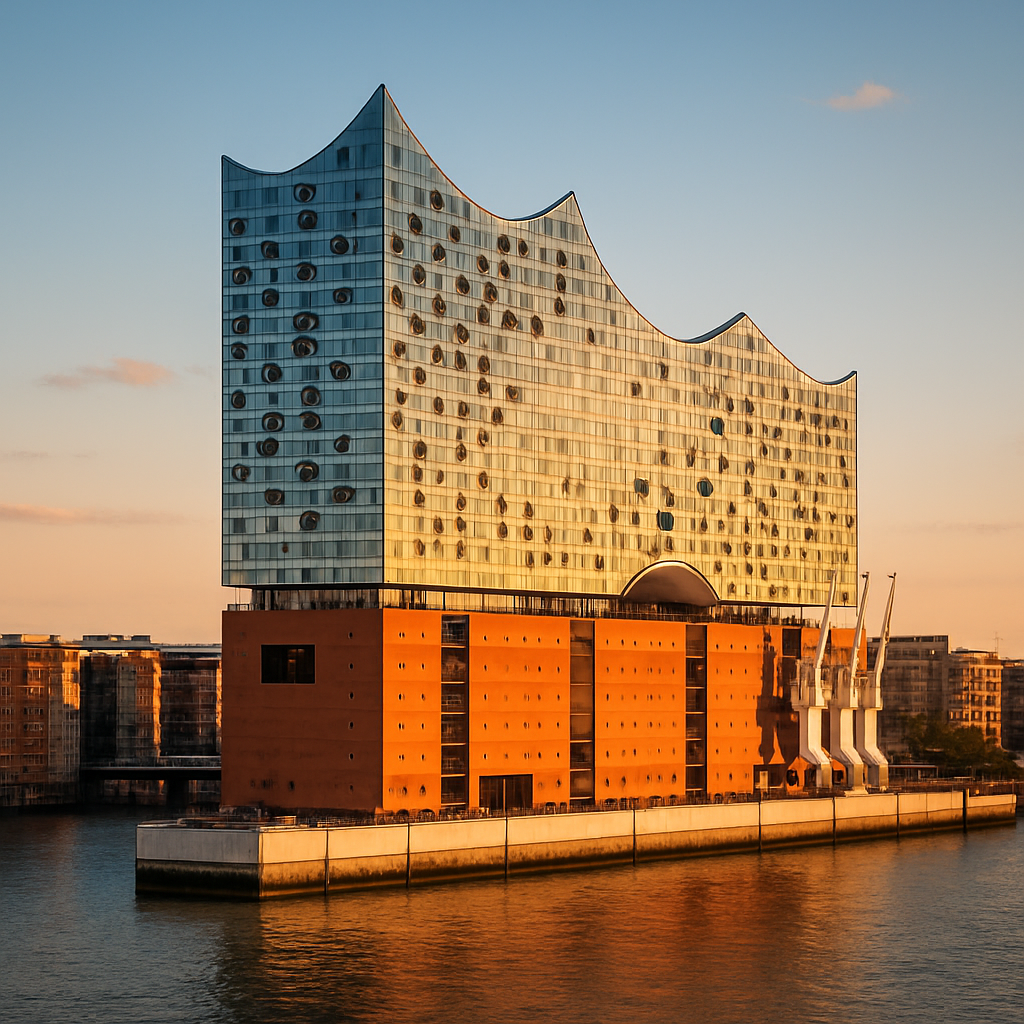
Elbphilharmonie — Even If You Don't Have Tickets
You don't need concert tickets to experience Hamburg's most iconic building. The Plaza — the free public viewing platform at the junction of the old warehouse base and the glass wave above — offers a 360-degree panorama of the port, the Alster, and the city skyline that genuinely stops you mid-step. Take the 82-meter curved escalator up, walk the outdoor terrace, and understand why Hamburgers spent a decade arguing about the cost and then immediately forgave it. If you can score tickets to an evening performance in the Grand Hall, the acoustics are other-worldly — book weeks ahead.
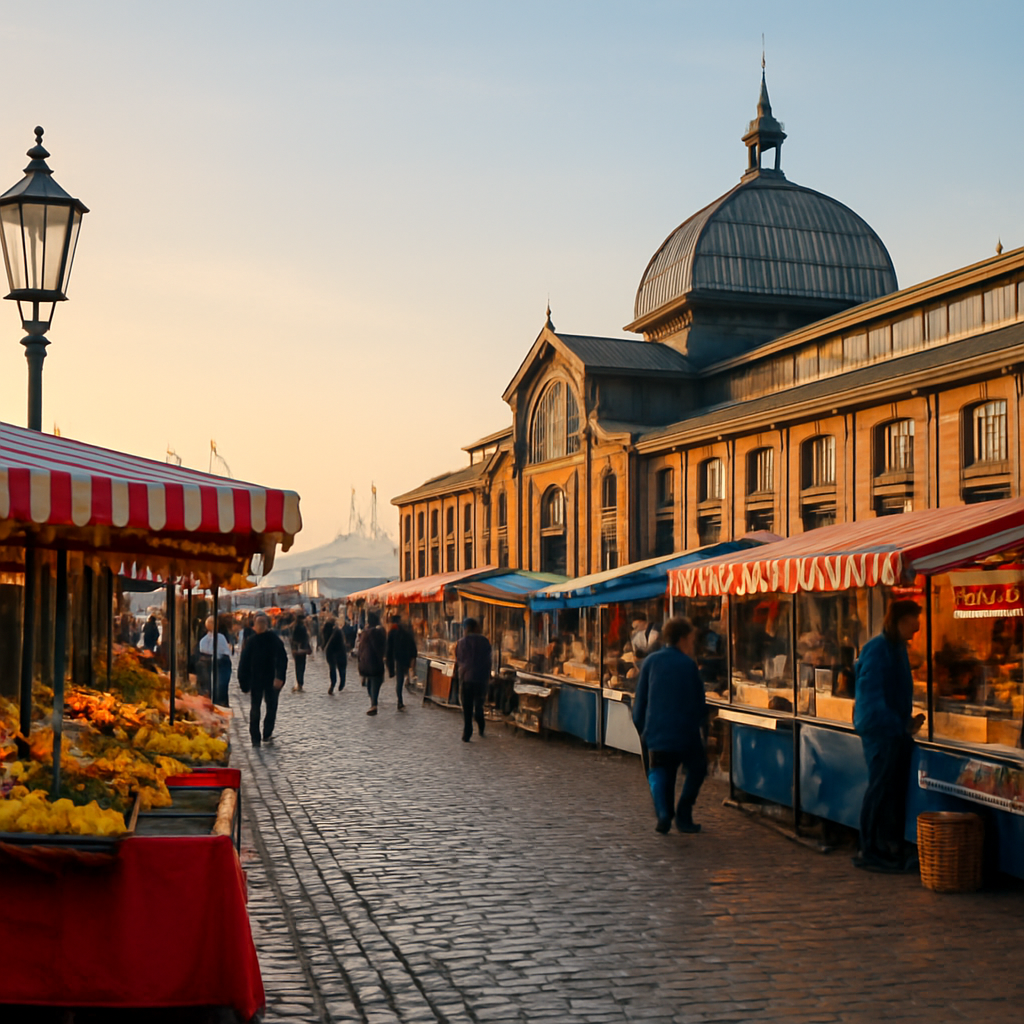
Fischmarkt at Dawn
Every Sunday from 5am (7am in winter), Altona's Fischmarkt turns into the most chaotic, joyful open-air market you'll find in northern Europe. Fishmongers scream over crates of shrimp and smoked eel, fruit vendors hurl bananas at crowds to clear stock, and half the audience is still in last night's outfit with a Fischbrötchen in one hand and a beer in the other. The adjacent Fischauktionshalle — the old fish auction hall — hosts a live band that plays to a room of people who may or may not know what day it is. It's absurd, it's delicious, and it's the most Hamburg thing you can do.
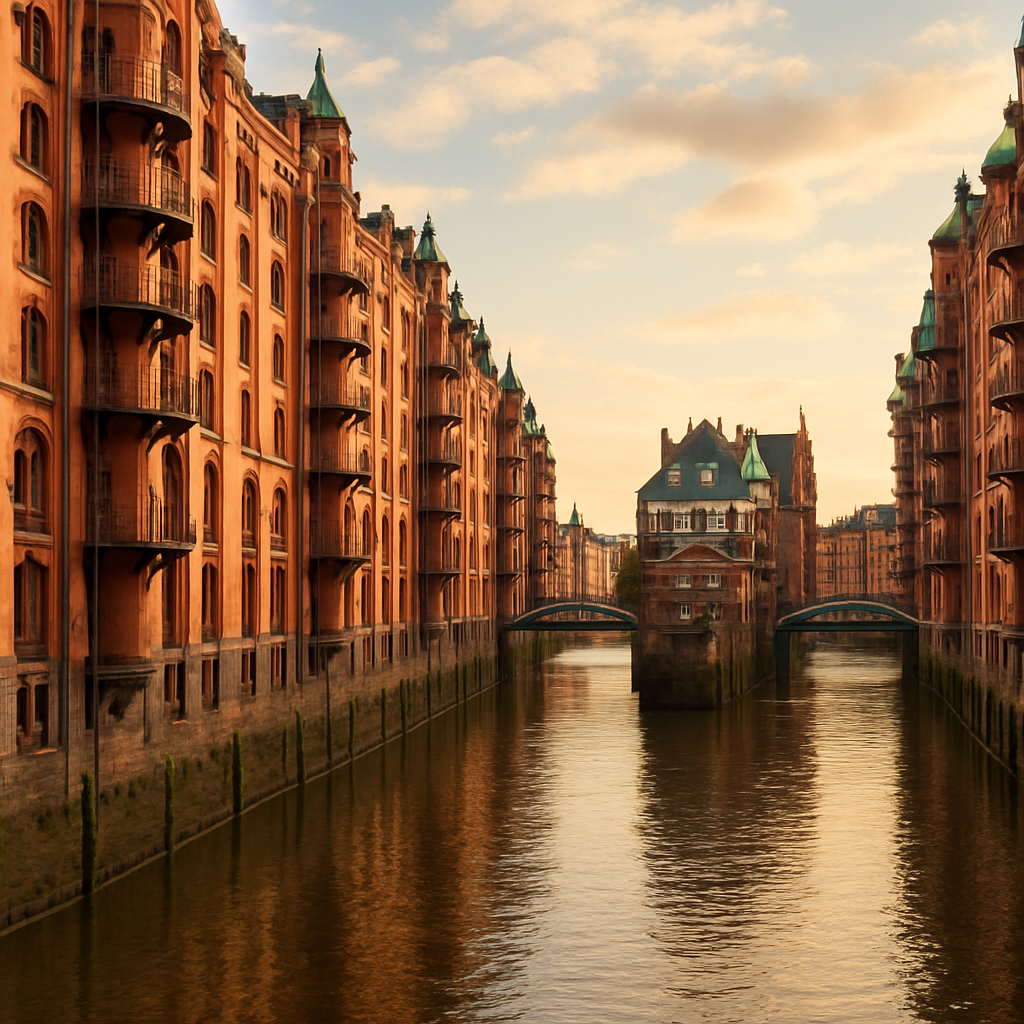
Speicherstadt by Night
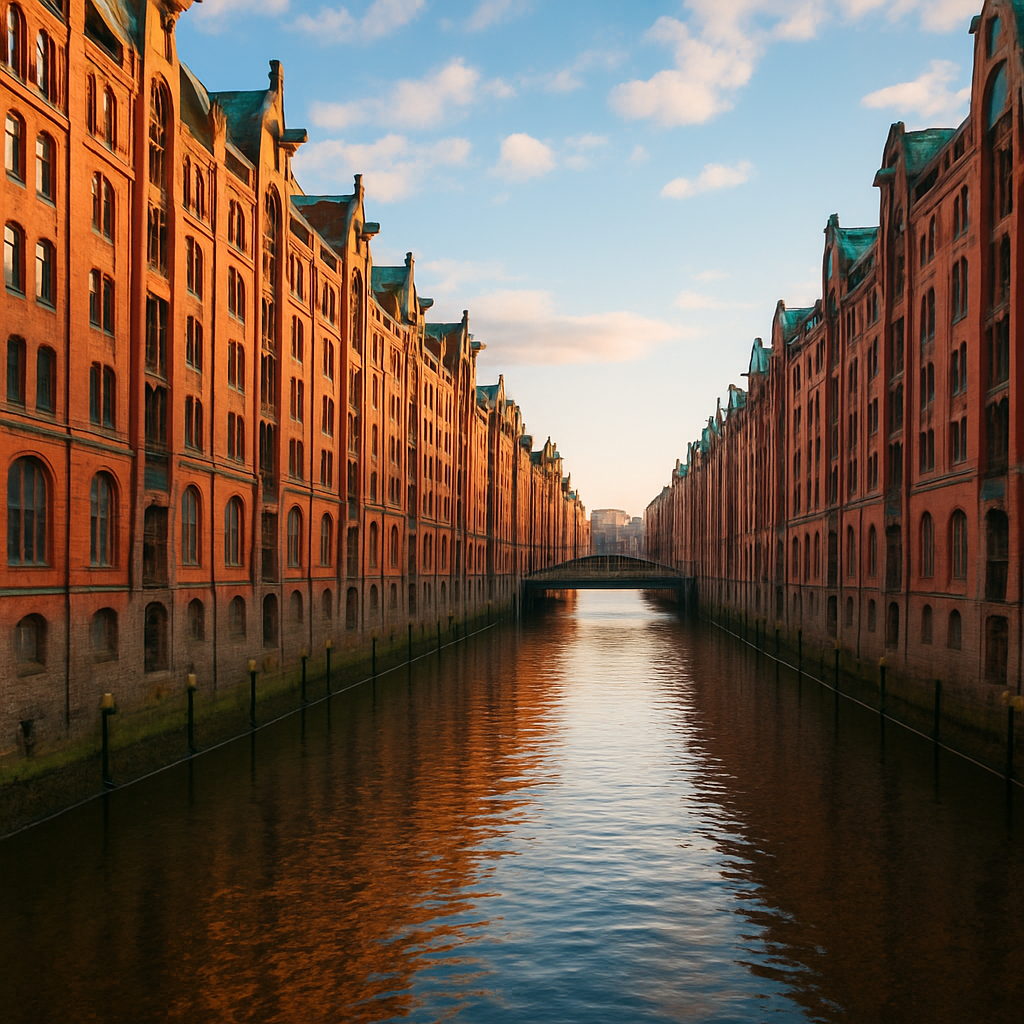
The world's largest warehouse district on timber-pile foundations is a UNESCO World Heritage site, and during the day it's impressive — but at night, when the red-brick facades light up and reflect in the canals, it crosses into genuinely beautiful. Walk from Poggenmühlenbrücke (the most photographed bridge) south toward HafenCity and you'll pass spice warehouses that still smell like coffee and cardamom. Duck into the Speicherstadt Kaffeerösterei if it's open, or just walk the narrow footbridges with the sound of water lapping below. This is the Hamburg that makes you understand why people live here through five months of grey winter.
Miniatur Wunderland
I'll be honest — I went expecting a cute model train exhibit and left two hours later with my jaw still slightly open. Miniatur Wunderland in Speicherstadt is the world's largest model railway, and calling it that undersells it by a mile. Entire miniature countries — Switzerland, Scandinavia, the American Southwest — run on tens of thousands of meters of track with aircraft that actually take off and land, day-night lighting cycles, and details so precise you'll find yourself crouching to peer into tiny apartment windows. Kids lose their minds. Adults lose their minds. Book tickets online in advance — walk-up queues can exceed two hours in summer.
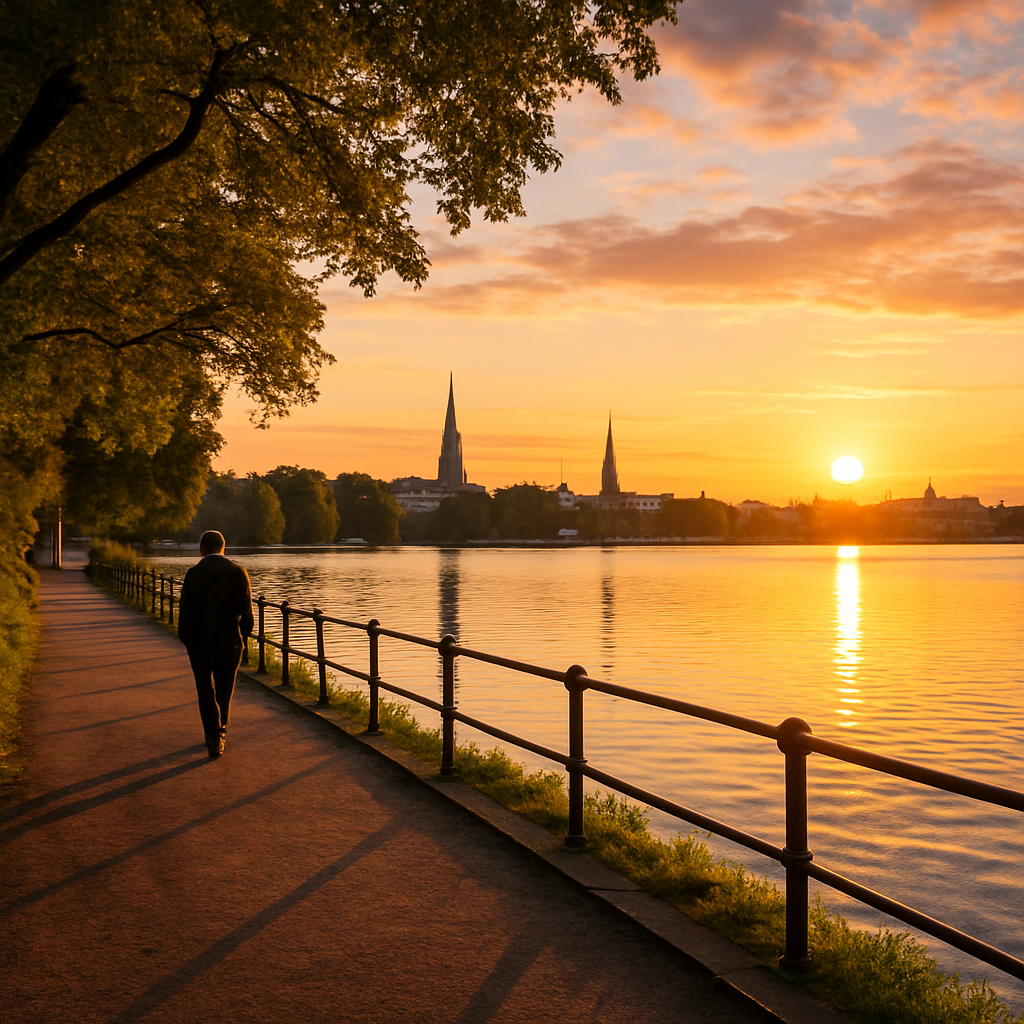
Außenalster Walk at Golden Hour
The Außenalster — the larger of Hamburg's two central lakes — has a 7.4-kilometer walking and cycling path that loops through parks, rowing clubs, and waterfront gardens. In the late afternoon, when the light hits the water and the sailboats are out, this is one of the most beautiful urban walks in northern Europe. Start from Jungfernstieg, head north along the western bank through Harvestehude, and loop back via the eastern shore through Uhlenhorst. Bring a Flensburger from a Kiosk — drinking outside is perfectly legal and culturally mandatory.
The places I actually send people to
Advice that fits how you travel
Hamburg is one of the best solo cities in Europe, full stop. The public transit is efficient and cheap — an HVV day pass runs about €8–€10, and the S-Bahn and U-Bahn will get you anywhere you need to be. St. Georg's bar scene is walkable and welcoming to solo drinkers; Café Gnosa's community bulletin board and reading corner are practically designed for people who showed up alone and don't mind it. The apps are active — this is a major German port city, so Grindr, Scruff, and Romeo all have solid traffic, especially on weekends.
The beauty of traveling Hamburg solo is that the neighborhoods are distinct enough to fill a full week without repeating yourself. Spend a morning at the Fischmarkt in Altona at 5am (yes, you'll be awake — you were at Pulse until 3), afternoon in Speicherstadt, evening in the Schanze. Budget solo travelers can stay at Superbude in Altona from around €28/night for a dorm, and a day of döner, market stalls, and transit comes in under €80.
Safety-wise, solo travel here is about as low-stress as it gets. Stick to the lit streets around the Hauptbahnhof after midnight — the station vicinity gets rougher late — but St. Georg's bar corridor, the Schanze, and St. Pauli are all fine for solo wandering at any hour. Save Hein & Fiete's number before your trip — they're the community hub that can connect you with anything from HIV testing to legal support if you ever need it.
Hamburg is an easy city to be in love in. St. Georg sets the tone — you can walk Lange Reihe hand in hand at any hour without a second thought, stop into Café Gnosa for a slow Saturday brunch, and feel like you belong to the neighborhood rather than just passing through it. That sense of ease doesn't require effort here. It's structural.
For a genuinely memorable evening, start with dinner at Turnhalle St. Georg — that vaulted gymnasium ceiling is absurdly romantic, and it's right in the neighborhood. Then take the long way home along the Außenalster after dark. The city lights on the water at night are the kind of thing you'll reference years later. If you want to push the evening further, Clouds on the 23rd floor of the Tanzende Türme has panoramic Hamburg views and a cocktail menu worth the splurge. Book it.
On the accommodation front, Hotel Wedina on Gurlittstraße is where I'd put a couple who wants to feel embedded in the gay neighborhood — it's intimate, the author-named rooms are charming, and you're steps from everything. If budget isn't the primary concern, The Fontenay on the Außenalster is in a different league entirely: curved glass tower, Michelin-starred restaurant on-site, rooftop spa. That's a special-occasion hotel and it knows it.
Germany's legal framework makes Hamburg genuinely straightforward for LGBTQ+ families. As of 2026, same-sex marriage, joint adoption, and step-parent adoption are all fully legal, and Hamburg's family services — schools, healthcare, public programming — operate under comprehensive anti-discrimination law. The organized Regenbogenfamilien (rainbow families) community here is active and well-resourced, particularly in St. Georg and Eimsbüttel, so if you're looking for local family connections rather than just tourist infrastructure, they're findable.
The practical logistics are good. Hamburg's public transit (HVV) offers family day passes, strollers are a non-issue on the U-Bahn and S-Bahn, and kid menus are standard at most mid-range restaurants. The big draws for families are genuinely excellent: Miniatur Wunderland in HafenCity is one of the best things I've seen in any European city regardless of age — book tickets in advance online or the queue will eat your morning. Tierpark Hagenbeck is a proper zoo, not a sad collection of enclosures, and the harbour area has boat tours calibrated for families.
Accommodation-wise, apartment rentals in Altona or Eimsbüttel give you kitchen access and residential streets that are genuinely calmer than the city center — useful if you're traveling with young kids who need a routine. The 25hours Hotel HafenCity is a solid family-friendly hotel option if you want to stay in a neighborhood that's walkable to HafenCity's main attractions without the chaos of being directly on the Reeperbahn.
What Hamburg actually costs
Flights, visas, and the first 30 minutes
Airport: Hamburg Airport (HAM), located approximately 8km north of the city center, serves 130+ destinations with direct connections across Europe and beyond.
Major routes: London Heathrow (~1h 45m), Amsterdam (~1h 10m), Copenhagen (~1h 00m), Zurich (~1h 35m), New York JFK (~9h 30m), Dubai (~6h 30m). Most Western European capitals are under 2 hours.
Visa requirements (as of 2026): US citizens typically enter visa-free for up to 90 days under Schengen rules. UK citizens generally qualify for visa-free stays up to 90 days under post-Brexit Schengen access. EU citizens have freedom of movement with no visa required. Canadian and Australian citizens typically enter visa-free for up to 90 days under Schengen, though the ETIAS electronic travel authorization is expected to apply from late 2025 onward. Always check your government's own travel advisory for current entry requirements before booking.
Airport to city:
- S-Bahn (S1): €3.80 — direct to Hamburg Hauptbahnhof in ~25 minutes; runs every 10 minutes. This is the move.
- Taxi / Rideshare: €25–€35, ~20–35 minutes depending on traffic.
- Bus (line 39): €3.80, ~35–50 minutes, connects to U-Bahn Ohlsdorf for onward travel.
Pro tip: The S1 drops you at Hamburg Hauptbahnhof, which is a five-minute walk from Lange Reihe and the heart of St. Georg. For most travelers, you're essentially door-to-gay-village in under 35 minutes from wheels down.
Traven's seasonal breakdown
The questions everyone asks
Is Hamburg safe for same-sex couples?
Do I need to speak German?
How much should I budget per day?
When is Hamburg Pride?
What's the deal with cash vs. cards?
Is Hamburg good for trans travelers?
How do I get from the airport to St. Georg?
Screenshot this before you go
So should you actually go?
Hamburg earns it. A perfect legal framework, a gay neighborhood that's been authentic since before authenticity became a marketing term, a leather scene with actual history, world-class food and architecture, and a cultural calendar anchored by one of Germany's biggest CSD parades. I gave it a 9.1 on my Traven-Dex, and honestly, the only thing keeping it from higher is that the scene is more concentrated than sprawling — but what's there is real, deep, and lived-in. If you want a European city where you can hold hands on every street, eat your way through a harbour district, catch a drag show that makes you rethink the art form, and never once feel like the city is performing its tolerance for your benefit — go. Hamburg doesn't audition for your approval. It just is what it is, and what it is happens to be excellent.
Sources & Resources
Official links we reference when compiling this guide. Last verified 2026-03-15.
- AIDS-Hilfe Hamburg
- Magnus Hirschfeld Centrum (MHC) – Hamburg LGBTQIA+ Community Center
- Hein & Fiete – LGBTQ+ Checkpoint (Anonymous HIV/STI Testing)
- Antidiskriminierungsbüro Hamburg – Anti-Discrimination Office
- Hamburg Pride / CSD Hamburg
- Hein & Fiete – LGBTQ+ Health & Counseling Center
- Lambda Nord – LGBTQ+ Youth Network
- LSVD Hamburg (Lesbian and Gay Federation)
- Magnus-Hirschfeld-Centrum
- SPDqueer Hamburg – LGBT Social Democrats
- Hein & Fiete – Trans* Counseling