
Munich doesn't choose between Lederhosen and last call. It just hands you a Maß at the Chinesischer Turm and lets a Thursday evening at Gärtnerplatz do the rest.
Eight o'clock on a warm Thursday at Gärtnerplatz, and the steps of the Staatstheater have turned into the neighborhood's living room. Kiosk beers in plastic cups, dogs threading between sneakers, somebody's Bluetooth speaker playing low-volume German indie pop, and the whole Glockenbachviertel drifting through on its way somewhere. Two guys hold hands at the curb waiting for the light. Nobody is performing. Nobody is taking inventory. The Bavarians have a word — Gemütlichkeit — that English keeps trying and failing to translate, and what it actually means is this: the precise temperature at which a city stops asking anything of you.
Munich is the contradiction that confuses every visitor on day one. Bavaria the state leans CSU-conservative and rural; Munich the city votes very differently and always has. You feel it the second you step out of the U-Bahn at Sendlinger Tor and walk south. The Glockenbachviertel has been openly gay territory since the 1970s, and the institutions hold — Deutsche Eiche on Reichenbachstraße, where Fassbinder kept a room and caused scenes; Ochsengarten on Müllerstraße, one of Germany's oldest leather bars, fifty-plus years and counting; Sub e.V. at Müllerstraße 14, founded in 1972, still running thirty-plus community groups out of the same building. Munich's gay village earns its reputation precisely by not trying to. There's no rainbow-flag bunting strung across the streets because the streets don't need it.
I gave Munich an 8.7 on my Traven-Dex, and an 8.5 on Scene that I'd defend in court. The numbers come from somewhere specific — the density of bars within a ten-minute walk of Hans-Sachs-Straße, the fifty years of unbroken community continuity, the perfect 10.0 on Legal that Germany earned when the Selbstbestimmungsgesetz went into effect in November 2024. But the actual reason to come is sitting on those theater steps at Gärtnerplatz on a Thursday, watching the neighborhood come home.
And here's the part most travel writing misses about Munich: the city doesn't divide neatly between scene and tradition. Same-sex couples in full Lederhosen and Dirndl at the Bräurosl tent during Oktoberfest aren't a novelty — they're a Tuesday. The Flaucher stretch of the Isar in August pulls a mixed, body-positive crowd that doesn't sort itself by orientation. The Englischer Garten on a summer evening is the gays, the families, the surfers on the Eisbach wave, and an old man with a transistor radio all sharing the same patch of grass. Munich integrates instead of segregating, and once you feel it you stop wanting cities that work the other way.
The stuff your travel guide buries on page 47
Germany legalized same-sex marriage in 2017, and as of 2026 the legal framework is about as solid as Europe gets: full marriage equality, joint adoption rights, and comprehensive anti-discrimination protections under the AGG (Allgemeines Gleichbehandlungsgesetz) covering employment, housing, and access to goods and services. Germany's Selbstbestimmungsgesetz (Self-Determination Act), effective November 2024, generally allows trans people to update gender markers and legal names by self-declaration at the registry office — no medical gatekeeping, no court approval. That's why I gave Munich a 10.0 on Legal. The paperwork actually matches the values on paper.
Here's the contradiction that confuses people: Bavaria the state leans CSU-conservative, but Munich the city votes very differently and always has. You feel it the second you land. The state government may grumble; the city administration tends to enforce federal protections without flinching, and the Glockenbachviertel has been openly queer territory since the 1970s. For the official civic line and the community calendar, Stadt München runs the practical infrastructure, and LSVD Bayern is the rights organization to know if anything legal comes up.
On the ground, PDA reads as unremarkable in Glockenbach, Schwabing, Maxvorstadt, and along the Isar. In the Old Town and the bigger beer halls it's generally fine; in rural Bavaria past the city limits, the cultural temperature shifts and discretion typically makes more sense. Pro tip: cash is still expected at many Glockenbachviertel bars — pull euros before you head out, because the ATM situation on Müllerstraße after midnight is a character-building experience at best.
One more thing worth knowing — Oktoberfest has a real queer presence if you know where to look. The Bräurosl tent on the Wiesn has historically been the unofficially queer-friendly spot, and same-sex couples in full Lederhosen and Dirndl are common and frankly delightful. Book a table weeks in advance or accept you're standing in the mud. For broader rights and advocacy resources, Rosa Liste München is the local political org worth bookmarking.
What it actually feels like on the ground
Holding hands and PDA: In the Glockenbachviertel, on Gärtnerplatz, along Reichenbachstraße, and through Schwabing — generally normalized, low friction, and from what I've seen, nobody looks twice. In the Old Town around Marienplatz and the Viktualienmarkt it's broadly fine but slightly more touristy and mixed; in rural Bavaria beyond the city you'd want to read the room.
Hotel check-in: Same-sex couples can typically book a single bed without a second thought across the city. The Hotel Deutsche Eiche on Reichenbachstraße has been an explicitly gay-run property since the 1970s, but the broader hotel infrastructure tends to be genuinely welcoming — this is not a place where you'll need to euphemize the booking.
Taxis and rideshare: Munich taxis are metered, regulated, and uneventful. Free Now is the standard rideshare app. No reports of driver hostility worth flagging in the Glockenbach area or anywhere I'd send you.
Late night and the Hauptbahnhof: The area around Hauptbahnhof late at night carries the energy typical of any major European rail hub — nothing alarming, just normal urban alertness. The Glockenbachviertel, a 15-minute walk south, stays easy and calm at any hour and is the better base for a night out. A reader wrote in to confirm what I'd say myself: the Glockenbach has real social cohesion built over decades, and it shows.
Trans travelers: Munich is one of Europe's most legally accessible cities under the 2024 Self-Determination Act, with strong healthcare infrastructure and community support. That said, Bavaria's administrative bureaucracy can be slow and occasionally frustrating on documentation matters. Trans-Ident e.V. can connect you with current advocacy contacts if you hit official obstacles. Don't navigate it alone.
Sexual health and HIV services: Checkpoint München, linked through Sub e.V., offers HIV and STI testing with a genuinely low-barrier approach. The BZgA — Federal Centre for Health Education publishes the national-level resources in plain German and English, and AIDS-Hilfe München runs parallel community support. English is typically spoken at all of them.
Verbal harassment: Approximately rare in central Munich and effectively absent in the Glockenbach, based on community reports. The Englischer Garten, the Isar banks, and the beer gardens read as mixed, generally relaxed, and don't carry the harassment risk you'd account for in some other European capitals.
Oktoberfest grounds: The Theresienwiese is international, mixed, and broadly friendly during the day. Festival energy can turn rowdy late, especially in the bigger tents — visible PDA is generally fine but situational awareness is wise after the third Maß.
The queer geography
Glockenbachviertel
This is the heart of it. The Glockenbachviertel stretches south from Sendlinger Tor toward Gärtnerplatz, a walkable patchwork of 19th-century apartment blocks, café terraces, design shops, and corner bars where the conversation runs late into the night. The plaza at Gärtnerplatz — anchored by the Staatstheater am Gärtnerplatz — is one of the genuinely great urban experiences in Germany. People sit on the theater steps with kiosk beers in plastic cups, the entire neighborhood drifts through, and the Gemütlichkeit the Bavarians keep talking about turns out to be a real thing you can sit inside of.
This has been Munich's gay village since the 1970s, and the institutions still hold. Deutsche Eiche on Reichenbachstraße — Fassbinder's old haunt — runs as hotel, restaurant, bar, and sauna under one roof. Ochsengarten on Müllerstraße is one of Germany's oldest leather bars, in continuous operation since the early 1970s. The walking circuit of Müllerstraße, Hans-Sachs-Straße, and Klenzestraße covers most of what you came for. CSD München e.V. is the org that runs Pride, and the community center at Sub e.V. München on Müllerstraße 14 is the nerve center — bulletin boards, counseling referrals, real humans who know what's actually on this specific week.
Schwabing & Maxvorstadt
North of the city center, Schwabing is Munich's literary-bohemian quarter — long the home of writers, students, and the kind of café culture that survives because people refuse to give it up. Maxvorstadt, between Schwabing and the Altstadt, holds the museum quarter: the Pinakotheken, the Brandhorst, the NS-Dokumentationszentrum on the site of the former Nazi Party headquarters. The Englischer Garten spreads east — bigger than Central Park, with its surfers on the Eisbach wave and beer gardens at the Chinesischer Turm.
The neighborhood reads progressive and university-coded, with a relaxed social temperature that doesn't feel performative. Rote Sonne at Maximiliansplatz hosts some of Munich's best recurring queer club nights, and LeTRa — Lesbenberatungsstelle München runs the city's longest-standing lesbian counseling and community programming from this part of town.
Au & Isarvorstadt
South across the river from the Glockenbach, Au is one of Munich's old working-class districts that gentrified into something more interesting than either side of that equation suggests. Wirtshaus in der Au serves the platonic ideal of Bavarian dumplings, and the streets running down to the Isar have the kind of neighborhood texture you can't fake. The river itself is the move — the Flaucher area south of the Deutsches Museum is Munich's outdoor living room in summer, drawing a mixed, body-positive, generally welcoming crowd. Bring a Radler, a towel, and nothing to prove. Regenbogenfamilien Deutschland is the resource to know if you're traveling with kids and want to connect with local rainbow-family programming nearby.
The experiences worth rearranging your itinerary for
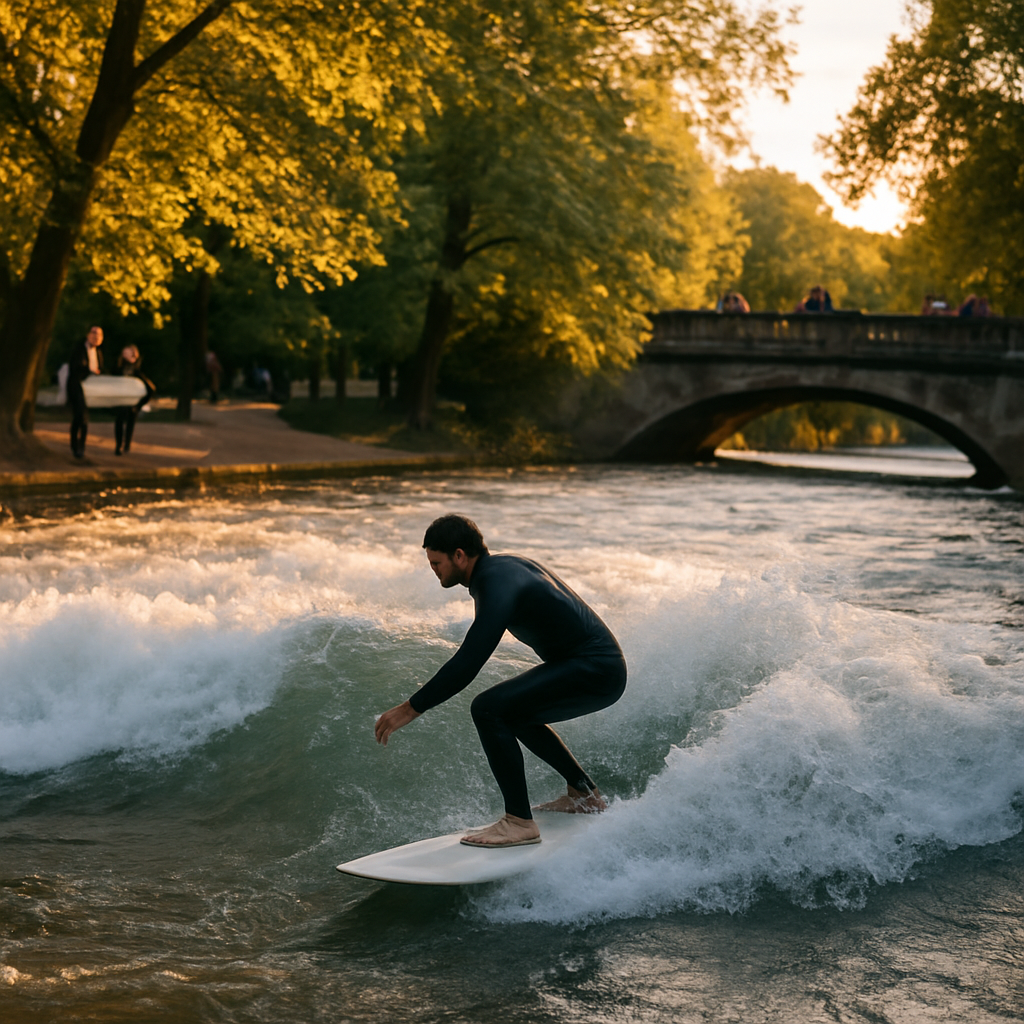
Watch the Eisbach Surfers in the English Garden
The Eisbach is a standing river wave at the southern edge of the Englischer Garten, and Munich surfers ride it year-round in wetsuits while joggers and families watch from the bridge above. It's one of the most improbable sights in any major European city — a perfect turquoise wave a five-minute walk from the Hofgarten — and it costs nothing. Watch for ten minutes; stay for an hour.
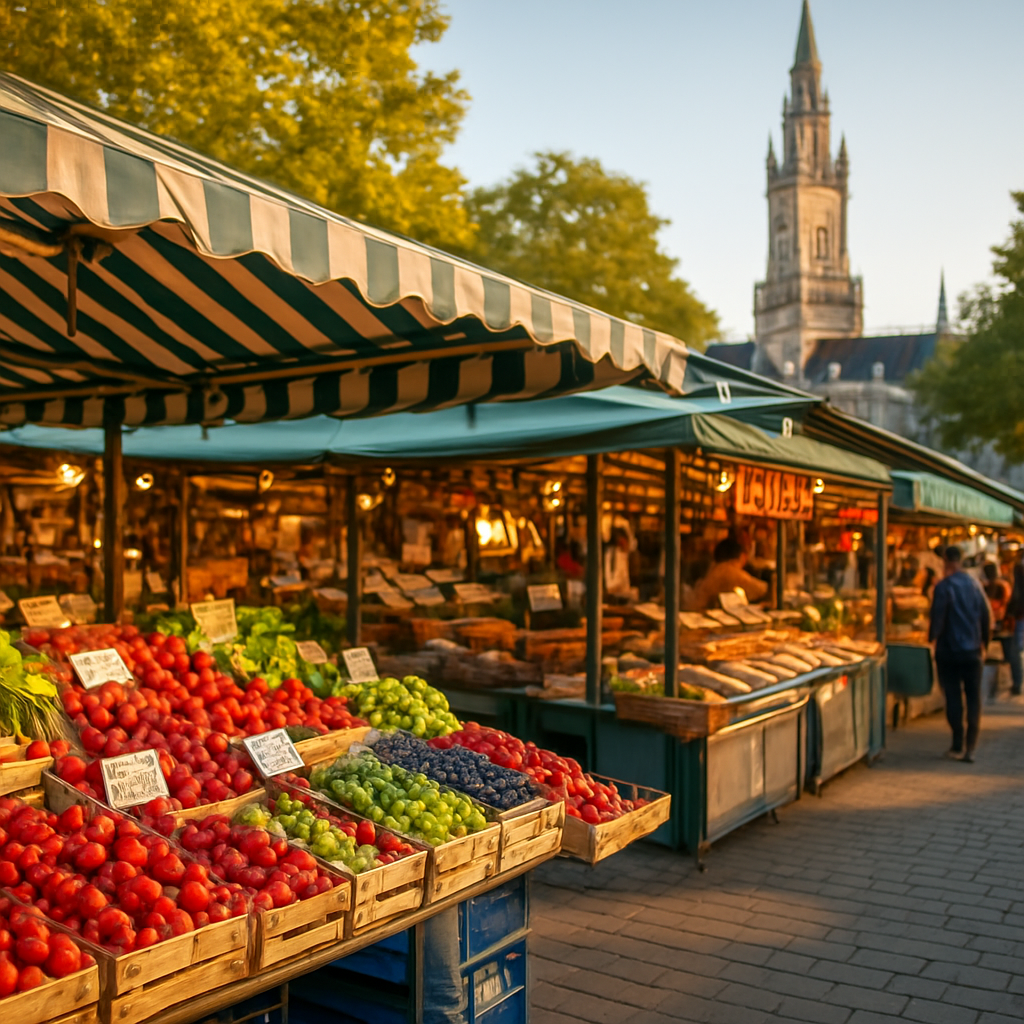
Build a Brotzeit at the Viktualienmarkt
The Viktualienmarkt has been Munich's daily food market since 1807, and on a sunny morning the assignment is simple: assemble a Brotzeit from three or four stalls — a wedge of Obazda, a Weißwurst if it's before noon, a pretzel still warm from the bakery, a Weißbier from the central beer garden under the maypole. Eat it standing. The whole thing costs less than a hotel breakfast and beats it by a long margin.
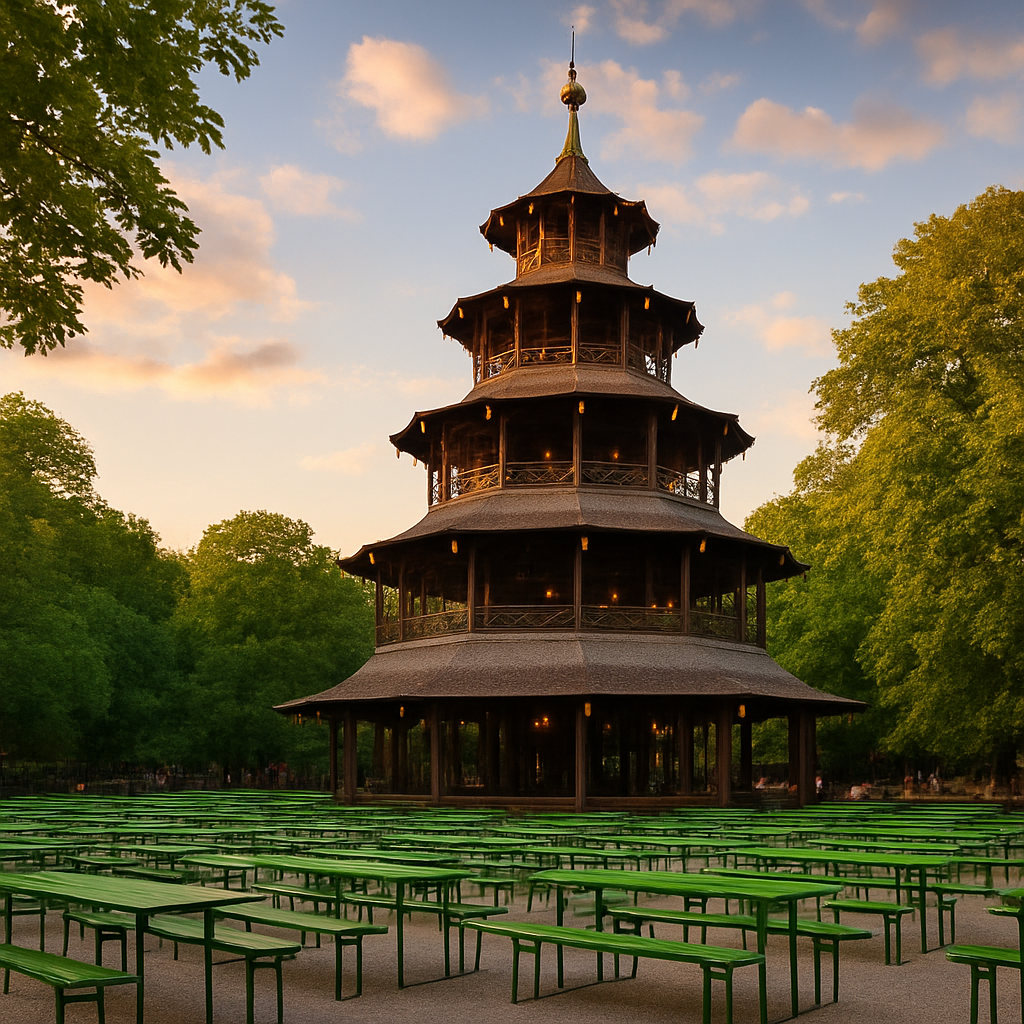
An Afternoon at the Chinesischer Turm Biergarten
The Chinesischer Turm beer garden in the Englischer Garten seats around 7,000 people under chestnut trees beneath a five-story wooden pagoda, and on a summer afternoon you'll find every demographic in Munich at the same bench. Order a Maß, point at whatever someone nearby is eating, and surrender to the brass band that may or may not appear. This is Bavarian outdoor culture in its most concentrated form.
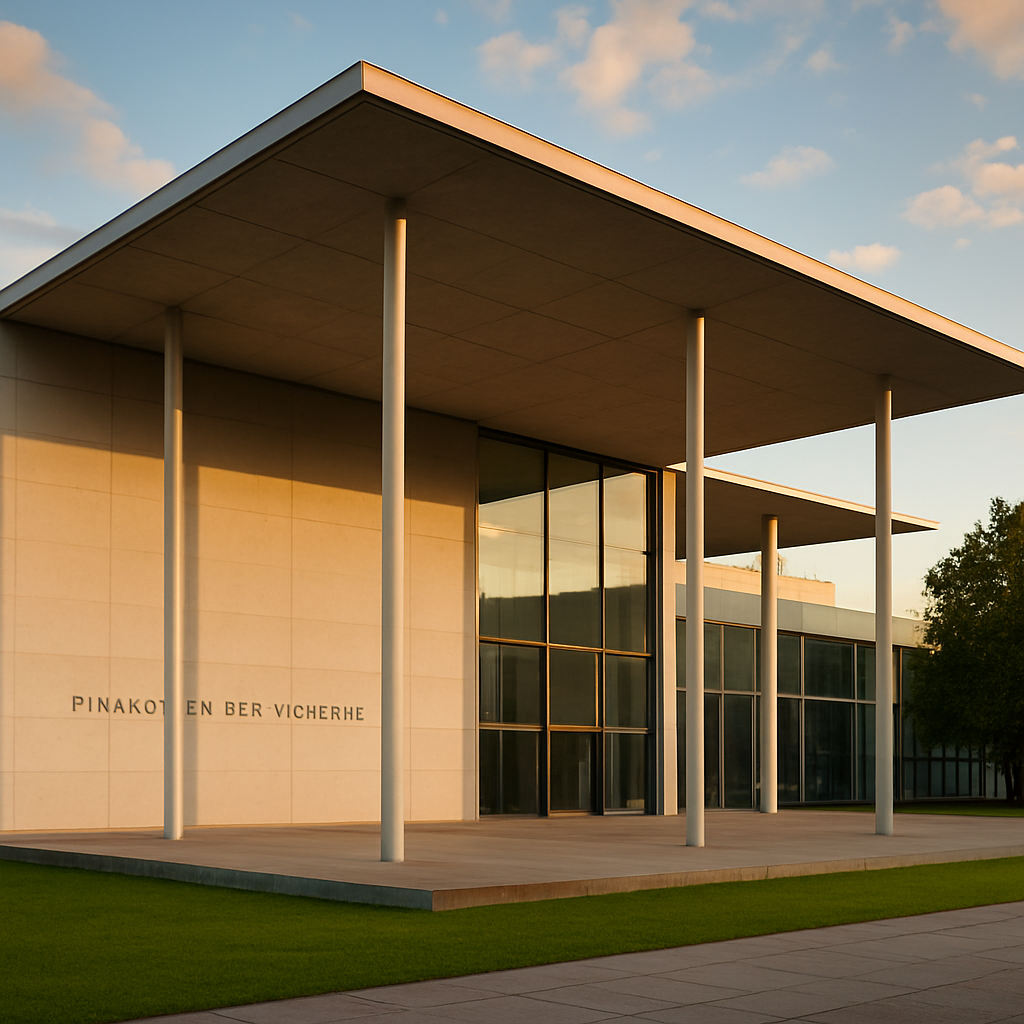
An Afternoon in the Pinakothek Museum Quarter
Munich's museum quarter clusters the Alte Pinakothek, Neue Pinakothek, Pinakothek der Moderne, and Museum Brandhorst within four walkable blocks of Maxvorstadt. The Brandhorst's Cy Twombly room alone justifies the trip, and the Modern's design wing is one of Europe's best. Tickets are €1 on Sundays at the state-run buildings — a quiet civic generosity Munich keeps mostly to itself.
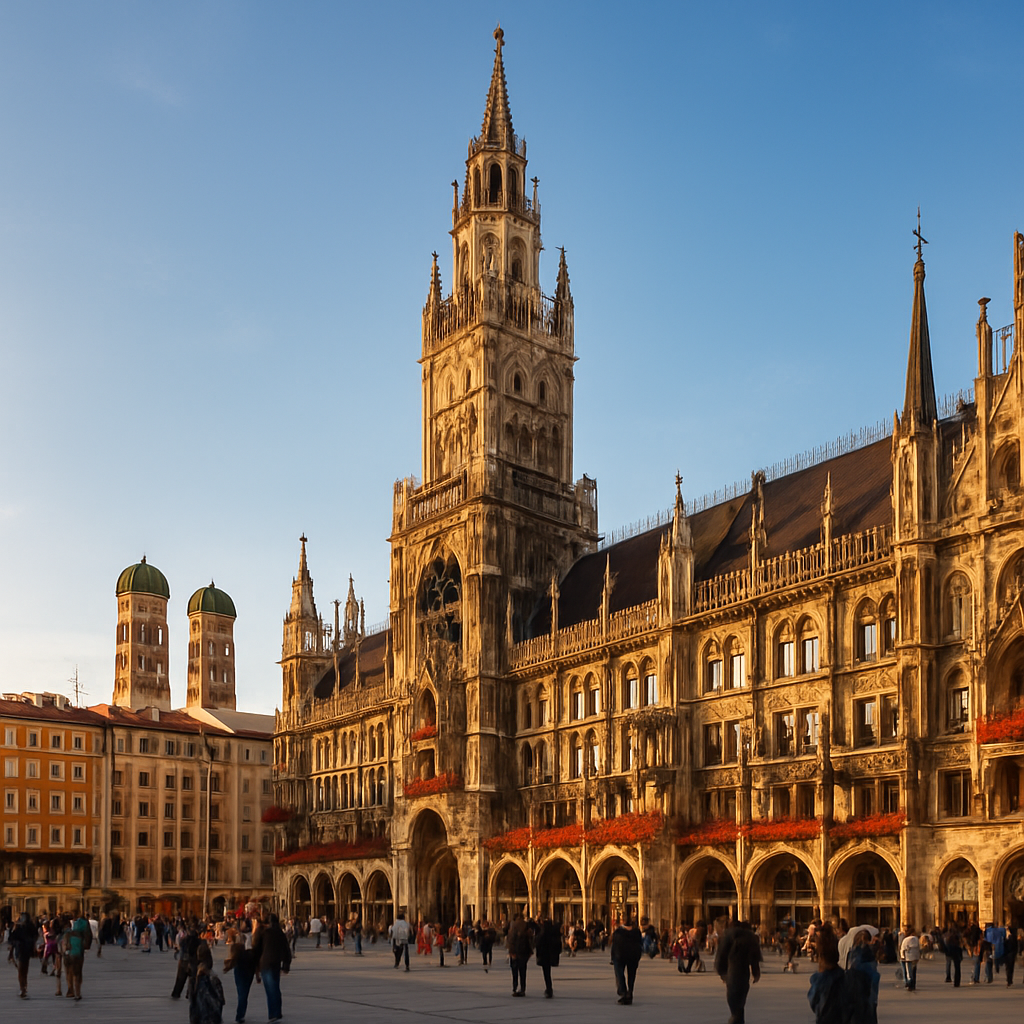
The Glockenspiel and the Old Town at Dusk
Marienplatz is Munich's literal and figurative center, anchored by the Neo-Gothic Neues Rathaus and its Glockenspiel — 43 bells, 32 mechanical figures, twice-daily performances at 11 a.m. and noon, plus a 5 p.m. show in summer. Show up early to claim a sightline, then walk south through the Marienhof toward the Frauenkirche and let the Old Town unfold on foot. The light around 8 p.m. in summer is genuinely cinematic.
The places I actually send people to
Advice that fits how you travel
Munich is one of the easier cities in Europe to arrive in alone and leave with a circle. The Glockenbachviertel runs on a social temperature that makes solo travelers feel like regulars within an evening — Nil at the corner of Hans-Sachs-Straße and Müllerstraße has been a natural mixing point for decades, and the bar at Morizz on Klenzestraße is warm enough that showing up alone reads as confident, not strange. The apps are active here — Grindr and Scruff both run well, and Gayromeo remains dominant with German users who've been on it since before smartphones existed. You don't need the apps to have a good time; you won't mind having them.
The budget works hard for solo travelers. A dorm bed at Wombats near the Hauptbahnhof starts around €25, and a full day — transport, a beer garden afternoon, a night out in the Glockenbach — runs €80–100 on the lean end. If you want a private room without a full hotel rate, Ruby Lilly puts you about 500 meters from the scene for around €90 a night. The best neighborhood to anchor around is the Glockenbachviertel itself for the bars and community energy; Maxvorstadt if you want the museum quarter without tourist crush. Both are easy on the U3 or U6 from Sendlinger Tor — get that stop memorized.
Safety for solo travelers in Munich is genuinely low-friction in these neighborhoods. The Glockenbach is well-lit, socially cohesive, and the kind of area where people notice if something feels off — there's real community infrastructure behind that calm, built over fifty years. The walk from the Hauptbahnhof area south to the Glockenbach is about 15 minutes and unremarkable at any hour; late-night taxis via Free Now are metered, regulated, and uneventful. Keep the standard city alertness you'd carry anywhere in Europe, and Munich won't ask more of you than that.
The baseline here is genuinely good: same-sex couples can hold hands through the Glockenbachviertel, across Gärtnerplatz, along the Isar, and into most of the city center without drawing a second look. Munich doesn't require you to manage your behavior against a threat level. That comfort is the foundation everything romantic builds on, which means the only question becomes which of many excellent options you actually want.
For a date, the range is useful and it all works. The terrace at Deutsche Eiche Restaurant on Reichenbachstraße delivers fifty years of community history and legitimately good Bavarian food in the same evening — there is nowhere else in Munich where the menu and the mythology share a room. An afternoon watching the Eisbach surfers in the Englischer Garten, then walking to the beer garden at the Chinesischer Turm for a Maß under the chestnut trees, costs almost nothing and earns everything. For something more considered, Tian München near the Viktualienmarkt holds a Michelin star and an entirely plant-based menu that makes a special-occasion dinner feel intentional rather than obligatory. Brenner Operngrill on Maximilianstraße handles a long, indulgent Sunday brunch as well as anywhere in the city — get the terrace table, arrive unhurried, and stay too long.
On accommodation, same-sex couples booking a room in Munich will have zero friction anywhere on this list. The Flushing Meadows Hotel puts you a block from the Glockenbach core in a converted 1950s post office with a rooftop bar and 13 rooms that feel genuinely thought about — the right choice if you want your hotel to be part of the trip. Hotel Deutsche Eiche is the community choice: you're sleeping inside Munich's queer history rather than adjacent to it. And if this is the trip that calls for 165 years of institutional hospitality and a marble lobby on Maximilianstraße, the Vier Jahreszeiten Kempinski has been treating every couple like they belong there since 1858 — and it shows.
As of 2026, Germany's legal framework for LGBTQ+ families is about as complete as Europe offers: marriage equality, joint adoption rights, and comprehensive anti-discrimination protections under the federal AGG. In practice, your family's legal standing is unambiguous, from checking into a hotel to navigating a museum entrance or dealing with any official interaction during your stay. Munich's city administration enforces these protections actively, and Regenbogenfamilien Deutschland supports rainbow families who want real community connection during a longer visit — programming, referrals, and current local knowledge about where families like yours actually feel at home in this city.
Munich is a genuinely great city to bring kids to. The Deutsches Museum on the Museumsinsel in the Isar is one of the world's great science and technology museums, built for all ages and capable of occupying children for a full day without resistance. The Englischer Garten is vast, free, and stroller-navigable — the Eisbach wave is a guaranteed crowd-pleaser for any kid who has ever been near water, and the beer garden at the Chinesischer Turm nearby serves food under chestnut trees with a brass band that may or may not appear. A morning at the Viktualienmarkt assembling breakfast from stalls covers both the cultural experience and the logistics. Public transport is stroller-accessible on most U-Bahn and S-Bahn lines, and the network is comprehensive enough that you won't need a rental car to feel mobile.
LGBTQ+ families receive Munich warmly in the way Munich does warmth — not performatively, just as a fact. The neighborhoods around the Glockenbachviertel and Schwabing have kids at café tables and parents on bikes as a matter of daily life, and the social temperature extends the same easy welcome to whoever you arrived with. The Flaucher area along the Isar in summer is one of the most relaxed outdoor spots in any German city — mixed, genuinely low-key, and the kind of place where nobody takes inventory of your family structure. Budget-wise, a family traveling at a moderate level should plan roughly €370–470 per day including accommodation, which puts Munich in the same range as Paris or Amsterdam without the hotel squeeze.
What Munich actually costs
Flights, visas, and the first 30 minutes
Airport: Munich Airport (MUC) sits approximately 40 km northeast of the city center, with direct connections from roughly 200 destinations worldwide. Major European hubs — London, Paris, Amsterdam, Zurich, Vienna — feed it constantly, and transatlantic options via Frankfurt or direct from New York, Chicago, and other North American gateways are plentiful. Getting to Munich is rarely the logistical problem.
Visas, as of 2026: US, Canadian, and Australian passport holders typically enter visa-free under the Schengen 90/180-day rule — meaning you can generally stay up to 90 days within any 180-day period across the Schengen Area. UK passport holders typically have 90 days in any 180-day period under the post-Brexit arrangement. EU passport holders move freely with no restrictions. None of this is a formality to ignore — keep track of your Schengen days if you're chaining European destinations.
Airport to city: The S-Bahn is the move. The S1 or S8 runs direct to Hauptbahnhof and Marienplatz every 20 minutes for €13.60 — about 40 minutes, no guesswork, no traffic. The Lufthansa Airport Bus covers the same ground in roughly 45 minutes for €13.00, dropping at Hauptbahnhof and Schwabing. A taxi or rideshare runs €70–95 and takes anywhere from 35 to 50 minutes depending on what the A9 feels like that day — fine if there are three of you splitting it or if you're arriving with luggage you can't face on a train platform. Pro tip: if you're staying in the Glockenbachviertel, the S-Bahn to Sendlinger Tor puts you a ten-minute walk from your front door and about €80 ahead of the taxi driver.
Traven's seasonal breakdown
The questions everyone asks
Is Munich safe for LGBTQ+ travelers?
Where is Munich's gay neighborhood?
Do I need to speak German?
When is Munich CSD (Pride)?
How much should I budget per day?
Is Oktoberfest LGBTQ+-friendly?
What's the best way to get from MUC airport to the city?
Screenshot this before you go
So should you actually go?
Go. Munich is one of the best-run, best-fed, best-protected cities in Europe for LGBTQ+ travelers, and the Glockenbachviertel is the rare gay village that has held its character through fifty years of every economic and cultural pressure that usually flattens these neighborhoods. The legal floor is solid as of 2026, the social temperature on the street is warmer than the city's reputation suggests, and the food, the beer gardens, and the Bavarian-Alps day trips would justify the trip on their own. Come for Pride in July if you want the spectacle; come in May, June, or September if you want the city the way the locals actually live it. Either way, anchor in the Glockenbach, walk everywhere, and trust that Munich will meet you exactly where you stand.
Sources & Resources
Official links we reference when compiling this guide. Last verified 2026-04-29.
- BZgA — Federal Centre for Health Education (Germany)
- CSD München e.V.
- LeTRa — Lesbenberatungsstelle München
- LSVD Bayern — Lesben- und Schwulenverband
- Regenbogenfamilien Deutschland — Rainbow Families
- Rosa Liste München
- Stadt München — Official City Portal
- Trans-Ident e.V. — Transgender Counseling & Support