
Stuttgart doesn't audition for you. It pours you a Viertele of Trollinger at the foot of a baroque palace and assumes you'll keep up.
Stuttgart sits in a bowl. Locals call it der Kessel — the cauldron — and once you've spent a Friday afternoon climbing the Stäffele through the vineyards above the city, the name stops being cute and starts being literal. The whole place tilts. You walk down to Schlossplatz for a beer, you climb back up for the view, and somewhere between the two you realize Stuttgart isn't trying to be anywhere else. This is a Mercedes town with a Riesling problem and a queer scene packed into ten walkable minutes around Leonhardsplatz — and it works precisely because it isn't trying to be Berlin.
What you'll notice first is how unbothered everything is. Same-sex couples on the steps at Marienplatz, the daytime crowd at Café Weiß in the Bohnenviertel that drifts straight from coffee into wine without changing chairs, the Weissenburg community center quietly running the institutional spine of queer Stuttgart since 1991. There's no performance here. The Hocketse on Schlossplatz in late July cracks the city open for two weeks, hundreds of thousands of people turn the baroque heart of the city into one extended afternoon, and then Stuttgart goes back to being Stuttgart — which is the trick most cities its size never quite pull off.
The food is the surprise. Two two-Michelin-star kitchens, a Swabian Weinstube tradition that will hand you Maultaschen and a Viertele of Trollinger for the price of a coffee back home, and a hillside restaurant called Wielandshöhe that's been at the top of its game for 35 years. I gave it a 7.8 on Scene because the gay nightlife is small — but small in Stuttgart means everyone shows up, and you'll see the same faces at Kings Club Friday and on a CSD float Saturday. There's a reason my Traven-Dex landed at 8.3 here, and most of it is what the city doesn't do: it doesn't oversell, it doesn't audition, it doesn't ask you to fit in.
Pro tip: skip the urge to bar-hop across the whole Kessel. The locals will absolutely clock you if you keep arriving out of breath from a taxi. Walk it. Take the Stäffele. Order another Viertele. Stuttgart rewards the traveler who slows down to its pace, and punishes the one who tries to make it perform.
The stuff your travel guide buries on page 47
Germany sits at the top of the European legal ladder for LGBTQ+ rights, and Stuttgart inherits all of it. Marriage equality has been federal law since 2017, joint adoption is fully legal, and anti-discrimination protections under the Allgemeines Gleichbehandlungsgesetz cover sexual orientation and gender identity across employment, housing, and services as of 2026. Same-sex couples have the same legal standing here as any other married couple — no asterisks.
The bigger story for 2026 is the Self-Determination Act (Selbstbestimmungsgesetz), in force since November 2024, which lets trans, non-binary, and intersex people change their legal name and gender marker through a simple registry declaration. No court order, no medical gatekeeping. The LSVD Baden-Württemberg tracks regional implementation and is the first place to look if you have questions about how the law plays out at a state level.
Culturally, Baden-Württemberg is a touch more conservative than Berlin or Cologne — this is Mercedes country, not Kreuzberg. But Stuttgart itself is a university and tech city with a long-running queer infrastructure, and daily life reflects that. CSD Stuttgart has been running since the '90s and is one of the largest Pride celebrations in southern Germany. The city tourism board at Stuttgart Tourist Information is genuinely useful, and IG CSD Stuttgart publishes the full Pride calendar each spring.
PDA in the city center is generally unremarked. Holding hands on Königstraße, kissing on the steps of Schlossplatz, walking arm-in-arm through the Bohnenviertel — none of this draws a second look. The further out you go into Bad Cannstatt or the suburban districts, the more you'll want to read the room, but that's pragmatism, not fear. Pro tip: Sundays in Stuttgart are aggressively closed — supermarkets, most shops, the works. Stock your snacks Saturday or commit to a long brunch in the Bohnenviertel. And the S-Bahn ticket machines at Hauptbahnhof have humbled stronger travelers than you. Buy a day pass and stop overthinking it.
What it actually feels like on the ground
Holding hands and kissing in public: In Stadtmitte, around Schlossplatz, Schillerplatz, and the entire Königstraße pedestrian zone, same-sex couples can hold hands without issue. The Westend and Heusteigviertel are even more relaxed — these are bohemian residential neighborhoods where you'll see queer couples casually all day. In Bad Cannstatt and the outer districts, attitudes are typically more conservative; subtle PDA after dark is the smart call.
Hotel check-in: Same-sex couples checking into one bed is a non-event at every property listed in this guide, including the chain hotels around Hauptbahnhof and the design-led independents in Süd. No need to explain or pre-empt anything.
Taxis and ride-shares: Generally fine across the city. Stuttgart taxi drivers tend toward gruff Swabian professionalism rather than chatty intrusion. Uber and Bolt both operate.
Late-night nightlife district: Leonhardsviertel is the historic red-light district as well as the gay nightlife cluster, so expect a mixed crowd late at night. Queer locals report it's generally fine, but the stretch of Leonhardstraße closer to Österreichischer Platz gets sketchier after 2am — stay on the main drags around Leonhardsplatz and you'll be fine.
Public transit late at night: Daytime S-Bahn and U-Bahn are completely unremarkable. Late-night weekend trains, especially the U6 out to the suburbs, occasionally have rowdy or drunk passengers. Locals tend to read the carriage before holding hands. Not paranoia — just Swabian pragmatism.
Trans travelers: Daily life in central Stuttgart is generally safe and the legal framework is strong as of 2026. The Bundesverband Trans* is the national resource for trans-specific support, and locally the Weissenburg LGBTQ+ Community Center on Weißenburgstraße offers trans-specific counseling and walks people through bureaucratic processes. Visibly trans travelers may encounter occasional stares in suburban districts but central Stuttgart is observationally comfortable.
Verbal harassment and incident reporting: Rare in central Stuttgart, more possible at large beer-festival events like Cannstatter Volksfest where crowds can get rowdy. If something happens, the AIDS-Hilfe Stuttgart handles health and crisis support, and the Weissenburg center is the first call most queer locals make — they handle reporting, counseling, and will help with police if needed. Pro tip: save both numbers in your phone before you arrive.
Beer-festival grounds (Cannstatter Wasen): Mixed reports. Most gay couples have positive experiences, but the dirndl-and-lederhosen crowd skews mainstream-traditional and can get loud. Go in groups if you're going late.
The queer geography
Stuttgart sits in a bowl — locals call it der Kessel, the cauldron — and the city's character spills out from the central valley up into vineyard hills laced with Stäffele, the stone staircases locals use as shortcuts and summer hangout spots. Almost everything queer happens within a 10-minute walk of Leonhardsplatz, but the neighborhoods worth knowing each have their own texture.
Leonhardsviertel
The historic nightlife quarter, tucked behind the Stiftskirche in a tangle of narrow streets that have been pulling people in for centuries. By day it's quiet — half-timbered facades, a few Weinstuben like Weinstube Fröhlich and the centuries-old Weinstube zur Kiste serving Maultaschen and Trollinger. By night it's the engine of Stuttgart's gay scene. Kings Club is the long-running dance anchor on the central strip, with Boots Bar handling the leather-and-fetish corner and Bar Romeo doing cocktails for the pre-club crowd. It's also the historic red-light district, which means a mixed crowd late at night — a feature, not a bug, and queer locals have never minded the company.
Bohnenviertel
The 'bean quarter,' just east of Leonhardsviertel, named for the beans residents used to grow on the southern slopes. Restored half-timbered houses, indie cafés, antique shops, and small wine bars. Café Weiß is a daytime queer anchor — coffee until 6, wine after, and a steady neighborhood crowd. Mata Hari and Paul & George handle the evening hours. The Weissenburg LGBTQ+ Community Center, founded in 1991 and still the central meeting point for queer Stuttgart, sits within walking distance and is worth dropping into for events, the library, or just coffee.
Stuttgart-Süd & Marienplatz
South of the center, residential and easy. Marienplatz has become the unofficial living room of the southern districts — a small square with a kiosk, broad steps, and the city's most relaxed people-watching. Bring a Viertele from the kiosk, sit on the steps, and you'll spot more rainbow tote bags than tourists. The Michelin-starred Délice is tucked into a vaulted cellar nearby for dinner.
Heusteigviertel & Westend
Two leafy, bohemian residential neighborhoods south and west of the center, popular with younger queer locals for the cafés, small bars, and bike-friendly streets. Westend has the stronger food and cocktail game — Jigger & Spoon, ranked on German bar lists, is a craft cocktail destination — and Heusteig has the laid-back terrace energy. Neither has dedicated gay venues, but both are the kind of neighborhoods where you'll see queer couples at brunch and nobody notices.
Schlossplatz & Stadtmitte
The grand baroque heart of the city. The Neues Schloss anchors the square, the Staatsgalerie sits a short walk east, and the Königstraße pedestrian zone runs north toward Hauptbahnhof. This is where CSD Stuttgart stages its main rally each summer — the steps of the Neues Schloss double as bleachers, and two weeks of programming culminate in a parade that ends right here. The IG CSD Stuttgart publishes the full schedule each spring, and the Stuttgart Tourist Information office on Königstraße is the easiest place to grab a city map and a transit pass.
Killesberg
Up on the northern hillside above the city center — a green, residential neighborhood built around Killesberg Park and the modernist Weissenhof Estate, a UNESCO World Heritage Site with original Le Corbusier and Mies van der Rohe houses from the 1927 Werkbund exhibition. Quieter, leafier, and a popular spot for a long Sunday walk when the rest of the city is closed.
The experiences worth rearranging your itinerary for
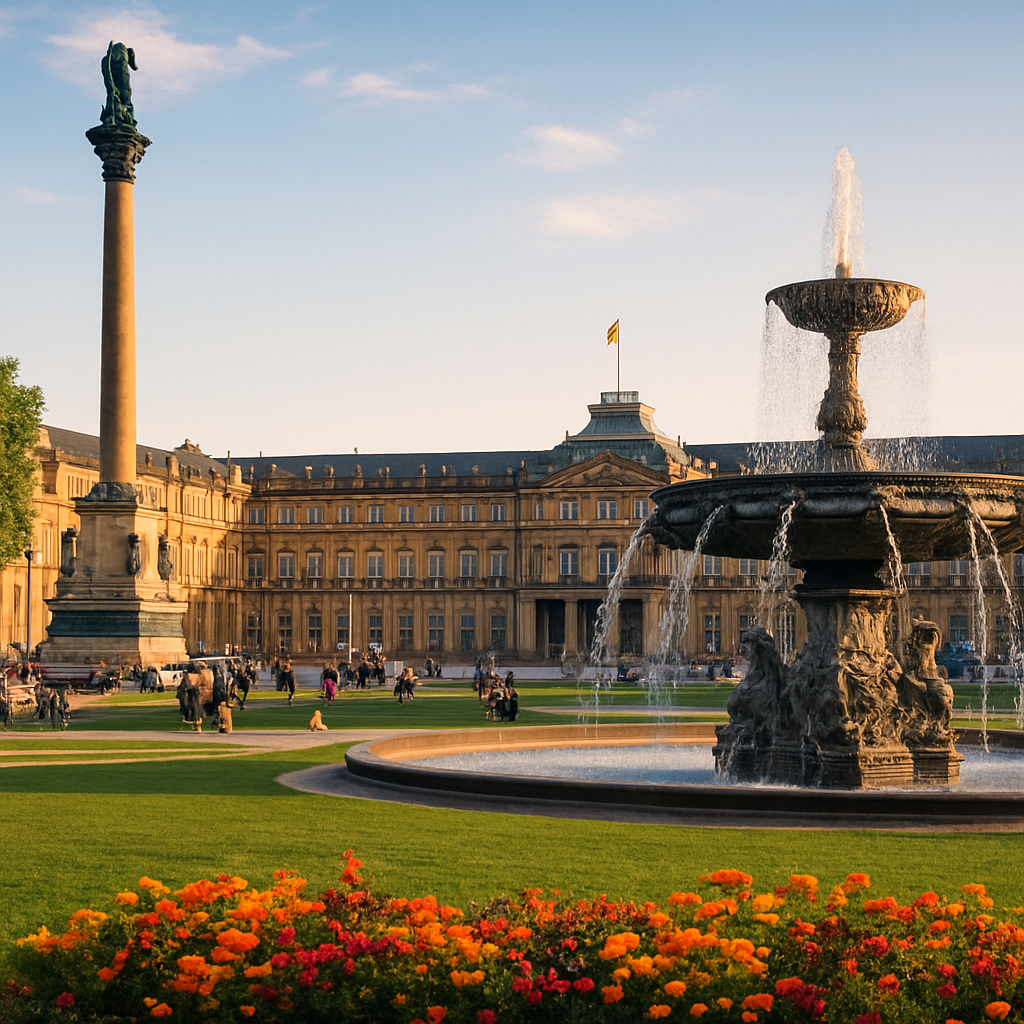
CSD Hocketse on Schlossplatz
The two-week Hocketse festival on Schlossplatz is the moment that cracks the city open. Programming runs through late July and early August, culminating in the CSD Polit-Parade that ends right at the Neues Schloss — the steps double as bleachers, hundreds of thousands of people turn out, and the whole baroque heart of Stuttgart turns into one extended afternoon party.
Pro tip: hotels in Mitte book out months in advance for CSD weekend. Stay in Bad Cannstatt or Feuerbach and ride the U-Bahn in — 12 minutes, less than a Spritz.
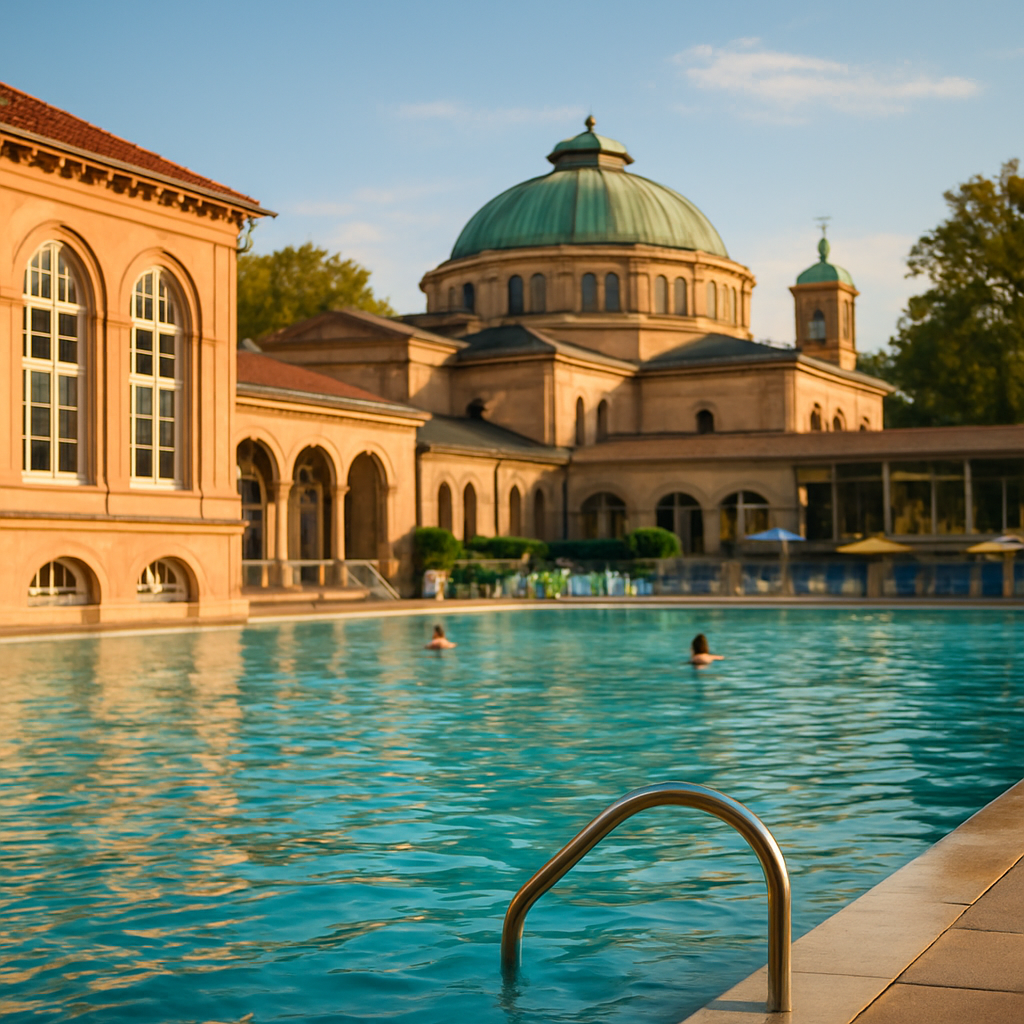
Soak at Mineralbad Leuze
Stuttgart sits on Europe's second-largest mineral water source after Budapest — a fact most travelers leave without ever knowing. Mineralbad Leuze is the city's main thermal complex, with indoor and outdoor pools, a sauna world, and the kind of mid-week winter evening soak that resets your spine after a long day on Königstraße.
The mixed nude sauna floor is famously unbothered about who you bring. Stuttgart at its quiet best.
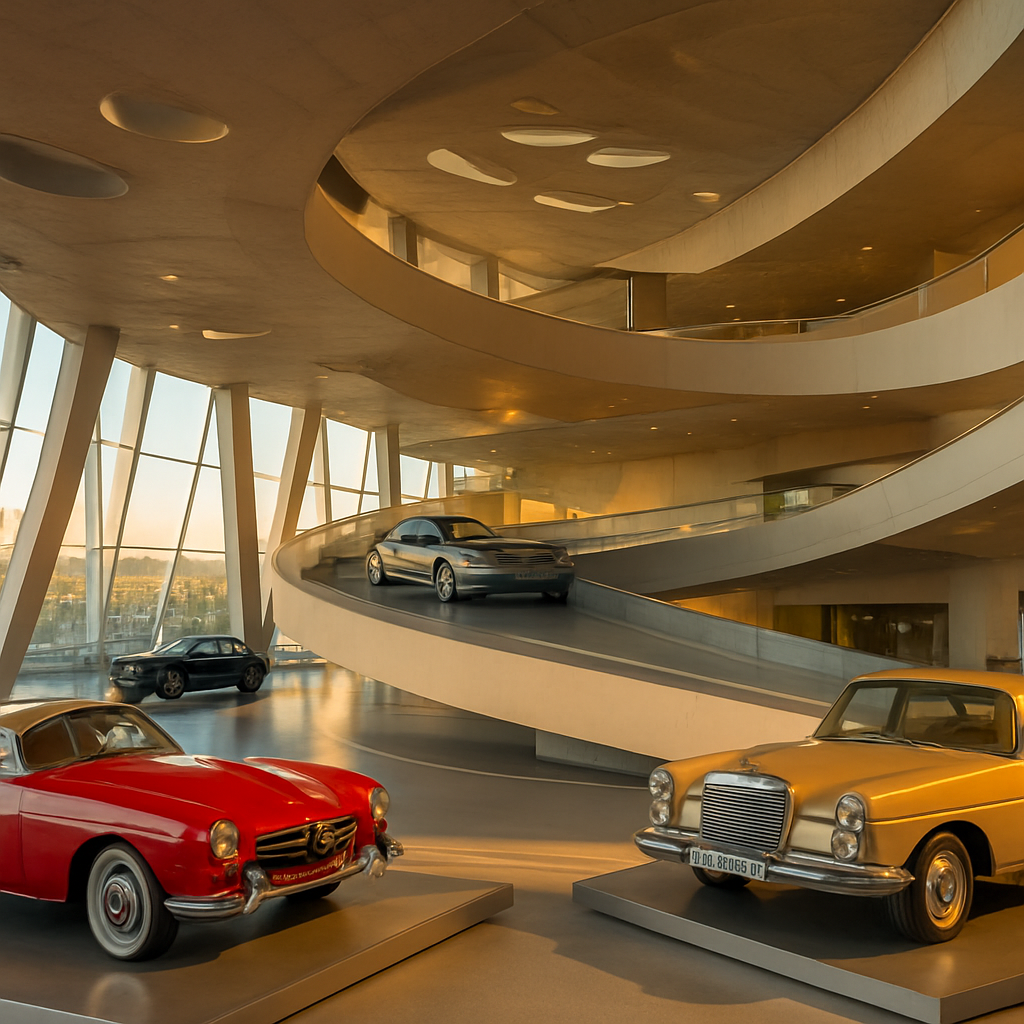
The Mercedes-Benz Museum (Even If You Hate Cars)
UNStudio's 2006 double-helix building in Bad Cannstatt is one of the most quietly thrilling pieces of contemporary architecture in Germany — nine levels of curving concrete that you ride to the top and spiral down through 160-plus vehicles tracing the automobile from 1886 forward.
The storytelling is genuinely good — design, social history, and the quiet weight of being in the city where the car was invented. Two hours minimum.
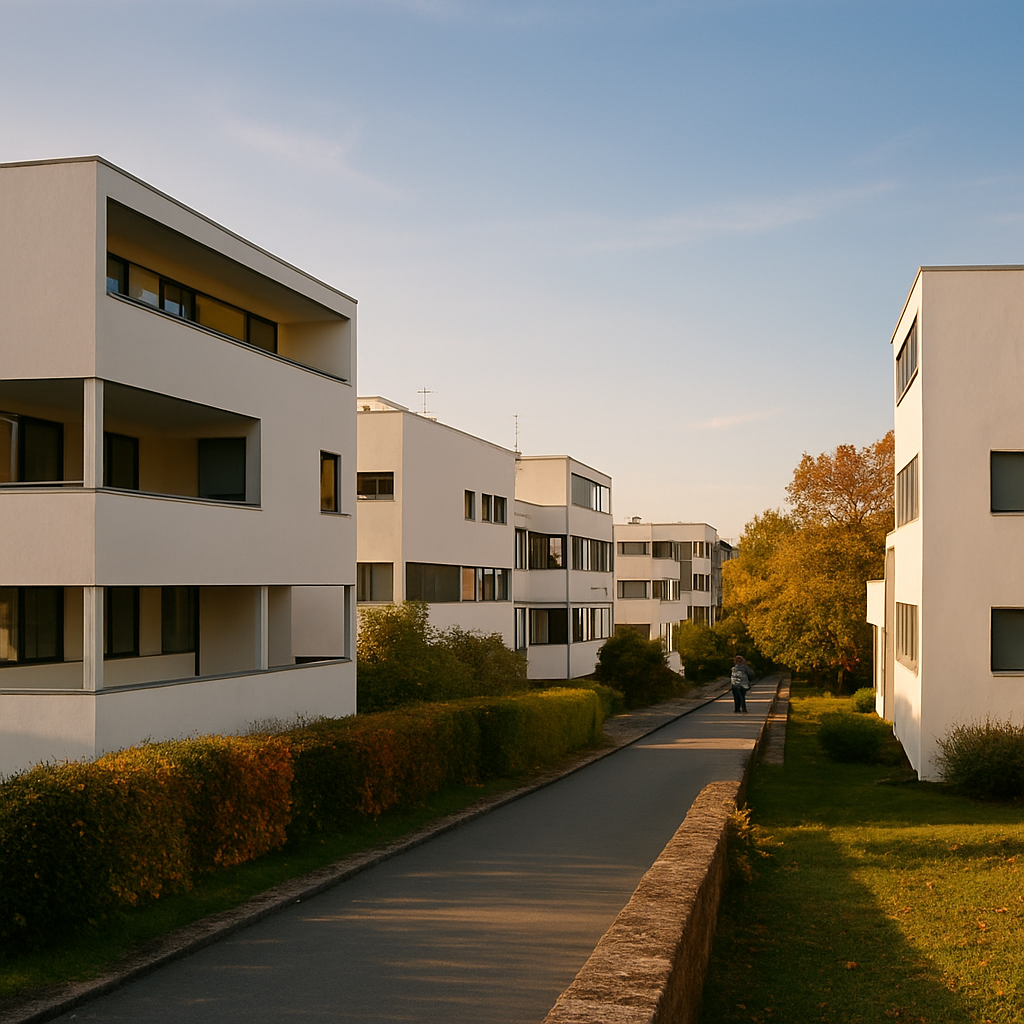
Walk the Weissenhof Estate
Up on the Killesberg hillside: a 1927 modernist housing estate built for the Deutscher Werkbund exhibition, with original buildings by Le Corbusier, Mies van der Rohe, and Walter Gropius still standing where they were dropped in. Two of the Le Corbusier houses were inscribed as UNESCO World Heritage in 2016.
The Weissenhof Museum occupies one of those houses, and walking through the rest of the estate is like flipping through a 20th-century architecture textbook in real life. Pair it with a long afternoon in Killesberg Park next door.
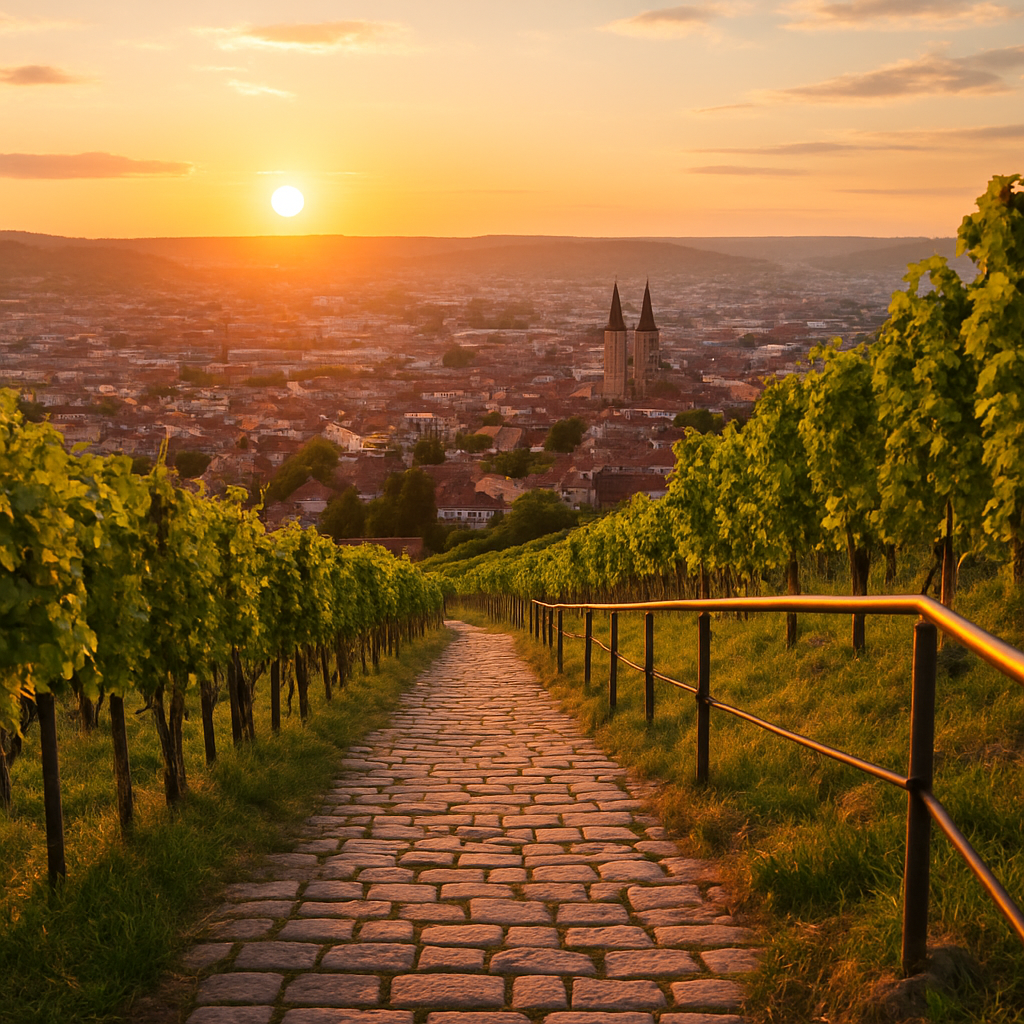
Climb the Stäffele to Karlshöhe at Sunset
The hundreds of stone staircases climbing Stuttgart's vineyard hills are called Stäffele, and locals use them as both shortcuts and summer hangouts. The climb up to Karlshöhe is the one to do — about 20 minutes of switchbacks through vines, with a beer garden waiting at the top and the whole Kessel opening up beneath you.
Bring a bottle from a Besenwirtschaft if it's autumn. The light at sunset is the closest Stuttgart gets to romantic.
The places I actually send people to
Advice that fits how you travel
Stuttgart is a great solo city precisely because it's small enough to learn in three days. Almost everything gay happens within a 10-minute walk of Leonhardsplatz, which means you can show up alone, hit Bar Romeo for a cocktail, drift to Kings Club when the night picks up, and find the same faces at Café Weiß in the Bohnenviertel the next morning. The scene is compact and remembers people — show up twice and you're already a regular.
The apps work fine — Grindr and Romeo both have steady traffic, especially on weekends and during CSD week — but Stuttgart still rewards walking into a room. Drop into the Weissenburg community center for a daytime event or just a coffee; it's been the institutional heart of queer Stuttgart since 1991, and it's the fastest way to plug into what's actually happening that week. The staff and regulars are warm without being performative about it.
Budget-wise, solo travel here lands easy. €85–120 a day covers a hostel dorm, a transit pass (€7 buys you the whole VVS network for the day), and food from bakeries and Swabian Weinstuben where a Viertele of Trollinger costs less than a coffee at home. Safety is unremarkable in central Stuttgart day or night — pro tip: the U6 out to the suburbs after midnight can get rowdy, so if you're staying central, you won't even think about it.
Stuttgart has a quietly romantic streak that takes most travelers by surprise. Same-sex couples can hold hands almost anywhere central — Schlossplatz, Königstraße, the Bohnenviertel, the steps at Marienplatz — without drawing a second look. Hotel check-in for one bed is a non-event at every property in this guide, from the Althoff Hotel am Schlossgarten with its park-view rooms to the design-led Hotel Unique tucked near the bars in Süd. As of 2026, marriage equality has been federal law since 2017 and joint adoption is fully recognized, so there's no legal asterisk to anything you do here as a couple.
For a date night, the moves are obvious once you know them. Climb the Stäffele up to Karlshöhe at sunset with a bottle from a Besenwirtschaft — the whole Kessel lights up beneath you, and it's the closest Stuttgart gets to genuinely cinematic. Dinner at Délice in a vaulted cellar in Süd, or Cube on top of the Kunstmuseum where the view over Schlossplatz does half the heavy lifting. Splurge nights belong to Speisemeisterei at Schloss Hohenheim — two Michelin stars in an 18th-century Baroque palace, and yes, the room is exactly as cinematic as it sounds.
For a longer stay, take the day trip to Baden-Baden, an hour west by train. The Friedrichsbad Roman-Irish thermal circuit from 1877 is one of the most genuinely relaxing things you can do in Europe — mixed-gender, often nude, and so unbothered about who you bring it'll embarrass most American spas. Pro tip: book it for a weekday afternoon and you'll have the place almost to yourselves.
LGBTQ+ families have full legal recognition in Germany as of 2026 — joint adoption, parental rights, and birth-certificate listings all match what any other married couple gets. Same-sex parents at the playground in Killesberg Park or the Wilhelma zoological gardens in Bad Cannstatt are an entirely unremarkable sight, and schools and pediatricians here treat two-mom and two-dad families with the same paperwork energy as any other. Baden-Württemberg trends a touch more conservative than Berlin, but Stuttgart itself is a university and tech city, and central daily life reflects that.
The city is genuinely good for kids. The Wilhelma combined zoo and botanical garden is a full-day outing in Bad Cannstatt, easily reached by U-Bahn. The Mercedes-Benz Museum works for children old enough to be curious about how things are made — UNStudio's double-helix building is its own attraction. Killesberg Park has a miniature railway, playgrounds, and enough green space to burn through whatever energy the museums didn't. Day trips to Tripsdrill or Europa-Park handle the theme-park itch.
Logistically, Stuttgart is stroller-friendly through most of the central pedestrian zones, public transit is reliable and accessible, and the Gruppenticket at €18 covers a whole family for the day on the VVS network. Pro tip: Sundays are aggressively closed — supermarkets, most shops, the works — so stock kid snacks on Saturday or commit to a long brunch in the Bohnenviertel. Family-sized hotel rooms run €90–140 at the budget end and are easy to find in Süd and the Europaviertel.
What Stuttgart actually costs
Flights, visas, and the first 30 minutes
Airport: Stuttgart Airport (STR), about 13 km south of the city center, with roughly 100 direct routes across Europe and a handful of long-haul connections via Frankfurt, Munich, or Zurich. From North America, you'll typically connect through one of those three hubs — Lufthansa runs the most reliable schedule.
Visa requirements (as of 2026): US, UK, Canadian, and Australian passport holders are typically visa-free for up to 90 days within any 180-day Schengen period. ETIAS pre-authorization is required from 2026 onward — apply online before you fly, it's a few euros and takes minutes. EU citizens move freely under EU rules.
Airport to city: The S-Bahn (S2 or S3) is the move — €4.30, 27 minutes direct to Hauptbahnhof, running every 10–15 minutes from 5am to 12:30am. A taxi runs €35–45 and takes 20–30 minutes depending on traffic on the B27. Uber and Bolt both operate, generally €25–40 with surge pricing during peak hours. Private airport shuttle buses to city hotels run €8–12 and take 30–40 minutes. Rental cars run €40–80/day with several agencies on-site and easy A8 motorway access.
Pro tip: the S-Bahn ticket machines at the airport and at Hauptbahnhof have humbled stronger travelers than you. Buy a day pass (Tagesticket) on arrival rather than a single ride — it's typically only a couple of euros more and saves you from re-negotiating with the machine every time you change directions.
Traven's seasonal breakdown
The questions everyone asks
Do I need to speak German to get around?
Is it safe to hold hands in public as a same-sex couple?
When is CSD Stuttgart and is it worth timing a trip around?
How much should I budget per day?
Do I need a visa as a US, UK, Canadian, or Australian traveler?
What's the gay scene actually like — is it big enough to bother with?
How do I get from the airport to the city center?
Screenshot this before you go
So should you actually go?
Go. Stuttgart is one of the most quietly satisfying city breaks in Germany — full legal equality as of 2026, a compact and welcoming gay scene anchored around Leonhardsplatz and the Bohnenviertel, two-Michelin-star cooking, vineyard hills you can climb at sunset with a bottle in your hand, and a CSD in late July that punches well above the city's size. It won't seduce you the way Berlin does. It'll feed you Maultaschen, pour you a Viertele of Trollinger, and assume you'll fit in — which, for LGBTQ+ travelers in 2026, is exactly the kind of welcome that ages well. Time the trip for May through September if you can, but the Christmas market in December is one of Germany's finest. Either way, you'll leave understanding why locals are quietly smug about der Kessel.
Sources & Resources
Official links we reference when compiling this guide. Last verified 2026-05-03.
- 100% MENSCH gGmbH (LGBTQ+ rights & culture)
- AIDS-Hilfe Stuttgart e.V.
- Bundesverband Trans* — National Trans Resource
- IG CSD Stuttgart e.V. (Pride Organizers)
- Lesbenring e.V. — Regional Contact
- LSVD Baden-Württemberg (Lesbian and Gay Federation)
- Polizei Baden-Württemberg — Hate Crime Reporting
- Stuttgart Tourist Information (visitstuttgart)
- Weissenburg e.V. — LGBTQ+ Community Center Stuttgart