
Iceland didn't wait for the world to catch up. It just kept walking — and painted the street rainbow on the way.
It's a Thursday night on Laugavegur and the sun is still up at 10pm because of course it is — this is Reykjavik in summer, where the light just refuses to quit. I'm standing outside Kiki Queer Bar with a 2,200 ISK beer (yes, that's real, we'll get to that) and there's a drag queen smoking a cigarette next to a couple of German hikers still wearing their glacier boots. Nobody's looking at anybody twice. That's the thing about this city — it's so thoroughly, boringly comfortable with itself that the energy isn't defiant or political. It's just… Tuesday. Except it's Thursday. And the sun is up.
Reykjavik is a city of 140,000 people that punches so far above its weight it's almost absurd. The parliament building on Austurvöllur square — a modest stone box you could walk past without noticing — is where marriage equality passed 49 to 0 in 2010. Unanimous. Not a single dissenting vote. The national church had already been blessing same-sex unions since 1993. When I tell you this country didn't agonize over whether the gays deserved rights, I mean it structurally. There's a reason my Traven-Dex sits at 9.1 — and the only thing keeping it from higher is the scene size, which is honestly proportional to a capital with fewer people than Boise, Idaho.
What gets me about Reykjavik isn't the legal framework, though — it's the texture. Walk up Skólavörðustígur, the permanently rainbow-painted street that climbs from the shopping district to Hallgrímskirkja, and you pass wool shops, ceramic studios, a café called Babalu with mismatched furniture and the best carrot cake I've had outside of Brooklyn. At the top, that massive concrete church — brutalist and beautiful, like a pipe organ turned into a building — has been marrying same-sex couples since the law passed. The whole walk takes eight minutes and covers about a thousand years of democratic evolution.
The air here smells like salt and geothermal sulfur, which sounds terrible and is somehow intoxicating. Everything costs too much and nothing is open when you think it should be and the wind will rearrange your face. I don't care. This is a place where a country of 380,000 people sends roughly 100,000 to Pride every August, where the scene at Gaukurinn on a drag night is as good as venues five times its size, and where you can drive 45 minutes to soak in milky-blue volcanic water surrounded by lava fields. It's singular. There is nowhere else like it.
The stuff your travel guide buries on page 47
The legal picture: Iceland scores a perfect 10.0 on my Legal metric, and it's not close to arguable. Same-sex marriage has been legal since 2010. Full adoption rights — no restrictions. Comprehensive anti-discrimination protections covering employment, housing, services, and public life. Gender self-identification law passed in 2019, making Iceland one of the most progressive countries in the world for trans rights. There is no criminalization history to speak of — Iceland decriminalized same-sex relations in 1940, decades before most of Europe thought to ask the question. The country consistently ranks at the very top of ILGA-Europe's Rainbow Map, and no LGBTQ+-specific travel advisories exist from any major government. You are genuinely, legally, socially safe here in ways that aren't performative or conditional on the neighborhood you're in.
The cultural reality: The laws aren't ahead of the culture — the culture arrived first and the laws caught up. Icelanders are matter-of-fact about queerness to a degree that can feel almost disorienting if you're coming from a country where acceptance still requires work. A reader wrote in to say the most notable thing about being visibly queer in Reykjavik was how completely un-notable it was. The Government of Iceland's equality framework isn't an aspiration — it describes daily life accurately.
PDA comfort: Holding hands, kissing, being visibly a couple — all entirely unremarkable throughout the 101 district. Laugavegur, Austurvöllur Square, the Harpa concert hall area, Old Harbour — all fine. The rainbow crosswalks on Skólavörðustígur and near Skúlagata are permanent city installations, not seasonal gestures. Suburban neighborhoods like Breiðholt and Árbær skew slightly more conservative in the sense that overt PDA is rarer among all couples — but there's no hostility. On rural day trip routes like the Golden Circle, you're dealing with small farm communities that are conservative by Icelandic standards, which still means among the safest places on the planet. You won't need to recalibrate your behavior anywhere on this island.
Pro tip: Reykjavik bars don't come alive until midnight. Clubs are practically empty at 11pm and locals treat that as embarrassingly early. Eat a long dinner at Hlemmur Mathöll, take a walk down to the harbour, and don't show up at Gaukurinn before 12:30am if you want company.
What it actually feels like on the ground
Holding hands: Completely comfortable everywhere in the 101 district and broader Reykjavik. On Laugavegur, at Austurvöllur, along the harbour front — nobody registers it. Someone from the community told me the only stares you'll collect are for wearing a heavy down jacket in August when locals are in linen. On rural day trips, discretion may feel more natural in tiny farm communities, but documented incidents are essentially nonexistent.
Hotel check-in: No issues anywhere. Same-sex couples are routine at every price point, from Kex Hostel dorms to Hotel Borg suites. Staff won't blink, won't comment, won't awkwardly upgrade you to a twin. Iceland's hospitality industry has been trained in inclusivity at a structural level.
Taxis and transport: The Strætó city bus system and taxis through Hreyfill or Taxi Reykjavik are straightforward and safe. No reports of harassment from drivers. Pro tip: cabs evaporate after 2am on weekends when the entire rúntur crowd tries to book simultaneously — the whole queer circuit is walkable in 15 minutes, so plan accordingly.
Geothermal pools and public spaces: The Blue Lagoon and city pools like Laugardalslaug are explicitly welcoming. Same-sex couples soak together without a flicker of attention. Changing room culture in Iceland involves communal nudity before entering the pool — this is standard for everyone and facilities have evolved to accommodate all body types and gender expressions comfortably. It's essentially a warm, silica-rich judgment-free zone.
Late night: Weekend nightlife gets raucous — the rúntur culture means streets fill with people bar-hopping in rotating loops from roughly midnight to 4am. But the chaos is jubilant, not threatening. The scene at Gaukurinn at 2am on a Saturday is aggressively mixed and targeted harassment toward queer people is genuinely rare here. Standard late-night awareness applies — watch your drink, stay aware of your surroundings — but that's universal, not LGBTQ+-specific.
Trans travelers: Iceland passed self-identification gender recognition in 2019 and is a genuine leader on trans rights. Legal protections cover discrimination in employment, services, and healthcare. Trans Ísland operates as a dedicated advocacy and support organization. Trans travelers generally report very positive experiences in Reykjavik — this is not a city where you need to brace yourself.
Verbal harassment risk: Extremely low. I won't say zero because nothing is ever truly zero, but this is as close as it gets. Reykjavik's culture runs on a particular Icelandic combination of privacy and social progressiveness — bothering strangers about anything, let alone their identity, is culturally alien. If you ever do need support, Samtökin '78 runs a helpline and the community center on Suðurgata is a trusted resource — every staff member speaks excellent English and the organization has been operating continuously since 1978.
The queer geography
101 Reykjavik — The Whole Thing
Here's the thing about Reykjavik: there is no dedicated gay village because the entire 101 postal district handles that role. It's about twenty walkable minutes from end to end, dense with bars, restaurants, cafés, and galleries, and the queer presence isn't concentrated in one block — it's distributed throughout like yeast in bread. Laugavegur is the main artery, the spine of the rúntur, and where you'll find both Kiki Queer Bar at number 22 and Barbara Bar further along — the OG of queer Reykjavik, small, reliably packed, the kind of place where the bartender remembers your order after one visit. It's anchored queer Reykjavik for years and the energy is unpretentious in a way that bigger cities consistently fail to replicate.
Kiki runs themed nights that are genuinely fun rather than tourist-facing — check their Instagram before you land because drag programming rotates weekly and the local queens are seriously talented. Gaukurinn on Tryggvagata pulls a live-music-meets-welcoming crowd that gets chaotic and wonderful after midnight. Húrra rounds out the circuit with DJs and a slightly grittier edge. The entire loop — Kiki → Barbara → Gaukurinn → Húrra — is the queer rúntur, and it's walkable in under 15 minutes end-to-end.
Daytime queer Reykjavik runs through Kaffi Vinyl on Hverfisgata — vinyl records on the walls, strong plant-based options, a clientele discussing pronouns in Icelandic over oat flat whites, and a playlist that's worth the stop on its own. Hlemmur Mathöll food hall near the old bus terminal has become a major welcoming gathering spot with strong Icelandic-fusion food and an overwhelmingly inclusive crowd. And if you want community that isn't filtered through a bar, the Sambotin — the Samtökin '78 community center on Suðurgata — runs drop-in hours and serves as a genuine living room rather than just an advocacy office.
Old Harbour & Grandagarður
The harbour district has evolved from working waterfront to one of the city's most interesting eating and cultural corridors. Matur og Drykkur sits here doing extraordinary things with Icelandic ingredients, whale watching tours depart from the pier, and the Reykjavík Art Museum – Hafnarhús shows challenging contemporary work in a converted warehouse space with curatorial programming that regularly features queer artists. The energy is lower-key than Laugavegur — this is where you come for a long meal and a harbour-front walk, not a 2am dance floor.
Skólavörðustígur & Hallgrímskirkja
The street climbing up to Hallgrímskirkja church is one of the city's most photographed routes, lined with small shops, galleries, and the permanent rainbow crosswalk at its base. It's heavily tourist-trafficked but genuinely lovely, and the 1,000 ISK tower entry at the top rewards you with 360° views that contextualize the city's geography instantly. The rainbow crosswalks near Skúlagata are also worth the short walk — watching Icelanders stride across them without a single glance down tells you everything about how this city has internalized its values.
The experiences worth rearranging your itinerary for
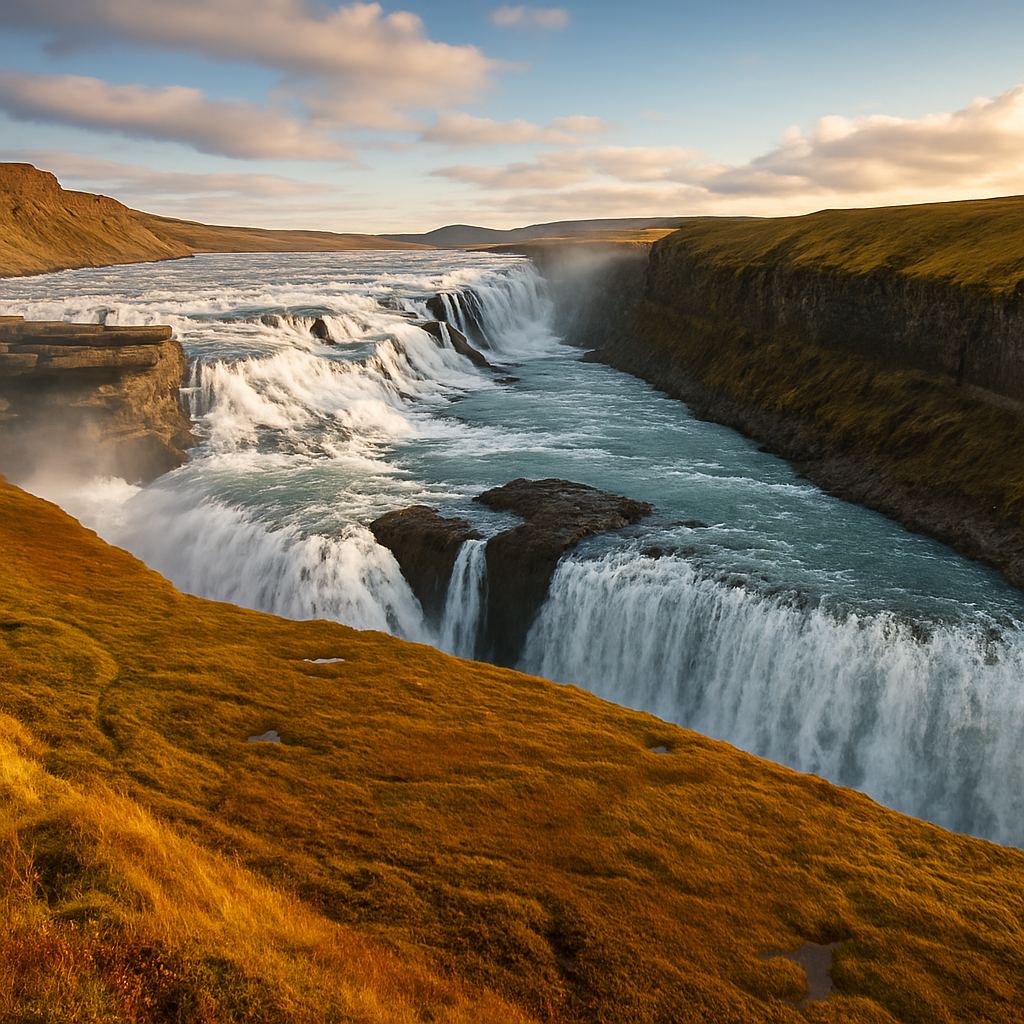
The Golden Circle by Self-Drive
Rent a car and loop 300 km through Þingvellir National Park — where you can literally walk between tectonic plates and stand where the world's first parliament met in 930 AD — past the erupting geysers at Geysir, and on to Gullfoss, a two-tiered waterfall that sounds like the planet clearing its throat. The whole circuit takes 4–5 hours if you don't linger, but you will linger. Fuel runs about 4,000 ISK; guided tours cost 9,000–18,000 ISK if you want geological narration delivered while you stare at the crack in the earth. Either approach: go.
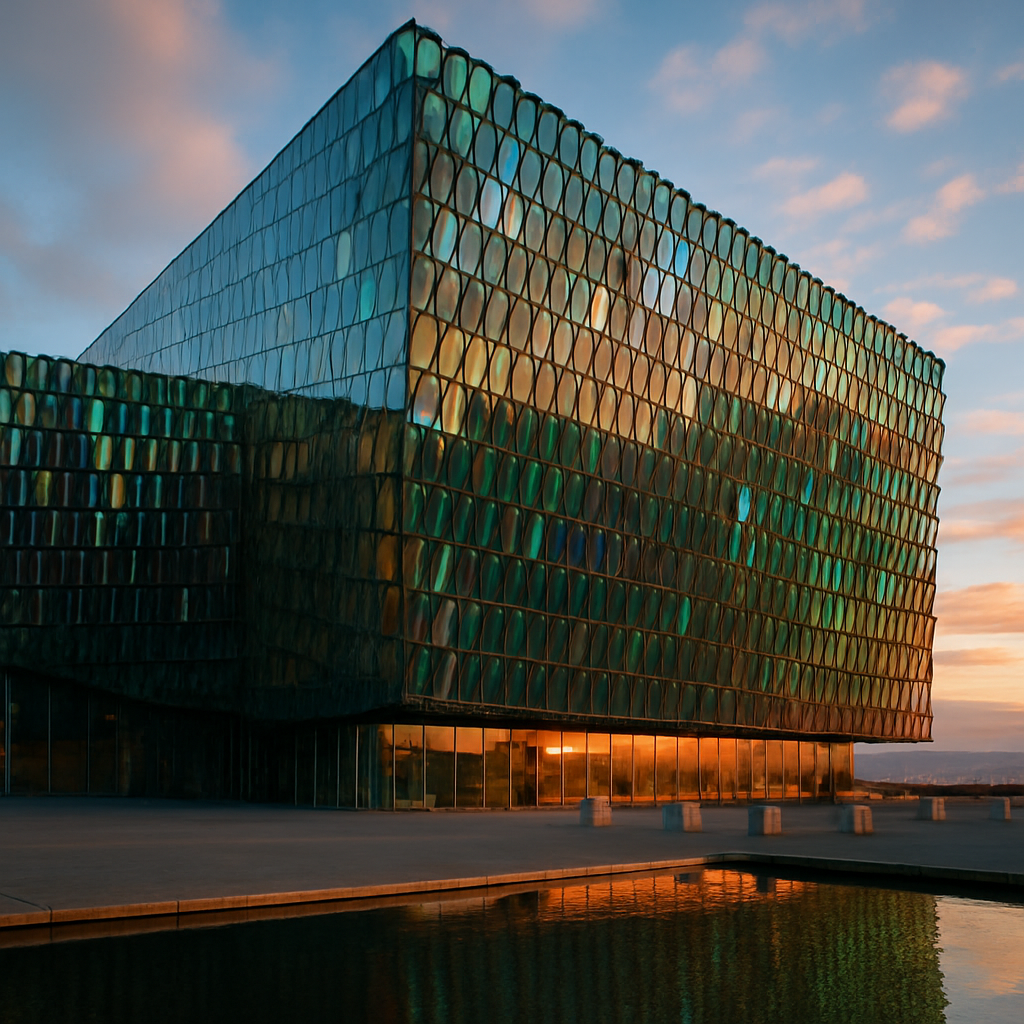
Harpa Concert Hall at Golden Hour
Ólafur Elíasson's geometric glass façade on the harbour front does something different every hour depending on the light — in June, when the sun circles the sky rather than setting, it becomes a slow-motion kaleidoscope that justifies standing outside for twenty minutes doing nothing. The interior hosts concerts and cultural programming worth checking, but honestly, walk the perimeter at 10pm in summer and watch the harbour light bend through the honeycomb panels. It costs nothing and it's one of the most beautiful pieces of contemporary architecture in Northern Europe.
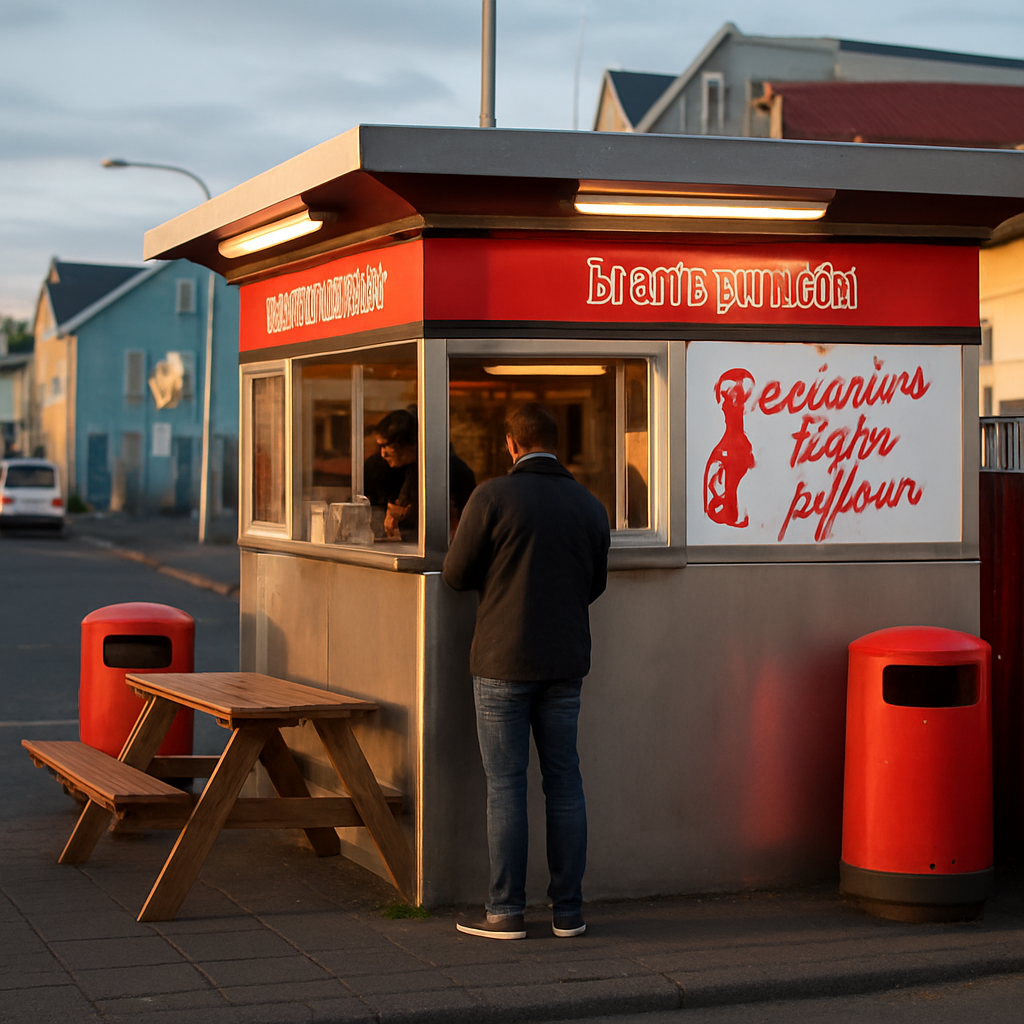
Pylsur at 3am from Bæjarins Beztu
The most iconic food experience in Reykjavik is also the cheapest: a lamb-and-pork hot dog from the Bæjarins Beztu Pylsur stand on Tryggvagata. Say 'eina með öllu' — one with everything — and you'll get the full treatment: sweet mustard, ketchup, remolaði (a remoulade-mayo hybrid), raw onion, and crispy fried onion. It costs almost nothing by Reykjavik standards and at 3am, mid-rúntur, standing in half-light that's either dusk or dawn, it is genuinely one of the best things you'll eat in Iceland. Bill Clinton ate here and they haven't stopped talking about it, but the hot dog deserves the hype independently.
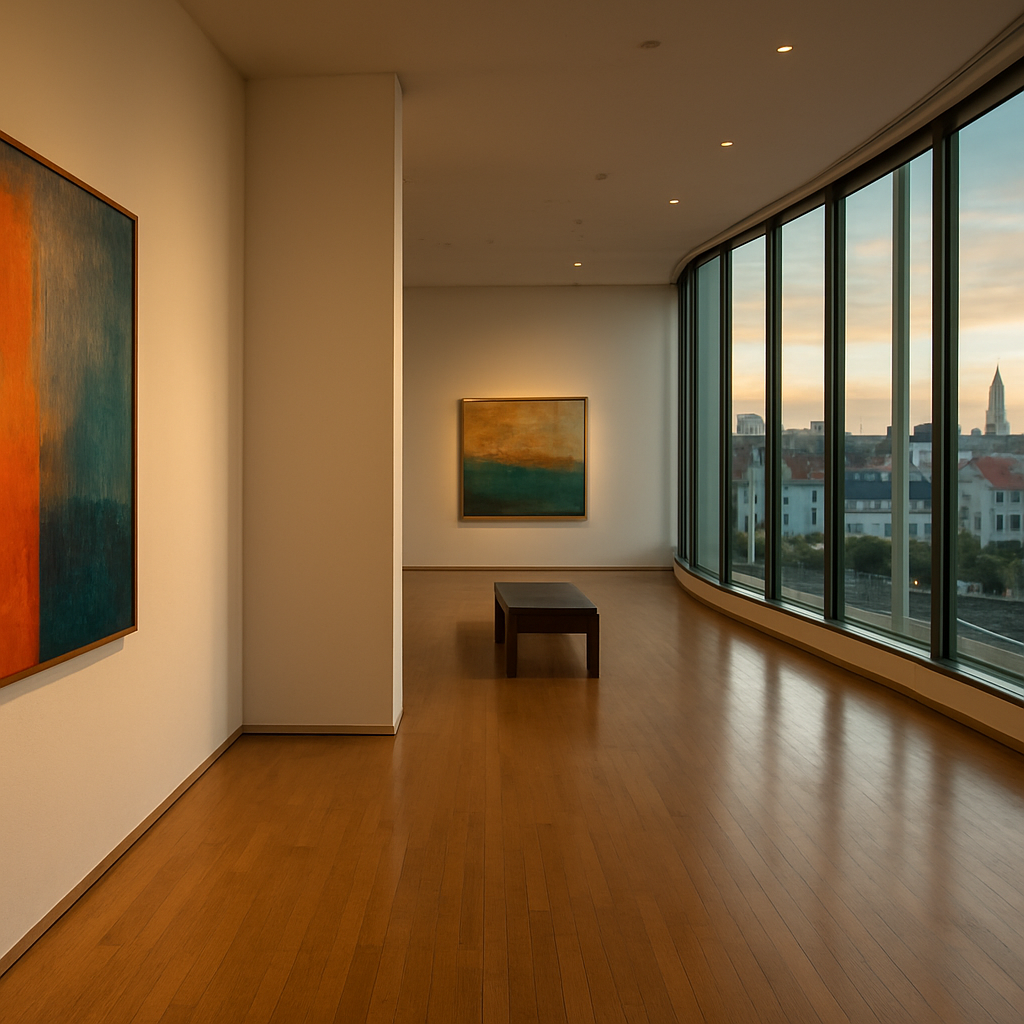
Reykjavík Art Museum – Hafnarhús
The Hafnarhús branch of the Reykjavík Art Museum sits in a converted warehouse in the Old Harbour and runs a curatorial program that skews progressive, challenging, and regularly features queer and avant-garde artists. The permanent collection includes a large holding of Erró's pop-art-meets-political-surrealism work, and the temporary exhibitions rotate frequently enough to reward repeat visits. It's free with the city museum pass, and the space itself — raw concrete, tall ceilings, harbour light — would be worth entering even empty.
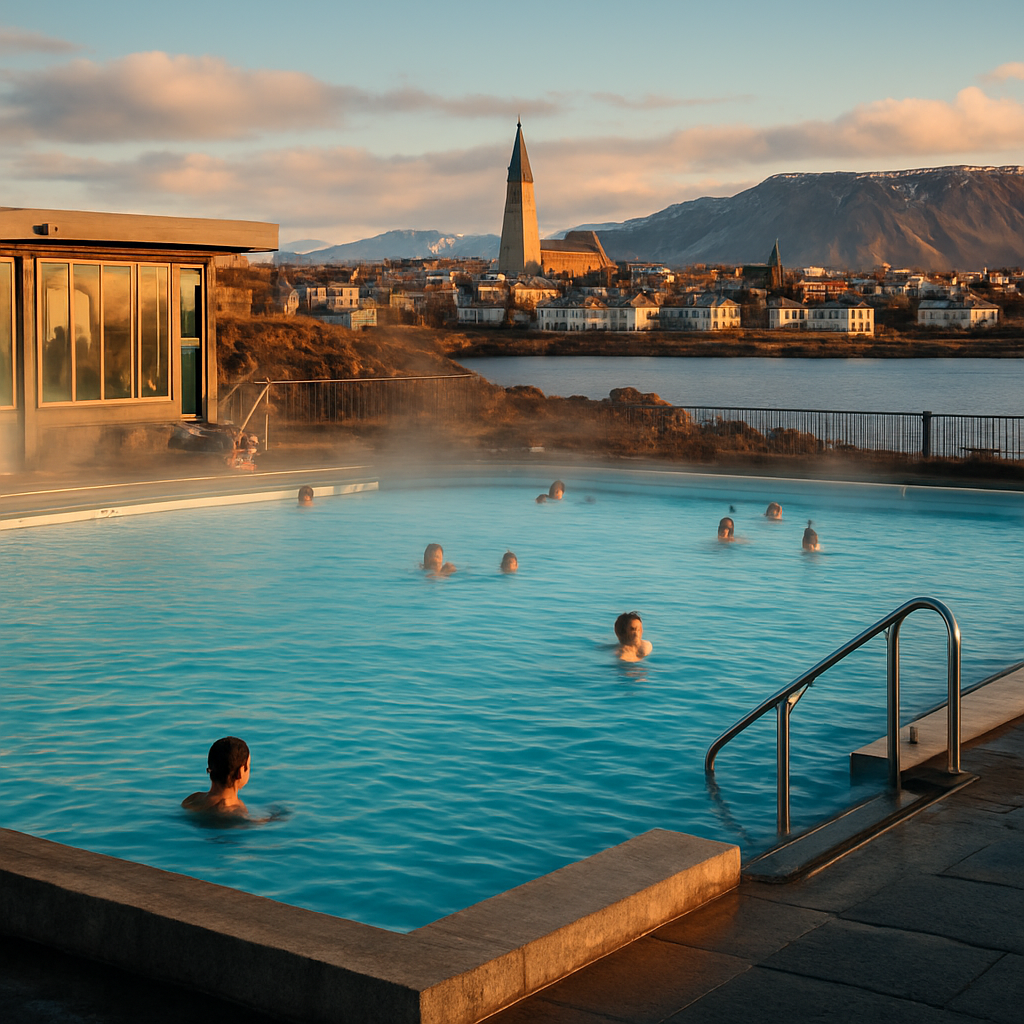
Laugardalslaug Geothermal Pool
Skip the Blue Lagoon queue for a morning and do what Reykjavik locals actually do: swim at Laugardalslaug, the city's largest geothermal pool complex. Multiple hot pots at varying temperatures, a lap pool, a steam room, and a water slide for kids — all for a fraction of the Blue Lagoon price. The communal changing room culture involves showering nude before entering, which is standard Icelandic protocol and handled with zero fuss. Go before 8am on a weekday and you'll share the hot pots with elderly Icelanders discussing politics in a language you don't speak. It's deeply peaceful.
The places I actually send people to
The Reykjavik dates worth planning around
Advice that fits how you travel
Reykjavik is an almost suspiciously good solo travel city. The 101 district is small enough that you'll learn it in a day and feel like a local by day three. Everything is walkable, English is universal, the café culture rewards lingering, and the social barrier to entry is remarkably low. Start your mornings at Kaffi Vinyl on Hverfisgata — strong coffee, a plant-forward menu, and a crowd that skews queer and creative. By your second visit someone will strike up a conversation about Björk or coalition politics or both. Stofan Café is another excellent solo perch with board games and mismatched furniture that makes sitting alone feel intentional rather than lonely.
App culture here works differently than larger cities — Reykjavik's population is small enough that the pool is limited, but the upside is that people are genuine and direct. Icelanders don't do the extended small-talk dance; if someone's interested they'll tell you, and if they're not they'll be polite about it. The queer rúntur is particularly solo-friendly — the circuit from Kiki to Barbara to Gaukurinn is short enough that you'll bump into the same people multiple times in one night, and bar conversations here have a warmth that feels earned rather than performed. Drop a skál at the bar and watch the temperature shift.
Budget solo travelers should know that Reykjavik is expensive — there's no way around that — but a hostel dorm at Kex Hostel from 7,500 ISK and grocery-supplemented meals can keep you in the 25,000–35,000 ISK/day range. The Strætó city bus pass covers transport cheaply, and many of the city's best experiences — walking Skólavörðustígur to Hallgrímskirkja, wandering the Old Harbour, soaking in the energy at Austurvöllur Square — cost nothing. Safety for solo travelers of any gender is exceptional; Reykjavik consistently ranks among the safest cities on earth, and late-night walking in the 101 feels genuinely secure. If you want community beyond the bar scene, drop into the Samtökin '78 community center on Suðurgata during open hours — and if you're under 25, Tabú runs social events that welcome visiting young queer travelers looking for connection rather than just a club stamp.
Reykjavik gives couples something increasingly rare: the freedom to just be a couple, without any part of your brain running background calculations about where you are or who's watching. Holding hands on Laugavegur, kissing at a corner table at Snaps Bistro, checking into Hotel Borg and having the front desk treat it as the entirely ordinary thing it is — none of this requires strategy or advance planning. The 101 district is dense, walkable, and relaxed in a way that makes romance surprisingly effortless.
For a genuinely memorable evening, start with dinner at Matur og Drykkur in the Old Harbour — the format is made for long, unhurried conversation and the food gives you things to talk about for the rest of the trip. Then walk the harbour front toward the rainbow crosswalks on Skúlagata before the rúntur pulls you toward Kiki Queer Bar and wherever the night decides to go from there. In June and July you'll be doing all of this under the midnight sun, which sounds like a travel brochure line until you're standing in gold light at 11:30pm and it stops being abstract entirely.
If quieter is what you're after, the Blue Lagoon does couples packages that are genuinely indulgent — geothermal water, silica face masks, and a lava field backdrop that makes the 45-minute drive feel like nothing. For accommodation, Hotel Borg is the splurge that pays off in atmosphere; Center Hotels Arnarhvoll delivers harbour views and excellent location at a more manageable price. Budget generously for food — Reykjavik is not a cheap city, but the quality earns every króna.
LGBTQ+ families travel to Reykjavik with a specific advantage: Iceland doesn't need to be briefed. Same-sex marriage has been legal since 2010, adoption rights are full and equal, and the country's legal framework for family recognition is among the strongest in the world. Your family structure will not become a topic of conversation at hotel check-in, the museum ticket desk, or the whale watching boat. That baseline is rarer than it should be anywhere, and Iceland delivers it without fanfare.
The city is genuinely excellent for children in practical terms. The Perlan nature museum's planetarium and walk-through ice cave exhibition will occupy kids of almost any age for a full morning. Whale watching tours from the Old Harbour run year-round and families are the dominant demographic on most departures. Rent a car for the Golden Circle: Gullfoss waterfall has safe viewing platforms and the erupting geysers at Geysir are about as much drama as you can deliver to a child without special effects. The Hlemmur Mathöll food hall lets everyone choose their own thing without the tyranny of a fixed menu, which matters considerably more than it sounds on day four of a family trip.
One honest practical note: Reykjavik is expensive for families, and self-catering makes a real difference to the budget. Apartment hotels in the 101 give you kitchen access and room to spread out, which you'll appreciate. If your kids are old enough, Hinsegin dagar in August — Reykjavik Pride — is one of the genuinely joyful public events in Europe: 100,000 people in a city of 140,000, families completely part of the crowd, the Alþingi parliament literally cheering from its front steps. It's a specific kind of political theatre that's worth experiencing at least once.
What Reykjavik actually costs
Flights, visas, and the first 30 minutes
Airport: Keflavík International Airport (KEF) is Iceland's main international gateway, located about 50 km southwest of the city center on the Reykjanes Peninsula. It's a well-run, manageable airport — connections into the city are straightforward and well-signposted.
Into the city: The Flybus / Airport Express is the standard move — it runs to the BSÍ bus terminal or drops at major hotels for 3,999–7,500 ISK and takes 45–60 minutes. A taxi or ride-hail with Hreyfill or Taxi Reykjavik costs 15,000–20,000 ISK for roughly the same journey time and is worth it if you're arriving late with luggage and a group. If you're planning day trips to the Golden Circle or the South Coast, picking up a rental car directly at the airport is the practical call — parking in the city is available and having wheels opens the country up considerably.
Direct routes: New York (JFK) runs about 6h 30m; Boston (BOS) is ~5h 30m; Toronto (YYZ) is around 6h. From Europe it's a short hop — London (LHR) is 2h 45m, Copenhagen (CPH) about 2h 50m, Amsterdam (AMS) roughly 3h. Worth knowing: Icelandair's Stopover program lets you add Reykjavik to a transatlantic itinerary at no extra airfare cost, which is genuinely one of the better travel hacks available if you're already crossing the ocean.
Visa requirements: US, UK, Canadian, and Australian citizens need no visa — Iceland is part of the Schengen Area (not the EU), so the standard 90-days-within-180-day rule applies. EU citizens have freedom of movement. If you've already spent time in other Schengen countries on the same trip, that counts toward your 90 days, so plan accordingly if you're doing a longer European run.
Traven's seasonal breakdown
The questions everyone asks
Is Reykjavik safe for LGBTQ+ travelers?
Do I need to speak Icelandic?
How much should I budget per day?
Is the Blue Lagoon worth it?
When is Reykjavik Pride?
What's the nightlife schedule?
Should I rent a car?
Screenshot this before you go
So should you actually go?
Go. Reykjavik is expensive — genuinely, startlingly expensive — and the scene is small enough that you'll run into the same people twice in one night. But this is a city where being gay is so normalized it barely registers as a category, where the legal protections are as strong as anywhere on earth, and where the landscape will make you feel like you've left the planet entirely. Come in August for Pride and you'll see a third of the country show up. Come in June for the midnight sun and you'll lose track of time in the best possible way. Come in winter for Northern Lights and hot springs and the kind of cozy, dark-bar energy that makes strangers into friends. Budget travelers can make it work with hostels and Noodle Station lunches. Luxury travelers will find some of the most distinctive boutique hotels in Northern Europe. Either way, you'll leave feeling like you visited somewhere that figured out how to be a society before the rest of us got around to it.
Sources & Resources
Official links we reference when compiling this guide. Last verified 2026-03-15.
- Samtökin '78 — National Queer Organization of Iceland
- Trans Ísland — Transgender Iceland
- Pink Iceland — LGBTQ+ Travel & Events
- Icelandic Human Rights Centre (Mannréttindaskrifstofan)
- Government of Iceland — Human Rights and Equality
- Directorate of Health Iceland (Landlæknir)
- Heilsugæslan — Primary Healthcare Capital Region
- Visit Reykjavik — Official Tourism
- Reykjavik City Official