
Chennai doesn't hand you its secrets on a platter — it texts you the address twenty minutes before and tells you to act natural.
The first thing you'll notice in Chennai isn't the heat — you expected that. It's the sound. The constant, layered percussion of auto-rickshaw horns, temple bells from Mylapore, film songs bleeding out of every phone speaker on the suburban train, and underneath all of it, the low roar of the Bay of Bengal reminding you this is a coastal city that just happens to have 11 million people stacked between the water and the expressway. Chennai moves at its own tempo, and that tempo is not in a hurry to impress you.
The LGBTQ+ community here is real, but it doesn't announce itself with a neon sign. There are no gay bars. Not one. What you get instead is a network — group chats, whisper recommendations, and certain back booths at places like Pasha at The Park where the weekend crowd skews wonderfully mixed. The 2018 reading down of Section 377 changed things meaningfully: Orinam now hosts semi-public events, the Madras Queer Film Festival fills actual cinema halls, and the Pride march along Marina Beach draws hundreds. It's not Berlin, but it's also not 2015. My Traven-Dex of 5.5 reflects that honestly — a city with genuine cultural depth and a community that's building something, inside a social framework that still demands discretion.
Tamil Nadu has a uniquely layered relationship with queerness that you won't find anywhere else in India. The Thirunangai community has deep cultural roots going back centuries in Tamil temple traditions, yet same-sex couples face real daily friction in most public spaces. Holding hands in Mylapore will get you stares; doing the same at Besy at midnight is a quieter, more relaxed story entirely. The scene is diffuse — it lives inside garden tables at Amethyst in Royapettah, in carefully chosen corners of Nungambakkam bars, and in the Sunday morning crowd at Semmozhi Poonga botanical garden. That's not a flaw. It's just Chennai being Chennai.
What makes this city worth your time is everything that exists around the edges of that caution: the staggering Chola bronzes at the Government Museum, a filter kaapi so strong it rewires your circadian rhythm, the Shore Temple at Mahabalipuram catching golden hour light, and the December Margazhi music season that turns the entire city into a concert hall. I gave it a 6.8 on Destination because as a place to visit — the food, the architecture, the culture — Chennai punches well above its weight. The limitation is in how freely you can be yourself while you're experiencing it.
The stuff your travel guide buries on page 47
The legal landscape: As of 2026, India's Supreme Court struck down Section 377 in September 2018, fully decriminalizing consensual same-sex relations nationwide. That ruling — Navtej Singh Johar v. Union of India — means you are not breaking any law by being queer in Chennai. However, the Supreme Court declined to legalize same-sex marriage in October 2023, deferring the matter to Parliament, and no legislative action has followed. Same-sex marriage, civil unions, and adoption rights for same-sex couples are not legally recognized in India. There are no state-level anti-discrimination protections covering sexual orientation in Tamil Nadu.
Gender identity: Tamil Nadu was a pioneer in trans welfare — the state established a Transgender Welfare Board in 2008, among the first in the world. The thirunangai community has formal state welfare schemes and greater visibility here than in most Indian states. However, the central government's Transgender Persons (Protection of Rights) Act 2019 requires medical certification for gender recognition, a provision widely criticized by advocacy groups. Trans travelers from outside India may encounter bureaucratic friction and social scrutiny outside tourist environments.
The cultural reality: Decriminalization didn't flip a switch on social attitudes. Chennai remains a socially conservative city where heteronormative expectations govern most public spaces. There are no exclusively gay bars — every LGBTQ+ space is either a welcoming straight venue or a private event. Pasha at The Park Chennai is the closest thing to a reliably queer-adjacent nightlife spot, particularly on weekend nights when the dance floor skews wonderfully mixed. The scene operates through apps, community organizations, and word of mouth.
Apps and connections: Download Grindr and Scruff before your flight — they're the primary connective tissue for queer men here, and the grid will tell you exactly where community is clustering on any given night. Planet Romeo also has an older Tamil Nadu user base worth knowing about. Orinam's website is basically the Lonely Planet for queer Chennai — event listings, legal resources, health contacts, and cultural context all in English and Tamil. Bookmark it before you land.
PDA comfort: Same-sex public affection is inadvisable in most of Chennai. Even heterosexual couple PDA draws commentary on the beaches and in traditional neighborhoods. In the Nungambakkam commercial corridor and cosmopolitan café settings, stares are likely but confrontation is unlikely. Five-star hotel interiors — Hyatt Regency, ITC Grand Chola, The Park — operate professionally and discreetly; same-sex couples are treated as guests without incident. Outside those environments, calibrate carefully by neighborhood.
What it actually feels like on the ground
Holding hands / PDA: Public displays of affection between same-sex couples will draw unwanted attention in most of Chennai, especially in T. Nagar and Mylapore. Nungambakkam and Besant Nagar are considerably more relaxed. The lobbies of international hotels like the Park Hyatt are effectively neutral, indifferent territory. On beaches — both Marina and Elliot's — same-sex affection is highly inadvisable regardless of time of day.
Hotel check-in: International-brand hotels (Hyatt, Taj, ITC, Marriott properties) handle same-sex couples booking a single room professionally and without drama. Staff at these properties are trained to corporate standards. At independent mid-range and budget hotels, two men or two women requesting a double bed rather than twins may encounter questions or confusion. It's rarely hostile, but it can be awkward. Booking through the brand's own site or app, where room type is pre-confirmed, avoids the front-desk negotiation entirely.
Taxis and auto-rickshaws: The auto-rickshaw ride back from Pasha or 10 Downing Street to Adyar or Besy after midnight is perfectly safe — drivers are generally indifferent to who you are or who you're with. Negotiate the fare upfront, because meters become purely decorative after 11pm. Ola and Uber are reliable and avoid the negotiation. Chennai's Metro is safe, clean, and air-conditioned at all hours of operation.
Beaches and public spaces: Marina Beach is enormous, crowded, and has very limited privacy — it's not a place to be visibly queer. Elliot's Beach in Besant Nagar is calmer but still public. Semmozhi Poonga, the botanical garden near Nungambakkam, is where Chennai's queer community has quietly gathered on Sunday mornings — it's relaxed, but keep PDA minimal. Parks and public spaces follow the same general rule: being visibly queer may attract stares, but confrontation is uncommon.
Trans travelers: Tamil Nadu's thirunangai community has greater cultural visibility than in most of India, and the state has welfare frameworks in place. That said, trans travelers — particularly those from outside India — may experience heightened social scrutiny in public spaces, and gender-nonconforming presentation draws more attention in traditional neighborhoods like Mylapore and T. Nagar than in Nungambakkam or Adyar. International hotels are the most reliable environments for being treated without comment.
Police and harassment: Police harassment is less overt post-Section 377 but not gone — thirunangai community members in particular continue to face targeted harassment in public spaces. If you witness or experience an incident, both Orinam and Nirangal maintain rapid-response support contacts specifically for these situations. For general emergencies, India's national emergency number is 112.
Verbal harassment: Staring is common and not necessarily hostile — Chennai stares at anyone who looks different, foreign, or non-conforming. Verbal comments are more likely in crowded market areas and less likely in commercial and hotel districts. Actual threatening behavior toward LGBTQ+ travelers is rare in documented reports, but the persistent gaze culture can feel oppressive if you're not prepared for it.
The queer geography
Chennai doesn't give you a flag-draped gay village to wander into. The queer life here is distributed across several neighborhoods, knitted together by apps, WhatsApp groups, and the kind of institutional memory that community organizations like Sahodaran and Orinam carry. Understanding the geography matters, because the difference between neighborhoods is the difference between comfort and calculation.
Nungambakkam
If Chennai has a queer center of gravity, it's Nungambakkam. This is the city's upscale central neighborhood, home to most of the LGBTQ+-friendly bars, restaurants, and the occasional queer pop-up event. Pasha at The Park Chennai, 10 Downing Street at the Sheraton Grand, Hard Rock Cafe, and Café Mercara are all here. The stretch of Anna Salai near Nungambakkam draws a mixed, relatively open-minded after-work crowd. This is where you'll spend your evenings. The energy is commercial and cosmopolitan by Chennai standards — not progressive by global standards, but the safest public territory the city offers for queer visitors.
Besant Nagar (Besy)
Besy — local shorthand for Besant Nagar Beach, also called Elliot's Beach — is a popular after-dark LGBTQ+ gathering spot on the Bay of Bengal, especially on weekend nights. The neighborhood around the beach has a younger demographic, more cafés, and is regarded in Chennai lifestyle media as one of the city's more cosmopolitan residential areas. It's not a place to be demonstratively out, but the late-night beach energy is noticeably more relaxed than Marina.
Adyar & Royapettah
Chamiers Café in Adyar has long been a quiet queer institution — the kind of place where two women can have a slow lunch and not feel watched or managed. The food is fine, the bookshop next door is better, and the vibe is reliably calm in a city that doesn't always offer that. In Royapettah, Amethyst Café is your daytime anchor — a gorgeous heritage bungalow with a garden where the Chennai creative and queer crowds overlap heavily. Order the cold coffee, stay three hours, and just listen to the conversations happening around you. These neighborhoods are leafy, residential, and carry a gentler energy than the commercial districts.
Egmore & Marina
Egmore is the museum and railway district — practical rather than atmospheric. The Government Museum's Bronze Gallery is here, and Zostel Chennai provides the backpacker hub. Marina Beach itself is a longstanding informal meeting space for queer Chennaites, particularly in the early morning and evening hours, but it's enormous, crowded, and offers no privacy. Think of it as a landmark, not a safe space.
The Madras Queer Film Festival runs annually, usually in November, and screens at mainstream multiplexes across the city — it's genuinely the single easiest entry point for meeting Chennai's LGBTQ+ community in a public, relaxed setting. Check MQFF's social media pages for exact dates and venues.
The experiences worth rearranging your itinerary for
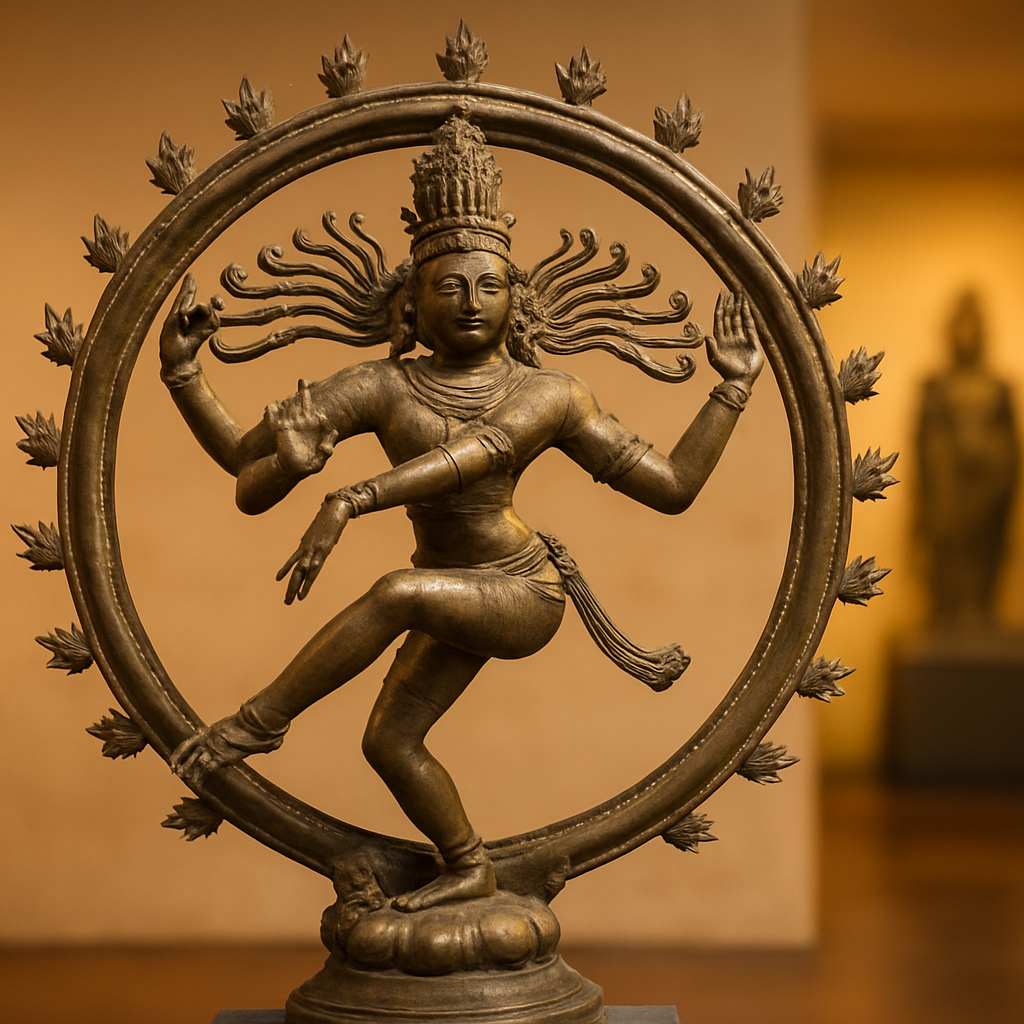
Chola Bronzes at the Government Museum
The Bronze Gallery at Government Museum Chennai in Egmore holds one of the world's most important collections of Chola-period sculpture — 9th to 13th century pieces that will stop you mid-step. The Ardhanarishvara figures, depicting the composite male-female deity form, are extraordinary works of art by any measure, and scholars have written extensively about their significance in conversations about gender fluidity in South Asian religious iconography. The museum opened in 1851 and the building itself has that crumbling colonial grandeur that makes you feel like you've wandered into an Indiana Jones set. Entry is ₹500 for foreign nationals, and you'll want at least two hours.
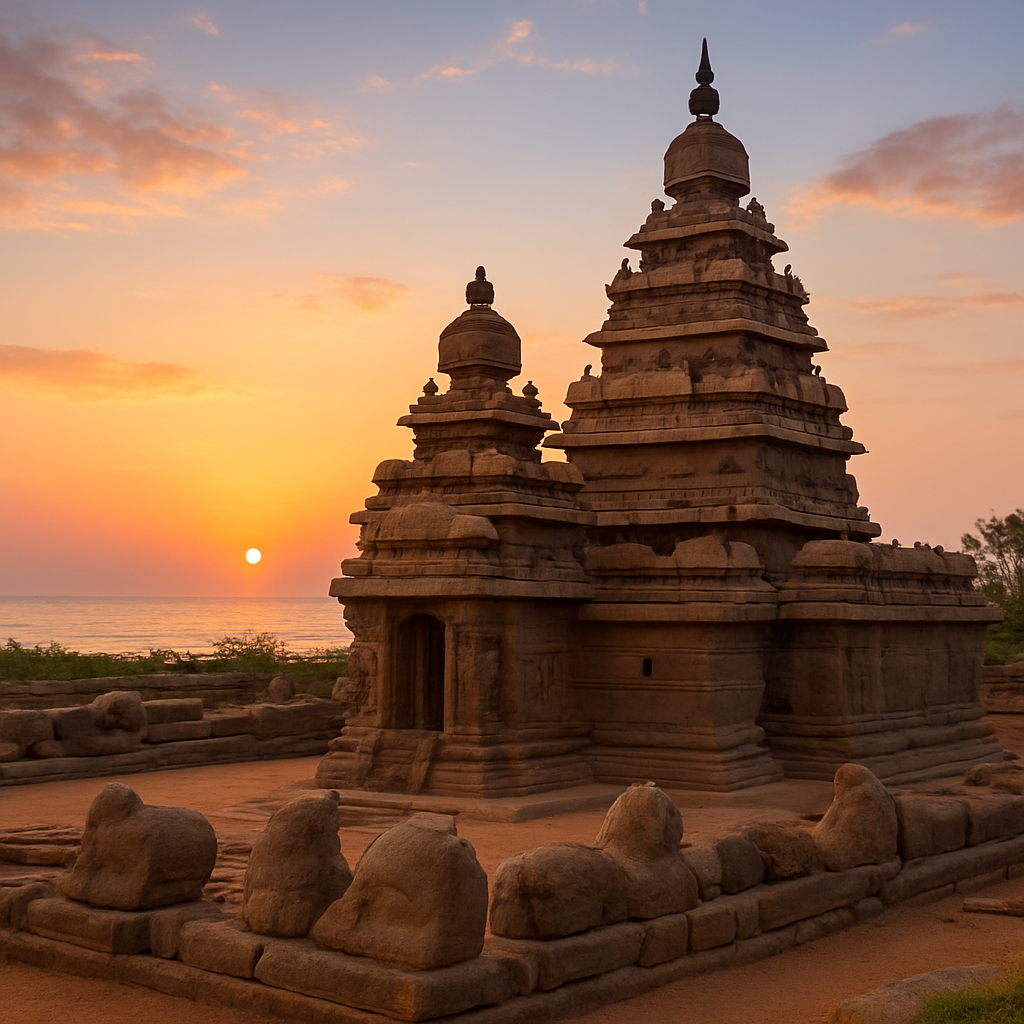
Mahabalipuram at Golden Hour
About 60 kilometers south of Chennai, the UNESCO World Heritage Site of Mahabalipuram contains 7th and 8th century Pallava dynasty rock-cut temples that look like they were carved by someone who had a disagreement with gravity. The Shore Temple at sunset is one of those views that makes you put your phone down for a full minute before remembering to photograph it. Arjuna's Penance — one of the world's largest open-air bas-reliefs — is a single rock face teeming with hundreds of carved figures, elephants, and gods, and it's been here since roughly 650 CE. The town itself has a beach-resort vibe with better-than-expected seafood restaurants. Budget ₹40 for monument entry and ₹600–1,200 for transport from the city.
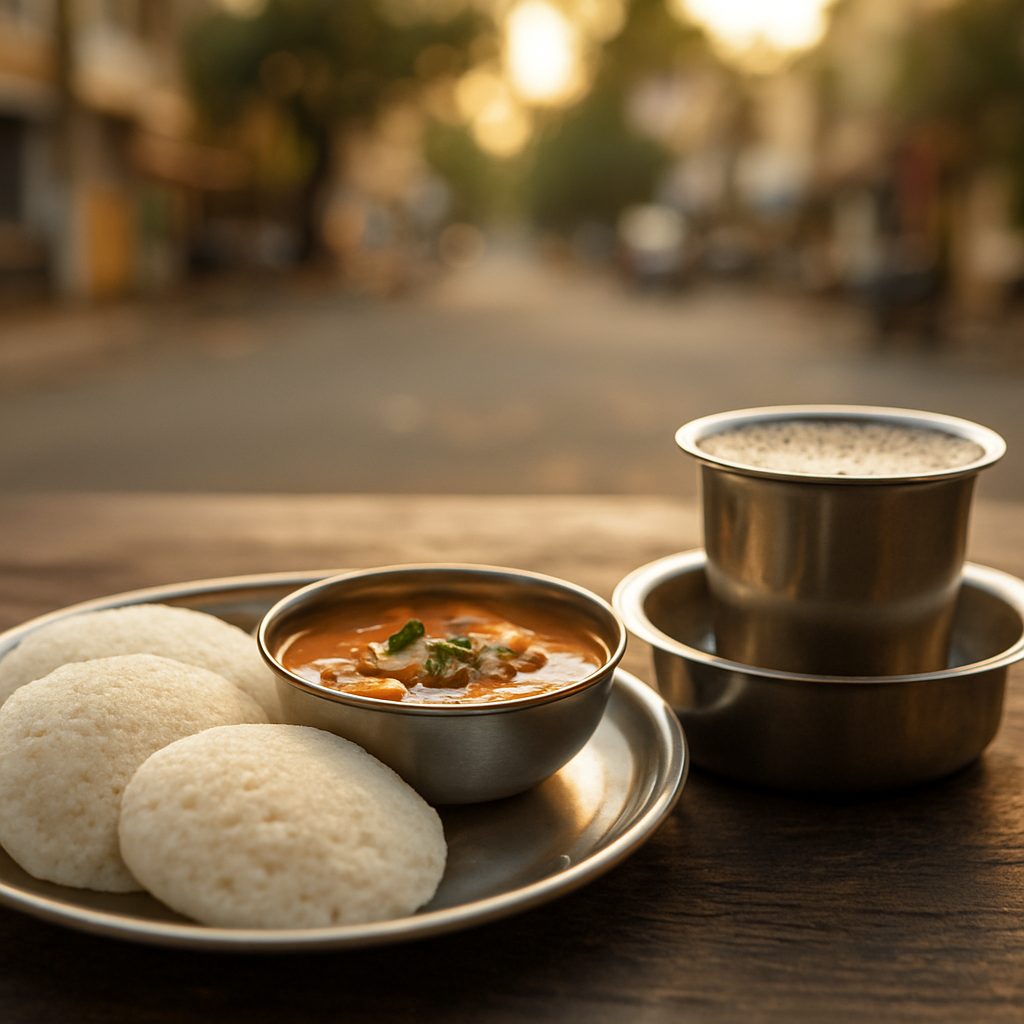
Filter Kaapi and Idli at Murugan Idli Shop
You haven't had breakfast in Chennai until you've sat at Murugan Idli Shop in T. Nagar — operating since 1971, credited as one of the founding venues of Tamil tiffin restaurant culture. The idlis are impossibly soft, the sambar has a depth that makes you question every version you've had before, and a full meal with filter kaapi costs less than a cappuccino at home. This is the food Chennai runs on — served fast, eaten standing or on steel-topped tables, and gone before you've properly processed how good it was. Multiple locations across the city, but the T. Nagar flagship is the one that earned the reputation.
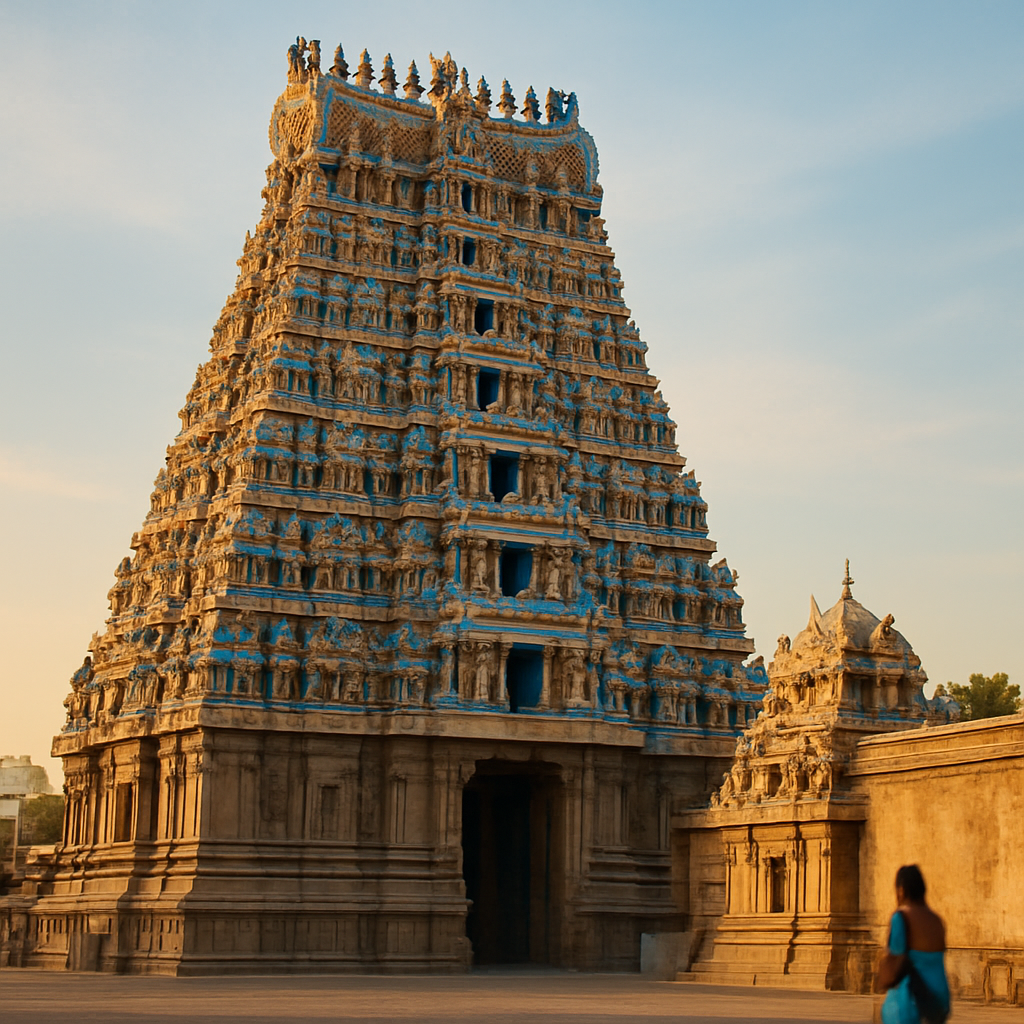
Mylapore Heritage Walk
Mylapore is Chennai's oldest documented settlement, and walking it with a guide who knows the layers is like peeling back centuries one lane at a time. Kapaleeshwarar Temple anchors the district with its Dravidian gopuram — the current structure dates to roughly the 16th century, though the site has textual references from the Sangam period. The streets around the tank are packed with flower sellers, brass shops, and the smell of jasmine and ghee competing for air space. Several local operators run heritage walks (₹500–1,500) that connect the temple architecture to the broader story of Tamil cultural continuity. It's conservative territory — dress modestly and observe temple protocol — but architecturally and historically, it's unmissable.
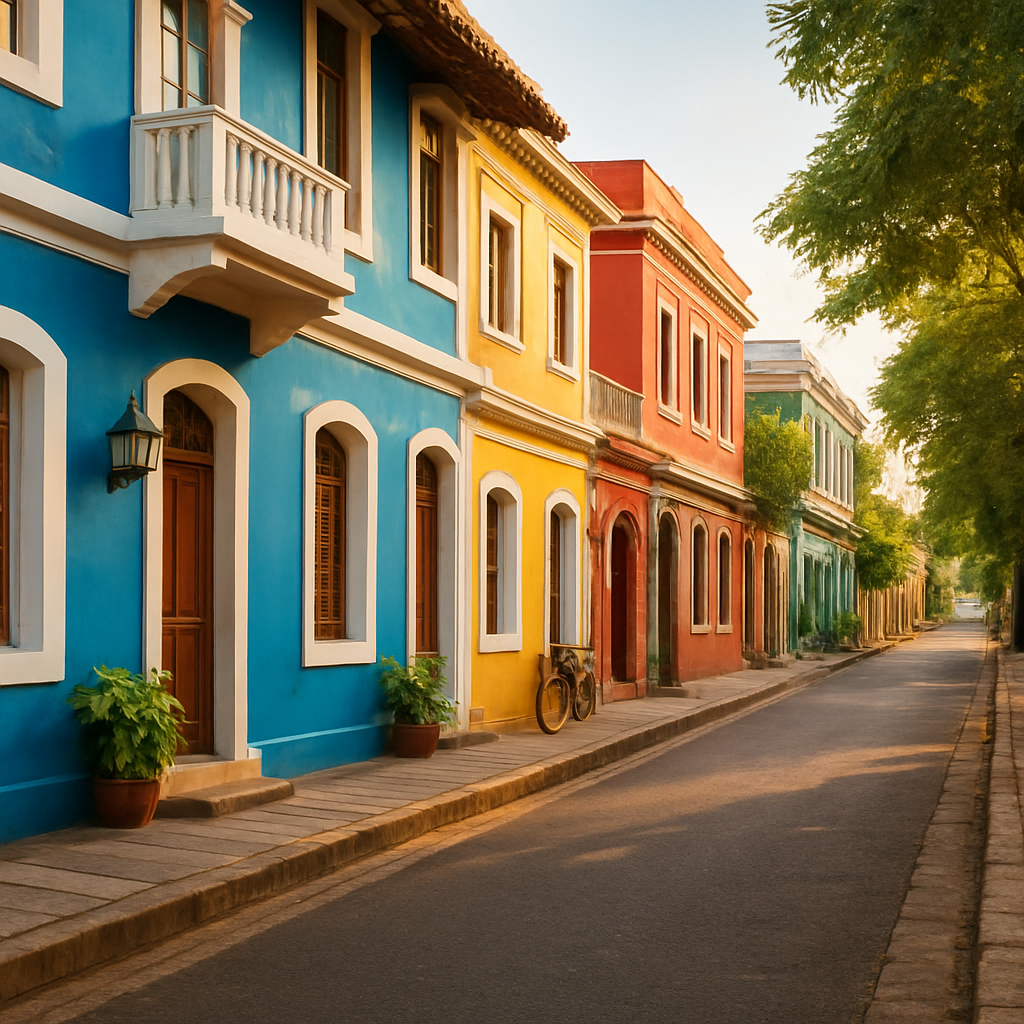
Puducherry Day Trip — French Quarter and Auroville
Puducherry is about 2.5 to 3 hours south by road, and it feels like someone spliced a French colonial town onto the Tamil Nadu coastline and nobody complained. The White Town district has pastel-walled streets, bougainvillea cascading over wrought-iron balconies, and café culture that actually makes sense on the Bay of Bengal. Auroville, the intentional community founded in 1968 with residents from over 60 countries, is a fascinating detour. Puducherry is also consistently cited in Indian LGBTQ+ community forums as one of the more relaxed destinations in South India — a noticeable shift in energy from Chennai. Budget ₹300–600 for the bus or ₹1,500–2,500 for a taxi each way.
The places I actually send people to
Advice that fits how you travel
Chennai is a surprisingly good solo destination once you calibrate your expectations. The city is safe for solo travelers by most practical measures — violent crime against tourists is rare, the Metro system is clean and reliable, and auto-rickshaw drivers, while aggressive about fares, are not threatening. Your biggest solo advantage here is economic: India's cost structure means a solo traveler on a moderate budget of ₹6,000–9,000/day lives extremely well. A dorm bed at Zostel Chennai in Egmore starts at ₹600/night, a full tiffin meal at Murugan Idli Shop costs less than a dollar, and a day trip to Mahabalipuram by bus is ₹40 for monument entry.
Meeting people is straightforward if you use the tools. Grindr and Scruff are the primary connective tissue for queer men, and the grids here are active. For a broader community connection, check Orinam's WhatsApp broadcast or Instagram for pop-up discussion circles and meetups — they rotate venues around the city and it's the single best way to meet queer Chennaites who actually know where everything is. Sahodaran and Nirangal both offer drop-in support and can connect visiting LGBTQ+ travelers with community contacts — an underused resource even for people who simply want to feel less anonymous in a new place.
Solo safety considerations: Nungambakkam and Besant Nagar are the most comfortable neighborhoods for solo queer travelers. Avoid isolated stretches of Marina Beach alone after dark — it's enormous and poorly lit in sections. Chennai's LGBTQ+ community skews educated, politically engaged, and initially guarded with outsiders — don't take the reserve personally. By your second coffee and first shared opinion about Kollywood's complicated queer representation, you'll have three new best friends and a WhatsApp group invite.
Chennai isn't a city where you'll stroll hand-in-hand down a boulevard without a second thought — I want to be direct about that. Same-sex PDA draws stares in most neighborhoods, and in traditional areas like Mylapore or on Marina Beach at midday, it's best set aside entirely. That doesn't mean romance disappears here; it just operates on different terms, and those terms are worth understanding before you arrive.
The most genuinely comfortable settings for couples are the international hotel properties. The Hyatt Regency, ITC Grand Chola, and Taj Coromandel all operate professional, discreet environments where you'll be treated as guests without incident. For a memorable evening, cocktails at Pasha in The Park Chennai followed by dinner at The Flying Elephant in Park Hyatt is a combination that would hold up in any city. For daytime romance, the garden at Amethyst Café in Royapettah is genuinely lovely — heritage bungalow, dappled afternoon light, tables far enough apart that the world quiets down.
My strongest couple's recommendation is a day or overnight trip to Puducherry, roughly 150 km south. Puducherry's French colonial White Town is measurably more relaxed than Chennai, and the combination of seafront promenade, boutique guesthouses, and the international community around Auroville makes it the easiest place in the region to simply be yourselves without calculation. If you're staying in Chennai proper, plan your evenings deliberately — book into an international-brand hotel, dine late, and you'll find the city considerably more navigable than first impressions suggest.
As of 2026, Indian law does not recognize same-sex marriage, civil unions, or adoption rights for same-sex couples. LGBTQ+ families traveling to Chennai should be aware that your family structure has no formal legal standing under Indian law during your visit. In practice, international-brand hotels handle families matter-of-factly, and there are no documented cases of LGBTQ+ families being refused service at properties like the Hyatt Regency or ITC Grand Chola. The gap between legal reality and operational hospitality is real, but it won't define your day-to-day experience at the right properties.
On the practical side, Chennai delivers well for children. Mahabalipuram — a UNESCO World Heritage Site 60 km south — is a full-day outing that most kids find genuinely impressive: massive 7th-century rock-cut temples, open-air bas-relief sculptures you can walk right up to, and a beach town with manageable tourist infrastructure. The Government Museum's Bronze Gallery in Egmore is worth it for older children — the Chola bronzes are extraordinary by any standard, and entry for foreign nationals is ₹500. Marina Beach is one of the world's longest urban beaches and visually spectacular, but it draws enormous crowds; keep close watch on children near the water and treat it as a walk rather than a swim.
Chennai's food culture is very family-compatible. South Indian tiffin — idli, dosai, sambar — is quick, inexpensive, and most children adapt to it easily. Murugan Idli Shop in T. Nagar is the reference point: the city's founding tiffin institution, and an entire meal costs less than a hotel-lobby coffee. Tamil Nadu is broadly vegetarian-friendly at every price point, which simplifies dietary navigation considerably. The Chennai Metro is clean, air-conditioned, and manageable with children; stroller access varies by station, but newer stations on the airport line are generally accessible.
What Chennai actually costs
Flights, visas, and the first 30 minutes
Airport: Chennai International Airport (MAA) connects to 60+ cities worldwide. Key direct routes: Dubai (~4h), Singapore (~3h 45m), London Heathrow (~10h non-stop), Mumbai (~2h), Delhi (~2h 30m), and Colombo (~1h). IndiGo, Air India, Emirates, Singapore Airlines, and British Airways are among the carriers serving MAA on these corridors.
Visas: As of 2026, US, UK, EU, Canadian, and Australian passport holders typically require an Indian e-Visa, available online before travel through the official Indian government portal. Processing is generally straightforward and can be completed days before departure, but always check your government's current travel advisory and the official e-Visa portal for the most current requirements before booking — processing times and eligibility can change.
Airport to City: The Chennai Metro Rail (CMRL) is the most reliable option and the one I'd recommend: ₹40–70 gets you to Chennai Central or Egmore in 30–45 minutes, completely bypassing the city's notorious road traffic. Prepaid taxis booked at the designated counter in arrivals cost ₹400–600 and take 30–60 minutes depending on traffic conditions. Ola and Uber operate from designated app-cab pickup zones outside arrivals at approximately ₹300–500 — slightly cheaper than prepaid, with the same variable travel time. Pro tip: if you're arriving during peak hours (7–10am, 5–9pm), the Metro isn't just cheaper — it's dramatically faster.
Traven's seasonal breakdown
The questions everyone asks
Is it safe to be openly gay in Chennai?
Are there any gay bars in Chennai?
Do I need to speak Tamil?
How much should I budget per day?
Is Chennai safe for trans travelers?
What's the best way to connect with the local LGBTQ+ community?
When should I visit Chennai?
Screenshot this before you go
So should you actually go?
Chennai is a destination I recommend with conditions, not caveats. The culture, the food, and the history are genuinely world-class — this city will feed your mind and your stomach in ways few places can. But you need to understand the social contract: discretion is the price of admission in most public spaces, and the LGBTQ+ community here, while active and growing, operates through networks rather than visible infrastructure. If you're comfortable navigating that — reading the room, connecting through apps and organizations like Orinam, and saving the hand-holding for hotel lobbies and late-night beach walks — you'll find a city with real soul and people who are genuinely glad you showed up. If you need a destination where you can be fully out from the moment you step off the plane, this isn't that city yet. Both are valid choices, and Chennai isn't offended either way.
Sources & Resources
Official links we reference when compiling this guide. Last verified 2026-03-15.
- Humsafar Trust – National LGBTQ+ Health & Rights
- Humsafar Trust – National LGBTQ+ Health & Rights
- ILGA Asia – LGBTQ+ Rights Asia-Pacific
- ILGA Asia – LGBTQ+ Rights Asia-Pacific
- LABIA – Queer Feminist LBT Collective India
- LABIA – Queer Feminist LBT Collective India
- Lawyers Collective – LGBTQ+ Legal Aid India
- Lawyers Collective – LGBTQ+ Legal Aid India
- Naz Foundation India – LGBTQ+ Rights & HIV Services
- Naz Foundation India – LGBTQ+ Rights & HIV Services
- Nirangal – LGBTQ+ Community Organization Chennai
- Nirangal – LGBTQ+ Community Organization Chennai
- Orinam – Chennai LGBTQ+ Collective
- Orinam – Chennai LGBTQ+ Collective
- Sahodaran – Chennai HIV/LGBTQ+ Support Organization
- Sahodaran – Chennai HIV/LGBTQ+ Support Organization
- Tamil Nadu AIDS Control Society (TANSACS) – Health Services
- Tamil Nadu AIDS Control Society (TANSACS) – Health Services
- Tamil Nadu Transgender Welfare Board – State Government