
Delhi doesn't make it easy, and that's exactly why the people who love it love it so hard.
The first thing that hits you in Delhi isn't the heat or the noise — it's the scale. The sheer density of human life layered over a thousand years of empire, all of it pressing against you at once. You'll walk through a Mughal gateway older than most European capitals and emerge into a traffic jam that feels like the future of urbanism happening in real time, unplanned and unstoppable. This city is extraordinary and exhausting in equal measure, and I gave it an 8.5 on Destination because nothing else in South Asia delivers this much history, food, and sensory overload per square kilometer.
The LGBTQ+ story here is complicated, and I won't pretend otherwise. India's Supreme Court struck down Section 377 in 2018, decriminalizing same-sex relationships, and that ruling was seismic — people wept in the streets outside the courthouse. But decriminalization is not the same as acceptance. There are no anti-discrimination protections, no marriage recognition, and the cultural attitudes outside South Delhi's cosmopolitan bubble range from indifferent to hostile. My overall Traven-Dex of 5.9 reflects that gap between a world-class destination and a place where you'll still need to read the room, constantly.
What Delhi does have is a scene that's small, fierce, and genuinely warm once you find it. Kitty Su at The Lalit — run by Keshav Suri, who literally took Section 377 to the Supreme Court — is the anchor. Monthly queer nights, drag shows, a dance floor where nobody's hiding. Hauz Khas Village is where the community gathers in daylight hours, drifting between cafés and galleries in a medieval monument complex that somehow became Delhi's most progressive neighborhood. It's not Barcelona. It's not even Bangkok. But it's real, and the people building it are doing it with courage that puts most Western Pride committees to shame.
The practical reality: you'll want to calibrate your behavior by neighborhood. South Delhi — Khan Market, Lodhi Colony, Hauz Khas — is where progressive attitudes concentrate. Old Delhi is stunning but socially conservative. Five-star hotels across the city are uniformly professional with same-sex couples. And the food — from a ₹50 plate of nihari at Karim's to a tasting menu at Indian Accent — is reason enough to come, full stop.
The stuff your travel guide buries on page 47
The legal baseline: India decriminalized same-sex relations in September 2018 when the Supreme Court struck down Section 377 of the Indian Penal Code in the landmark Navtej Singh Johar v. Union of India ruling. That's the good news, and it was seismic. The limitations: same-sex marriage is not legal, civil unions don't exist, and joint adoption by same-sex couples isn't recognized. The Supreme Court declined to legalize same-sex marriage in October 2023, punting to parliament, where progress has stalled.
Anti-discrimination protections are limited. There's no comprehensive federal anti-discrimination law covering sexual orientation in employment, housing, or services. India legally recognizes a third gender, and the Transgender Persons (Protection of Rights) Act 2019 offers nominal protections, but enforcement is patchy and trans travelers report significant bureaucratic barriers. If you need legal support while in India, Lawyers Collective provides LGBTQ+ legal aid, and Naz Foundation India Trust — the organization that originally challenged Section 377 — offers community resources.
The cultural reality: Section 377 was struck down in 2018, but public displays of affection — even between straight couples — are frowned upon in most of the city. Holding hands on a Hauz Khas rooftop is worlds apart from doing the same at Hazrat Nizamuddin railway station. The gap between legal tolerance and social acceptance is wide, and it varies block by block. In luxury hotels, international-facing restaurants, and South Delhi's creative enclaves, you can exhale somewhat. In Old Delhi, religious sites, government offices, and the vast majority of residential neighborhoods, discretion isn't optional — it's essential.
PDA comfort by area: Luxury hotels like The Lalit, The Lodhi, and the Oberoi are genuinely the safest spaces — staff are trained, and you're on private property. Hauz Khas Village and surrounding South Delhi cafés are low-moderate risk; same-sex hand-holding may draw stares but rarely confrontation. Connaught Place is conservative despite being central — any PDA draws attention. Old Delhi and Chandni Chowk: present as friends. Full stop. Public parks like Lodi Garden are used by couples but conservative norms prevail for same-sex affection.
If you're a LGBTQ+ traveler arriving solo and want a safety check-in system, iCall and Harmless Hugs both offer phone-based support and can connect you with local community contacts — worth bookmarking before you land, not after something goes sideways.
What it actually feels like on the ground
Holding hands: In Hauz Khas Village cafés and bars, you'll likely be fine with discreet hand-holding — you may get a look, but confrontation is rare. Anywhere else in the city, including busy commercial areas like CP and public transit, same-sex hand-holding is inadvisable. This applies doubly in Old Delhi and around religious sites. Even straight couples keep PDA minimal in most public spaces.
Hotel check-in: Top-tier hotels — The Lalit, The Lodhi, ITC Maurya, the Oberoi — handle same-sex couples without blinking. Staff are trained, and these properties actively court international travelers. Mid-range and budget properties are less predictable. Hotel check-ins for same-sex couples can occasionally get awkward at budget and mid-range spots — it's worth checking reviews on dedicated apps before booking. The Lalit is explicitly LGBTQ+-affirming. For budget travelers, Zostel Delhi is known for being relaxed and inclusive.
Taxis and rideshares: Delhi's Ola and Uber drivers are a mixed bag. Some are genuinely unfazed; others get visibly uncomfortable if you're visibly LGBTQ+. The practical move locals swear by: sit in the back, keep music going on your phone, and avoid extended conversation if your instincts are pinging. Pre-book rides through the app rather than hailing autos at night, and always share your ride status with someone.
Public spaces and parks: Lodi Garden during the day is genuinely low-risk — it's a gathering spot for all kinds of couples, and the Lodhi Art District murals nearby attract a progressive crowd. That said, same-sex affection in any public park is likely to draw unwanted attention. Late-night public cruising around Connaught Place carries a real risk profile — police harassment, while reduced post-377, hasn't vanished, particularly for hijra community members.
Trans travelers: India's third-gender recognition is constitutionally progressive, but the on-the-ground experience is often hostile. Trans travelers, particularly trans women, report frequent harassment in public spaces, on transit, and from law enforcement. Hijra identity has deep cultural visibility in South Asia, but community members face significant marginalization. Carry documentation, use trusted LGBTQ+-aware venues, and consider connecting with TARSHI or Humsafar Trust before arrival for ground-level support.
Verbal harassment: Catcalling and staring are unfortunately common experiences for all genders in Delhi, and being visibly LGBTQ+ can intensify unwanted attention in conservative areas. In South Delhi's progressive pockets and international hotels, the risk is much lower. The general rule: the more money and international exposure a venue has, the safer you'll feel.
Late night: Avoid walking alone in poorly lit areas anywhere in Delhi — this is universal safety advice, not LGBTQ+-specific. After midnight, book a ride through an app rather than hailing an auto. If you're heading to Kitty Su, screenshot the Lalit hotel's address in Devanagari script for your auto-rickshaw driver — Barakhamba Road, Connaught Place — because 'the gay club' is not a direction that will get you there faster.
The queer geography
Hauz Khas Village — South Delhi
If Delhi has a LGBTQ+ neighborhood, this is the closest thing to it — though calling it a gay village would overstate it by a mile. Hauz Khas Village is a labyrinth of narrow lanes lined with rooftop bars, vintage boutiques, art galleries, and cafés that overlook the ruins of a 13th-century madrasa and a green, algae-edged lake. The crowd skews young, creative, and progressive. It's not explicitly LGBTQ+, but same-sex couples are essentially unremarkable here, which in Delhi terms is saying a lot.
Hauz Khas Social on weekends attracts a reliably mixed, young crowd where you don't have to perform straightness — it functions as what Delhi doesn't officially have: a welcoming mainstream space. The Summer House Café and Raasta are in the same orbit. The energy peaks Thursday through Saturday night, and Sunday brunch at any of the rooftop spots has a distinctly LGBTQ+ afterglow where last night's Kitty Su crowd reconvenes in sunglasses. Pro tip: Planet Romeo and Grindr both have active Delhi userbases, but ask any local and they'll tell you the real connection-making happens through Instagram DMs and WhatsApp groups. Get added to one of those and your entire trip reorganizes itself around better invitations.
Shahpur Jat — South Delhi
Adjacent to Hauz Khas and increasingly important for LGBTQ+ Delhi, Shahpur Jat is an artisan village-within-the-city that draws LGBTQ+ artists, designers, and activists. This is where the more low-key, intellectually oriented LGBTQ+ events happen — Queer Adda meetups, zine launches, documentary screenings hosted by groups like LABIA and Nazariya. It's not nightlife; it's the daytime social backbone of LGBTQ+ Delhi. Wander the lanes, duck into the design studios, and keep your ears open.
Lodhi Colony & Lodhi Art District
The Lodhi Art District has quietly become a daytime gathering point for LGBTQ+ Delhiites who prefer gallery-hopping and outdoor socializing to nightclubs. World-class murals line the residential streets with zero admission charged. Find the Daku typography pieces and you'll stumble into conversations you weren't expecting. Lodi Garden next door is one of the city's most beautiful green spaces — a great place to decompress, though PDA norms are conservative.
Khan Market
Khan Market is upscale, clean, and deceptively useful. LGBTQ+-friendly cafés and the Full Circle Bookstore — which stocks an impressive selection of South Asian LGBTQ+ literature — allow for relatively comfortable same-sex socializing in a setting that reads conservative but actually isn't. The Piano Man Jazz Club in nearby Safdarjung hosts evenings that quietly attract a lot of Delhi's LGBTQ+ arts crowd — never billed as a LGBTQ+ event, but the crowd on certain nights reads like the guest list for a very sophisticated Pride afterparty.
Connaught Place — Central Delhi
Connaught Place is where The Lalit and Kitty Su live, making it the anchor of Delhi's formal LGBTQ+ nightlife. The Inner Circle is grand colonial architecture, chain restaurants, and office workers by day. By night, the energy shifts — but CP is still conservative by default. The surrounding lanes have historically served as informal cruising grounds, a fact that's practically a rite of passage for LGBTQ+ Delhiites, but the risk profile after dark is real. Stick to the hotel and club; save your wandering for daylight or South Delhi.
The experiences worth rearranging your itinerary for
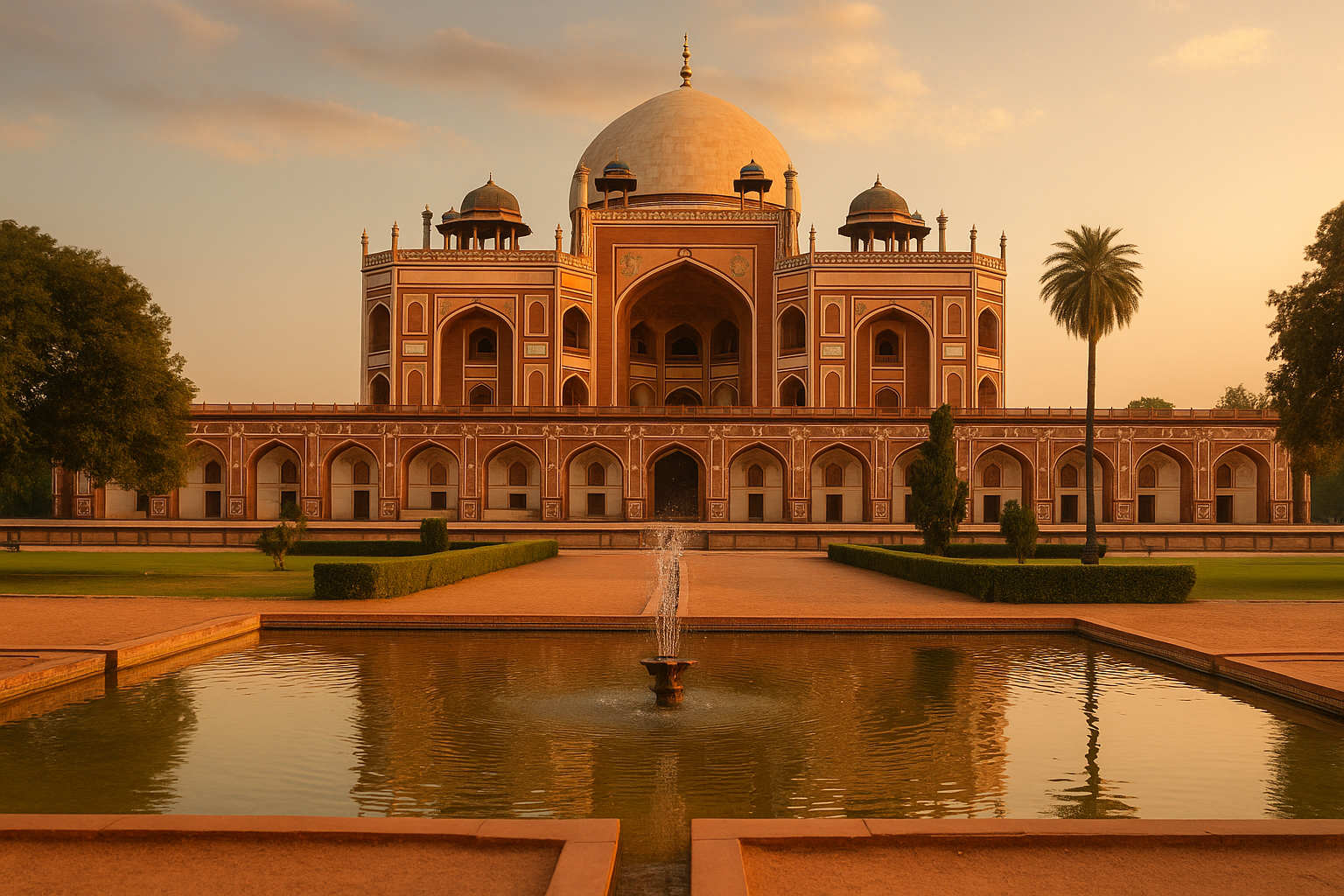
Humayun's Tomb at Golden Hour
Get here by 4pm. The red sandstone and white marble of this 16th-century Mughal mausoleum — the architectural prototype for the Taj Mahal — catches the late afternoon light in a way that makes the whole garden complex glow. The charbagh gardens are immaculately maintained, the crowds thin as sunset approaches, and the symmetry of the structure is genuinely breathtaking from the central water channel. Entry is ₹600 for foreign nationals. Bring a wide lens.
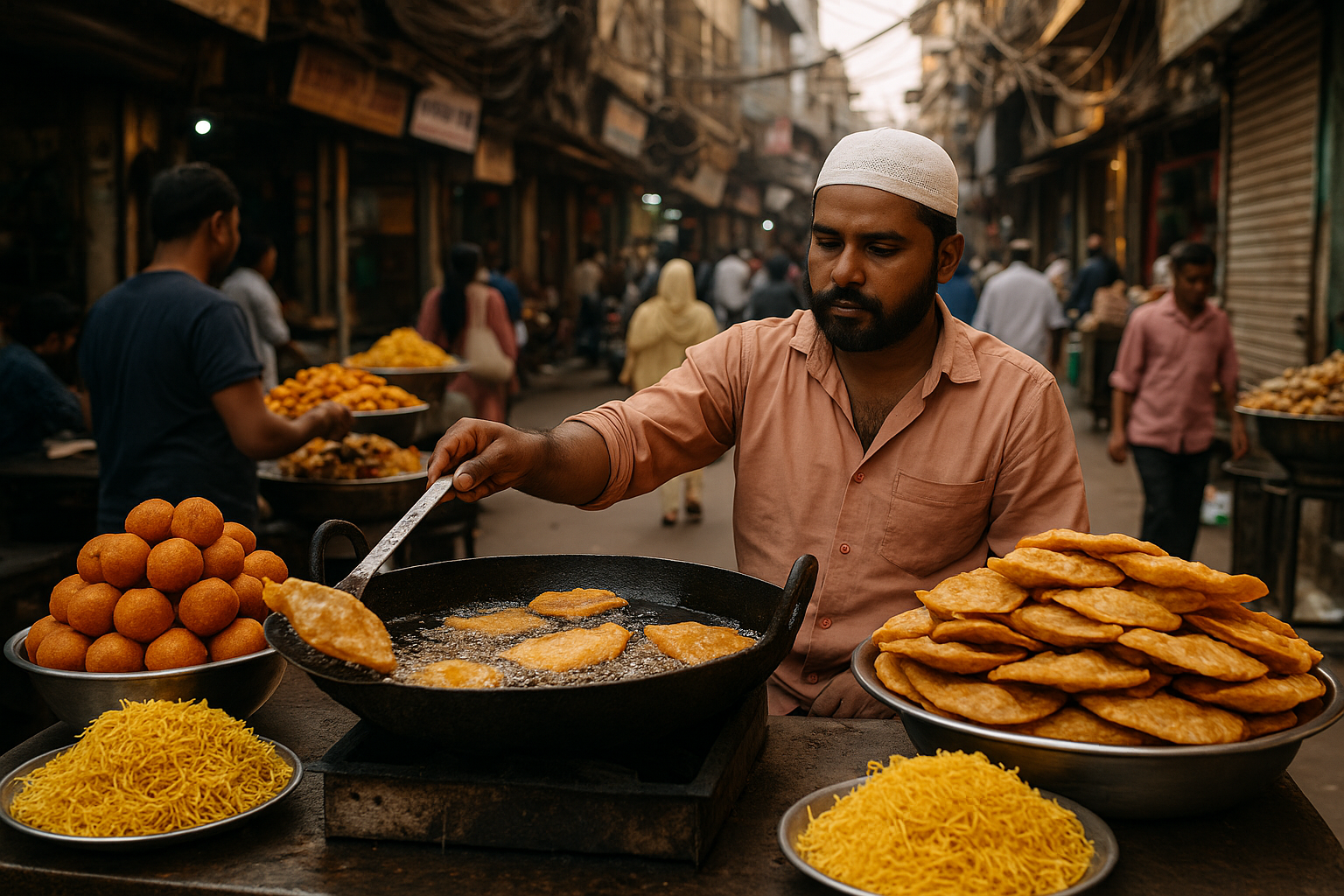
Old Delhi Food Walk Through Chandni Chowk
This is why you came. Start at the Jama Masjid end of Chandni Chowk in the morning, before the heat wins. The narrow lanes behind the mosque — Gali Kababian, Gali Paranthe Wali — are a continuous feed of Mughlai cooking that's been perfected over generations. Butter-drenched parathas stuffed with everything from cauliflower to rabri, kebabs pulled from tandoors that haven't gone cold since your grandparents were born, and jalebi fried fresh in iron vats the size of bathtubs. Budget ₹300–500 and eat until you physically can't continue. Wear shoes you don't love.
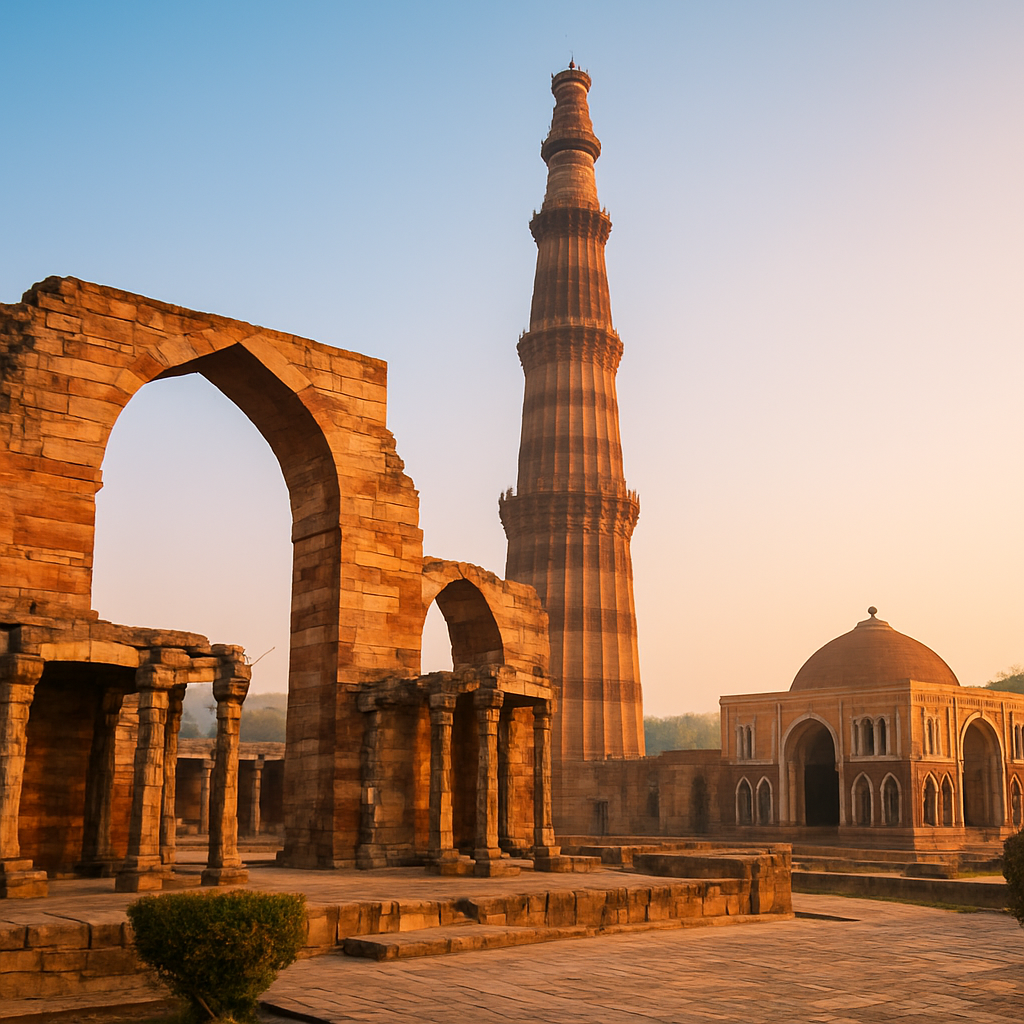
Qutb Minar Complex
The 73-meter minaret dating to 1192 is the obvious draw, but the surrounding complex tells a bigger story — Hindu temple columns repurposed into mosque arcades, Sanskrit inscriptions running alongside Arabic calligraphy, centuries of conquest and coexistence compressed into a single archaeological site in South Delhi. The iron pillar that hasn't rusted in 1,600 years is worth the trip alone for the sheer implausibility. Go early to beat school groups. Entry ₹600 for foreign nationals.
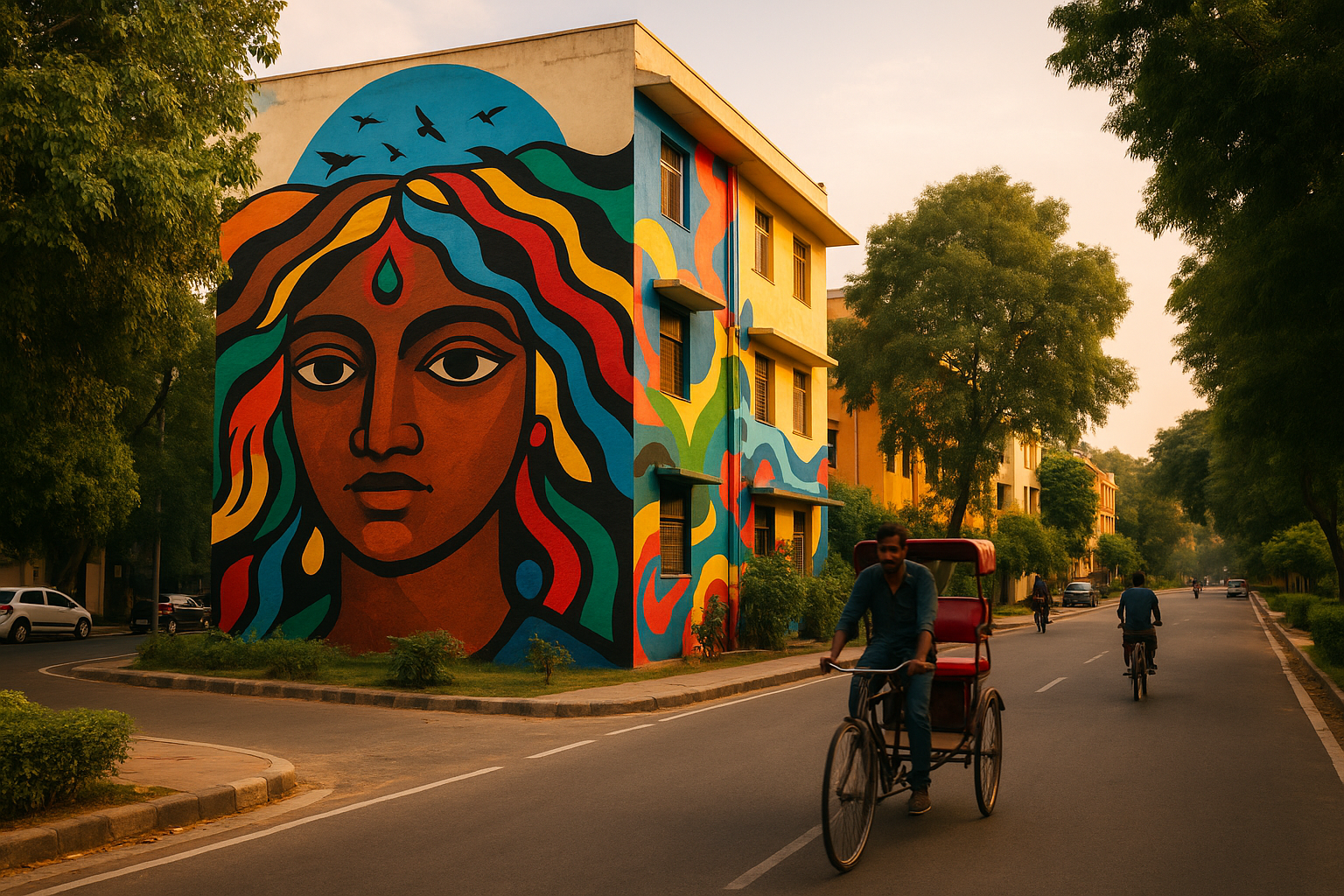
Lodhi Garden Morning Walk
Ninety acres of manicured lawns and crumbling 15th-century tombs in the middle of South Delhi, completely free, and best experienced before 8am when the joggers and yoga practitioners have the place mostly to themselves. The tomb of Muhammad Shah and the Bara Gumbad mosque sit like stone hallucinations among the bougainvillea. Parakeets wheel overhead in clouds. It's the quietest you'll feel in Delhi, and it's five minutes from Khan Market, where you can reward yourself with coffee afterward.
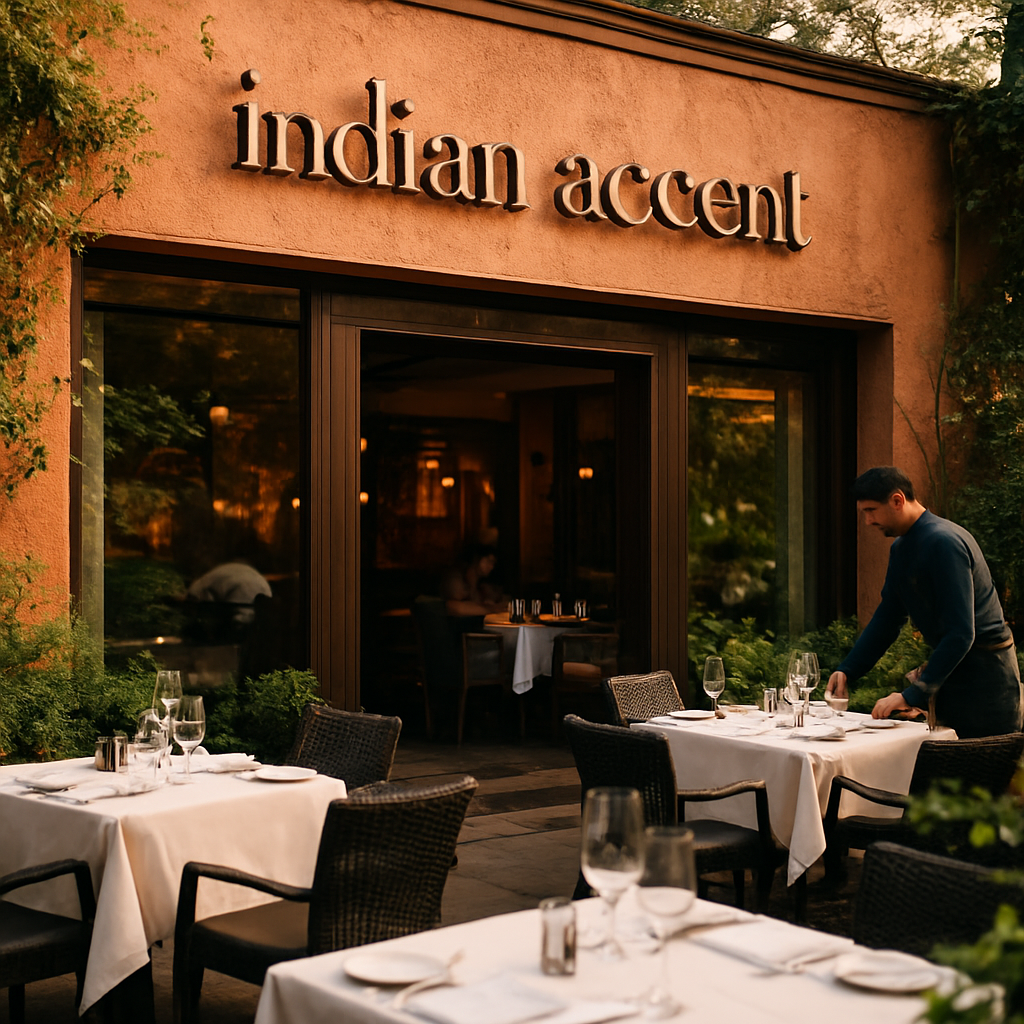
Indian Accent Tasting Menu
Chef Manish Mehrotra's restaurant has been on the Asia's 50 Best list every year since 2015, and the tasting menu explains why in about seven courses. This isn't fusion in the lazy sense — it's Indian culinary grammar spoken with a global vocabulary. A dosa filled with duck and wild mushroom. Blue cheese naan. Pork ribs with Kodampuli vinegar. Book at least a week ahead, dress smart, and don't skip dessert. The meetha paan ice cream is a perfect ending. Budget ₹5,000–8,000 per person with wine.
The places I actually send people to
Advice that fits how you travel
Delhi is a genuinely rewarding solo destination if you come prepared. The city's budget infrastructure is excellent — a dorm bed at Zostel runs ₹550/night, the Metro is clean, fast, and ₹60–110 per ride, and street food in Chandni Chowk will fill you for ₹200. The hostel scene and café culture in Hauz Khas Village make meeting people easy, and Delhi travelers tend to be an interesting, well-traveled crowd. On a budget day, you're looking at ₹1,800–2,500 all-in.
App culture is active — Grindr and Planet Romeo both have strong Delhi userbases — but locals will tell you the real connections happen through Instagram DMs and WhatsApp groups. Be upfront about being a traveler, be patient, and don't push for meetups in isolated locations. Stick to public cafés and established venues for first meetings. If you want a safety check-in system, bookmark iCall or Harmless Hugs before you land.
For solo travelers, South Delhi is your home base — Hauz Khas Village, Shahpur Jat, and Lodhi Art District give you the best ratio of safety, social energy, and things to do. The LGBTQ+ nightlife week runs Thursday through Saturday; Kitty Su on a Saturday is a must. Sundays, join the post-party brunch migration to Hauz Khas rooftops and let conversations find you.
Let me be direct: Delhi requires code-switching for same-sex couples, and the degree depends entirely on where you are. Luxury hotels are your safe zone — The Lalit is explicitly LGBTQ+-affirming, The Lodhi offers premium privacy with world-class amenities, and both will treat you as a couple without hesitation. Mid-range and budget hotels can be awkward at check-in; book through dedicated LGBTQ+ travel platforms or stick to properties with verified inclusive reviews.
For dates, Indian Accent is a spectacular couples dinner — refined, discreet, cosmopolitan. Carnatic Café in Hauz Khas is perfect for a low-key lunch where nobody's watching. The Lodhi Art District makes for a beautiful afternoon wandering together. At Kitty Su, you can actually be yourselves on the dance floor — that release matters after navigating the rest of the city's conservatism. The rooftop bars in Hauz Khas Village are comfortable for discreet affection, especially later in the evening.
The honest truth: Delhi offers incredible shared experiences — the food, the history, the sensory intensity of this city — but you'll need to calibrate your visible affection neighborhood by neighborhood. In the right spaces, you'll feel genuinely welcomed. In the wrong spaces, you'll feel exposed. The gap between those two experiences can be a single Metro stop. Plan your days around the pockets that work, and save the romance for spaces that earn your vulnerability.
LGBTQ+ families can travel in Delhi, but you should know the landscape. India does not legally recognize same-sex adoption, and same-sex partnerships have no legal status — meaning your family structure may not be understood or acknowledged in official contexts. At luxury hotels and international-facing establishments, staff will generally be professional and accommodating. At more local venues, you're likely to be read as friends or relatives traveling with children, and correcting that assumption isn't always worth the conversation.
Delhi is surprisingly family-friendly as a destination. Kids love the sensory chaos of Chandni Chowk food walks, the ruins at Qutub Minar are basically a giant adventure playground (with history attached), Lodi Garden has open lawns for running around, and the National Rail Museum and National Science Centre are solid kid-focused outings. The Metro makes getting around manageable with strollers, though auto-rickshaws are a tighter fit. Most restaurants are genuinely kid-welcoming — Indian culture adores children, and that warmth crosses a lot of other boundaries.
Budget ₹5,000–7,500/day at the budget level for a family of four, or ₹18,000–26,000 at the moderate level with a 4-star family room and private transport. The Agra day trip works with kids if they're old enough for a long day (6+), but the heat during shoulder season makes it brutal for little ones. Stick to October through February for a family visit.
What New Delhi actually costs
Flights, visas, and the first 30 minutes
Airport: Indira Gandhi International Airport (DEL) — one of South Asia's largest hubs with direct flights to 100+ cities worldwide.
Major direct routes: London Heathrow (~9 hrs) · New York JFK (~14.5 hrs) · Dubai (~3 hrs) · Singapore (~5.5 hrs) · Sydney (~12.5 hrs) · Toronto (~14 hrs)
Visa requirements: Nearly everyone needs an e-Visa. US citizens: apply online at least 4 days before arrival, ~USD 25–80 depending on duration. UK: ~GBP 20–65. EU: ~EUR 22–75 for most nationals. Canada: ~CAD 35–110. Australia: ~AUD 35–120. Apply through the official Indian e-Visa portal — not third-party sites that charge handling fees.
Airport to city:
Delhi Metro Airport Express — ₹60–110, 20–25 minutes from Terminal 3 to New Delhi Station. Fastest and cheapest option by far. Clean, air-conditioned, runs frequently.
Prepaid taxi — ₹400–700, 45–75 minutes depending on traffic. Fixed-rate booths inside arrivals; no surge pricing. Look for the DTC counter.
Uber / Ola — ₹350–600, 45–75 minutes. Book inside the terminal. Surge pricing applies at peak hours and can double the fare.
Hotel shuttle — ₹800–2,500, 45–75 minutes. Offered by most 4–5 star hotels; must pre-arrange. Worth it if you're arriving late or exhausted.
Traven's seasonal breakdown
The questions everyone asks
Is it safe to hold hands with my partner in Delhi?
Do I need to speak Hindi?
How much should I budget per day?
Is Kitty Su the only LGBTQ+ venue?
Is the Agra day trip worth it?
What about trans travelers specifically?
When's the best time to visit?
Screenshot this before you go
So should you actually go?
Delhi is not a city that coddles you, and it won't coddle you as an LGBTQ+ traveler either. But it's one of the great cities on earth — the Mughal architecture alone justifies the flight, and the food scene is among Asia's finest. You'll need to be aware of your surroundings, keep PDA to private spaces and queer-specific venues, and understand that legal progress hasn't yet translated into broad social acceptance. If you can navigate that — and plenty of travelers do, happily — Delhi will reward you with experiences you genuinely can't get anywhere else. Some of the bravest, most joyful LGBTQ+ community-building I've seen anywhere is happening right here, right now. Go with your eyes open.
Sources & Resources
Official links we reference when compiling this guide. Last verified 2026-03-15.
- Naz Foundation India Trust
- Humsafar Trust (National LGBTQ+ Health & Rights)
- Lawyer's Collective (LGBTQ+ Legal Aid & Advocacy)
- SAATHII — Solidarity and Action Against HIV in India
- TARSHI — Reproductive and Sexual Health Issues
- Queer Ink — LGBTQ+ Books & Media India
- The Queer Muslim Project
- Delhi Queer Pride Committee
- Harmless Hugs (Delhi LGBTQ+ Support Community)