Dublin didn't just vote for marriage equality — it threw a party that hasn't stopped since, and the Guinness is still flowing.
Dublin doesn't announce itself with grandeur — it gets you with the side comment. The bartender who remembers your order from yesterday. The stranger at Pantibar who pulls you into a conversation about hurling and somehow ends up telling you about their cousin's wedding in Galway. This is a city that runs on warmth and wit in equal measure, and its queer scene has absorbed both into its DNA. The stretch of South Great George's Street that locals affectionately call the gay village carries a weight that other cities' queer districts simply don't — because in 2015, Ireland voted by popular referendum to legalize marriage equality, and The George, open since 1985, served as an unofficial campaign headquarters. That collective memory is baked into the walls. You'll feel it.
There's a reason my Traven-Dex sits at 8.1 for Dublin, and most of it comes down to a scene that punches absurdly above its weight for a city of 1.4 million. The George anchors the south side with drag bingo on Sundays and a multi-floor nightclub that's genuinely earned its legend status. But the real shift has been northward — cross the Liffey to Capel Street and you'll find Pantibar, owned by Panti Bliss herself, who might actually be behind the bar on a slow Tuesday pouring your Guinness. That's not something London offers you. The Noble Call on Friday nights — a free open-mic storytelling slot at Pantibar — is one of the most unexpectedly gut-punching things you can do in this city, and yes, the stout helps.
What I love about Dublin's queer geography is its legibility. South Great George's Street is the slightly glam classic; Capel Street is scruffier, more arts-and-activism oriented. Stoneybatter and Portobello are where queer Dubliners actually live, walk their dogs, hold hands without thinking about it. The Mother club night — when it lands at Workman's Club on Wellington Quay — turns a basement into a genuine sanctuary with a sound system that rearranges your internal organs pleasantly. And through all of it, there's this deeply Irish quality: nobody's performing tolerance. They just genuinely don't care who you're kissing. They care whether you're having the craic.
Dublin isn't perfect — my Pulse score of 7.2 reflects a nightlife scene that's concentrated rather than sprawling, and you'll notice the city rolls up earlier than Barcelona or Berlin. But concentrated means intimate, and intimate means you'll actually talk to people instead of disappearing into a crowd. Grab a copy of GCN magazine from any queer venue — the listings section will surface one-off comedy nights, film screenings at the IFI on Eustace Street, and community events no algorithm will ever find for you. This is a city that rewards you for showing up curious.
The stuff your travel guide buries on page 47
The legal picture is as good as it gets. Ireland legalized same-sex marriage by popular vote in 2015 — the first country in the world to do so by referendum. Same-sex couples have full marriage rights, full adoption rights, and comprehensive anti-discrimination protections covering employment, housing, and services. The 2015 Gender Recognition Act allows self-ID for trans people aged 18+, making Ireland one of Europe's more progressive legal frameworks. Criminalization of homosexuality was struck down in 1993. My Legal score of 8.5 reflects a country that has done the actual legislative work.
On the ground, that legal framework translates. Dublin is a city where the referendum result didn't just change policy — it changed social permission. Queer visibility in the city centre is genuinely unremarkable to most Dubliners. You'll see same-sex couples holding hands through Temple Bar, kissing on Grafton Street, and generally existing without performance or apology. The cultural shift is real and sustained, not just a Pride-week costume.
Two poles, two vibes. South Great George's Street is the classic, slightly glam gay strip — The George, The Dragon, cocktail bars with actual menus. Capel Street on the north side is scruffier and more arts-and-activism oriented — Pantibar, Outhouse community centre, vintage shops. Knowing which vibe you want saves you a 15-minute walk across the Liffey at midnight in the rain, which in Dublin is just called "most nights."
PDA comfort is high across central Dublin. Around South Great George's Street and The George, same-sex affection is completely normalised — you won't get a second glance. Temple Bar, Capel Street, Merrion Square, the Docklands: all comfortable. Suburban residential areas like Tallaght or Ballyfermot are generally safe but attitudes are more varied — visible PDA may draw the occasional stare, though incidents are rare. Rural day-trip areas like Wicklow remain more traditional; discretion may feel more natural, though overt hostility is uncommon.
If you're new to Dublin and want to plug into community fast, Outhouse on Capel Street is your best first stop — they maintain up-to-date physical listings of queer nights, support groups, and social events that don't always surface on any tourist-facing platform. Grab a free copy of GCN magazine from any queer venue for current listings.
What it actually feels like on the ground
Holding hands: Completely comfortable in the city centre — South Great George's Street, Temple Bar, Capel Street, Grafton Street, Merrion Square. Nobody's tracking you. In suburban areas, you're unlikely to encounter anything worse than a glance. Stoneybatter and Portobello are both queer-residential neighbourhoods where same-sex couples walk dogs and hold hands without a second thought — good places to base yourself if you want to feel like a local.
Hotel check-in: No issues. Dublin hotels are accustomed to same-sex couples and won't bat an eye at double-bed bookings. The city's tourism industry actively markets to LGBTQ+ travellers, and staff training reflects that. Boutique and luxury properties are particularly smooth.
Taxis and rideshare: The Free Now app is dominant and generally fine. Rank taxis outside pubs at 2am are equally fine — Dublin taxi drivers have seen it all and are more interested in telling you about the match than commenting on your partner. Standard late-night common sense applies.
Beaches and public spaces: Forty Foot in Sandycove is a famous sea-swimming spot with a genuinely inclusive atmosphere. Phoenix Park, St Stephen's Green, and Merrion Square are all comfortable for queer couples. No issues to flag beyond normal awareness.
Late night: Central Dublin after last call is generally safe but not flawless. The north quays around Connolly Station warrant the same street-awareness you'd apply in any city at 3am — groups of very drunk people can be unpredictable regardless of your orientation. Stick to well-lit routes, travel with company if you can, and use Free Now rather than walking long distances alone.
Trans travellers: Ireland's Gender Recognition Act provides solid legal standing, and Dublin's city centre is generally welcoming. Awareness and sensitivity can vary in healthcare settings — trans-specific healthcare through the public system runs through the Gender Identity Clinic at Loughlinstown Hospital with notoriously long wait times. TENI (Transgender Equality Network Ireland) can advise on current options and hosts regular social evenings in welcoming, discreet offices.
Verbal harassment: Rare in central Dublin and very rare around the queer district. Not unheard of in outer suburbs late at night, but this is by no means a pattern. Dublin is consistently rated among the safest cities in Europe for LGBTQ+ travellers, and that tracks with the reality on the ground.
If you need support: LGBT Ireland's helpline (1800 929 539) runs evenings and weekends. Outhouse on Capel Street keeps a printed list of LGBTQ+-affirming GPs and emergency services — pick one up at the front desk when you visit, because you'll want it before you need it.
The queer geography
South Great George's Street — The Original Gay Village
This is where it started and where it still lives loudest. South Great George's Street — affectionately called "the Gaybourhood" by locals — is Dublin's historic queer strip, anchored by The George, which has been serving the community since 1985. The block also includes The Dragon upstairs and Front Lounge just around the corner for a more low-key drink. Drag bingo at The George on a Sunday afternoon is a genuine Dublin rite of passage — chaotic, loud, genuinely funny, and somehow packed with both bachelorette parties and regulars who've been coming for decades. One block east, South William Street is a cocktail-and-design corridor where queer creatives and arts-media types go for elevated drinks at places like Soder + Ko.
The 2015 referendum cemented this street's significance in a way that transcends nightlife. The George was an unofficial campaign HQ, and that collective memory gives the neighbourhood a weight that other gay strips simply don't carry. You'll feel it, even on a quiet Wednesday.
Capel Street — The North-Side Queer Corridor
The real evolution of Dublin's queer geography is happening north of the Liffey on Capel Street. Pantibar is the anchor — Panti Bliss's bar that doubles as a community space, political nerve centre, and the home of The Noble Call storytelling night every Friday. Next door, Outhouse LGBTQ+ Community Centre offers drop-in space, events, and support groups. The whole street has a scruffier, more politically charged energy than its south-side counterpart — more arts-and-activism, less cocktail-menu polish.
The Mother club night is the queer underground experience Dublin doesn't advertise loudly enough — check their social media for dates since it rotates venues, but when it lands at Workman's Club on Wellington Quay, the basement dancefloor becomes a genuine sanctuary and the sound system will rearrange your organs pleasantly. Grab a free copy of GCN magazine stacked at the front of Pantibar or Outhouse — the listings section clues you in to one-off queer comedy nights, film screenings at the IFI on Eustace Street, and community events that no algorithm will ever surface for you.
Stoneybatter
A northwest inner-city neighbourhood beloved by queer Dubliners for its independent pubs, lack of pretension, and growing LGBTQ+-affirming residential scene. It's where the people who work behind the bar at Pantibar actually live. Good brunch spots, excellent people-watching, zero tourist infrastructure — that's the appeal.
Portobello
The canal-side neighbourhood just south of the centre with a notably queer-friendly residential and café culture. Walk along the Grand Canal at dusk, grab dinner on Camden Street, and you'll understand why locals call it Portobello Village. Same-sex couples here are scenery, not spectacle.
For trans-specific community and resources, TENI hosts regular social evenings and their offices are discreet and welcoming. For anyone wanting to understand the real depth of Ireland's queer history, the Irish Queer Archive at the National Library on Kildare Street is genuinely worth an afternoon — the Hirschfeld Centre that operated in Temple Bar from the 1970s to 1990s was pioneering, and its story is preserved there.
The experiences worth rearranging your itinerary for
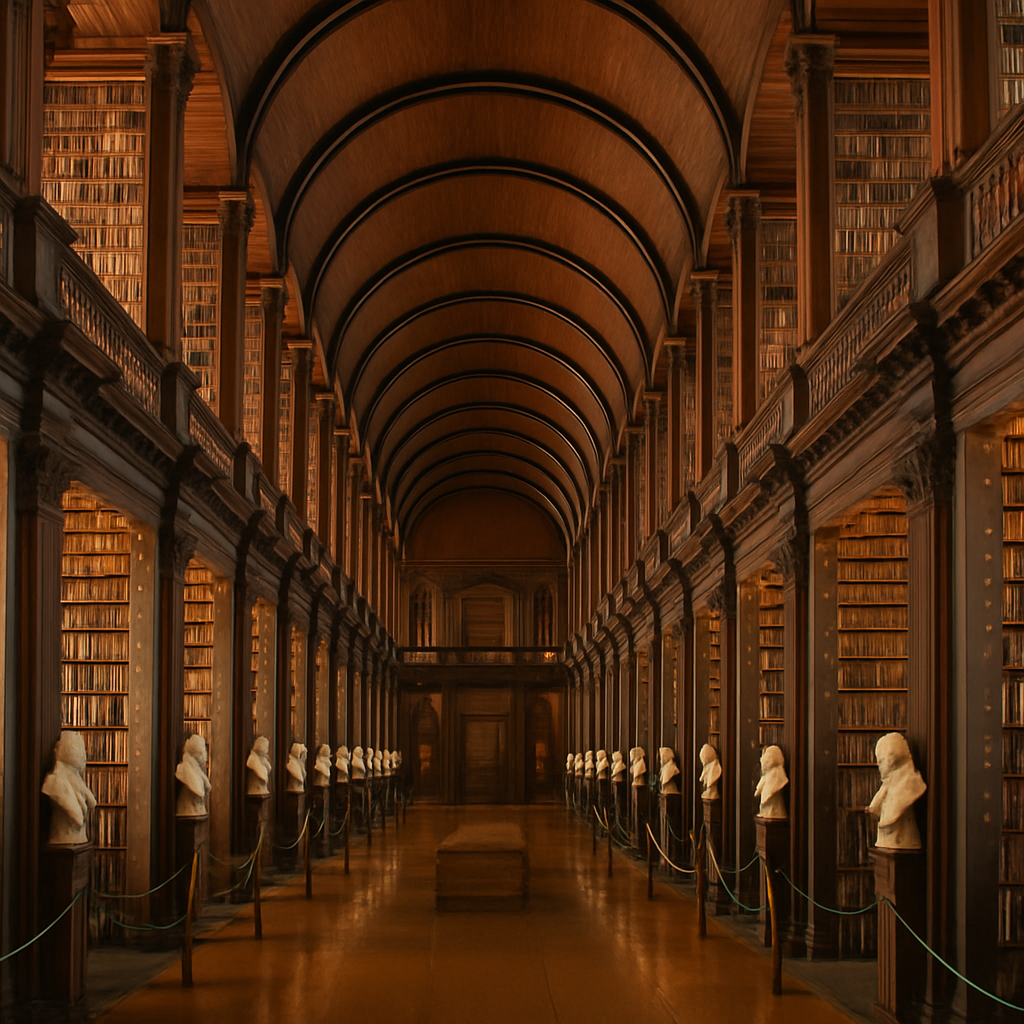
The Long Room at Trinity College
The Book of Kells is smaller than you expect and more extraordinary than you can prepare for, but it's the Long Room that will actually stop you mid-step — 65 metres of ancient books under a barrel-vaulted ceiling that smells like oak and quiet ambition. Founded in 1592, Trinity College still operates like it knows what it is. Budget at least ninety minutes, go on a weekday morning before the tour buses arrive, and don't fight the urge to whisper. Entry runs €16–€18.
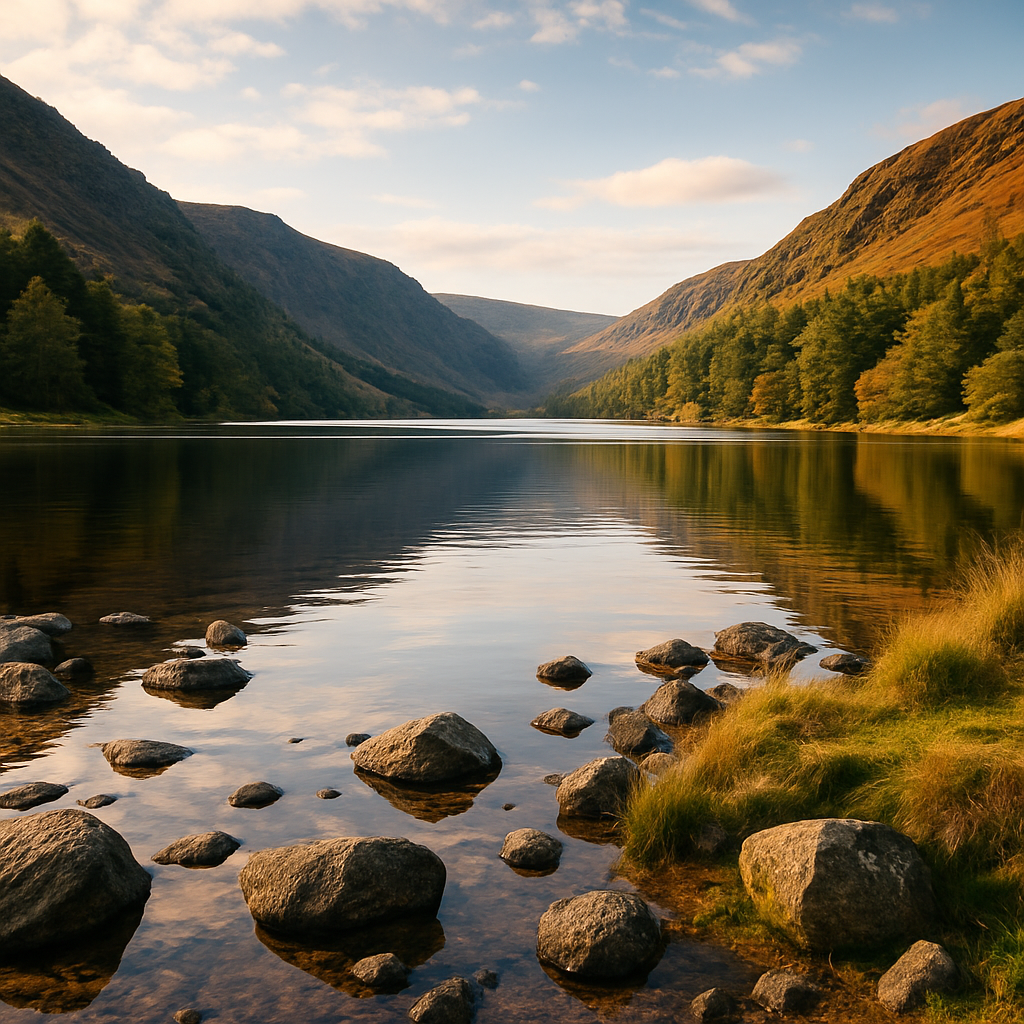
Glendalough & the Wicklow Mountains
An hour from Dublin by the St Kevin's Bus (€16 return from St Stephen's Green), the Wicklow Mountains deliver a glacial valley, a 6th-century monastic settlement with a still-standing round tower, two lakes, and air so clean it feels like a personal insult to your lungs. Trails range from easy lakeshore paths to proper hill climbs. It's free to wander, and Glendalough is one of those places that reminds you why Ireland has been making poets for a thousand years. Pack waterproofs regardless of the forecast — this is Ireland, not a negotiation.
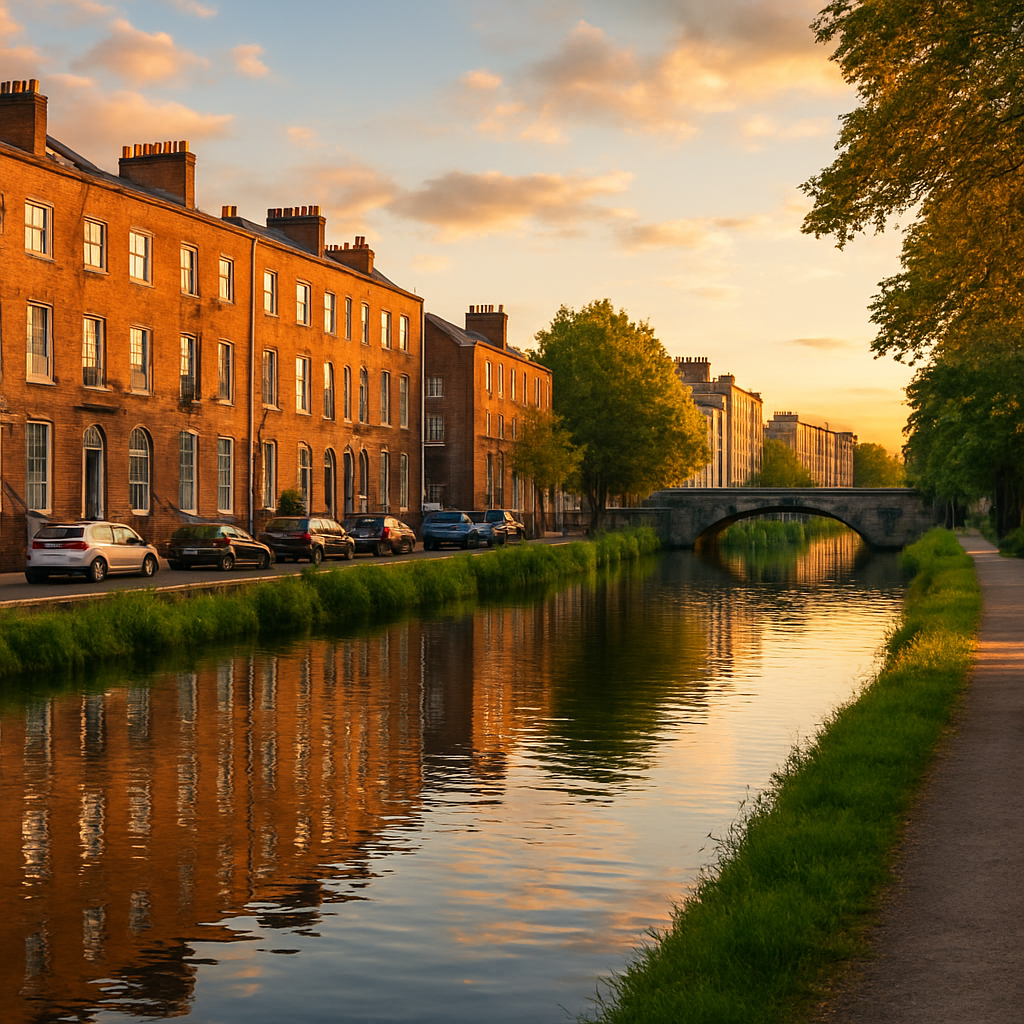
Dinner on Camden Street to Canal Walk at Dusk
Camden Street in Portobello is Dublin's most underrated restaurant corridor — a stretch of genuinely good food that hasn't been colonized by tourist menus. Eat around 8pm, then walk the Grand Canal eastward toward the Docklands as the light fades. It's not dramatic — it's pretty in a quiet, specific Dublin way that sticks with you longer than anything performative. The reflections on the water, the converted locks, the joggers winding down — this is the city being itself.

EPIC The Irish Emigration Museum
Twenty interactive galleries trace the Irish diaspora across centuries with a specificity and emotional weight that justifies every one of its World Travel Award wins. The section on LGBTQ+ Irish emigrants tells stories that deserve to be told this well — it's not tokenism, it's real scholarship presented for real people. It's €17.50, it's in the Docklands, and it's more emotionally substantial than anything else you'll do before dinner. Allow two hours minimum.
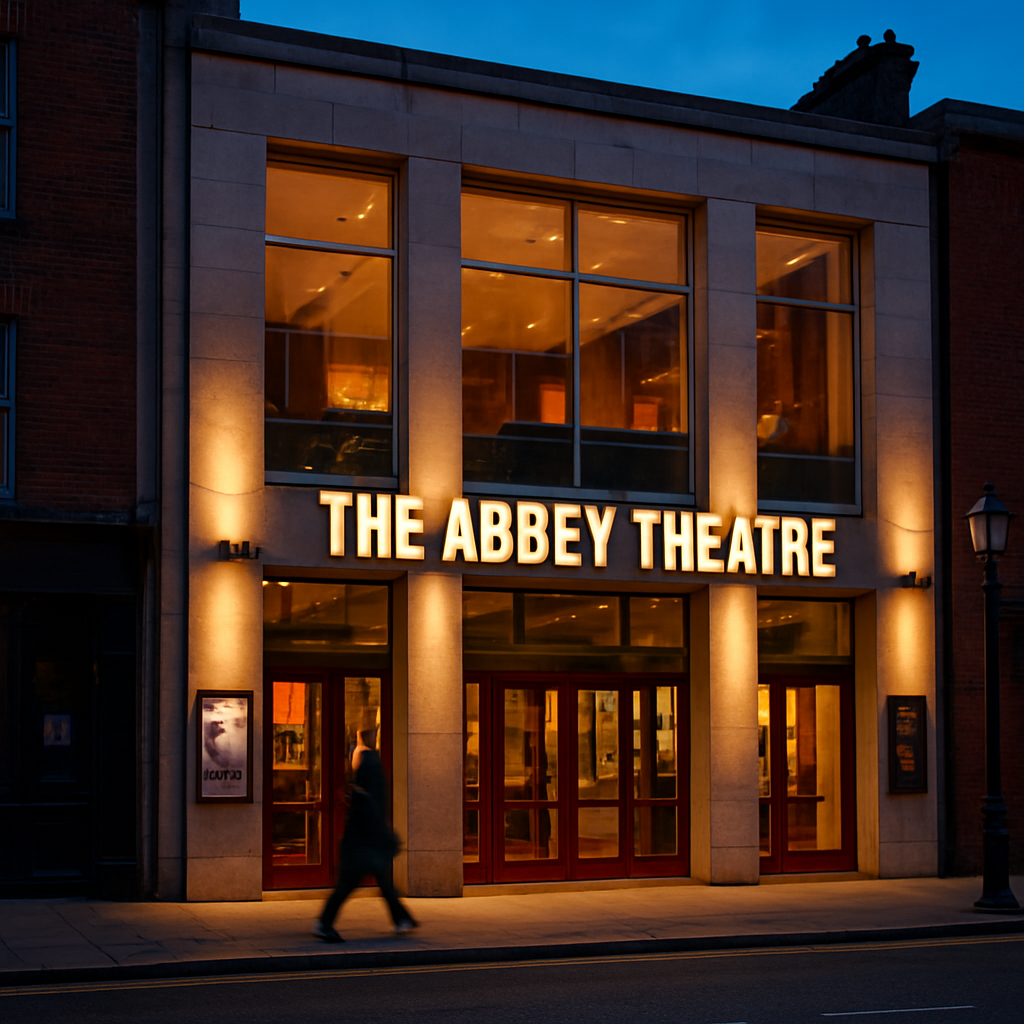
Abbey Theatre & Dublin's Queer Stage
The Abbey Theatre's connection to Panti Bliss's 2014 Noble Call speech — a barn-burner against homophobia that went globally viral and helped define the marriage equality campaign — makes it genuine queer heritage. But beyond the history, Dublin theatre has been seriously adventurous on queer stories in recent years. Check what's on at the Abbey or the nearby Project Arts Centre on East Essex Street. If anything LGBTQ+-themed is running, go — you'll be surprised by the quality and the nerve of it.
The places I actually send people to
Advice that fits how you travel
Dublin is an absurdly good solo city, and I don't say that about many places. The pub culture is engineered for conversation — sit at a bar, order a pint, and within twenty minutes someone will have opinions about your jacket, your accent, and whether you've been to Glendalough yet. The queer scene amplifies this: Pantibar on a Friday during The Noble Call creates instant community, and The George's karaoke nights are structurally impossible to attend without making at least one temporary best friend. App culture is active — Grindr and Tinder both work well in Dublin — but honestly, you may not need them. The craic does the work for you.
Safety-wise, solo travellers in central Dublin have nothing unusual to worry about. The city centre is compact and walkable, the queer district is well-trafficked until late, and public transport via Luas and Dublin Bus (Leap Card, €5–€10/day) covers anything your legs can't. If you're staying in Smithfield — Generator Dublin starts at €28 for a dorm — you're a short walk from Capel Street, which means Pantibar is basically your local. For a mid-range solo base, The Hendrick Smithfield gives you a studio apartment with kitchen from €140.
Budget solo travellers can do Dublin well on €75–€95/day including a hostel dorm, Bunsen burgers, and one paid attraction. Pro tip: many of Dublin's best experiences are free — walking the Georgian squares, canal-side strolls through Portobello, browsing the Irish Queer Archive at the National Library, and people-watching on Capel Street cost nothing and feel like everything.
Dublin is, without qualification, one of the better cities in Europe for a queer couple to have a genuinely romantic time — and not in spite of the weather, but strangely alongside it. The Georgian squares, the canal-side walks through Portobello, dinner at Glovers Alley followed by a late Guinness at The George: that's a date night that would cost three times as much in London and feel half as good. PDA around South Great George's Street and through Temple Bar is completely unremarkable — hold hands, kiss on the street, nobody's keeping score. If you want a romantic base, The Merrion Hotel overlooks the park where the Oscar Wilde statue stands with one hand in his pocket and a permanent air of amusement.
For the actual romance logistics: book Glovers Alley at least three weeks ahead and ask for a window table. Walk the Grand Canal from Portobello toward the city at dusk — it's not dramatic, but it's pretty in a quiet, specific Dublin way that will stick with you. If you want a moment that's purely your own, get to Glendalough on a weekday morning before the tour buses arrive: two glacial lakes, a 6th-century round tower, and about nine hundred years of silence.
The George on a Saturday night is more communal than intimate — wonderful, but not exactly a table for two. For a date that flows well, start at Soder + Ko on South William Street for cocktails and small plates, then move to Pantibar around 10pm to catch whatever's happening on the small stage. That two-stop itinerary has probably launched more Dublin romances than Tinder, and the walk between them takes four minutes.
Dublin is a notably easy city for LGBTQ+ families. Ireland's legal framework is among the strongest in Europe: same-sex couples have full adoption rights, and families formed through surrogacy or assisted reproduction are legally recognized. You're not navigating hostile glances in museums or awkward conversations at hotel check-in — the city has genuinely moved on. EPIC The Irish Emigration Museum in the Docklands is exceptional for older children who can engage with interactive exhibits, and its dedicated section on LGBTQ+ Irish emigrants tells a story worth having at any age.
For practical logistics: the Leap Card makes public transport affordable and easy to navigate, and children under 5 travel free on Dublin Bus and Luas. The city centre is compact and walkable for older children, though the cobblestones around Temple Bar are a genuine pram hazard — plan your route accordingly. Dublin Zoo in Phoenix Park is a solid full-day anchor for families with younger children, and the park itself is one of Europe's largest urban green spaces with actual room to run around in.
A day trip to Glendalough in the Wicklow Mountains is excellent for families — trails range from easy lakeshore paths to more challenging climbs, and the 6th-century monastic ruins are genuinely interesting for curious kids. St Kevin's Bus runs from St Stephen's Green and costs €16 return per adult, with reduced rates for children. Pro tip: pack waterproofs regardless of what the forecast says. This is Ireland, and Ireland will remind you of that.
What Dublin actually costs
Flights, visas, and the first 30 minutes
Airport: Dublin Airport (DUB) is served by direct flights from 185+ cities worldwide and is one of Europe's busiest transatlantic hubs.
Key Routes: London Heathrow (1h 20m) · New York JFK (6h 30m) · Amsterdam AMS (1h 50m) · Paris CDG (2h 00m) · Toronto YYZ (7h 10m) · Dubai DXB (7h 30m).
Visas: US, Canadian, and Australian citizens need no visa for stays up to 90 days. UK citizens have unrestricted access under the Common Travel Area. EU citizens: freedom of movement applies.
Aircoach (Bus): €8–€10 · 30–50 min · Runs 24 hours with frequent service to the city centre and south Dublin. Best value, especially for solo travellers with manageable luggage.
Dublin Express (Bus): €7–€9 · 30–45 min · Stops at O'Connell Street and other central locations. Equally reliable and slightly cheaper.
Taxi / Free Now App: €25–€40 · 25–40 min · Free Now is the dominant rideshare app; metered rank taxis are also available outside arrivals. Surge pricing applies during peak hours. Worth the extra cost if you're landing late at night with heavy bags.
Car Rental: From €35/day · Left-hand traffic applies. Parking in the city centre is expensive and not worth the stress — rent a car only if you're planning a road trip beyond Dublin.
Traven's seasonal breakdown
The questions everyone asks
Is Dublin safe for LGBTQ+ travellers?
Can I hold hands with my partner in public?
Do I need to speak Irish or Gaelic?
How much should I budget per day?
When is Dublin Pride?
What's the best way to get from the airport to the city?
Is Dublin's queer scene just The George?
Screenshot this before you go
So should you actually go?
Go. Dublin is one of those rare cities where legal protections, cultural warmth, and a genuinely tight-knit queer community all line up in the same place. The scene isn't the biggest you'll find in Europe, but it's one of the most welcoming — and there's something about a country that voted its way to equality by popular mandate that just hits different when you're walking down South Great George's Street on a Saturday night. Add world-class pubs, a day trip to Glendalough that'll reset your entire nervous system, and a population that treats conversation as a competitive sport, and you've got a destination that earns every point of my 8.1. Pack a rain jacket. You won't regret the trip.
Sources & Resources
Official links we reference when compiling this guide. Last verified 2026-03-06.
- Outhouse LGBTQ+ Community Centre Dublin
- BelongTo Youth Services
- LGBT Ireland – National Helpline & Support
- Transgender Equality Network Ireland (TENI)
- Dublin Pride
- Gay Community News (GCN)
- Bi+ Ireland
- National LGBT Federation (NXF)
- HSE Sexual Wellbeing – Ireland's National Sexual Health Resource
- Irish Queer Archive – National Library of Ireland