
Bologna doesn't perform for you. It just keeps doing what it's been doing since the 13th century — rolling pasta, pouring wine under the porticoes — and lets you catch up.
It's a Thursday around 9pm on Via del Pratello and the cobblestones are full — students, professors, two guys sharing a Negroni on a curb because every osteria table within fifty meters is taken. Somebody's playing a guitar badly outside an anarchist bookshop and nobody's stopping them. The smell coming off the open kitchen at the corner trattoria is rendered pork fat and garlic and something with truffle, and you can hear three different conversations in three different languages happening between people who clearly just met. This is Bologna on a regular weeknight. The city doesn't perform for you. It just keeps doing what it's been doing since the 13th century and lets you catch up.
Here's what nobody tells you: Bologna is what happens when a medieval university town, a leftist political tradition, and obscene amounts of pork fat get together and decide to be welcoming about it. It's not flashy like Milan or cruisy like Rome — it's warmer, weirder, and far more likely to feed you. They call it Bologna la Rossa for the terracotta rooftops and the politics, and that second part is why this is the most LGBTQ+-friendly stronghold in Italy. The law hasn't fully caught up — civil unions yes, marriage no, as of 2026 — but the street is decades ahead of the statute book.
There's a reason I gave this city a 7.8 overall and a 9.0 on Destination: between the porticoes, the Quadrilatero, the Two Towers, and a food culture that takes itself seriously without being precious, there's almost nothing to dislike about being here. The Pulse score of 8.5 is doing real work too — Cassero, the headquarters of Arcigay since 1985, is the gravitational center of Italian queer activism and happens to be inside an 18th-century salt warehouse. Most cities have gay bars. Bologna has a community institution with archives, a library, and a dancefloor, and it's been holding the line for forty years.
The porticoes are the secret. Nearly 40 km of covered walkways through the centro alone, UNESCO-listed since 2021, which means you can cross the city in flats in the rain without ruining your shoes. Bologna invented the all-weather walk in the 13th century and has been quietly perfecting it ever since. Come for the tortellini in brodo. Stay because somewhere between your second aperitivo and your third, you'll realize you haven't checked your phone in three hours and the city is doing something to you that the louder Italian capitals never quite managed.
The stuff your travel guide buries on page 47
Here's the situation in plain language: Italy recognizes unioni civili (civil unions) for same-sex couples — that's been the law since 2016 — but full marriage equality still doesn't exist as of 2026. Joint adoption isn't on the table either, though courts have occasionally recognized stepchild adoption case by case. Anti-discrimination protections are limited at the national level, and the Meloni government's posture on rainbow families has made the legal climate for same-sex parents genuinely uncertain. Arcigay — Italy's largest LGBTQ+ rights organization, founded right here in Bologna in 1985 — is the clearinghouse for current legal developments.
Gender recognition exists on paper. A 2015 Constitutional Court ruling lifted the surgical mandate, but in practice you're still navigating medical gatekeeping and a court process. Bologna is the headquarters of MIT (Movimento Identità Trans), Italy's oldest trans rights organization, and they're the most knowledgeable people in the country on this — MIT Bologna is who you call before you call anyone else. For broader legal questions, Rete Lenford handles LGBTQ+ legal aid nationally.
Now the cultural reality: Bologna is called Bologna la Rossa for two reasons — the terracotta rooftops and the leftist politics that have defined the city for generations. That second reason is why this is the most LGBTQ+-friendly stronghold in Italy. The law is one thing; the street is another. Around Via Zamboni, Piazza Verdi, and the Cassero orbit, two men holding hands is unremarkable. Same-sex couples can check into hotels without anyone blinking, and the university quarter operates on a different social register than, say, a small town in Puglia.
PDA comfort by area: Piazza Maggiore and the centro storico — high. University Quarter and Via del Pratello — very high. The Cassero corner of Bolognina — the gayest few blocks in the country. Suburban periphery — moderate; subtle is fine. Inside churches like San Petronio or Santo Stefano — keep it respectful, same as everyone else. Pro tip: save the politics chat for inside Cassero, not for your tortellini lunch with the nonna running the trattoria. She's there for the pasta.
One more thing: August empties Bologna out. Half the city decamps to the Adriatic, including a chunk of the scene, and Cassero scales way back. Aim for May, June for Pride, September, or October when the porticoes glow.
What it actually feels like on the ground
Holding hands: Around Via Zamboni, Piazza Verdi, Via del Pratello, and the streets near Cassero, hand-holding rarely registers a glance. The further you get from the centro storico into the suburban ring, the more conventional the read becomes — not hostile, just less cosmopolitan. A reader wrote in to say Bologna is genuinely one of the easier Italian cities to be visibly gay in, and that matches what I've experienced.
Hotel check-in: Same-sex couples checking in with one bed is a non-event in central Bologna. The boutique places in the Quadrilatero, the Centro Storico four-stars, and the Bolognina B&Bs are all uneventful. If you want a property that's actively dialed in to LGBTQ+ travelers, the Bologna Art Hotels group and most central design hotels have inclusive practices documented.
Taxis and rideshare: Standard taxis are fine. FreeNow is more reliable than Uber in Italy — Uber operates here but the coverage is patchy. Bologna Centrale has a taxi rank with fixed fares to common destinations. No reports of driver hostility around same-sex couples in central runs.
Beaches and public spaces: Bologna isn't coastal, but Giardini Margherita and Parco della Montagnola are the public greens, and they're fine during daylight. Montagnola gets sketchier after dark — not for safety reasons specific to gay travelers, just standard urban park rules.
Late night: Piazza Verdi gets rowdy with students more than hostile. The real warning is pickpockets — they work the porticoes around the train station hard. Keep your phone off the table at aperitivo; I learned this the expensive way. The walk from Cassero back to the centro at 3am is generally fine, but stay on lit streets and skip the canal cut-throughs solo.
Trans travelers: Bologna is among the most trans-friendly cities in Italy, full stop. MIT Bologna has been doing trans-specific support and advocacy since 1979 — they're the people to know if anything goes sideways. ID checks at hotels and bars are routine and uneventful in central Bologna; bathroom access in the university quarter and around Cassero is a non-issue. Outside the centro, use the same situational awareness you'd use anywhere in Italy.
Health and HIV: Lila Bologna handles HIV testing and support, and Plus Onlus covers broader health needs without judgment. PrEP is available through the Italian health system; tourists should bring their own supply. For anything urgent or anonymous, Gay Help Line Italia is the national resource.
Verbal harassment risk: Low in central Bologna. Higher in periphery neighborhoods late at night, but still observably rare compared to most of southern Europe. The political climate at the national level has gotten louder under the current government, but that hasn't translated into noticeable street-level shift in this city.
The queer geography
Bologna is small enough to walk end-to-end in flats, and the porticoes mean you can do it in the rain without ruining your shoes. Here's where to spend your time.
Bolognina & the Cassero Corridor
North of the train station, Bolognina was a working-class industrial district that became one of Bologna's most interesting neighborhoods through migration, art, and a steady creative migration out of the pricier centro. The architecture is a mix of early 20th-century apartment blocks, Liberty-style residential buildings (the Casa Bertagni area is particularly handsome), and the converted industrial spaces along the Cavaticcio Canal. This is also home to Cassero — the headquarters of Arcigay since 1985, housed in Salara, an 18th-century salt warehouse on the canal. It's not a 'gay bar with extras' — it's an actual community institution with archives, a library, and a dancefloor inside a 1700s salt warehouse. Get there before midnight on Friday or Saturday or accept that you're queueing. Cassero LGBTI+ Center programs year-round, including the Gender Bender festival.
Università (Zona Universitaria)
The university quarter runs along Via Zamboni from the Two Towers up past the Botanical Gardens, and it's the social spine of the city. Medieval palazzi house the oldest university in the Western world (founded 1088), and the streets between are lined with bookshops, secondhand record stores, kebab counters, and trattorie that haven't changed their menus in forty years. Piazza Verdi turns into an open-air hangout most warm nights — beer in hand, students sprawled on the church steps until the polizia eventually shoo people home. The progressive politics here are real, not aesthetic, and the gay scene threads through the bars on Via Zamboni and Via del Pratello without needing a sign on the door.
Via del Pratello
A narrow medieval street running west from the centro that's been the alternative-leftist drinking artery for decades. Osterie, dive bars, anarchist bookshops, and a few of the better wine bars cluster here. By 9pm on a Thursday it's standing room only on the cobblestones, and the crowd skews mixed, young, and visibly inclusive. Red Club's nightlife pull starts here for cocktails before the Cassero migration, and Bar Senza Nome — a deaf-and-hearing inclusive bar — has quietly become a community favorite.
Quadrilatero
The medieval food market grid behind Piazza Maggiore, where Bologna's food culture lives at its most concentrated. Tortellini-makers in their windows, salumerie hanging mortadellas the size of small dogs, fresh fish counters, cheese caves, and the legendary Tamburini (1932) anchoring the corner. Osteria del Sole has been pouring wine here since 1465 — bring your own food, sit elbow-to-elbow with whoever wanders in, and accept that the bathroom is a journey. Not a gay bar, but it's been queer-adjacent for about six centuries.
Centro Storico (Piazza Maggiore & the Two Towers)
The postcard center. Le Due Torri — Asinelli and Garisenda — anchor the eastern edge of Piazza Maggiore, where the unfinished facade of Basilica di San Petronio dominates one side. The Garisenda's been closed for stabilization since 2023 (it leans alarmingly), but you can still climb the Asinelli's 498 steps for the view. Around the piazza you'll find Mercato delle Erbe, the city's largest covered market and an aperitivo-hall destination most evenings. Pro tip: cash a 20-euro bill at a tabaccheria on arrival — some of the older spots are still cash-or-glare. For broader visitor logistics, Bologna Welcome runs the official tourism portal, and the city has a dedicated Diritti LGBTI office for residents and longer-term visitors.
The experiences worth rearranging your itinerary for
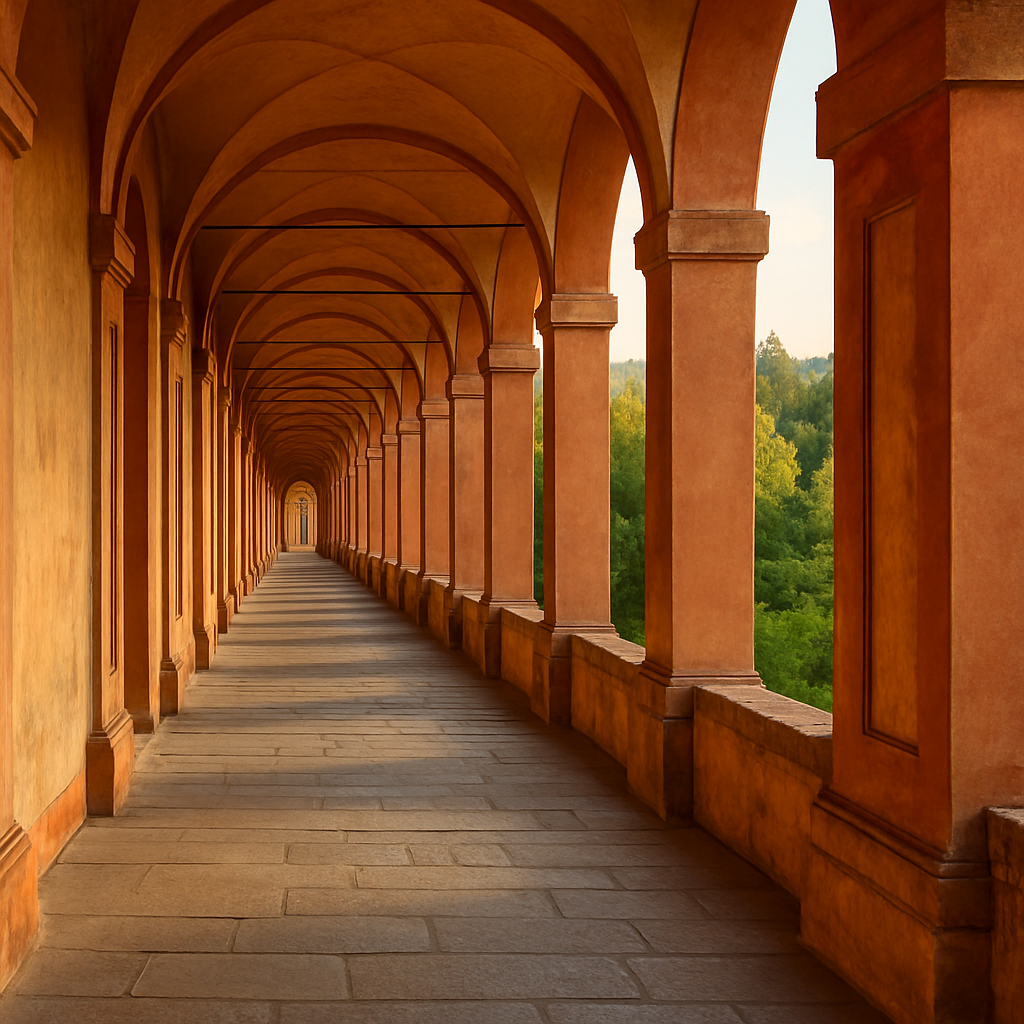
Walk the Portico di San Luca to the Sanctuary
666 arches, 3.8 kilometers, all uphill — the longest continuous portico in the world, climbing from the city out to the Santuario della Madonna di San Luca on the hill above. It's a calf workout disguised as a pilgrimage, and the breeze under the arches on the way down is the part nobody warns you about. The view from the top folds the terracotta rooftops, the porticoes, and the Bolognese hills into one frame.
Pro tip: do it in the late afternoon so the descent lines up with golden hour through the columns.
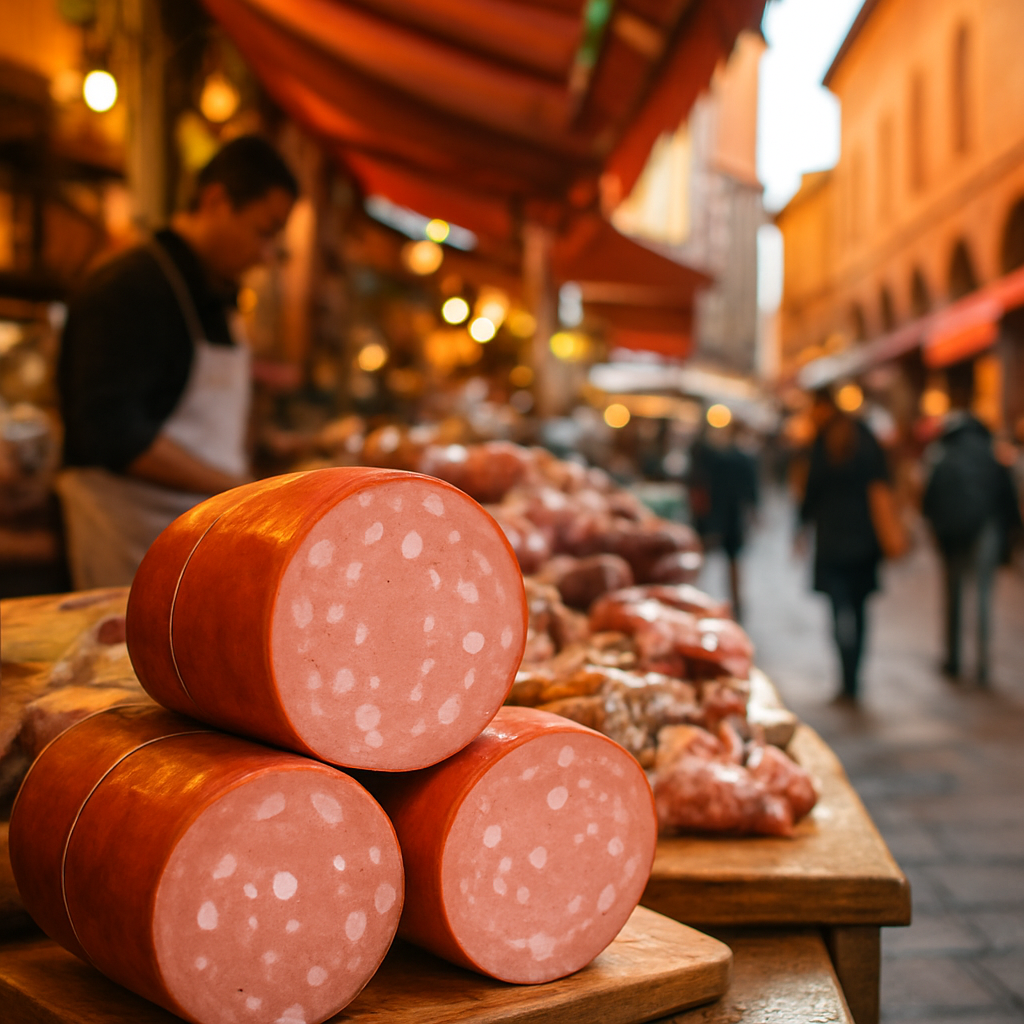
Graze the Quadrilatero food market
The medieval grid of streets behind Piazza Maggiore is where Bologna's food culture lives at its most concentrated — pasta-makers in their windows rolling tortellini by hand, salumerie hanging mortadellas the size of small dogs, fresh fish counters, cheese caves, prepared-food stalls. Anchor your route at Tamburini (1932) and let the smell of cured pork pull you the rest of the way.
End at Osteria del Sole, open since 1465, where you bring your own food, buy their wine, and sit elbow-to-elbow with whoever wanders in. Cash only, the bathroom is a journey, and that's part of it.
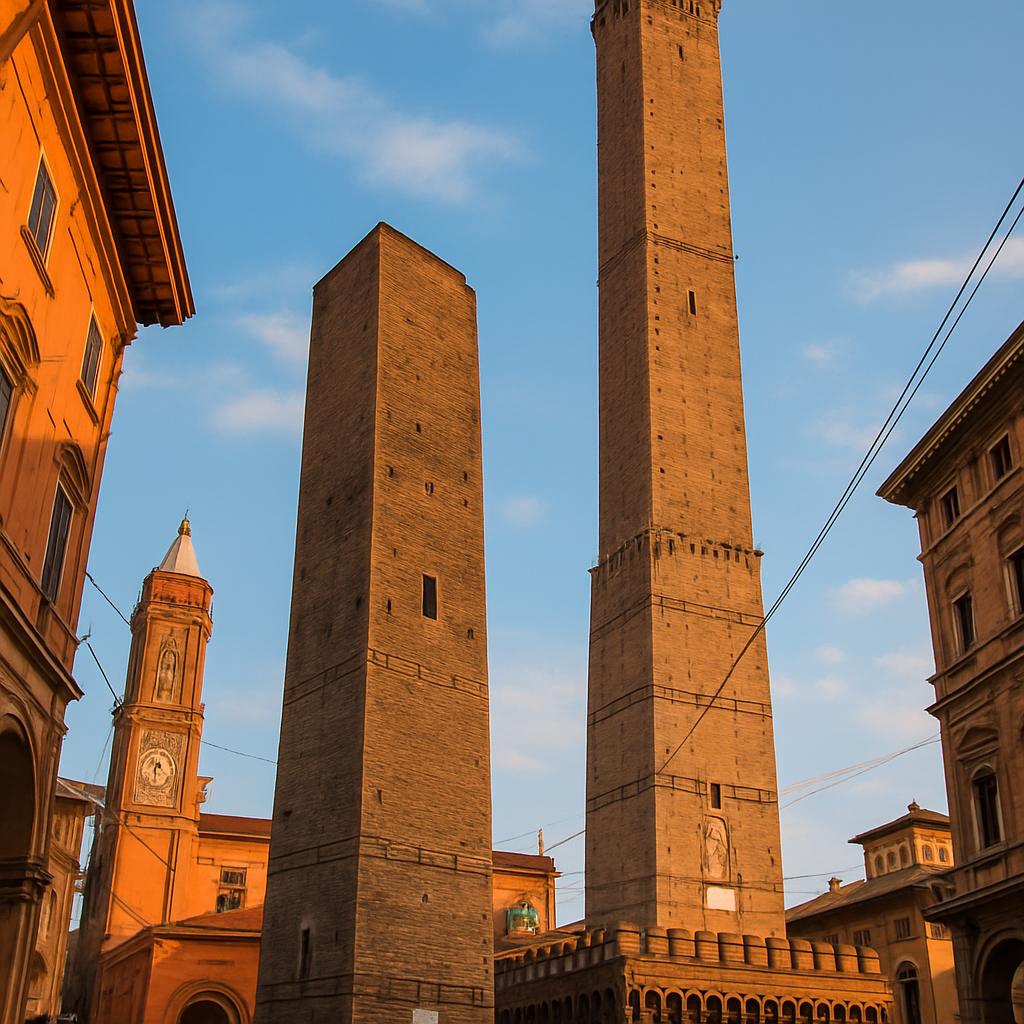
Climb the Asinelli Tower
498 steps up a 12th-century medieval tower, 97.2 meters above the city — the surviving icon of a skyline that once held dozens of tower-houses. The wooden staircase wraps the interior, the steps are uneven in the best way, and the view from the top is the geography lesson Bologna deserves: porticoes radiating out, terracotta rooftops, hills folding toward San Luca.
Note: Garisenda, the leaning sister tower, has been closed for stabilization works since 2023. Book Asinelli in advance — slots fill, especially on weekends.
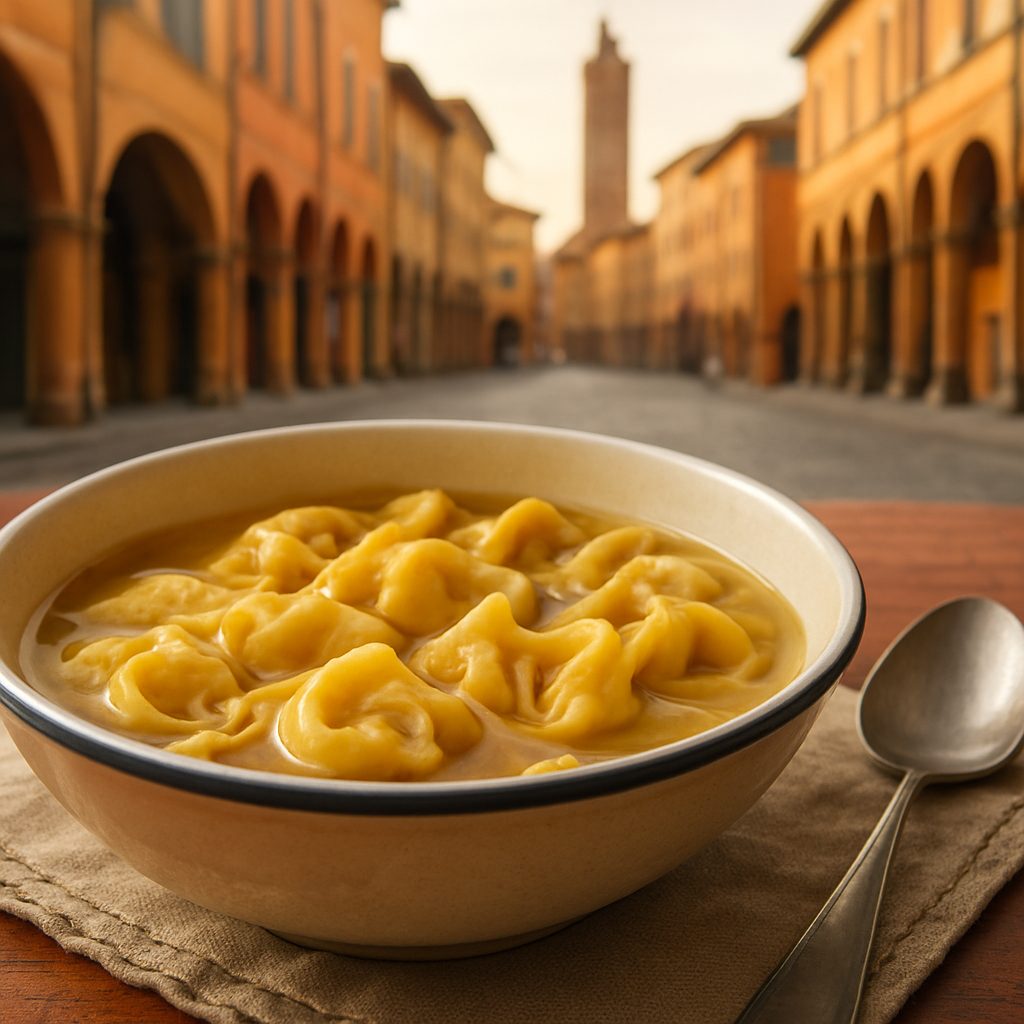
Eat tortellini in brodo at a tiny trattoria
This is the Bolognese rite of passage: tiny meat-filled pasta floating in capon broth, usually eaten in winter, ideally at a trattoria where the menu hasn't changed in decades. Order it at Trattoria di Via Serra in Bolognina (Michelin Bib Gourmand, reservations non-negotiable) or Trattoria Anna Maria in the university quarter, where the pasta is rolled out fresh every morning.
And just so we're clear: it's tagliatelle al ragù, not 'spaghetti bolognese.' You'll get gently corrected if you ask. Take the correction with grace and order a glass of Sangiovese.
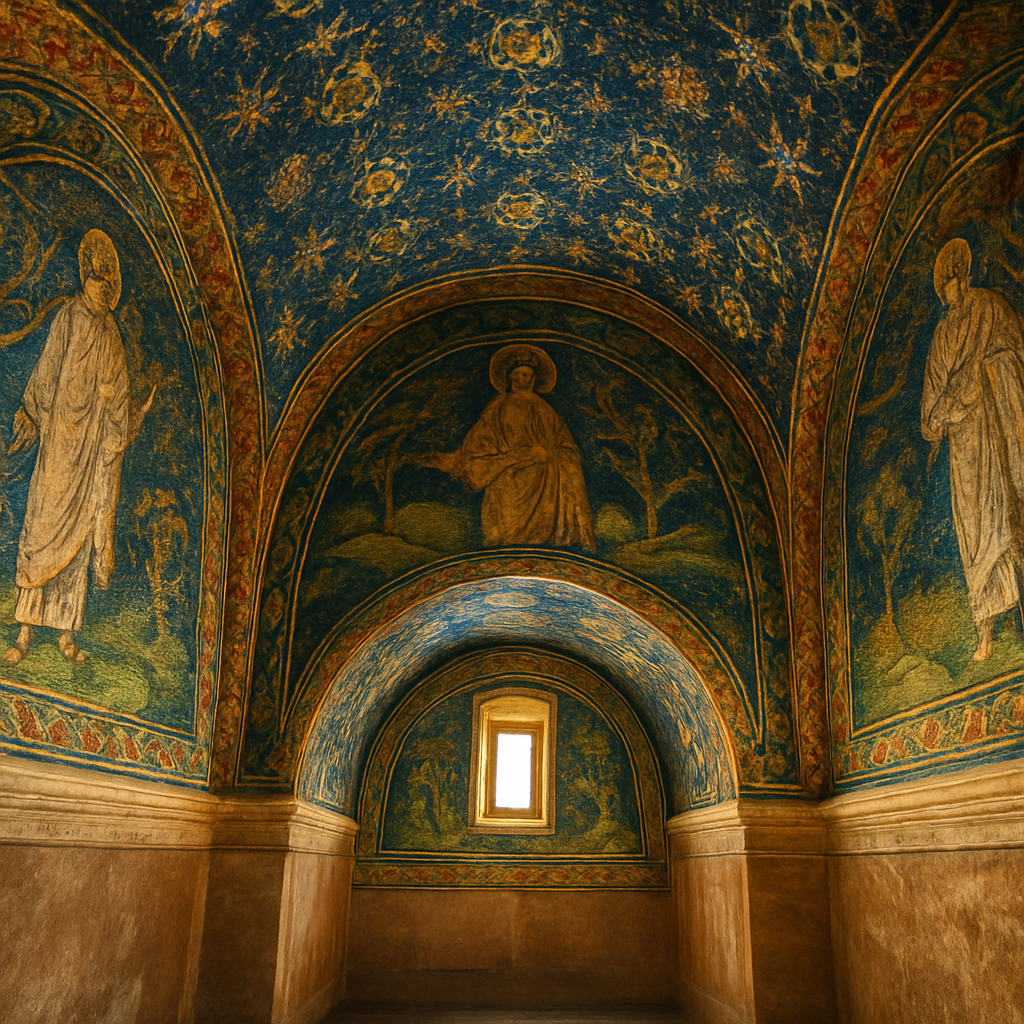
Day-trip to the Ravenna mosaics
70 minutes east on a direct regional train and you're standing in front of 5th and 6th-century Byzantine mosaics that most people only see in textbooks. Eight UNESCO-listed monuments, but the two that matter most are the Basilica of San Vitale and the tiny Mausoleum of Galla Placidia — the latter is one of the most extraordinary small rooms in Europe.
Combined monument ticket runs about €12. Most travelers skip this trip and stick to the food cities. Don't be most travelers — Galla Placidia will recalibrate what you think a ceiling can do.
The places I actually send people to
Advice that fits how you travel
Bologna is one of the easiest Italian cities to land in alone. The centro storico is small enough to walk end-to-end in flats, the porticoes mean you don't need an umbrella, and the city's social default — university quarter, aperitivo culture, leftist politics — runs on conversation. You'll meet people. The hard part is leaving.
The apps work fine here, but the better play is showing up at Cassero on a Friday or Saturday night and letting the room do the work. It's the headquarters of Arcigay — not a club with a gay night, an actual community institution with forty years of receipts — and the crowd skews local, mixed-age, and welcoming to outsiders who aren't there to gawk. Pre-game on Via del Pratello or at Camera a Sud in the Jewish Ghetto, then walk over. Pro tip: get there before midnight or accept that you're queueing.
Budget-wise, Bologna rewards solo travelers more than most Italian cities. Plan on roughly €85–120/day on the budget end, €180–260 moderate. Aperitivo at Mercato delle Erbe is the city in miniature for the price of a spritz, and the trattoria-with-no-menu format at Trattoria di Via Broccaindosso is built for solo diners willing to share a table. Stay near Via Zamboni or in Bolognina for walking access to the scene, and use Gay Help Line Italia if you need anything urgent.
Bologna might be the most underrated couples city in Italy. It's not the postcard romance of Florence or the camera-ready drama of Rome — it's slower, weirder, and built for two people who'd rather eat tortellini in brodo at a six-table trattoria than queue for a museum. Same-sex couples can hold hands around Piazza Maggiore, the centro storico, and the entire university quarter without anyone blinking. PDA comfort is high to very high across the areas you'll actually spend time in.
For the splurge, the Grand Hotel Majestic — the only five-star in central Bologna, an 18th-century palazzo with original Carracci-school frescoes — is the address. If you want something quieter and more art-led, Il Convento dei Fiori di Seta is eight rooms in a 15th-century convent with the owner's curated contemporary art layered over preserved frescoes. For a pure flex, Prendiparte B&B rents you the entirety of a 12th-century medieval tower as a single suite — 60 meters tall, multiple floors, all yours. Hotel check-in for same-sex couples in central Bologna is genuinely a non-event.
Date nights write themselves: cocktails under the 16th-century frescoed ceiling at Le Stanze, dinner at I Portici in a converted 19th-century theater hall (one Michelin star), then a walk along the Cavaticcio Canal back to the hotel. Or pull the Bologna-only move and walk the Portico di San Luca at golden hour — 666 arches uphill, the breeze on the way down, the kind of slow afternoon that ages well. For a getaway-within-a-getaway, Palazzo di Varignana is 15km southeast, an 18th-century villa on 1,600 hectares of vineyards and olive groves with a 5,000 sqm spa. It's where I send couples who want to do Bologna for two days and decompress for three more.
Here's the legal reality up front: Italy doesn't have full marriage equality as of 2026 — unioni civili (civil unions) since 2016, no joint adoption, and the Meloni government has made the legal climate for rainbow families genuinely uncertain. Stepchild adoption has been recognized case by case in courts, but it's not statutory. Famiglie Arcobaleno is the national organization for LGBTQ+ families and the best source for current legal developments, and Agedo runs parent support networks. Practically: if you're traveling with kids, bring full documentation — birth certificates, custody papers, anything establishing parentage — because Italian frontline staff aren't always trained on the patchwork.
That's the law. The reality on the street in Bologna is warmer than the national framework suggests. This is Bologna la Rossa — the most progressive stronghold in the country — and LGBTQ+ families generally observe a welcoming reception in the centro storico, the university quarter, and around Cassero. Two parents of any combination can walk into a hotel, a restaurant, or a museum and not feel like the exhibit. Schools and family services in Emilia-Romagna are typically more affirming than in southern Italy, and the city has a dedicated Diritti LGBTI office at the comune.
Logistically, Bologna is built for kids. The centro storico is walkable, the porticoes mean strollers stay dry, and the food culture is famously kid-forgiving — pasta, pizza, gelato, and trattorie that genuinely like having children at the table. The Quadrilatero market is a sensory afternoon all by itself; MAMbo runs family-friendly contemporary art programming in the former municipal bakery; and the climb up the Asinelli tower (498 steps) is a memorable adventure for older kids. Day trips by train work beautifully — Modena in 30 minutes, Ravenna's Byzantine mosaics in 70. Pro tip: validate your regionale ticket in the little green box on the platform before boarding. The fines are aggressive and unforgiving, and explaining them to a tired six-year-old is its own punishment.
What Bologna actually costs
Flights, visas, and the first 30 minutes
Airport: Bologna Guglielmo Marconi International Airport (BLQ) sits roughly 6 km northwest of the centro storico — close enough that you'll be checking into your hotel within 30 minutes of landing if you move quickly.
Direct routes: BLQ handles approximately 100 direct routes across Europe and select intercontinental destinations. From the UK, you'll find direct flights from London (Heathrow, Gatwick, Stansted), Manchester, and Edinburgh in roughly 2–2.5 hours. From across Europe, expect direct service from Paris, Amsterdam, Frankfurt, Madrid, Barcelona, Berlin, and Zurich among others. From North America, most travelers connect through a European hub — Frankfurt, Paris, or Rome are the most reliable transits. From Australia and New Zealand, plan on at least one stop, typically through Dubai, Doha, or Singapore plus a European hub.
Visa requirements (as of 2026): US, UK, Canadian, and Australian passport holders typically enjoy Schengen visa-free entry for stays up to 90 days within any 180-day period. ETIAS authorization is required from 2026 — it's a quick online application, not a full visa, but you generally won't board without it. EU citizens travel under freedom of movement with no visa or ETIAS required. Always confirm current requirements with the Italian consulate before you fly, as policies can shift.
Airport to city center:
Marconi Express monorail — €11.50, 7–9 minutes direct to Bologna Centrale, running every 7–15 minutes from 5:40am to 11:35pm. This is the move. Fast, reliable, and drops you at the central station with rail connections to the rest of Italy.
Taxi — €20–25 fixed fare to the city center, 15–20 minutes depending on traffic. Surcharges apply at night and on Sundays. The taxi rank at arrivals is well-organized.
Rideshare — €25–35 via FreeNow (which is generally more reliable than Uber in Italy), 15–20 minutes. Uber operates here but coverage is patchy.
BLQ Bus Line (Aerobus) — €6, 20–30 minutes. Largely discontinued in favor of the Marconi Express but still runs as a backup service.
Pro tip: Once you're at Bologna Centrale, you're 30 minutes from Modena, 70 minutes from Ravenna, and about 35 minutes from Florence on the high-speed line. Buy regionale tickets at the green machines and validate them in the little green box before boarding — the fines are aggressive and unforgiving.
Traven's seasonal breakdown
The questions everyone asks
Is Bologna safe for same-sex couples?
Do I need to speak Italian to get by?
When should I visit Bologna?
Is gay marriage legal in Italy?
How much should I budget per day?
What's the best way to get from BLQ airport to the city?
Where do gay travelers stay in Bologna?
Screenshot this before you go
So should you actually go?
Go. Bologna is the Italian city LGBTQ+ travelers consistently underrate, and it's the one I'd send first-timers to before Florence or Rome. The food is generational, the porticoes are a love letter to walking, and Cassero is a reminder that queer institutions can outlast governments. The legal climate at the national level is genuinely uncertain — civil unions only, no marriage equality as of 2026 — but on the ground in this city you'll feel that less than almost anywhere else in Italy. Aim for May, June for Pride, September, or October. Skip August. Eat everything. And get to Cassero before midnight.
Sources & Resources
Official links we reference when compiling this guide. Last verified 2026-05-03.
- Agedo Bologna (Parents of LGBTQ+ children)
- Arcigay (National)
- Bologna Welcome (Official Tourism)
- Cassero LGBTI+ Center
- Comune di Bologna - Diritti LGBTI
- Famiglie Arcobaleno (Rainbow Families)
- Gay Help Line Italia
- Lila Bologna (HIV testing & support)
- MIT - Movimento Identità Trans
- Plus Onlus (HIV/Health Support)
- Rete Lenford (LGBTQ+ Legal Aid)