
Lake Como isn't going to serve you a drag brunch, and it's not pretending to — it's serving you the most categorically romantic landscape in Europe instead, and for most of you that trade will be exactly right.
The light does something particular here around 6pm that I've never seen work quite the same way elsewhere. It hits the water from the west, bounces off the mountains, and by the time it reaches the lungolago in Como city the whole promenade has turned gold and everyone walking along Piazza Cavour looks like they're in the establishing shot of a film nobody's written yet. You order a spritz at the Metropole bar, you watch the passeggiata move past, and you understand within fifteen minutes why people have been coming here for two hundred years.
But let me be honest about what Lake Como is and isn't. My Traven-Dex of 7.2 tells the real story — this is a 9.5 on Destination (one of the highest I've scored anywhere) pinned to a 3.0 on Pulse, which is my polite way of saying there is no gay bar. There is no rainbow block. The community here is diffuse, event-driven, organized by Arcigay Como rather than anchored to a street. If you're looking for a scene you take the 40-minute regional train to Milan's Porta Venezia, and on Saturday night that's exactly what you should do.
What Como gives you instead is a region where same-sex couples blend into the ordinary fabric of lake life without friction. The staff at Villa d'Este in Cernobbio, at Grand Hotel Tremezzo, at the family-run albergo in Varenna — they've been hosting international guests in every configuration for 150 years. Nobody blinks. A reader wrote in to say same-sex couples have been wandering Bellagio's steep carrugi for years without incident, and the locals are too busy directing tourists toward the gelato shop to register anyone's hand-holding as notable.
Eat the missoltino at Ristorante Silvio in Bellagio, where the Ponzini family still fishes the lake themselves. Walk Varenna's Passeggiata degli Innamorati at dusk — the Lovers' Walk, literally named, and the name earns itself. Ride the Navigazione Laghi ferry the way you'd ride a subway in any other city. Lake Como isn't going to serve you a drag brunch, and it's not pretending to. What it serves instead is one of the most categorically romantic landscapes in Europe and a culture where, in the places that matter, nobody at the aperitivo hour is remotely interested in who you're holding hands with. For most of you, that trade will be exactly right.
The stuff your travel guide buries on page 47
Italy occupies a middle ground on LGBTQ+ rights that frustrates everyone a little. As of 2026, same-sex civil unions are recognized under the 2016 Legge Cirinnà, but full marriage is not. Joint adoption for same-sex couples is not legally available, and step-child adoption is handled case-by-case through the courts — inconsistent, slow, and dependent on which judge you draw. Anti-discrimination protections exist but are limited, and the Meloni government has rolled back recognition of same-sex-parented families registered abroad, which matters if you're traveling as an LGBTQ+ family with kids on foreign birth certificates.
Legal gender recognition in Italy still generally requires medical and judicial steps, which creates real bureaucratic friction for trans travelers whose documents don't match their presentation. For on-the-ground support, Arcigay Nazionale is the country's oldest and largest LGBTQ+ organization, with a local Arcigay Como chapter that handles community events and can point you to affirming legal or health resources. For formal discrimination complaints, UNAR is the national office and it's free to access.
Culturally, the law-on-paper and the lived experience diverge in Como's favor. This is northern Italy, with a university, heavy Milan commuter traffic, and a century of international luxury tourism. Staff at most villas, restaurants, and boutique hotels have seen every configuration of couple and registered none of them as remarkable. A reader wrote in to say that same-sex couples planning commitment ceremonies at villas in Cernobbio or Varenna are planning civil unions, not marriages — and most upscale properties extend full hospitality without fine print.
PDA comfort tracks neighborhood by neighborhood. In Como city center, Bellagio, Varenna, and the major luxury-hotel grounds, brief affection is unremarkable. On ferry decks and lakefront promenades, a quick kiss won't draw comment in peak season, though sustained PDA may pull stares in the off-season when the audience is more local than international. In small inland villages away from the lake — traditional Lombard hamlets in the Brianza hinterland — Catholic social norms still shape the room, and discretion is the realistic play. Pro tip: if you want community connection rather than just tourism, time your visit to whatever Arcigay Como has on the calendar that week — the scene here is event-driven, not venue-driven.
What it actually feels like on the ground
Lake Como runs genuinely low-drama for LGBTQ+ travelers, and the practical reality is more generous than the legal framework suggests. This is a destination that's been hosting international honeymooners, film crews, and European nobility for 150 years, and the hospitality infrastructure reflects that. Still, safety on the lake is neighborhood-specific, and it's worth walking through the scenarios honestly.
Holding hands in Como city and the major tourist villages. Along the lungolago in Como, on Piazza Cavour during the aperitivo hour, and through the pedestrian centers of Bellagio, Varenna, and Menaggio, same-sex couples holding hands are unremarkable in practice. The occasional glance from an older local resident happens; actual harassment is genuinely rare. Same-sex couples have been walking the steep carrugi of Bellagio for years without incident.
Hotel check-in. Luxury properties — Grand Hotel Tremezzo, Villa d'Este, Passalacqua, Il Sereno — are professionally discreet and welcoming. Double-bed requests for same-sex couples go through without friction. Smaller family-run albergo-style hotels in Bellagio and Varenna have no documented issues; the family operators have been hosting international guests for generations and your reservation is your reservation.
Taxis and ferries. The Navigazione Lago di Como ferry network is state-operated public transit and fully neutral. Taxis are metered and professional in Como city; pre-booked private transfers to and from the lake villages are the smoother option at night. Brief affection on a ferry deck in peak season is unremarkable; sustained PDA off-season in front of a mostly local audience may invite stares.
Late night and peripheral areas. Como city's historic center is safe into the evening, but the peripheral western edges of the city after midnight deserve the same situational awareness you'd apply in any mid-size European city. The small inland villages off the lake shut down early and trend more conservative — not hostile, but worth reading the room.
Trans travelers. Luxury resort staff along the main lake corridor are generally professional and discreet, and document mismatches at five-star check-in typically pass without comment. Smaller lakeside villages and inland hamlets are less experienced with trans guests; the stares are curiosity more than hostility, but the social texture is different.
Verbal harassment risk. Low in Como city and the international tourist villages. If anything happens anywhere in Italy, UNAR handles sexual orientation and gender identity complaints nationally and the service is free. For formal regional follow-up, the Regione Lombardia anti-discrimination desk provides a Lombardy-specific channel. For legal support, Rete Lenford is Italy's LGBTQ+ legal network. Pro tip: save these contacts in your phone before you arrive — you almost certainly won't need them, but the two minutes it takes is cheap insurance.
The queer geography
Lake Como's LGBTQ+ footprint is diffuse, not districted. There is no gay village here, no single street with a row of bars, no rainbow-flagged block. The community is social and event-driven, organized primarily through Arcigay Como, and the visible scene is something you travel to Milan for. What Como offers instead is a region where same-sex couples blend into the ordinary fabric of lake life without friction. Here's where to point yourself.
Como Centro Storico
Como's walled old town is the actual city — a grid of narrow stone streets anchored by the Duomo di Como, a late-Gothic and Renaissance cathedral that took four centuries to finish and looks it, in the best way. Walk Via Vittorio Emanuele II from the Duomo to the Porta Torre, the 12th-century city gate that still stands at the old Roman perimeter, and you've traced the spine of local life. Piazza Cavour opens the city onto the lake, and at 6pm it becomes the aperitivo stage — tables spilling out from the Hotel Metropole Suisse bar, spritzes everywhere, the passeggiata moving slowly along the lungolago. The local LGBTQ+ community doesn't anchor to a single bar; they adopt welcoming mainstream venues instead, which in practice means the Piazza Cavour waterfront and the osterie around the medieval Broletto. Arcigay Como's film nights and socials rotate between venues — check their channels before you arrive. The evening walk from Piazza Cavour to the Tempio Voltiano is one of the most quietly romantic stretches in Italy.
Bellagio
The postcard village at the tip of the promontory where Lake Como splits into its two branches. Bellagio is all staircase alleys — the locals call them salite — climbing from Piazza Mazzini and the ferry dock up past boutiques, gelaterias, and trattorias to the gardens of Villa Melzi d'Eril, which were among the first English-style landscape gardens ever planted in Italy. The Villa Serbelloni gardens sit on the promontory's high point with views over both arms of the lake. Bellagio is genuinely romantic without being performatively so — same-sex couples wander those steep carrugi without incident, and the locals are too busy directing tourists toward the gelato shop to give anyone a second look. Eat the missoltino at Ristorante Silvio, where the Ponzini family still fishes the lake themselves.
Varenna
Across the water on the eastern shore, Varenna is the quieter, more medieval counterpart to Bellagio — a car-free village of pastel houses stacked against the cliff, reached from the ferry dock only on foot. The walk from the dock along the Passeggiata degli Innamorati (the Lovers' Walk, an actual name, not a translation gloss) is the money shot: a waterside path cut into the rock, arriving at a small piazza where the lake laps at the restaurant terraces. Villa Cipressi and its 15th-century terraced botanical gardens descend to the water. Varenna is also the trailhead for the Sentiero del Viandante, a 45-kilometer medieval mule track running up the eastern shore. Genuinely unbothered territory for same-sex travelers; the albergo operators here have been welcoming international guests for generations.
Cernobbio and Tremezzo
The western shore's luxury corridor. Cernobbio hosts Villa d'Este, a 16th-century cardinal's residence turned hotel since 1873, and the waterfront promenade here is the backdrop to most of the lake's diplomatic summits. Further north, Tremezzo faces Bellagio across the water and holds Villa Carlotta, whose terraced azalea gardens in April and May are, without contest, one of the most breathtaking outdoor spaces in Europe. Grand Hotel Tremezzo, opened 1910, sits on the shore with its floating T Beach pool anchored on the lake surface. These properties actively court upscale LGBTQ+ clientele and staff are professionally discreet.
Porta Venezia, Milan — the day trip that matters
For a proper night out, board the regional train at Stazione di Como San Giovanni and 40 minutes later step off at Milano Centrale. Walk to Porta Venezia, Italy's most concentrated LGBTQ+ district, anchored along Corso Buenos Aires and Via Lecco — cocktail bars, late clubs, queer-owned businesses, and the annual Milano Pride each June drawing over 100,000 participants. For cultural and community context before you go, Gay.it carries current event listings and Italian-language travel intel. Pro tip: the optimal Como LGBTQ+ long weekend runs aperitivo at Piazza Cavour, a Navigazione ferry to Bellagio the next morning, Villa Carlotta in the afternoon, and a Saturday-night train to Porta Venezia. It works every time.
The experiences worth rearranging your itinerary for
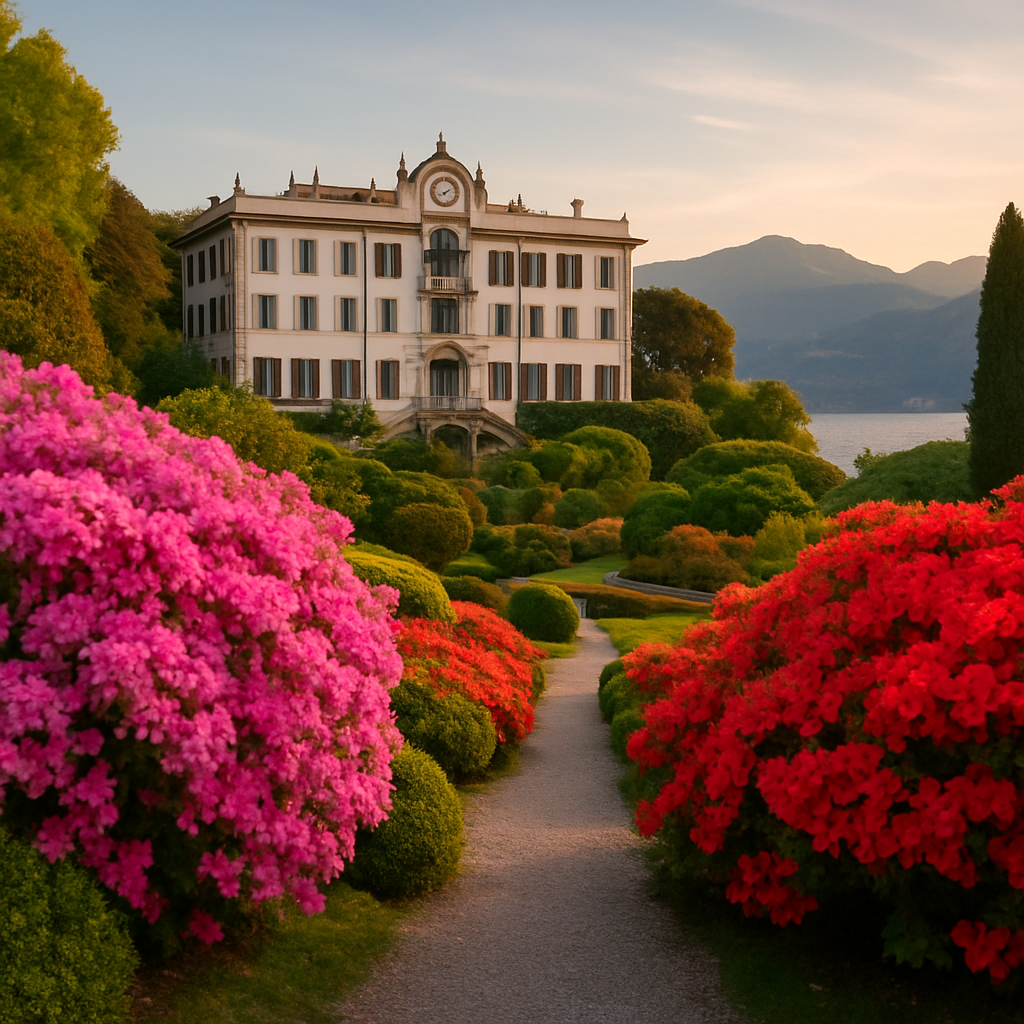
Villa Carlotta's Azalea Gardens in Tremezzo
In April and May, the terraced azalea gardens at Villa Carlotta in Tremezzo ignite — hundreds of varieties layered down the hillside to the lake, with camellias and rhododendrons for cover. Arrive on a weekday morning, take the paths slowly, and book a Tremezzo waterfront table afterward. A community reader called it 'one of the most breathtaking outdoor spaces in Europe,' and I'm not inclined to argue.
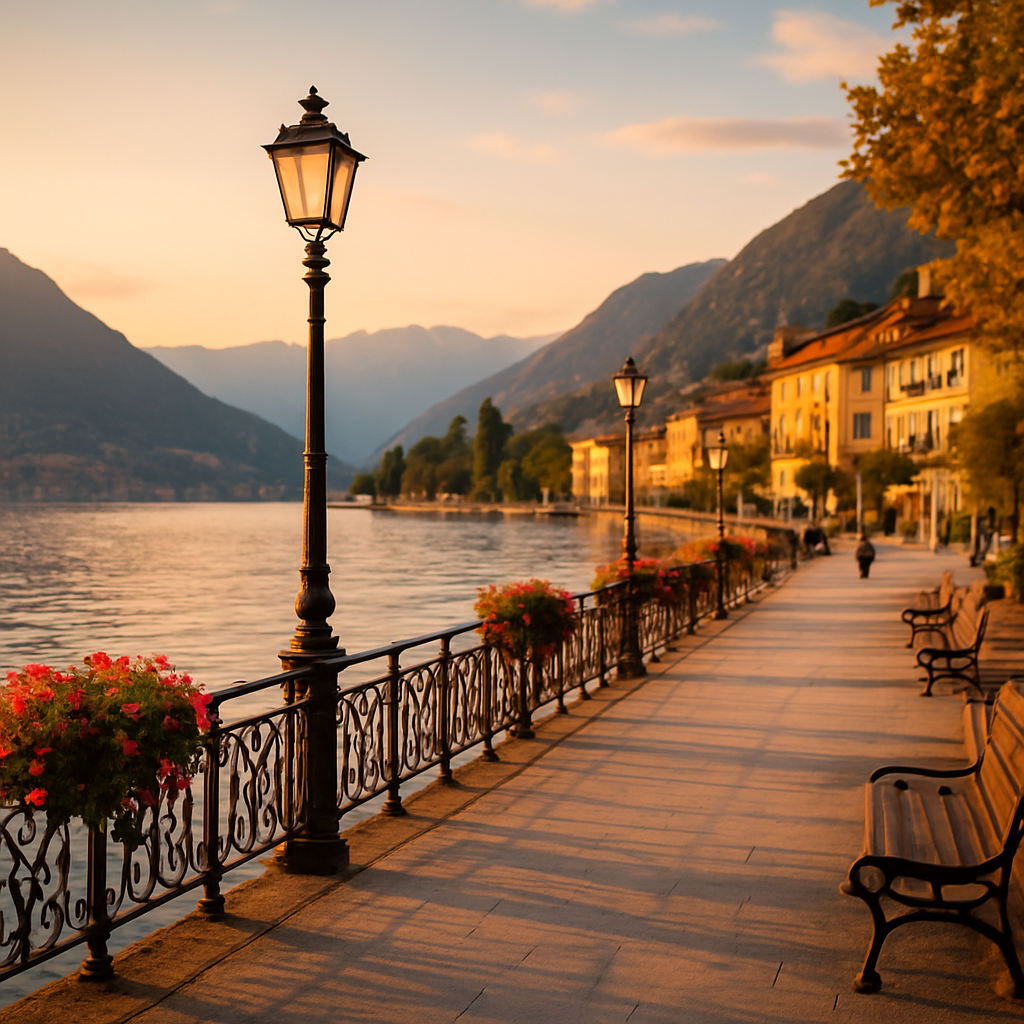
The Evening Passeggiata Along the Lungolago
At 6pm the lungolago wakes up. Start at Piazza Cavour, walk past the Tempio Voltiano (the neoclassical temple to Como-born Alessandro Volta, inventor of the battery), and keep going until the light goes gold on the water. This is one of the most quietly romantic stretches in Italy, and every configuration of couple walks it without a second look.
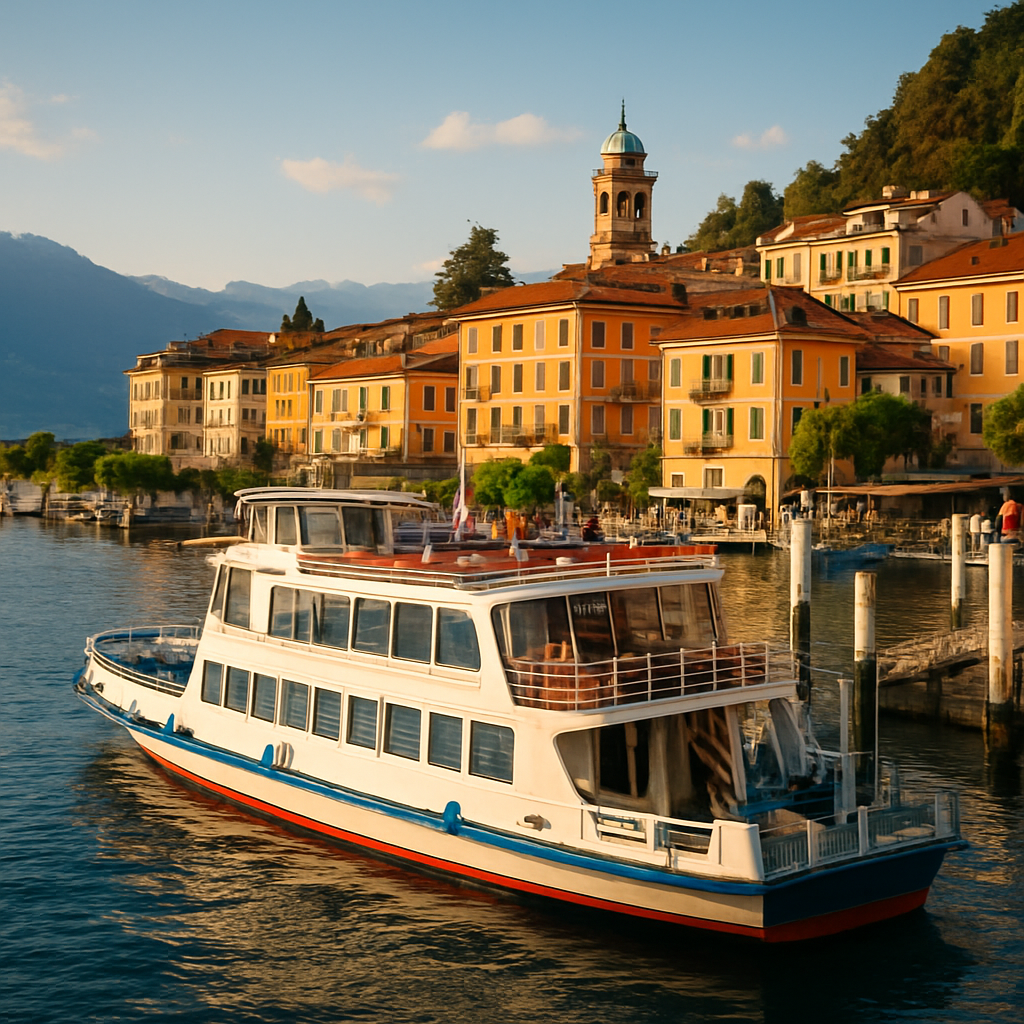
A Full Day on the Navigazione Ferries
Buy a day pass on the Navigazione Lago di Como ferry network and treat the lake like a connected city. Como in the morning, Bellagio for lunch at Ristorante Silvio, Varenna in the afternoon for the Passeggiata degli Innamorati waterside path, and back by dusk. The ferry has been doing this for 150 years and there is no more efficient or romantic way to experience the lake.
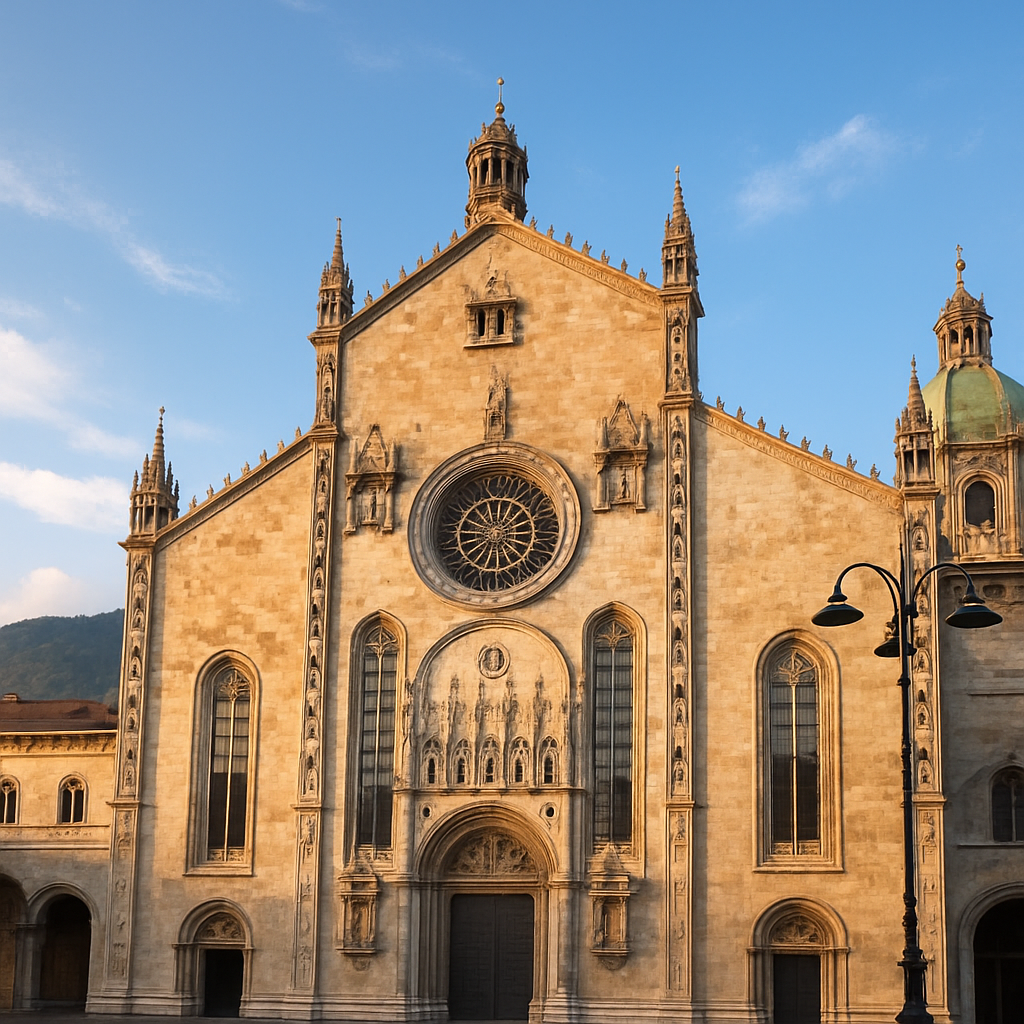
Como's Duomo and Medieval Old Town
The Duomo di Como took four centuries to finish, fusing late Gothic and Renaissance facades in a way that shouldn't work and somehow does. Adjacent is the medieval Broletto, the 13th-century town hall, striped pink-white-grey. Walk from the cathedral out through Porta Torre, the 12th-century city gate still marking the old Roman perimeter, and you've walked the spine of the city.
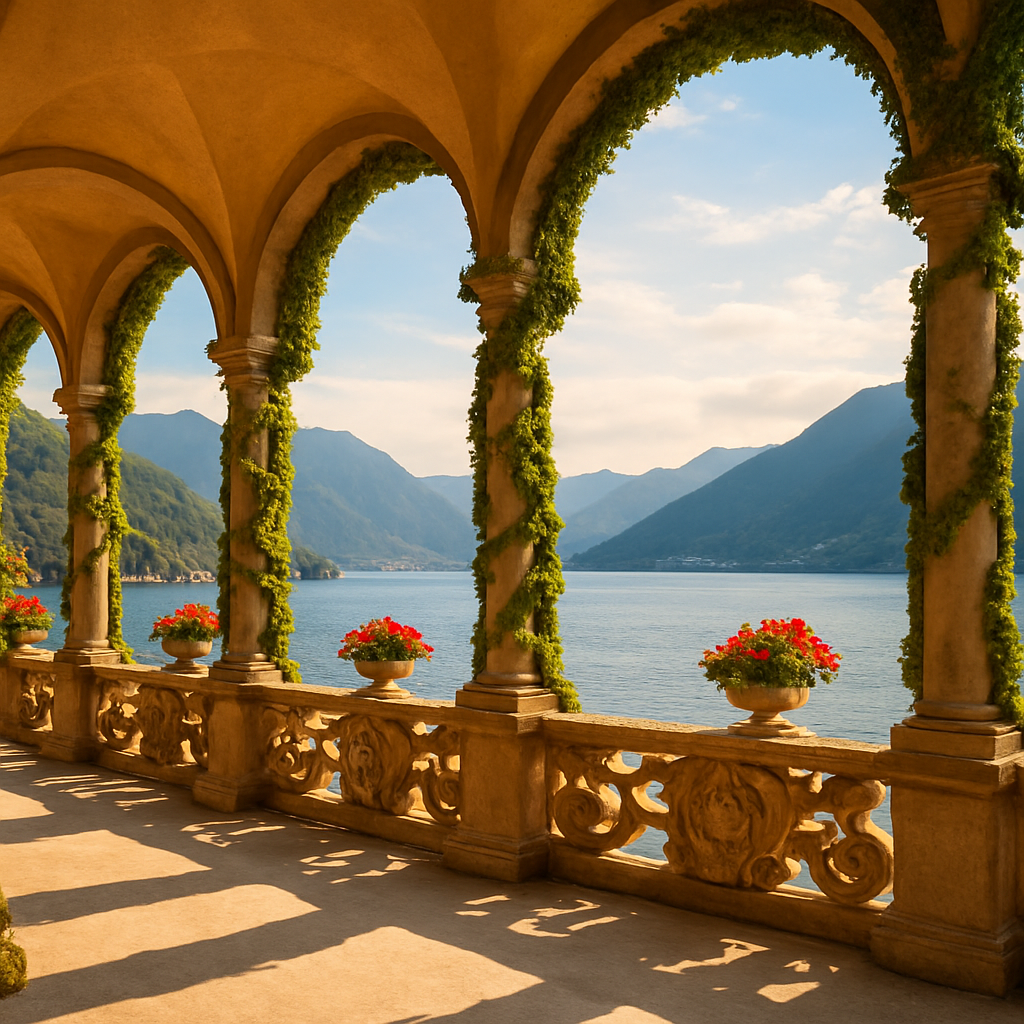
Villa del Balbianello on the Lenno Promontory
An 18th-century villa on a forested peninsula, donated by Everest explorer Guido Monzino to the Italian National Trust, cast in Casino Royale and Star Wars. Reach it by boat from Lenno or on foot via the signed lakeside path. Tour the interior for Monzino's Arctic and Himalayan artifacts, then wander the loggia that photographers have been abusing for decades. Worth every minute.
The places I actually send people to
Advice that fits how you travel
Solo travel at Lake Como has a specific challenge you should understand upfront: this is one of the most couple-oriented destinations in Europe. The ferries, the villa gardens, the aperitivo terraces — they're built for two. That doesn't disqualify a solo trip; it means you go in with eyes open. Como city itself has enough social texture to sustain a solo traveler who wants more than a scenic backdrop — a university population, strong Milan commuter energy along Via Vittorio Emanuele II, and café culture that doesn't require a companion. The lake villages are quieter in a way that can feel peaceful or lonely depending on the day, so plan your time accordingly.
For meeting people and community connection, don't expect a bar scene to do the work. There is no dedicated gay bar in Como city, and the local community connects through events, not venues. Check Arcigay Como's calendar before you arrive — their film nights and social meetups are exactly the low-pressure entry point that works for solo travelers who want to meet locals rather than other tourists. Apps are active in Como city and reasonably so in Bellagio; coverage thins out in the smaller lake villages. For an actual night out with a real scene, the 40-minute regional train from Stazione di Como San Giovanni to Milan's Porta Venezia is the honest answer — and Gay.it carries current event listings and Italian-specific intel worth reading before you board. Pro tip: time a Saturday-night Milan run into your itinerary rather than treating it as optional — the gap between Como's scene and Porta Venezia's is significant.
Budget-wise, solo Lake Como is expensive by design, but not impossible. Ostello La Primula in Menaggio — a Hostelling International property with explicit non-discrimination standards baked into its membership — is essentially the only honest budget accommodation on the lake. A moderate solo day runs around €200–280, which drops considerably if you anchor in Como city and day-trip by ferry rather than paying lakefront-village hotel rates. The Navigazione Laghi ferry day pass earns its cost fast; the weekday menù del giorno at a city trattoria keeps lunch under €15. Solo safety is genuinely low-drama in Como city and the main tourist villages — read the same situational awareness you'd bring to any mid-size European city after midnight in peripheral areas, and you won't have any surprises.
For same-sex couples, Lake Como delivers most of what it promises, and PDA comfort breaks down by location in ways worth mapping before you plan your days. At the luxury hotel grounds — Villa d'Este in Cernobbio, Grand Hotel Tremezzo, Il Sereno in Torno — professionally discreet staff and double-bed requests that go through without friction are the norm. These properties have been hosting international guests in every configuration for generations and the check-in experience reflects that. In Como city's Piazza Cavour and the major tourist villages of Bellagio and Varenna, brief affection between same-sex couples is unremarkable in peak season. On ferry decks and lakefront promenades off-season, when the audience is more local than international, sustained PDA may attract stares — not confrontation, but worth noting. In the small inland hamlets away from the lake, discretion is simply the practical play. None of this should significantly reshape your itinerary; it just tells you where to relax completely and where to be mildly situationally aware.
The most genuinely romantic move on Lake Como for a couple is the ferry circuit, and it doesn't require a five-star budget. Morning coffee on Piazza Cavour, board the Navigazione Laghi service to Bellagio, wander the steep carrugi staircase alleys up past the Villa Serbelloni gardens where both arms of the lake are visible simultaneously, then the ferry across to Varenna for the Passeggiata degli Innamorati — a waterside path cut into the rock on the eastern shore, with that name for a reason. Dinner at Hotel du Lac in Varenna, where the terrace extends over the water. For a special-occasion evening, the bar at Milan's broader scene is always a train ride away, but Villa d'Este's Grill Bar — bookable by non-guests on reservation — is the more quietly memorable option for couples who want to drink inside a 16th-century cardinal's villa without going anywhere at all.
As of 2026, Italy recognizes same-sex partnerships under the Legge Cirinnà civil union framework, not full marriage. If you're considering a commitment ceremony at one of the lake villas — and several do host them — what you're planning is a civil union ceremony, not a wedding in the legal sense. Upscale Como properties extend full hospitality for these events without fine print, but the distinction matters if you're combining a ceremony with legal recognition back home. Most of the lake's family-run properties — Hotel du Lac and Villa Cipressi in Varenna, Hotel Florence in Bellagio — handle same-sex couples as unremarkably as their international reputation demands. Pro tip: for legal context on civil union ceremonies at Italian venues, Rete Lenford, Italy's LGBTQ+ legal network, can clarify what documentation applies to your specific situation.
LGBTQ+ families traveling to Lake Como need to understand the legal context before arriving. As of 2026, Italy recognizes civil unions but not same-sex marriage, and joint adoption is not legally available. More pressingly: the current government has actively curtailed recognition of same-sex-parented families registered abroad, which creates real-world uncertainty if your family documents name two same-sex parents on foreign birth certificates. This doesn't predict a problem at hotel check-in — the lake's luxury properties are professionally discreet — but it means you should carry certified translations of key documents and understand that the legal infrastructure is not currently working in your favor. For family-specific legal guidance, AGEDO (families of LGBTQ+ people) and Arcigay Nazionale both provide resources, and Rete Lenford handles legal questions specific to family recognition. Being prepared doesn't mean assuming the worst — it means the two minutes of advance research is cheap insurance.
On the ground, Lake Como works well for families with children, and LGBTQ+ families move through the tourist infrastructure here without notable friction. The Navigazione Laghi ferries are a genuine highlight for kids — cheap, unhurried, and genuinely exciting in a way that translates across ages. Villa Carlotta's terraced gardens in Tremezzo are stroller-accessible on the main paths and deliver the kind of visual spectacle that impresses even reluctant participants. Villa del Balbianello in Lenno — the Casino Royale villa — has a useful hook for older children who've seen the film. Italian restaurant culture is broadly welcoming to families at the table; most lake trattorias can produce a simple pasta without advance notice, and the menù del giorno format at city restaurants keeps family meal costs manageable.
Practical logistics: strollers work fine on flat ground in Como city and along the lakefront promenades, but the steep carrugi staircase alleys in Bellagio and Varenna involve unavoidable steps — bring a carrier if you have young children and want full access to those villages. Book car-ferry crossings to Bellagio well in advance during July and August; spots fill early in peak season. The shoulder months of May and September are meaningfully better for LGBTQ+ families — lower crowd density, more attentive service, and the full lake experience without the Ferragosto crush. Pro tip: if your trip involves any administrative interaction where family structure might be questioned, having a copy of your civil union or partnership documentation and certified translations of children's documents on hand prevents delays that have nothing to do with Lake Como specifically and everything to do with the current national legal climate.
What Lake Como actually costs
Flights, visas, and the first 30 minutes
You don't fly into Lake Como — you fly into Milan and make your way north. The primary gateway is Milan Malpensa Airport (MXP), approximately 60–75 kilometers from Como city, with connections from major hubs across Europe, North America, and the Middle East. Milan Linate (LIN) is a second option for short-haul European routes, though the transfer to Como is less straightforward. From MXP, you have four realistic options.
Bus (Autostradale / FlixBus) — €15–20, 60–75 min. Direct service from MXP to Como San Giovanni station. Frequent departures, book tickets online before you arrive. This is the best value option for solo travelers and couples without heavy luggage.
Train (MXP → Milano Centrale → Como San Giovanni) — €14–18, 90–110 min. Two legs on Trenitalia — Malpensa Express to Milano Centrale, then a regional service north to Como. Book both legs via the Trenitalia app for the best fares. Pro tip: the Milan Centrale wait is usually 20–30 minutes; build it into your timeline.
Private Transfer / Taxi — €85–135, 45–60 min. Pre-book for a fixed rate. Door-to-door, no luggage juggling, no connection anxiety. If you're arriving late, traveling as a couple, or hauling bags for a long trip, this is worth the premium. The A8 motorway is straightforward and the route doesn't involve city traffic.
Rental Car — €40–80/day + fuel, 50–65 min. The A8 motorway from MXP is simple driving. The problem is the other end: parking in Como city center is genuinely scarce and costly, and in Bellagio, Varenna, and most lake villages, cars are irrelevant once you're there. Rent a car only if you're planning inland excursions or need flexibility in the Brianza hinterland.
Visa requirements as of 2026. Italy is part of the Schengen Area. US, UK, Canadian, and Australian passport holders typically enter visa-free for stays up to 90 days within any 180-day period — note that ETIAS registration is generally required for non-EU visitors before travel; check the official ETIAS portal ahead of your trip. EU passport holders have full freedom of movement and generally need no additional documentation beyond a valid ID. Visa rules can change; always verify current entry requirements with your government's travel advisory before booking.
Traven's seasonal breakdown
The questions everyone asks
Is there a gay scene on Lake Como itself?
Is it safe for same-sex couples to hold hands?
Can same-sex couples get married at a Lake Como villa?
How do I actually get around the lake?
When should I avoid visiting?
Do I need to speak Italian?
How much should I budget per day?
Screenshot this before you go
So should you actually go?
Go — but go with the right expectations. Lake Como isn't a gay destination in the scene sense, and anyone who tells you otherwise is selling something. What it is, unambiguously, is one of the most beautiful places on earth to spend four days with someone you love, eating fish caught that morning, watching the light go gold on the water at 6pm, and pairing it all with a Saturday-night train to Milan's Porta Venezia when you want an actual night out. Come in May, June, or September. Buy the ferry pass. Book a lakefront room in Varenna or a splurge at Grand Hotel Tremezzo. Take the Saturday train. LGBTQ+ travelers have been making Lake Como work as a destination for generations, and with the right itinerary, the 7.2 I gave it overachieves in ways a score can't fully capture.
Sources & Resources
Official links we reference when compiling this guide. Last verified 2026-04-14.
- AGEDO – Families of LGBTQ+ People Italy
- Arcigay Como (Local Chapter)
- Arcigay Milano (Nearest Major Chapter)
- Arcigay Nazionale (National LGBTQ+ Organization Italy)
- Comune di Como (Official City Website)
- Gay.it – LGBTQ+ Italy News and Travel
- Milano Pride
- Parks – Liberi e Uguali (LGBTQ+ Workplace Equality)
- Regione Lombardia – Sportello Antidiscriminazione
- Rete Lenford (LGBTQ+ Legal Network Italy)
- UNAR – Ufficio Nazionale Antidiscriminazioni Razziali