
Venice doesn't hand you a neighborhood — it hands you a constellation, and once you learn which stars to follow at 6pm on Campo Santa Margherita, the whole lagoon lights up.
Venice hits you in the feet first. The bridges, the worn stone, the way every calle dead-ends into water and forces you to double back — within an hour you've stopped trying to navigate and started trusting the city to deliver you somewhere. It almost always does. That surrender is the whole trick, and the reason a 9.5 on Destination in my Traven-Dex barely feels generous.
What surprised me most on my last visit wasn't the postcard stuff — the Basilica di San Marco at dawn, the Grand Canal opening up at Ponte dell'Accademia, all of that earns its reputation — it was the northern edge of Cannaregio around aperitivo hour. Fondamenta della Misericordia in early evening is laundry strung over water, kids kicking footballs off the bridges, bacari starting to fill with a loose, unbothered crowd that leans creative and young-ish. Nobody is performing for anyone. Walk it once and you understand why the Scene number lands where it does despite a resident population that couldn't fill a mid-size neighborhood in Berlin.
The scene here isn't a village — it's a constellation. Campo Santa Margherita in Dorsoduro is the gravitational center, Il Caffè Rosso on the corner pulling Ca' Foscari students and visiting gays onto the same stone square at 6pm sharp, spritz in hand, the whole thing unfolding without announcement. Piccolo Mondo near the Accademia is as close as the historic island keeps to a dedicated gay bar, and Paradiso Perduto on the Misericordia has been quietly holding a cross-section of the community together since the 1970s. If you need club nights past 2am, you cross the Liberty Bridge to Mestre — that's the trade-off of a city built on 118 islands with roughly 50,000 permanent residents.
Italy as of 2026 is not the friendliest national backdrop — civil unions yes, full marriage and joint adoption no, and the political weather has been cooler since 2022. Venice absorbs almost none of that in practice. The tourist density, the student population, the century of international traffic — it adds up to a city where holding hands down the Zattere at sunset is generally the least interesting thing anyone's doing. Go in May or September, skip July and August, and let the place do its work.
The stuff your travel guide buries on page 47
Italy recognizes same-sex civil unions — unione civile — enacted in 2016 and granting most of the legal protections of marriage. Full marriage equality does not exist as of 2026, and joint adoption by same-sex couples remains unavailable under national law, with the Meloni-led coalition having actively curtailed recognition of same-sex parent families since 2023. For the current state of Italian LGBTQ+ law and ongoing litigation, Rete Lenford is the legal network to know.
Anti-discrimination protections exist but are generally considered limited as of 2026 — sexual orientation and gender identity are not comprehensively covered under national hate-crime law, and a proposed expansion (the Zan bill) failed in 2021. Italy's national anti-discrimination office, UNAR, handles complaints and reporting. Legal gender marker changes typically require court approval and medical documentation; self-ID does not exist under Italian law as of 2026.
On the ground, Venice behaves like the tourist-saturated international city it is. Public displays of affection between same-sex couples are generally unremarkable in San Marco, around Rialto, through Dorsoduro, and on the Lido — the crowds are too global for anyone to blink. In Cannaregio and Castello, low-key affection is comfortable; conspicuous PDA may draw the occasional glance in quieter residential pockets. On Murano and Burano, where the resident population is older and more traditional, discretion outside tourist-facing areas is the smarter observational call.
Pro tip: Venice floods. Acqua alta season runs roughly October through January, and knee-deep water can reshape an afternoon with minimal notice. Download the Comune's flood alert system via the Comune di Venezia and book accommodation above ground level if you're visiting in the wet months — the rented rubber boots are not a bit.
One more thing worth knowing: if your dates overlap with the Venice International Film Festival on the Lido in late August or early September, the city's tone shifts. The festival has awarded the Queer Lion for the best LGBTQ+-themed film since 2007, and the international crowd it draws skews noticeably welcoming. For broader European legal context, ILGA-Europe publishes the annual country-by-country rainbow review.
What it actually feels like on the ground
Holding hands. In San Marco, around Rialto, along the Zattere, and on the Lido, same-sex couples holding hands is generally a non-event — the international tourist density means nobody is paying attention. In Dorsoduro, particularly around Campo Santa Margherita and the university quarter, it's equally comfortable. In the quieter residential stretches of Castello and on Murano or Burano, you may draw the occasional look; nothing reported as threatening, just the reality of small island communities with long-rooted residents.
Hotel check-in. Venice's tourist economy has been moving same-sex couples through its doors for decades. You shouldn't have a problem at any of the hotels in this guide, and I've not seen credible reports of friction in the broader hotel stock. One bed, two names, no drama.
Taxis and vaporetti. Venice has virtually no road traffic on the historic island — movement is water taxi, vaporetto, or your own two feet. Water taxi operators are used to every flavor of traveler. On the vaporetto, you're packed in with tourists from thirty countries; anonymity by crowd.
Beaches and public spaces. The Lido during summer and Film Festival season tends to be cosmopolitan and relaxed. The campi across Dorsoduro and Cannaregio are generally fine at all hours. I'd be more observationally cautious about conspicuous PDA in the quieter residential pockets of Castello late at night — not because of any specific reported risk, but because the street is yours alone and sightlines are long.
Late night. Here's what Venice does better than almost any city I've covered: the calli at night feel intimate precisely because they're so narrow, and with no cars and typically minimal street crime reported, walking hand-in-hand through Dorsoduro at midnight is one of the quietly romantic things this city offers. Stick to populated routes if you're disoriented — Venice's geometry is designed to humble you.
Trans travelers. Italy's framework for legal gender recognition remains medicalized and court-dependent, and as of 2026 the national political climate around trans rights is not improving. Venice itself, as a tourist city, tends toward live-and-let-live in practice, but trans travelers should carry documentation that matches what's on their booking and travel papers. For Venice-area support and connections, Arcigay can route you to the local Tralaltro Venezia chapter. For families navigating Italy's shifting recognition climate, AGEDO is the national support network for families of LGBTQ+ people.
Verbal harassment. Uncommon in my experience and in community reporting, particularly in the tourist core and Dorsoduro. Italy's far-right has made political gains nationally, and Venice is not a bubble from that reality — if something happens, Parks Liberi e Uguali and the national Arcigay network maintain reporting and workplace inclusion infrastructure you can access. One reader wrote in to say Italy's national anti-discrimination hotline through UNAR is worth saving if you're spending extended time in the region — they handle complaints about services, accommodation, and employment and can route you to Rete Lenford for legal follow-up.
The queer geography
Dorsoduro
If Venice has a center of gravity for the community, this is it. Dorsoduro runs along the southern edge of the main island, bookended by the Gallerie dell'Accademia and the Peggy Guggenheim Collection on one side and the long sun-bleached promenade of the Fondamenta delle Zattere on the other. Ca' Foscari University sits in the middle of it, which means the streets skew younger, the wine bars stay open later, and the evening energy has an arty, unhurried quality you don't get in the tourist core.
Your home base is Campo Santa Margherita — a long, broad campo that functions as Venice's most openly inclusive social square. Arrive by 6pm on a warm evening, grab a spritz at Il Caffè Rosso on the corner, and you'll understand within ten minutes why locals defend this square against gentrification so fiercely. Piccolo Mondo, tucked near the Accademia bridge, is the closest Venice gets to a dedicated gay bar — small, late, unpretentious, and a reliable starting point if you want to meet queer locals rather than the hotel crowd. During the day, walk over to Cantinone già Schiavi opposite the San Trovaso gondola squero for the best cicchetti counter in the sestiere.
Cannaregio
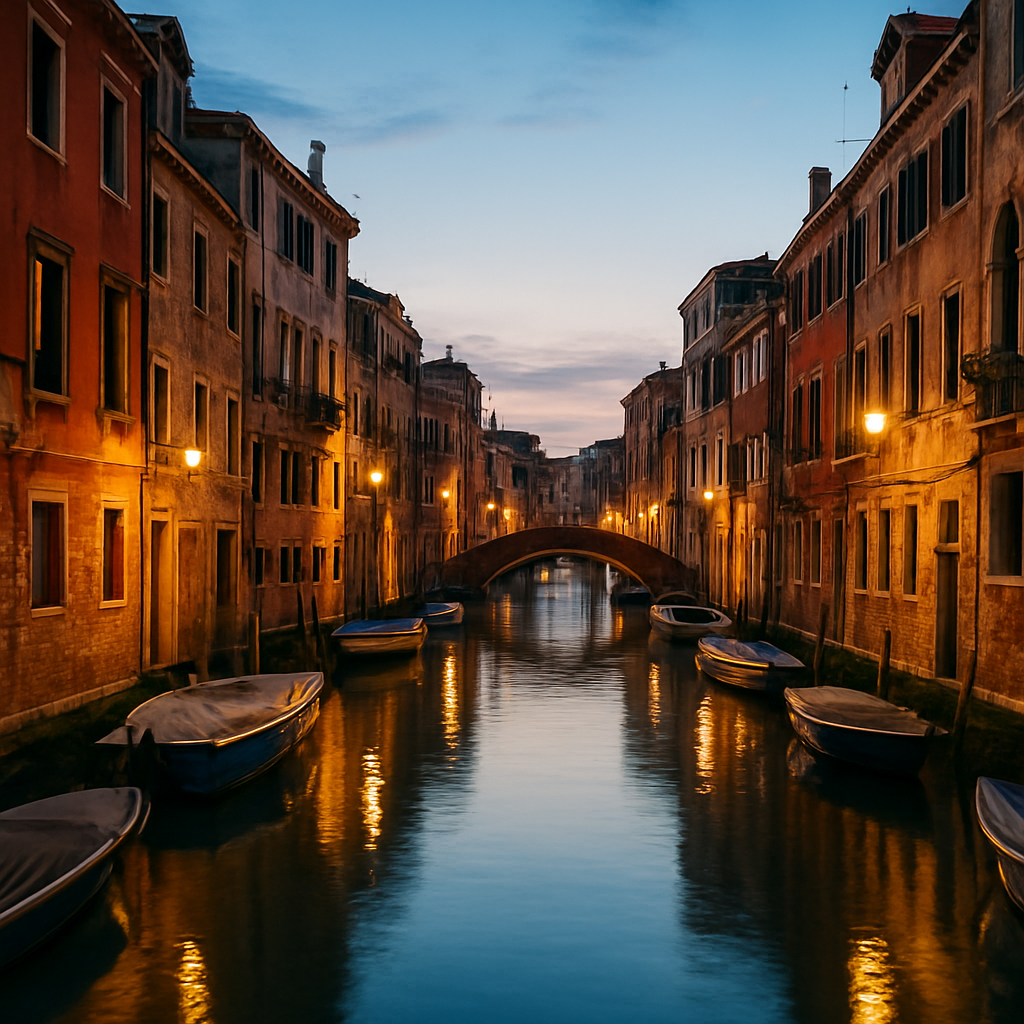
Cross into northern Cannaregio and Venice gets quieter, more residential, and in my opinion more beautiful. The architecture is plainer — working Venetian rather than ducal — and the canals are wider and less trafficked. Walk the Fondamenta della Misericordia in the early evening: laundry over the water, kids kicking footballs off the bridges, bacari starting to fill. This is the best bar strip in Venice and nobody who doesn't live here knows it.
Start at Al Timon, where the moored wooden boat alongside the fondamenta functions as extended seating — plate of cicchetti, glass of natural wine, watch the light go. Then Paradiso Perduto for late jazz and seafood, a bar that has been a gathering place for Venice's bohemian and queer communities since the 1980s. Vino Vero on the same strip is where the natural wine crowd spills onto the canalside. None of these are gay bars. All of them are the kind of place where no one blinks at anything, which is frequently what you actually want.
Castello and the Giardini
Eastern Castello is the Venice most tourists never reach. Past the Arsenale, the calli open up, the laundry lines multiply, and the city becomes a functioning neighborhood again. The draw here is the Giardini della Biennale, home to the 29 national pavilions of the Biennale Arte Venezia since 1895 — an institution that has programmed LGBTQ+ artists as national representatives for decades and commissioned overtly queer work across multiple editions. In odd years it's the art Biennale; even years, architecture. Both are essential.
While you're here, book ahead at Osteria alle Testiere — 24 seats, two seatings, Michelin Bib Gourmand, a lagoon-fish menu that will recalibrate what you think Venetian cooking can do. For the civic and cultural calendar that anchors all of this, the Comune di Venezia keeps the public-facing schedule; the local chapter of Arcigay — Arcigay Tralaltro Venezia — is the connective tissue of community life here, organizing Venice Pride and the year-round programming the historic island is too small to sustain on its own. For news and what's-on in Italian, Gay.it is the standard.
Mestre (mainland)
Here's the secret most Venice guides don't tell you: the historic island has roughly 50,000 permanent residents, which simply cannot sustain a full nightlife ecosystem. If you want gay bars, club nights, and the kind of scene that lasts past 2am, cross the Liberty Bridge to Mestre. It's a 15-minute train or bus from Santa Lucia, and it's where the actual late-night infrastructure lives — El Refolo is the local landmark, and a reader told me their social channels are the best way to find one-off circuit nights across the wider Veneto. Friday nights are the night. Adjust your expectations — this is unglamorous mainland Italy, not postcard Venice — and you'll have a much better evening than fighting for a nightcap back on the island.
The experiences worth rearranging your itinerary for
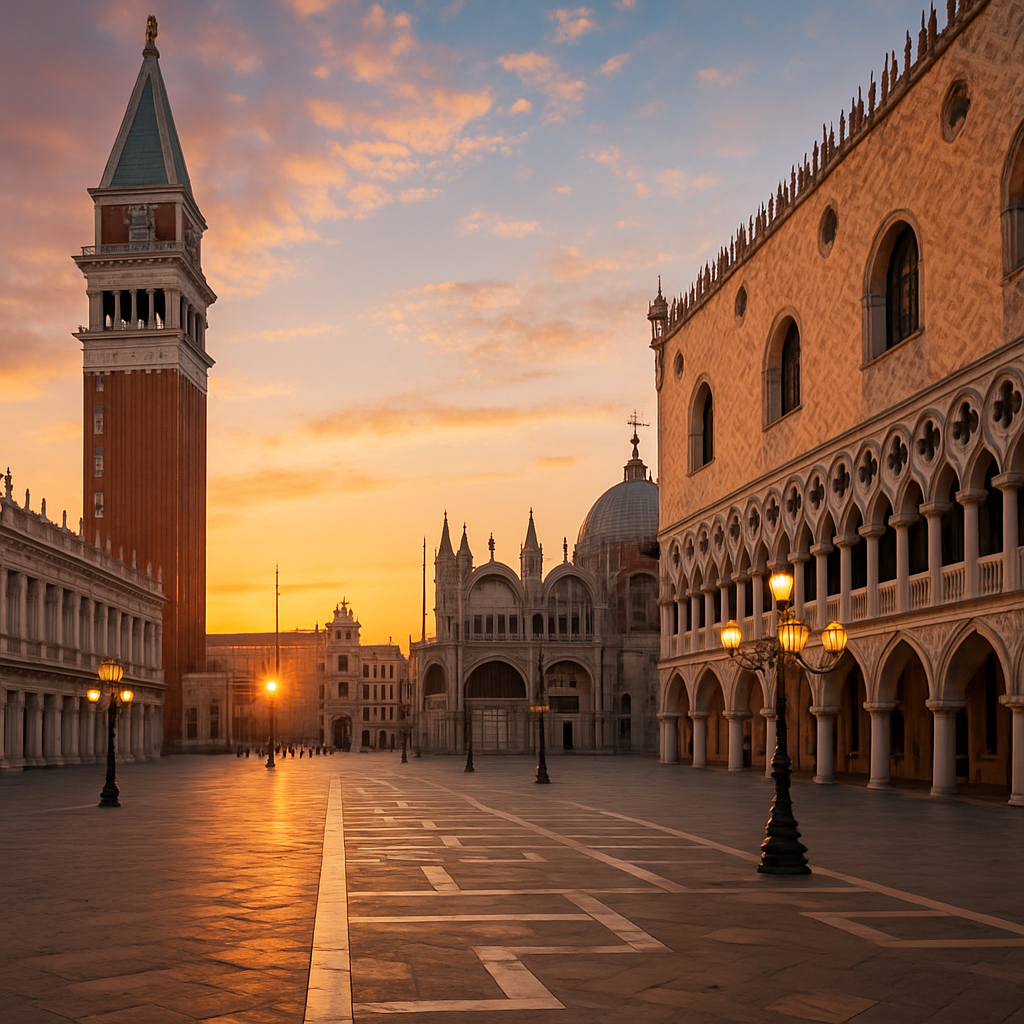
Basilica di San Marco and the Piazza at Dawn
Get to Piazza San Marco before 8am. The crowds haven't arrived, the pigeons are still debating territory, and the gold mosaics inside the Basilica actually read as gold — not as tourist-filtered beige. The square is the most famous in Europe, and for about forty-five minutes each morning, you can have it.
Walk the arcades, look up at the Campanile, then step inside the Basilica (free entry, modest dress required) before the queue snakes around the building. After, claim an outdoor table at one of the cafés under the arcades and pay the legendary markup for an espresso. Worth it, once.
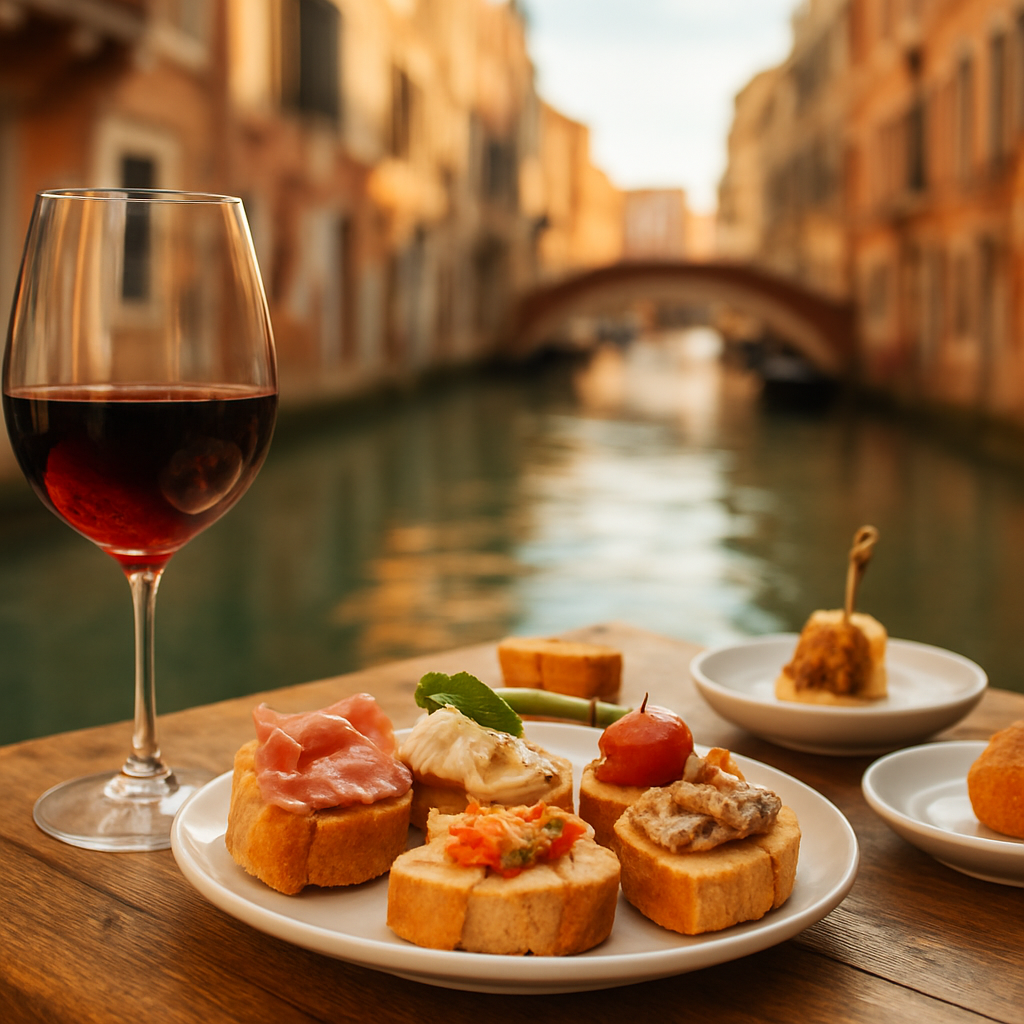
A Cicchetti Crawl Through Dorsoduro
Start at Cantinone già Schiavi opposite the San Trovaso gondola squero — order an ombra of white and two or three of the house crostini (anchovy and butter, pumpkin and ricotta). Take them outside, stand on the fondamenta, watch the gondolas get repaired across the water.
Then walk toward Campo Santa Margherita, stopping wherever looks good. Finish on the Zattere waterfront with the sun going down over the Giudecca Canal. This is the most Venetian meal you can assemble, it costs almost nothing, and it is what you will tell people about when you get home.
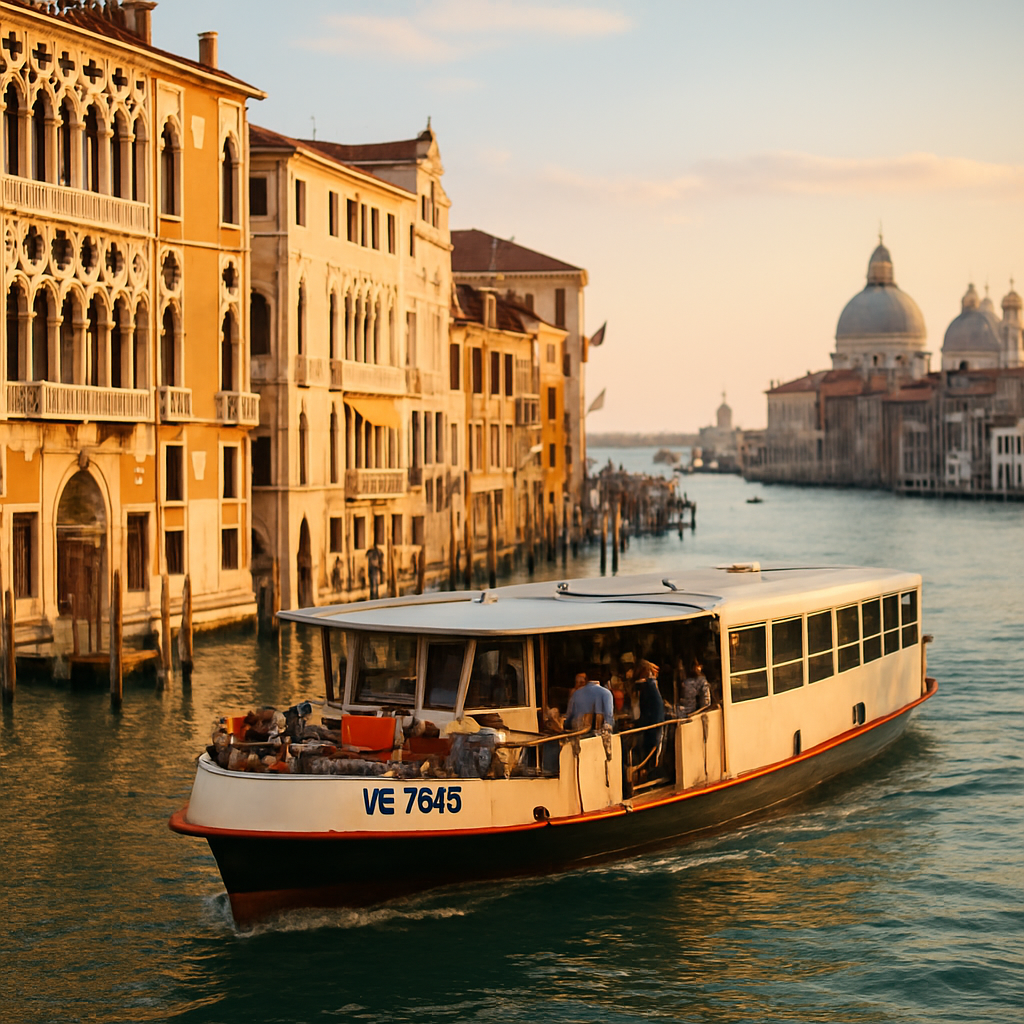
Vaporetto Line 1 the Length of the Grand Canal
Skip the gondola if the price makes you flinch. Board Vaporetto Line 1 at Piazzale Roma or Santa Lucia and ride it all the way to San Marco or the Lido. It stops at every dock, which means the Rialto Bridge, Ca' Rezzonico, and the Peggy Guggenheim drift past in sequence, and the light off the canal on a clear afternoon is ridiculous.
Grab a seat at the front or back if you can. A 24- or 48-hour pass pays for itself within a day, and this particular ride is the single best orientation to the city's geometry you can give yourself.
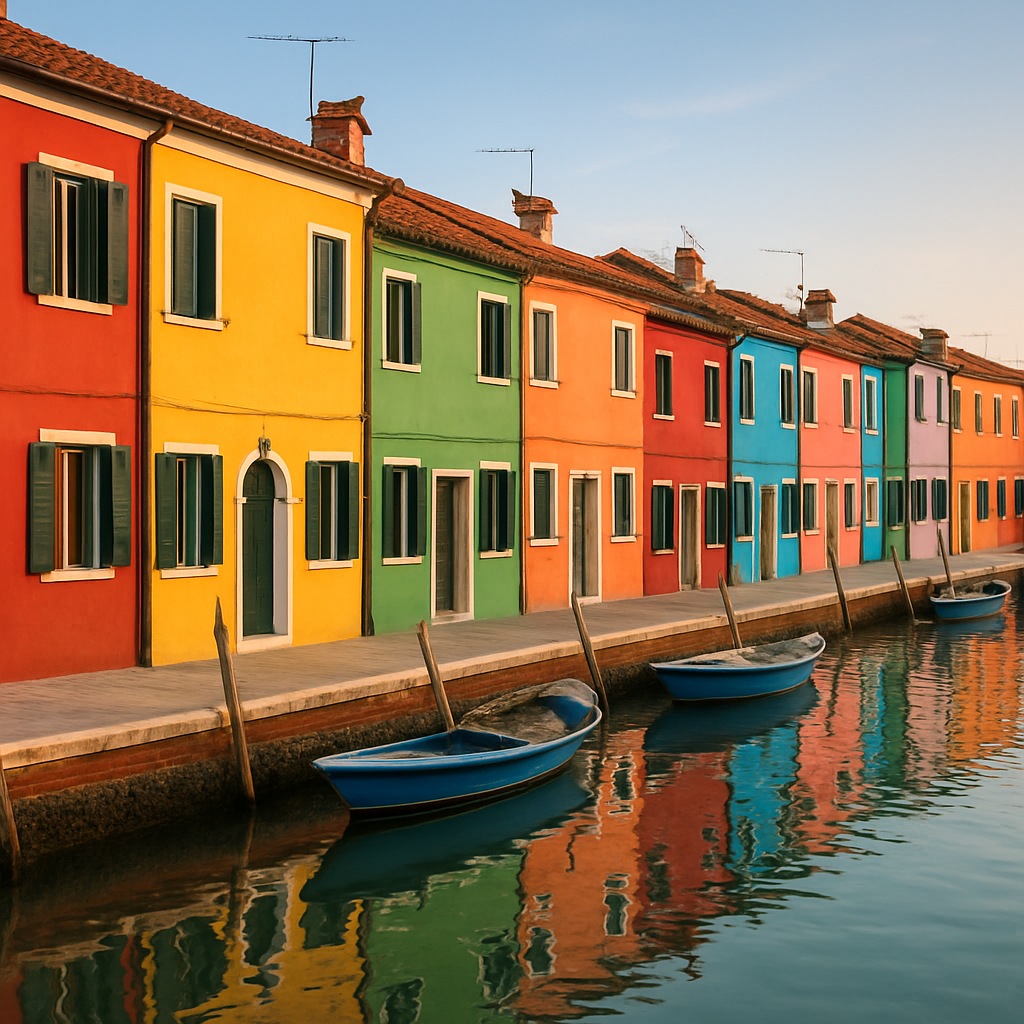
A Day on Burano and Torcello
Take the vaporetto north from Fondamente Nove and give yourself a full day on the lagoon islands. Burano is the one with the candy-colored fishermen's houses — pink, cobalt, mustard, repeat — and a lace-making tradition that predates the Republic. Have lunch at a fish trattoria on the main canal; order the risotto di gò.
Then catch the five-minute connector to Torcello, where there's almost nothing left except the 7th-century Basilica of Santa Maria Assunta and its Byzantine mosaics. That emptiness, after Venice's density, is the point.
A Weekend Jazz Night at Paradiso Perduto
Paradiso Perduto on the Fondamenta della Misericordia has been doing this since roughly 1979 — live jazz and world music on weekends, excellent Venetian seafood, and a genuinely mixed crowd that leans creative and welcoming without making a production of it. It's been a community gathering place across decades of Venice's changes, which you feel the second you walk in.
Go on a Friday or Saturday, book ahead, and plan to stay late. The music starts around 10pm and the room gets loose; order the cuttlefish and another carafe of house white and don't check the time.
The places I actually send people to
Advice that fits how you travel
Venice is a strange city to be solo in, and I mean that as the highest compliment. The place is so visually relentless — every calle dead-ends into water, forces you to double back, and delivers you somewhere you weren't expecting — that wandering without anyone to narrate it to becomes genuinely meditative. You notice things couples miss. Grab a 48-hour vaporetto pass on arrival, pick a sestiere you don't know on day two, and get properly lost. The city will deliver you somewhere good. It almost always does.
The social infrastructure is better than Venice's modest scene suggests. Campo Santa Margherita in Dorsoduro is your nightly anchor — stand outside Il Caffè Rosso at 6pm with a spritz and you'll have a conversation before the ice melts. Every bar worth visiting in Dorsoduro is within a five-minute walk of that square, and it stays lively from late morning past midnight without ever feeling threatening. The bacaro culture works in your favor: ordering cicchetti at a marble counter puts you shoulder-to-shoulder with strangers by design, and a solo traveler in a good Venetian bar rarely stays quiet long. The apps are active — you're more likely to connect with visiting gays than with locals on the historic island, but the mix makes for interesting evenings. For community events and real-time intelligence, check Arcigay Tralaltro Venezia's social channels before you arrive; they're more current than any travel guide and the fastest way into what's actually happening on the ground.
Budget-wise, the city is expensive but manageable with the right base. Generator Venice on Giudecca — a converted historic granary with a waterfront terrace facing the Zattere — is the smartest solo play at the budget end, from €35 a dorm bed, with the brand's documented inclusive reputation across its European properties. Solo moderate spending runs approximately €200–260 per day with a private room and a museum or two; a 48-hour vaporetto pass costs €20 and removes the per-ride calculation entirely. One thing every Venice guide understates: the historic island has roughly 50,000 permanent residents, which simply cannot sustain club nights past 2am. If late nights are the point, cross the Liberty Bridge to Mestre on a Friday — 15 minutes by train from Santa Lucia station, and that's where the actual scene lives.
Venice manufactures romantic situations with industrial efficiency and has had centuries to perfect the process. Same-sex couples can hold hands comfortably through San Marco, along the Fondamenta delle Zattere, through all of Dorsoduro, and across the Lido — the international tourist density in those zones makes you entirely unremarkable. The quieter residential stretches of Cannaregio and Castello are comfortable for low-key affection; you may catch an occasional glance in the smallest residential pockets, but nothing more. The calli at night belong to you.
For the meal you'll be describing to people for years: Osteria alle Testiere in Castello — 24 seats, two evening seatings, a daily-changing menu built entirely on what the lagoon offered that morning, Michelin-cited, run by the same two people since 1993. Book before you board the plane; this is not a walk-in situation. For the evening that builds toward it, walk Fondamenta della Misericordia in Cannaregio at aperitivo hour — laundry strung over the water, the canal strip filling with an unhurried, creative crowd that knows it found something most tourists don't — and end the night at Paradiso Perduto for live jazz and a carafe of house white. For accommodation that actually earns its place in the trip, Oltre il Giardino in San Polo — six rooms, a private walled garden, a 17th-century palazzo steps from the Basilica dei Frari — is the room I'd book for two people who want to do Venice properly.
The gondola question: yes, once, but on your terms. Standard rate runs €80–100 for 30 minutes — book directly with a gondolier rather than through your hotel's desk, go in early evening, and take the internal canals over the Grand Canal where vaporetti will interrupt the mood every two minutes. My honest recommendation, though, is the private water taxi arrival from the airport — €110–140, your boat pulling directly to your hotel's canal dock at night, the city quiet, the lights doubled on the water. That's the arrival you came for, and it sets the tone for everything that follows better than any gondola ride can.
Italy's unione civile — enacted in 2016 — gives same-sex couples most of what marriage provides in daily legal life, but full marriage equality does not exist as of 2026. Joint adoption by same-sex couples remains unavailable under Italian national law as of 2026, and the Meloni government has actively curtailed recognition of same-sex parent families since 2023; worth knowing if any official matter surfaces during your stay. In tourist Venice, none of this registers at the level of hotels, restaurants, or public spaces — LGBTQ+ families move through the city without drama, and I haven't come across credible reports of friction at any venue in this guide. For families navigating Italy's shifting recognition landscape, AGEDO is the national support network for families of LGBTQ+ people and maintains current guidance on practical rights.
The city is genuinely excellent for children in ways that aren't obvious until you're there. There are no cars on the historic island, which means kids move freely without road risk — a fact that becomes immediately liberating about ten minutes after arrival. The vaporetto system fascinates anyone under twelve; children under 6 typically ride free, and the boat routes double as a geography lesson the city provides for nothing. A day on Burano and Torcello — candy-colored fishermen's houses, a fish lunch at a canalside trattoria, Byzantine mosaics in a 7th-century basilica — is one of the best family day trips in Italy, requires almost no planning, and is what small children will describe to their teachers for months. A glass-blowing workshop on Murano holds school-age attention for a solid 45 minutes, and the Peggy Guggenheim Collection (€15 adult admission, family programming available) is manageable in 90 minutes without anyone losing their composure.
One practical reality every family guide understates: Venice is brutal for strollers. The historic island has hundreds of bridges, almost all with steps and no ramps, and a wheeled pushchair will exhaust you before lunch. A front carrier or structured backpack for children under three makes the city genuinely accessible in a way a stroller never will — plan around this before you pack. An apartment rental in Dorsoduro or Cannaregio — kitchen for breakfast, a base in the most walkable sestieri — is almost always the better call over a hotel room for families staying more than two nights. Moderate family spending runs approximately €510–640 per day; look at serviced apartments in Cannaregio for the best combination of value, space, and location without leaving the historic island.
What Venice actually costs
Flights, visas, and the first 30 minutes
Airport: Venice arrives via Marco Polo International Airport (VCE), sitting on the mainland edge of the lagoon roughly 8km from the historic island. Approximately 100 direct routes serve it, with solid connections across Europe and seasonal long-haul links. Here's the thing about getting from the airport to your hotel that no other city can say: there is no road into the historic island. Your options are water, or a landside bus to Piazzale Roma followed by a vaporetto — both of which are a more interesting arrival problem than most airports offer.
Visas: As of 2026, US, Canadian, Australian, and UK passport holders can typically enter Italy visa-free for stays of up to 90 days within any 180-day Schengen period. UK travelers should note these are the post-Brexit Schengen visitor rules — not the pre-2021 freedom of movement arrangement. EU citizens generally need no documentation beyond a national ID under freedom of movement. ETIAS electronic travel authorization is expected to be required for non-EU visitors; check current status before you book. Entry is always at the discretion of border officers — verify your government's current travel advisory before you depart.
Alilaguna Water Ferry — €15, ~75–90 min. The scenic way in. Multiple lines serve San Marco, Murano, Zattere, and beyond, and the lagoon crossing at dusk or dawn is something you'll remember. Slow and atmospheric — worth it on arrival if you're not hauling oversized luggage over bridges on a tight clock.
ACTV Public Bus (Line 5 or 15) — €8, ~25 min. The sensible budget option. Gets you to Piazzale Roma on the western edge of the historic island, where you switch to a vaporetto or start walking. Pro tip: buy a 48- or 72-hour transit pass at the ACTV windows here before you board anything — it pays for itself within the first day and removes the per-ride calculation entirely.
Private Car Transfer — €35–€60, ~20 min. Drops at Piazzale Roma only, because no private cars enter the historic island. Practical for large luggage if you'd rather not navigate the water ferry with bags — just know it ends the same place the bus does.
Private Water Taxi — €110–€140, ~40–50 min. The splurge option, and for groups or serious luggage, the math starts to make sense at three or four people splitting the fare. Your driver pulls directly to your hotel's canal dock. Arriving in Venice by private water taxi at night — city quiet, lights doubled on the water, nobody around — is one of those things you spend the money on once and don't regret. It's the arrival you came for.
Traven's seasonal breakdown
The questions everyone asks
Is Venice safe for same-sex couples?
Does Venice have a gay neighborhood?
Do I need to speak Italian?
When is Venice Pride?
Can same-sex couples marry or adopt in Italy?
How much should I budget per day?
Is the gondola worth it?
Screenshot this before you go
So should you actually go?
Go. Venice isn't a scene city and never will be — the island is too small, the residents too few, the national political weather too mixed — but it's one of the most quietly romantic, visually impossible places on earth, and for LGBTQ+ travelers it delivers a relaxed, tourist-saturated welcome that most of Italy can't match. Stay in Dorsoduro or Cannaregio, eat cicchetti standing up at a marble counter, ride Vaporetto Line 1 at dusk, and cross to Mestre on a Friday if you want a proper late night. Skip July and August — the crowds are brutal and the prices are worse. Aim for May, September, or October, and come with an appetite for walking. Trust me on this one.
Sources & Resources
Official links we reference when compiling this guide. Last verified 2026-04-14.
- AGEDO — Families of LGBTQ+ Persons Italy
- Arcigay — National LGBTQ+ Association Italy
- Comune di Venezia — City of Venice Official Portal
- Gay.it — Italian LGBTQ+ News and Community Platform
- ILGA-Europe — European LGBTQ+ Rights Organization
- Parks Liberi e Uguali — Italian LGBTQ+ Workplace Inclusion Network
- Rete Lenford — LGBTQ+ Legal Network Italy
- UNAR — Ufficio Nazionale Antidiscriminazioni Razziali (Anti-Discrimination Office Italy)