
Nara doesn't perform. It hands you a bowing deer, a 15-meter Buddha, and the slowest cup of sake in Kansai, and trusts you to figure out the rest.
It's a Tuesday in late October, just past five, and I'm walking the back path from Kasuga Taisha down through the secondary forest toward Naramachi. The light is doing that thing it does in Kansai in autumn — slanted gold filtered through cedar — and there are maybe four other people on the path. A doe steps out, looks at me, decides I'm not worth a cracker, and wanders off. Twenty minutes later I'm sitting at the counter at Kuranari, a sake bar the size of a walk-in closet, pointing at three things on a chalkboard I can't read while the owner pours me Nara prefecture sake by the flight. That's the city. That's the whole pitch.
Nara is not a queer destination. It's a quiet temple town that happens to be quietly fine with you, and the trade-off is real and worth naming up front: zero scene, but also zero stares when you and your partner share a bench by Sarusawa Pond at dusk. Long-term queer expats in Kansai I trust describe this place as pleasantly indifferent rather than welcoming or hostile, and after a few days here that's exactly the register — the polite Japanese tendency toward non-acknowledgment cutting both ways and mostly working in your favor.
My Traven-Dex of 6.4 reflects the math honestly: a 9.2 on Destination because Todai-ji, the deer, the lantern path, the kaiseki, and 1,300 years of UNESCO-listed Buddhist architecture are not a trick of marketing. A 3.5 on Pulse because there is no nightlife of consequence inside city limits, period. The 2022 Partnership Oath made the city administratively progressive without changing the cultural temperature much in either direction, and you'll feel that — it's a place that lets you be without throwing you a parade.
The Kansai queer weekend formula writes itself. Deer and the Daibutsu by 4pm, Kintetsu Limited Express to Osaka-Namba by 6, Doyama by 8 — over 100 gay bars clustered around Doyamacho, 35 minutes door to door. Sleep back in Nara in a ryokan with a private in-room onsen so the gender-segregated bath conversation never has to happen. Wake up to deer outside the window. Repeat. This isn't the city you come to for a scene. It's the city you come to between cities — to slow down, eat extraordinarily well, and remember why you started traveling in the first place.
The stuff your travel guide buries on page 47
Japan, as of 2026, still doesn't recognize same-sex marriage at the national level — making it the only G7 country where that's the case. Adoption by same-sex couples isn't legally available, and federal anti-discrimination protections covering sexual orientation and gender identity remain limited. The 2023 LGBT Understanding Promotion Act is more aspiration than enforcement mechanism. For the current state of the legal fight, Marriage For All Japan is the clearest English-language resource.
That said, Nara City began issuing same-sex partnership certificates in 2022 under what's locally called the Partnership Oath. It's not marriage — it doesn't carry national legal weight — but it does cover hospital visitation, municipal housing inquiries, and certain city services. The Nara Prefecture Human Rights Division handles complaints related to discrimination, though enforcement is generally about mediation rather than penalty.
For trans travelers: Japan's 2003 Gender Identity Disorder law was amended after a 2023 Supreme Court ruling that struck down the sterilization requirement, but surgical thresholds for full legal gender change remain contested in the courts. Nara itself is small and trans-invisible — most travelers report polite, gendered service without incident, but you won't find affirming infrastructure here. Nijiiro Diversity tracks the policy landscape if you want a deeper read.
The cultural reality on the ground: Nara is not a queer destination. It's a quiet temple town that happens to be quietly fine with you. There are no dedicated LGBTQ+ bars, clubs, or community spaces in the city — full stop. Anyone telling you otherwise is confusing Nara with Osaka's Doyama district or Kyoto's small scene around Kiyamachi. The polite Japanese tendency toward non-acknowledgment cuts both ways: most ryokan and traditional inns in Naramachi will book a same-sex couple into one room without comment if you ask for a 'double' or 'twin.' That generally works in your favor here.
PDA reality: Hand-holding is fine in tourist-heavy areas like Nara Park and the Higashimuki arcade, where younger crowds and visible international visitors absorb almost everything. In residential pockets of Naramachi and around shukubo temple lodgings, the atmosphere is more conservative — keep it discreet. Anything beyond hand-holding draws stares anywhere in the city, gay or straight.
What it actually feels like on the ground
Holding hands in public: Around Nara Park and along Sanjo-dori, hand-holding reads as foreign-tourist-eccentric to most locals rather than threatening — you'll get more attention from the deer trying to eat your map than from anyone in a uniform. In quieter Naramachi side streets and residential blocks near temples, the older demographic skews conservative, and discretion is the kinder choice for everyone.
Hotel and ryokan check-in: Western-brand hotels like the JW Marriott Nara are trained on LGBTQ+ hospitality and won't blink. Traditional ryokan and shukubo are more nuanced — staff often default to assuming same-sex pairs are friends, but bookings as a couple are accepted in practice. Pro tip: book a 'twin' or 'double' room directly and skip the third-party site that tries to clarify on your behalf.
Onsen and bathing: This is where things get genuinely complicated for trans travelers. Communal onsen are gender-segregated and operate on legal sex assignment, with no provision for trans guests. Properties with private in-room baths — Fufu Nara, Sasayuri-ann, Mikasa Onsen — solve this entirely. Stonewall Japan has English-language guidance from people who've navigated this in practice.
Taxis and transit: Nara taxi drivers are uniformly professional. The Kintetsu and JR lines into the city are clean, on time, and unremarkable for any kind of traveler. Watch out for the late-night gap: trains stop around midnight, and the area around JR Nara Station empties completely by 10pm — not unsafe, just genuinely deserted. If you're out past last train, Kintetsu Nara Station has more taxis and ambient activity.
Trans travelers specifically: Service is generally polite and gendered based on presentation, but legal recourse if you face discrimination is essentially nonexistent — Japan, as of 2026, has no national anti-discrimination protections covering tourism. akta is Japan's main HIV/AIDS community center and a useful national resource for health-related concerns. For broader policy support, Nijiiro Diversity tracks workplace and public-facing protections.
Verbal harassment risk: Approximately negligible in tourist areas. Japan's cultural register defaults to non-engagement with strangers, which is a feature, not a bug, for queer travelers in unfamiliar territory. Practical safety in Nara is high. Legal recourse if something goes wrong is the part to plan for.
Pro tip: Cash still rules in older Naramachi shops and small bars — pull yen at a 7-Eleven ATM before you wander, because the machiya places that look the most charming are exactly the ones that won't take your card.
The queer geography
Nara doesn't have a gay neighborhood. It barely has nightlife. What it has are pockets of beauty and quiet that happen to be completely fine with you, plus a 45-minute train to Osaka when you actually want a scene. Here's how to use the city.
Naramachi
The former merchant district south of Sanjo-dori is the closest thing Nara has to a low-key queer-friendly hangout zone. Edo and Meiji-period machiya townhouses line narrow lanes, their lattice fronts now hiding independent cafes, ceramics shops, sake bars, and small museums. The medieval Gangoji Temple precinct anchors the south end; the Naramachi Koshi-no-Ie lattice house museum gives you a free walk-through of how a merchant family actually lived.
Eat lunch at Awa Naramachi for kaiseki built around Yamato heirloom vegetables, drink at Nara Brewing Co. in a converted machiya, finish the night at Kuranari, a tiny sake bar tucked into a side street where you point at three things and let the owner do the rest. Kanakana, also in Naramachi, is a converted machiya cafe with a long communal table and staff who don't blink at anyone's anything — it's the daytime hang. For tourism context and accessibility info, the Nara Prefecture Human Rights Division publishes city-services guidance in English.
Nara Park & Kasugano
Approximately 660 hectares of public parkland with over 1,000 sika deer that bow for crackers, plus three of the most significant religious complexes in Japan. Todai-ji's Daibutsuden — one of the largest wooden buildings on earth — houses a 15-meter bronze Buddha cast in 752 CE. Kasuga Taisha, founded 768 CE, is lined with around 3,000 stone and bronze lanterns lit twice yearly during the Mantoro festivals. Kofuku-ji's five-story pagoda anchors the western edge.
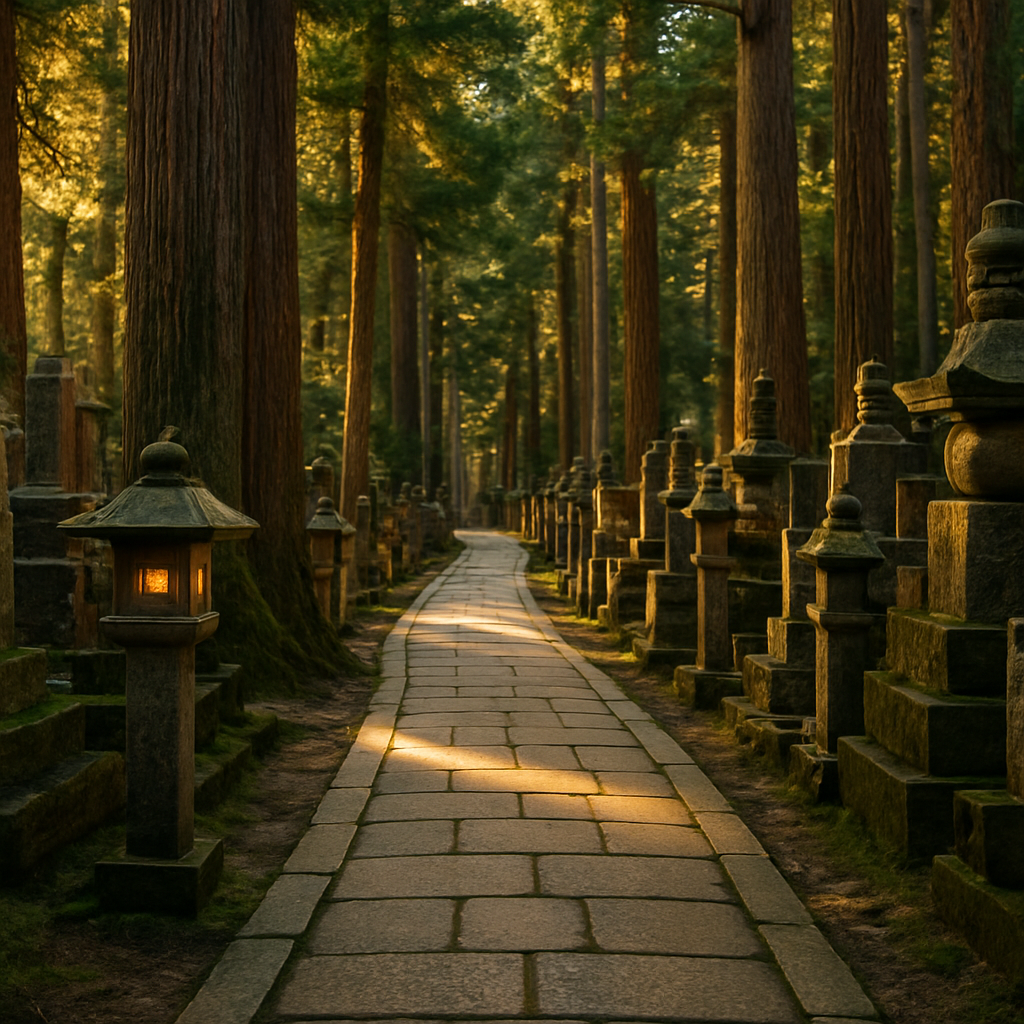
The walk from Kasuga Taisha through the secondary forest path back to Naramachi at golden hour is the most underrated thing in Nara — moss, stone lanterns, almost no other tourists, and the kind of quiet that makes you remember why you travel. Tsukihitei, a kaiseki ryotei tucked into the Kasugayama primeval forest, is where you'd take someone you wanted to impress without telling them you were impressing them.
Sanjo-dori & Higashimuki
Nara's main commercial spine runs from JR Nara Station up toward Kasuga Taisha, with the Higashimuki shopping arcade branching off near Kintetsu Nara Station. This is where you'll eat kakinoha-zushi at Hiraso, watch the lightning-fast mochi-tsuki demonstration at Nakatanidou, and end up at Lamp Bar, the cocktail room run by Michito Kaneko (World Class Bartender of the Year, 2015). Queer travelers consistently report Lamp Bar as the most comfortable upscale room in Nara, partly because the focus is genuinely on the glass.
The crowd here skews younger and more international than the rest of the city, and PDA registers as basically unremarkable. Stonewall Japan maintains a Kansai chapter for English-speaking queer expats and travelers — worth a check before you arrive.
Doyama, Osaka (the day-trip cheat code)
I'm including this because pretending Nara has nightlife would be dishonest. Take the Kintetsu Nara Limited Express from Kintetsu Nara Station to Osaka-Namba — 35 minutes — and you're in Doyama, the largest LGBTQ+ nightlife district in western Japan, with over 100 gay bars clustered around Doyamacho. The Kansai queer weekend formula: deer and Todai-ji by 4pm, Doyama by 8pm. Trains stop around midnight, so either commit to staying over or leave by 11:30pm. For policy context on the disparity between Osaka's scene and Nara's near-absence of one, Marriage For All Japan is the resource that connects the dots.
The experiences worth rearranging your itinerary for
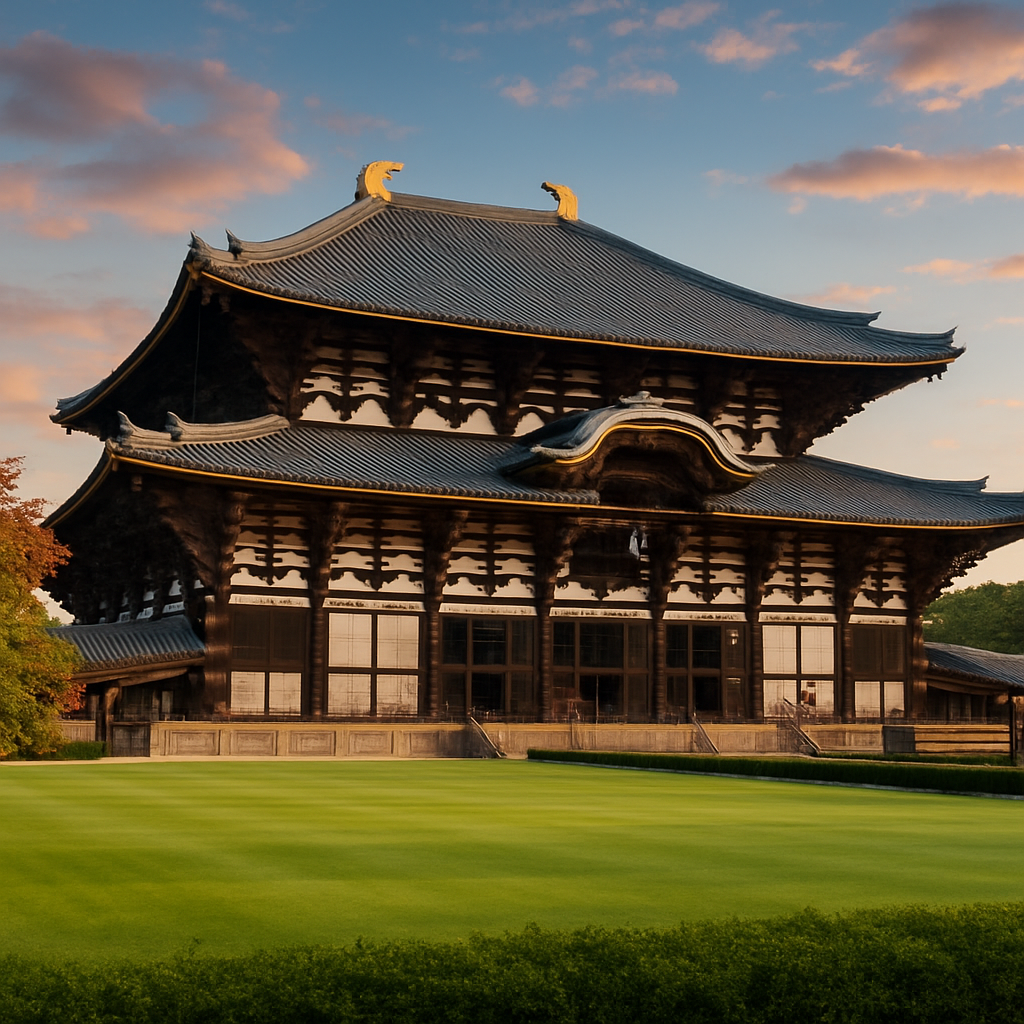
Stand Inside the Daibutsuden at Todai-ji
The 15-meter bronze Buddha cast in 752 CE is the headline, but the real moment is the building around it — one of the largest wooden structures on earth, 738 CE in origin, UNESCO-listed since 1998. Go early, ideally on a weekday before 9am, before the school groups arrive. The scale rearranges your sense of what wood can do.
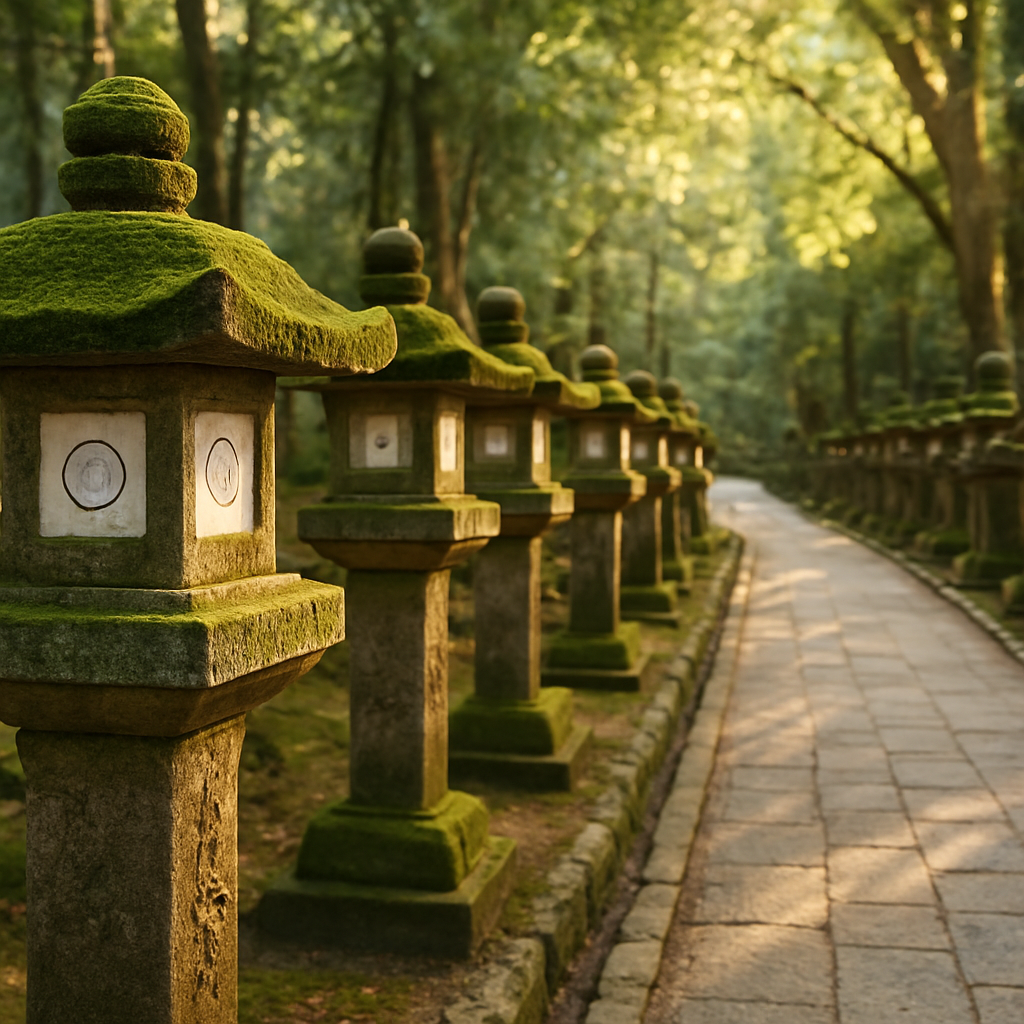
Walk the Lantern Path at Kasuga Taisha
Approximately 3,000 stone and bronze lanterns line the approach to a Shinto shrine founded in 768 CE, lit twice a year during the Mantoro festivals in February and August. The walk back from the shrine through the secondary forest path to Naramachi at golden hour is the most underrated thing in Nara — moss, stone, almost no other tourists, the kind of quiet that reminds you why you travel.
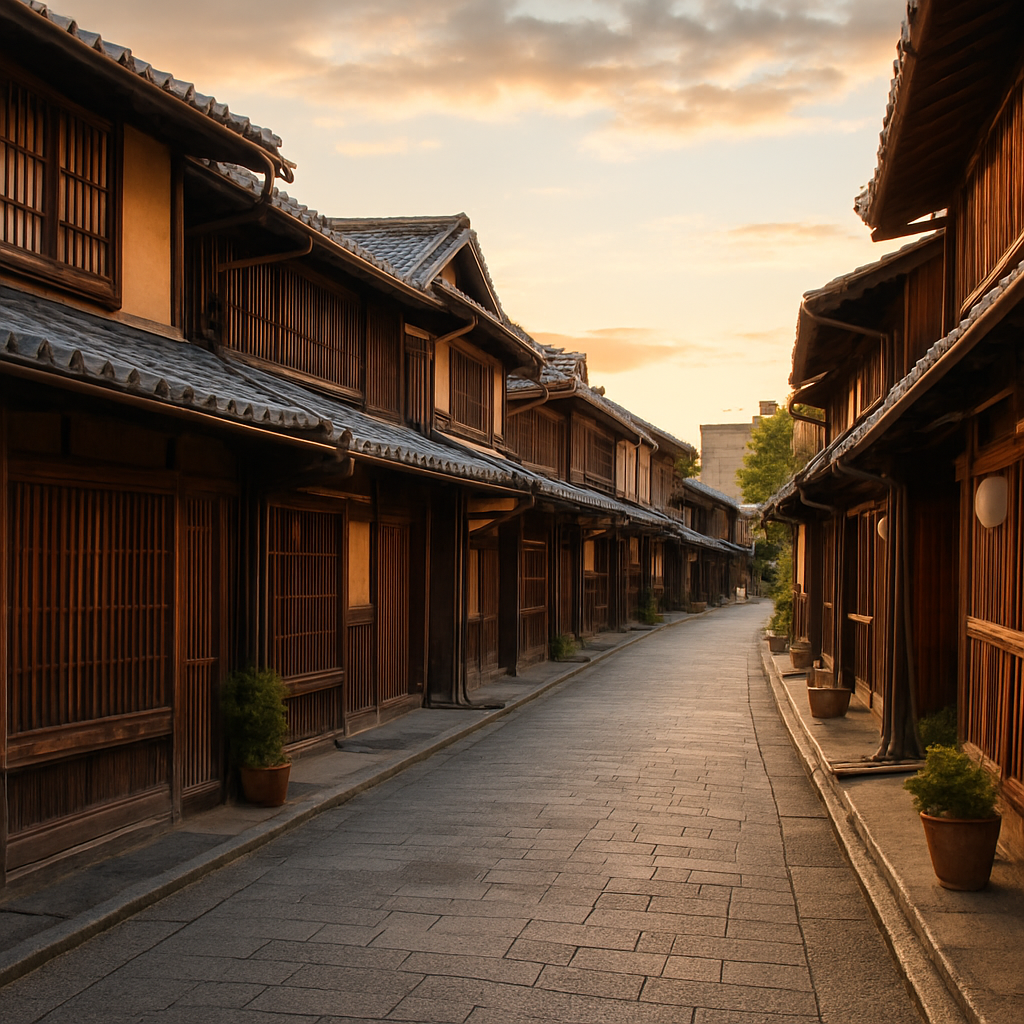
Wander Naramachi at Dusk
The former merchant quarter south of Sanjo-dori is preserved Edo and Meiji-era machiya townhouses, narrow lanes, and the medieval Gango-ji temple precinct anchoring the south end. Eat kakinoha-zushi at Hiraso, drink at Nara Brewing Co. inside a converted machiya, then point at three things at the counter at Kuranari and let the owner pour you Nara prefecture sake by the flight.
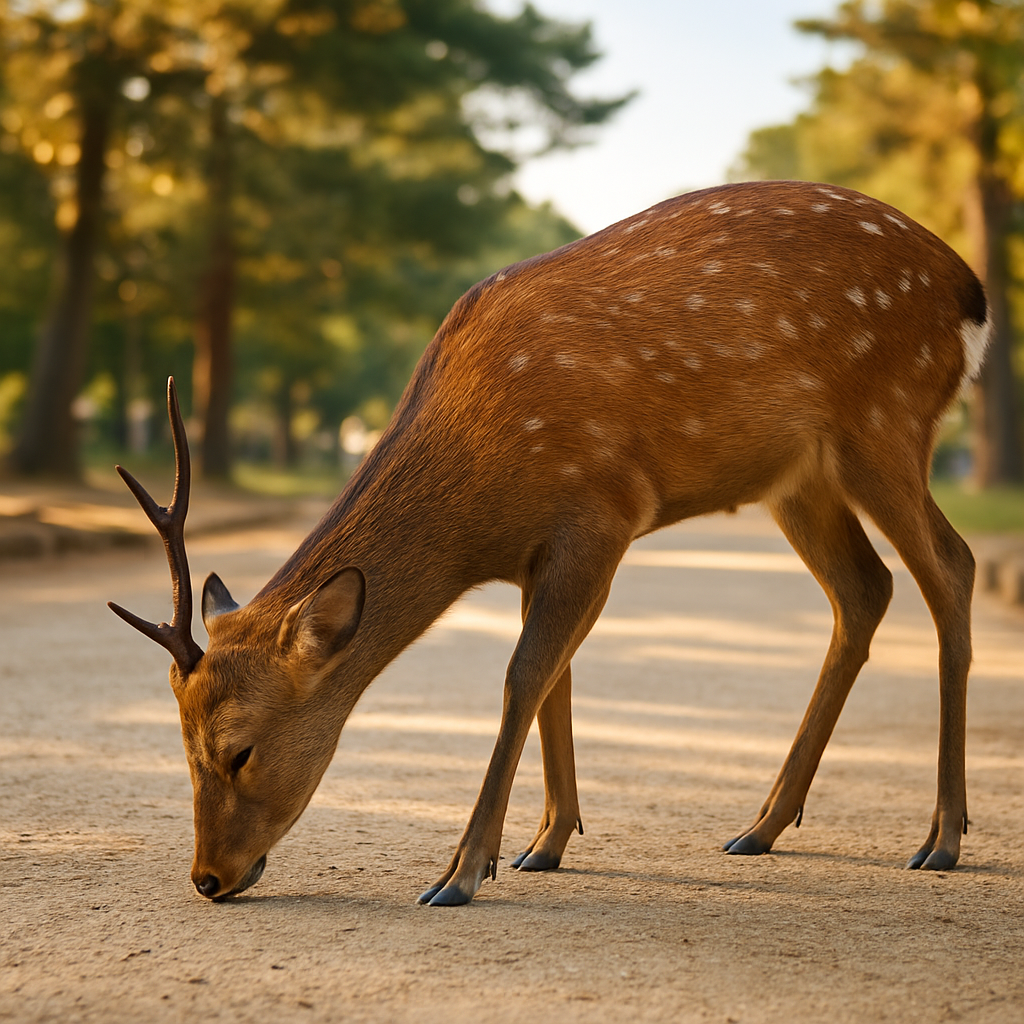
Bow With the Deer in Nara Park
Over 1,000 free-roaming sika deer, designated natural monuments under Japanese law, have been mugging tourists for shika senbei crackers across 660 hectares of public parkland since 1880. Hold the cracker low, bow once, and they'll bow back — the most reliably charming photo you'll get all trip. Hold it high and they'll jump, which is also charming, just differently.
Overnight in a Temple at Koyasan
Roughly 2.5 hours from Nara via Osaka and the Nankai Koya Line cable car, the UNESCO sacred mountain founded by Kobo Daishi in 816 CE has more than 50 temples offering shukubo lodging with shojin ryori vegetarian cuisine. Sleep on tatami, wake up for morning prayers, walk the Okunoin cemetery's 200,000 graves at first light. It's the one Japan experience you can't approximate elsewhere.
The places I actually send people to
Advice that fits how you travel
Solo travel in Nara is genuinely one of the easiest things you can do in Japan. The city is walkable end-to-end, the trains are immaculate, and the cultural register defaults to leaving strangers alone — which, as a solo gay traveler, is mostly what you want. You can spend a whole day inside Nara Park, the Naramachi lanes, and the Higashimuki arcade without exchanging more than a doumo with anyone, and nobody will read that as antisocial. It's the local mode.
The honest part: there is no solo gay scene to plug into here. No bars, no apps lighting up, no after-hours room where the gays gather. Lamp Bar near Sanjo-dori is the most comfortable upscale counter to sit alone at — a 9.4 World Class Bartender program where the focus is genuinely on the glass — and Mellow Cafe off the Konishi arcade is the rare central-Nara venue with a mixed, casual crowd that won't read you as a tourist with an agenda. If you want a scene, the math is simple: 35 minutes on the Kintetsu Limited Express puts you in Osaka's Doyama, and trains run until roughly midnight.
Budget-wise, solo travel here lands soft. Approximately ¥9,000–¥13,000 a day covers hostels, regional food, and temple admissions; ¥22,000–¥32,000 unlocks a real 3-star hotel and a sit-down kaiseki lunch. Sleep at Kintetsu Nara if you want to be near the deer and the temples, JR Nara if you're chaining onward to Kyoto. Pro tip: the area around JR Nara empties by 10pm — not unsafe, just deserted — so if you're out late, head back via Kintetsu Nara, where there are still taxis and ambient activity.
Nara is a quietly excellent couples city, and I'd argue it punches above its 6.4 overall on my Traven-Dex specifically for same-sex couples who want a slow-travel few days without performing for anyone. There are no stares at Sarusawa Pond at dusk. Hand-holding through Nara Park registers as foreign-tourist-eccentric, nothing more. The lantern path back from Kasuga Taisha through the secondary forest at golden hour is the kind of moss-and-stone quiet that makes you remember why you travel together in the first place.
The accommodation question matters more here than in most cities. Communal onsen are gender-segregated and operate on legal sex assignment, which can complicate a traditional ryokan stay for same-sex couples and trans travelers alike. The fix is simple: book a property with private in-room baths. Fufu Nara inside Nara Park gives you 30 suites, every one with its own open-air onsen and kaiseki dinner that earns the ¥90,000 rate. Sasayuri-ann in rural Sakurai rents the entire century-old farmhouse to one group at a time — the most awkwardness-free way to do a real ryokan night in Japan. Noborioji Hotel Nara at the lower end gives you a 14-room boutique with private balconies pointed at the Kofuku-ji pagoda. Most ryokan and traditional inns in Naramachi will book a same-sex couple into one room without comment if you ask for a 'double' or 'twin' — the polite Japanese tendency toward non-acknowledgment works in your favor.
For dinner: Tsukihitei, the kaiseki ryotei tucked into the Kasugayama primeval forest, is where you take someone you want to impress without telling them you're impressing them. Onjaku in Naramachi is the one-Michelin-star option in an intimate machiya setting. Awa Naramachi is the heirloom-vegetable kaiseki that rearranges your understanding of what a Japanese tasting menu can do. Then a nightcap at Lamp Bar, the train back to your private onsen, and you've used Nara exactly the way it should be used.
Let's be honest about the legal floor first. Japan, as of 2026, doesn't recognize same-sex marriage nationally, doesn't allow joint adoption by same-sex couples, and has limited federal anti-discrimination protections covering family structure. Nara City's 2022 Partnership Oath certificate covers hospital visitation and city services at the municipal level, but it carries no national legal weight. For LGBTQ+ families traveling here, that means the practical day-to-day will be fine — but emergencies, medical situations, and any official paperwork involving both parents are categories worth thinking through before you arrive. Marriage For All Japan is the clearest English-language read on where the law actually sits.
The on-the-ground experience for LGBTQ+ families in Nara is genuinely lovely. Over 1,000 free-roaming sika deer that bow for crackers will entertain a kid for an entire afternoon for free. Todai-ji's 15-meter Great Buddha is the kind of building children remember for the rest of their lives. Naramachi's Koshi-no-Ie lattice house museum is a free walk-through of how a merchant family actually lived — quiet, hands-on, low-stimulation in the best way. The Nara National Museum handles strollers without complaint, and the park's flat paths and short distances between temples make a deer-and-Buddha day genuinely doable with small kids.
For lodging, the JW Marriott Nara is the easiest answer for LGBTQ+ families — Marriott's corporate inclusion training means staff won't blink at any family configuration, the 158-room property has family suites, an indoor pool, and three restaurants that actually have kids' menus. Pro tip: kid-friendly food is everywhere here — Nakatanidou's lightning-fast mochi-tsuki demonstration on Sanjo-dori is the easiest icebreaker you'll get all trip, and Hiraso's kakinoha-zushi travels well for picnic lunches in the park. Pull cash at a 7-Eleven ATM on the way in — the most charming machiya shops are exactly the ones that won't take your card.
What Nara actually costs
Flights, visas, and the first 30 minutes
Airport: Nara doesn't have its own airport — you'll fly into Kansai International (KIX), the main long-haul gateway for the Kansai region, then push inland by train or coach. Approximately 90 direct international routes serve KIX, including nonstops from major North American, European, Australian, and Asian hubs.
Visa requirements (as of 2026): US, UK, EU, Canadian, and Australian passport holders can typically enter Japan visa-free for stays of up to 90 days for tourism. Rules can shift — check Japan's Ministry of Foreign Affairs site before you book if you're cutting it close on validity or planning a longer stay.
KIX to Nara — your options:
Limousine Bus (KIX → JR Nara): ~1h 30m, ¥2,400. Direct coach service and the most painless option if you're traveling with luggage. No transfers, no stairs, no decoding station signs at midnight.
JR Haruka + Yamatoji Line (via Tennoji): ~1h 45m, ¥2,610–¥3,440. Covered by the JR Pass if you're holding one — transfer at Tennoji Station. The default for rail-pass travelers.
Nankai + Kintetsu (via Namba): ~1h 50m, ¥1,710. The cheapest route, with a transfer at Osaka-Namba. Use it if you're already planning to overnight in Osaka first or want to land directly at Kintetsu Nara Station, which is closer to Nara Park than JR Nara.
Taxi: ~1h 15m, ¥25,000–¥30,000. Genuinely expensive — only worth it for late-night arrivals or heavy-luggage situations.
Pro tip: Pick your Nara station based on where you're sleeping, not where you're arriving. Kintetsu Nara puts you closer to the deer, the temples, and Naramachi. JR Nara is better if you're chaining onward to Kyoto or back to Kansai Airport.
Traven's seasonal breakdown
The questions everyone asks
Does Nara have a gay scene?
Is it safe to hold hands in Nara?
Will a ryokan book a same-sex couple into one room?
Do I need to speak Japanese?
How many days do I need in Nara?
Should I stay near JR Nara or Kintetsu Nara?
How much should I budget per day?
Screenshot this before you go
So should you actually go?
Go, but go for what Nara actually is — a slow, beautiful temple town where 1,300 years of Buddhist architecture, 1,000 bowing deer, and some of the most considered kaiseki in Japan happen to be quietly fine with you. Pair it with Osaka if you want a scene, book a property with a private in-room onsen, and let the city do its quiet work. LGBTQ+ travelers who need a nightlife scene to feel at home should base in Doyama and day-trip in. Everyone else: two nights, one ryokan with its own bath, and one walk back through the lantern forest at golden hour. That's the trip.
Sources & Resources
Official links we reference when compiling this guide. Last verified 2026-05-04.