
Okinawa doesn't run on a scene. It runs on a staircase three blocks north of Kokusai-dori and a mama-san who remembers your face.
It's a Tuesday at 11 p.m. and I'm three blocks north of Kokusai-dori, climbing a staircase I've climbed before to a second-floor bar marked by a rainbow sticker the size of a business card. The mama-san at Bar Epoca remembers my face from the last visit, pours awamori over a single cube of ice, and slides it across without asking. Two stools down, a couple of guys from Osaka are arguing about a host club. Outside, the alleys smell like grilled yakitori and stale spirit. This is Matsuyama, and this is the entirety of Okinawa's queer nightlife — a half-dozen tiny rooms, all up a staircase, all running on word-of-mouth and a mama-san's memory.
Okinawa is not Tokyo, and thank god for that. The pace here is Pacific-island slow, the food culture is its own thing entirely — Ryukyuan, not Japanese, and the locals will gently correct you if you forget — and the queer scene is small enough that by your second night, the same five faces will be in the same five bars. There's a 9.0 on Destination in my Traven-Dex for a reason: this is one of the great archipelagos on earth. Kerama Blue water, the preserved Ryukyuan village on Taketomi, the Kuroshio tank at Churaumi, the Cornerstone of Peace at Mabuni. The bones of the place are spectacular.
The legal picture is where my Traven-Dex of 6.9 lives. Japan does not recognize same-sex marriage at the national level as of 2026. Naha issues partnership certificates that are meaningful locally and toothless nationally. Pink Dot Okinawa in late autumn is genuinely moving — pink shirts in Onoyama Park, drag queens in tropical heat, obasan handing out sata andagi donuts like it's a neighborhood matsuri — but it's once a year, and the rest of the calendar is quieter than visitors expect. The Pulse score reflects that quietness, not hostility. There is, in my experience, no hostility here.
What you get instead: an island that's warmer and more openly affectionate than mainland Japan, an international resort strip in Onna and Chatan where same-sex couples checking into a king bed is a non-event, and a 1972 izakaya in Asato called Urizun that single-handedly revived the prefecture's aged-awamori tradition after the war. You also get a 24-hour steakhouse in Tsuji for the 3 a.m. meal that closes a Matsuyama night the way the locals close it — with sirloin. Skip the app spiral. Climb the stairs. The map is small and the people running it are warm.
The stuff your travel guide buries on page 47
Japan does not recognize same-sex marriage at the national level as of 2026, and that hasn't changed despite a string of district court rulings declaring the ban unconstitutional. What Okinawa offers instead is a patchwork of municipal partnership certificates — Naha became the first city in the Kyushu-Okinawa region to issue them back in 2016, and several other prefectural municipalities have followed. They're symbolic. They get you sympathetic treatment at hotels and some hospitals. They don't get you inheritance rights, joint adoption, or spousal visas. Marriage For All Japan is the org tracking the litigation, and they're worth following if you care about where this is headed.
Adoption by same-sex couples isn't legal as of 2026, and anti-discrimination protections are limited — Japan passed a watered-down 'understanding promotion' law in 2023 that stops short of banning discrimination outright. Gender identity law still requires a medical pathway for legal change, though a 2023 Supreme Court ruling struck down the sterilization requirement and reform is grinding forward. Homosexuality has never been criminalized here. Nijiiro Diversity tracks workplace and policy progress at the national level.
On the ground, Okinawan culture skews warmer and more openly affectionate than mainland Japan — there's a Pacific-island looseness here that Tokyo doesn't have. But PDA between same-sex couples still raises eyebrows outside Matsuyama and American Village. Hand-holding on Kokusai-dori generally goes unremarked. A kiss at a family restaurant in Yanbaru will not. Read the room, particularly with the obasan generation in the north and on the outer islands.
Pro tip: Bring cash. Most Matsuyama snack bars don't take cards, charge a table charge (otoshi) of around ¥1,000, and the FamilyMart ATMs on Kokusai-dori are your friend at 1 a.m. If you're traveling as a couple and need anything beyond a sympathetic hotel clerk — medical decisions, emergency contact recognition — bring documentation from home. The Naha partnership certificate is meaningful locally but carries zero national legal weight.
What it actually feels like on the ground
Holding hands: Fine in tourist-heavy Kokusai-dori and Makishi, comfortable in American Village in Chatan where the international crowd dilutes everything, and a non-issue inside Matsuyama's queer-friendly venues. In rural villages and the Yanbaru north, you'll get looks — not hostile, just unfamiliar. Outer islands like Taketomi and Ishigaki are small communities; tourists get some leeway, but discretion is the move.
Hotel check-in: The international chains — Hyatt, Hilton, Halekulani, Marriott's Iraph Sui — have corporate non-discrimination policies and trained staff. Same-sex couples checking into a king bed at the Hilton Chatan or the Hyatt Regency Naha is a non-event. At smaller minshuku and family-run ryokan, especially on the outer islands, expect a brief moment of recalibration followed by professional service. The minshuku owners on Zamami, by all accounts, are some of the quietly warmest hosts in the prefecture.
Taxis: Drivers are professional and honest across the prefecture. The bigger risk in Matsuyama late at night is a driver who doesn't know which 'snack' you mean — there are dozens. Save the Google Maps pin before you leave the bar.
Late night in Matsuyama: Overwhelmingly safe. The neighborhood is compact, well-lit, and policed casually. US military personnel from the nearby bases occasionally drift in and most nights it's fine, but locals will quietly steer you elsewhere if a particular crew is being loud — trust the bartender's read.
Beaches and dive resorts: The international dive crowd in Onna and Motobu is welcoming and unbothered. Modest behavior is still the norm at public beaches — that's a Japanese thing, not an LGBTQ+ thing. Resort beaches with international guests are the most relaxed.
Trans travelers: Few overt issues in tourist areas, but expect limited awareness in rural Okinawa and gendered facilities throughout. ID checks for hotels and domestic flights typically reference legal gender; a brief explanation usually resolves any confusion. Healthcare access for trans-specific needs is thinner than Tokyo — plan ahead.
Verbal harassment: Rare. Okinawans are not, in my experience, a confrontational people. The risk profile here is awkwardness and stares in conservative areas, not aggression.
Pro tip: If you need PrEP, HIV testing, or anything sexual-health-related in English, the Naha City Public Health Center handles testing, but the smoothest route is contacting akta or Pride House Tokyo before you fly down. Okinawa's resources are thinner than the mainland's, and English-language navigation is faster if you set it up in advance. Expat travelers can also tap Stonewall Japan for on-the-ground tips from foreigners living in the prefecture.
The queer geography
Matsuyama, Naha
Three blocks north of Kokusai-dori, the energy shifts. The neon gets smaller, the alleys narrow, the buildings stack two and three stories of tiny bars on top of each other. Matsuyama is Naha's late-night entertainment district — host clubs, hostess bars, izakaya, and snack lounges crammed into a few square blocks west of the main shopping drag. The streets smell like grilled yakitori and stale Awamori at 11 p.m. and the same streets feel completely different at noon, when half the buildings look closed and you wonder if you imagined the whole thing.
This is where Okinawa's gay bars cluster — Bar Epoch, Rehab, Bar O2, Lounge Sweet, a handful more — most on second floors, most marked only by a small rainbow sticker or a tiny English-language sign. Climb the stairs. The mama-san at Bar Epoch is the closest thing the neighborhood has to a community living room: small, mixed crowd, decent English, and someone there will know which other bar is open that night. Skip the app spiral and walk it. Tokyo Rainbow Pride maintains a national resource hub if you want to cross-reference what you're seeing.
Kokusai-dori & Makishi
The 1.6-kilometer 'Miracle Mile' through central Naha is the city's commercial spine — a postwar rebuild that became the symbol of Okinawan recovery and is now lined with souvenir shops, izakaya, taco-rice joints, and the entrances to the side-street arcades that lead to Makishi Public Market. The market itself is the best three-dirty-floors of seafood, pork, and pickled island vegetables on the prefecture; pick a fish downstairs and the second-floor cooks will fry it for you for a few hundred yen.
Branch off into Ukishima-dori for the boutique side of central Naha — vintage shops, cafés, the rare vegan restaurant. The Tsuboya Yachimun-dori pottery district is a five-minute walk south and worth the detour for the kilns and the tiny ceramic shops. The LGBTQ+ relevance here is geographic — Matsuyama starts where Kokusai-dori ends — but the street itself is also where Naha's small queer community runs daily errands like everyone else.
American Village, Chatan
Twenty minutes north of Naha by car, Mihama American Village is a beachfront commercial district shaped by 70 years of US military presence. A Ferris wheel, a string of waterfront bars and brewpubs, sushi joints next to taco trucks, and Sunset Beach itself — flat, wide, and west-facing for the kind of sunset that justifies the drive. The crowd is the most internationally mixed in the prefecture: Okinawan locals, US service members and their families, mainland Japanese tourists, and a steady trickle of foreigners in beach clothes.
That mix makes Chatan the most relaxed spot in Okinawa for visible same-sex couples — not because there's a scene here, but because nobody's paying attention. Chatan Harbor Brewery for sunset, Sunset Beach Bar for the second round, and the Hilton Chatan if you want to stay nearby. Marriage For All Japan tracks which prefectural municipalities have rolled out partnership certificates if you're plotting a longer Okinawan stay.
Sakaemachi Arcade & Asato
A retro covered market a few minutes from Asato Station, Sakaemachi Arcade is where Naha's standing-bar culture lives. The lights buzz, the floors are concrete, and the tachinomi (standing bars) start filling up around 7 p.m. with regulars who know each other's names. Five-hundred-yen plates of mimiga (pig ear), oden, and skewered something. Awamori in plastic cups. No frills, no flags, no scene — and that's exactly why the queer locals who don't want a scene end up here. Urizun, the legendary Awamori bar founded in 1972, is steps away in Asato proper and stocks aged kūsu from every distillery on the island.
Koza, Okinawa City
Forty minutes north of Naha, Koza is the old name for what's now Okinawa City — a multicultural bar district built around the Kadena base gates and shaped by decades of GI culture, jazz clubs, soul food, and a working-class internationalism that you don't find anywhere else in Japan. Gate Street still has the bones of its 1970s self. A few quietly queer-welcoming venues operate here, less concentrated than Matsuyama but worth the trip if you want to see where Okinawan musical and counterculture lineages actually live. Pride House Tokyo remains the best national clearinghouse if you want to chart out community resources before you go.
The experiences worth rearranging your itinerary for
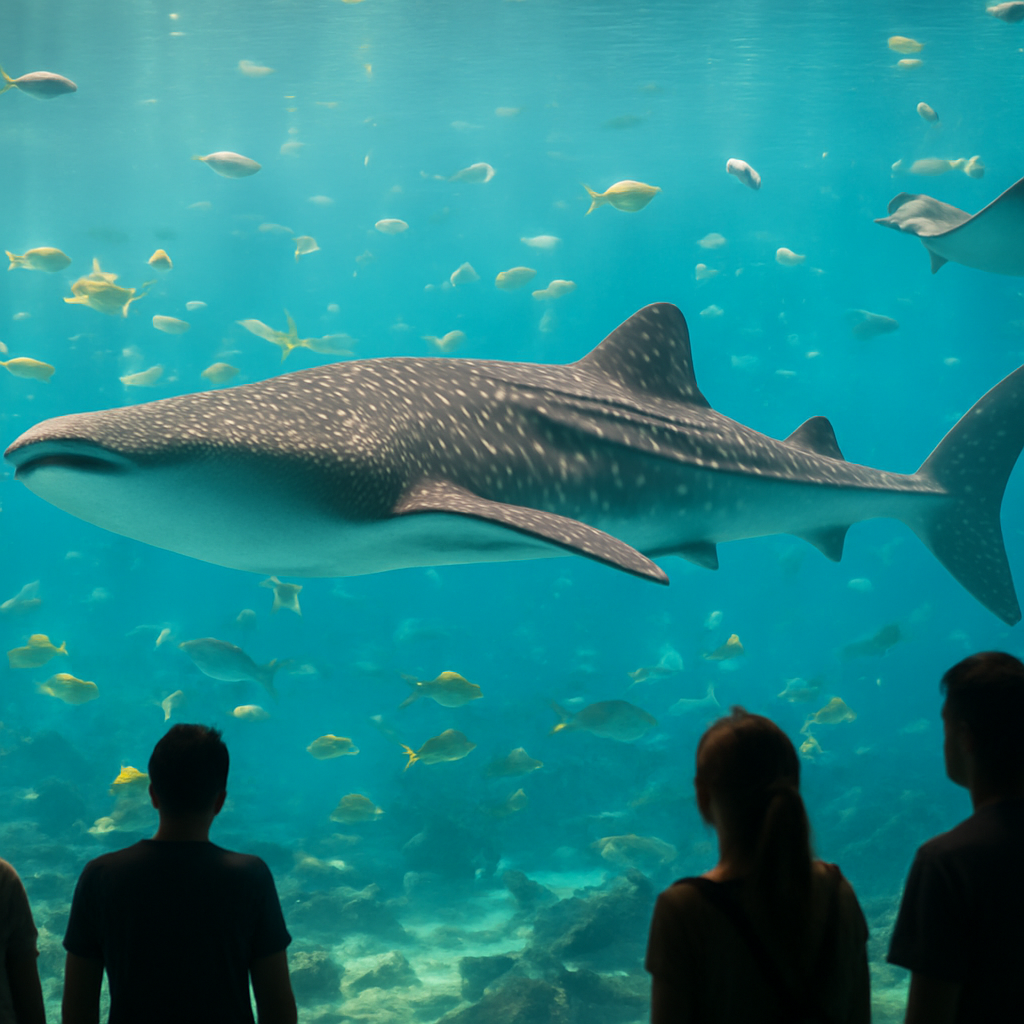
Churaumi Aquarium and the Kuroshio Tank
The drive up to the Motobu Peninsula takes a couple of hours from Naha and it's worth it for one room. The Kuroshio Sea tank is one of the largest aquarium tanks on earth — 7,500 cubic meters of water, two whale sharks moving in slow circles, manta rays sliding past at eye level. Bring patience for the parking and go early; the busloads start arriving by 11 a.m. and the tank-side seating is the only place you actually want to be.
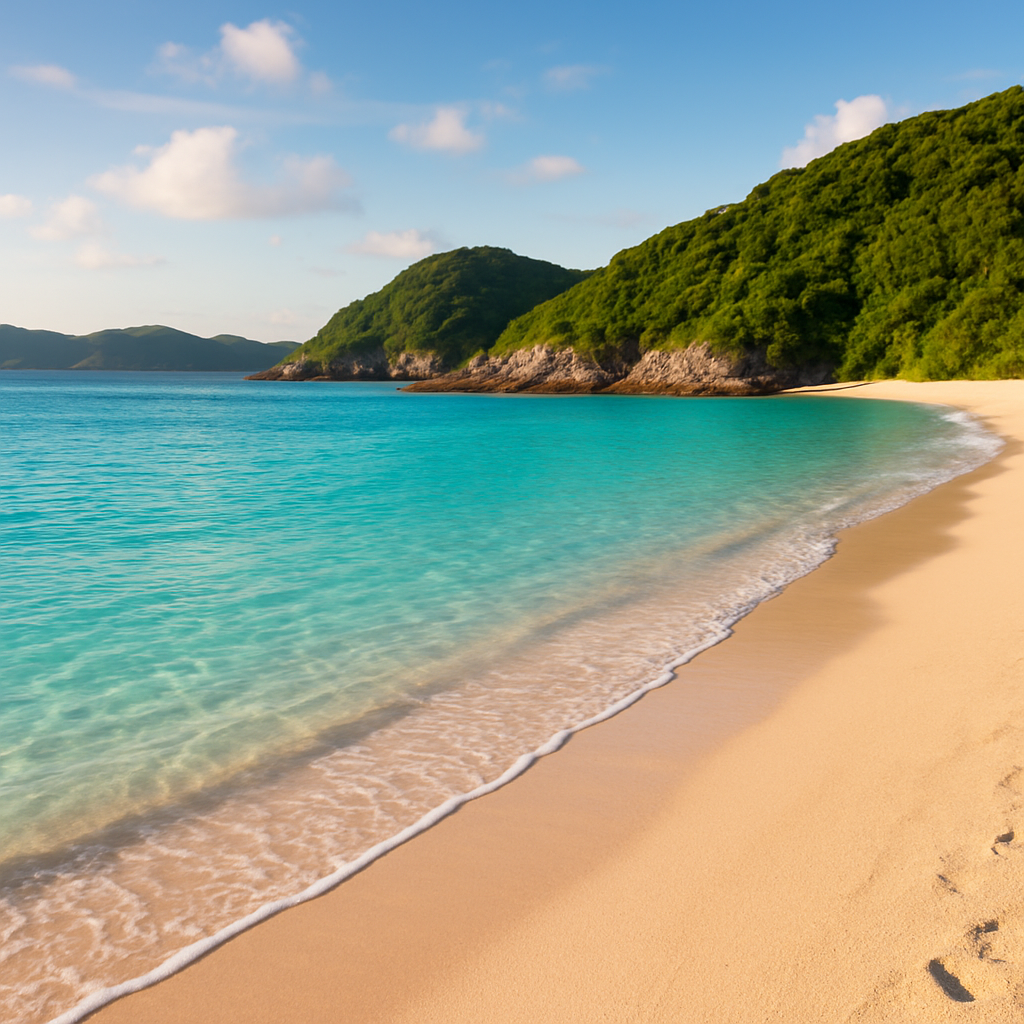
The Morning Ferry to the Keramas
Tomari Port, first ferry, head for Zamami. The Keramas became Japan's 31st national park in 2014 and the water is the color locals named after the islands — that translucent Kerama Blue you don't quite believe is real until you're in it. Snorkel Furuzamami Beach, eat lunch at a roadside minshuku, and catch the late-afternoon ferry back. The minshuku owners on Zamami are, by every account I've collected, some of the warmest hosts in the prefecture.
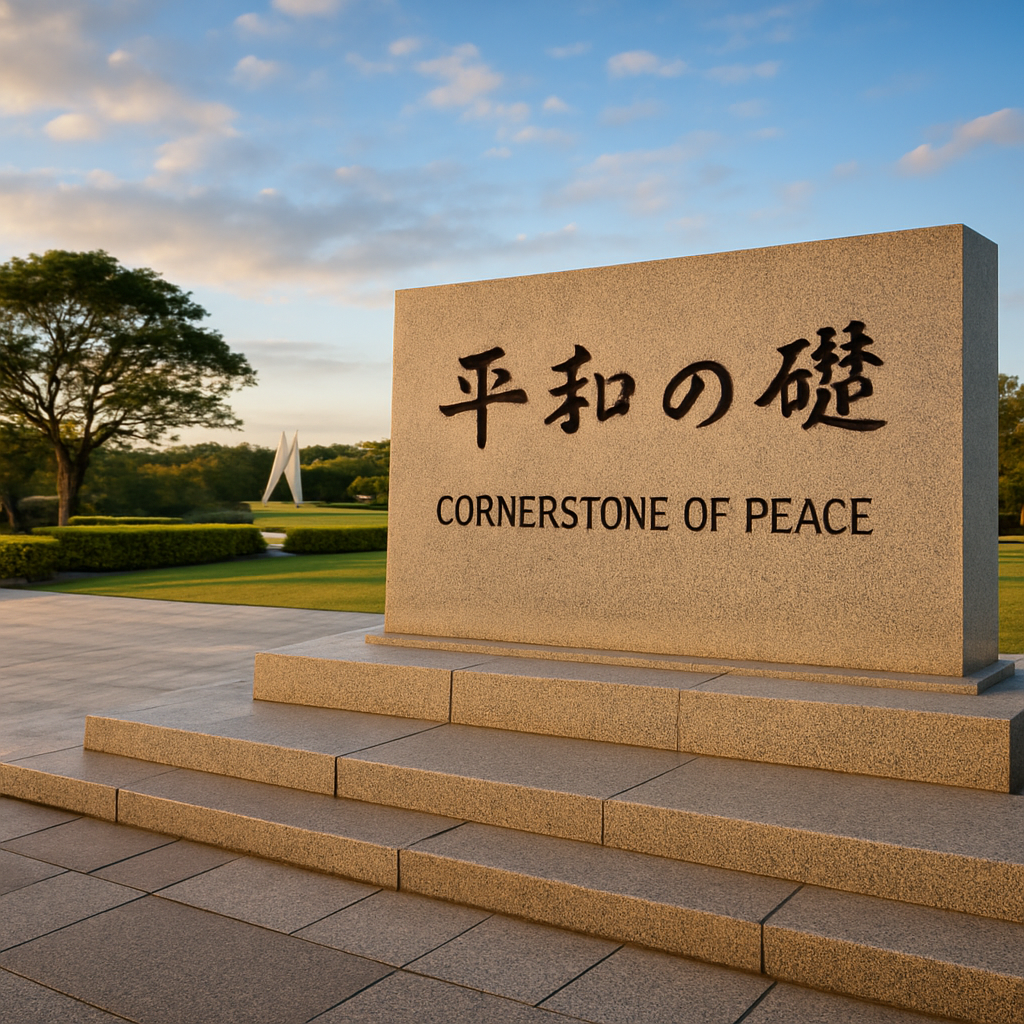
Peace Memorial Park at Mabuni
On the southern cliffs of Itoman, where the 1945 Battle of Okinawa ended, the Cornerstone of Peace is inscribed with the names of more than 240,000 people of every nationality who died here. The Prefectural Peace Memorial Museum is a few minutes' walk away and tells the story without flinching. This is not a queer site and it is not a beach day — it's the price of admission for anyone who wants to actually understand Okinawa rather than just drink on its sand.
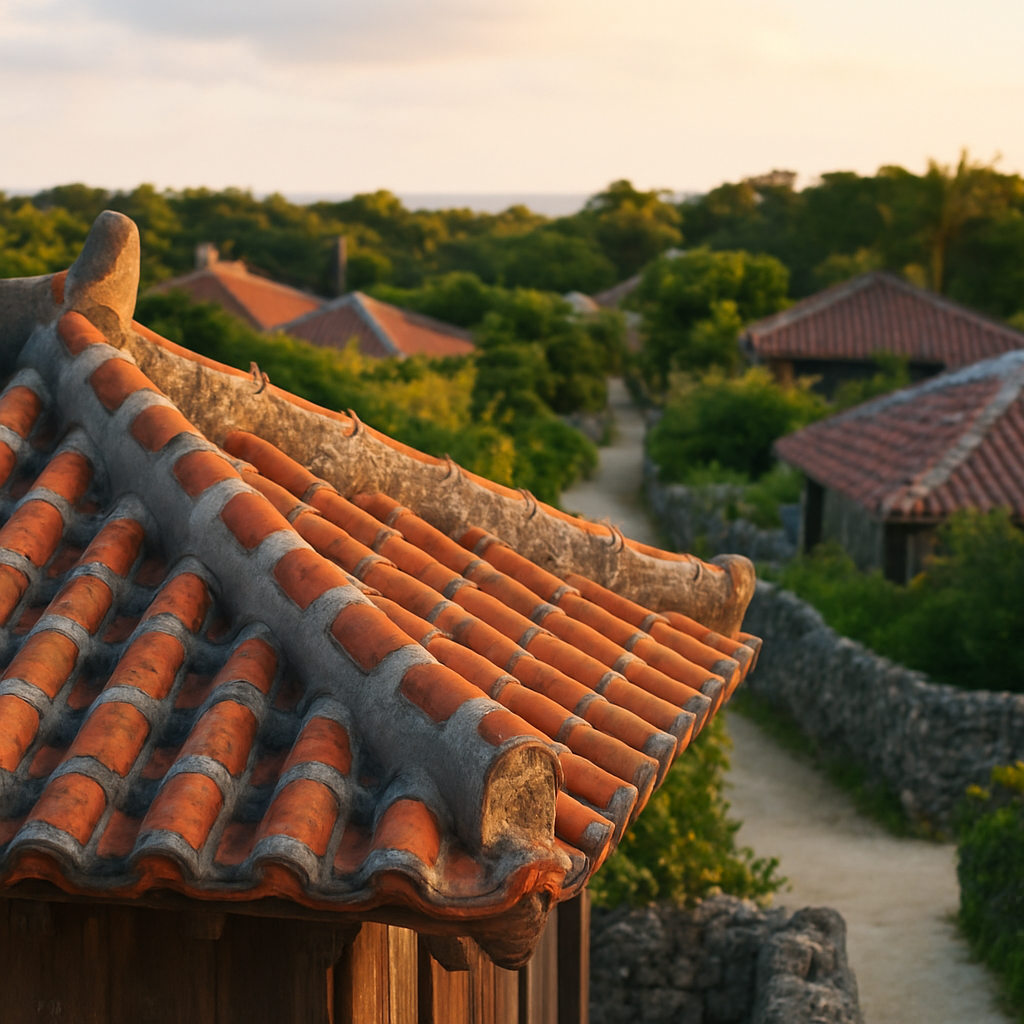
Taketomi Island by Bicycle
A ten-minute ferry from Ishigaki drops you on Taketomi, a preserved Ryukyuan village of red-tile roofs, coral-stone walls, and sand-paved lanes the whole island agreed to keep that way by community charter. Rent a bicycle at the port, ride the perimeter in about three hours, and stop for the water-buffalo cart tour through the village. You're inside an Important Preservation District for Groups of Traditional Buildings, and it shows in every wall.
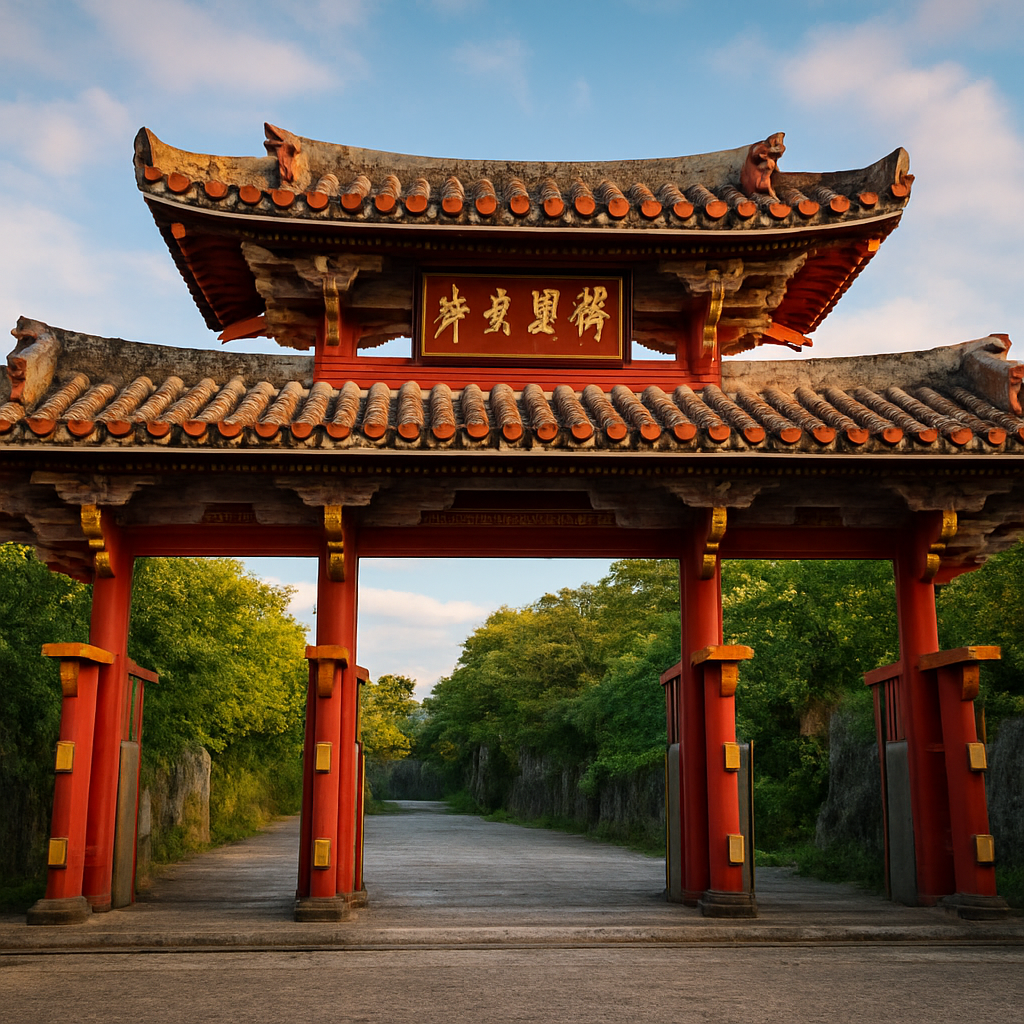
Shuri Castle and the Ryukyu Kingdom
The 14th-century royal palace of the Ryukyu Kingdom, UNESCO-listed since 2000 and currently in the middle of a years-long reconstruction after the 2019 fire that took the main hall. Visiting now means watching the rebuild happen — scaffolding, exposed timber, craftsmen working in real time on a building most cultures would have given up on. Pair it with lunch at Ryukyu Sabou Ashibiuna, ten minutes' walk away in a traditional Ryukyuan house.
The places I actually send people to
Advice that fits how you travel
Okinawa rewards solo travelers who are comfortable doing the work themselves. The queer scene is small — a half-dozen bars in Matsuyama, most on second floors, most marked only by a tiny sticker — and the apps will not save you the way they would in Tokyo or Osaka. Walk three blocks north of Kokusai-dori after 10 p.m., climb a staircase, and start at Bar Epoca. The mama-san speaks decent English, the crowd is mixed local-and-visitor, and someone in the room will know which other bar is open that night. By your second visit she'll remember your name and pour awamori until your Japanese miraculously improves.
Solo budget runs comfortably ¥18,000–¥28,000 per day at the moderate tier — Naha is meaningfully cheaper than Tokyo, and the Yui Rail Monorail plus the occasional taxi covers the city without a rental car. The catch: anything beyond Naha — Churaumi, Peace Memorial Park, the southern coast cafés, the Motobu Peninsula — basically requires a car. Solo travelers planning to leave the city should budget the rental and the international permit, or accept that Naha will be the trip.
Safety-wise, this is one of the easiest Japanese destinations to travel solo. Matsuyama late at night is well-lit and casually policed, taxis are professional and metered, and Okinawans are not, in my experience, a confrontational people. Pro tip: cash is mandatory in the snack bars, most charge an otoshi (table charge) of around ¥1,000, and the FamilyMart ATMs on Kokusai-dori are your friend at 1 a.m.
Okinawa works for same-sex couples who calibrate. The international resort strip — Onna, Motobu, Chatan — is the easiest landing. The Hilton Okinawa Chatan, the Halekulani, the Hyatt Regency Naha, and the Marriott-flagged Iraph Sui on Irabu Island all run on corporate non-discrimination policies (Hilton, Hyatt, IHG, and Marriott all score 100 on the HRC Corporate Equality Index as of 2026), and same-sex couples checking into a king bed at any of them is a non-event. At smaller minshuku and family-run ryokan, especially on the outer islands, expect a brief moment of recalibration followed by professional service — the minshuku owners on Zamami in the Keramas are, by every account I've collected, some of the quietly warmest hosts in the prefecture.
For PDA, hand-holding is generally fine on Kokusai-dori and inside Matsuyama's queer-friendly venues, comfortable in American Village in Chatan where the international crowd dilutes everything, and observably less common in rural Yanbaru villages and on the outer islands. A kiss at a family restaurant in the north will draw stares — not hostile, just unfamiliar. Discretion is customary across Japan generally, not a same-sex-specific expectation.
For the romance: the morning ferry from Tomari Port to Zamami in the Keramas, snorkel Furuzamami Beach in water locals call Kerama Blue, and catch the late ferry back. Sunset cocktails at Chatan Harbor Brewery with the East China Sea doing most of the work. Dinner at Yotsutake for Ryukyuan court cuisine and classical dance, or Cafe Curcuma on a hilltop in Nanjo looking out at sacred Kudaka Island. The legal note: Naha became the first municipality in Kyushu-Okinawa to issue same-sex partnership certificates in 2016, but they're symbolic — bring documentation from home if you need anything beyond a sympathetic hotel clerk.
Okinawa is one of the more family-friendly destinations in Japan. The beaches are wide and shallow, Churaumi Aquarium is genuinely one of the great aquariums on earth (the Kuroshio Sea tank is approximately 7,500 cubic meters and the whale sharks alone justify the drive), and Taketomi Island by bicycle or water-buffalo cart is the rare cultural day trip that kids actually remember. Peace Memorial Park at Mabuni is appropriate for older children — it's serious, it's heavy, and it's part of how you understand what Okinawa is.
For LGBTQ+ families specifically, the situation as of 2026 is honest: Japan does not recognize same-sex marriage at the national level, joint adoption by same-sex couples is not legal, and the Naha partnership certificate is symbolic. International chain resorts — Hilton, Hyatt, Halekulani, Marriott — will treat your family as a family without comment, and the staff training shows in the small moments. Smaller properties typically need a beat to recalibrate but Okinawan hospitality is generally warm; outright hostility toward families with two moms or two dads is rare.
Logistics are straightforward. Strollers manage Kokusai-dori and the international resorts, less so the older arcades and the Shuri Castle hill. Kid menus exist at the chain hotels and family restaurants but disappear at traditional izakaya — C&C Breakfast near Makishi Public Market is a reliable family breakfast in central Naha. Avoid June through September if you can — typhoon season is real, and August in particular pairs intense heat with peak crowds and peak prices. March, April, October, and November are the sweet spots.
What Okinawa actually costs
Flights, visas, and the first 30 minutes
Airport: Naha Airport (OKA) is the only international gateway worth knowing about — the outer islands have their own regional airports (Ishigaki, Miyako) that you'll connect through OKA to reach. Approximately 30 direct international and domestic routes, with the heaviest traffic from Tokyo (Haneda and Narita), Osaka (Itami and Kansai), Seoul, Taipei, Hong Kong, and Shanghai. Flight times: roughly 2.5 hours from Tokyo, 2 hours from Seoul, 1.5 hours from Taipei.
Visa requirements (as of 2026): US, UK, EU, Canadian, and Australian passport holders can typically enter Japan visa-free for stays up to 90 days. You'll generally need a passport valid for the duration of your stay and onward/return ticket evidence at the gate. Always confirm current requirements with your nearest Japanese consulate before flying.
Airport to city: The Yui Rail Monorail runs from Naha Airport Station to central Naha every 5–15 minutes, ¥270–¥370, 12–27 minutes depending on your stop — this is the move if you're staying in Makishi, Omoromachi, or near Kokusai-dori. The Airport Limousine Bus runs to resort hotels in Naha, Chatan, Onna, and Nago for ¥600–¥2,500, taking anywhere from 20 minutes to 2 hours depending on destination.
Taxis are metered and run roughly ¥1,500 to central Naha, ¥4,000–¥8,000 to the Onna or Motobu resort strip. Pro tip: if you're planning to leave Naha at all — Churaumi, Peace Memorial Park, the southern coast cafés — rent a car. Public transport beyond the monorail is thin, and Okinawa is a road-trip island. International driving permits are required and run ¥5,000–¥10,000 per day at the airport rental counters.
Traven's seasonal breakdown
The questions everyone asks
Is Okinawa safe for same-sex couples?
Do I need to speak Japanese?
Where are the gay bars in Okinawa?
Is same-sex marriage recognized in Japan?
Do I need a rental car in Okinawa?
When is Pink Dot Okinawa?
What's the best time of year to visit?
Screenshot this before you go
So should you actually go?
Go — but go knowing what Okinawa is and isn't. It's not a circuit destination, it's not a scene capital, and the queer infrastructure is a half-dozen tiny bars in Matsuyama plus an annual Pink Dot rally that punches above its weight. What it is: one of the most beautiful island groups on earth, a Ryukyuan culture that has survived everything the 20th century threw at it, an international resort strip where same-sex couples are accommodated without comment, and a slow, warm, Pacific-island hospitality that mainland Japan can't quite match. Bring a partner, rent a car, take the morning ferry to Zamami, and accept that the nightlife is what it is. For the right kind of LGBTQ+ traveler — the one who wants beach days and Ryukyuan dinners more than circuit weekends — Okinawa earns the trip.
Sources & Resources
Official links we reference when compiling this guide. Last verified 2026-05-04.