
Sapporo doesn't chase Tokyo. It hands you a bowl of miso ramen at midnight, points you up a fourth-floor elevator, and trusts you to figure out the rest.
It's just past 10pm on a Friday in Susukino and I'm in an elevator the size of a phone booth, riding up to the fourth floor of a building whose ground level is a ramen shop and a closed pachinko parlor. The doors open into a six-seat snack bar lit like a film set — amber, low, kind. The master nods once. The regulars don't look up from their highballs. I say otsukaresama deshita and three heads turn at once, and within ten minutes I'm being told, in a mix of Japanese and English and pointing, exactly which bar I'm going to next.
This is what Sapporo does. The gay scene here fits in about three city blocks south of the Susukino Crossing, and that's the entire charm. Not Shinjuku Ni-chōme. Not Tokyo volume. A small, dense cluster locals call the Nichome of the North, where you can hit four bars in a night and the same bartender will remember your drink at all of them by week's end. There's a reason I gave the city a 9.0 on Destination — Hokkaido's whole frontier-edge sensibility runs through everything, from the grid plan you can actually navigate to the way the snow stacks up against the neon in February.
The legal picture, as of 2026, is messier than the street-level reality. Japan still hasn't legalized marriage nationally, but Sapporo became the first ordinance-designated city in the country to issue partnership certificates back in 2017, and locals will tell you about it the way San Franciscans talk about the Castro — proudly, but with an eyebrow that says we're not done yet. That gap between national law and municipal posture is why my Chill score lands at 7.2 instead of higher: the city is genuinely welcoming, but the country around it is still catching up.
Come for the snack bars and the miso ramen at Menya Saimi. Come for Noguchi's Moerenuma Park, a 188-hectare landscape sculpture that doesn't exist anywhere else on earth. Come for Sapporo Rainbow Pride in September — one of Japan's oldest, traceable to the 1996 Rainbow March, small enough that the after-parties spill into Susukino until 4am and you'll recognize half the room by Sunday brunch. Sapporo isn't trying to be Tokyo. That's the whole pitch.
The stuff your travel guide buries on page 47
Japan, as of 2026, doesn't have national marriage equality, but Sapporo has been ahead of the curve for a while. The city became the first ordinance-designated city in Japan to recognize same-sex partnerships through its Partnership Oath System back in 2017, and Hokkaido prefecture followed with its own certificate program. None of it carries the legal weight of marriage — no inheritance rights, no joint tax filing, no automatic next-of-kin status — but it signals where the city stands.
Anti-discrimination protections are limited at the national level, and adoption by same-sex couples isn't legally recognized. Gender identity law still requires medical and surgical steps for legal gender change, though a 2023 Supreme Court ruling struck down the sterilization requirement and reform legislation has been moving slowly through the Diet. For the latest on national-level advocacy, Marriage For All Japan tracks the legislative fight, and Nijiiro Diversity is the country's leading workplace-inclusion NPO.
On the ground, Sapporo is generally more progressive than its size suggests — partly because Hokkaido has always had a slightly outsider, frontier sensibility within Japan. Susukino is the city's main entertainment district, and it's where the small but established gay scene clusters. The municipal government's own resource page, Sapporo Meets LGBT, is unusually proactive for a Japanese city hall.
Pro tip: Most gay bars in Sapporo are snacks — tiny, upstairs, with a 1,000–2,000 yen seating charge (genmai) that includes a first drink and a small dish. Don't balk at the cover; it's how the room stays curated. And cash is still king — the mama-sans running these places aren't interested in your Apple Pay at midnight, so hit a 7-Eleven ATM on the way. One more thing: look up, not at street level. Nearly every queer venue in Susukino is on the second, fourth, or seventh floor of a narrow building, with a single rainbow sticker next to an elevator button you'd otherwise miss.
What it actually feels like on the ground
Sapporo is one of the safest cities you'll ever drink in. The worry isn't violence — it's losing your group at the Susukino Crossing because everyone got distracted by the giant Nikka whisky guy. That said, public attitudes still skew reserved, so calibrate accordingly.
Holding hands: Generally fine in Susukino after dark, especially on the blocks around Minami 6-jo where the gay bars cluster. Around Odori Park, Tanukikoji, and Sapporo Station, hand-holding goes mostly unremarked — public kissing is rare for any couple in Japan, gay or straight, so reading the room there isn't about you.
Hotel check-in: Same-sex couples generally won't have issues at international-brand hotels (Mercure, Nikko, OMO, Cross). Discrimination here is more often the awkward-silence kind than the hostile kind. If a front desk gets weird about a same-sex booking, mentioning the city's Partnership Oath System tends to reset the conversation fast.
Taxis: Drivers in Sapporo are typically professional and uneventful. No reports of trouble.
Onsen and bathhouses: Traditional onsen are gender-segregated by birth sex and bathing is fully nude — this is non-negotiable in most public baths. Trans travelers should research mixed/private (kashikiri) baths in advance. Many hotels — including OMO3, Cross Hotel, and Premier Hotel Tsubaki — offer private bath options that sidestep the issue entirely.
Trans travelers: Sapporo is comparatively progressive within Japan. The city has visible trans community spaces and Hokkaido issues partnership certificates, but gendered facilities and onsen culture remain the friction points. OutJapan publishes practical Japan-specific travel guidance for trans visitors, and Stonewall Japan maintains active community channels for ground-level questions.
Late night in Susukino: The subway stops running around midnight but the bars don't. Either budget for a taxi back to your hotel, or commit to staying out until the 5am first train — apparently a Susukino tradition older than any of us. Streets stay populated until dawn; petty crime is rare but pickpocketing in crowded venues isn't unheard of.
Healthcare: If you need English-speaking care, Hokkaido University Hospital is your best bet — don't try to navigate a generic clinic with Google Translate. For confidential sexual health resources nationally, LLAN (Lawyers Network for LGBT & Allies) can point you to LGBTQ+-competent providers if anything legal-adjacent comes up.
Verbal harassment: Genuinely rare. Japanese social norms around confrontation mean most discomfort manifests as cold politeness rather than outright hostility. Suburban and rural Hokkaido carries more curiosity than threat — you'll be looked at, not yelled at.
The queer geography
Sapporo's grid plan makes it one of the most legible Japanese cities to navigate — a rare gift in a country where streets often don't have names. The gay scene fits in about three city blocks of Susukino, and that's the charm. Here's where to spend your time.
Susukino
One of Japan's three largest entertainment districts, alongside Tokyo's Kabukicho and Fukuoka's Nakasu. South of Odori Park, it's a vertical city — narrow buildings packed with bars, restaurants, and clubs stacked floor by floor, with the iconic neon Nikka whisky billboard hovering over the Susukino Crossing like a patron saint of bad decisions. By day it's quiet and slightly seedy; by 9pm it's electric.
The LGBTQ+ cluster — known affectionately to locals as the Nichome of the North — concentrates around Minami 6-jo Nishi 3 and 4, in the warren of buildings just south of the Susukino subway exit. Bar Proud, Hearty Cafe & Bar, and Bar 8note are all within a two-minute stagger of each other. Most are snack bars — six to twelve seats, a mama-san or master, regulars who'll absorb you into the conversation if you bring even a little Japanese and a lot of warmth. OutJapan keeps a current list of foreigner-friendly venues if you want a starting point. Pro tip: learn otsukaresama deshita before walking in — it's the universal "good evening, thanks for having me" that signals you've been somewhere in Japan before. Bartenders visibly relax.
Odori & Tanukikoji
Odori Park is the green spine of the city — 1.5 kilometers of fountains, sculpture, and seasonal festivals running east-west through downtown, anchored at its eastern end by the retro Sapporo TV Tower. In February it's buried under the Snow Festival's monumental ice sculptures; in September it hosts the Sapporo Rainbow Pride parade and festival. The Tanukikoji Shopping Arcade runs parallel to Susukino — a covered, kilometer-long stretch of shops, ramen, soup curry counters, and the kind of secondhand bookstores you can lose an afternoon in. Daytime queer life mostly happens here and at the cafes around the arcade, not in Susukino. The gay village wakes up around 9pm and doesn't really get going until 11. For city-led LGBTQ+ resources, the Sapporo Meets LGBT portal is genuinely useful.
Nakajima Park & Nakajima
Walk south from Susukino for ten minutes and the city softens. Nakajima Park is a Meiji-era public garden with a reflective pond, the historic Hoheikan Western-style guesthouse, and a literature museum tucked under maples that turn vivid in October. The surrounding Nakajima neighborhood feels almost residential — quieter ramen shops, small cocktail bars, the occasional design hotel. Ramen Shingen, one of the city's miso ramen pillars, is here. It's the part of central Sapporo you'd live in if you lived here.
Maruyama & Miyanomori
West of downtown, the city tilts up toward the mountains. Maruyama Park and the adjacent Hokkaido Shrine sit in old-growth forest at the base of Mt. Maruyama — the trail to the top takes about 45 minutes and the view back over the grid is worth every step. Beyond it, the residential Miyanomori district is leafy, quiet, and home to Molière, the two-Michelin-starred French restaurant that's arguably Sapporo's most ambitious dinner. For lesbian and women-centered events that move around the city, follow Nijiiro Diversity's Hokkaido channels — the scene is smaller and more event-based than Tokyo's, with no permanent women's bar, but the mixers happen.
Higashi-ku & Moerenuma
Most travelers never make it east, which is a mistake. The Sapporo Beer Garden occupies the original 1890 red-brick brewery — Meiji-era industrial architecture you can drink inside. Further out, Moerenuma Park is Isamu Noguchi's last masterwork, a 188-hectare landscape sculpture built on a former landfill, completed posthumously in 2005. The glass pyramid "Hidamari," the man-made Mount Moere, the Sea Fountain — it's worth the half-day the subway-and-bus combo costs you.
The experiences worth rearranging your itinerary for
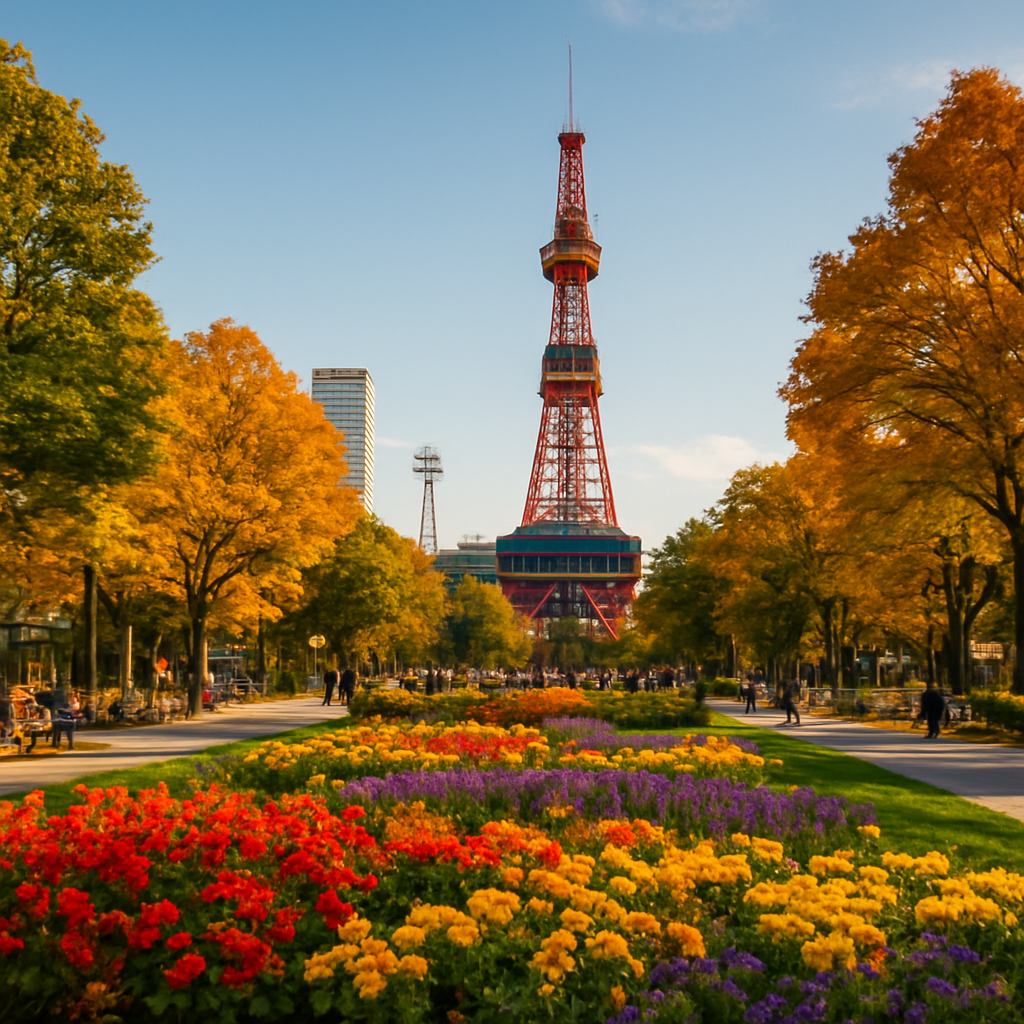
Sapporo Rainbow Pride in September
If you can build a trip around it, do. Sapporo's Pride traces back to the 1996 Rainbow March, making it one of the oldest in Japan, and it still feels like a neighborhood block party rather than a corporate spectacle. The parade rolls through central Sapporo, the festival programming fills Odori Park, and the after-parties spill into Susukino until 4am. Smaller than Tokyo's by design — and that's the entire reason to be there.
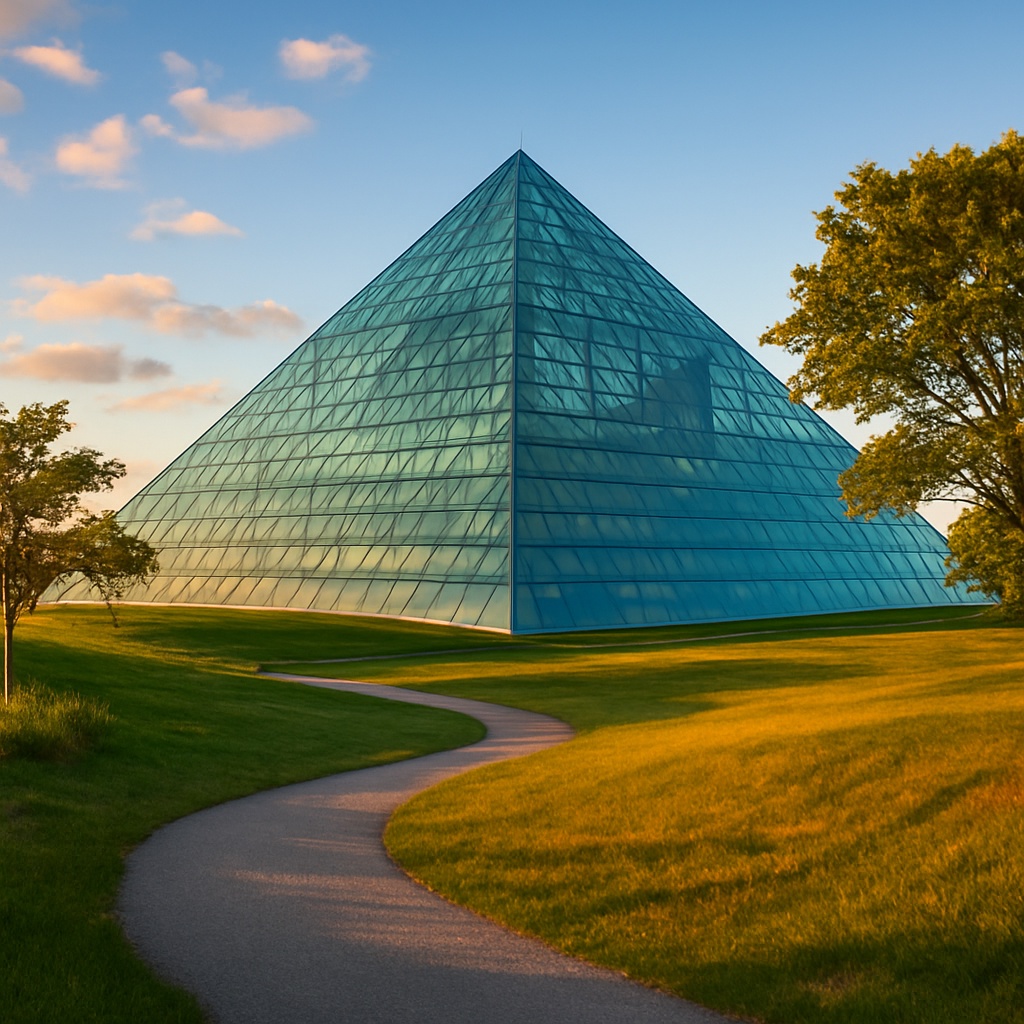
A Half-Day at Moerenuma Park
Isamu Noguchi spent the last years of his life designing this — 188 hectares of integrated landscape sculpture on a former landfill in Higashi Ward, fully opened in 2005 after his death in 1988. The glass pyramid Hidamari, the man-made Mount Moere, the Sea Fountain that runs in choreographed sequences through summer afternoons. There is nothing else like it on earth. Take the subway to Kanjō-dori-Higashi and the bus from there — it'll eat half a day and reward every minute.
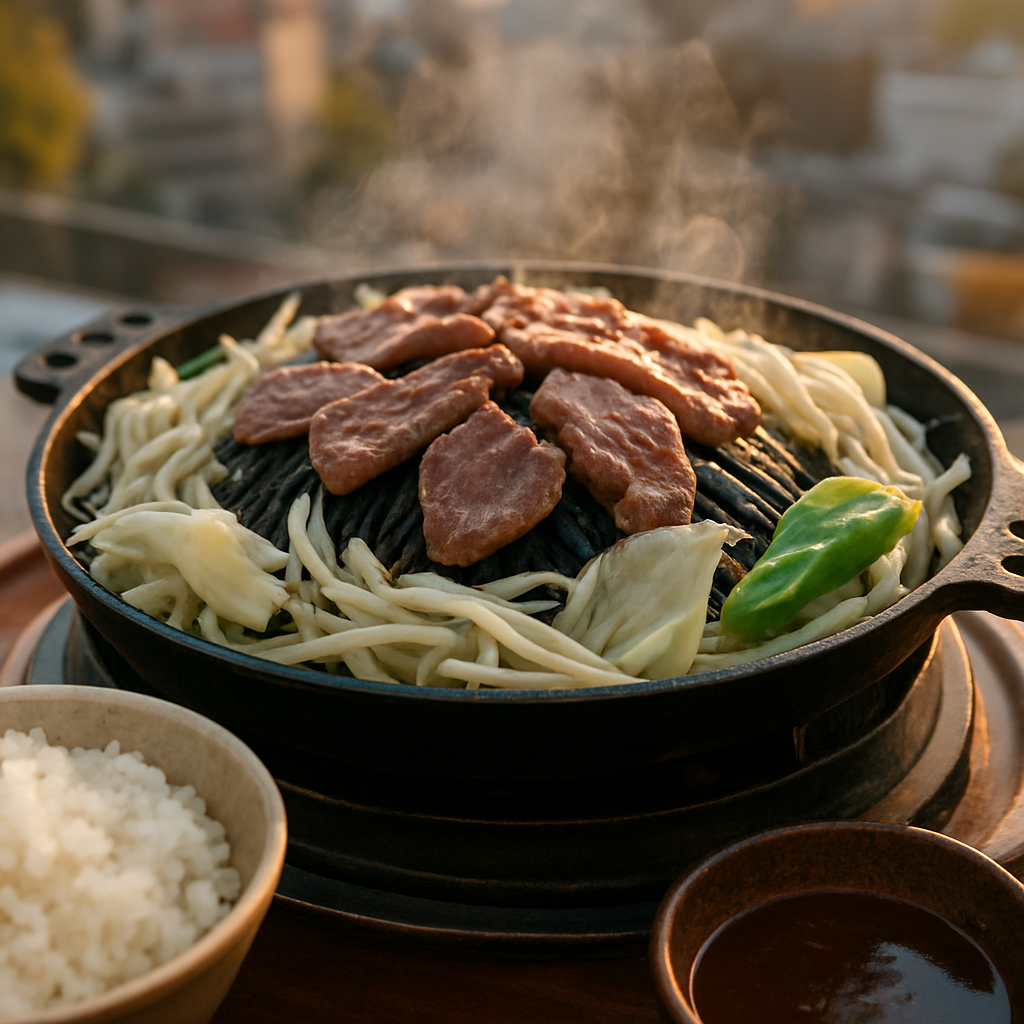
Jingisukan at Daruma Honten
Hokkaido's signature dish is grilled mutton on a dome-shaped iron skillet, and Daruma has been doing it since 1954 from a cramped Susukino counter that hasn't changed much since. The lamb hits the metal, the room fills with smoke, the beer keeps coming. Eat it with whoever you've just met at the bar — refusing it is fine, but accepting it is how you actually get invited to the next nomikai.
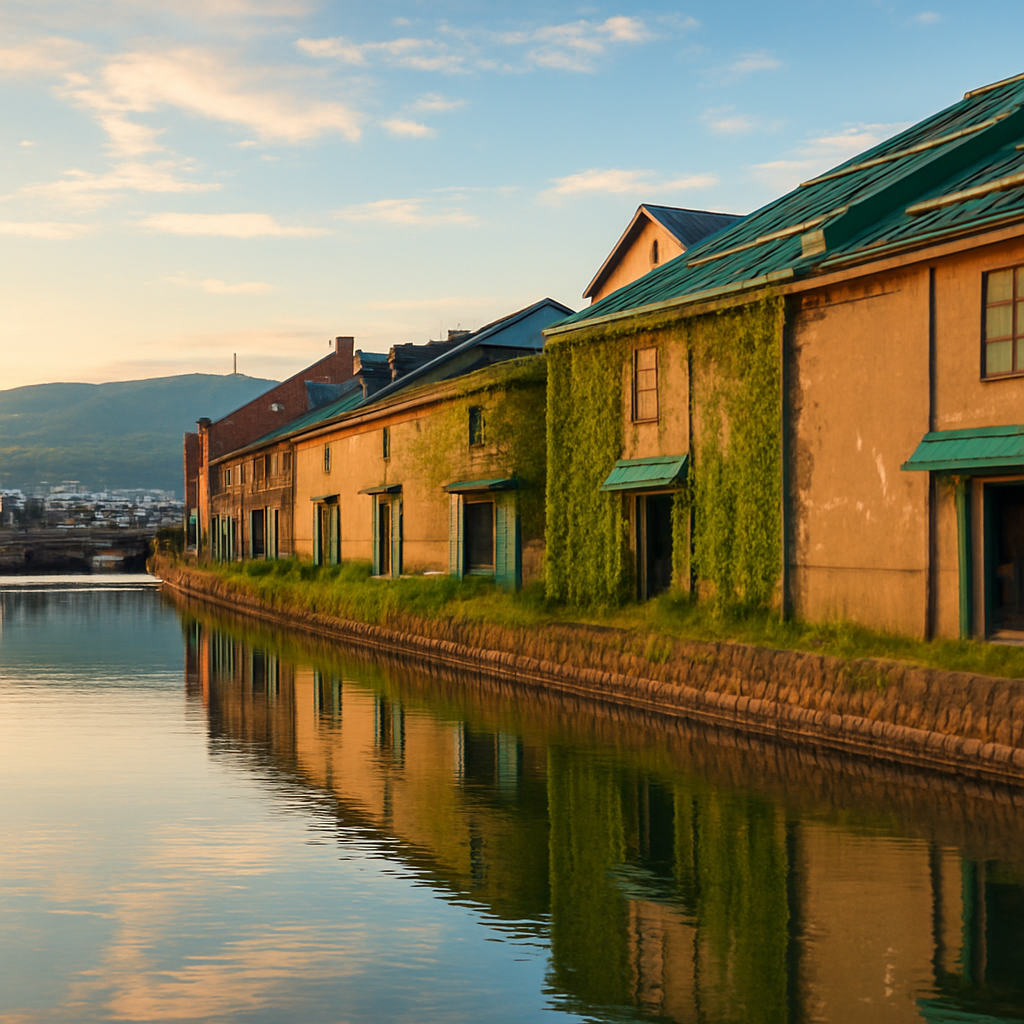
An Afternoon in Otaru
Forty minutes by JR train from Sapporo Station and you're in a different rhythm entirely — a port town that boomed on herring and banking in the early 20th century and never quite let go of its early-1900s bones. The Otaru Canal, completed in 1923, is lined with stone warehouses now housing glassworks, sushi counters, and music-box shops. Walk Sushi-ya Dori for lunch, browse the glass studios, catch the late train back, and be at your Susukino bar by happy hour.
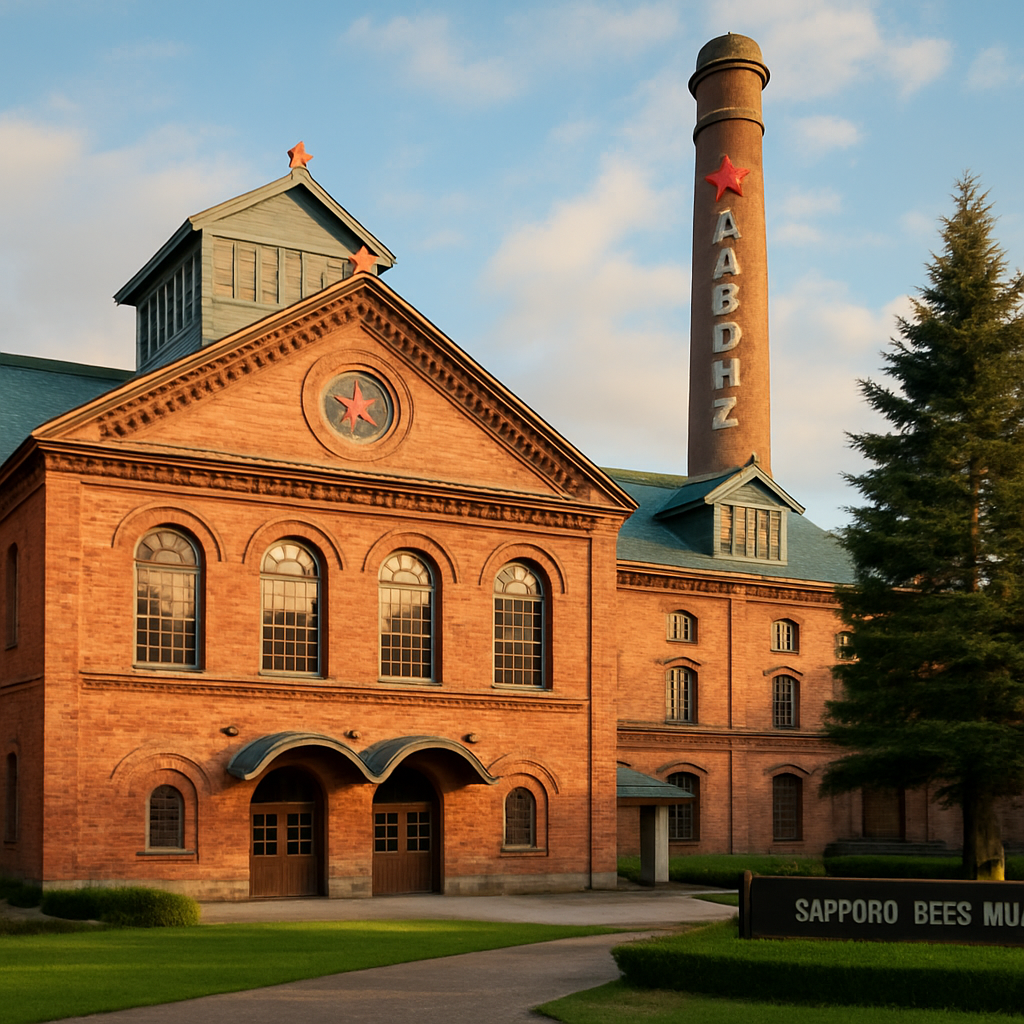
A Beer Flight at the Sapporo Beer Museum
Sapporo Beer is brewed here, sold everywhere, and somehow tastes better at the museum bar than anywhere else on earth. The 1890 red-brick complex in Higashi-ku is Meiji-era industrial architecture you can drink inside — skip the touristy beer hall dinner, do the flight at the museum bar instead, and let the building do the talking. Then get back to Susukino while the night's still young.
The places I actually send people to
Advice that fits how you travel
Solo travel in Sapporo is a quiet pleasure. The city is grid-planned, low-crime, and just compact enough that you can walk it end to end in a long afternoon — meaning you'll spend less mental energy on logistics and more on actually noticing things. The Susukino snack-bar format is genuinely solo-friendly once you understand it: six to twelve seats, a master or mama-san at the helm, and regulars who'll absorb you into the conversation if you bring even a little Japanese and a lot of warmth. Bar Cliff and Number Bar are the easiest entries — by stop two, the format clicks and you're not a tourist anymore, you're that guy from Wednesday.
Apps work in Sapporo, but they work differently. Grindr lights up around Susukino after 9pm and goes quiet by 1am — most of the actual scene activity happens in person at the cluster around Minami 6-jo. Don't expect Tokyo-volume. Do expect a smaller, friendlier pool where someone's more likely to suggest a drink than send a vague hookup ping. Budget-wise, solo travel here is a steal: ¥9,000-13,000/day for budget, ¥18,000-28,000 for moderate, and the city's transit and convenience-store food culture means you can eat well for almost nothing if you're paying attention.
Pro tip: Stay in Susukino or on the Tanukikoji border — Mercure Sapporo or Solaria Nishitetsu put you within stagger distance of the bars and twenty minutes from Nijo Market for the breakfast kaisendon that recalibrates what you think a hotel breakfast can be. And learn otsukaresama deshita before you walk into your first snack bar. It's the universal "good evening, thanks for having me" that signals you've been somewhere in Japan before. Bartenders visibly relax.
Sapporo is a quietly romantic city — less obvious than Kyoto, less performative than Tokyo, with a winter-light, mountain-edged sensibility that rewards couples who like their romance with some breathing room. Same-sex couples can hold hands in Susukino after dark and around Odori Park, Tanukikoji, and Sapporo Station mostly without comment — public kissing is rare for any couple in Japan, gay or straight, so reading the room there isn't about you. The city's Partnership Oath System has been in place since 2017, which gives the whole place a quietly settled feel for visiting same-sex couples. As of 2026, marriage equality still isn't national law, but Sapporo signals where it stands.
For accommodation, Cross Hotel Sapporo and JR Tower Hotel Nikko are the design-and-views picks, both with top-floor onsen baths that solve the gendered-bathing problem nicely with private options. Premier Hotel Tsubaki near Nakajima Park has on-site natural hot springs from Jozankei — meaning you don't have to leave the hotel for the full ryokan-style ritual. For the dinner that makes the trip, book Sushi Tanabe in Susukino (one Michelin star, omakase counter, Hokkaido seafood at the source) or Molière in residential Miyanomori for the two-Michelin-star Hokkaido-French tasting that's arguably the city's most ambitious meal.
Pro tip: If you can build the trip around early September, do — Sapporo Rainbow Pride traces back to 1996, making it one of Japan's oldest, and it's small enough to feel like a neighborhood block party with after-parties spilling into Susukino until 4am. Otherwise, February's Snow Festival around Odori Park is the romantic-Sapporo move: ice sculptures, illuminated walks, the bars in Susukino turning into glowing little lanterns you stumble between in snow boots. Either way, book a night at a ryokan in Noboribetsu 70 minutes out — the onsen-and-tatami combination is one of those experiences that doesn't translate to a quick stop.
Sapporo is one of the more underrated family destinations in Japan — clean, safe, navigable, and packed with the kind of Hokkaido outdoor experiences that make kids forget they're tired. LGBTQ+ families won't find specific programming aimed at them, but the city's general posture toward visitors is warm-bordering-on-formal, and the Partnership Oath System (in place since 2017) signals a municipal stance that's progressive within Japan. As of 2026, adoption by same-sex couples isn't legally recognized at the national level, so families traveling with children should carry documentation from your home country — passports, birth certificates, parental authorization letters if only one parent is traveling. Hotel check-in for LGBTQ+ families generally goes smoothly at international-brand properties.
For where to stay, JR Tower Hotel Nikko Sapporo is the practical winner with kids in tow — direct connection to Sapporo Station means you can roll a stroller from the room to the train platform without ever stepping outside, which in a Hokkaido winter is not a small thing. OMO3 Sapporo Susukino runs hotel-led neighborhood tours that work well for older kids who want the city explained at street level. Premier Hotel Tsubaki near Nakajima Park gives you on-site hot springs and park access in one move.
Pro tip: The half-day at Moerenuma Park is a family-trip cheat code — Isamu Noguchi's 188-hectare landscape sculpture has the glass pyramid Hidamari, the man-made Mount Moere kids can climb, and the Sea Fountain that runs in choreographed sequences through summer afternoons. Pair it with an afternoon in Otaru (40 minutes by JR train, a 1923 canal lined with glass shops and music-box stores), and add the Sapporo Beer Museum's red-brick 1890 complex for the architecture even non-drinkers will remember. For ground-level questions about traveling as an LGBTQ+ family in Japan, Nijiiro Diversity is the country's leading workplace-and-family-inclusion NPO and worth bookmarking before you fly.
What Sapporo actually costs
Flights, visas, and the first 30 minutes
Airport: New Chitose Airport (CTS) is Hokkaido's main international gateway, sitting roughly 50 kilometers southeast of central Sapporo. It handles around 30 direct international routes, with the heaviest traffic from Seoul, Taipei, Hong Kong, Shanghai, Bangkok, and Singapore — most North American and European travelers connect through Tokyo (Narita or Haneda) on a 90-minute domestic hop.
Visas: As of 2026, travelers from the US, UK, EU, Canada, and Australia are typically granted visa-free entry for stays up to 90 days. You'll generally need a passport valid for the duration of your stay and an onward ticket — Japan immigration is efficient but pays attention. Confirm with your nearest Japanese consulate before booking, since rules can shift.
Airport to city: The JR Rapid Airport Train is the move — ¥1,150, 37 minutes direct to Sapporo Station, departing every 15 minutes. The Hokkaido Chuo Bus runs ¥1,100 and takes around 70 minutes, with drops at major hotels (useful if you're staying in Susukino and don't want to transfer). Taxis run ¥10,000-13,000 with fixed-rate options available — fine if you're arriving late with luggage but otherwise overkill. Rental cars from ¥6,000/day make sense only if you're planning to explore Hokkaido beyond Sapporo — driving inside the city is unnecessary, and winter conditions are no joke.
Pro tip: Buy a Welcome Suica or ICOCA card at the airport for the train, subway, and convenience-store payments — it'll save you fumbling for cash at every gate.
Traven's seasonal breakdown
The questions everyone asks
Is Sapporo safe for LGBTQ+ travelers?
Do I need to speak Japanese to enjoy the gay bars?
Are same-sex couples recognized legally?
What's the deal with the cover charge at gay bars?
Can trans travelers comfortably visit Sapporo?
How much should I budget per day?
When's the best time to visit?
Screenshot this before you go
So should you actually go?
Go. Sapporo is the rare Japanese city that feels both deeply local and quietly welcoming — a 9.0 on Destination, an 8.4 on Scene, and a 7.5 overall on my Traven-Dex that I'd argue undersells how good the trip actually is once you're in it. Yes, the legal framework is partial — marriage equality isn't national law as of 2026, and partnership certificates carry no real legal weight — but Susukino's snack-bar cluster, the food, the Hokkaido outdoors, and the city's quietly progressive posture add up to one of the most rewarding trips you can take in Japan right now. LGBTQ+ travelers will find a smaller, friendlier scene than Tokyo's, with all the upside that implies. Build the trip around early-September Pride or February's Snow Festival, stay near Tanukikoji, and trust the city to do the rest.
Sources & Resources
Official links we reference when compiling this guide. Last verified 2026-05-04.