
Tokyo doesn't raise its voice. It just opens a door on the third floor of a building you'd never notice, and there's your whole night waiting.
The first thing you register in Shinjuku Ni-chōme isn't the bars — it's the scale. Over 300 LGBTQ+ venues packed into a handful of city blocks, each one barely bigger than your living room, stacked vertically in buildings you'd walk past without a second glance. You take a narrow elevator to the third floor of an anonymous office building and step into a six-seat cocktail bar where the bartender remembers your drink order from two nights ago. That's Ni-chōme. It doesn't announce itself. It doesn't need to.
Tokyo is a city of contradictions that somehow never feel contradictory. The legal framework lags — no marriage equality, limited anti-discrimination protections as of 2026 — but the cultural reality on the ground in Shinjuku is a scene so deep, so layered, so utterly itself that I gave it a 9.2 on Scene without hesitating. There are bars here for bears, for women, for drag lovers, for guys who just want to sing karaoke with a strong highball in hand. The specificity is the point. You don't go to a "gay bar" in Tokyo — you go to YOUR bar.
And then there's the rest of the city. My Traven-Dex overall of 7.7 reflects a place where the destination itself — the food, the design, the sheer sensory overload of walking through Shibuya at rush hour — is world-class. I scored Destination at 9.5 because, honestly, Tokyo earns a spot on that list regardless of orientation. The tsukemen at a counter seat in Nishi-Shinjuku. The silence inside Meiji Shrine at 7 AM. The way an entire city of 14 million people manages to feel both overwhelming and strangely intimate. This is a place that rewards attention.
What holds the score back is the gap between cultural warmth and legal recognition. Japan is safe. Japan is polite. Japan will not hassle you. But Japan also won't recognize your marriage, and the legal protections for LGBTQ+ people remain patchwork at best — ward-level partnership certificates in places like Shibuya, but nothing national. You'll feel welcomed in practice and invisible in policy. For many travelers, that trade-off is more than acceptable. For others, it matters. I respect both positions. What I won't do is pretend the gap doesn't exist.
The stuff your travel guide buries on page 47
Legal framework: Homosexuality has never been criminalized in Japan — that's the good news, and it's not nothing. The harder news: as of early 2026, Japan has no federal recognition of same-sex partnerships, no marriage equality, no joint adoption rights for same-sex couples, and no comprehensive national anti-discrimination law covering sexual orientation or gender identity. Several Tokyo wards — Shibuya and Setagaya were first — issue ward partnership certificates that carry symbolic weight but no binding legal force in situations that actually matter, like hospital visitation, immigration, or inheritance. Marriage For All Japan tracks legal developments if you want current information before your trip.
Gender identity: Legal gender recognition in Japan still requires surgical intervention and sterilization — a requirement that advocacy organizations like J-ALL are actively challenging in the courts. For trans travelers, this means your passport gender marker is what Japanese bureaucracy will reference in any official context.
Anti-discrimination protections: Limited. Some municipalities and prefectures have enacted local ordinances, and Tokyo Metropolitan Government introduced an anti-discrimination ordinance in 2018 that includes sexual orientation and gender identity, but enforcement mechanisms are weak and the national government hasn't followed suit. In practice, you're more likely to encounter indifference than hostility — but the absence of legal recourse is real.
Cultural reality on the ground: Japan operates on a social contract of public discretion that applies to everyone — straight couples don't aggressively display affection in public either. This isn't homophobia in the way you might recognize it from other contexts; it's a broader cultural framework around privacy and public behavior. That said, the effect on queer travelers is that visibility outside of designated spaces like Ni-chome requires reading the room constantly. You won't be confronted. You may feel unseen, which is a different kind of weight.
PDA comfort by area: In Shinjuku Ni-chome, same-sex PDA is normalized and welcomed — hold hands, kiss at the bar, be visible. In Shibuya and Harajuku, minor PDA like hand-holding generally passes without incident among the younger crowds, though overt displays may draw stares. In more traditional neighborhoods like Asakusa and Ueno, keep it understated. On public transit, minimize all PDA — that's not about you; that's Japanese train culture applied universally.
Practical note: Many Ni-chome bars run quiet ichigensan okotowari (no first-timers) policies or prioritize regulars. AiiRO CAFE and Advocates are the most reliably tourist-accessible spots, especially if you arrive before 10pm when regulars have claimed their real estate. And cash is still king in Ni-chome — the ATM inside the Lawson on Yasukuni-dōri will have a line after midnight on Saturdays. Bring yen or withdraw before you start the night.
What it actually feels like on the ground
Holding hands: In Ni-chome, completely comfortable — nobody will look twice. In Shibuya, Harajuku, and Omotesando, hand-holding between same-sex couples generally reads as unremarkable among younger crowds. In traditional areas like Asakusa, it's unlikely to provoke a confrontation but may draw lingering glances from older residents. The honest assessment: visible harassment is genuinely rare in Tokyo. The friction is more structural than threatening — public affection draws stares outside Ni-chome not from hostility but because Japan's intimacy-in-public norms apply broadly, to everyone.
Hotel check-in: Same-sex couples booking a double room will encounter zero issues at international chains and the vast majority of business hotels. Staff professionalism in Japanese hospitality is deep and genuine. Smaller ryokan (traditional inns) in very rural areas may be less practiced, but in Tokyo proper this is a non-issue. Your booking will be honored without comment.
Taxis and ride-share: Tokyo taxi drivers are professional to a degree that borders on theatrical — white gloves, automatic doors, and absolutely no interest in your personal life. You will not encounter problems. MK Taxi is particularly reliable and English-friendly for airport transfers.
Public transit: Japanese train culture operates on a baseline of minimal interaction and personal space management that makes it one of the most neutral environments you'll encounter. Nobody is paying attention to who you're traveling with. Avoid rush hour (7:30–9am, 5:30–8pm) not for safety but for sanity.
Beaches and public spaces: Tokyo's parks — Yoyogi, Shinjuku Gyoen, Ueno — are safe and relaxed. During hanami (cherry blossom season), queer groups gathering at Yoyogi Park is an established informal tradition. Beaches on the Shonan coast south of the city are family-oriented and unremarkable for same-sex couples keeping PDA low-key.
Late night: Tokyo is one of the safest major cities in the world after dark, full stop. Walking home through Shinjuku at 3am is genuinely less risky than most equivalent scenarios in Western capitals. Standard precautions apply — watch your drink, know your route — but the baseline safety level is exceptionally high.
Trans travelers: Physical harassment is genuinely rare. The consistent point of friction is onsen (hot springs) and sento (public baths), which segregate strictly by posted gender markers. Staff responses to trans guests range from gracious to immovable with no way to predict which you'll get. Booking a private-room (kashikiri) onsen experience near Shinjuku sidesteps the whole thing and is honestly more relaxing anyway. For any situation that goes sideways, Akta on Ni-chome's Chūō-dōri keeps multilingual resources and staff who speak functional English — it's the go-to first stop for everything from a hostile situation to just needing someone to sit with you for a minute.
Verbal harassment risk: Extremely low. Japan's social norms strongly discourage public confrontation of any kind. In years of community reports, the most common negative experience queer travelers describe in Tokyo isn't hostility — it's invisibility. Whether that's a comfort or a frustration depends on what you need from a city.
The queer geography
Shinjuku Ni-chome
This is it — Tokyo's legendary queer district, and there's nothing else quite like it anywhere on Earth. Six compact blocks radiating off Chūō-dōri in Shinjuku's second district, packed with over 200 LGBTQ+ bars, clubs, cafés, and community spaces. The bars themselves are famously tiny — many hold six to twelve people standing — and that's the architecture of intimacy, not a limitation. Each bar has its own identity: bear bars, lesbian bars, drag bars, bars for specific age ranges, bars for specific music, bars where the owner is the entire staff and the vibe is whatever they decide it is tonight.
Start at Advocates Café — English-friendly, open-door policy, the orientation session that makes the rest navigable. AiiRO CAFE next door picks up energy around 10:30pm and functions as the neighborhood's unofficial living room. Campy! Bar delivers full theatrical drag in a space roughly the dimensions of a shipping container — the performers are absurdly talented, and the camp is completely sincere, which makes it more thrilling than if it were ironic. Go on a Friday. Dragon Men is the place if your crowd runs older, bearier, and quieter — the whisky selection is serious, the average age skews 40s–60s, and the music doesn't assault your eardrums. Bar Goldfinger is the long-running lesbian bar institution: Friday and Saturday nights are primarily for women and non-binary guests, and they enforce it politely but clearly at the door. Plan around it rather than showing up surprised.
Akta Community Center sits on Chūō-dōri and functions as the neighborhood's information nerve center — multilingual resources, HIV testing, event listings, and staff who can point you toward whatever you're looking for. Pride House Tokyo Legacy is a permanent LGBTQ+ community space born from the 2021 Olympics infrastructure that provides a quieter, daytime-oriented gathering point.
Shibuya & Harajuku
Shibuya's energy is younger, louder, and more commercially cosmopolitan — the Scramble Crossing is the spectacle, but the side streets south of Center-gai hold more interesting drinking and eating. This is where you'll find mixed welcoming spaces that aren't specifically LGBTQ+ venues but where same-sex couples blend in without effort. Harajuku's Takeshita-dōri is a sensory overload of fashion subcultures, and the broader Omotesando boulevard running from Harajuku to Aoyama is one of Tokyo's best walks — architecture, boutiques, excellent coffee. Moderate PDA comfort in both areas among the younger demographic.
Daikanyama & Nakameguro
South of Shibuya, these adjacent neighborhoods offer a quieter, design-forward Tokyo that appeals to the creative crowd. Daikanyama is where you find Tableaux — the French-influenced brasserie that's been a quiet fixture for Tokyo's LGBTQ+-adjacent creative set — and the T-Site bookstore complex that makes you reconsider how a bookstore should feel. Nakameguro is the canal-walk neighborhood where Rainbow Reel Tokyo, the city's LGBTQ+ film festival, screens in summer — a genuinely different ecosystem from the bar scene, and worth knowing about.
The experiences worth rearranging your itinerary for
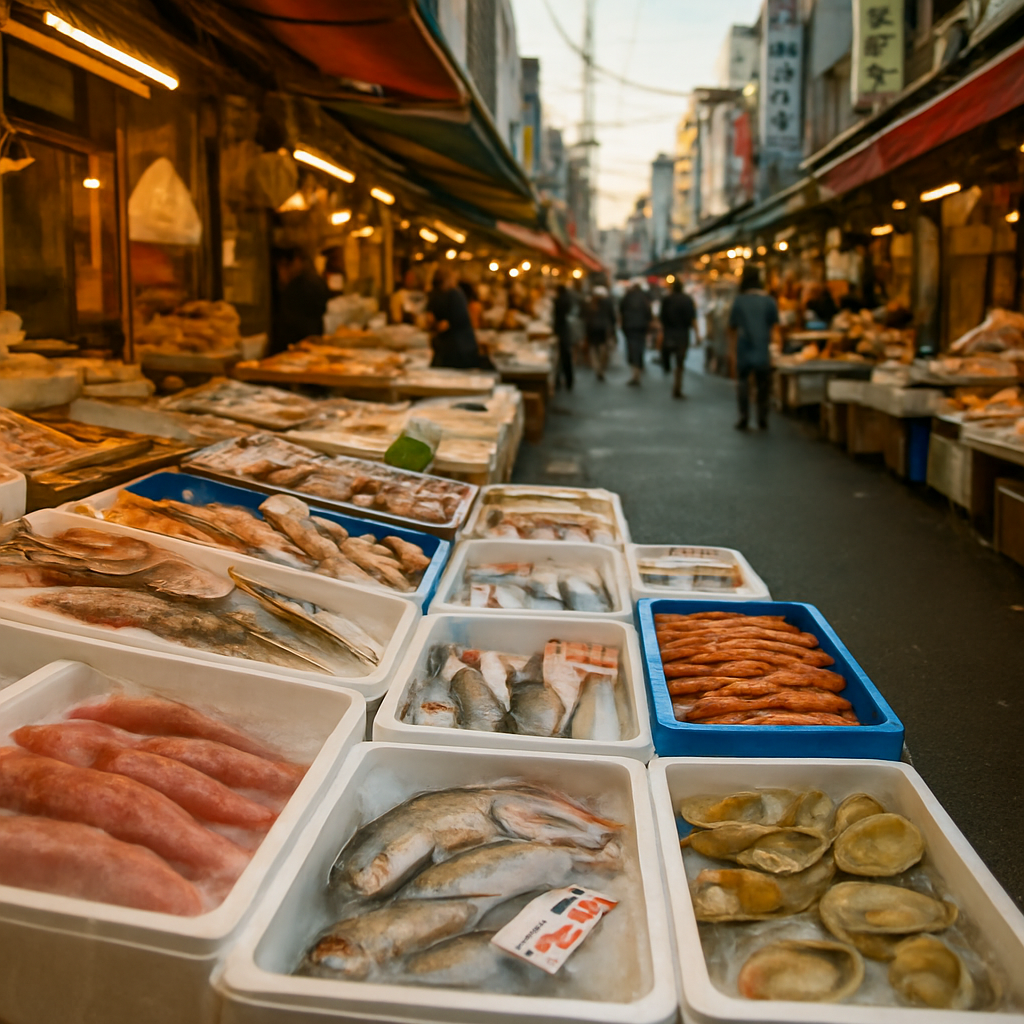
Tsukiji Outer Market at Breakfast
The inner wholesale market moved to Toyosu, but the outer market at Tsukiji is still where you want to be at 8 AM with an empty stomach. Vendors line narrow lanes selling tamagoyaki (sweet rolled omelette) on sticks, fresh uni spooned onto rice in styrofoam cups, and grilled scallops that spit butter as they cook. The crowd is a mix of locals shopping for dinner and tourists who got the memo. Get there early, eat standing up, and don't try to plan — just follow your nose from stall to stall. The whole experience takes about 90 minutes and costs less than a mediocre hotel breakfast.
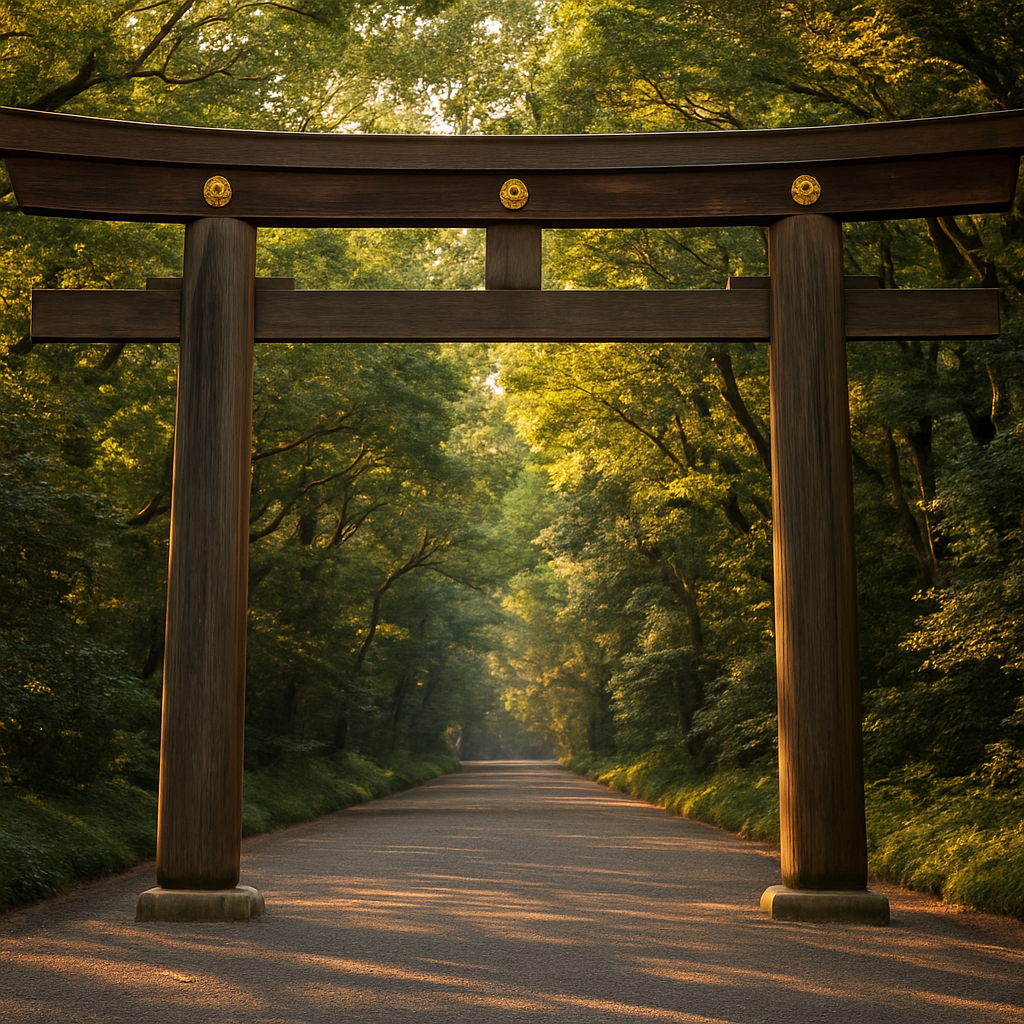
Meiji Shrine and Yoyogi Park
Meiji Jingū sits behind a towering torii gate at the edge of a 170-acre forest that feels impossible in the middle of a megacity. The gravel path from the gate to the main shrine takes about ten minutes, and with every step the noise of Harajuku fades. Go early morning on a weekday and you might have it nearly to yourself. On weekends, you'll often catch a traditional Shinto wedding procession — the bride in white, the priest in robes, the whole thing eerily quiet. Walk out the south exit and you're in Yoyogi Park, where on Sundays the rockabilly dancers still show up in full pompadour near the entrance.
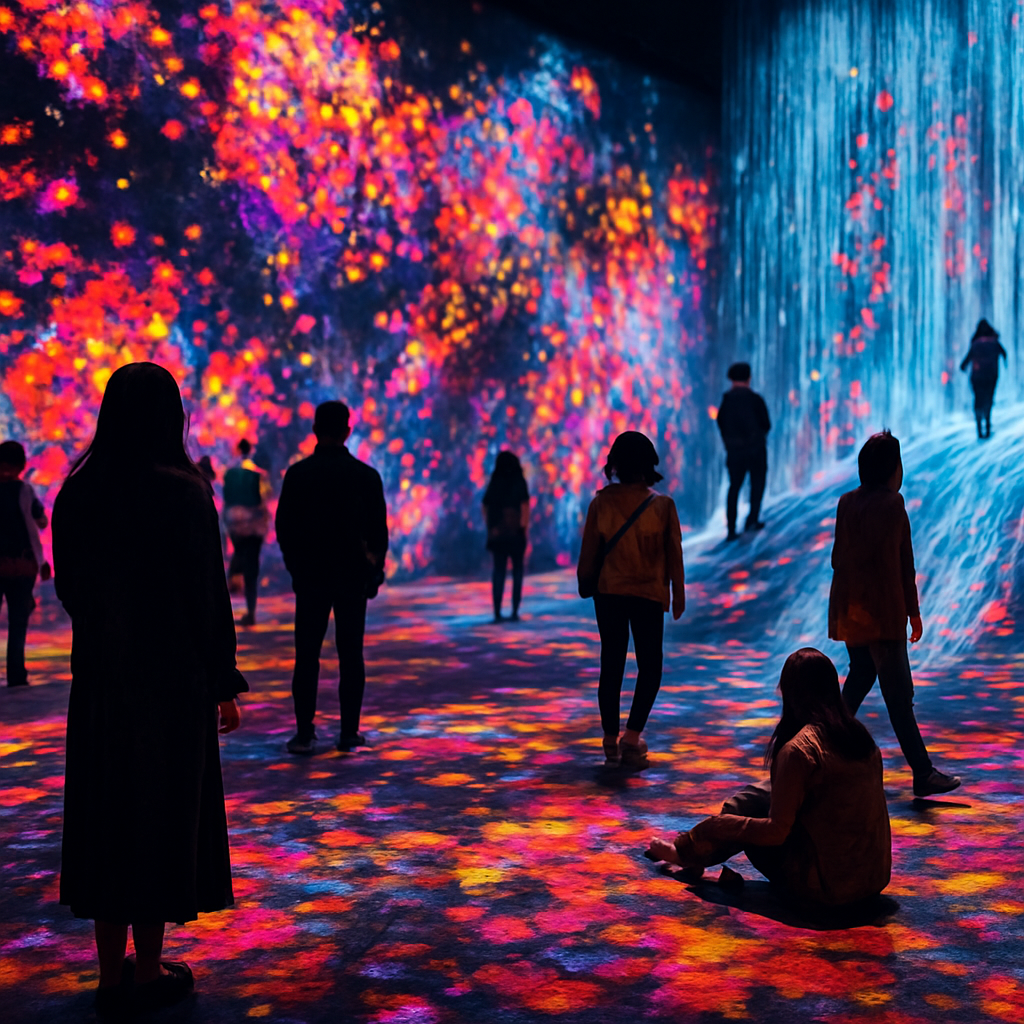
teamLab Borderless (Azabudai Hills)
teamLab's immersive digital art museum relocated to Azabudai Hills and it's worth the hype — rooms where projected flowers bloom across your body, waterfalls of light that respond to where you stand, corridors where the boundary between floor and wall dissolves entirely. It's genuinely disorienting in the best way. Book tickets online well in advance; walk-up availability is rare. Wear white or light colors — the projections look spectacular on you. Allow at least two hours. Kids lose their minds in here, but so do adults.
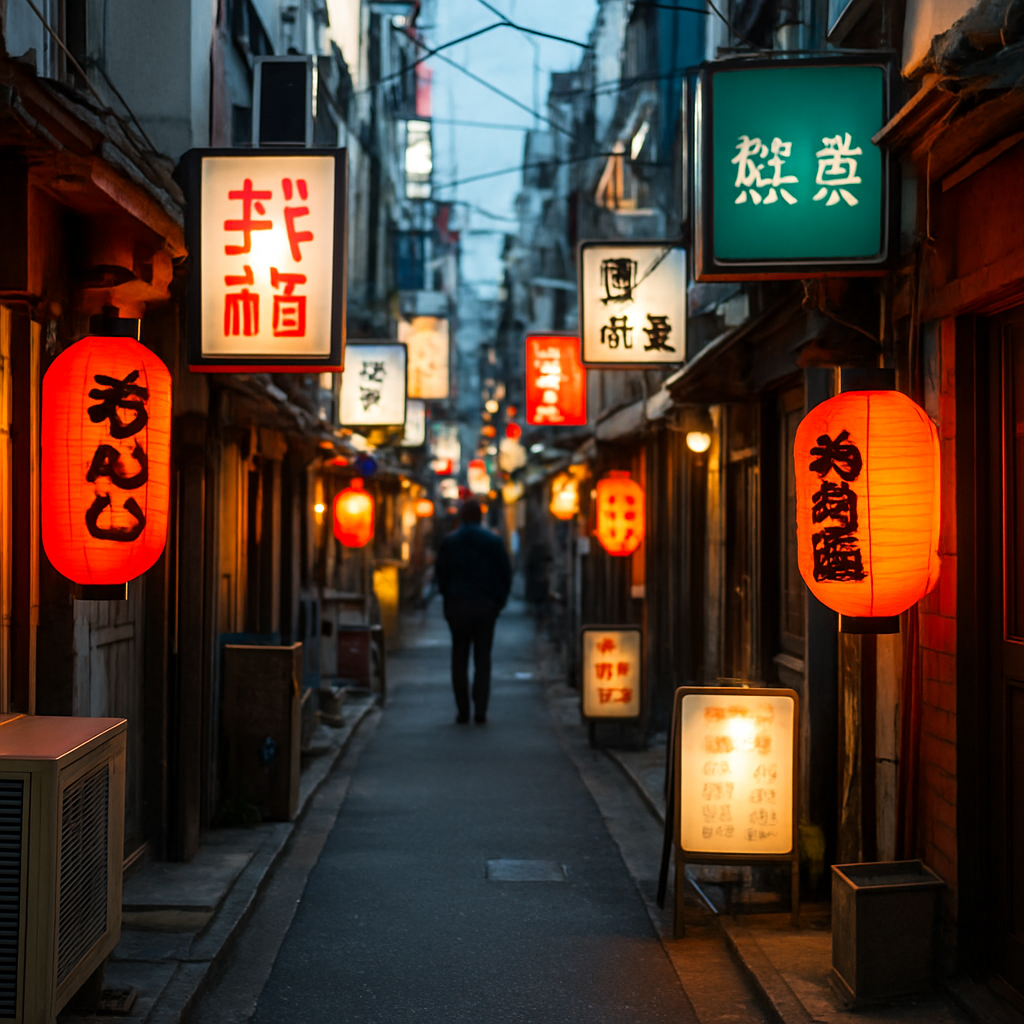
Golden Gai After Dark
Golden Gai is six narrow alleys in Shinjuku packed with roughly 200 bars, most seating four to eight people. Each has its own personality — there's one dedicated to horror films, one where the mama-san only plays jazz vinyl, one covered floor to ceiling in stickers from decades of visitors. Some charge a cover (typically ¥500–¥1,000); look for signs in English near the door. The protocol is simple: slide the door open, ask if there's room, sit down, order. It's one of the last places in Tokyo that feels exactly like it did 40 years ago. Go after 9 PM on a weeknight for the best experience.
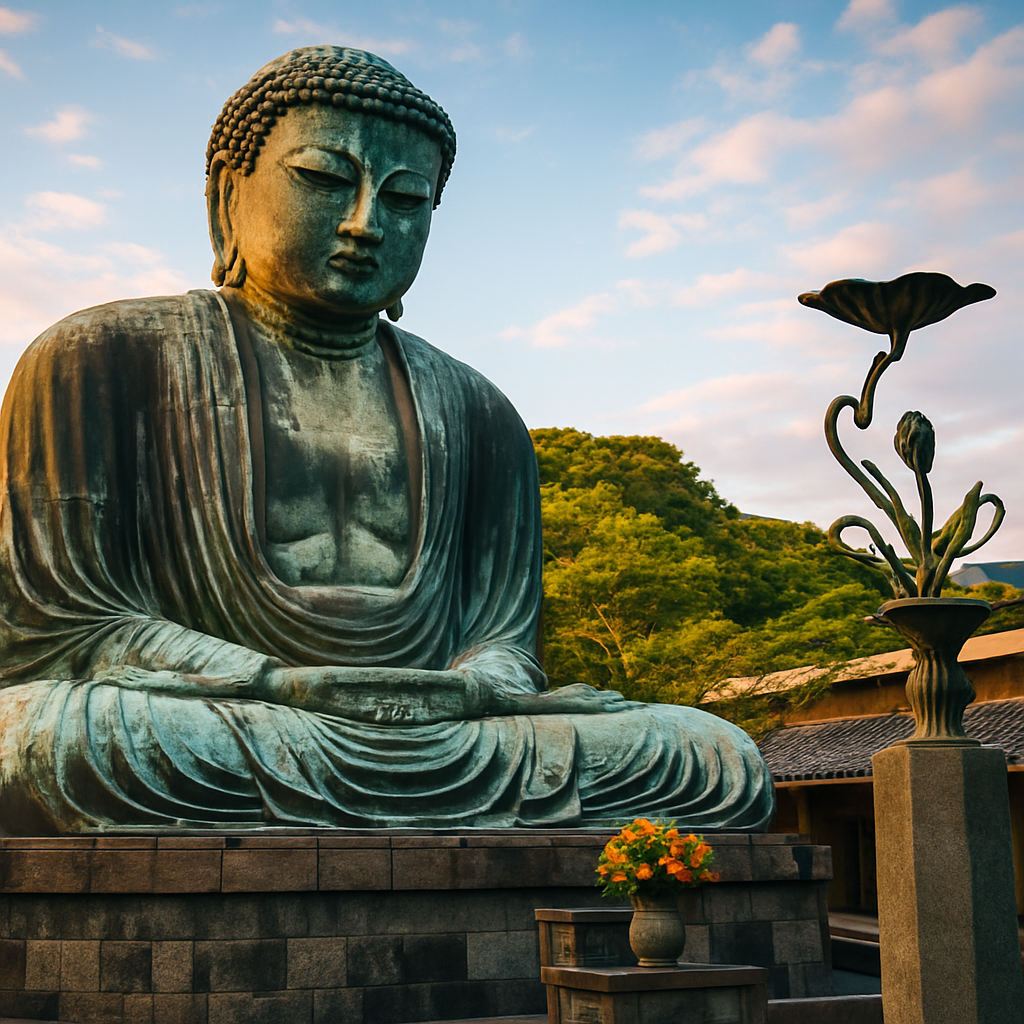
Day Trip to Kamakura
An hour south of Tokyo by JR Yokosuka Line, Kamakura was Japan's military capital in the 13th century and it still carries that weight. The Great Buddha at Kōtoku-in — 13 meters of bronze sitting in open air since a tsunami washed away its temple hall in 1498 — is one of those things that genuinely stops you in your tracks. Walk the Daibutsu Hiking Course through bamboo groves between temples, then end at the beach near Yuigahama for a beer. The whole day costs almost nothing. Pack a konbini lunch and you're set.
The places I actually send people to
The Tokyo dates worth planning around
Advice that fits how you travel
Tokyo might be the best solo travel city in the world, and I don't say that casually. The entire infrastructure is built for individuals moving through space efficiently — single-seat ramen counters at Ichiran, capsule hotels designed for one, train networks that reward self-sufficiency, and a cultural baseline of privacy that means nobody is wondering why you're alone. You're not alone. You're independent. Tokyo understands the difference. A budget solo day runs ¥7,000–¥10,000 including a capsule hotel, ramen, metro, and a temple visit. A moderate day with a business hotel and sit-down meals runs ¥20,000–¥30,000. Either version works.
For meeting people, Ni-chome is remarkably approachable once you crack the initial code. Start at Advocates Café before 10pm — English-speaking staff, open-door policy, and an explicit welcome for tourists figuring out the neighborhood. Move to AiiRO CAFE as the night builds. After midnight, the local method is genuinely just to pick a door that looks interesting and walk in. Cover charges of ¥1,000–¥2,000 include a drink, and the intimacy of a six-person bar means conversation isn't optional — it's structural. App culture is active in Tokyo: 9monsters is the local platform with the largest user base for gay men, alongside the usual international apps. Response rates trend higher than most Asian capitals in my experience.
Safety for solo travelers is exceptional — Tokyo's crime rates are vanishingly low, and walking home through Shinjuku at 3am is genuinely less risky than equivalent scenarios in most Western cities. The main solo-specific caution is pacing: it's easy to overcommit your first two days and crash. Build in one afternoon with no plan — find a kissaten (old-school coffee house), sit with a book, and let Tokyo come to you for a few hours. The city rewards observation as much as action.
Tokyo is a city where romance lives in specificity — the right izakaya, the right hour, the right neighborhood. For same-sex couples, some geographic awareness matters, but the payoff is genuine. Shinjuku Ni-chome is your most comfortable PDA zone: hand-holding, a kiss at the bar, leaning into each other between stops — all normalized here in a way the rest of the city isn't quite ready for yet. Spend an evening on Ni-chome's streets and you'll understand what it means to be in a place where nobody is looking at you in that particular way.
For a dinner that earns its own memory, take the train to Daikanyama and book Tableaux — warm basement lighting, French-influenced food, and an atmosphere that doesn't rush you through a second glass of wine. If a splurge night is on the table, the New York Bar at the Park Hyatt on floors 39–52 of the Shinjuku Park Tower is exactly as romantic as the photographs suggest; book a window seat around 7pm before the full crowd arrives and the city view, Tokyo spreading in every direction below you, has a way of making wherever you are feel like the exact right place to be.
For daylight hours, the walk from Harajuku through Omotesando down to Daikanyama is one of Tokyo's most consistently pleasant afternoon routes — boutiques, good coffee, crowds that thin as you move further from the station. Moderate PDA comfort in Shibuya and Harajuku means hand-holding reads as unremarkable among the younger, fashion-forward crowds there; save more visible affection for Ni-chome at night. The day trip to Kamakura — forested Zen temples, the Great Buddha, lunch by the coast — runs under an hour each way on the JR Yokosuka Line and has the specific quality of a day that feels longer and more satisfying than its hours actually were.
Tokyo is a genuinely excellent family destination in almost every practical sense: extraordinarily safe, navigable even with young children, and designed to accommodate varied schedules in ways many major cities aren't. Children under 6 ride the metro free, the transit network becomes legible quickly once you have an IC card loaded, and convenience stores — restocked around the clock — serve as reliable backup for every snack emergency that arises. Avoid rush hour with children (roughly 7:30–9am and 5:30–8pm) and Tokyo's train culture is remarkably manageable even with a stroller.
For LGBTQ+ families, the ground-level experience in Tokyo is generally one of polite professionalism rather than hostility — you won't encounter overt trouble. What you will encounter is a bureaucratic and legal framework that doesn't recognize same-sex family structures at the national level. Ward partnership certificates from progressive Tokyo wards like Shibuya carry symbolic weight but no binding legal recognition in medical or official situations. Carry notarized translations of your family documents — parental rights, custody arrangements, relationship status — not as paranoia but as practical preparation for a system that still defaults to heterosexual family units on its forms.
For activities, teamLab Borderless in Azabudai Hills works across ages — children respond to the immersive art rooms with unfiltered delight that adults spend good money trying to approximate. Ueno Zoo runs ¥600 per adult with children under 12 free when accompanied by an adult, Yoyogi Park is vast and free and forgiving of exactly the chaos families generate, and Senso-ji in Asakusa at dawn has a quiet grandeur that holds even young travelers' attention in ways you don't anticipate. For a longer day out, Kamakura on the JR Yokosuka Line — forested temples, the Great Buddha, casual coastal lunch spots — is a manageable and memorable option for families with children old enough to manage a few kilometres of walking.
What Tokyo actually costs
Flights, visas, and the first 30 minutes
Airport: Tokyo Haneda International Airport (HND) is your primary gateway and the better arrival option for most international travelers — it sits closer to central Tokyo than Narita and connects to the city in under 30 minutes by rail. Narita (NRT) handles overflow international traffic and budget carriers; factor in an additional 60–90 minutes of travel time if you land there.
Tokyo Monorail: ¥500–¥600, roughly 25 minutes to Hamamatsucho, where it connects directly to the JR Yamanote Line. Clean, reliable, and the easiest orientation into the city's rail logic.
Keikyu Line Express: ¥300–¥650, roughly 30 minutes to Shinagawa. This is the fastest rail option into central Tokyo and drops you onto the Yamanote Line with a smooth connection to Shinjuku, Shibuya, and beyond.
Airport Limousine Bus: ¥900–¥1,500, 40–80 minutes depending on traffic, with drop-offs at major hotels across the city. Best option if you're carrying significant luggage and want to skip a rail transfer entirely.
Taxi / Ride-share: ¥4,000–¥7,000, 30–60 minutes, highway tolls included. MK Taxi is reliable and English-friendly. Worth it late at night when trains are winding down, or traveling as a group where the fare splits reasonably.
Direct Routes: Haneda serves 150+ cities with direct flights. Los Angeles (LAX) runs roughly 11 hours. London (LHR) roughly 12 hours. Sydney (SYD) roughly 9.5 hours. Singapore (SIN) roughly 7 hours. Paris (CDG) roughly 12.5 hours. Toronto (YYZ) roughly 13 hours.
Visa Requirements: US, UK, EU (most passports), Canadian, and Australian passport holders all enter Japan visa-free for stays up to 90 days — no advance application required, just the arrival card you fill out on the plane. Traveling on any other passport? Check Japan's Ministry of Foreign Affairs requirements before you book.
Traven's seasonal breakdown
The questions everyone asks
Is it safe to hold hands in Tokyo?
Do I need to speak Japanese?
How much should I budget per day?
Are Ni-chome bars foreigner-friendly?
Can trans travelers use onsen?
When is Tokyo Rainbow Pride?
Should I fly into Haneda or Narita?
Screenshot this before you go
So should you actually go?
Go. Tokyo is one of the greatest cities on earth to eat, walk, explore, and lose yourself in — and it has a gay scene with more depth and specificity than cities ten times its reputation for nightlife. The legal situation is genuinely behind where it should be, and you'll feel that absence if recognition matters to you. But on the ground, in the bars of Ni-chōme, in the restaurants of Shibuya, in the temples at dawn, you'll find a city that treats you with extraordinary care and asks very little in return except that you take your shoes off at the door. I'd go back tomorrow.
Sources & Resources
Official links we reference when compiling this guide. Last verified 2026-03-15.
- Tokyo Rainbow Pride
- J-FLAG (Japan LGBT Front)
- ReBit — LGBTQ Youth Support Japan
- Pride House Tokyo Legacy
- OCCUR (Association for LGBT Support from Japan)
- Stonewall Japan
- ILGA Asia
- Rainbow Reel Tokyo (LGBTQ+ Film Festival)
- Tokyo Metropolitan Government — Human Rights & Partnership
- Ministry of Justice Japan — Human Rights Counseling