Nairobi is one of the great cities of the African continent. It is also a city where being queer is a crime. Both of those things are true at the same time, and pretending otherwise helps nobody.
The air in Nairobi hits differently than any other capital I can think of — it's at 1,700 metres, so there's a coolness to even the warmest afternoons that takes you by surprise, and the light in the dry season has a clarity that makes every jacaranda tree and red-soil road look like someone colour-corrected the whole city. The smell of nyama choma drifting from a Westlands roadside joint on a Sunday. The chaos of a matatu painted like a fever dream pulling up beside your Uber on Waiyaki Way. The Ngong Hills visible from rooftop bars in Karen. This is a city with real gravity — culturally, economically, creatively. My Destination score of 6.0 reflects a city that earns its place on any serious traveler's list.
But I can't sugarcoat this one. Same-sex conduct is criminalized under Sections 162–165 of Kenya's Penal Code, carrying penalties up to 14 years. In May 2023, Kenya's Court of Appeal upheld those provisions, reversing an earlier High Court decision. There is no anti-discrimination law protecting queer people, no gender identity recognition, no civil unions, no marriage. My overall Traven-Dex score of 2.7 exists because I built the system to be honest, and the legal reality here demands honesty. The law is real. It is enforceable. It shapes every interaction a queer person has in this city, whether you're Kenyan or carrying a foreign passport.
What the score doesn't capture is the resilience. Nairobi has one of East Africa's most organized LGBTQ+ communities — organizations like GALCK+ and NGLHRC have been doing critical legal and community work for years. The scene here runs on WhatsApp threads and mutual trust networks, not rainbow flags. Westlands — the cluster of bars along Woodvale Grove, the creative energy around The Alchemist — draws a young, internationally-minded crowd where nobody's auditing your personal life. It's not declared queer space. In this legal environment, nothing is. But it functions as the most queer-adjacent zone the city currently offers.
Contact GALCK+ and NGLHRC before you land, not after. They know which events are live that week, which hotels are genuinely safe, and which venues have had recent incidents. That intelligence is worth more than anything I can write from outside the city. Some of you will read all of this and decide Nairobi is worth it — for the wildlife, the food, the creative energy, the chance to connect with one of Africa's most important queer communities. Some of you won't. Both are valid. But go in with your eyes open.
The stuff your travel guide buries on page 47
Legal Framework: Consensual same-sex conduct is criminalized under Sections 162–165 of Kenya's Penal Code, with penalties of up to 14 years imprisonment. Kenya's Court of Appeal upheld these provisions in May 2023, reversing a 2019 High Court decision that had found the laws unconstitutional. There is no same-sex marriage, no civil union recognition, no same-sex adoption. There are zero anti-discrimination protections for sexual orientation. Gender identity receives no legal recognition — identity documents cannot be updated to reflect gender. The US State Department, UK FCDO, and equivalent agencies from the EU, Canada, and Australia all explicitly note the criminalization in their travel advisories.
Cultural Reality: The law creates a chilling effect that shapes every public interaction for queer Nairobians. Same-sex PDA — even inside Westlands bars — is a risk most locals consider simply not worth taking. Visitors should follow that lead without question. No widespread pattern of arrests specifically targeting foreign tourists has been documented, but the legal risk is real, enforceable, and not theoretical. The Kenyan tabloid press has a history of outing stories — be deliberate about what you post publicly while in-country. Anything that tags your specific location at a community gathering is an unnecessary risk.
Trans Travelers: Trans people face compounded legal and social risks. Identity documents cannot be updated, and trans individuals have reported consistent harassment from both police and the public. Consult TEA Kenya (Transgender Education and Advocacy) for current on-the-ground conditions before visiting.
Accommodation: Book into internationally-oriented hotels — properties like Tribe Hotel at Village Market or Sankara Nairobi serve a diplomatic, NGO, and international business clientele, and staff are trained for global guests. Same-sex couples checking in together will not encounter visible discomfort at these properties. Budget guesthouses are a considerably less predictable experience.
PDA Comfort: There is no area of Nairobi where same-sex PDA is advisable. The CBD carries the highest risk — heavy foot traffic, public scrutiny, and potential police attention. Westlands and Karen are marginally lower-risk due to their international populations, but same-sex PDA remains legally and socially dangerous in every public setting. Gigiri, the UN and embassy zone, has the highest concentration of international residents, but Kenyan law applies regardless. Private rooms at international hotels offer the greatest discretion, though no legal protections exist for guests.
What it actually feels like on the ground
Holding hands or physical affection: Do not hold hands, kiss, or display any physical affection that reads as romantic with a same-sex partner anywhere in public. This applies in every neighborhood, including Westlands, Karen, and Gigiri. This is not cultural conservatism you can test the edges of — it's criminal law. Follow the lead of Nairobi's own LGBTQ+ community, who maintain strict discretion in all public spaces.
Hotel check-in: International hotels serving diplomatic and business travelers — Tribe Hotel, Hemingways Nairobi, Sankara Nairobi — will process same-sex couples checking into a shared room without visible issue. Staff are accustomed to international guests. Budget guesthouses and locally-run properties are unpredictable. Book a twin room if you're uncertain about a property. Your room is the safest space you'll have in this city.
Taxis and ride-hail: Use Uber or Bolt for all evening and nighttime travel. The apps provide driver identification, route tracking, and a digital record of your journey. Matatus — Nairobi's colorful minibuses — are fine for daytime movement between Westlands, Kilimani, and Parklands, but take ride-hail after 9pm. Do not discuss your personal life with drivers.
Beaches and public spaces: Nairobi is inland with no beaches. In public parks and spaces, same-sex couples should not behave any differently than they would on a busy street. Nairobi National Park, the David Sheldrick Elephant Orphanage, and similar attractions are tourist environments where you'll be treated as visitors — keep interactions friendly and impersonal.
Late night: Nairobi has real street crime after dark, independent of any LGBTQ+ considerations. Don't walk between venues at night. Uber or Bolt door-to-door. Stay in well-lit, populated areas. Karen and Gigiri — both heavily expat and diplomatic — operate at a noticeably different temperature from the CBD. Harassment incidents are far less common in those suburbs.
Trans travelers: Trans individuals face heightened risk in Nairobi. Police harassment has been documented. Identity documents cannot reflect gender identity under Kenyan law. Contact TEA Kenya before travel for current conditions. Travel with copies of your home-country legal documents establishing your identity.
Verbal harassment: Anti-LGBTQ+ sentiment is common in public discourse and media. If you are perceived as queer in public — through appearance, mannerism, or association — verbal harassment is possible, particularly in the CBD and on public transport. The safest response is disengagement. Do not confront. If something escalates, contact NGLHRC — they provide legal support and can connect you with trusted attorneys quickly. Save their contact information before you leave your hotel room on your first day.
Emergency resources: Nairobi's LGBTQ+ community has a genuinely robust safety and mutual-aid network. GALCK+ handles community navigation. NGLHRC handles legal emergencies. LVCT Health provides confidential, queer-affirming HIV testing and sexual health services — their Westlands clinic is the most accessible for visitors. Save all three contacts before you land.
The queer geography
There is no declared gay neighborhood in Nairobi. There cannot be — the law makes that impossible. What exists is a network of venues, organizations, and social spaces identified through community knowledge and trust networks. The scene here is informal, intentional, and underground by necessity. If you want to connect with it, GALCK+ and NGLHRC are your entry points. Contact them before you arrive.
Westlands
The closest thing Nairobi has to a queer-adjacent district. The cluster of bars along Woodvale Grove and around The Alchemist draws a young, creative, internationally-minded crowd where nobody's auditing your personal life. Brew Bistro and Rooftop is the open secret of the queer-adjacent social scene — Thursday and Friday nights, the rooftop fills with a crowd that skews young, creative, and deeply unbothered. Order a Tusker, claim a corner, and observe. Pawa 254, the arts and creative hub, regularly hosts events drawing a queer-inclusive crowd without formally labeling itself as such — the art world in Nairobi is quietly one of the most accepting spaces in the city. None of these venues carry any LGBTQ+ signage or designation. That's how they survive.
Karen
An affluent southwestern suburb named after Karen Blixen, heavily populated by expats and diplomatic staff. The social atmosphere runs at a noticeably different temperature from central Nairobi. Talisman Restaurant has been an informal gathering point for the creative and international communities since 1997. The garden setting offers genuine privacy. Weekend brunch spots in Karen have an ease about them that feels almost like a different city. This is where you'll find the most relaxed daytime environments.
Gigiri
The UN and embassy zone, with the highest concentration of international residents in Nairobi. Tribe Hotel sits here. The neighborhood functions as a semi-insulated compound environment — private hotels and restaurants offer greater discretion than anywhere else in the city. It's not exciting nightlife territory, but it's where you'll feel the least social pressure.
Kilimani and Parklands
Kilimani is an upscale residential and commercial neighborhood popular with expats and young professionals — one of the more open-minded pockets of the city. Parklands, historically a South Asian neighborhood, has a diverse, relaxed feel and several low-key gathering spots. Both are worth knowing as residential bases that sit between the nightlife of Westlands and the calm of Karen.
Community organizations function as genuine social spaces here, not just service providers. PEMA Kenya and TEA Kenya run regular events and support groups that serve as real meeting points. If you're in Nairobi for more than a few days, these are how you actually meet people and learn what's happening that weekend.
The experiences worth rearranging your itinerary for
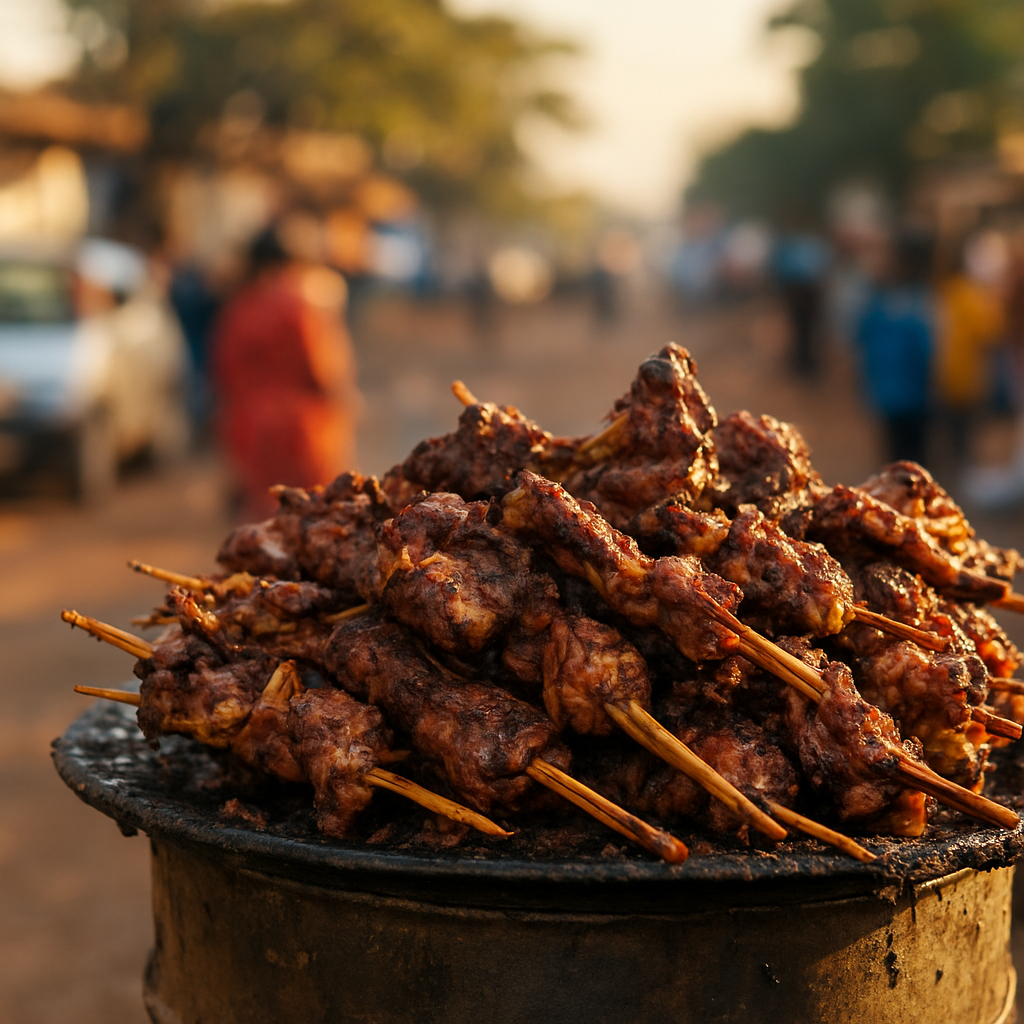
Nyama Choma Sunday in Westlands
Find a nyama choma joint in Westlands on a Sunday afternoon — order goat, get a Tusker, and just sit with it. Roasted meat eaten communally is Nairobi's universal social ritual, the thing that crosses every demographic. Nobody is thinking about anything except the meat and the company. It's a masterclass in kawaida — ordinary life, lived well — and honestly one of the great afternoons this continent offers. Budget KES 500–1,200 per person.
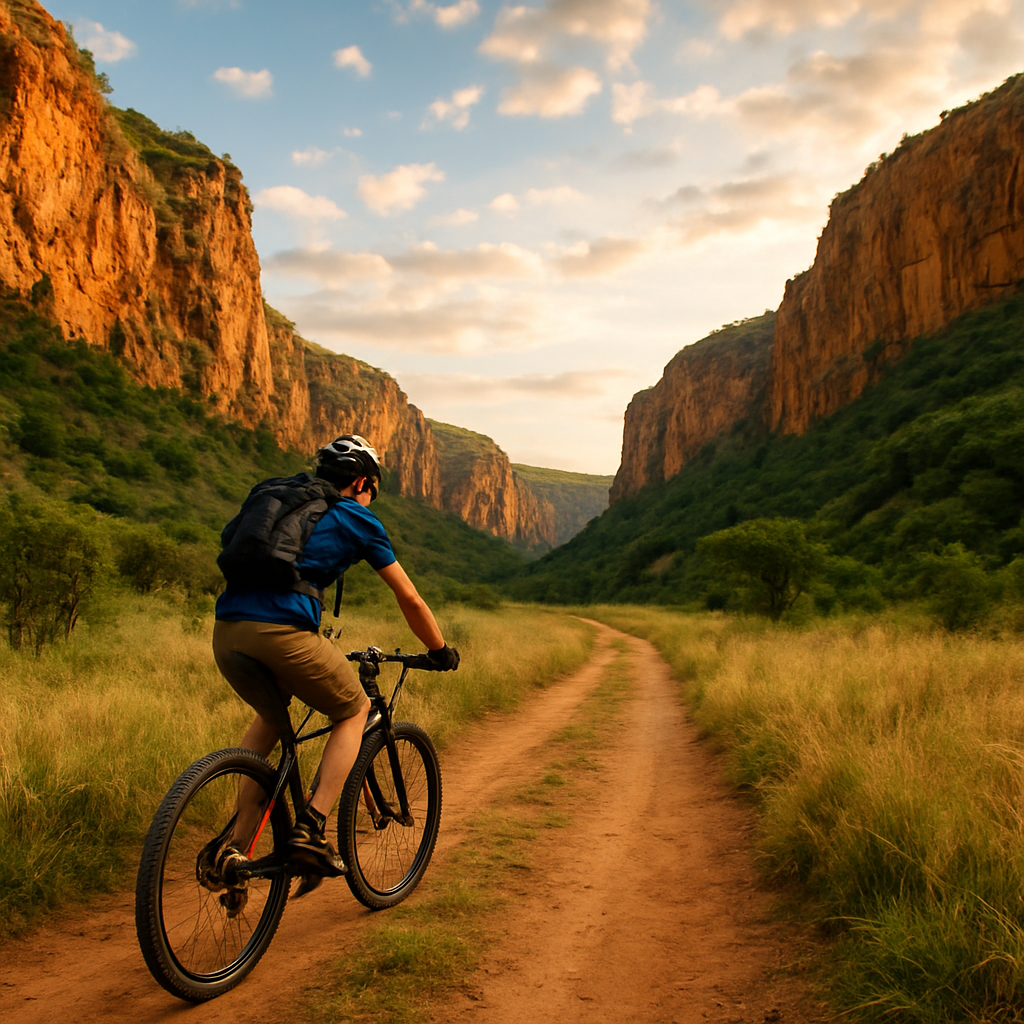
Cycling Through Hell's Gate National Park
Ninety kilometres northwest of Nairobi, Hell's Gate is one of the very few national parks in Kenya where you can cycle and walk unguided among free-ranging zebra, giraffe, and buffalo. The gorge walls rise around you, Fischer's Tower — a 25-metre volcanic column — marks the landscape, and the whole scene was cited by animators as a visual reference for Disney's The Lion King. Rent a bicycle at the gate for KES 300–500. It's a full day trip with transport, and it's worth every hour.
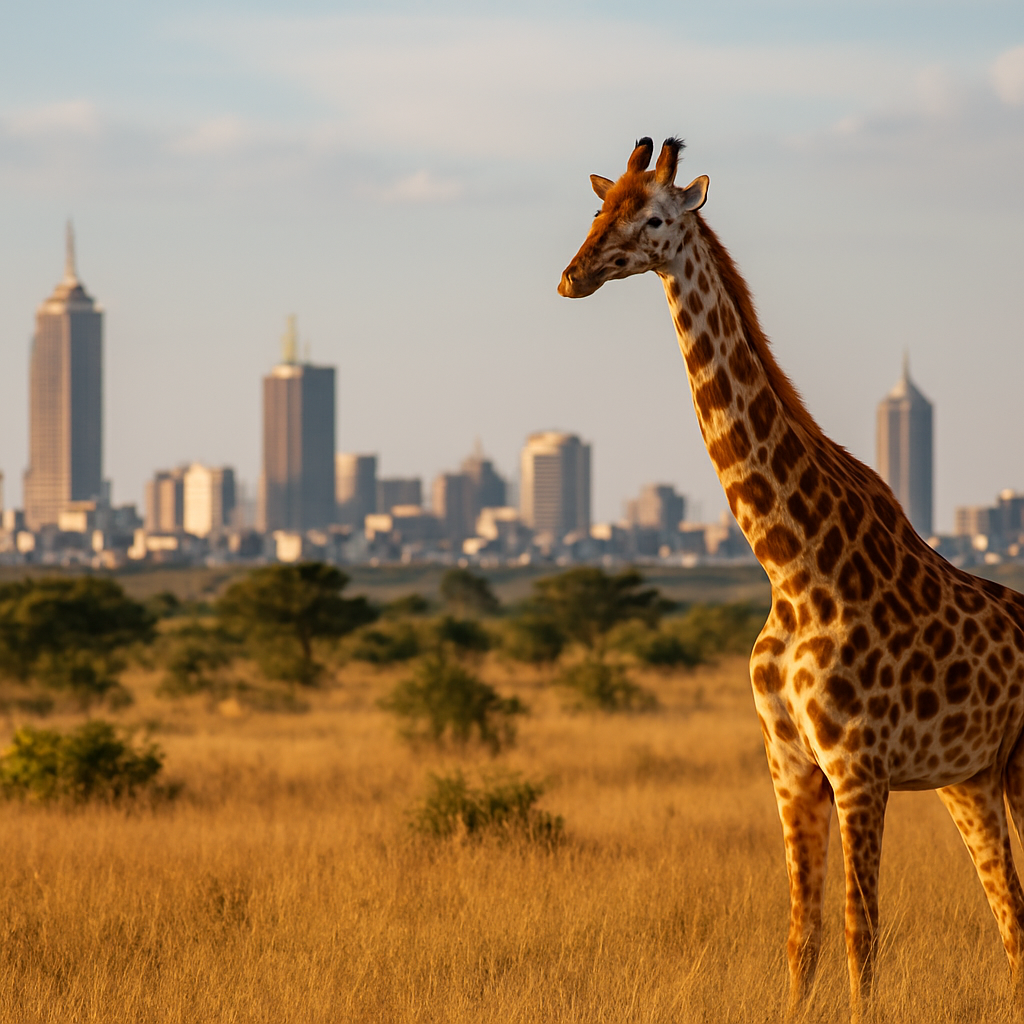
Nairobi National Park
A national park within the city limits — giraffes and zebra against a backdrop of office towers. It's surreal and it's real. Game drives run throughout the day, and the proximity means you can be on a morning safari and back in Westlands for lunch. The David Sheldrick Elephant Orphanage, located adjacent in Karen, runs elephant foster visits every morning at 11am — watching keepers bottle-feed orphaned calves is exactly as moving as it sounds, whether you're eight or eighty.
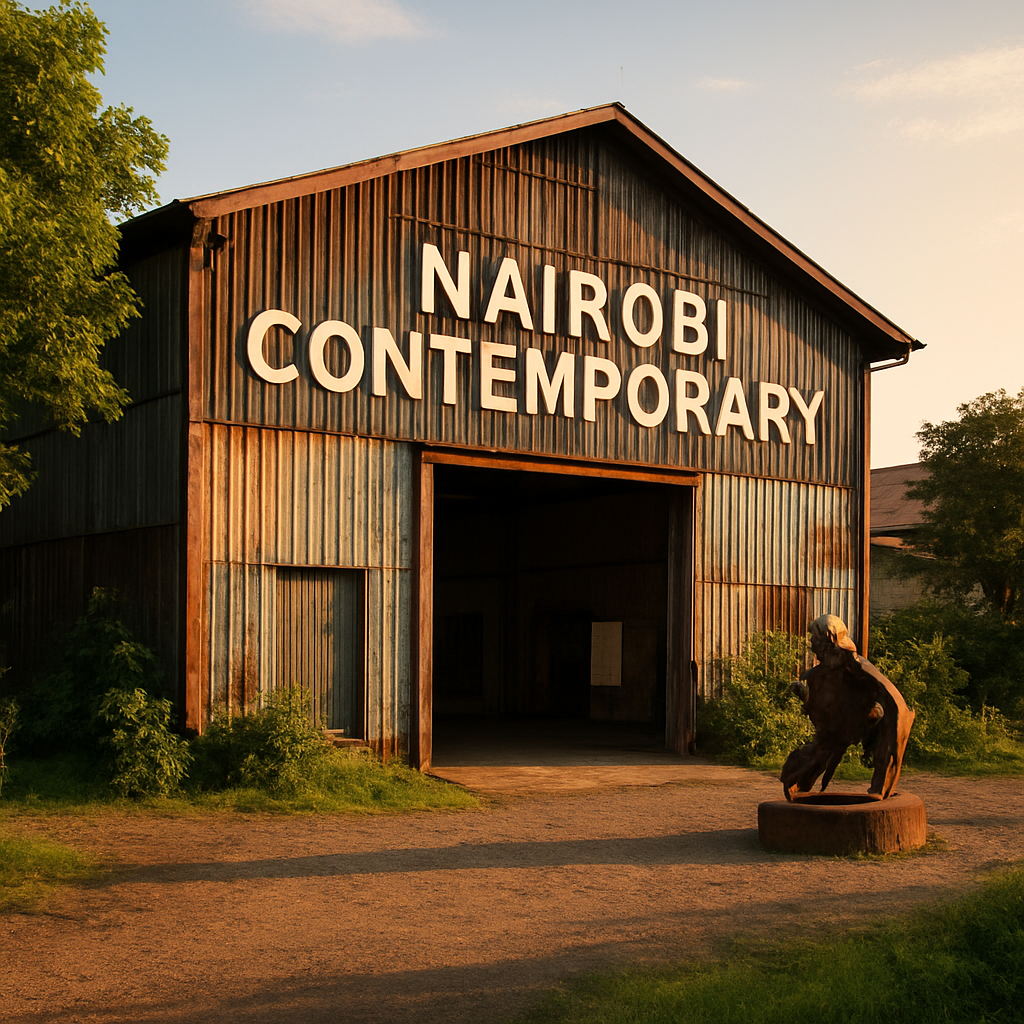
GoDown Arts Centre
A repurposed industrial warehouse on Dunga Road that's been operating as a non-profit arts institution since 2003. The programming — visual art, theatre, contemporary dance, spoken word, film — is genuinely excellent and has engaged directly with LGBTQ+ themes in the Kenyan cultural context, which takes institutional courage. Check their events calendar before you arrive. Admission ranges from free to KES 2,000 depending on the event.
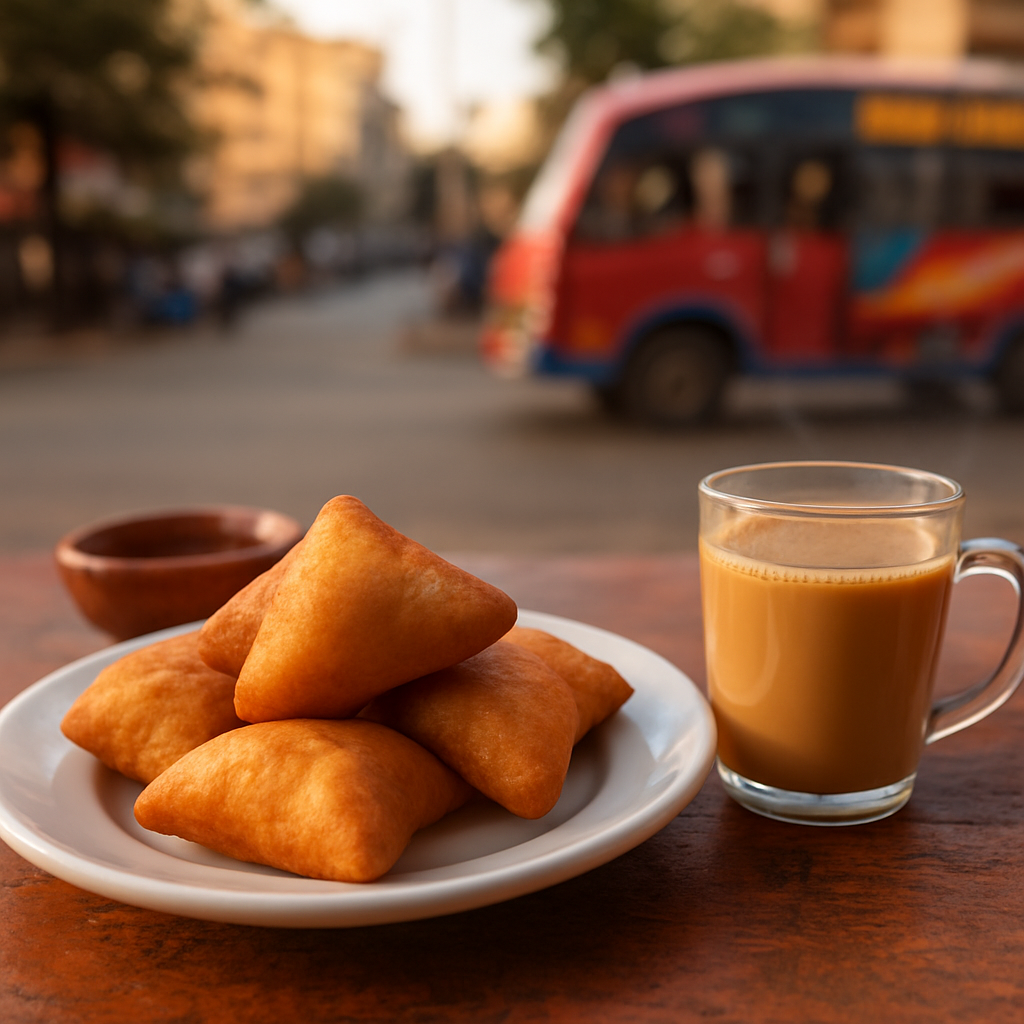
Mandazi and Chai at Dawn
Before the city accelerates, find a street vendor in Westlands or the CBD selling mandazi — East African fried dough, golden and slightly sweet — and drink it with a cup of milky chai. It costs almost nothing. It's deeply satisfying. And standing at a street stall at 7am, watching Nairobi wake up around you, is one of those small moments that teaches you more about a place than any museum ever could.
The places I actually send people to
Advice that fits how you travel
Solo travel in Nairobi requires a specific kind of self-awareness. You are more visible alone than you might be in a pair — people notice a solo traveler, and conversations with strangers happen more frequently. That's mostly a good thing. Kenyans are genuinely warm and curious. But it also means you need to be deliberate about what personal information you share. Don't volunteer details about your relationship status or sexuality to people you've just met. Keep it friendly, keep it general, keep it moving.
For meeting people within the community, apps like Grindr and other dating platforms are used in Nairobi, but exercise real caution. Entrapment and extortion incidents have been reported in Kenya — NGLHRC has documented cases. Don't meet anyone at your hotel on a first meeting. Meet in public spaces — a Westlands café, The Alchemist — and tell someone where you're going. GALCK+ can connect you to community networks and events that are significantly safer entry points than app culture. Use them.
Budget solo travelers can manage on KES 4,500–6,500 per day. Westlands is the best neighborhood to base yourself — it puts you close to the most socially progressive nightlife corridor and the most useful restaurants, and Uber rides to Karen or Gigiri are affordable. Pro tip: Sheng for "my friend" is msee — dropping it casually in conversation at a Westlands bar signals you're not just another tourist, and the energy shifts noticeably in your favor. Use Uber or Bolt for every trip after dark, without exception.
Same-sex couples need to understand this clearly: Kenya's Penal Code, Sections 162–165, criminalizes same-sex conduct. That law applies to you regardless of your nationality or which hotel you're staying in. Public displays of affection between same-sex partners — holding hands, any contact that reads as romantic — carry real legal and social risk in every part of the city, including Westlands. This is not a theoretical concern. It is the daily operating reality for LGBTQ+ Nairobians, and visitors should follow their lead without exception.
On accommodation: book into internationally-oriented properties. Tribe Hotel in Gigiri and Hemingways Nairobi in Karen both serve a diplomatic, NGO, and international business clientele — staff at these properties will not register any discomfort at a same-sex couple checking in together. Your room is the safest space you'll have in this city. What happens privately behind a closed door in an international hotel is functionally your own business. What happens in a lobby, a restaurant, or a bar is not.
For evenings out, Talisman Restaurant in Karen is about as relaxed an environment as same-sex couples will find in Nairobi — the crowd is international, the garden setting is private, and nobody is watching. Keep physical affection between you, stay in neighborhoods with high expat density when you can, and move through the city with the same intentional discretion that Nairobi's own LGBTQ+ community maintains every day. That community is resilient and warm. But it operates carefully, and you should too.
Kenya does not recognize same-sex marriage, civil unions, or same-sex adoption. LGBTQ+-headed families have no legal standing under Kenyan law, and that has direct practical implications. If you're traveling with children as a same-sex parented family, carry full documentation establishing your legal relationship to your children under your home country's law — birth certificates, adoption orders, parenting declarations. Contact your country's embassy in Nairobi before you travel and confirm what consular support is available for your family structure if something goes wrong.
Beyond the legal framework, Nairobi functions well as a destination for children. Nairobi National Park offers game drives within the city limits. The David Sheldrick Elephant Orphanage in Karen is a genuine highlight for kids. Hell's Gate National Park near Lake Naivasha — roughly 90 km out — is one of the few parks in Kenya where you can cycle unguided among zebra and giraffe, which is exactly as good as it sounds. The suburbs of Karen and Gigiri, both heavily populated by international families and diplomatic staff, are calm, navigable environments with solid restaurant infrastructure that handles children without fuss.
The honest summary: Nairobi presents no specific hostility toward children, and the city's family-oriented attractions are real and worthwhile. The risk is specifically about how same-sex parented families are legally positioned — there is no recognition and no protection under Kenyan law. Keep your family structure private in public contexts, stay in internationally-oriented accommodation, and concentrate your itinerary on the parks, cultural sites, and lower-risk neighborhoods that make this city worth the trip. The experience for the kids can be genuinely excellent. The adults need to navigate carefully.
What Nairobi actually costs
Flights, visas, and the first 30 minutes
Airport: Jomo Kenyatta International Airport (NBO) is East Africa's busiest international hub, with direct connections to 50+ cities across Europe, the Middle East, Asia, and the African continent.
Major Routes: London (LHR) flies direct in approximately 8h 30m. Dubai (DXB) connects in 4h 45m — a useful routing option if you're transiting through the Gulf. Amsterdam (AMS) is around 9h 00m. Within Africa, Johannesburg (JNB) is 3h 30m, and Addis Ababa (ADD) is 1h 55m, making Ethiopian Airlines a common routing choice for North American travelers. From New York (JFK), expect 15h or more with at least one connection.
Visa Requirements: US, UK, EU, Canadian, and Australian citizens all require an Electronic Travel Authorization (eTA) before arrival. Apply online at etakenya.go.ke. The fee is USD 30 for a single entry. Do not leave this until you land — it must be secured before travel, not on arrival.
Airport to City: The journey from NBO into central Nairobi takes 40–90 minutes depending on traffic, which can be severe during peak hours. Three reliable options: licensed taxis from the arrivals hall run KES 2,500–4,000 with pricing that varies by destination and traffic; Uber or Bolt (KES 1,500–3,000) offer more consistent fares and pick up from designated zones outside arrivals; pre-booked hotel transfers are often complimentary at mid-range and luxury properties and are the lowest-stress option for first-time arrivals — arrange it in advance with your hotel before you land.
Traven's seasonal breakdown
The questions everyone asks
Is it illegal to be gay in Kenya?
Will I be arrested as a foreign tourist?
Is it safe to use Grindr or dating apps in Nairobi?
How much should I budget per day?
Do I need to speak Swahili?
What's the safest neighborhood for LGBTQ+ travelers?
Who do I contact if something goes wrong?
Screenshot this before you go
So should you actually go?
Nairobi is a city I respect enormously — its creative energy, its cultural depth, its food, its proximity to some of the most extraordinary wildlife on earth. I gave it a 6.0 on Destination because the place itself earns that. But my overall Traven-Dex score of 2.7 reflects the reality that same-sex conduct is criminalized under Kenyan law, with penalties up to 14 years, and there are zero legal protections for LGBTQ+ people. I can't score around that, and I won't. If you go, you'll find one of East Africa's most resilient and organized queer communities — people who have built networks of mutual support and created space under conditions that would break lesser communities. Connect with GALCK+ and NGLHRC before you land. Stay in internationally-oriented hotels. Keep your private life private in every public setting. Some of you will decide the destination is worth the trade-off. Some won't. Both are valid. But go in clear-eyed, prepared, and connected — or don't go at all.
Sources & Resources
Official links we reference when compiling this guide. Last verified 2026-03-07.
- GALCK+ (Gay and Lesbian Coalition of Kenya)
- NGLHRC (National Gay and Lesbian Human Rights Commission)
- ISHTAR MSM Kenya
- PEMA Kenya
- UHAI EASHRI (East African Sexual Health and Rights Initiative)
- TEA Kenya (Transgender Education and Advocacy)
- Kenya Human Rights Commission
- Minority Women in Action
- HIAS Kenya (LGBTQ+ Refugee and Asylum Support)
- LVCT Health Kenya (Confidential HIV and Sexual Health Services)