
Riga doesn't perform for you. It just pours you a Black Balsam, points at the stone peacocks on Alberta iela, and waits to see if you're paying attention.
Riga is the Baltic capital that doesn't perform for you, and that restraint is exactly why it's worth the trip. This is a city where the gay scene is small enough to fit in your phone's notes app — three or four reliable rooms, a Saturday market, a bohemian street, a beach forty minutes by train — and where that smallness is the feature, not the bug. The bartender at Golden remembers your drink by Saturday. The crowd at Kaņepes Kultūras centrs recognizes you on your second visit. That's a different kind of travel than Berlin or Mykonos sells you, and some of you will fall hard for it.
The architecture alone earns the 8.4 I gave it on Destination. Walk Alberta iela at 7 p.m. in summer when the light goes amber on Mikhail Eisenstein's stone peacocks and screaming faces, and you'll understand why aesthetes settle here and never quite leave. The Old Town — UNESCO-listed since 1997, anchored by Riga Cathedral and the rebuilt House of the Blackheads — is the postcard, but Centrs just outside the medieval walls is where the city actually breathes: the Art Nouveau quarter, the cocktail bars on Gertrūdes iela, the rooftop view from the 26th floor of the Radisson that turns Riga into a slow-spinning postcard.
The contradiction is real and worth saying out loud. Same-sex civil unions only became legal as of 2024 — a hard-fought win — but marriage isn't on the table, joint adoption isn't recognized, and the gap between the cosmopolitan center and the rest of the country runs deep. That's where my Legal score of 5.5 lives. Riga's core reads as uneventful for LGBTQ+ visitors; the suburbs and public transit, where the demographic skews older, ask for more discretion. Both things are true. The city is moving in the right direction at its own Baltic pace, which is to say: deliberate, quiet, without parades about it.
What the city offers in return for that nuance is texture you can't fake. The 3 a.m. XL Pelmeni ritual near the Freedom Monument, where you pay by the bowl weight and listen to post-club confessions at the next table. Saturday morning at Kalnciema kvartāls, where progressive Riga shows up with their dogs and natural wine. The third-wave coffee at Rocket Bean Roastery on Miera iela, where the bohemian creative class is quietly building the future of this city one flat white at a time. Riga doesn't try to dazzle you. It just lets you sit in a candlelit bar with a Black Balsam — cut with blackcurrant juice unless you genuinely enjoy drinking tree bark — and figure yourself out. That's a rare thing, and it's worth the trip.
The stuff your travel guide buries on page 47
Latvia sits in the partial-equality column, and the gap between law and lived reality is the first thing to understand before you land. Same-sex civil unions became legal as of 2024 — a hard-fought win that LGBTQ+ Latvians spent years grinding toward — but marriage isn't on the table, and joint adoption by same-sex couples isn't recognized. Anti-discrimination protections exist in employment but are limited elsewhere, and gender identity recognition still requires medical assessment, though surgery hasn't been mandated since 2022. For the latest legal landscape, the ILGA-Europe Country Profile: Latvia is the most reliable primer.
The cultural reality runs on two tracks. Riga's center — the EU-facing, English-speaking, creative-class core — is generally cosmopolitan and uneventful for LGBTQ+ visitors. The further you get from Centrs, the more conservative the country reads, and that's not a vibe, it's a generational and geographic fact. Mozaīka, the country's main LGBTQ+ rights organization, has been doing the slow work of moving the needle for over fifteen years, and their site is your best primer on what's actually changing on the ground.
Pro tip: cash is fading fast — even the dive bars in Vecrīga tap your card now — but tip in cash if you want the bartender to actually see it. Ten percent is generous; rounding up is standard. Latvian and Russian both float through queer spaces here, and most younger folks switch to English the second they clock you as a tourist. Don't be surprised if a date answers your text in three languages within one thread.
PDA-wise: hand-holding in Vecrīga, the Art Nouveau quarter, and Miera iela is generally fine by day. Kissing draws looks anywhere outside the most progressive cafés. In the suburbs and on public transit, where the demographic skews older, visible affection isn't recommended. The Latvian Centre for Human Rights tracks discrimination cases and is a useful bookmark if anything goes sideways.
What it actually feels like on the ground
Holding hands and PDA. In Vecrīga during daylight, hand-holding is generally fine — tourists do it constantly and nobody clocks it. The Art Nouveau quarter around Alberta iela reads similarly relaxed. Walk further into residential blocks past the train station, into Maskavas Forštate or out toward the suburbs, and you'll want to read the room. Riga isn't Berlin; it's not Warsaw either. Kissing in public draws looks even in the center.
Hotel check-in. Same-sex couples checking into a one-bed room at any of the international chains — Kempinski, Pullman, Radisson — is a non-event. The boutique independents in Old Town haven't given me or anyone I know reason to flag them, but I'd skew toward properties with corporate inclusion policies if it's a concern.
Taxis and rideshare. Bolt is the rideshare default and it's cheap enough that I take it after midnight even for ten-minute walks. Worth the two euros to skip the unlit underpass near the Central Market. Use Bolt or official airport taxis (Baltic Taxi, Red Cab) — flagging unmarked cars at the airport is how tourists get overcharged.
Late night. The walk between bars in Centrs is fine until about 1 a.m. on weekends, when the rowdy-stag-party energy near Vecrīga picks up. That's a generic safety thing, not an LGBTQ+ thing — drunk tourists are the loudest demographic on those cobblestones. Stick to lit main streets and you're fine.
Trans travelers. Latvia's gender recognition process is slow and bureaucratic. Carry documents matching your presented identity to avoid friction at hotels, banks, and border control. Public visibility for trans Latvians is limited and staring is common — not necessarily hostile, but expect it. The Association DIA+LOGS handles HIV and sexual health support and is plugged into the broader LGBTQ+ services network.
Pride weekend. Counter-protests still happen, but the police presence around Esplanāde Park is genuinely heavy and effective. If you're going, arrive with the march, not after — stragglers occasionally get harassed on side streets. Baltic Pride rotates between Riga, Vilnius, and Tallinn, with the next Riga edition expected in 2027.
If something happens. Emergency number is 112. The Latvian State Police handle reporting in English at central stations, and the Skalbes Crisis Helpline offers anonymous psychological support if you need to talk to someone after an incident.
The queer geography
There's no gay village in Riga. Queer life here is a constellation, not a district — a bar in Centrs, a café on Miera iela, a Saturday market across the river, whoever's DJing at Kaņepes Kultūras centrs that night. That's both the limitation and the charm. The neighborhoods worth knowing are the ones with the best architecture, the best food, and the most progressive crowds — and the queer scene weaves through all of them.
Vecrīga (Old Town)
The medieval core, UNESCO-listed since 1997, and the postcard Riga everyone arrives for. Cobblestone streets, gabled merchant houses, the rebuilt House of the Blackheads, and Riga Cathedral anchoring the cathedral square. You can walk the whole thing in an afternoon and still find a corner you missed — the wedge of Jauniela that doubled as Baker Street in a Soviet Sherlock Holmes adaptation, the gabled silhouette of St. Peter's Church from the river. Eat at Milda or 3 Pavāru Restorāns, drink at the rooftop bars, and know that MyCity Bar — basement-y, karaoke-leaning, packed on Fridays with a crowd that's half locals, half Lithuanians on a weekend run — is the Old Town's reliable LGBTQ+ anchor. Tourism information is well-organized through Riga City Council Tourism (LIVERĪGA).
Centrs and the Art Nouveau District
Just outside the Old Town walls is where Riga gets seriously beautiful. The Art Nouveau District — concentrated on Alberta iela and Elizabetes iela — has the world's largest concentration of Jugendstil facades, most designed by Mikhail Eisenstein in the early 1900s. Go in early evening when the light hits the screaming faces and stone peacocks and you'll understand why aesthetes never leave. This is also where the gay nightlife clusters: Golden Bar on Gertrūdes iela is the closest thing to a permanent queer anchor — small, mixed crowd, drag on weekends, the bartender will translate the menu into whatever language you're failing in. Eat at Vincents or Bibliotēka N°1, drink at Chomsky or the apothecary-themed Aptieka, and end the night at Skyline Bar on the 26th floor of the Radisson if you want the city laid out under you. Pride information and resources run through Baltic Pride.
Miera iela
Riga's bohemian spine — a single street in northern Centrs that punches well above its weight. Indie cafés, vintage shops, the third-wave coffee at Rocket Bean Roastery, the Baltic-herb beers at the Labietis taproom, and a creative crowd that includes most of progressive Riga. Kaņepes Kultūras centrs sits at the corner of this scene with the best garden in the city — sticky tables, mismatched chairs, art students kissing on the steps. It's not a gay bar; it's just where everyone ends up. If Riga has a daytime queer energy, this is where it lives.
Āgenskalns and Kalnciema kvartāls
Across the Daugava on the left bank — the side most tourists never reach — is Āgenskalns, a leafy, low-rise neighborhood of restored wooden architecture and a slower, more local rhythm. The centerpiece is Kalnciema kvartāls, a courtyard complex of restored 19th-century wooden buildings that hosts a Saturday morning market where progressive Riga shows up: queer couples with dogs, vendors selling smoked cheese and natural wine, a stage with someone always playing a cello badly. Stay for lunch at Kanteens. This is the future-Riga preview — the neighborhood the creative class is quietly buying into. The Ombudsman of the Republic of Latvia office handles civil-rights complaints if you ever need that resource.
Spīķeri and Maskavas Forštate edge
The renovated red-brick warehouse quarter behind Riga Central Market — once a working port district, now galleries, bars, and rotating creative events. It's where welcoming cultural programming lands when it's looking for a venue larger than a café. Walk through during a festival weekend and the energy is genuine; walk through on a Tuesday in February and it's empty brick. Pair it with the market itself — five repurposed Zeppelin hangars, UNESCO-listed, one of Europe's biggest — and you've got a half-day on the southern edge of Centrs.
The experiences worth rearranging your itinerary for
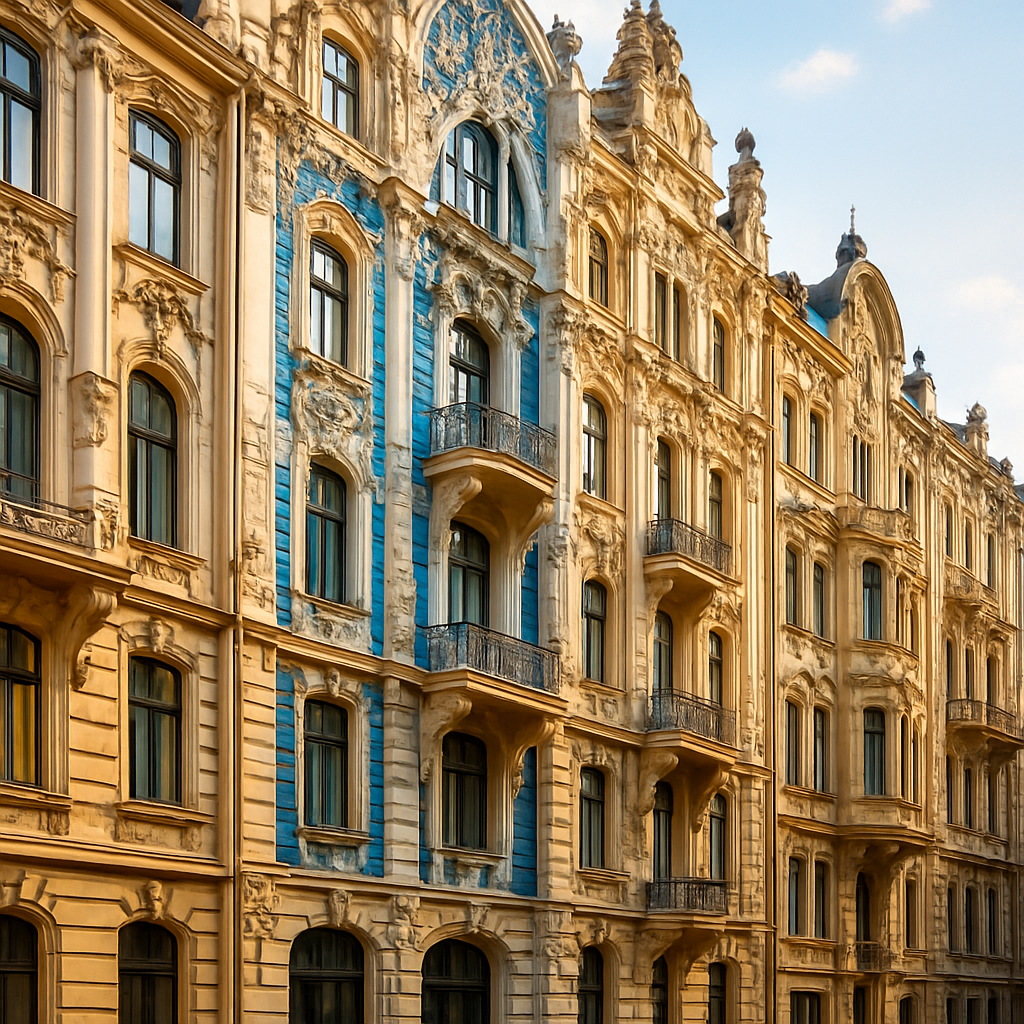
The Art Nouveau Facades on Alberta iela at Golden Hour
Mikhail Eisenstein designed most of these buildings in the early 1900s, and the world has nothing else like the density of stone peacocks, sphinxes, and screaming faces packed into these few blocks of Centrs. Walk Alberta iela and Elizabetes iela around 7 p.m. in summer when the light goes amber — that's when the facades stop looking like buildings and start looking like opera. Drop into the Riga Art Nouveau Museum at Alberta iela 12 for the apartment-as-museum context, then keep wandering. It's free, it's UNESCO, and it's the single most photographed half-mile in Latvia for a reason.
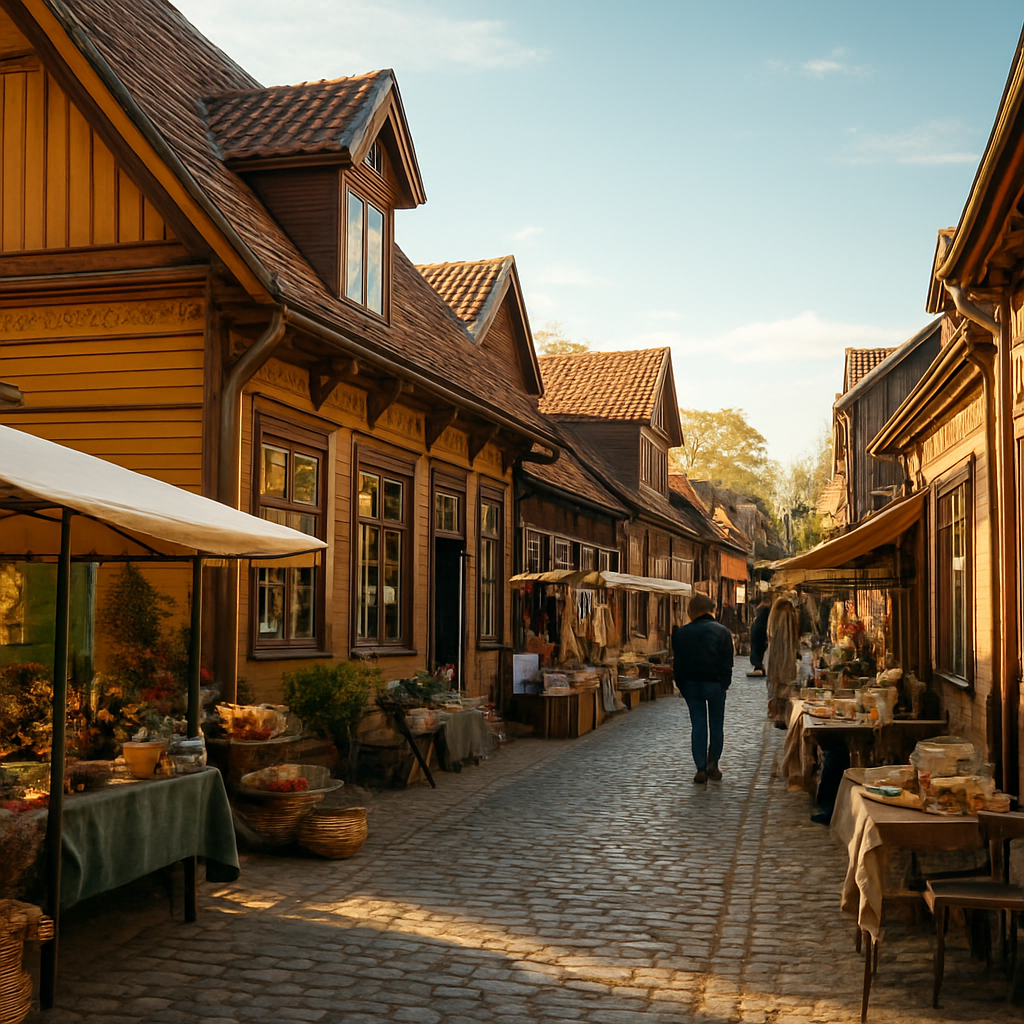
Saturday Morning at Kalnciema Quarter Market
Across the Daugava in Āgenskalns, a courtyard of restored 19th-century wooden buildings turns into the city's most progressive Saturday gathering — vendors selling smoked cheese and natural wine, a stage with someone always playing a cello slightly off-key, and a crowd that includes most of creative-class Riga and their dogs. Stay for lunch at Kanteens, drink coffee on a bench, and watch the neighborhood that's quietly becoming the future of this city. It's a 15-minute tram ride from Vecrīga and it's where I'd send anyone who wants the version of Riga the Old Town doesn't show you.
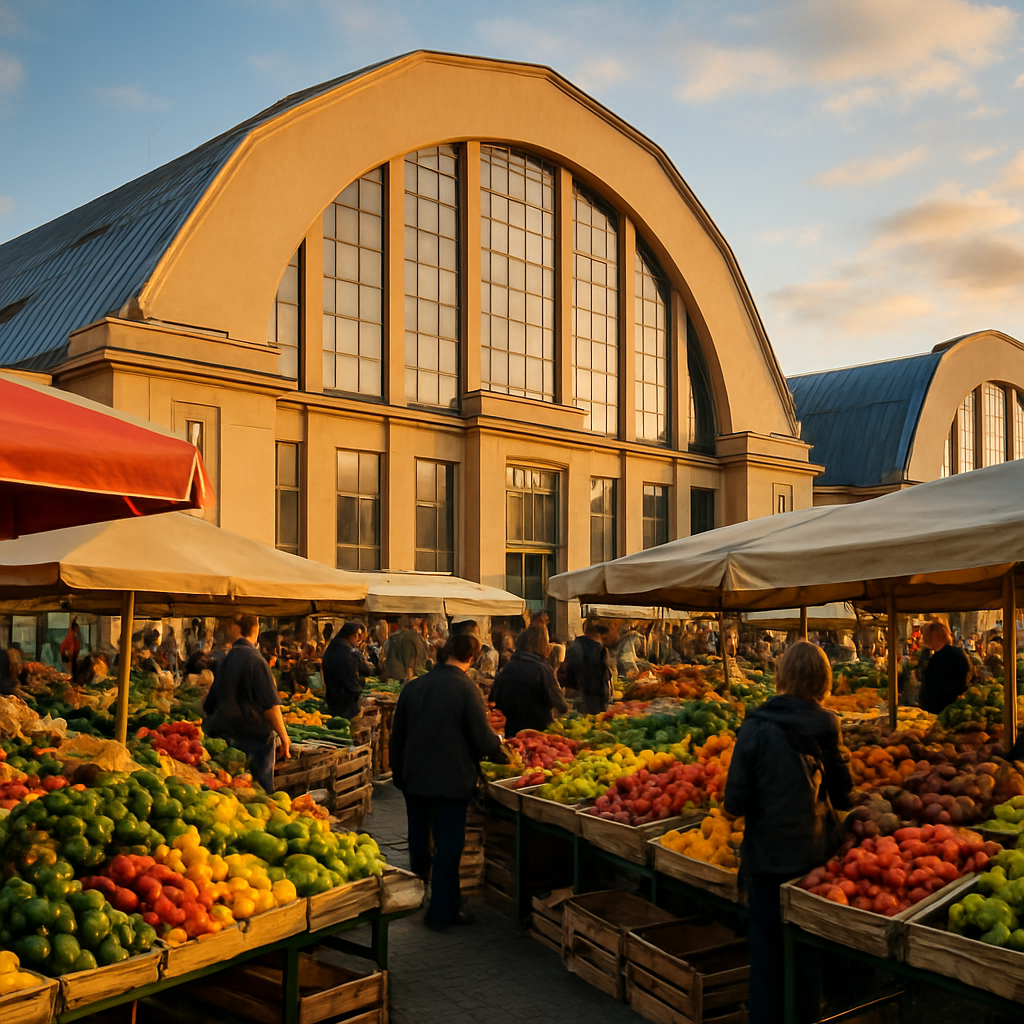
Eat Your Way Through Central Market
Five repurposed 1930 German Zeppelin hangars, UNESCO-listed, roughly 72,300 square meters of Latvian produce, fish, dairy, and rye. Skip breakfast and graze: smoked sprats on rupjmaize, hot pelmeni from a back-stall window, fresh dill that smells like every Latvian grandmother's kitchen. The dairy hangar alone is a sensory event — wheels of caraway cheese the size of a steering wheel. Pair it with the Spīķeri warehouse quarter just behind it for half a day on the southern edge of Centrs.
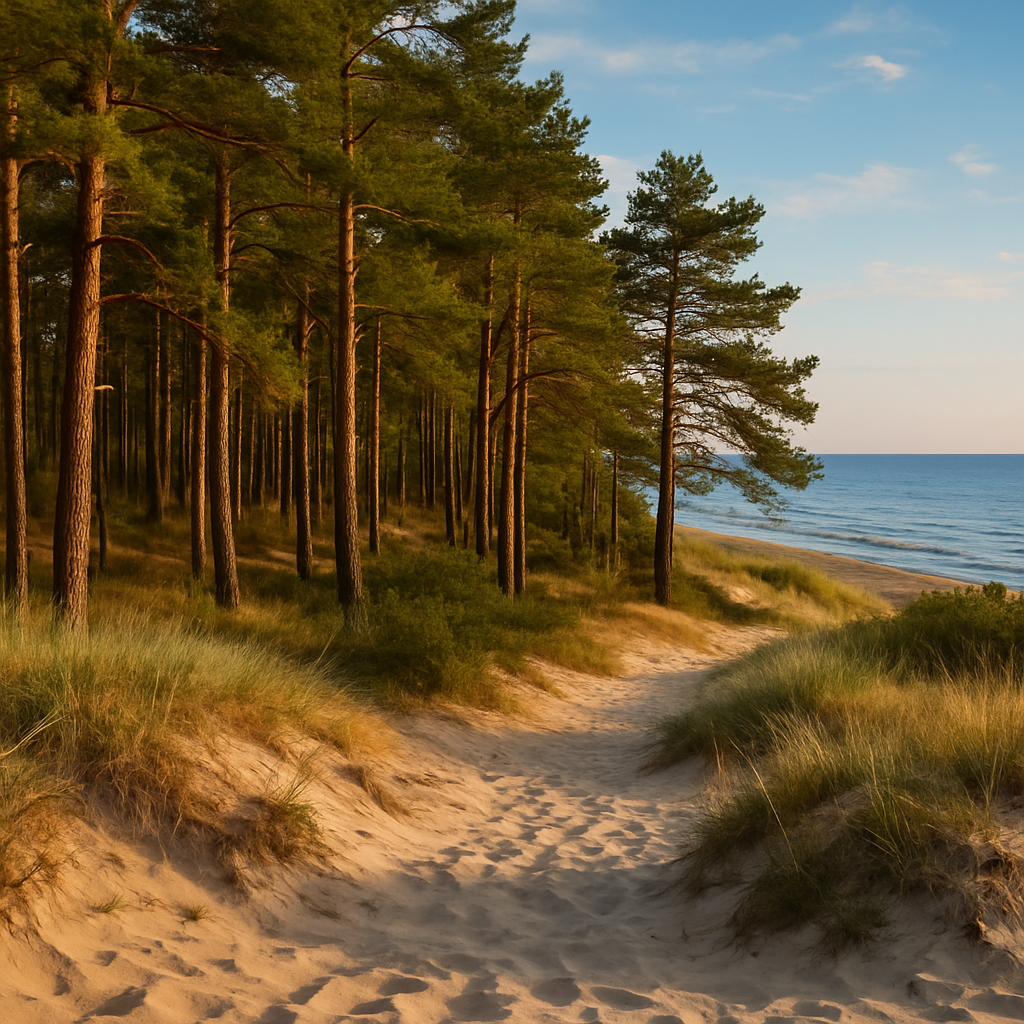
A Train Ride to Jūrmala's Pine-and-Sand Coast
Thirty minutes west of Riga by commuter train (about €2 each way), Jūrmala spreads along a 33-km Blue Flag beach where pine forest meets dunes and 19th-century wooden Art Nouveau villas line the inland streets. Walk Jomas iela, the pedestrian spine, then keep going past Majori toward Dzintari where the crowd thins and the trees take over. Go on a weekday in summer if you can — weekends bring the family chaos, but a Tuesday in July is just sun, salt, and pine resin. The Dzintari Concert Hall hosts summer festivals if you want to make a night of it.
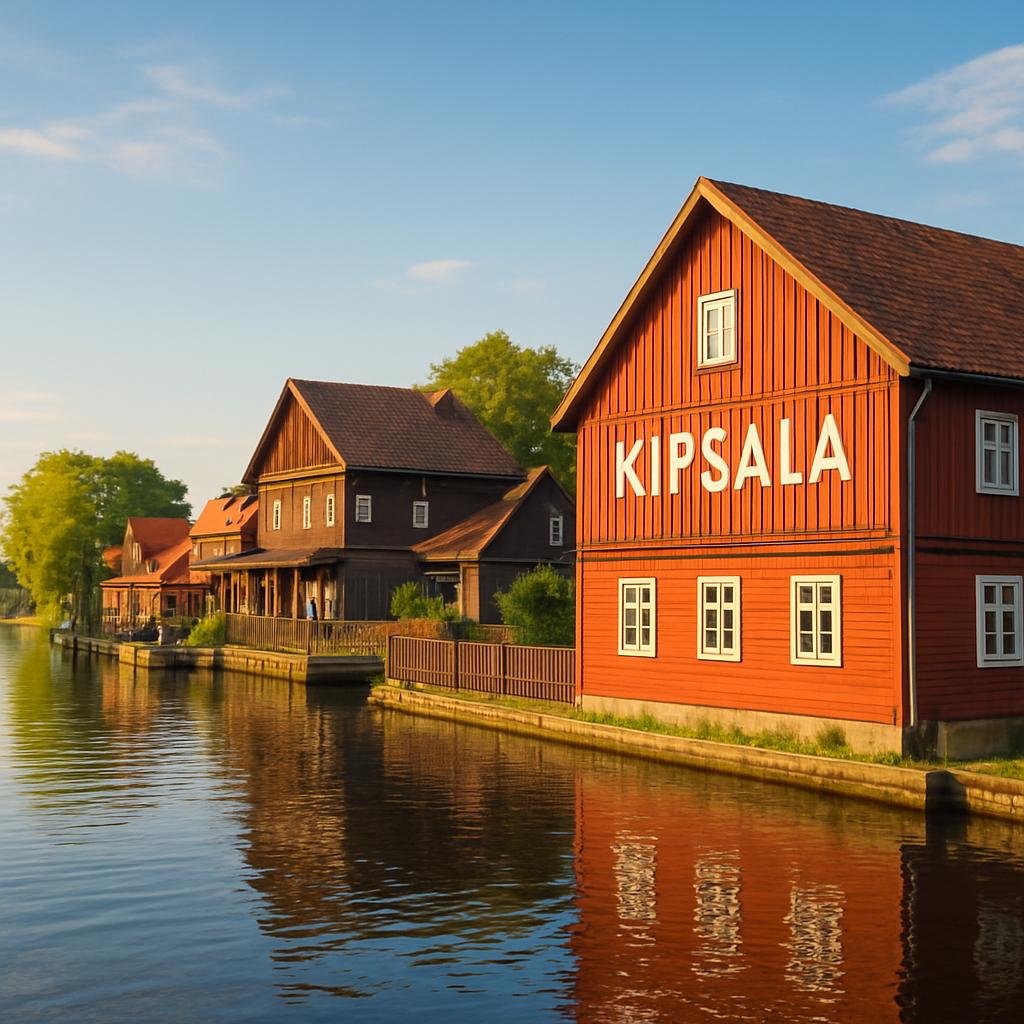
The Žanis Lipke Memorial in Ķīpsala
On the small island of Ķīpsala, a black wooden building marks the spot where a Latvian dockworker hid 55 Jews under his woodshed during the Nazi occupation. The memorial is a punch to the chest — quiet, beautifully designed, and the kind of place that reframes how you walk through this city for the rest of your trip. It's a short walk across the bridge from Old Town, and most tourists never make it there. Pair it with a wander through Ķīpsala's wooden architecture afterward — you'll need the air.
The places I actually send people to
Advice that fits how you travel
Solo Riga is a low-friction city if you're willing to be a little patient with it. The center is walkable end-to-end, English coverage is solid in Centrs and Vecrīga, and Bolt makes after-midnight movement cheap enough that you'll never sweat a long walk home. Budget travelers can reasonably do €60–90 a day; mid-tier sits around €130–180 with a comfortable hotel and real meals. The apps are alive but smaller than you'd expect for a capital — Grindr in particular is busiest on Thursday and Sunday nights (locals call them the 'pre-weekend scout' and the 'Sunday scaries hookup'), and bios skew bilingual. Lead with English and you'll get more replies than you expect.
For a base, I'd point solo travelers at Miera iela over Old Town. Rocket Bean Roastery for the morning, Labietis taproom for an early beer, Kaņepes Kultūras centrs for whatever's happening that night — the garden alone has launched more conversations than most apps. The crowd is creative-class, welcoming by default, and used to solo drinkers reading at the bar. Golden on Gertrūdes iela is your reliable evening anchor — small, mixed, the bartender will translate the menu into whatever language you're failing in. MyCity Bar in Vecrīga is the other dependable spot, basement-y and karaoke-leaning, packed on Fridays with a crowd that's half locals, half Lithuanians on a weekend run.
Safety-wise, solo evenings in Vecrīga and the Art Nouveau quarter are generally fine until about 1 a.m., when the rowdy-stag-party energy near Old Town picks up — that's a generic tourist thing, not a queer thing, but it's worth noting. Stick to lit main streets, take Bolt past midnight, and skip the unlit underpass near Riga Central Market after dark. Pro tip: end one solo night with the 3 a.m. XL Pelmeni ritual near the Freedom Monument — pay by the bowl weight, drown it in sour cream, and listen to the post-club confessions at the next table. That's solo Riga at its most honest.
Riga rewards couples who want romance without spectacle. Same-sex civil unions have been legal as of 2024, and while marriage isn't on the table, the cosmopolitan center generally treats same-sex couples as a non-event. Hand-holding in Vecrīga, the Art Nouveau quarter, and Miera iela is generally fine by day; kissing draws looks anywhere outside the most progressive cafés, and visible affection isn't recommended in the suburbs or on public transit, where the demographic skews older. For check-in: I'd skew toward Dome Hotel for the rooftop and the 17th-century intimacy, the Grand Hotel Kempinski for the corporate inclusion policies translated into staff who don't blink, or Hotel Bergs for the all-suite boutique privacy inside the Berga Bazārs courtyard.
For dates, the city stacks neatly. Start with cocktails at Aptieka — the former-pharmacy concept genuinely works — or sunset on the 26th floor at Skyline Bar, where Riga lays out under you like a slow-spinning postcard. Dinner at 3 Pavāru Restorāns if you want the tasting-menu reset of contemporary Latvian cooking, or Vincents for the room that's fed Queen Elizabeth and three heads of state without losing the plot. Bibliotēka N°1 is your pre-opera move — the book-lined room overlooking Vērmanes dārzs is two blocks from the Latvian National Opera. End at Chomsky, where the smart, mixed, welcoming crowd ends up past midnight.
For the memory you'll actually keep: walk Alberta iela in early-evening summer light, when the stone peacocks and screaming faces of Mikhail Eisenstein's facades go amber. Then take a weekday train to Jūrmala in summer — 30 minutes, about €2 each way — and walk past Majori toward Dzintari, where pine forest meets dunes and nobody's checking your towel arrangement. That stretch of beach has been the unofficial gay-friendly section for years, and a Tuesday in July is just sun, salt, and pine resin. That's the version of Riga couples come back for.
Latvia is a complicated country to bring an LGBTQ+ family to, and I won't pretend otherwise. Same-sex civil unions are recognized as of 2024, but joint adoption by same-sex couples isn't, and the law doesn't extend full parental recognition the way EU neighbors like the Netherlands or Spain do. If you're traveling with kids, carry full documentation — birth certificates, custody paperwork, anything that establishes your parental relationship — and know that the Riga center is far more cosmopolitan than the rest of the country. Mozaīka's site is the best primer on the legal landscape, and the Ombudsman of the Republic of Latvia handles civil-rights complaints if you ever need that resource.
The good news: the city itself is genuinely family-friendly in the practical sense. The Old Town is stroller-passable on the main streets (the cobblestones are a workout, but doable), restaurants accommodate kids without fuss, and the playgrounds in Vērmanes dārzs and Esplanāde Park are well-kept. Riga Central Market is a sensory event for kids — the dairy hangar alone, with caraway cheese wheels the size of a steering wheel, will hold their attention longer than most museums. The Latvian National Museum of Art has a rooftop terrace that doubles as a city-view reward for whoever sits through the galleries. And Kalnciema kvartāls on a Saturday morning is where the most progressive Riga families show up — queer couples with kids, vendors selling smoked cheese, a stage with someone always playing a cello slightly off-key.
For day trips, Sigulda is the move with kids — an hour northeast by train, inside Gauja National Park, with the cable car across the valley and Turaida Castle dating to 1214. Autumn here does something the photos don't capture. Jūrmala in summer works for the beach day, though weekends bring family chaos — go on a weekday if you can. PDA-wise, in central Riga and the family-leaning neighborhoods around Centrs, two parents with kids reads as a family unit and rarely draws comment; in the suburbs and outer neighborhoods, dial it down. Riga families with two parents of the same gender exist here, but the visibility is still building. Bring the warmth, bring the documents, and the city will meet you most of the way.
What Riga actually costs
Flights, visas, and the first 30 minutes
Airport: Riga International Airport (RIX) sits about 10 km southwest of the city center and handles roughly 70 direct routes across Europe, including reliable connections to London, Berlin, Frankfurt, Amsterdam, Stockholm, Helsinki, Paris, Warsaw, and Tallinn. Most flights from Western Europe run 2–3 hours; from London it's about 2.5 hours. There are no direct flights from North America — you'll typically connect through Frankfurt, Helsinki, or Warsaw, with total travel time around 12–14 hours from the U.S. East Coast.
Visa requirements (as of 2026): Latvia is in the Schengen zone, so U.S., U.K., Canadian, and Australian passport holders are typically visa-free for stays up to 90 days within any 180-day period. ETIAS authorization is generally required as of 2026 for visa-exempt non-EU travelers — apply online before you fly. EU citizens have full freedom of movement and don't need anything beyond a national ID card.
Airport to city: The new Rail Baltica connection from RIX to Riga's central station is the fastest move — €1.50, about 15 minutes, and it drops you a short walk from Vecrīga. Bus 22 runs every 10–30 minutes for €2 and takes about 30 minutes into the center. Bolt rideshare is the local default at €10–15 and 20 minutes; it's reliable and the app is in English. If you're taking a taxi, stick to official airport operators (Baltic Taxi, Red Cab) at €15–20 — flagging unmarked cars at arrivals is how tourists get overcharged. Pro tip: download Bolt before you land. Airport Wi-Fi is fine, but having the app ready saves you the hustle outside the terminal.
Traven's seasonal breakdown
The questions everyone asks
Is it safe to hold hands in Riga?
Can same-sex couples get married in Latvia?
Is there a gay neighborhood in Riga?
Do I need to speak Latvian or Russian?
How much should I budget per day?
When does Riga host Pride?
What's the best way to get from the airport to the city?
Screenshot this before you go
So should you actually go?
Go, with eyes open. My Traven-Dex of 6.8 is the honest answer for what Riga delivers right now: a beautiful, affordable, deeply textured Baltic capital with one of the most photogenic stretches of architecture in Europe, a small but genuine LGBTQ+ scene, and a legal landscape still catching up to its cosmopolitan center. If you want a permanent gay village, a circuit weekend, or full marriage equality, this isn't the city for that — and I won't pretend otherwise. But if you want a four-day trip where you'll remember the light on Alberta iela, a Saturday at Kalnciema kvartāls, a pine-forest beach day in Jūrmala, and one long candlelit night at Golden where the bartender already knows what you're drinking — Riga delivers all of that, for less money than most EU capitals, with no spectacle and no audition. Come in May through September, lean into the smallness, and let the city meet you where you are.
Sources & Resources
Official links we reference when compiling this guide. Last verified 2026-05-04.
- Association DIA+LOGS (HIV/AIDS support)
- Baltic Pride
- Centre for Disease Prevention and Control of Latvia (HIV info)
- ILGA-Europe Country Profile: Latvia
- Latvian Centre for Human Rights
- Latvian State Police (emergency & reporting)
- Mozaīka — Latvian LGBT+ Rights Organization
- Ombudsman of the Republic of Latvia
- Papardes zieds — Sexual & Reproductive Health NGO
- Riga City Council — Tourism (LIVERĪGA)
- Skalbes Crisis Helpline