
Malta legalized same-sex marriage before half of Western Europe — and then built a pastizzi kiosk on the corner so you could eat your feelings about it at 3am.
It's a Thursday in September, 11:47pm, and Spinola Bay is still warm from the day. The luzzu fishing boats are bobbing in the dark below the promenade, painted in those primary-color stripes with the Eye of Osiris staring out from the prow — they've been there since before tourism, and they'll outlast it. A table at Paranga is finishing a second bottle of wine. Two guys at the next table over are holding hands across the breadbasket. Nobody's looking. The waiter tops up glasses and asks if they want to move to the bar side of the terrace when dinner service wraps, because Paceville doesn't really start until midnight anyway. This is the rhythm: you eat slow on the bay, you walk ten minutes uphill, and then the rest of the night happens.
Malta surprises people, and it should. This tiny, deeply Catholic archipelago legalized same-sex marriage in 2017, passed the landmark GIGESC self-ID law back in 2015, and has parked itself at or near the top of the ILGA-Europe Rainbow Index for years. You'll see crucifixes in government offices and a parish church anchoring every village square — and you'll also have comprehensive anti-discrimination law covering you end to end. The cognitive dissonance is real. It mostly resolves in your favor.
Paceville — pronounced "PAH-cheh-veel" — is where the progressive legislation collides with an actual great night out. A few square blocks of narrow streets stacked with bars, clubs, casinos, kebab shops, and pastizzi kiosks, running until sunrise on a crowd of Maltese, British, Italian, German, and whoever else flew in on a €40 Ryanair that afternoon. It isn't a designated gay district so much as a district that runs gay-friendly by default, which somehow makes it feel more free. BJ's Bar, The Grotto Lounge, XXL Bar — the reliable anchors are all within a few walkable blocks, and by your second night you'll recognize faces. There's a reason I gave St. Julian's an 8.3 on my Traven-Dex, and a 7.5 on Scene specifically: this is a small island with big energy, and it punches way above its weight.
Do the whole thing right and you'll end up at a pastizzi kiosk at 3am eating a flaky, diamond-shaped pastry for cents, next to a drag queen, a Maltese grandmother on her way to early mass, and a stag party from Manchester. Everyone's fed, nobody's fighting, and the sea is two blocks away. That's the pitch. That's St. Julian's.
The stuff your travel guide buries on page 47
Here's the thing about Malta that short-circuits people's assumptions: this tiny, deeply Catholic archipelago has, as of 2026, some of the strongest LGBTQ+ legal protections on the planet. Same-sex marriage has been legal since 2017. Joint adoption by same-sex couples is recognized. Comprehensive anti-discrimination law covers sexual orientation and gender identity in employment, housing, and services. The landmark GIGESC Act of 2015 enshrined legal gender self-identification — Malta was among the first countries globally to do so — and the country has ranked at or near the top of ILGA-Europe's Rainbow Europe index for years, with equality monitoring handled by the National Commission for the Promotion of Equality.
Culturally, you'll feel the Catholicism. Crucifixes in government offices, a parish church anchoring every village square, saints' festas running half the summer. That coexists — a little uneasily, honestly — with the progressive legal framework. The resolution, mostly, tilts in your favor: the law is genuinely on your side, and in tourist-saturated St. Julian's, the cultural conservatism barely registers. Trans travelers benefit from strong legal protections and straightforward administrative processes through Identity Malta if you ever need to deal with documents on the ground.
On PDA: the waterfront corridor from Sliema through Balluta Bay, Spinola Bay, and into Paceville is a complete non-issue for same-sex couples — hand-holding, arms around shoulders, the lot. This is one of the most internationally tourist-saturated stretches of Mediterranean coastline, and nobody's registering a second glance. Step inland into the residential streets of San Ġiljan, or further afield to Mdina, Rabat, and agricultural villages, and the social fabric tightens — older residents are observant, and while it's not unsafe, very overt displays may attract looks. Pro tip: if you're day-tripping into rural Malta, just dial it down a notch. In the resort towns, do what you want. The VisitMalta tourism authority actively markets the island to LGBTQ+ visitors, which is a tell about how the country wants to be seen and treated.
Peak summer (July–August) in Paceville is relentless — approximately 35°C heat, packed bars, and tourist volume that makes the streets feel like a contact sport. September through October is the sweet spot: heat drops to bearable, crowds ease, and Malta Pride typically runs in Valletta in September.
What it actually feels like on the ground
Holding hands along the waterfront. The Sliema–Balluta–Spinola–St. George's Bay coastal strip is entirely comfortable for same-sex couples. Busy, tourist-dominated, well-lit, and internationalized to the point where PDA reads as completely routine. This is the easy register.
Hotel check-in. Zero friction at any of the international brand properties — the InterContinental, Hilton, Westin Dragonara, Le Méridien all operate inclusive hospitality programs. Independent boutiques like The Juliani and Hotel Valentina are equally welcoming. A king bed request won't raise an eyebrow anywhere in St. Julian's.
Taxis and ride-hailing. Bolt is widespread, reliable, and typically cheaper than the white metered cabs. Drivers in the tourist corridor are accustomed to international clientele. No issues reported — but as with anywhere, use the app rather than unmarked street taxis so there's a record of the ride. The Ministry for Health Malta publishes emergency resources online if anything does go sideways.
Beaches and public spaces. St. George's Bay is the principal St. Julian's beach — mixed international crowd, public sections alongside private beach clubs, and same-sex couples are openly comfortable. Spinola Bay promenade is a walking-and-dining circuit where nobody's paying attention to who's holding whose hand.
Late night in Paceville. The district is rowdy rather than threatening — the main hazard on St. George's Road at 2am is navigating drunk stag parties, not targeted hostility toward LGBTQ+ people. Well-lit, heavily trafficked, and policed enough that it feels genuinely safe. Watch your drink, watch your wallet, standard nightlife hygiene.
Trans travelers. Malta's legal environment is, as of 2026, among the most protective in Europe. Self-ID is law. Discrimination protections are comprehensive. In Paceville and the St. Julian's tourist corridor, trans visitors report feeling unremarked upon. Rural villages remain culturally more conservative — tone things down for day trips if that's your comfort preference, not because you have to, but because the staring can get tiring.
Verbal harassment risk. Generally low in the tourist corridor. If something does happen, the NCPE (National Commission for the Promotion of Equality) handles discrimination complaints, and MGRM runs a free, staffed Rainbow Support Service helpline with actual mental health professionals — not a PR checkbox, a real resource. Pro tip: the coastal corridor from Sliema through St. Julian's is a completely different world from inland Malta. If you're heading to Mdina, Rabat, or smaller villages, the traditional social fabric is tighter and older attitudes more present.
The queer geography
Paceville
Paceville — pronounced "PAH-cheh-veel" — is St. Julian's hyper-concentrated nightlife quarter, and calling it dense is underselling it. A few square blocks of narrow streets stacked with bars, clubs, casinos, kebab shops, and pastizzi kiosks, all running until sunrise. The architecture is nothing to write home about — this isn't baroque Malta, this is purpose-built party zone — but the energy is the point. Bars don't properly fill until midnight. Clubs don't hit stride until 2am. The crowd is Maltese, British, Italian, German, and somehow all getting along by 4am over pastizzi — flaky, diamond-shaped cheese pastries sold for cents from kiosks on the edge of the strip. The 3am pastizzi run is non-negotiable and genuinely democratic.
It's also Malta's de facto LGBTQ+ district by default rather than designation. XXL Bar is the anchor — unpretentious, reliably packed on weekends, the kind of place where you'll end up in conversation with a Maltese grandmother, two drag queens, and a group of Germans inside fifteen minutes. The Grotto Lounge and BJ's Bar round out the core gay-friendly cluster, with Havana Club, Sky Club, and the Hugo's group venues running mixed-crowd mainstream nightlife that trends inclusive. During Malta Pride Week in September, the official Pride parties host here.
Spinola Bay
Spinola Bay is where St. Julian's exhales. A small crescent-shaped bay, pedestrianised waterfront, traditional Maltese luzzu fishing boats in primary colors still moored alongside the restaurant terraces. Paranga, Gululu, and the Juliani boutique hotel all anchor the strip, and the walk around the bay at dusk — with the call of gulls and the smell of grilled octopus from the restaurant terraces — is one of those Mediterranean moments that justifies the trip. Front-load dinner here before Paceville kicks in at midnight. Same-sex couples walk this promenade hand-in-hand as a matter of course.
Balluta Bay
Further along the seafront toward Sliema, Balluta Bay is quieter, more residential, anchored by a small public square that functions as the informal social centre of St. Julian's. The Art Nouveau facades around the square are genuinely beautiful — stop and look up — and Barracuda Restaurant, operating out of a converted boathouse since the early 1970s, is the old-school Maltese seafood institution worth a reservation. Le Méridien sits on the waterfront here. During Pride Week, Balluta Square becomes a primary gathering and social hub.
Valletta (day trip, 20 minutes)
Malta's UNESCO-listed baroque capital is a 20-minute bus ride from Spinola Bay and genuinely unmissable. Honey-colored limestone streets on a grid, sea views at the end of every downhill block, Caravaggios in St. John's Co-Cathedral, and the Upper Barrakka Gardens looking out over the Grand Harbour. Strait Street — the old red-light lane — has reinvented itself as a string of indie bars and live music spots with a quietly queer-inclusive scene. Microcafe anchors that cluster. MGRM, Malta's oldest LGBTQ+ rights organization, is headquartered here and runs Pride each September with the main march down Republic Street. Go early evening before the bus back, order a Cisk lager, stay longer than you planned. Community resources and current events are coordinated through the NCPE equality network, and if you need medical or mental health resources locally, the Ministry for Health Malta maintains bilingual online directories.
The experiences worth rearranging your itinerary for
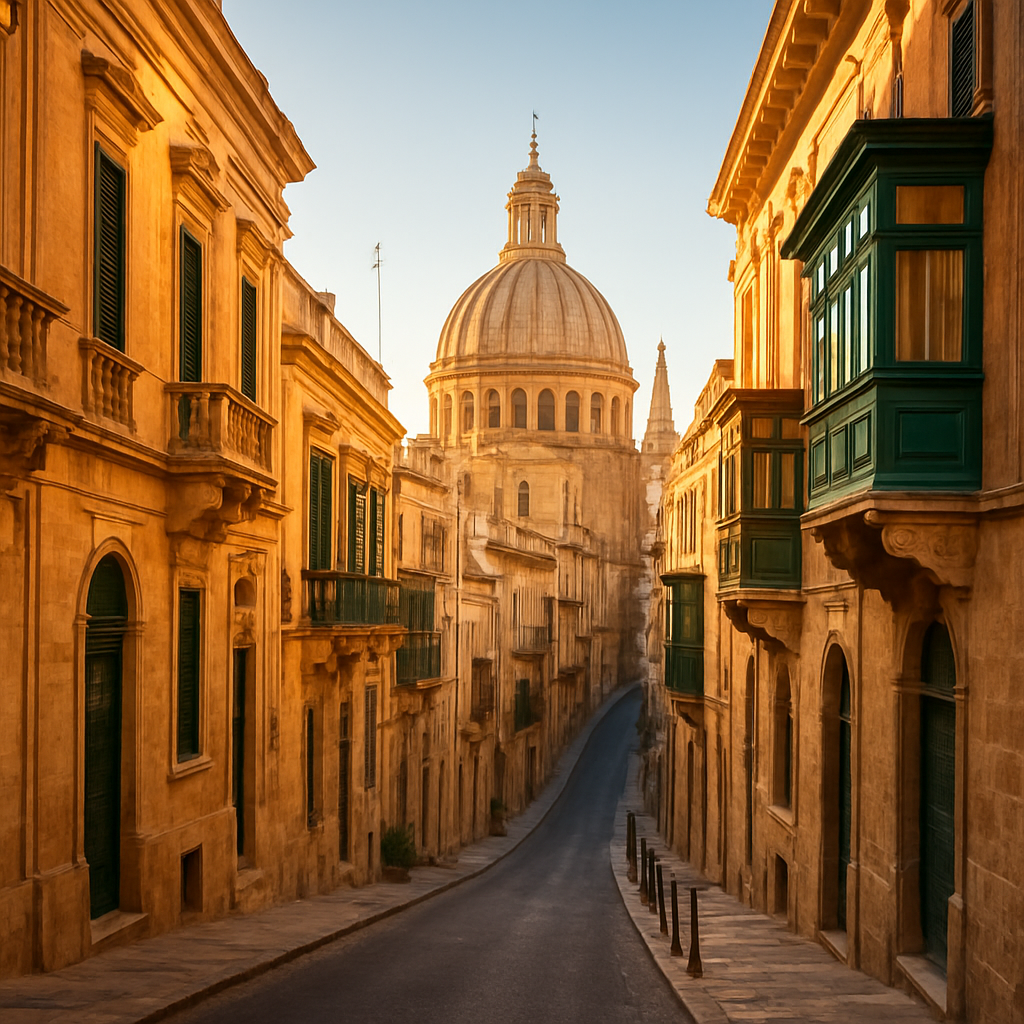
A Day Inside Valletta's Baroque Capital
A 20-minute bus ride from Spinola Bay drops you inside UNESCO-listed honey-limestone streets on a tight grid, with sea views at the end of every downhill block. Start at the Upper Barrakka Gardens looking out over the Grand Harbour, drift down to St. John's Co-Cathedral for the two Caravaggios, and end on Strait Street for a Cisk lager in an indie bar before the bus home. Go early evening — the day-trippers clear out and the stone turns gold.
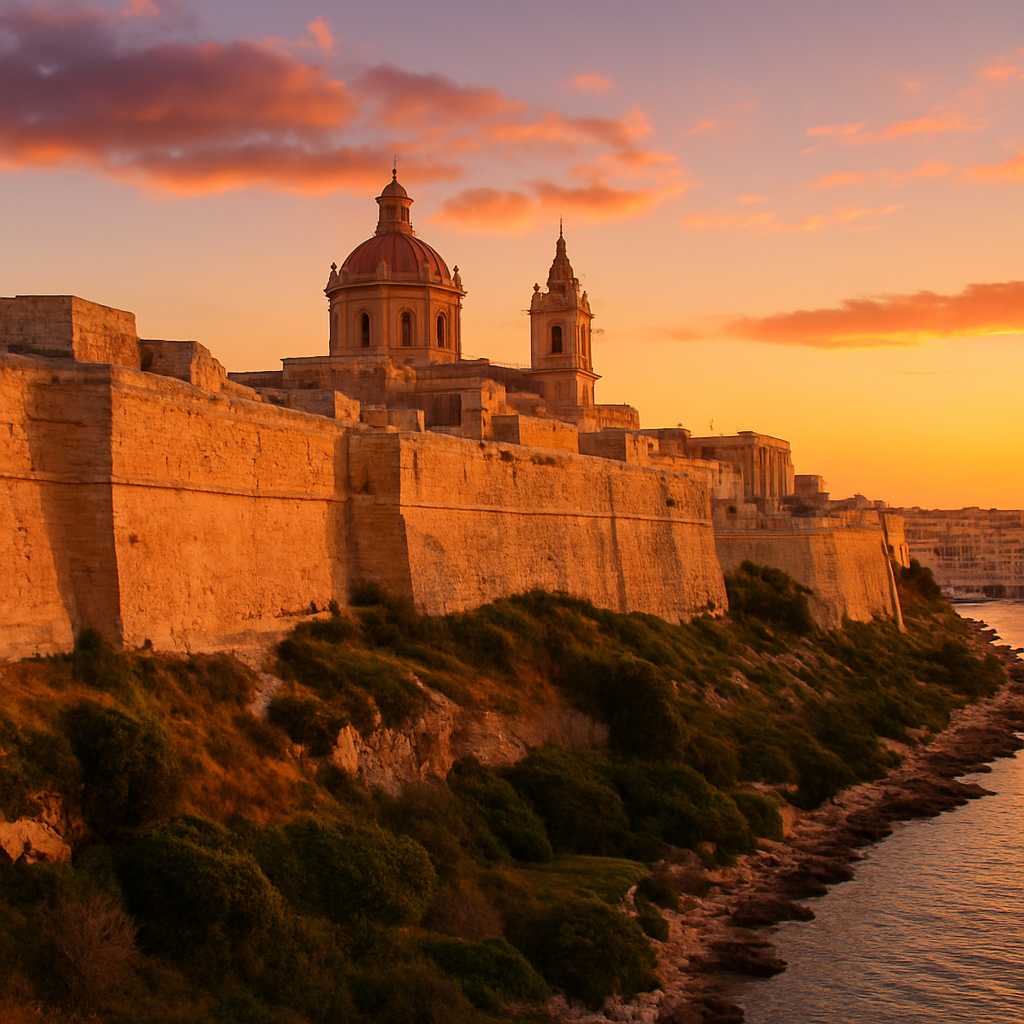
Mdina at Dusk, The Silent City
Thirteen kilometers west of St. Julian's, Malta's medieval walled capital is a motor-vehicle-free city of under 400 residents — one of the smallest inhabited fortified cities in Europe. St. Paul's Cathedral, Baroque and Norman, completed in 1702, anchors the main square; the bastion walls frame the best sunset view on the island. Time it for after 5pm when the tour buses leave and the stone actually goes silent.
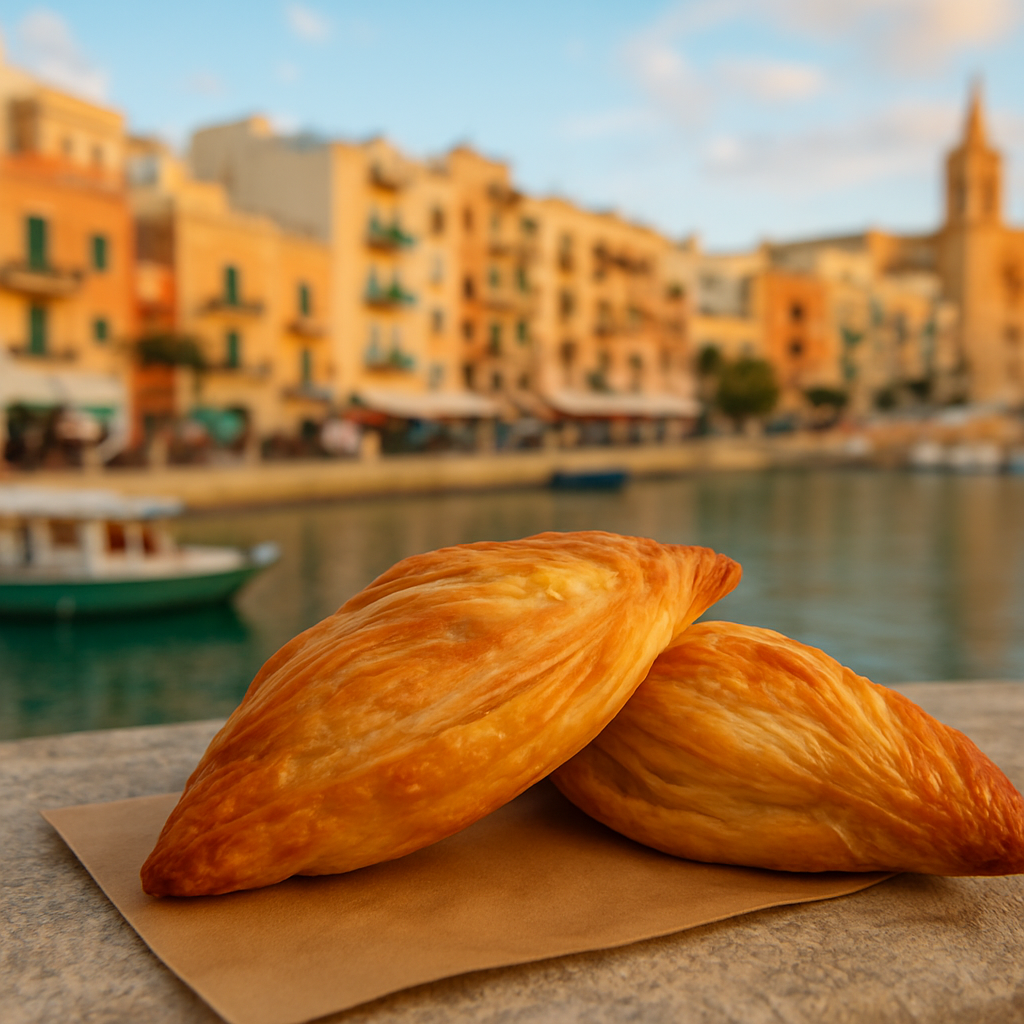
The 3AM Pastizzi Run
On the edge of Paceville, kiosks sell pastizzi — flaky, diamond-shaped Maltese pastries filled with ricotta or mushy peas — for cents, straight out of the oven at 3am. It's the great democratic equalizer of the Maltese night out, consumed equally by drunk stag parties, drag queens, and grandmothers on their way to early mass. You will not regret it, and you will order a second.
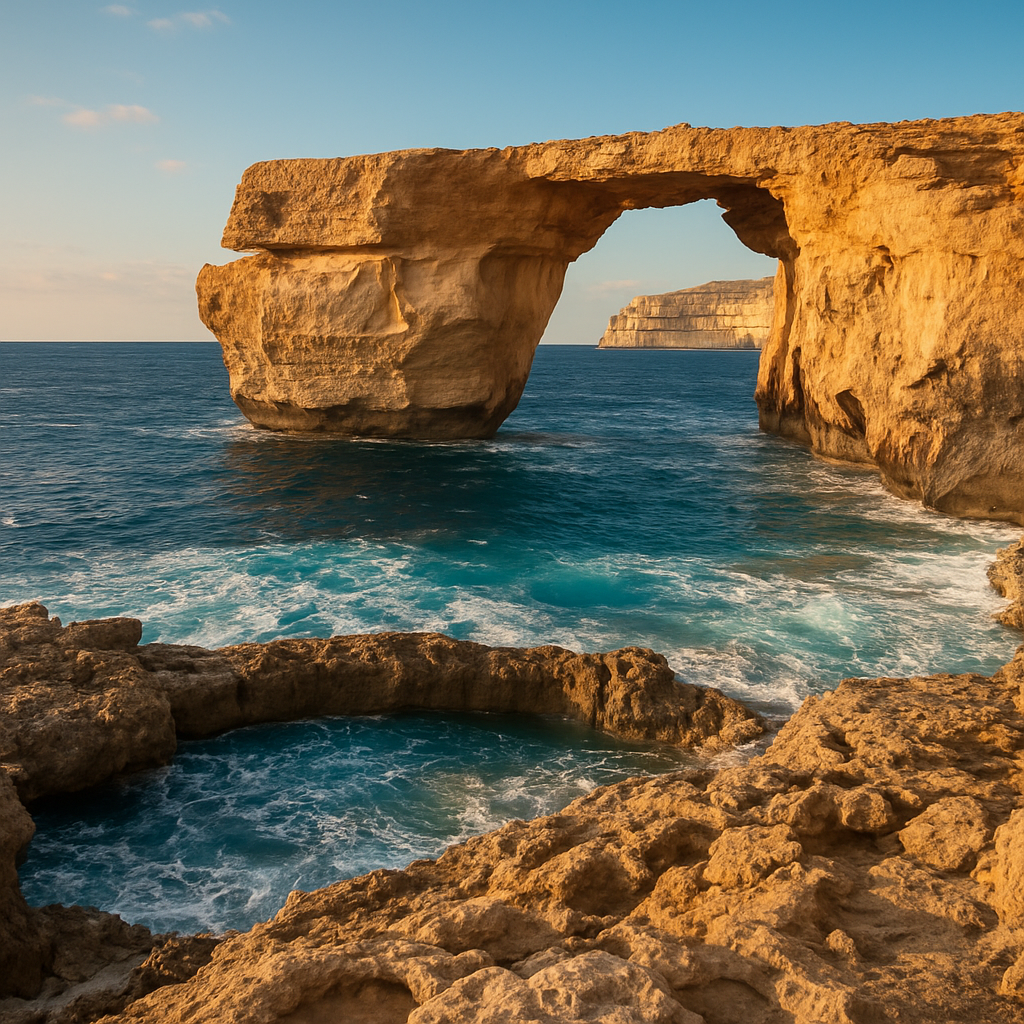
Ferry to Gozo for Ġgantija and the Blue Hole
A 25-minute ferry from Cirkewwa crosses into Malta's quieter, more rural sister island. The Ġgantija Temples — a UNESCO World Heritage Site dated to approximately 3600 BCE — are older than the Pyramids, and genuinely strange to stand inside. The Blue Hole at Dwejra is one of the Mediterranean's signature dive sites, and even the surface swim delivers. Return ferry is about €4.65; book a day.
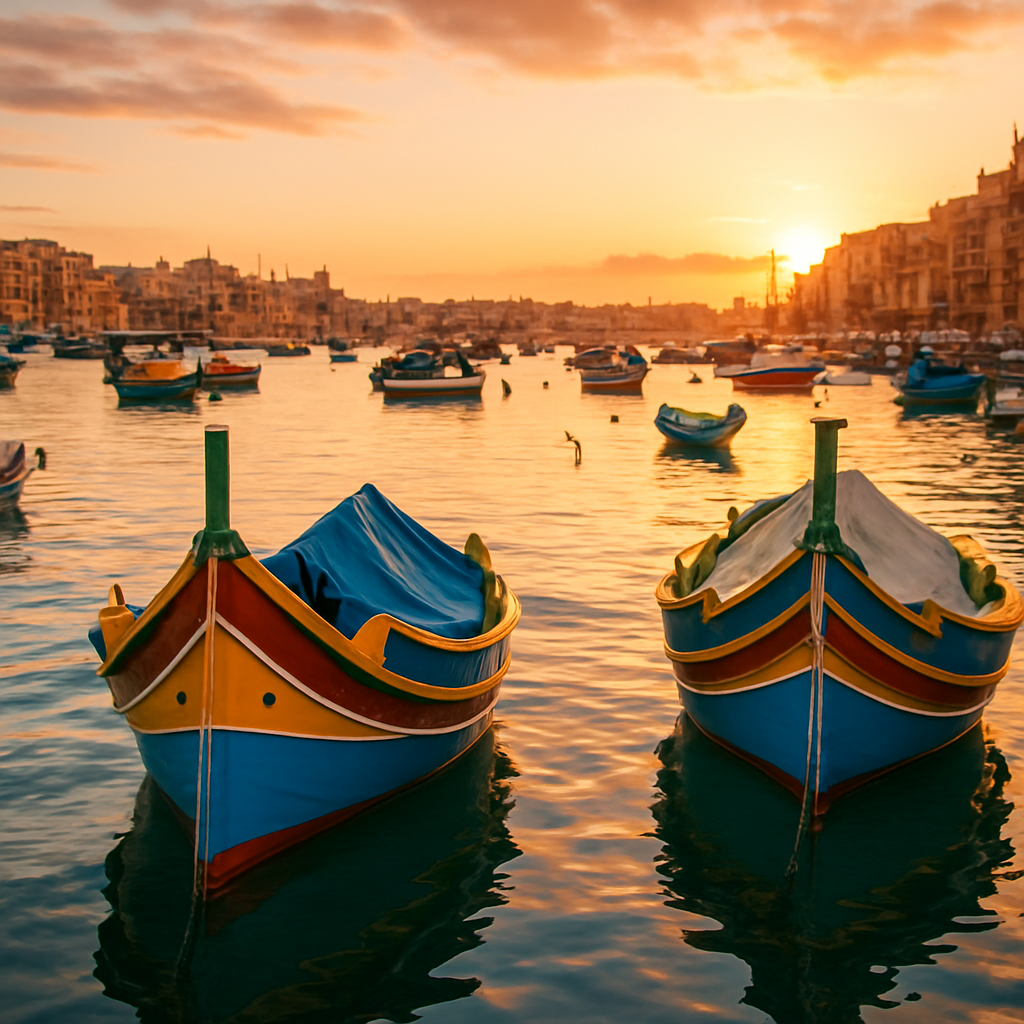
Sunset Walk Around Spinola Bay
The small crescent bay just off Paceville kept its traditional Maltese luzzu fishing boats — painted in primary colors with the Eye of Osiris on the prow — even as the restaurants multiplied. Walk the pedestrianised promenade at dusk with the smell of grilled octopus coming off the terraces and gulls overhead. End at Paranga or Gululu on the water for dinner.
The places I actually send people to
Advice that fits how you travel
Solo travel in Paceville is genuinely low-effort in the best way. The social architecture of the district isn't built around tables-for-two — it's built around bars that fill by midnight, where strangers talk, crowds mix, and by your second night you'll recognize faces. The LGBTQ+-friendly circuit is compact enough to navigate without planning: BJ's Bar, The Grotto Lounge, and XXL Bar are all within a few walkable blocks, and none of them require you to perform confidence to fit in. The apps — Grindr, Scruff, the usual — have active local user bases, supplemented by Malta's significant expat population and a continuous flow of international tourists, so the pool is more diverse than you'd expect from an island this size.
Budget-wise, solo Malta punches above its weight. The Tallinja bus network covers the island for €2 per journey, and you'd be surprised how far that gets you. Waterfront dining at Gululu on Spinola Bay won't hollow out your wallet. A solo moderate budget runs roughly €110–155/day all-in, and if accommodation is where you're cutting costs, Bed+ Hostel in Paceville starts at €22/night and puts you within stumbling distance of every venue worth visiting. Front-load the savings into a Gozo day trip — the ferry is approximately €4.65 return and the diving at the Blue Hole at Dwejra is one of the better things you can do in the Mediterranean for that price.
Safety upkeep for solo travelers is minimal along the St. Julian's coastal corridor. The seafront strip from Sliema through Balluta Bay and into Paceville is well-lit, internationally dominated, and policed well enough that you won't feel exposed. One logistics note: the Tallinja buses stop around midnight, so download Bolt before you land and use it when the clubs close. My best solo base call is either Paceville itself — The George Urban Boutique Hotel puts you on top of the action — or Sliema if you want a quieter morning and real café and grocery infrastructure. It's a 15-minute seafront walk back to St. Julian's and nobody's watching the clock.
Spinola Bay at dusk is the opening move. Walk the pedestrianised waterfront with the traditional luzzu fishing boats in their primary colors moored alongside the restaurant terraces, book a table at Paranga on the water, and let dinner transition naturally into cocktails as the bay goes dark and Paceville starts warming up behind you. Same-sex couples walk this promenade hand-in-hand without a second glance — it's one of the more comfortably open public spaces for PDA in the Mediterranean. For the sunset cocktail, Hugo's Terrace above St. George's Bay has the panoramic view and the drinks to justify the price tag — arrive at 7pm, order a negroni, and watch St. Julian's flip from day mode to night from the best seat on the bay.
The accommodation options for couples here are legitimately strong. The Westin Dragonara on the Dragonara Peninsula is the anniversary property — sea on three sides, a private lido, full spa, and Marriott Bonvoy with IGLTA membership applied brand-wide, which means the king-bed check-in is genuinely frictionless. Le Méridien on Balluta Bay is the smarter base if you want both Sliema's calm and Paceville's energy walkable in opposite directions — book the sea-facing room and don't apologize for it. For something more intimate, The Juliani at Spinola Bay is the boutique answer: small-scale, independent, and positioned with the luzzu boats below your window and Paceville ten minutes by foot.
Build the itinerary around contrasts. Beach mornings at St. George's Bay, dinners at Paranga, then a day trip to Mdina timed for late afternoon — the medieval walled city empties of day-trippers after 5pm and the honey-colored limestone streets go genuinely silent and golden. Gozo works as an overnight if you want to slow down: UNESCO-listed Ġgantija Temples, dramatic coastline, world-class diving at the Blue Hole, and LGBTIQ+ Gozo runs as an active community organization on the island, so the rural setting doesn't come with rural attitudes.
As of 2026, Malta has full legal recognition for LGBTQ+ families — joint adoption by same-sex couples is law, anti-discrimination protections are comprehensive across services, housing, and public life, and the country's legal framework ranks among the strongest in Europe. On the ground in St. Julian's, the major international properties — InterContinental Malta, Westin Dragonara, Hilton Malta — all operate inclusive hospitality programs, and a two-parent family of any configuration gets the same check-in experience, same connecting-room request, same kids-menu-and-beach-club logistics as anyone else. The resort infrastructure here is built for family-group travel, and it shows in the practical detail.
Day trips are strong for families with kids at most ages. Mdina is free to enter, motor-vehicle-free, and genuinely theatrical — a real medieval walled city of under 400 residents, and the Mdina Dungeons attraction serves the twelve-year-old contingent admirably. The Gozo ferry runs approximately €4.65 return per adult (cheaper for children) and delivers Ġgantija Temples — older than the Pyramids and strange to stand inside — plus boat trips around the coastline that work for most ages. Closer to home, St. George's Bay Beach splits between free public sections and pay-entry beach clubs with facilities; the InterContinental's private lido is the resort-grade option when you want sunbeds, a pool, and proximity to food without relocating. The Tallinja bus network is fine for families with older kids comfortable on public transit, and it covers the island comprehensively during daytime hours.
One practical timing note: July and August run genuinely hot — 35°C+ — and managing small children in the packed, narrow streets around Paceville in that heat is a commitment not everyone wants to make. May, June, or September are the family-smart windows: the heat is manageable, the crowds are thinner, and September adds Malta Pride in Valletta to the calendar — a march down Republic Street that's festive, family-attended, and one of the more visibly welcoming public events in the Mediterranean. Pro tip: the Spinola Bay and Balluta Bay promenades are stroller-navigable throughout — pedestrianised, flat along the waterfront, and lined with café terraces that don't require you to fold anything to get through the door.
What St. Julian's actually costs
Flights, visas, and the first 30 minutes
Airport: Malta International Airport (MLA), near Luqa, sits approximately 8 km south of Valletta — roughly 25–35 minutes from St. Julian's by taxi or ride-hailing depending on traffic. As of 2026, MLA connects to approximately 100 destinations, with the bulk across Europe (UK, Italy, Germany, France, the Netherlands) plus direct services to North Africa and the Middle East. Budget carriers dominate the route map, which keeps flight prices reasonable outside peak summer.
Visa requirements as of 2026: Malta is a full Schengen Area member, so standard Schengen visitor rules apply. Entry requirements can change — always check your government's travel advisory before departure.
- US: No visa required — typically up to 90 days within any 180-day period under Schengen rules.
- UK: No visa required — typically up to 90 days in any 180-day period under post-Brexit Schengen visitor arrangements.
- EU / EEA: No visa required — freedom of movement generally applies for EU and EEA citizens.
- Canada: No visa required — typically up to 90 days within any 180-day period under Schengen.
- Australia: No visa required — typically up to 90 days within any 180-day period under Schengen.
Airport to St. Julian's:
- Bus (X4 / 202) — €2 / 45–60 min: The Tallinja public bus network runs direct from MLA into St. Julian's. Pick up a Tallinja Card at the airport — card fares are cheaper than cash, and the X4 and 202 routes cover this corridor reliably during the day.
- Taxi / Bolt — €25–35 / 25–35 min: Both metered white taxis and the Bolt ride-hailing app operate from the arrivals hall. Bolt typically runs noticeably cheaper than the white cabs. Download the app before you land — it's faster and there's a fare record if anything goes sideways.
- Private Transfer — €40–55 / 25–30 min: Worth pre-booking for groups, late arrivals, or anyone traveling with serious luggage. Door-to-door, flat rate, no metering surprises.
Pro tip: Malta's bus network is excellent value during the day but shuts down around midnight. If you're arriving on a late flight, Bolt is your only sensible option — don't count on a bus after 11pm.
Traven's seasonal breakdown
The questions everyone asks
Is St. Julian's safe for same-sex couples to hold hands in public?
Do I need to speak Maltese?
When is Malta Pride and should I plan my trip around it?
How do I get around at night if the buses stop?
What's the best month to go?
How much should I budget per day?
Are there dedicated gay bars in St. Julian's?
Screenshot this before you go
So should you actually go?
Go. Malta is genuinely one of the best legal environments in Europe for LGBTQ+ travelers, and St. Julian's gives you the Mediterranean-island experience — waterfront dinners on Spinola Bay, beach mornings at St. George's, a baroque capital twenty minutes away, and a walkable nightlife district that runs welcoming by default — without the price tag of Mykonos or the pretension of the Côte d'Azur. Aim for May, June, September, or October — September for Malta Pride if you can swing the dates — skip the August furnace, base yourself in Sliema if you want sleep and Paceville if you don't, and give yourself a full day for Gozo. This is an easy yes.
Sources & Resources
Official links we reference when compiling this guide. Last verified 2026-04-14.