
Cabo isn't a scene — it's a permissive bubble with a granite arch, and sometimes that's exactly the vacation you need.
Cabo is a city shaped by geography more than by anyone's master plan, and you feel that the second you round the headland into Marina Cabo San Lucas and see the horseshoe of yacht slips, the granite teeth of Land's End, and the Pacific throwing itself at the rocks on one side while the Sea of Cortez lies flat and swimmable on the other. This is a resort town, full stop — it doesn't pretend to be anything else, and the honesty of that is half its charm. The other half is the light, which goes amber around 5pm and turns El Arco into the sort of view that makes you put your phone down for once.
There's a reason I landed on a 7.9 on my Traven-Dex here, and it's not because Cabo has a deep gay community — it doesn't. What it has is a permissive bubble big enough to disappear into for a week, and a hospitality industry so used to international travelers that a same-sex couple checking into The Cape or ordering a second round at The Office on the Beach typically registers as zero event. I gave it an 8.0 on Destination because the geography does the heavy lifting — the arch, the whales, the reef at Cabo Pulmo — and a 5.0 on Pulse because the year-round community footprint is genuinely thin. Both things are true at once, and pretending otherwise would be a disservice.
So here's the calibration. Cabo is not where you go to plug into a scene — for that, get on a flight to Puerto Vallarta or Mexico City. Cabo is where you go when you want sun, fish tacos at the Mercado Municipal for under two dollars, a sunset sail past a sea lion colony, and a hotel bed where nobody blinks at whose hand you're holding in the elevator. Nowhere Bar on the Marina is the default gay-adjacent anchor when the bigger rooms tip from festive to feral, and Baja Brewing Company's taproom is where the expat crowd quietly gathers on a Tuesday. That's the scene. It's small, it's woven into the general tourist grain, and if you arrive with the right expectations it's more than enough.
What surprised me most isn't the party strip or the Pedregal cliffs — it's the half-hour drive east to San José del Cabo on a Thursday evening, when the art district lights up along Calle Obregón and you realize Baja has a grown-up side the guidebooks tend to undersell. Bring a rental car or a flexible DiDi budget. Eat on the Sea of Cortez side. Swim only where they tell you to swim. And let the geography do what it came here to do.
The stuff your travel guide buries on page 47
Mexico made same-sex marriage legal nationwide in 2022, and Baja California Sur has recognized it on the ground since 2019. As of 2026, adoption by same-sex couples is legal, civil unions are recognized, and the state has adopted self-declaration for gender marker changes on official documents — meaning trans travelers can typically update ID without a court fight or medical gatekeeping. Mexico's Supreme Court has ruled criminalization of same-sex intimacy unconstitutional, so there is no legal basis for police to harass you for being gay. For the full federal picture, CNDH — Comisión Nacional de los Derechos Humanos publishes current guidance on discrimination complaints, and Human Rights Watch's Mexico desk tracks how enforcement shakes out state by state.
The catch is the usual Mexican catch: federal law is progressive, local enforcement is uneven. A reader wrote in to remind me that knowing your rights before any interaction with municipal authorities is genuinely useful, not theoretical. Anti-discrimination protections generally exist but are limited in scope, and the officer you meet at 2 a.m. may or may not be current on the jurisprudence. Keep it civil, keep it documented, and if something goes sideways, Gobierno del Estado de Baja California Sur maintains the official state channels for formal complaints.
On the ground, Cabo is a resort town that runs on foreign tourism, which typically buys you a permissive bubble. PDA generally goes unremarked inside the Marina corridor, along Playa El Médano, and anywhere in the luxury resort zone (Pedregal, Palmilla, Esperanza). In San José del Cabo's historic district and in local residential colonias, read the room — those tend to be conventional Baja communities with older, more traditional norms, and the vibe around the main plaza and church is noticeably more conservative. You're unlikely to get hassled, but overt affection is less common there. The adults-only resorts on the Corredor Turístico — Breathless in particular — market seriously to LGBTQ+ travelers and typically back it up with genuinely welcoming staff culture, not just a flag in the lobby during June.
Pro tip: Cabo runs heavily on USD in the tourist zone — Marina bars and beach clubs generally take American dollars without blinking — but carry pesos for the Mercado Municipal near downtown, where a great fish taco costs under two bucks. Specialized LGBTQ+ health services are thin in town; for PrEP, HIV testing, and affirming STI care, most travelers stock up before arriving or use telemedicine, since those services concentrate in La Paz and Mexico City. CENSIDA runs the federal HIV/AIDS prevention program if you need to locate a public clinic in-country. One reader tip worth keeping: Cabo's Orgullo (Pride) events have grown each year and typically land in late spring, but local organizers post primarily to Instagram and Facebook — hunt for local accounts a few weeks before your trip or you'll miss it.
What it actually feels like on the ground
The U.S. State Department rates Baja California Sur at Level 2 (Exercise Increased Caution) as of 2025 due to general crime, with the Los Cabos tourist corridor considered relatively lower-risk. Safety advice here needs to be zone-specific, not blanket — the Marina and Médano corridor behaves very differently from residential colonias west of downtown.
Holding hands along the Marina and Médano Beach: broadly unremarked. A reader described it well — same-sex couples at Mango Deck or The Office on the Beach typically register as a non-event to staff and other patrons. This is a tourist-first economy; the hospitality industry generally sees everyone.
Hotel check-in: generally a non-issue at international brands and the luxury resort tier. Breathless, ME Cabo, The Cape, and the Pedregal properties are staffed for an international clientele and same-sex couples are typically treated as any other guests. Smaller local guesthouses outside the tourist strip are less predictable — not hostile, just less rehearsed.
Taxis and late-night transit: use Uber or DiDi. They generally work reliably throughout the tourist zone and cost a fraction of what hotel-arranged taxis charge. Rideshare also keeps you out of the handful of situations that same-sex couples have reported involving commentary from older cab drivers who didn't get the memo. Confirm your destination before getting in, share your route if you're heading back from the bar strip after midnight, and never get into an unmarked vehicle regardless of what the driver tells you.
Beaches and water: the Pacific-facing water at Land's End is gorgeous, violent, and will absolutely drown you. All safe swimming is on the Sea of Cortez side — Playa El Médano is your beach, full stop. Water taxis out to El Arco are a standard tourist experience and generally fine solo or as a couple; just negotiate the fare before you step in, because 'tourist rate' is an elastic concept in Cabo.
Nightlife strip (Boulevard Marina): El Squid Roe gets aggressively fraternal during peak season — it's fun, loud chaos, but if the vibe tips from festive to hostile, Nowhere Bar a few blocks away runs smaller and tends to attract a more mixed crowd. Trust your instincts about a room; there are plenty of alternatives within walking distance.
Trans travelers: the greatest comfort tends to be inside the resort and tourist corridors where international norms prevail. Baja California Sur has self-ID gender marker change as of 2026, but enforcement outside tourist zones is uneven and legal literacy among local officials varies. For advocacy backup and affirming healthcare navigation, Letra S — LGBTQ+ Journalism and Advocacy (Mexico) is Mexico's leading LGBTQ+ health and advocacy publication, and IMSS — Instituto Mexicano del Seguro Social runs the federal public health system if you need to locate services. In a pinch, Secretaría de Salud lists the federal health ministry's resources, and CENSIDA maintains a national HIV/AIDS referral line worth saving before you arrive.
Verbal harassment risk: observationally low in tourist zones, higher the further you wander from the Marina. Outside the bubble — particularly in working-class neighborhoods west of downtown near Calle Revolución — a more traditional Mexico tends to reassert itself, and same-sex PDA is uncommon enough to attract attention. Keep public affection to the beach-and-bar zones and you'll have minimal friction.
The queer geography
Cabo doesn't have a dedicated gay village the way Puerto Vallarta has Zona Romántica — the scene here is woven into the general tourist nightlife rather than pinned to a specific street. That's worth knowing going in. These are the neighborhoods that matter if you want to understand how the city actually works.
La Marina & Boulevard Marina
Marina Cabo San Lucas is the gravitational center of the city — a horseshoe of yacht slips, open-air restaurants, and bars that runs from the sportfishing docks around to the Puerto Paraíso Mall. Walk the boardwalk at dusk: fishermen weighing the day's catch, fresh mariscos on every corner, the smell of grilled shrimp and lime, and the hum of a hundred tour operators pitching sunset sails. This is where the nightlife concentrates — El Squid Roe, Cabo Wabo Cantina, The Giggling Marlin, and Mandala Nightclub are all within five blocks of each other. Nowhere Bar in particular has been the consistent LGBTQ+ anchor on this strip for years; it runs smaller, mellower, and mixed, and it's where the community tends to cluster when the bigger rooms get too frat. Baja Brewing Company's marina taproom serves proper fish tacos in a space you can actually have a conversation in — a rare reprieve from the screaming party bars, and consistently warm to same-sex couples. For regional community context, ILGA World tracks Mexico's LGBTQ+ legal and community landscape if you want background before you travel.
Playa El Médano
Playa El Médano is the only genuinely swimmable beach near the marina — about two kilometers of soft sand on the Sea of Cortez side, protected by the bay, lined end-to-end with palapa bars, chair rentals, paddleboard operators, and waiters moving faster than seems physically possible with trays of micheladas. This is the daytime social heart of Cabo. Mango Deck is the reliable anchor — arrive by noon, claim a table with sand on the floor, order a round, and the beach games will turn a group of strangers into your people within about forty-five minutes. The Office on the Beach and Wayo's Beach Bar are the mellower alternatives with tables directly in the sand. Pro tip: the hotels along this stretch — ME Cabo, Casa Dorada, Hacienda Beach Club & Villas — put you walking-distance from everything.
Pedregal
Cliffside, quiet, and expensive. Pedregal climbs the Pacific-facing hills west of the marina — white-stucco villas stacked up a rock face, bougainvillea spilling over walls, and dining rooms pitched out over the ocean with direct sightlines to El Arco. This is where The Cape, a Thompson Hotel, the Waldorf Astoria Pedregal, and Sunset da Mona Lisa live, and where Manta — Enrique Olvera's restaurant at The Cape — turns out one of the best dinners in Baja. Come here for sunset drinks with the arch framed in amber, not for nightlife. The neighborhood is a residential and luxury-hotel enclave with zero bar scene and a distinctly adults-in-linen energy. For broader rights context across Mexico, All Out — LGBTQ+ International Advocacy keeps useful international guidance.
San José del Cabo Historic District
Thirty minutes east along the Corredor Turístico, San José del Cabo is a different Mexico — a colonial town with a real main plaza, an 18th-century church, and an art district centered on Calle Obregón that feels nothing like the party strip to the west. Gallery owners, expat artists, quiet restaurants with serious wine lists, and the Thursday-evening Art Walk from November through June. The night draws a noticeably community-friendly crowd — take the 30-minute Uber up the corridor if you want slow-burn mezcal, actual conversation, and ceramics instead of fluorescent shots and bucket lists. Baja Brewing Company's original 2007 location on Calle Morelos is a documented community gathering point. One caveat: the town itself is more traditional around the plaza and church, so save overt PDA for the art-district blocks. For cultural and health coverage of Mexican LGBTQ+ life with real depth, Letra S is the reference.
Todos Santos (the day-trip neighborhood)
An hour north on Highway 19, Todos Santos is a Pueblo Mágico with a genuinely distinct identity — low colonial buildings, mango orchards, Pacific surf breaks, and a cluster of LGBTQ+-owned boutique hotels and restaurants that have quietly made this one of Baja's most welcoming small towns. If you've exhausted Cabo's beach-and-party loop, rent a car and head up the coast before noon. For the federal human rights picture that backs all of this, CNDH is the official national channel.
The experiences worth rearranging your itinerary for
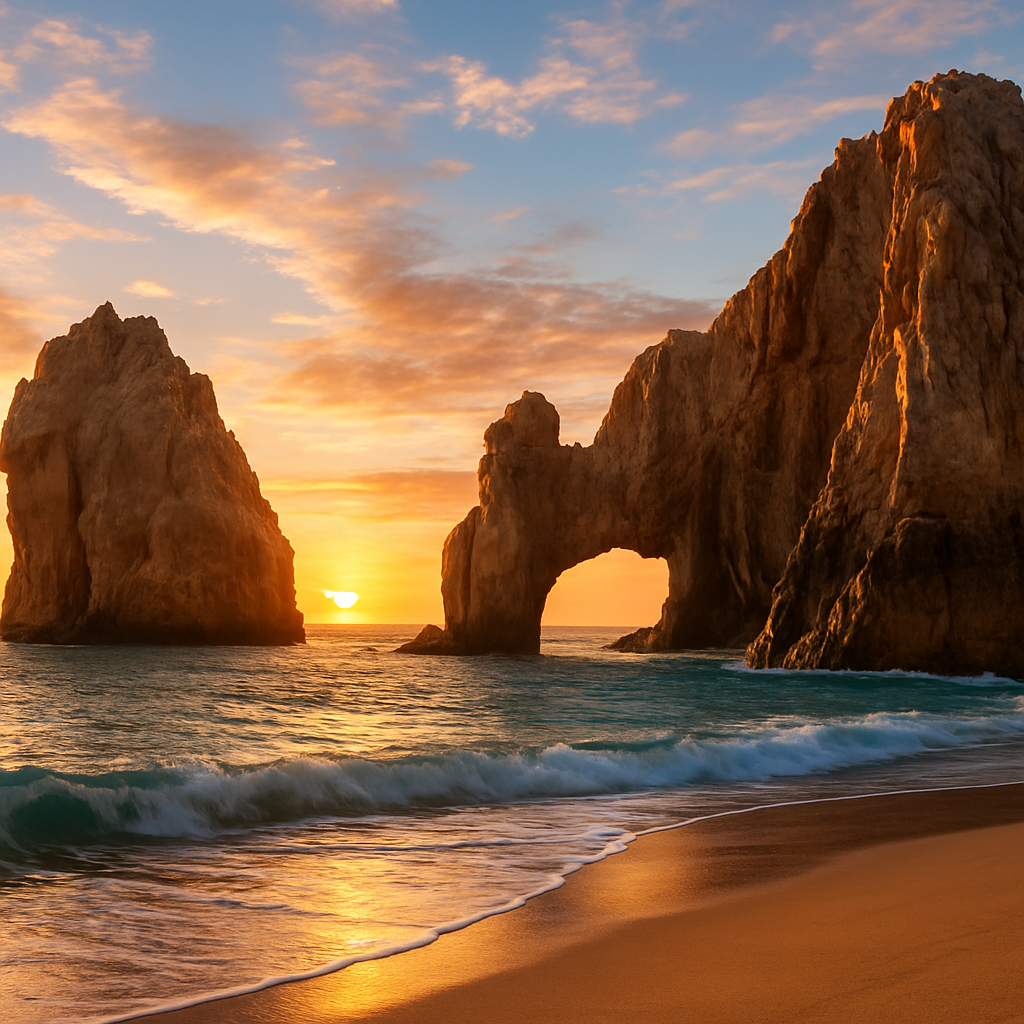
Sunset Sail to El Arco
Book a sunset catamaran from the Marina and watch the light go amber on the granite as pelicans work the water line and the sea lions on the rocks get loud. The ride's about 90 minutes, drinks are usually included, and the view back at the peninsula from the Pacific side is legitimately one of the most beautiful things you can see in Mexico.
Pro tip: book the smaller catamarans over the party boats if you want to actually hear yourself think.
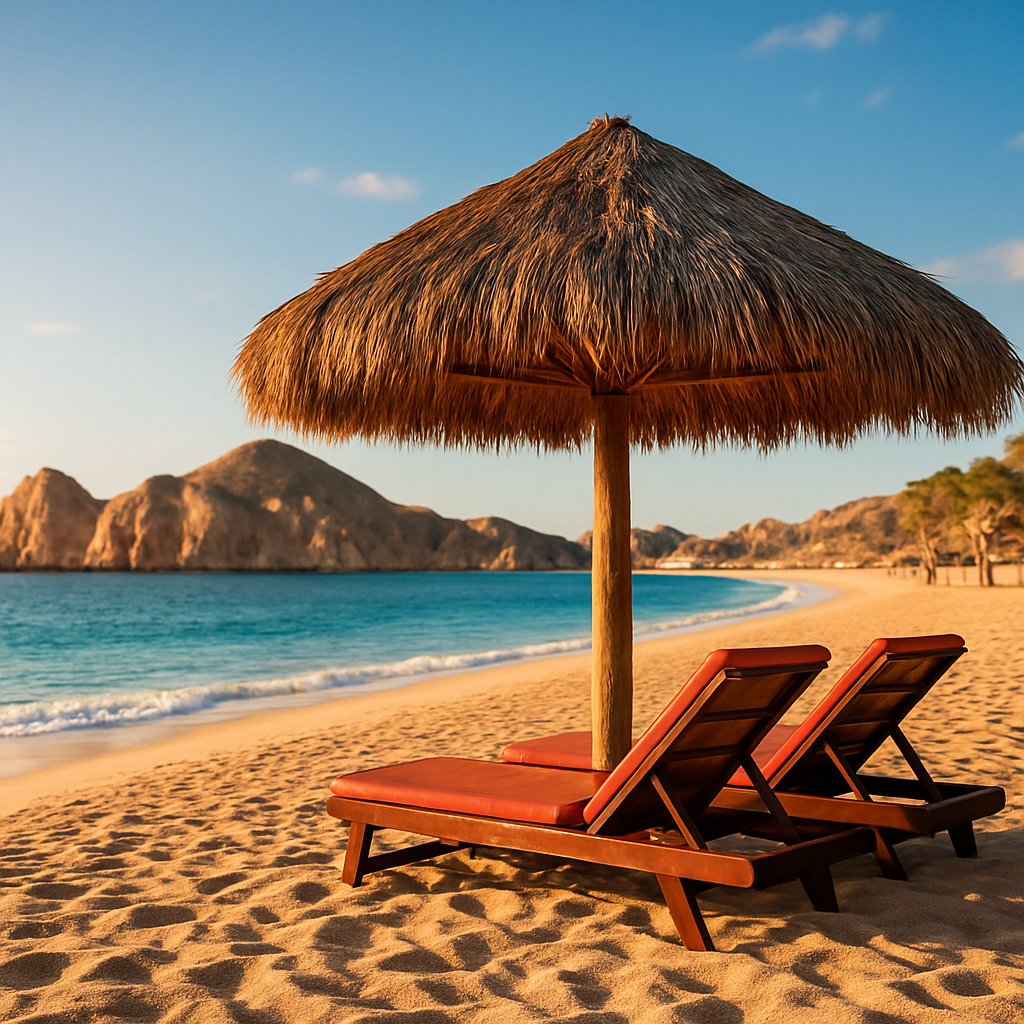
A Full Day on Médano Beach
Three kilometers of soft sand on the Sea of Cortez side, lined end-to-end with palapa bars, paddleboard rentals, and waiters moving faster than gravity with trays of micheladas. Stake out a table at The Office on the Beach or Mango Deck before noon, order the fish tacos, and don't leave until the sun does.
It's the only genuinely swimmable beach near the Marina — protected by the bay — and the social center of every daytime hour in Cabo.
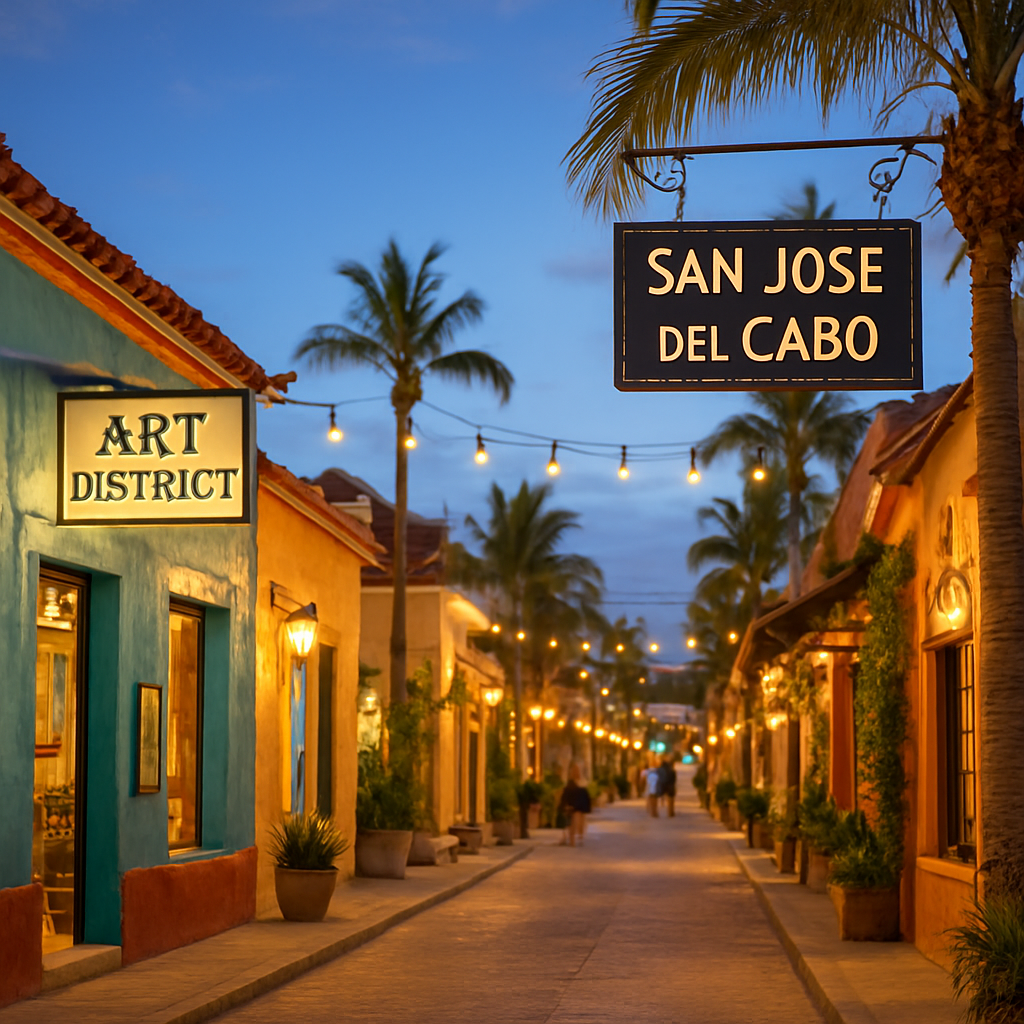
Thursday Art Walk in San José del Cabo
Thirty kilometers east along the corridor and tonally a different country. From October through June, the historic gallery district opens every Thursday evening — wine in plastic cups, working artists in the studios, independent restaurants with serious menus, and a crowd that skews local-creative rather than spring-break.
Finish with dinner on the plaza and a pint at Baja Brewing Company's original 2007 taproom. Cheap DiDi back to Cabo, or stay the night.
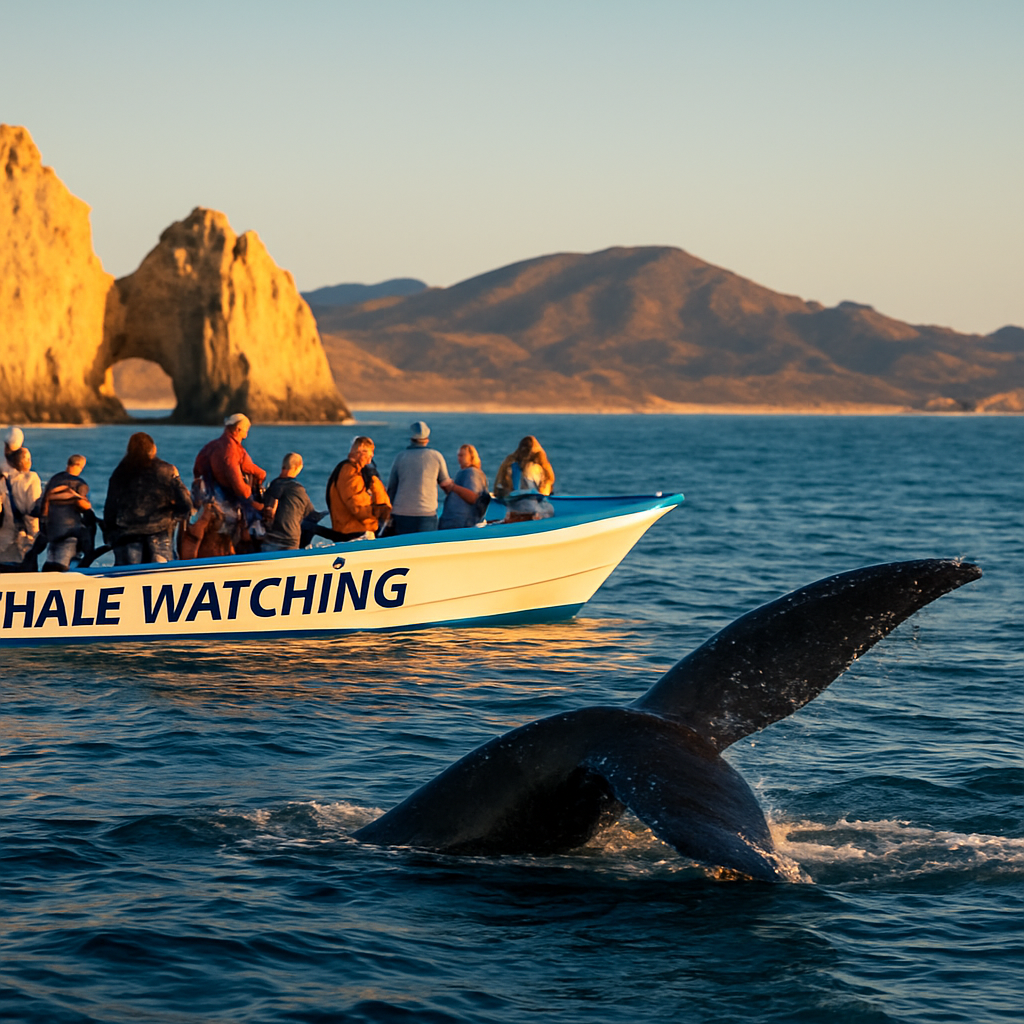
Whale Watching on the Sea of Cortez
From December through April, gray whales and humpbacks migrate through the Sea of Cortez, and on a good February morning you'll see your first spout within thirty minutes of leaving the Marina. Breaches, tail slaps, mothers with calves — it's not a zoo attraction, it's the actual ocean working.
Book a small-boat operator rather than the big catamarans; the smaller the boat, the closer the encounter. Dress warmer than you think — the wind on the water will surprise you.
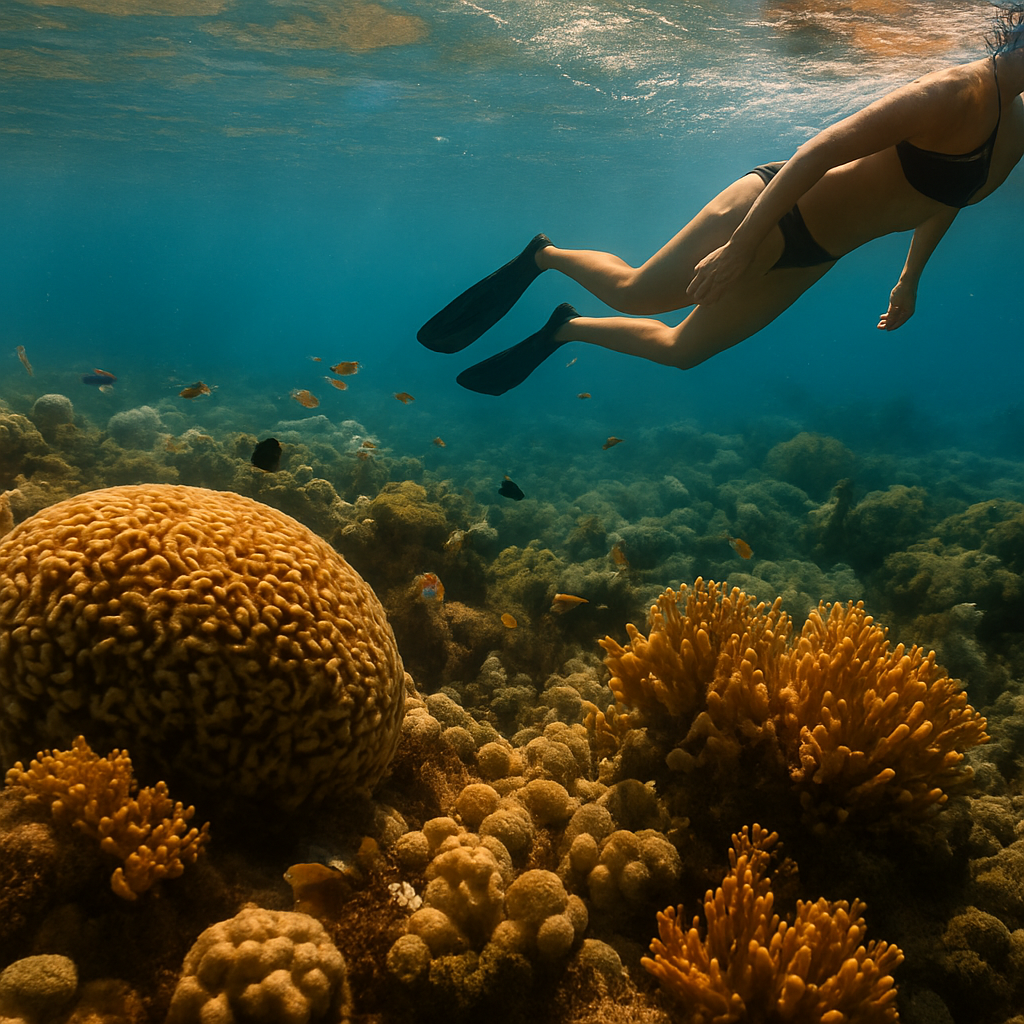
A Day at Cabo Pulmo Marine Park
Roughly 100km northeast of Cabo San Lucas and on a different planet ecologically — a federally protected marine park since 1995, UNESCO-listed since 2005, and home to one of only a handful of living coral reefs on the Pacific coast of North America. Outside tour companies are banned inside the boundaries; you snorkel or dive with certified local operators out of the small village.
Plan it as a full day with an early start, pack water and snacks, and prepare for the biomass here to genuinely reset what you thought Baja looked like underwater.
The places I actually send people to
Advice that fits how you travel
Cabo rewards the social solo traveler in ways that feel almost structural. Playa El Médano is two kilometers of shared-table, palapa-bar energy where you'll be talking to strangers within twenty minutes of dropping your bag, and the Marina strip compresses everything into five walkable blocks — Nowhere Bar, Baja Brewing Company, El Squid Roe, Mandala Nightclub, all of it within easy reach of each other. Grindr runs active throughout the tourist corridor in peak season and skews heavily toward visitors rather than locals, which tells you something useful: this is a place where the gays come to vacation, not a city with a deep year-round community underneath. For actual local connection, Baja Brewing's marina taproom is where the expat scene quietly gathers — show up a couple of evenings running and you'll find the regulars.
Budget solo in Cabo takes navigation — this city defaults to resort pricing and assumes you have someone to split the room with. The Bungalows Hotel in El Médano at from $175/night is the best option with a documented LGBTQ+ track record: adults-only, courtyard pool, warm staff, and it surfaces consistently in community travel forums for exactly the right reasons. Hotel Mar de Cortez downtown is the honest budget floor at around $65/night — basic, pooled, and walking distance to the Marina — while Siesta Suites Hotel at from $45/night fills the backpacker-adjacent slot with kitchenettes and a small courtyard pool. If you can stretch even slightly to staying on Médano, do it: every social option is within a five-minute walk, which matters more than it sounds when it's 1am and you're making decisions.
Safety throughout the tourist corridor is solid — use Uber or DiDi over unmarked taxis, share your route when heading back from the bar strip late, and avoid wandering into residential colonias outside the tourist zone after dark. Around Calle Revolución west of downtown, the vibe runs more traditional and same-sex PDA can draw attention. One scheduling note: shoulder season — late October through November — is the best solo window. Same dry, gorgeous weather; half the spring-break crowd; and clubs at a decibel level where actual conversation is physically possible.
Cabo earns its romantic reputation through geography more than effort — and I mean that as a compliment. The light hits amber around 5pm and turns El Arco into a painting, the Marina runs warm and full of people genuinely enjoying themselves after dark, and same-sex couples along Médano Beach and throughout the Marina corridor are treated without comment. Breathless Cabo San Lucas Resort & Spa explicitly markets to LGBTQ+ couples and has the most rehearsed same-sex hospitality on the corridor — it's a flag that comes with actual staff training, not a June decoration. ME Cabo by Meliá backs its welcome with audited corporate non-discrimination policies and puts you directly on the beach. For architecture and pure design, The Cape, a Thompson Hotel — Pacific-facing cliffs, rooftop infinity pool, direct sightline to the arch, consistent Thompson culture portfolio-wide — is the high-design choice that actually delivers on the promise.
For evenings: book the sunset sail as a private catamaran rather than a party boat — the cost difference is modest, the difference in whether you can hear each other is not. Manta at The Cape is the meal you'll be talking about on the plane home — Baja coastal seafood developed by chef Enrique Olvera of Pujol, served in an open-air room pitched out over the Pacific with El Arco in the middle distance. Book the terrace side, arrive before sunset, let the kitchen do the rest. Sunset da Mona Lisa on the Pedregal cliffs is the more theatrical option — the arch framed at golden hour through the dining room windows, Italian and Mediterranean food, a nightly ticketed sunset event that genuinely earns the reservation. Edith's Restaurant near Médano, open since around 1990, does tableside guacamole, mesquite-grilled proteins, and flambéed desserts in a lantern-lit courtyard — more romantic in person than it sounds, and consistently reliable across three decades of couples dinners.
Same-sex PDA is comfortable in the resort corridor, along the Marina, and on Médano — genuinely unremarkable in those zones. If you take the day trip to San José del Cabo's historic art district — and I recommend it — the blocks along Calle Obregón are bohemian and relaxed, but the main plaza near the colonial church runs more traditional. Natural discretion there. Everywhere inside the tourist corridor: you won't need to think about it at all.
As of 2026, Mexico recognizes same-sex marriage and adoption nationwide — Baja California Sur has had same-sex marriage on the books locally since 2019, putting LGBTQ+ families on solid legal footing before you land. The resort corridor adds a practical second layer: international hotel training means staff at ME Cabo by Meliá, Casa Dorada, and The Cape, a Thompson Hotel don't pause at a two-dad or two-mom configuration at check-in. The all-inclusive format works particularly well for families in Cabo — once you're inside the gate, meals, beach access, and activities are pre-solved, cutting the daily friction that comes with navigating a new place with kids. One note: Breathless Cabo San Lucas Resort & Spa is adults-only; look instead to family-configured suites at ME Cabo, Casa Dorada, or private villas along the Corredor Turístico.
Playa El Médano is the activity anchor — the only swimmable beach near the marina, protected from open-ocean swells by the bay, with beach clubs that set up chairs and keep food and drinks coming all day. The water taxi to El Arco and Playa del Amor is a reliable hit with kids: sea lions sunbathing on the rocks, pelicans working the water line, and a granite arch the scale of a building — fifteen minutes from the marina dock for around $10–15 per person. Whale watching from December through April is the experience that recalibrates everyone on the boat; February is peak season and sightings typically come within thirty minutes of departure. For older kids who snorkel, the day trip to Cabo Pulmo National Marine Park — approximately 100km northeast, UNESCO World Heritage Site since 2005, home to one of the few living coral reefs on the Pacific coast of North America — is the most ecologically significant thing you can do in Baja: plan it as a full day, hire certified local operators at the park, and go early.
On logistics: the Marina boardwalk and resort corridor are paved and stroller-manageable; Playa Médano is sand, so a beach cart or front carrier pays off with small children. Uber and DiDi cover the tourist corridor reliably — there's no meaningful public transit between venues, so budget for rides. Most international-brand restaurants along the Marina carry kids' menus or will improvise without drama, and the Mercado Municipal near downtown is worth a visit with older kids for the fish tacos — under two dollars each and legitimately the best meal in town. Timing is non-negotiable: skip August and September entirely with a family — hurricane season peaks in those months and the heat, humidity, and storm risk aren't worth it. November through April is your window, with December through February delivering whale season and the most reliably dry conditions of the year.
What Cabo San Lucas actually costs
Flights, visas, and the first 30 minutes
Airport: Los Cabos International Airport (SJD) is your gateway — one of the better-connected regional airports in Mexico, with approximately 50 direct routes running predominantly out of North American hubs. From Los Angeles you're looking at roughly 2.5 hours in the air. Dallas and Phoenix run about 3 hours. East Coast cities clock in around 5 hours nonstop. Travelers from Europe and Australia typically connect through a US hub or Mexico City; a handful of seasonal direct European services exist, but they're not guaranteed year-round.
Visa requirements (as of 2026): US, UK, EU, Canadian, and Australian passport holders typically don't need a visa for Mexico. You'll generally be issued an FMM tourist permit on arrival — valid for up to 180 days. Fill it out on the plane if the crew distributes it, or at the immigration desk on arrival. Keep the paper stub. You'll surrender it when you leave the country, and losing it can complicate your exit in ways that aren't worth experiencing.
Getting to Cabo San Lucas from SJD (approximately 40–60 minutes depending on traffic and stop count):
- Shared Shuttle — MXN 450–650/person (45–60 min): The standard move for solo travelers and anyone who pre-books. Use the official transport kiosks in the arrivals hall — not the operators working the baggage carousel, who are offering you neither a deal nor a licensed vehicle. Journey time depends entirely on how many stops the van makes before yours.
- Private Transfer — MXN 900–1,400/vehicle (40–50 min): Pre-book this if you're arriving with a group, a family, or more luggage than fits in a shared van without Tetris skills. Fixed price, door-to-door, no drama.
- Official Airport Taxi — MXN 900–1,300 (40–50 min): Only use taxis from the authorized airport taxi booths inside arrivals. Avoid the street touts entirely — the authorized booths are visible, staffed, and metered before you exit customs. The alternative is not worth it.
- Rental Car — MXN 700–1,400/day (40 min): If you're planning to reach Todos Santos, Cabo Pulmo, or anywhere off the main corridor independently, a car is the practical move — there's no meaningful public transit connecting SJD to Cabo San Lucas or anywhere along the Corredor Turístico. The highway is straightforward and well-marked the full distance into town. Book in advance during peak season.
Pro tip: walk past anyone approaching you before the official booths. The 'special rate' being whispered near baggage claim is not special — it is the tourist rate, and the vehicle's authorization status is the question nobody's answering.
Traven's seasonal breakdown
The questions everyone asks
Is Cabo San Lucas safe for LGBTQ+ travelers?
Are same-sex couples legally recognized in Mexico?
Is there a gay neighborhood in Cabo?
Do I need to speak Spanish?
When is Cabo Pride?
How much should I budget per day?
Is it safe to hold hands in public?
Screenshot this before you go
So should you actually go?
Should you go? Yes — as long as you arrive with clear eyes about what Cabo actually is. This is a resort town with a tourist-first, fully integrated scene, not a city with a deep year-round community underneath. Come for the geography, the whales from December through April, a meal at Manta, the sunset at El Arco, and the rare freedom of a hospitality corridor where same-sex couples are largely unremarkable. Skip August and September, save the overt PDA for the Marina and Médano, and plan a day in San José del Cabo to remember that Baja has range. For LGBTQ+ travelers who want sun, sea, and minimal friction, Cabo delivers — and my Traven-Dex of 7.9 is earned honestly.
Sources & Resources
Official links we reference when compiling this guide. Last verified 2026-04-14.
- All Out — LGBTQ+ International Advocacy (Mexico Coverage)
- CENSIDA — Centro Nacional para la Prevención y el Control del VIH/SIDA
- Comisión Nacional de los Derechos Humanos (CNDH)
- Gobierno del Estado de Baja California Sur
- Human Rights Watch — Mexico LGBTQ+ Reports
- ILGA World — International Lesbian, Gay, Bisexual, Trans and Intersex Association
- IMSS — Instituto Mexicano del Seguro Social (Public Health Services)
- Letra S — LGBTQ+ Journalism and Advocacy (Mexico)
- Secretaría de Salud — Federal Health Ministry