
Chihuahua doesn't perform for you. It pours you a sotol, points at the cathedral at 5 p.m., and trusts you to figure out the rest.
Chihuahua wears its contradictions like a good leather jacket — northern, Catholic, ranching country with a state legislature that quietly handed you self-ID gender reform and full marriage equality while the abuelos at the next table over are still side-eyeing the boots-and-jeans crowd at El Palomar. The state earns a 9.0 on Legal as of 2026. The street, on a given Tuesday, is somewhere between curious and conservative. Both things are true at once, and the city doesn't seem particularly bothered about reconciling them.
Spend an afternoon walking from Plaza de Armas down the pedestrian stretch of Calle Libertad and the cathedral facade — Baroque, started in 1725, finished in 1826 — does the kind of slow color change you only get in high desert at altitude. Approximately 1,440 m of altitude, which I mention because by the second sotol it will mention itself. The city is small enough to read in three days and old enough to keep something back. The Museo Casa Chihuahua sits in the former Federal Palace with the dungeon where Hidalgo was held in 1811 still intact. Quinta Gameros is a 1910 Art Nouveau mansion run by the university. Pancho Villa's bullet-riddled 1922 Dodge is parked, exactly as it was, at his old house in Santa Rosa. None of this is decoration; it's the city's working memory.
The scene is not what you came here for, and the city knows it. There's no permanent gay club. The closest thing to a gay village is two upstairs lounges off Calle Libertad, a cantina or two, and whatever pop-up the local collectives are promoting on Instagram that week — the actual party lives in #OrgulloChihuahua, not on a venue's signboard. The community here is small, loyal, and inside straight-friendly bars more often than dedicated ones. That's not a deficiency; it's a different shape. My Pulse score of 5.4 is honest about the dance floors. My Destination score of 7.0 is honest about everything else.
And then there's the food and the drink, which are the actual reason a 6.8 on my Traven-Dex doesn't tell the whole story. Sotol — the agave-adjacent spirit native to the state, denomination of origin and all — is what mezcal wishes it were up here, and one tasting flight will recalibrate the rest of your trip. Order it neat the first time. Eat the discada off a hot plow disc on Avenida Juárez after midnight, standing up, tipping in pesos. Eat the regional beef at La Calesa the way the cattle barons would. Take the Chepe up to Creel for a long weekend and watch the desert turn to pine forest from a train window. That's the trip. The bars are a footnote, but the state is a chapter.
The stuff your travel guide buries on page 47
Mexico legalized same-sex marriage nationwide in 2022, and Chihuahua state recognizes it as of 2026. Adoption by same-sex couples is legal, anti-discrimination protections are broad on paper, and Chihuahua is one of the Mexican states that allows administrative gender-identity reform — self-ID without surgery or a judicial process. On the legal scorecard, this is a 9.0. The framework is real.
Now the reality: you're in northern, Catholic, ranching country. The law and the street don't always move at the same speed. Public affection in the pedestrian stretches of Centro Histórico is generally fine. Public affection in a steakhouse out in Zona Dorada will typically get you stares — not threats, but stares — and in the suburban colonias or rural Sierra towns, you'll want to read the room and dial it back.
If you need to file a complaint or want to know what your rights look like locally, the Comisión Estatal de los Derechos Humanos de Chihuahua takes LGBTQ+ discrimination cases seriously — a reader who's been through the process told me to file in person at their Centro office rather than rely on the online form, which moves at glacial speed. For broader federal support, the Comisión Nacional de los Derechos Humanos is the national-level body.
Two practical notes locals kept giving me. The altitude — approximately 1,440 m — plus the desert dryness will wreck you faster than the sotol will. Drink water before the second round; your hangover will write you a thank-you note. And Uber and DiDi work reliably here. Use them between Centro, Zona Dorada, and the Quinta Gameros area at night. Skip street taxis after dark — that's the consensus from every queer local I asked.
What it actually feels like on the ground
Holding hands. On the pedestrian block of Calle Libertad between Plaza de Armas and Calle Victoria on a Saturday night? Genuinely fine. Around Quinta Gameros and the university corridor, also fine. At a norteño bar full of cowboy hats in a peripheral colonia, or out in a rural Sierra town? Read the room and probably don't. This is observational, not a rule — but the rule is that the rule changes by block.
Hotel check-in. Same-sex couples checking into the international chains (Hampton, Holiday Inn, City Express, Quinta Real) and the Centro boutique properties typically do not encounter friction. One bed, two men, no questions. The smaller independent properties out in the colonias are more of a coin flip — not hostile, just less practiced.
Taxis and getting around. Uber and DiDi work well across the city and are generally the safest option after dark. The official airport taxi from the kiosk inside the terminal is fine for arrivals. Avoid flagging down street taxis at night — every queer local in Chihuahua will tell you the same thing.
Late night. The walkable Centro corridor around Plaza de Armas, Calle Libertad, and Avenida Juárez stays reasonably populated until the bars close. Pro tip: order a rideshare directly from inside the venue rather than walking blocks looking for one. The peripheral colonias are not a place to be wandering at 3 a.m. — that's general Chihuahua advice, not LGBTQ+-specific.
Trans travelers. Chihuahua state's self-ID reform is on the books as of 2026, and central and university areas are generally tolerant. Outside of those zones, social acceptance lags the law — expect occasional misgendering or staring in conservative neighborhoods and rural areas. Stick to Centro, Universidad, and the dedicated venues for comfort.
Health and harm reduction. Capasits Chihuahua offers free HIV testing and PrEP referrals. It's a public clinic, the staff is used to LGBTQ+ patients, and you don't need Mexican residency for a rapid test. National-level guidance and resources sit with CENSIDA, and Letra S is the long-running advocacy outfit covering HIV, LGBTQ+ rights, and sexual health across Mexico.
US State Department currently rates Chihuahua state at Level 3 (Reconsider Travel) due to crime — the rating is for the state, not specifically the city. Chihuahua city itself is generally calmer than the border zones. Avoid intercity travel at night, stay in established central neighborhoods, and you'll be fine.
The queer geography
Chihuahua doesn't have a gay neighborhood the way Mexico City has Zona Rosa. There's no permanent gay club to point you to — venues here open, get hot for a year, and close. The scene lives inside straight-friendly bars on a few specific blocks, and it follows the parties more than the addresses. Here's where to actually be.
Centro Histórico
The downtown core, anchored by the Catedral Metropolitana de Chihuahua on Plaza de Armas, is where you'll spend most of your time. The cathedral itself — Baroque, started in 1725, finished in 1826 — is the architectural anchor of northern Mexico, and walking the plaza in the late afternoon is the city's defining ritual. Around it: 19th-century buildings repurposed into restaurants and bars, the Museo Casa Chihuahua in the former Federal Palace, and the slim flour-tortilla burritos chihuahuenses the region is famous for from any place with a line out the door.
The pedestrian block of Calle Libertad between Plaza de Armas and Calle Victoria is the closest thing Chihuahua has to a gay area. Bar-hop the upstairs lounges, not the ground-floor cantinas — that's where the mixed and welcoming crowd actually lands. Bizarro Café a few blocks away is the daytime anchor: laptops in the morning, vermouth and gossip by 6 p.m., and the staff genuinely knows what's happening that night. La Casa de los Milagros, set inside a colonial house with a covered courtyard, has been the bohemian-and-bi gathering spot in Centro for years.
Zona Dorada
Up Avenida Mirador, the city's upscale corridor runs through trendier restaurants, craft cocktail rooms, and the kind of polished steakhouses Chihuahua's cattle-ranching wealth built. This is where the city dresses up. The crowd skews older and more conservative than Centro, but several bars here quietly welcome a queer crowd, especially on weekends. PDA is fine inside the venues. Outside on the sidewalk in front of a norteño bar at midnight, less so.
Pro tip: order sotol neat the first time, not in a cocktail. Chihuahua's native spirit, distilled from the desert dasylirion plant, has a denomination of origin and is everything mezcal wishes it were in this part of the country. Anything called "mezcal-style sotol" on a tourist menu is a tell — skip it.
Universidad
The campus corridor around the Universidad Autónoma de Chihuahua and the cultural anchor of Quinta Gameros on Paseo Bolívar is the city's progressive zone. The Quinta itself — a 1910 Art Nouveau mansion designed by Colombian architect Julio Corredor Latorre, now a university-run cultural center — hosts rotating exhibitions and the occasional LGBTQ+-themed art show or literary night. Check the Secretaría de Cultura calendar before you arrive; they undersell their programming. Around campus, the bars run later, the crowd skews younger and more visibly queer, and Lounge 21 hosts regular LGBTQ+ nights and drag programming.
If you need support resources while you're here, the Comisión Estatal de los Derechos Humanos de Chihuahua has its Centro office near the historic core, and Yaaj México is the national LGBTQ+ youth and mental health organization with materials and referrals that cover Chihuahua. The Instituto Chihuahuense de las Mujeres is the state women's institute and a useful local point of contact for queer women and trans women specifically.
Avenida Juárez nightlife corridor
The Juárez strip is where the late night actually happens — louder, less polished, and where the discada stands fire up after midnight, mixed meats stewed on a repurposed plow disc on the sidewalk. The corridor mixes mainstream clubs with welcoming nights that float between venues, and the city's craft brewery Cervecería Fábrica sits along this axis too. The actual party lives on Instagram — check accounts tagged #OrgulloChihuahua the week you arrive. The march itself runs down Avenida Zarco to Plaza Hidalgo in late June, and a reader told me the walk with the cathedral as backdrop is small but genuinely moving.
The experiences worth rearranging your itinerary for
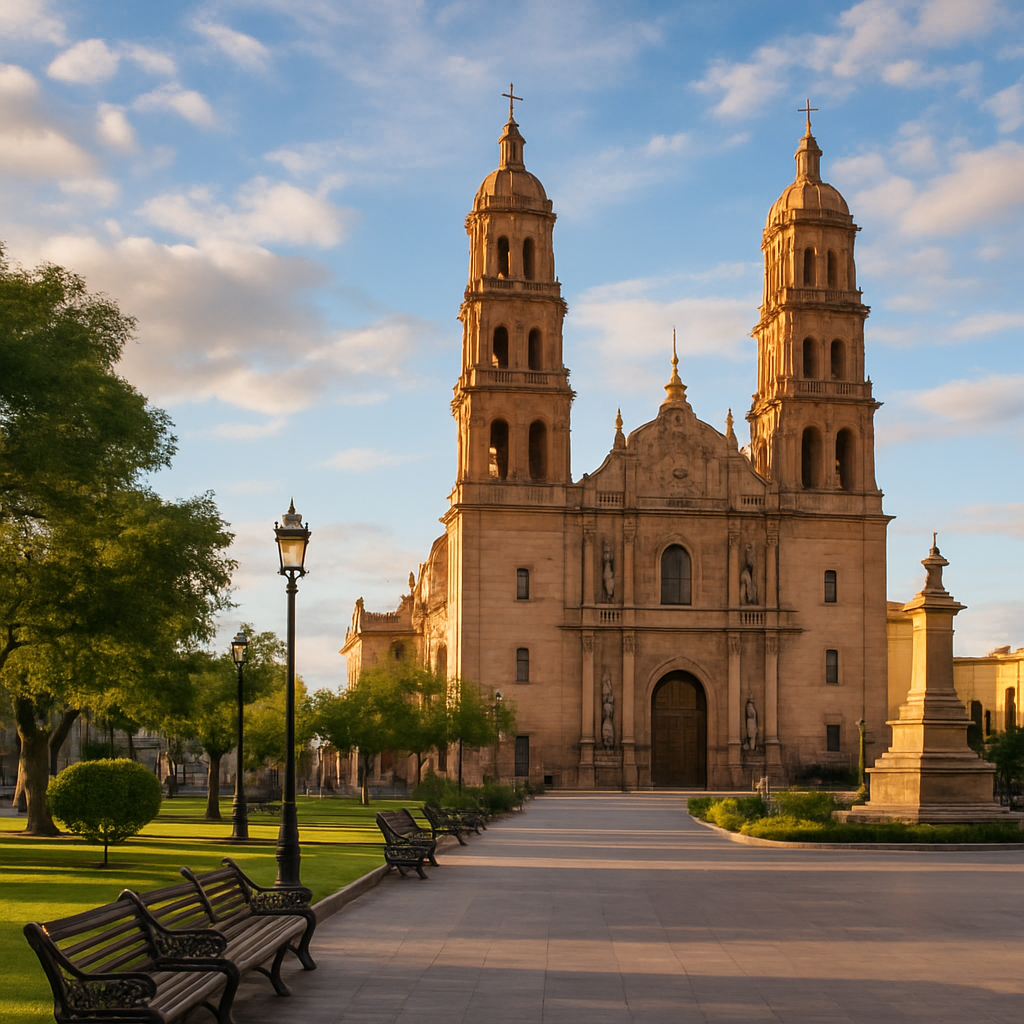
Walk the Centro Histórico at Golden Hour
Start at the Plaza de Armas around 5 p.m., when the late-afternoon sun turns the Baroque facade of the Catedral Metropolitana the color of toasted sugar. Construction started in 1725 and didn't finish until 1826 — the architectural anchor of northern Mexico, and the still-point the whole downtown orbits. From there, walk the pedestrianized stretch of Calle Libertad toward Calle Victoria, drop into the Museo Casa Chihuahua in the former Federal Palace, and end with a slim flour-tortilla burrito chihuahuense from any place with a line out the door. This is the version of the city you'll remember.
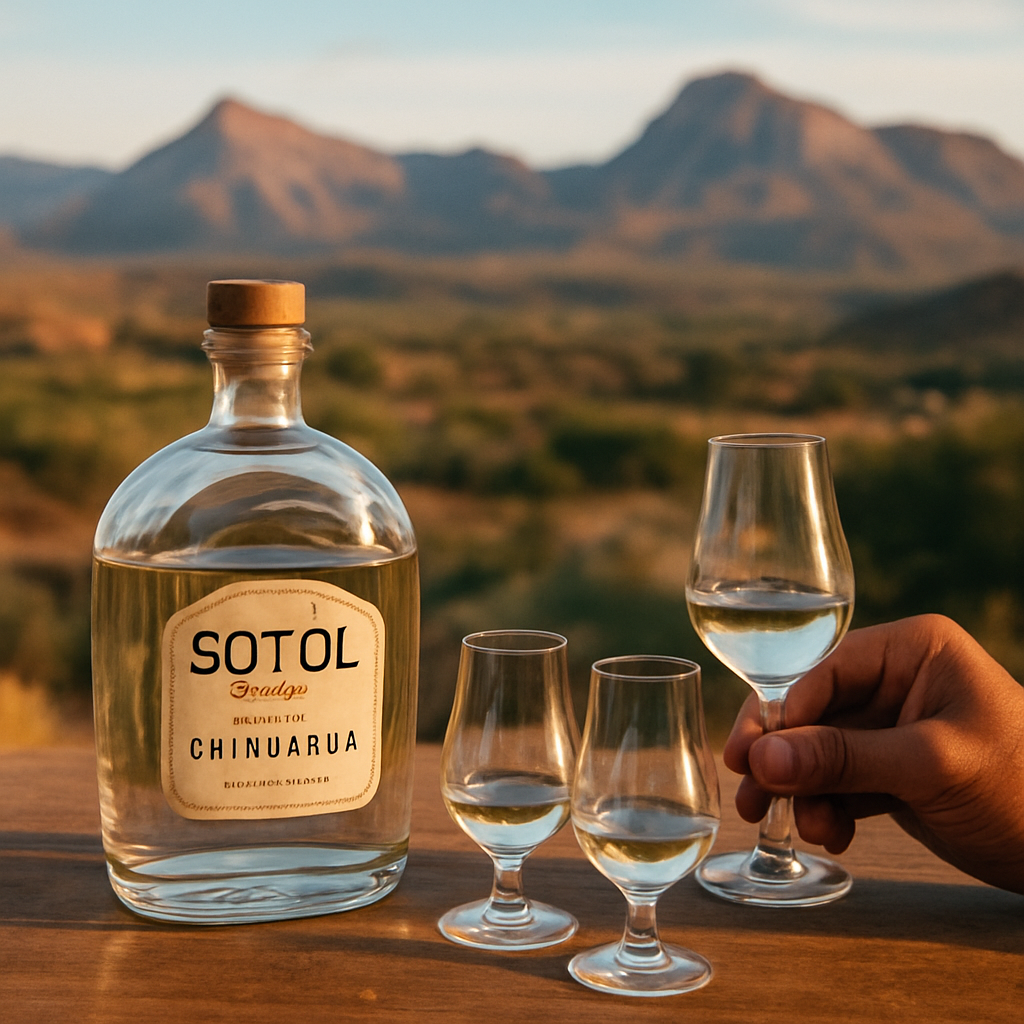
Drink Sotol Where It's Actually Made
Chihuahua is the home of sotol — the agave-adjacent spirit distilled from the desert dasylirion plant, protected by Mexican denomination of origin, and largely unknown outside the state. Book a flight at a Centro tasting room and let someone walk you through the regional producers; you'll taste the difference between a high-sierra sotol and a desert one within two pours. Pro tip: order it neat the first time, not in a cocktail. And if you see anything called "mezcal-style sotol" on a tourist menu — skip it. That's a tell.
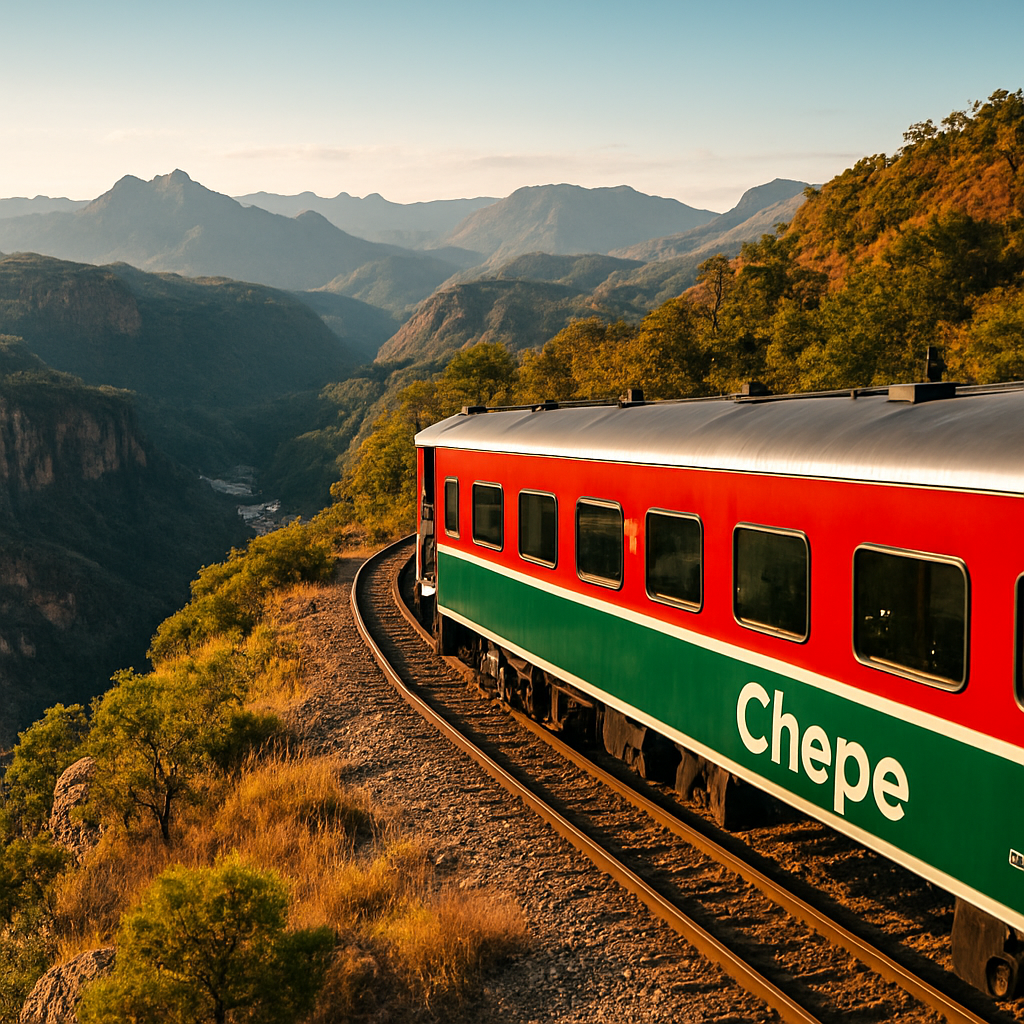
Ride the Chepe to Creel and the Copper Canyon
The Chihuahua al Pacífico railway — universally called El Chepe — climbs from Chihuahua city up into the Sierra Tarahumara, and the long weekend in Creel is the day trip every visitor with three days should make. The town sits at approximately 2,338 m, was named a Pueblo Mágico in 2007, and serves as the gateway to the Barrancas del Cobre, a canyon system deeper in places than the Grand Canyon. Hike Valle de los Hongos, ride horseback through Rarámuri country, and watch the desert turn to pine forest from a train window. Pack a layer; the elevation drops the temperature fast at night.
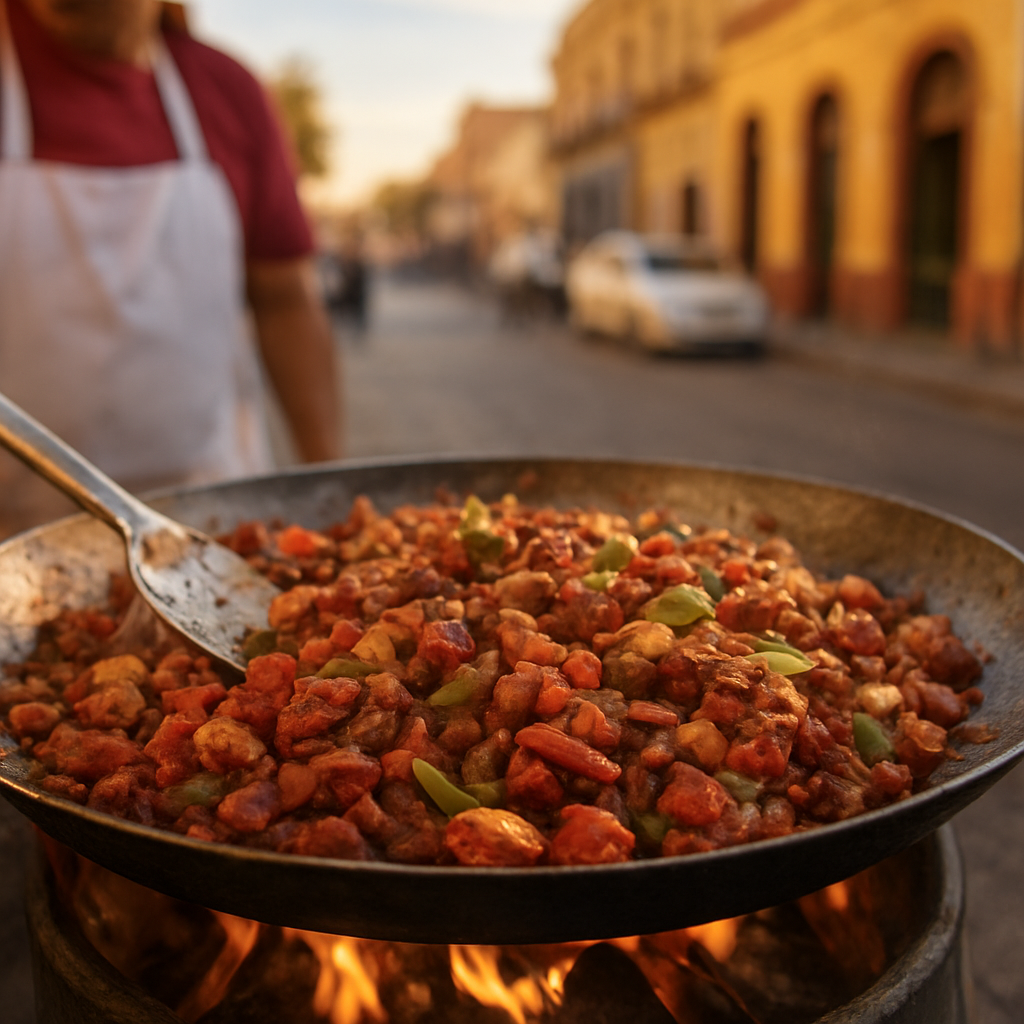
Eat Discada Off a Hot Plow Disc on Avenida Juárez
After midnight along the Avenida Juárez nightlife corridor, the discada stands fire up — a Chihuahuense specialty of mixed meats stewed on a repurposed plow disc, served in tortillas with whatever salsa the cook has running that night. It's one of those Mexican regional dishes you literally cannot eat outside the state in any honest version. Order it loaded, eat it standing, tip in pesos. This is the meal you'll be telling people about a year from now.
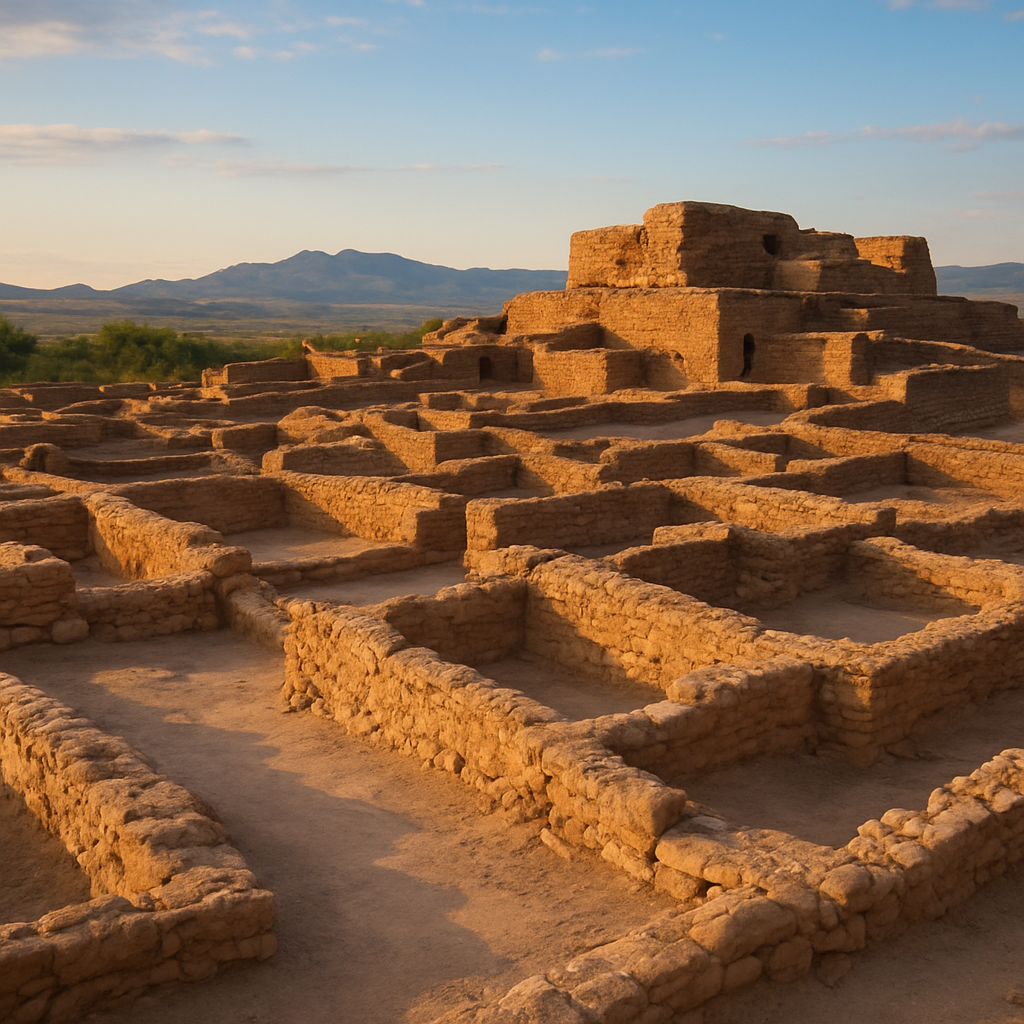
Walk the Adobe City of Paquimé
Inscribed as a UNESCO World Heritage Site in 1998, Paquimé is a pre-Columbian adobe complex occupied between approximately 1200 and 1450 CE — the cultural and economic peak of the Casas Grandes (Mogollon) civilization, and one of the most significant archaeological sites in northern Mexico. The adjacent Museo de las Culturas del Norte holds the ceramics and artifacts, and the nearby village of Mata Ortiz is internationally known for the revival pottery tradition descended from the originals. It's a long drive from Chihuahua city — but the desert quiet around the ruins is the kind of day you don't get back home.
The places I actually send people to
Advice that fits how you travel
Solo in Chihuahua works if you treat it like a lived-in city instead of a tourist stop. The Centro Histórico is walkable, the museums are cheap, and a slow afternoon between the Catedral Metropolitana, Museo Casa Chihuahua, and a burrito chihuahuense from any place with a line out the door is a perfectly good day on its own. My Chill score of 6.2 reflects what you'll actually feel — comfortable in the core, more guarded the further out you go.
The apps are quieter than you'd want — Grindr works but the grid thins out fast, and locals will tell you most of the action moves through Instagram and word-of-mouth. Check accounts tagged #OrgulloChihuahua the week you arrive; that's where the actual party lives. Bizarro Café on Calle Libertad is the daytime anchor where you can sit with a laptop, nurse a vermouth by 6 p.m., and actually meet people who know what's happening that night. Lounge 21 in the Universidad corridor is the one venue running consistent LGBTQ+ nights — go on a themed weekend or you'll find yourself dancing alone.
Budget-wise, this is one of the most affordable destinations in Mexico — a comfortable solo day runs MXN 2,200–3,500 with a mid-range hotel, rideshare, and dinner out. Pro tip: order rideshare from inside the venue rather than walking blocks looking for one, and skip street taxis after dark. That's the consensus from every queer local I asked, and it's the one piece of advice I'd treat as a rule.
Chihuahua is a quietly good couples city if you set the right expectations. You're not coming here for a packed gay scene — you're coming for the Centro Histórico at golden hour, a steakhouse dinner you'll actually remember, and the kind of long weekend trip into the Sierra Tarahumara that most travelers never make. Same-sex marriage is recognized in Chihuahua state as of 2026, and same-sex couples checking into the international chains and the Centro boutique properties typically encounter zero friction at the front desk.
For the splurge, book Quinta Real Chihuahua — colonial-style architecture, 76 suites, and the polish you'd expect from one of Mexico's premier domestic hotel brands. For something more textured, Hotel San Felipe el Real sits inside a restored mansion in the Centro Histórico, walking distance to the cathedral. Dinner at Calicanto or La Casona in restored colonial buildings is the date night the city does best — courtyards, period architecture, regional cooking that holds up. Walk the pedestrian block of Calle Libertad after dinner; PDA is genuinely fine in the core, less so in suburban colonias, and you'll learn to read the room within a day.
The move I'd actually make: take the Chihuahua al Pacífico railway — El Chepe — up to Creel for a long weekend. The mountain town sits at approximately 2,338 m, was named a Pueblo Mágico in 2007, and serves as the gateway to the Barrancas del Cobre. Outdoor adventure travel here is welcoming the way most outdoor travel is: nobody cares as long as you tip the guides. Pack a layer; the elevation drops the temperature fast at night.
Chihuahua state's legal framework for LGBTQ+ families is genuinely strong as of 2026 — same-sex marriage is recognized, joint adoption is legal, and the state allows administrative gender-identity reform via self-ID. On paper, this is a 9.0 on Legal. In practice, you're traveling in northern, Catholic, ranching country, and social acceptance lags the law in suburban colonias and rural Sierra towns. In the Centro Histórico and the Universidad corridor, two parents and a couple of kids reading the cathedral's facade or eating at a Plaza de Armas terrace will draw nothing more notable than a friendly server.
The kid-friendly itinerary writes itself: the Catedral Metropolitana and Plaza de Armas for late-afternoon wandering, Museo Casa Chihuahua for two genuinely interesting hours of state history (including the dungeon where Hidalgo was held in 1811), and Museo Casa de Villa for older kids ready for the bullet-riddled 1922 Dodge in which Pancho Villa was assassinated. Quinta Gameros — the 1910 Art Nouveau mansion turned cultural center — is a calmer stop with rotating exhibitions. Strollers handle the Centro sidewalks fine; restaurants are universally welcoming to kids, kid menus are common, and nobody will blink at a family at the next table.
For the bigger trip, the Chepe train into the Sierra Tarahumara and a long weekend in Creel is the family experience this state is built for — horseback rides through Rarámuri country, the rock formations of Valle de los Hongos, and a Pueblo Mágico that genuinely earns the designation. A family moderate budget runs MXN 5,500–8,500 a day, which goes further here than almost anywhere comparable. Pro tip: pack layers for the high desert; nights in Chihuahua city and especially in the Sierra get cold faster than parents expect.
What Chihuahua actually costs
Flights, visas, and the first 30 minutes
Airport: General Roberto Fierro Villalobos International (CUU) sits about 18 km northeast of Centro Histórico and handles roughly 15 direct routes — mostly domestic links to Mexico City, Guadalajara, Monterrey, and Cancún, plus a handful of cross-border services to Houston, Dallas, and Phoenix. International travelers typically connect through CDMX or a US gateway.
Visas (as of 2026): US, UK, EU, Canadian, and Australian passport holders generally do not need a visa for tourism. You'll typically receive an FMM tourist permit on arrival valid for up to 180 days. Keep the stamped slip with your passport — losing it is a paperwork headache on the way out.
Airport to city: Authorized airport taxis run MXN 280–400 from the kiosk inside the terminal, fixed by zone, about 20–25 minutes to Centro. Uber and DiDi are the cheapest move at MXN 150–250 — pickup is at the designated rideshare zone outside arrivals, and this is what every queer local I asked recommended. Some mid-range and luxury hotels offer shuttles (MXN 0–300, pre-book). If you're planning to push out to Creel, Paquimé, or Hidalgo del Parral, a rental car (MXN 600–1,200/day) makes the state legible in a way no other option does.
Pro tip: Skip street taxis after dark — that's the consensus from every local I checked with. Order rideshare from inside the terminal or your hotel lobby instead.
Traven's seasonal breakdown
The questions everyone asks
Is Chihuahua safe for LGBTQ+ travelers?
Do I need to speak Spanish?
Is it safe to hold hands?
How do I get around the city?
How much should I budget per day?
When is Pride in Chihuahua?
Is there a gay neighborhood?
Screenshot this before you go
So should you actually go?
Go if you want a quietly textured Mexican city most of your friends won't have been to — strong on legal protections as of 2026, strong on regional food and sotol and the kind of architecture that earns its weight, light on dedicated nightlife. The community here is small but real, the Centro Histórico reads beautifully on foot, and Creel and the Copper Canyon are the bigger trip this state is actually built for. Skip Chihuahua if you're chasing dance floors and a permanent gay scene; book it if you want a long weekend of late-afternoon plaza light, sotol flights, discada at midnight, and a train ride into the Sierra. LGBTQ+ travelers who set the right expectations will find a 6.8 on my Traven-Dex that punches above its weight in every category that isn't Pulse — and that's worth the flight.
Sources & Resources
Official links we reference when compiling this guide. Last verified 2026-05-04.
- Capasits Chihuahua (HIV testing & treatment)
- CENSIDA — Centro Nacional para la Prevención y Control del VIH y el SIDA
- Comisión Estatal de los Derechos Humanos de Chihuahua
- Comisión Nacional de los Derechos Humanos (CNDH)
- Instituto Chihuahuense de las Mujeres
- Letra S — Sida, Cultura y Vida Cotidiana
- Yaaj México (LGBTQ+ youth & mental health)