
Cozumel doesn't build a scene. It builds a reef, a ferry schedule, and a waterfront where nobody looks up when you hold his hand at sunset.
Cozumel doesn't perform for you. There's no rainbow crosswalk, no drag brunch scheduled for Sunday, no bar with a pride flag bolted over the door. What the island has instead is Avenida Rafael Melgar at 6pm — cruise ships sliding back toward the horizon, dive shops hosing down tanks on the sidewalk, palapa bars pouring the first margaritas of the evening, and two men holding hands walking past Parque Benito Juárez while a mariachi tunes up and absolutely nobody looks twice. That's the thing about this place. The welcome isn't announced. It's just the weather.
I gave it a 9.5 on Legal because Quintana Roo genuinely has its paperwork together as of 2026 — same-sex marriage, adoption, self-ID, broad anti-discrimination protection, all on the books. But the reason my Traven-Dex landed at 7.9 and not higher is sitting right there in the Pulse score of 3.5: there is no scene here. There is no gay district. Neptuno and Woody's hold the fort, and when you want an actual dance floor you get on the 45-minute ferry to Playa del Carmen. That's the deal. Read it carefully, because some of you will hear that and hear a dealbreaker, and some of you will hear paradise.
What Cozumel actually sells you is the underwater part. The buzo community — the divers who treat this island as a second home — is the most quietly queer-inclusive subculture I've encountered in the Caribbean, and that's not activism, that's just what happens when the common language on the boat is decompression stops. You'll split ceviche at Playa San Francisco with strangers from Amsterdam and Toronto who became friends somewhere around the second tank. Palancar drops off into water so blue it feels editorialized. San Gervasio sits in the jungle interior, dedicated to Ixchel — Maya goddess of medicine, the moon, and fertility — a pilgrimage site that still shows up in queer and feminist travel writing for reasons you'll understand the moment you walk the shaded plazas.
Come for the reef, the cochinita pibil eaten one block inland for eighty pesos, and the perimeter scooter ride around the wild east coast that will ruin every other beach day you try to have afterwards. Don't come looking for a party — you'll be disappointed, and then annoyed, and then you'll miss the thing the island actually is. This is a dive trip with a cultural spine and a waterfront that happens to be the most comfortable public space for same-sex couples in the entire Yucatán. Some of you are exactly who this was built for.
The stuff your travel guide buries on page 47
Here's the good news, and it's genuinely good: Mexico legalized same-sex marriage nationwide as of 2022, and Quintana Roo — the state Cozumel belongs to — recognizes same-sex unions and adoption with full legal parity. As of 2026, federal anti-discrimination law explicitly covers sexual orientation and gender identity, and Mexico's self-ID framework allows gender marker changes on official documents. On paper, you have more legal standing here than in most of the Caribbean at this latitude. The CNDH — National Human Rights Commission of Mexico is the formal channel for discrimination complaints, and advocacy organizations like Letra S document LGBTQ+ rights enforcement nationally.
Now the reality on the ground, because this matters more than the legal code. Cozumel is a small, traditionally Catholic island community of roughly 100,000 residents — not Zona Rosa, not Puerto Vallarta, not even Playa del Carmen. Much of the island's openness comes from transplants: chilangos from Mexico City and Guadalajara workers who staff the hotels and restaurants bring a more cosmopolitan attitude toward LGBTQ+ guests. Locally born Cozumeleños tend to be warm and hospitable but more socially conservative. The welcome is genuine, it's just not rainbow-flagged.
PDA comfort is a sliding scale by geography. Along the waterfront Avenida Rafael Melgar, around the cruise docks, in the resort zones, and on dive boats, same-sex couples holding hands is unremarkable — the dense international presence effectively neutralizes any local discomfort. Move a few blocks inland into residential colonias and the room changes; it's not hostile, but it's more traditional, and reading the vibe is wise. For broader Mexico context, Yaaj México tracks trans and LGBTQ+ rights work across the country, and the Quintana Roo state government publishes state-level service information.
Pro tip: Cozumel has no local Pride. If that matters to you, Cancún Pride runs in June and Playa del Carmen hosts its own annual celebration, both under 90 minutes away via ferry and bus.
What it actually feels like on the ground
Holding hands on the waterfront: Along Avenida Rafael Melgar and the cruise port strip, totally fine. This corridor is the most observed, most international zone on the island, and same-sex couples are common enough that nobody blinks. I walked it at sunset without a second thought.
Hotel check-in: At the branded resorts — Presidente InterContinental, Iberostar — non-discrimination policies are documented and staff are trained. IHG is an IGLTA partner; Iberostar has published LGBTQ+ inclusion commitments. At smaller independent guesthouses in San Miguel, you'll generally be fine, but if you want the extra safety margin, stick to the chain properties or ones that advertise inclusive policies.
Taxis and ride-hailing: Registered taxis from the main stands along Melgar are the safe default. Uber doesn't operate on Cozumel; InDriver does and is reliable. Avoid flagging unmarked cars late at night, particularly outside tourist zones.
Dive boats and beaches: This is where Cozumel shines. The international dive community is notably queer-inclusive — the buzo crowd doesn't care who you are as long as you respect the reef. Playa Palancar and Playa San Francisco beach clubs on the southwest shore draw relaxed, mixed crowds and feel far more comfortable than the chaotic cruise-excursion beach spots closer to the dock.
Late night: After midnight, once the cruise ships have pulled out, the atmosphere shifts and gets less predictable. Stick to well-lit streets around Plaza Central and the main bar corridor, use a radio taxi rather than walking long distances, and don't wander into residential colonias alone at 2am. For HIV/STI services and emergency health resources, CENSIDA is the national reference point and IMSS runs public clinics including on the island.
Trans travelers: Quintana Roo recognizes gender marker changes under Mexico's self-ID framework as of 2026, and trans travelers typically move through tourist zones without consistent incident. Enforcement on a small island is inconsistent though — reported incidents are mostly verbal and tend to happen in residential cantinas rather than tourist venues. Misgendering in service contexts remains possible. For advocacy and support, Yaaj México is the leading trans rights organization nationally, and Mexico's Secretaría de Salud publishes health service directories.
Verbal harassment risk: Very low in the tourist strip. Low but non-zero in mixed residential areas after dark. Pro tip: the eastern coast of the island is a cell dead zone — download offline maps before you rent a scooter, and carry cash because ATMs outside San Miguel are scarce and frequently decline foreign cards.
The queer geography
Cozumel isn't a neighborhood city. It's an island with one real town, a waterfront spine, and a series of beach zones you reach by scooter, taxi, or dive boat. What follows are the areas that matter — where LGBTQ+ travelers gather, where the social energy clusters, and where you'll actually want to spend your days.
San Miguel de Cozumel & the Malecón
The island's only town, and the entire social nervous system of Cozumel. San Miguel de Cozumel fans out from Parque Benito Juárez — the central plaza where families gather at dusk, mariachi drifts through on weekends, and kids kick soccer balls under ficus trees. The Malecón, running about four kilometers along Avenida Rafael Melgar, is where everything happens: dive shops stacked next to cocktail palapas, the ferry terminal humming with day-trippers from Playa, coral-stone facades from the late 19th century housing El Museo de la Isla de Cozumel.
Inland a few blocks, Avenida 5 Norte is the pedestrian-friendly dining corridor — this is where Kinta Mexican Bistro and Wet Wendy's Margarita Bar anchor a string of low-key bars and restaurants. LGBTQ+-wise, Cozumel has no dedicated gay district, but Woody's Bar & Grill on Melgar has quietly held a reputation among queer visitors for years, and Neptuno Bar & Disco is consistently cited in traveler forums as the island's most gay-friendly dance floor. For deeper context on Mexico's LGBTQ+ advocacy landscape, Letra S publishes some of the most thoughtful reporting in the country.
Southwest Coast & the Reef Beaches
Drive south out of San Miguel and the island exhales. The southwest coast is where the serious diving happens — Palancar Reef, Santa Rosa Wall, and the edge of the Mesoamerican Barrier Reef drop off into visibility that routinely breaks 30 meters. On shore, Playa Palancar and Playa San Francisco are the mellow beach clubs where you rent a lounger for the day, order ceviche and a cold Modelo, and forget what day of the week it is.
This stretch also holds Chankanaab National Park, with shore-access reef snorkeling and a botanical garden cataloguing endemic Cozumel species, and the Presidente InterContinental, one of the few properties on the island with documented LGBTQ+ inclusion policies through IHG's IGLTA partnership. The beach-club crowd here is international, mixed, and notably comfortable for same-sex couples — the buzo culture has always been quietly inclusive.
North Cozumel
The quieter side. North of San Miguel the island gets residential, then opens up into the calm west-facing beaches that shelter El Cozumeleño, Playa Azul, and Buccanos at Night. This is the zone for travelers who want nothing to do with cruise crowds — couples on a dive trip, honeymooners looking for a palapa and quiet water, adults-only boutique energy. There's no nightlife to speak of, but the sunsets are spectacular and the house reefs are swimmable from shore.
Punta Sur & the Wild East Coast
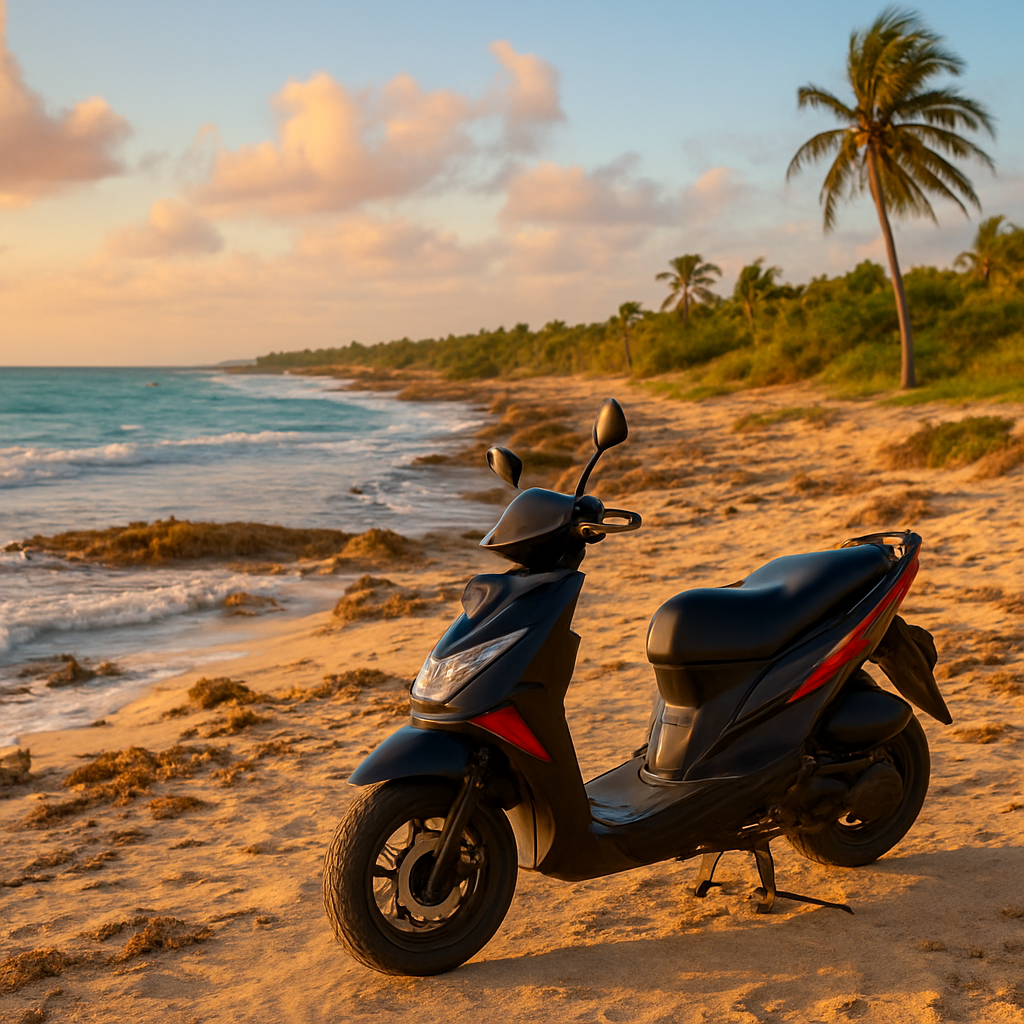
Rent a scooter. Drive the perimeter road. The eastern coast of Cozumel is wave-battered, rugged, and almost entirely undeveloped — a string of cliffside palapa bars serving fresh fish, wild beaches you'll have to yourself on a Tuesday morning, and Punta Sur Eco Beach Park at the southern tip with its lighthouse and crocodile lagoon. It's about 45 minutes to circle, it's the best day you can have on this island, and it's where you'll understand why people lose their hearts to the place.
For broader Mexico travel context and human rights resources, Human Rights Watch's Mexico coverage is worth knowing about, and All Out tracks active LGBTQ+ rights campaigns across Latin America.
The experiences worth rearranging your itinerary for
Scooter the Perimeter Road to the Wild East Coast
Rent a scooter in San Miguel, head south, and circle the island on the perimeter road — 45 minutes of driving that opens into something entirely different once you round the southern tip. The eastern coast is wave-battered, almost undeveloped, a string of cliffside palapa bars pouring cold beer over fresh-caught fish. Punta Sur Eco Beach Park anchors the south with a lighthouse and a crocodile lagoon. Come on a Tuesday morning and you'll have whole beaches to yourself. Pro tip: the east coast is a cell dead zone, so download offline maps before you roll out, and carry cash.
Dive or Snorkel Palancar Reef
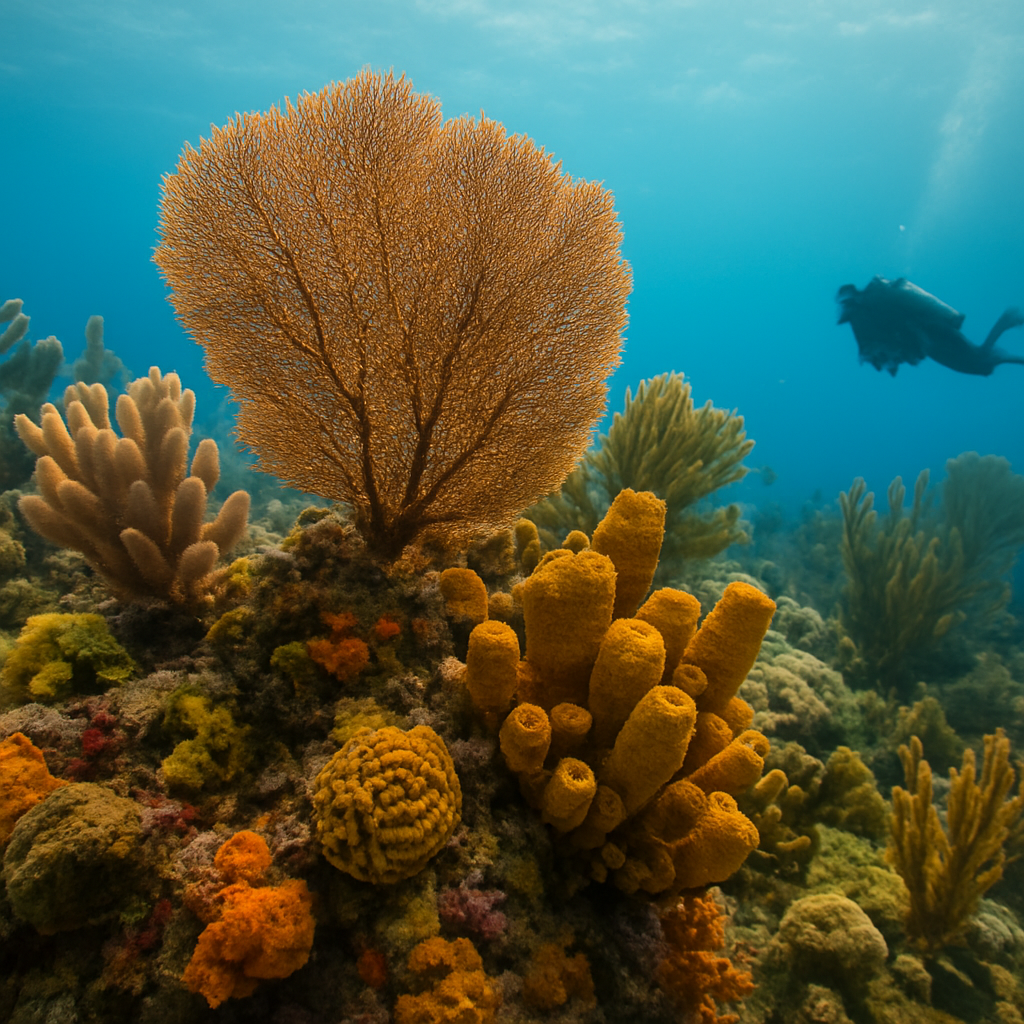
The Mesoamerican Barrier Reef is the second-largest in the world, and Palancar Reef is the stretch Cozumel built its reputation on. Inside the Parque Nacional Arrecifes de Cozumel, visibility routinely clears 30 meters and the wall drops into impossibly blue water. PADI has it on their globally featured dive list for a reason. Beginners can snorkel the shallow end; certified divers can drop onto the wall and lose an afternoon. Book with a licensed operator — there are dozens along Avenida Rafael Melgar, and the buzo culture here is notably relaxed and international.
Walk the Maya Ruins of San Gervasio
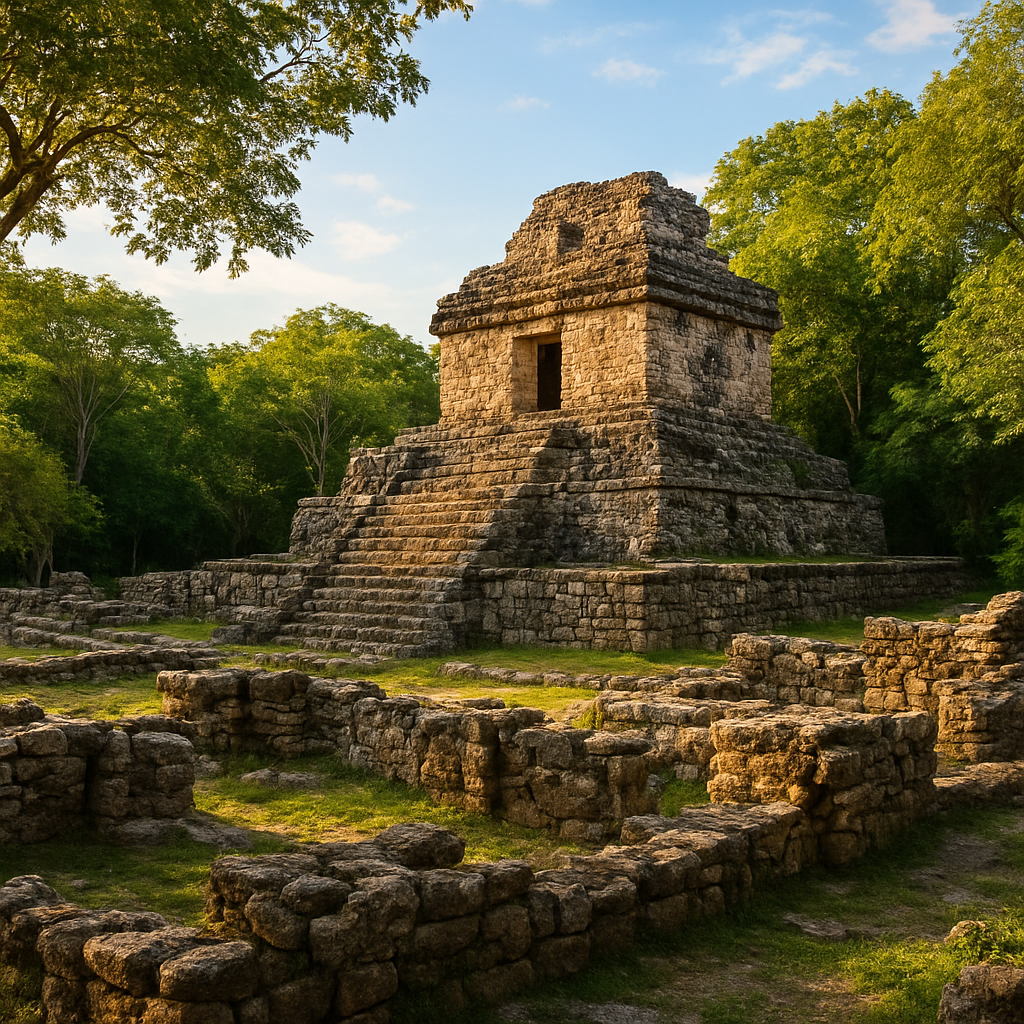
The largest Maya archaeological site on Cozumel, active from roughly 200 CE through Spanish contact, dedicated to Ixchel — goddess of medicine, the moon, fertility, and weaving. INAH-managed, quiet, shaded by jungle canopy, and a world removed from the cruise-excursion bustle. Small ceremonial structures open onto grass plazas and you get the kind of slow, layered encounter with Maya history that Tulum long ago stopped being able to offer. Bring water, bug spray, and a couple of hours.
Walk the Malecón at Sunset
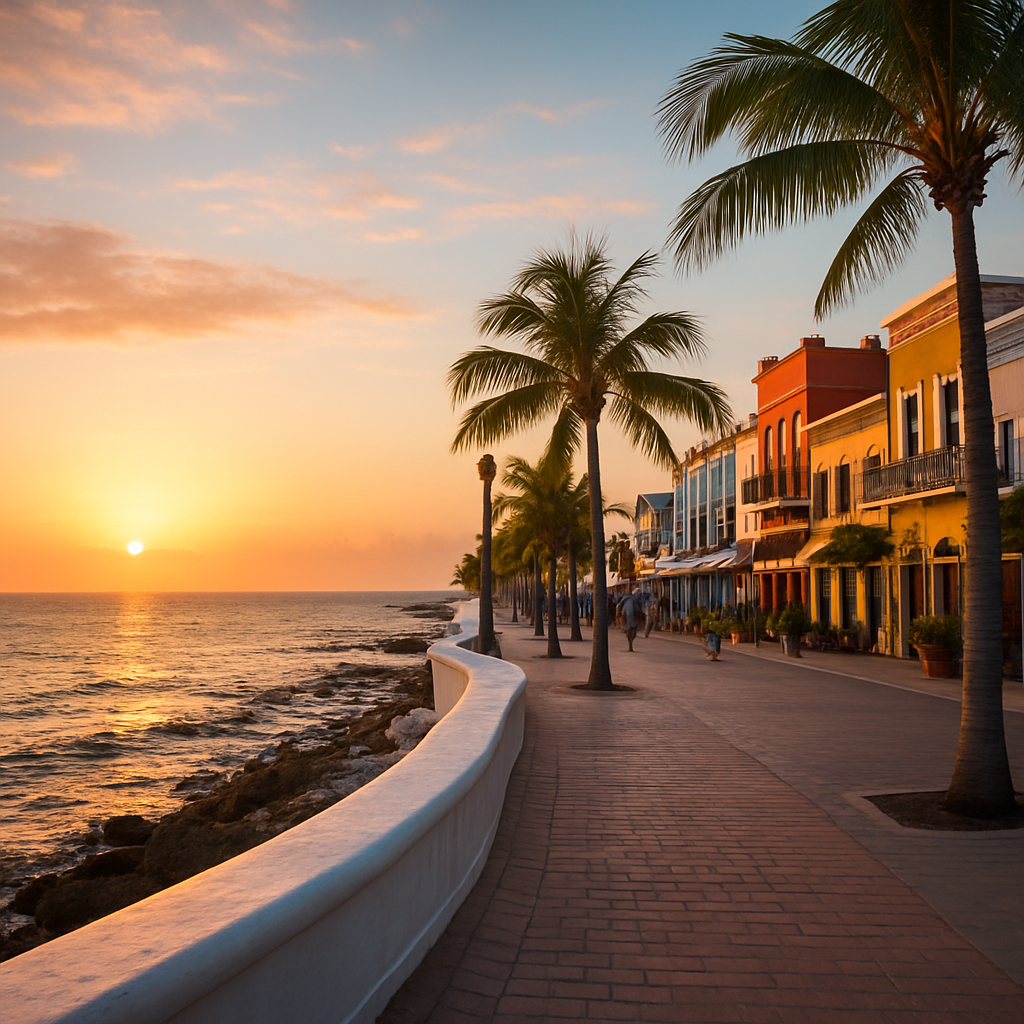
Four kilometers along Avenida Rafael Melgar, tracing the western edge of the island from the ferry terminals north past Parque Benito Juárez and the coral-stone facade of El Museo de la Isla de Cozumel. Start an hour before sundown, stop for a michelada at a waterfront palapa, and let the light do what the Caribbean does at this latitude. It's the single most comfortable, international public space on the island, and walking it end-to-end is how you understand the geography of everything else you'll do here.
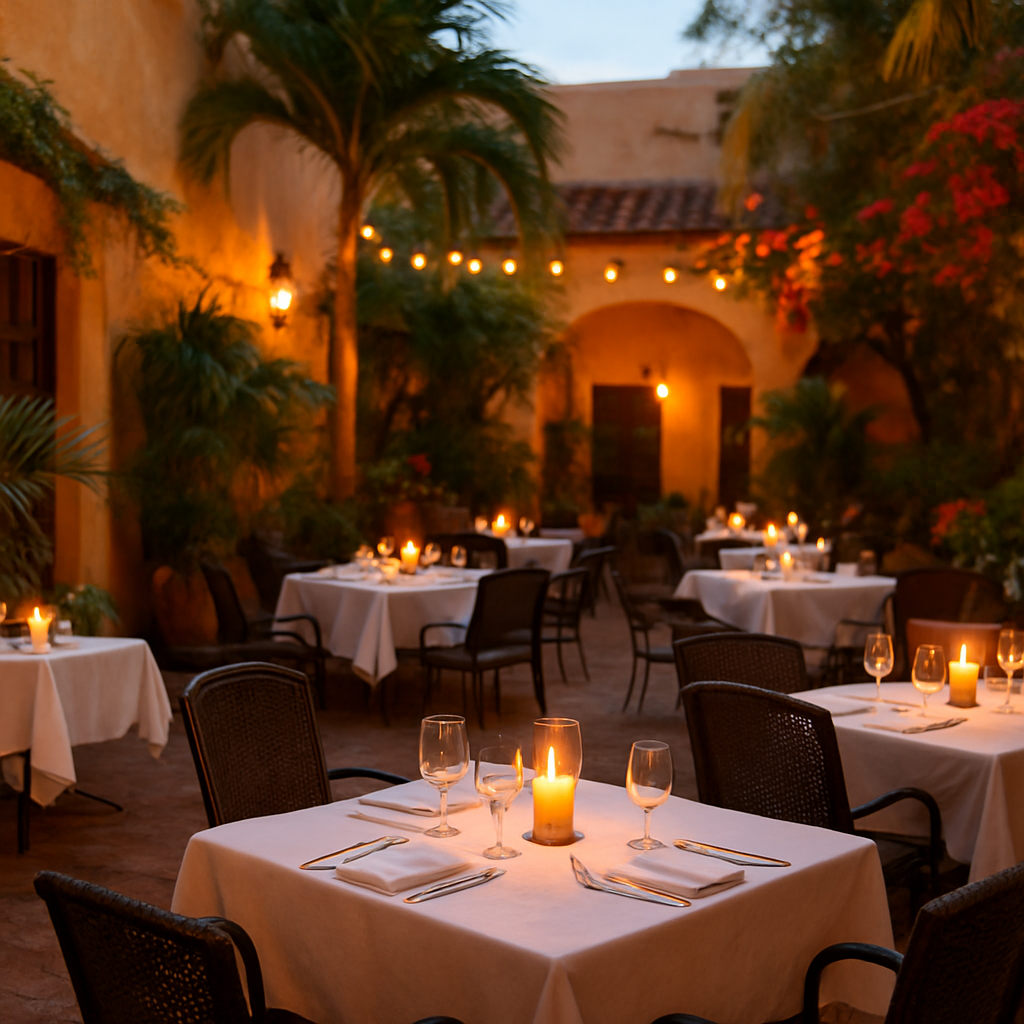
Candlelit Dinner at La Cocay
A Mediterranean-meets-Caribbean menu inside a converted residential building on Calle 8 Norte, with a garden courtyard and one of the more serious wine lists on the island. Someone wrote in to say it's the Cozumel restaurant that makes a romantic dinner effortless — professional staff, considered cooking, and an atmosphere that treats every table with the same warmth. It's the fine-dining anchor of San Miguel and has been for over a decade. Book ahead in high season.
The places I actually send people to
Advice that fits how you travel
The dive community is your social in on Cozumel, and it's a better one than any app. The buzo crowd — the divers who treat this island as a second home — is notably international, unpretentious, and queer-inclusive in a way that doesn't need to announce itself. Book a morning reef trip through any of the operators along Avenida Rafael Melgar and by lunch you're splitting ceviche at Playa San Francisco with three people you just met from Amsterdam and Toronto. Show up without a dive buddy and you'll have one before the tank hits the water.
App culture exists — Grindr and Scruff are active in San Miguel — but calibrate expectations for island scale. You're working with a population of roughly 100,000, not a major city, and the locals-to-tourists ratio means the apps skew toward visiting travelers anyway. The more reliable social play: plant yourself at Woody's Bar & Grill or Neptuno Bar & Disco on a Friday night and let the mixed international crowd do its thing. And when you're genuinely ready for a scene, the 45-minute ferry to Playa del Carmen drops you into the Riviera Maya's actual gay nightlife district and gets you back before sunrise.
Budget-wise, solo travel here punches above its weight. The comedores one or two blocks inland from the Malecón serve full plates — cochinita pibil, rice, beans, fresh tortillas — for 80–120 pesos, and Hostel Mundo Joven gets you a central bed from $18/night with a guest mix that's been validated in budget travel circles for years. Moderate solo spend runs roughly MXN 3,300/day all-in; go budget and you're down to MXN 1,200/day without sacrificing much beyond thread count. Pro tip: download offline maps before you rent a scooter — the entire east coast of the island is a cell dead zone and ATMs outside downtown are scarce.
Same-sex couples have it notably easy along the tourist corridor. On Avenida Rafael Melgar, the resort beaches, and on dive boats, PDA is genuinely unremarkable — the international visitor density makes it a non-issue, and same-sex couples are visible enough that nobody looks up from their margarita. Move into residential colonias a few blocks inland and the atmosphere becomes more traditionally Catholic; it's not hostile, but reading the room is sensible. The waterfront is yours — be yourselves there without a second thought.
Two properties on the island come with documented LGBTQ+ inclusion rather than assumption. The Presidente InterContinental Cozumel Resort & Spa on the south coast is an IHG/IGLTA partner with reef-adjacent access and an on-site PADI dive center — it's been running since 1978 and the policies are built in at the corporate level. Iberostar Cozumel, also south-coast, has published LGBTQ+ inclusion commitments and sits near Colombia Reef. If you want boutique and quiet, Playa Azul Hotel on the north shore is adults-only with a house reef swimmable directly from the beach — which is its own kind of romance without any of the all-inclusive theatrics.
The date night circuit delivers. Dinner at La Cocay on Calle 8 Norte — Mediterranean-meets-Caribbean cooking, a garden courtyard, and one of the better wine lists on the island — is referenced in LGBTQ+ Riviera Maya editorial as welcoming, and the service backs it up; same-sex couples are treated with the same warmth and discretion as any other table. The day experience is the perimeter scooter ride: rent one each, circle the island, stop at the cliffside palapa bars on the wild east coast, reach Punta Sur at golden hour. That's the day you'll be describing to people at dinner parties for the next three years.
LGBTQ+ families are on solid legal footing in Quintana Roo as of 2026. The state recognizes same-sex adoption and same-sex marriage, and Mexico's federal anti-discrimination law explicitly covers sexual orientation and gender identity. That has real practical weight — hotel check-ins, medical situations, and any paperwork interactions happen within a legal framework that recognizes your family structure, which is more than you can say for a lot of destinations at this Caribbean latitude.
Kid-friendly activities are legitimately excellent here. Chankanaab National Park on the south shore offers direct reef snorkeling from the beach — no boat, no certification required, and entry runs approximately $29 USD — and the saltwater lagoon and botanical garden add a full day without any of the logistics stress. San Gervasio Maya Archaeological Zone in the island interior is shaded, unhurried, and genuinely interesting for kids encountering a Maya site for the first time; quiet jungle paths and small ceremonial plazas, none of the cruise-excursion crush that makes Tulum exhausting with children. The practical logistics key: golf cart rentals at MXN 500–800/day beat strollers on uneven Cozumel pavement by a wide margin and give you flexibility for gear, snorkel fins, and a tired seven-year-old simultaneously.
In the tourist zones — the waterfront, the resort beaches, the reef excursion boats — LGBTQ+ families with two moms or two dads move through without consistent friction, and the international resort culture normalizes diverse family structures in a way smaller domestic destinations often don't. The Iberostar and Presidente InterContinental both carry documented inclusive policies, which matters when you want certainty about the check-in experience. The one place to exercise judgment: residential neighborhoods away from the tourist corridors run more conservative. Stay on the waterfront, the reef beaches, and the established day-trip circuits, and this trip runs smoothly for everyone in the family from day one.
What Cozumel actually costs
Flights, visas, and the first 30 minutes
Flying in is direct and fast. Cozumel International Airport (CZM) sits on the island itself, with roughly 20 direct route options connecting through major Mexican hubs and select US gateways. From the terminal to downtown San Miguel is 5–10 minutes — a registered taxi runs MXN 120–200, or pick up a golf cart on arrival (MXN 500–800/day) and you've already solved your island transport for the rest of the trip.
A large share of visitors arrive by sea, not air. The passenger ferry from Playa del Carmen makes the Yucatán Channel crossing in approximately 45 minutes with multiple daily departures, costing MXN 200–280 each way. If you're coming overland from Cancún or anywhere on the Riviera Maya, this is typically the more practical route — ADO bus or shared van to Playa del Carmen, walk to the ferry pier, and you're watching San Miguel come into view before the day gets away from you.
Pro tip: if you're flying into Cancún (CUN) rather than directly into CZM, build buffer into your schedule. Cancún to Playa del Carmen runs 60–75 minutes by bus, then add the ferry crossing. The connections are well-organized and signposted — it's not complicated, just sequential. Don't book the last ferry of the day immediately after a domestic connection.
Visas: As of 2026, travelers from the US, UK, EU member states, Canada, and Australia typically don't need a visa for Mexico. You'll receive an FMM tourist permit on arrival valid for up to 180 days. Keep that permit safe — you'll surrender it on departure, and replacing a lost one creates friction you don't want at the exit gate.
Traven's seasonal breakdown
The questions everyone asks
Is Cozumel safe for same-sex couples?
Does Cozumel have a gay bar or gay district?
Do I need a visa to visit Cozumel?
How do I get from the airport or ferry to San Miguel?
When is the best time to dive Cozumel?
Is there a Pride celebration in Cozumel?
Should I rent a car, scooter, or golf cart?
Screenshot this before you go
So should you actually go?
Go — if you know what you're booking. Cozumel isn't a party destination for LGBTQ+ travelers, and pretending otherwise sets you up for a bad week. But if you want reef diving that ranks globally, a small-town Yucatán rhythm, genuine legal protections as of 2026, a waterfront where same-sex couples move freely, and day-trip access to an actual gay nightlife scene 45 minutes across the water, this island delivers something most Caribbean destinations can't even attempt. Book Presidente InterContinental or Iberostar for documented inclusion, rent a scooter, dive Palancar, and give yourself at least five days. You'll leave understanding why the repeat-visit rate is what it is.
Sources & Resources
Official links we reference when compiling this guide. Last verified 2026-04-14.
- All Out — LGBTQ+ Rights Campaigns
- CENSIDA — National Center for HIV/STI Prevention (Mexico)
- CNDH — National Human Rights Commission of Mexico
- Gobierno del Estado de Quintana Roo — State Services
- Human Rights Watch — Mexico
- IMSS — Mexican Social Security Institute (health services)
- Letra S — LGBTQ+ Journalism and Advocacy (Mexico)
- Secretaría de Salud — Mexico Ministry of Health
- Yaaj México — Trans and LGBTQ+ Rights Organization