
Guadalajara is the city that doesn't need Mexico City's approval and hasn't for a while — it just needed you to notice.
Guadalajara is the gay city that Mexico City gets all the credit for. That's the thing nobody tells you before you land. Mexico's second city has been quietly running one of Latin America's most concentrated gay scenes for decades — not as a tourism play, not as a gentrification byproduct, but because the gays who live here built it for themselves. Walk Avenida Chapultepec on a Friday night and count the venues within a ten-minute stretch. I stopped at seven. There are more.
The contradiction is real, though, and you should feel it. This is Jalisco — tequila country, mariachi country, Catholic-to-the-bone country. The same state that produced Mexico's most visible gay neighborhood also produced the deeply conservative culture pressing against it from every direction. My Traven-Dex of 7.9 captures that tension precisely. Colonia Americana feels like its own republic: same-sex couples holding hands at sidewalk cafés, drag queens promoting tonight's show, the smell of mezcal and grilled corn drifting out of every other doorway. Walk twenty minutes toward the basilica in Zapopan and the temperature drops. Not the weather — the social temperature. You'll feel it in how people look at you, or don't.
What makes Guadalajara worth the trip — genuinely worth it — is that the things that make it a great city and the things that make it a great gay city occupy the same streets. The bone-walled dining room at Hueso, the Orozco murals blazing across the ceiling of Hospicio Cabañas, a clay cazuela of goat birria at Nueve Esquinas so rich it makes you close your eyes — none of that is "gay travel." It's just extraordinary travel, happening in a city where you can also walk into six gay bars without crossing a major intersection. I gave it an 8.7 on Destination because the food alone would justify the flight.
The safety calculus here isn't simple. Jalisco carries a Level 3 US travel advisory for organized crime in parts of the state, though Guadalajara proper is substantially safer than rural areas. You'll use Uber or DiDi everywhere after dark — that's non-negotiable. But inside the Americana-Chapultepec bubble, you'll find something increasingly rare: a gay scene that feels like it belongs to the city rather than existing despite it. The locals didn't build this for you. They built it for themselves. You just get to enjoy it.
The stuff your travel guide buries on page 47
Legal framework: Same-sex marriage has been legal in Jalisco since 2016. Same-sex adoption is legally recognized. Mexico's federal anti-discrimination protections are broad, and Jalisco has its own state-level protections covering sexual orientation and gender identity. Gender identity is handled through administrative self-ID — Jalisco allows document gender-marker changes without surgical requirements, placing it among Mexico's more progressive states on this issue. There is no criminalization of same-sex conduct, and none has existed in the modern Mexican legal framework. My Legal score of 9.5 reflects a genuinely strong legal position.
The cultural reality: The legal framework is ahead of the street in parts of this city. Colonia Americana and the Zona Rosa corridor feel like they could be in Barcelona — same-sex couples are visible, rainbow flags mark businesses, nobody blinks. But Guadalajara is significantly more Catholic-culturally conservative than its queer scene suggests. Step into more residential colonias or suburban municipalities and the temperature changes. Orgullo GDL in June is genuinely massive and joyful, but the political tension with the archdiocese is real and ongoing — Pride here still carries an edge of defiance that feels earned. The Comisión Estatal de Derechos Humanos Jalisco (CEDHJ) handles LGBTQ+ discrimination complaints and has a reputation for taking them seriously.
PDA comfort: In Colonia Americana and the Avenida Chapultepec corridor, same-sex hand-holding and casual affection are routine, especially on weekend evenings. In the Centro Histórico, hand-holding is generally tolerated without incident, but overt displays near the Cathedral or major churches may draw unwanted attention. In the artisan districts of Tlaquepaque and Tonalá, the vibe is more traditionally conservative — discretion is advisable. In outer residential colonias and suburban areas, exercise real discretion; isolated incidents of harassment have been documented.
Trans travelers: Jalisco's administrative gender self-ID legislation is among the most progressive in Mexico. Trans travelers report that the Chapultepec and Colonia Americana zones are generally navigable, but street harassment, inconsistent document enforcement by local officials, and reduced visibility of trans-affirming services remain documented concerns outside the LGBTQ+ concentrated areas. For sexual health services including PrEP refills and testing, CAPASITS Guadalajara and Letra S maintain current local clinic listings.
What it actually feels like on the ground
Holding hands: On Avenida Chapultepec and within Colonia Americana, same-sex couples hold hands routinely. In the Centro Histórico, you'll generally be fine but may want to drop hands near the Cathedral or churches where conservative congregations gather. Outside the LGBTQ+ corridor — especially in residential colonias — read the room carefully, particularly after dark.
Hotel check-in: No issues at the properties I recommend. Hotel Demetria, Casa Fayette, and Hotel Morales all serve queer travelers without friction. At budget or chain properties outside the main tourist areas, two men requesting a double bed may occasionally get a raised eyebrow, but outright refusal would be legally actionable under Jalisco's anti-discrimination law.
Taxis and rideshare: Use Uber or DiDi for late-night bar-hopping — they're far safer and more reliable than street taxis. The app tracks the ride, pricing is transparent, and a trip from Envy to Josephine to El Taller is a five-minute ride each leg for almost nothing. If you use authorized taxis, hail them from stands (sitios) rather than flagging on the street. Avoid unmarked taxis entirely.
Beaches and public spaces: Parque Revolución in Colonia Americana is the primary outdoor social space for the queer community — comfortable and visible, especially Sunday afternoons. The Chapultepec paseo on weekend evenings is essentially a queer promenade. In public parks and plazas outside the corridor, keep displays of affection measured.
Late night: The Chapultepec strip and the immediate Zona Rosa are generally safe for queer travelers, but petty theft is a real issue in crowded bar areas. Keep your phone in your front pocket and don't flash expensive gear on Colonias past midnight. Use Uber home rather than walking long distances. Pro tip: the Macrobús along Federalismo runs late enough to get you back to Centro or Zapopan without surge-priced rideshares on Friday nights.
Trans travelers: The Chapultepec and Colonia Americana zones are the most navigable areas. Venues like Cabaré-Tito draw a mixed crowd including trans performers and patrons. Outside the corridor, street harassment is a documented concern and trans-affirming services become harder to find. Carry documentation and be prepared for potential inconsistency from officials in non-tourist areas.
Verbal harassment: Rare within the LGBTQ+ corridor. Occasional catcalls or comments are possible in more traditional neighborhoods, particularly for visibly queer or gender-nonconforming people. If you experience discrimination, the CEDHJ on Calle Pavo is your first call — they handle LGBTQ+ complaints and have a reputation for taking them seriously, which is not universal in Mexico.
General security note: The US State Department maintains a Level 2 advisory for Jalisco state citing organized crime activity in specific areas, but the Guadalajara metropolitan core is not subject to a heightened zone-specific restriction. Standard urban precautions apply: avoid displaying valuables, stick to verified transport, and maintain awareness of your surroundings after dark. No LGBTQ+-specific travel advisory has been issued for Guadalajara by the US, UK, or Canadian governments.
The queer geography
Colonia Americana & Avenida Chapultepec
This is the center of gravity. Avenida Chapultepec — locals call it La Chapo — is the social spine of queer Guadalajara, running from López Cotilla north toward the Monumento a la Minerva roundabout. The stretch is dense with cafes, bars, restaurants, and rainbow-flagged storefronts that don't feel performative because they've been there for years. The weekend paseo is the best free LGBTQ+ social scene in the city — grab a tejuino from a street cart and walk north toward Minerva, and you'll understand why locals don't need an excuse to go to a bar. Parque Revolución — affectionately called Parque Rojo for its red benches — sits at the intersection of Chapultepec and the streets around the neo-Gothic Templo Expiatorio del Santísimo Sacramento. It functions as the daytime living room of the gay neighborhood: Sunday afternoons, the whole community seems to decompress here. La Mezcalería on López Cotilla is a gorgeous mezcal bar that skews heavily welcoming without being exclusively gay — the kind of place where you'll end up talking to strangers for three hours. Hotel Demetria and Casa Fayette are both in this zone, as is Alcalde.
Zona Rosa — Calle Colonias & Federalismo Norte
The older LGBTQ+ district clusters around Calle Colonias and Avenida Federalismo Norte. It's grittier than the Chapultepec corridor, and some travelers skip it, which is a mistake. Envy Club, Bar Circus, and the longstanding venues along this strip predate the Colonia Americana boom and still pull massive weekend crowds. The energy at 2 AM here is something the polished cocktail bars to the south can't replicate. This is the part of the night that starts after the aperitivos end. Be aware of your surroundings — petty theft is more common in the bar-dense blocks — but the scene is genuine and unpretentious.
Centro Histórico
The historic downtown around the Catedral Metropolitana, Teatro Degollado, and Plaza de los Mariachis is where you'll spend your daytime cultural hours. It's not a queer neighborhood, but it's heavily touristed and broadly tolerant. Instituto Cultural Cabañas and Mercado San Juan de Dios are both here. La Chata is here. It's walkable, dense, and architecturally striking. PDA comfort is moderate — fine for hand-holding, less comfortable for more overt displays near churches.
For HIV testing and sexual health services, CAPASITS Guadalajara is your best bet without bureaucratic nightmares. Letra S maintains up-to-date local clinic listings that are invaluable for travelers needing PrEP refills or testing.
The experiences worth rearranging your itinerary for
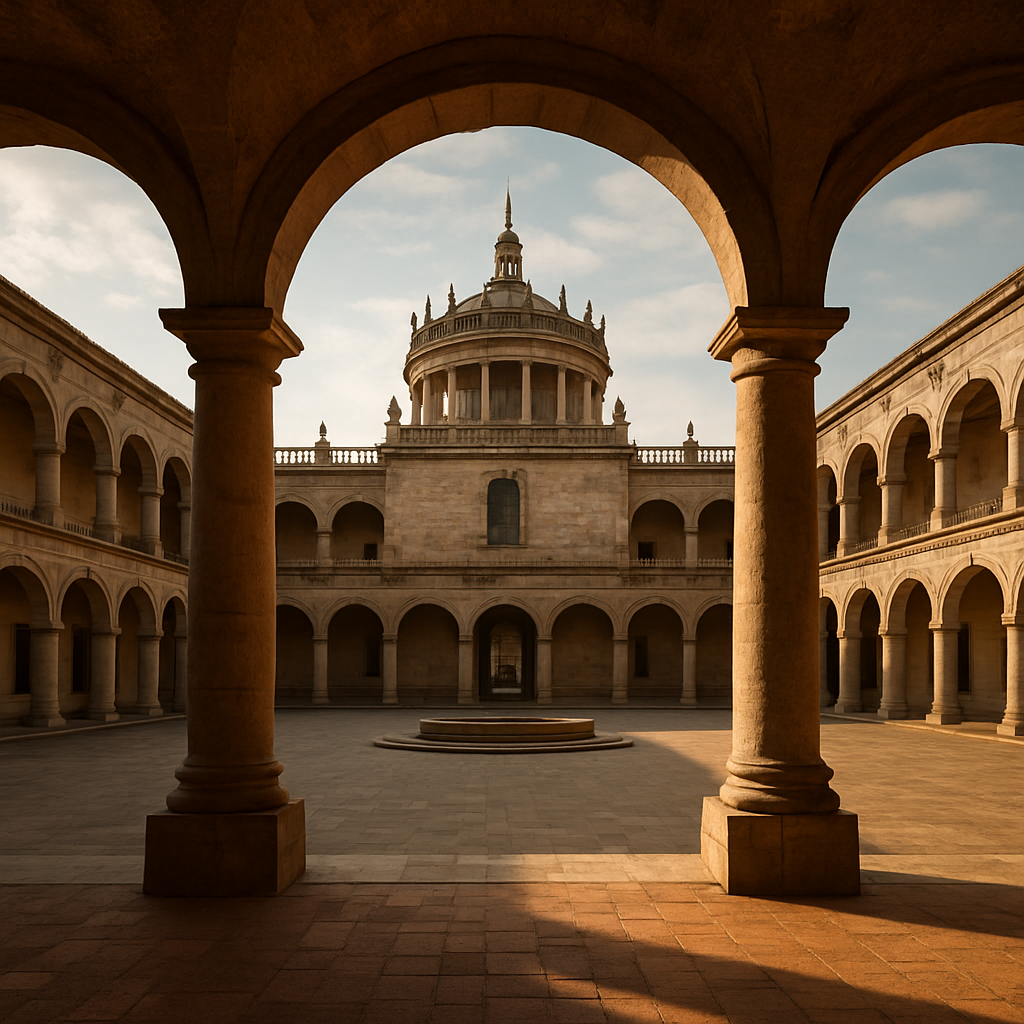
The Orozco Murals at Instituto Cultural Cabañas
A UNESCO World Heritage Site with 23 rooms painted by José Clemente Orozco between 1938 and 1939, culminating in the ceiling fresco El Hombre de Fuego (Man of Fire). The colonial-era complex itself — 57 rooms built between 1805 and 1845 — is overwhelming in scale, but it's the moment you stand directly beneath that ceiling mural and feel the heat of the composition pulling upward that stays with you. General admission runs MXN 70–100. Go in the morning before school groups arrive.
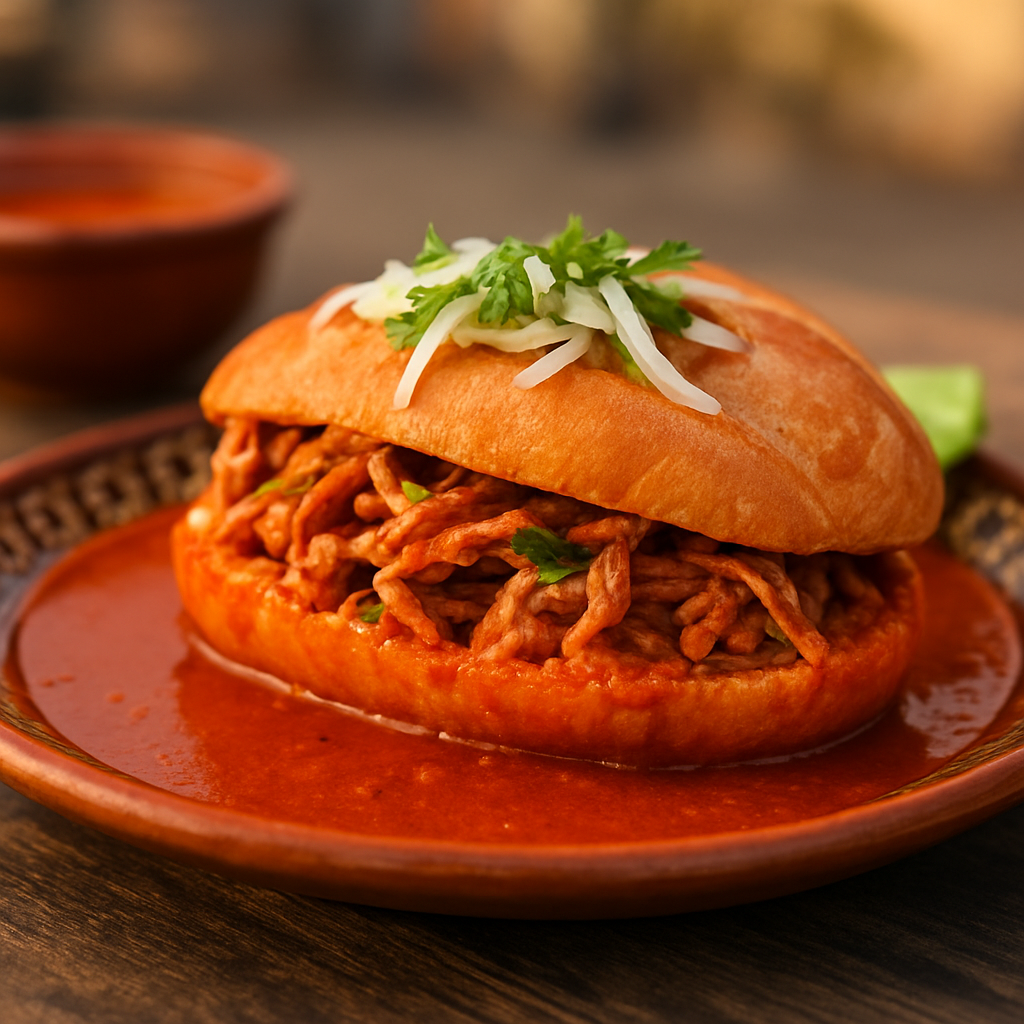
Torta Ahogada at 3 AM (or Any Hour)
Guadalajara's iconic street food: a crusty birote roll stuffed with pork and literally drowned in spicy chile de árbol sauce. There are stands near the Zona Rosa that seem to exist specifically to serve the post-club crowd, and the entire ecosystem functions beautifully. During the day, La Chata in Centro Histórico does a definitive version for MXN 120–320. Either way, get sauce on your shirt. It's inevitable and it means you did it right.
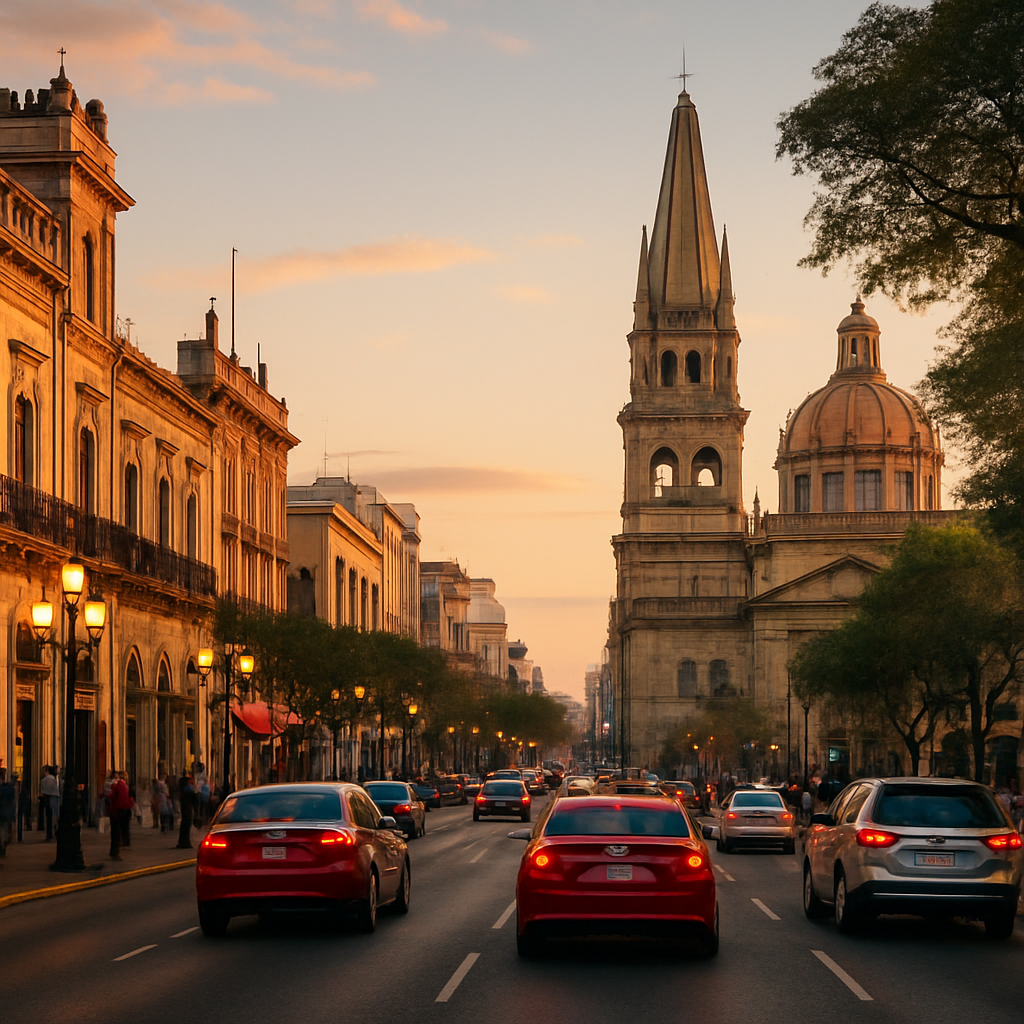
The Chapultepec Paseo on a Weekend Evening
On Friday and Saturday evenings, the stretch of Avenida Chapultepec between López Cotilla and the Minerva roundabout transforms into a pedestrian promenade packed with street food vendors, queer couples, musicians, and the kind of ambient urban life that makes you want to cancel your morning plans. Grab a tejuino — cold fermented corn drink with lime sorbet — from one of the carts and just walk. It costs nothing and it's the truest version of the city you'll find.
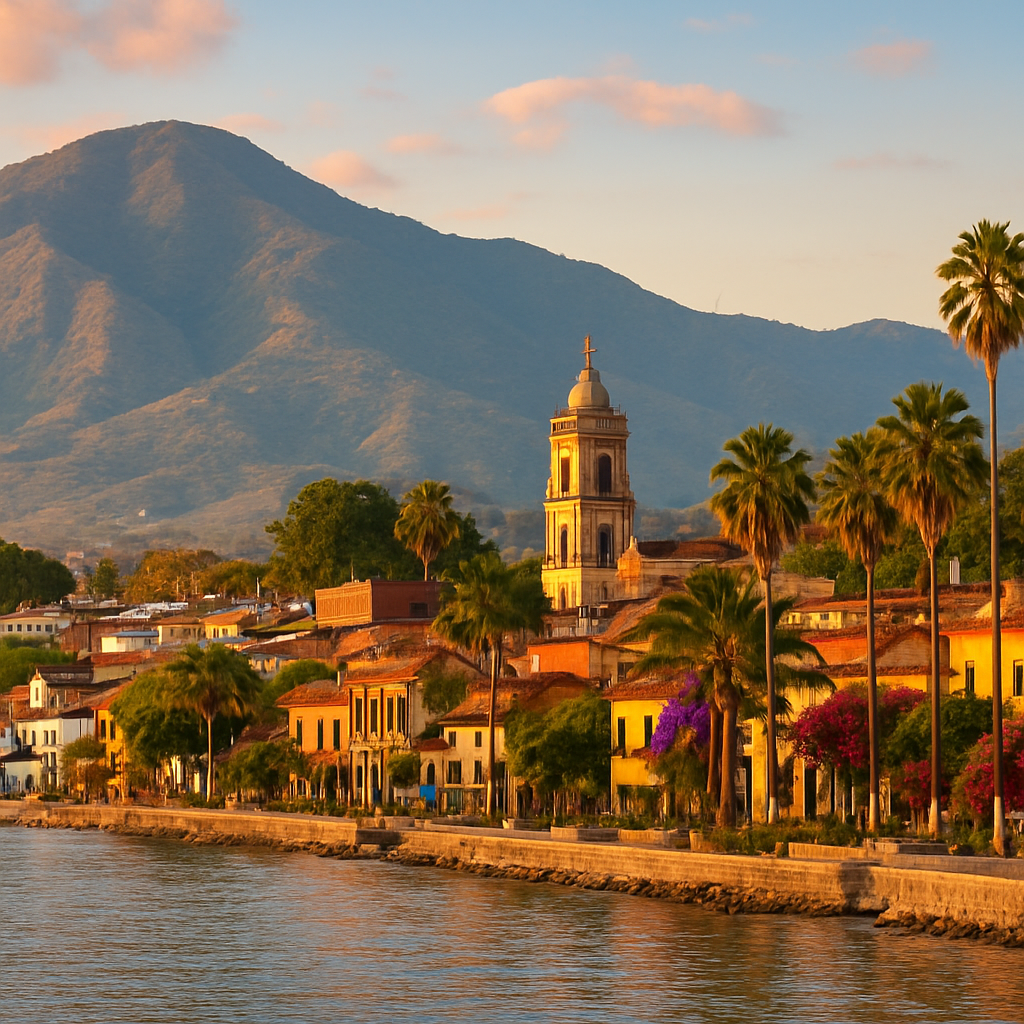
Lago de Chapala & Ajijic
Mexico's largest natural freshwater lake sits 45 minutes south by shared taxi or bus from the Central de Autobuses. The lakeside town of Ajijic hosts over 10,000 North American expats, including an openly organized LGBTQ+ community, and the gallery-and-café scene is calibrated to international visitors without feeling hollow. The pace shift from urban GDL is immediate. Spend a morning wandering the lakeshore, eat lunch at one of the terrace restaurants, and be back in the city for dinner.
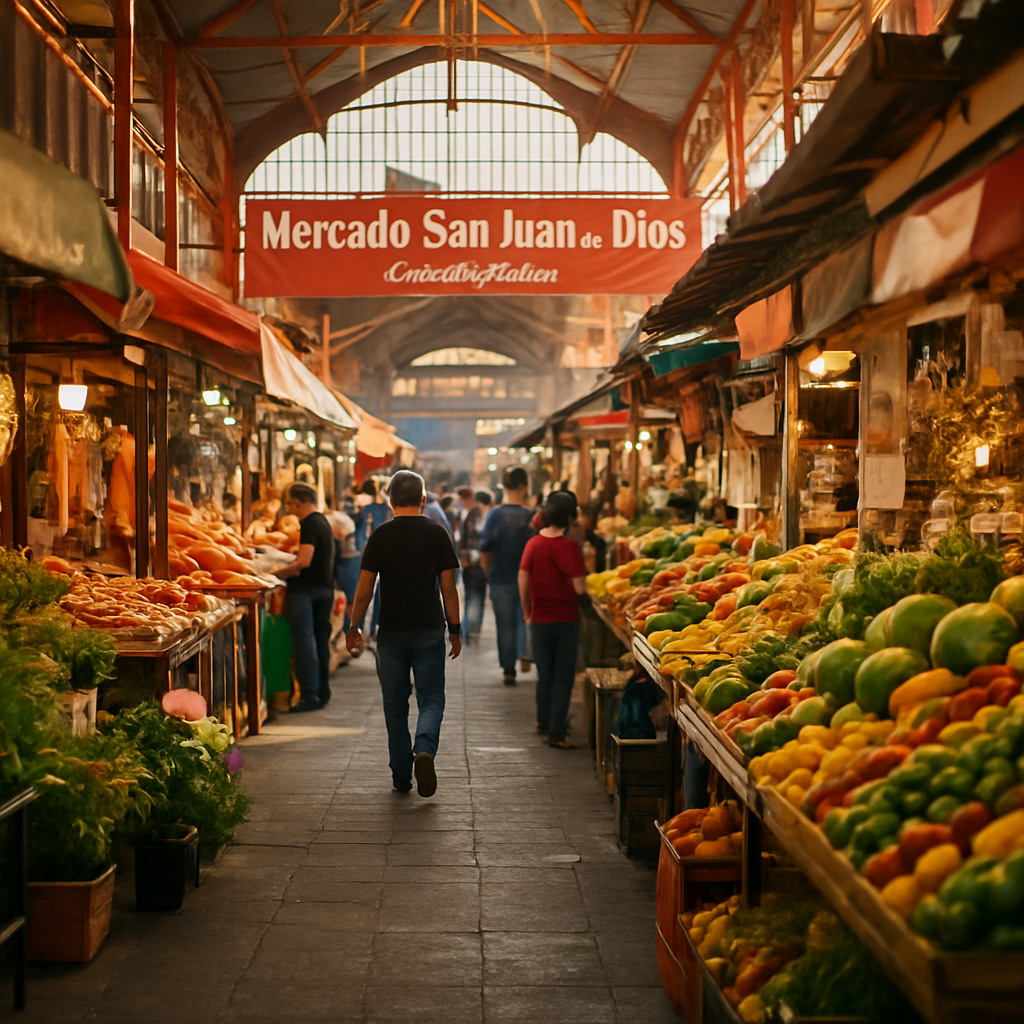
Mercado San Juan de Dios
One of the largest covered markets in Latin America, sprawling across three levels in the Centro Histórico. The food stalls on the upper level serve birria in rich consommé, fresh pozole, and fruit plates with chile and lime that cost almost nothing. The lower levels are a chaotic, beautiful maze of leather goods, electronics, and artisan products. Come hungry, wear comfortable shoes, and don't try to see all of it — just let the crowd push you somewhere interesting.
The places I actually send people to
Advice that fits how you travel
Guadalajara is a strong solo city, and the queer infrastructure makes it especially navigable if you're traveling alone. The concentration of venues along Avenida Chapultepec and Calle Colonias means you're never far from a bar stool or a sidewalk table where conversation happens naturally. Tapatíos are genuinely warm — not performatively friendly, genuinely warm — and solo travelers tend to get adopted faster here than in Mexico City. App culture is active; Grindr and Scruff both have strong user bases in GDL, and the tone skews more conversational than transactional, at least in my experience. La Mezcalería on López Cotilla is the kind of place where a solo drink turns into a three-hour conversation with strangers, and Cabaré-Tito's mixed drag-and-cabaret nights are an ideal entry point if you're not sure where to start.
Budget is a real advantage here. A solo traveler at the moderate level is looking at MXN 2,200–3,500 per day, which buys a boutique hotel, proper meals, Uber everywhere, and a night out. Street food and local cantinas drop that number dramatically. The Macrobús along Federalismo is cheap and functional for daytime movement, and Uber/DiDi fares are low enough that you shouldn't hesitate to use them at night.
Safety-wise, the LGBTQ+ corridor is fine solo. Keep your phone in your front pocket in crowded bar areas, especially on Colonias past midnight — petty theft is the main risk, not violence. Use rideshare home rather than walking long distances after the clubs. And if you're here in June, Orgullo GDL is a solo-friendly experience — the march along Avenida Vallarta is packed, loud, and emotionally overwhelming in the best way.
The good news first: Guadalajara is genuinely romantic in ways that feel earned rather than manufactured. Colonia Americana at dusk — aperitivos at a sidewalk table on Avenida Chapultepec, the light going golden over the Templo Expiatorio, a tejuino from the cart on the corner — is the kind of evening you'll be referencing for years. Same-sex couples holding hands along the Chapultepec paseo on weekend nights are completely unremarkable, which is exactly how it should be. Book a table at Alcalde for a proper occasion dinner; chef Francisco Ruano's tasting menu is worth every peso and the room is beautiful without being stiff.
For accommodation, Hotel Demetria on Avenida La Paz puts you in the heart of everything with a rooftop pool that earns its keep. If you're splurging, Casa Fayette in Colonia Americana is the most romantic address in the city — the restored mansion setting makes even a quiet breakfast feel like a scene from a film. One honest note: the most intimate public moments are best saved for the LGBTQ+ corridor. Step into more residential streets or tourist-heavy areas like the Centro Histórico near the Cathedral, and the cultural temperature drops a few degrees. It's not hostile — it's just conservative in the way a deeply Catholic city sometimes is. Read the street and you'll be fine.
For a genuinely memorable day out together, the day trip to Ajijic on Lago de Chapala — 45 minutes south by shared taxi — delivers lakeside calm, gallery-hopping, and an unexpectedly welcoming expat town that feels nothing like the rest of Jalisco. Come back in time for the late-night Chapultepec scene and you'll have done a full Guadalajara day right.
Mexico's federal and Jalisco state legal framework recognizes same-sex marriage and adoption, which means LGBTQ+ families aren't navigating legal ambiguity the way you might in other Mexican states. That's a meaningful baseline. In practice, Guadalajara is a large, cosmopolitan city with good infrastructure for families — strollers are manageable in Colonia Americana and the Centro Histórico, kid menus exist, and the city's sprawl means you'll be using Uber rather than walking everywhere anyway. The Instituto Cultural Cabañas is an excellent family stop: the UNESCO-designated building is visually stunning, the Orozco murals are genuinely spectacular, and kids old enough to register scale will remember the ceiling fresco. Admission runs MXN 70–100.
The cultural conservatism of the city is worth keeping in mind with kids in tow. You'll encounter warmth in the tourism-oriented areas, but the broader city — outer colonias, suburban municipalities, some market districts — reflects a society where LGBTQ+ visibility is still relatively recent and contested. That's not a reason to skip the city; it's context for managing expectations. The Colonia Americana neighborhood is genuinely family-navigable on a weekend afternoon — Parque Revolución has open space, street food carts, and a relaxed energy that works for all ages.
For a kid-friendly day trip, Lago de Chapala and the lakeside town of Ajijic offer outdoor space, accessible restaurants, and a slow pace that's easier to manage with children than the city's nightlife-oriented center. Budget families will find Guadalajara genuinely affordable — local market meals at La Chata in the Centro run MXN 120–320 per person, and the city's free public spaces are plentiful. The Macrobús transit system is cheap and functional for daytime movement if you're traveling light.
What Guadalajara actually costs
Flights, visas, and the first 30 minutes
Airport: Don Miguel Hidalgo y Costilla International Airport (GDL) serves 60+ cities with direct connections. It sits approximately 17 km southeast of the city center.
Major direct routes:
Los Angeles (LAX) — 2h 45m
Houston (IAH) — 2h 30m
Dallas (DFW) — 2h 30m
Chicago (ORD) — 3h 45m
Mexico City (MEX) — 1h 05m
Toronto (YYZ) — 5h 00m
New York (JFK) — 5h 15m
Visas: US, UK, EU, Canadian, and Australian passport holders all enter without a visa. You'll receive a tourist card (FMM) valid up to 180 days — issued on arrival or electronically in advance.
Airport to city:
Authorized airport taxi — MXN 350–500, 30–45 min. Buy fixed-zone fare tickets at the official booths inside arrivals. Do not accept offers from drivers approaching you outside the terminal.
Uber / DiDi — MXN 200–350, 30–45 min. Pick up from the designated rideshare zone on the departures level. This is my preferred option — the app tracks the ride and pricing is transparent.
TUA Airport Bus — MXN 60–80, 50–70 min. Scheduled service to downtown and Zapopan. Fine if you're traveling light and not in a rush; less practical with large bags.
Traven's seasonal breakdown
The questions everyone asks
Is Guadalajara safe for LGBTQ+ travelers?
Do I need to speak Spanish?
How much should I budget per day?
Is it safe to hold hands with my partner?
When does nightlife actually start?
Is the tap water safe to drink?
What's the best neighborhood to stay in?
Screenshot this before you go
So should you actually go?
Go. Guadalajara rewards travelers who want more than a resort pool and a pride flag on a hotel lobby — it gives you world-class food, staggering colonial architecture, a UNESCO site that'll knock the wind out of you, and a gay scene with real roots and real personality. The cultural conservatism outside the Americana-Chapultepec corridor is genuine, and you should calibrate accordingly — this isn't Amsterdam, and the state-level security situation demands basic street smarts. But if you want a city where the birria is transcendent, the mezcal is poured generously, and the gays have carved out something that feels earned rather than branded, Guadalajara delivers. Pair it with a weekend in Puerto Vallarta's Zona Romántica and you've got one of the best LGBTQ+ travel itineraries in the Western Hemisphere.
Sources & Resources
Official links we reference when compiling this guide. Last verified 2026-03-15.