
Mazatlán doesn't perform for anyone. It just hands you a Pacífico, points at the cliff divers, and lets the 1874 opera house do the talking.
Mazatlán is what Puerto Vallarta was twenty years ago — a working Pacific port that happens to be quietly, completely welcoming, without ever turning the gays into the marketing campaign. That's the whole pitch, and it's the reason my Traven-Dex lands at 8.1. This is a city where you can walk out of an 1874 opera house at 10pm, cross Plazuela Machado in full Saturday-night swing, duck two blocks over to Calle Sixto Osuna, and be inside Pepe Toro watching a drag show before your dinner reservation has even cleared the credit card. Nobody made a fuss. Nobody had to.
The architecture is the first surprise. The Centro Histórico got its full restoration starting in the '90s, and what came out the other side is a tight grid of 19th-century neoclassical and French-influenced buildings in pastels and ochres that look, at golden hour, like a 1950s travel poster that someone forgot to take down. The food is the second surprise — Sinaloa invented aguachile, and a beachfront palapa lunch of raw shrimp drowned in lime and chile, paired with a Pacífico brewed about four miles from where you're sitting, is the kind of meal that recalibrates your sense of what a Pacific coast vacation is supposed to taste like. El Presidio serves contemporary Mexican cooking under a 19th-century amate tree in the courtyard of a restored mansion. Pedro y Lola has been doing live trova on Plazuela Machado since 1992. None of this is performing for you.
What it doesn't have is the polished, bachelorette-spillover gay theme park energy of Vallarta or the manicured Cabo polish. The scene here is small, real, and mostly local — a 7.8 on Scene that earns the number by being exactly what it is rather than what travel marketing wants it to be. The trade-off is the headline noise. Sinaloa state has a complicated reputation, and the US, Canadian, and UK travel advisories are not made up — but they apply to rural highways and inland mountain country, not to the four kilometers of restored Centro and beachfront where you'll actually be. Stick to the tourist corridor, skip inland drives after dark, and the city itself runs calm.
Pro tip: time your trip for February. Carnaval has been running here since 1898, it's regularly cited as one of the largest in the world, and drag floats roll right down the Olas Altas malecón while a century of camp does its work. There's no week of the year where Mazatlán is more itself than that one.
The stuff your travel guide buries on page 47
Mexico legalized same-sex marriage nationwide in 2022, and Sinaloa codified it locally in 2021 — so as of 2026, you can get married at the Registro Civil on Avenida Insurgentes with apostilled documents and a translator. Adoption rights extend to same-sex couples, anti-discrimination protections are broad on paper, and gender marker changes follow a self-ID administrative process at the civil registry. The legal framework here earns its 9.5 — Mexico has done the work.
The cultural reality is what I'd call Mazatleco live-and-let-live. This isn't Puerto Vallarta, where the gays are the economy. It's a working Pacific port that happens to have a fully welcoming Centro, a Pride parade in June that routes from the Monumento a la Mujer Mazatleca down the Malecón to Plazuela Machado, and a tourism economy that's been quietly inclusive since long before it was branded that way. Carnaval in February is your bonus round — drag floats roll through Olas Altas and the Rey Feo competition has been high camp for a century.
What this means on the ground: PDA in Plaza Machado at 9pm is unremarkable. PDA at the inland Mercado Pino Suárez at noon will get you stares and possibly a lecture from a tía. Read the room — it's typically not hostility, just a slower-paced port city where overt affection isn't the norm anywhere, regardless of who's holding hands. For legal questions or to report discrimination, the Comisión Estatal de los Derechos Humanos Sinaloa is the state human rights body. Letra S tracks LGBTQ+ rights and HIV policy at the national level if you need a Mexico City–based resource.
Pro tip: Sinaloa state has a complicated reputation in headlines, and the US, Canadian, and UK advisories are real — but they apply to rural Sinaloa and inter-city highways, not tourist Mazatlán. Centro, Olas Altas, Zona Dorada, and the Marina are routinely policed and statistically calm. Nobody I know goes inland past dusk, and you shouldn't either. The U.S. Consular Agency Mazatlán is your point of contact for emergencies if you're American.
What it actually feels like on the ground
Holding hands in Centro Histórico: Completely fine around Plazuela Machado, the Olas Altas malecón, and the Calle Sixto Osuna bar cluster. Same-sex couples are visibly part of the scene here after dark, and nobody pays attention. A hand on the small of the back at dinner reads as unremarkable.
Holding hands in Zona Dorada: Generally comfortable. The Golden Zone is tourist-driven and accustomed to all kinds of couples, though some all-inclusives can feel hetero-honeymoon-coded if that's not your speed. Beach club staff are pros — they don't care.
Holding hands inland or at Mercado Pino Suárez: Discretion advised. These are working-class colonias where PDA of any kind isn't the norm. Not hostile — just conservative. A reader wrote in to say a hand on the small of the back at noon got more stares than the same gesture at midnight in Plaza Machado.
Hotel check-in: No issues at boutique properties in Centro (Casa de Leyendas, Casa Lucila, Casa Iguana) or at Pueblo Bonito and El Cid in the resort zone. Same-sex couples requesting one bed is a non-event at any property listed in this guide.
Taxis and pulmonías: The open-air pulmonías are half the fun of going out — flag one down for short Centro-to-Olas-Altas hops. After midnight, use pulmonías, Uber, DiDi, or InDriver instead of hailing random street cabs. Fares are clearer, drivers are tracked, and the open vehicle is fine in the tourist corridor (read the vibe inland). Pro tip: tip your pulmonía driver in cash and round up — they're owner-operators.
Beaches: Playa Norte and Cerritos are family-heavy on weekends — affection is fine but most queer locals keep it relaxed during the day. For a quieter beach day, take the 10-minute panga to Isla de la Piedra and walk past the first row of palapas to the coconut groves. Same-sex couples have been doing low-key beach days there for decades.
Late night: Centro and the Calle Sixto Osuna nightlife strip are well-trafficked until 3am or later. Walk in pairs, stick to lit streets, and skip the inland shortcuts. The road between the airport and Centro passes through patchier territory after dark — book the official airport taxi at the kiosk or arrange hotel pickup, don't try to save 200 pesos negotiating outside arrivals.
Trans travelers: Sinaloa recognizes self-ID gender marker changes as of 2026, and the Centro and beachfront are comfortable for visibly trans visitors. Outside tourist zones expect more staring. Trans-specific healthcare and HRT support are limited locally — bring documentation and prescriptions from home, and use CENSIDA or the Secretaría de Salud Sinaloa for sexual health resources if needed. Yaaj México is a strong national resource for LGBTQ+ youth and mental health support.
Verbal harassment: Rare in tourist zones. The historically loaded slang word joto has been reclaimed by parts of the community but is still loaded — let locals lead before you use it. To report a hate crime, the Fiscalía General del Estado de Sinaloa is the state prosecutor's office.
The queer geography
Centro Histórico
This is where I'd stay, full stop. The 19th-century neoclassical and French-influenced buildings around Plazuela Machado got their full restoration starting in the '90s, and the result is one of the most walkable historic centers on Mexico's Pacific coast. Teatro Ángela Peralta — the 1874 opera house named for the soprano who died in Mazatlán in 1883 — anchors the plaza and programs ballet, opera, and the occasional drag-adjacent zarzuela night. The streets radiating out from Machado are a tight grid of galleries, courtyard restaurants, and pastel facades that look like a 1950s postcard at golden hour.
The gay nightlife clusters along Calle Sixto Osuna, two blocks off the plaza. Pepe Toro is the anchor — drag shows Thursday through Saturday, mixed crowd, locals outnumber tourists. Vitrolas Bar next door spins from a vintage jukebox and pulls a more lesbian and trans crowd that stays late. Looking Queer Bar is the newer kid, sweaty and small, cumbia and reggaeton, cash only. By 11pm on a Saturday in Centro, the family is on Sixto Osuna whether they planned to be or not. For Pride logistics and event timing, Orgullo Mazatlán posts the parade route and afterparty list each June.
Olas Altas
The historic beachfront strip just south of Centro, where the original 1950s tourism boom happened before the Golden Zone existed. Today it's a curve of seawall, low-rise hotels, and open-air bars that catch the sunset directly. Walk the malecón here and you'll pass the cliff divers at the Glorieta Sánchez Taboada, the Pedro Infante Monument, and a parade of pulmonías ferrying everyone back to dinner. Casa Lucila and Casa de Leyendas are both on this stretch, and both are the boutique stays I'd actually recommend.
Pro tip: a sunset michelada from a beach vendor on the Olas Altas seawall is one of the great free pleasures in Mexico. Sit, watch the divers, pretend it's 1958. Olas Altas has been the visibly LGBTQ+-friendly waterfront since the bars on Sixto Osuna started spilling people down here for the breeze. It Gets Better México is a useful national resource if you're traveling with younger family members or want to connect with the broader community while you're here.
Zona Dorada
The Golden Zone is the tourist strip from the late-'70s development boom — high-rise resorts, beach clubs, and the long sweep of Playa Sábalo. This is where you stay if you want all-inclusive ease, beachfront pools, and a buffet you don't have to think about. Pueblo Bonito, El Cid El Moro, and The Inn at Mazatlán are the established names, and the beach itself is broad, clean, and walkable for miles.
Queer nightlife here is thinner than in Centro but not absent — Looking Mazatlán is the Zona Dorada gay bar, and a few of the resort lounges and beach clubs lean welcoming if you read the room. Diego's Beach House and Water's Edge Bistro are both on the sand and both have inclusive reputations going back years. Skip the bachelorette-strip clubs along the main drag — the family does not gather there.
Nuevo Mazatlán & Cerritos
The newer development frontier north of the Golden Zone — quieter beaches, modern condos, and the Pueblo Bonito Emerald Bay sitting on Playa Bruja. This is where you go for fewer eyes and a longer beach walk. Affluent, low-density, and a little sleepy at night, but if your idea of a vacation is a sunset, a chilled bottle, and an empty stretch of sand, this is the corner of Mazatlán to book. The Comisión Estatal de los Derechos Humanos Sinaloa covers the whole metro area if anything goes sideways, but in Nuevo Mazatlán it almost never does.
The experiences worth rearranging your itinerary for
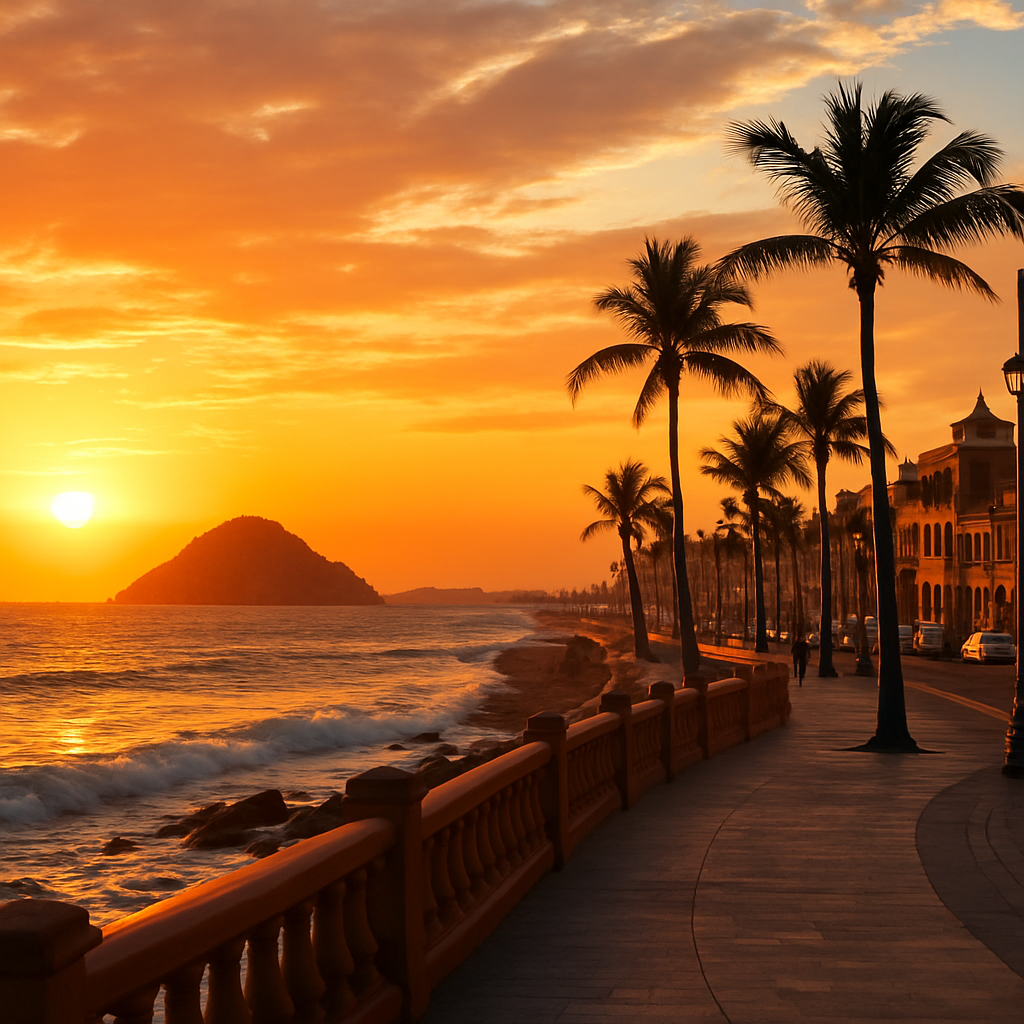
Sunset Michelada on the Olas Altas Seawall
Buy a michelada from a beach vendor on the Olas Altas seawall. Sit on the wall facing west. Watch the cliff divers throw themselves off the Glorieta Sánchez Taboada as the sun drops behind the Pacific. The whole thing costs about 80 pesos and pretends it's 1958. There is no better free pleasure in Mazatlán, and the malecón does the rest of the work — pulmonías ferrying people back to dinner, the Pedro Infante monument lit up, the diving show timed to the gold hour like the city planned it. You'll do this once and then do it every night you're here.
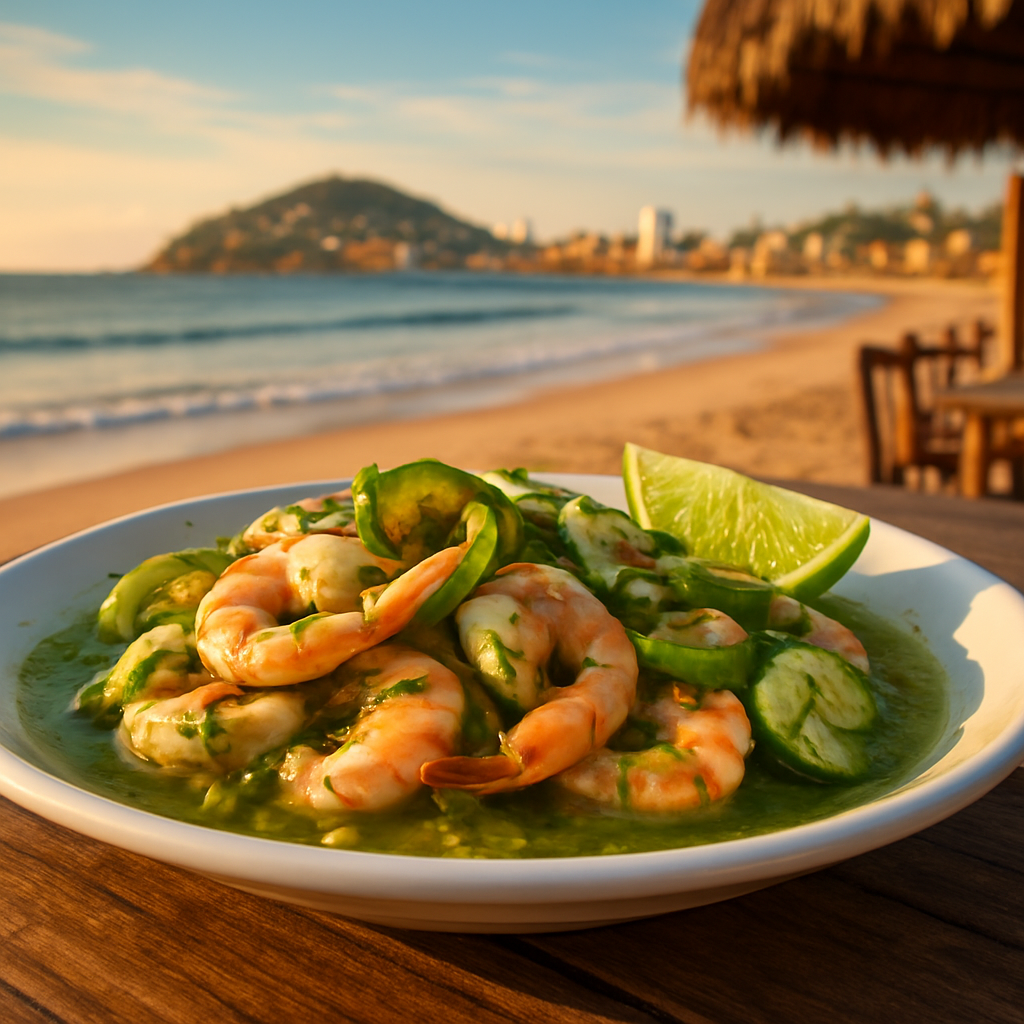
Aguachile and a Pacífico at a Beachside Palapa
Sinaloa invented aguachile — raw shrimp drowned in lime, chile, and cucumber — and Mazatlán is where you eat the version that ruins it for you everywhere else. Sit at a palapa on Playa Norte or Isla de la Piedra. Order it rojo, not verde (verde is for tourists who want it mild). Ask for it bien picoso. Pair it with a Pacífico, the local cerveza brewed here since 1900, ideally with clamato. This is a full lunch, a full education, and a full hangover cure all at once. Don't fight it.
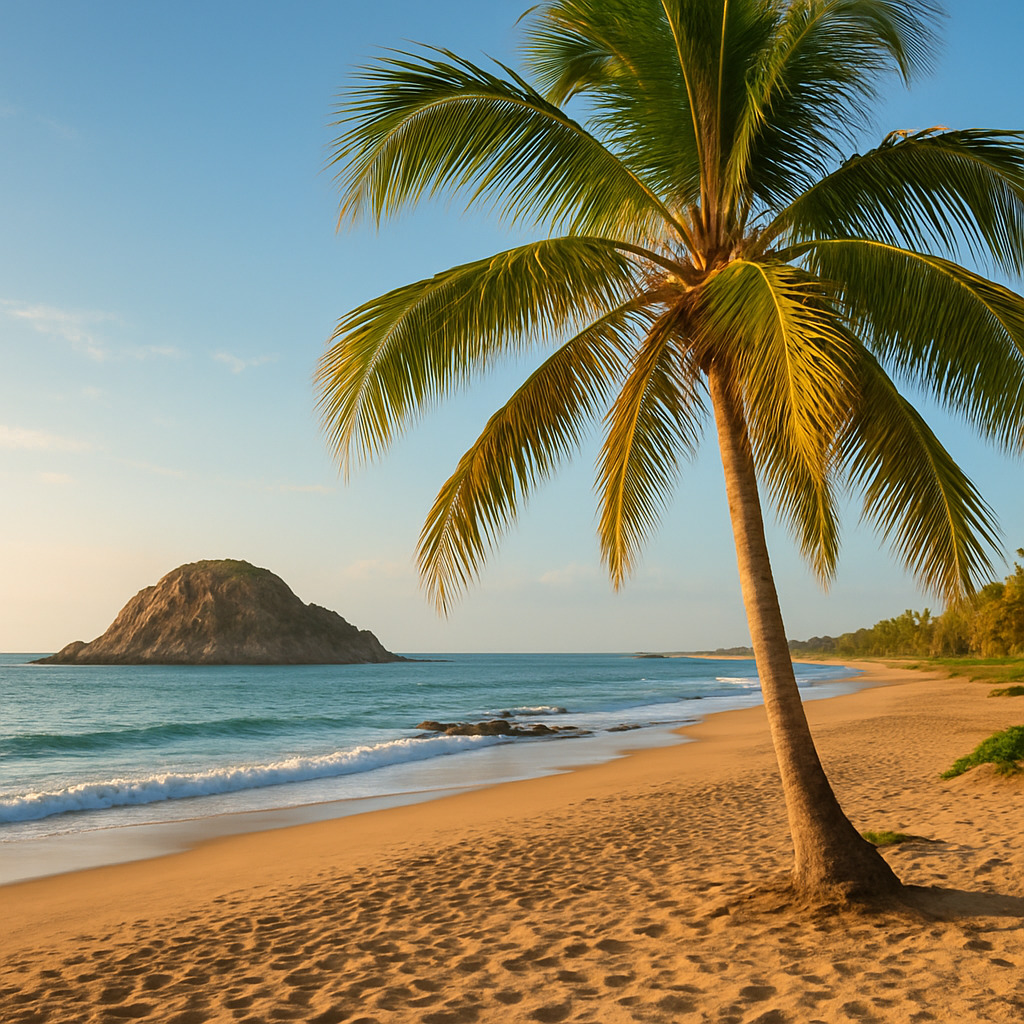
Panga to Isla de la Piedra
From the Embarcadero near El Faro lighthouse, a 10-minute panga boat ride deposits you on a peninsula that doesn't look like the city you just left. Long undeveloped Pacific beach, coconut groves, a row of palapa seafood restaurants, horseback riders working the sand at low tide. Walk past the first row of palapas to the quieter coconut groves — the spread of palapas nearer the boat dock is the easy version, the walk is the better one. Lunch should be whatever's been pulled out of the water that morning. Bring cash, sunscreen, and exactly nothing else.
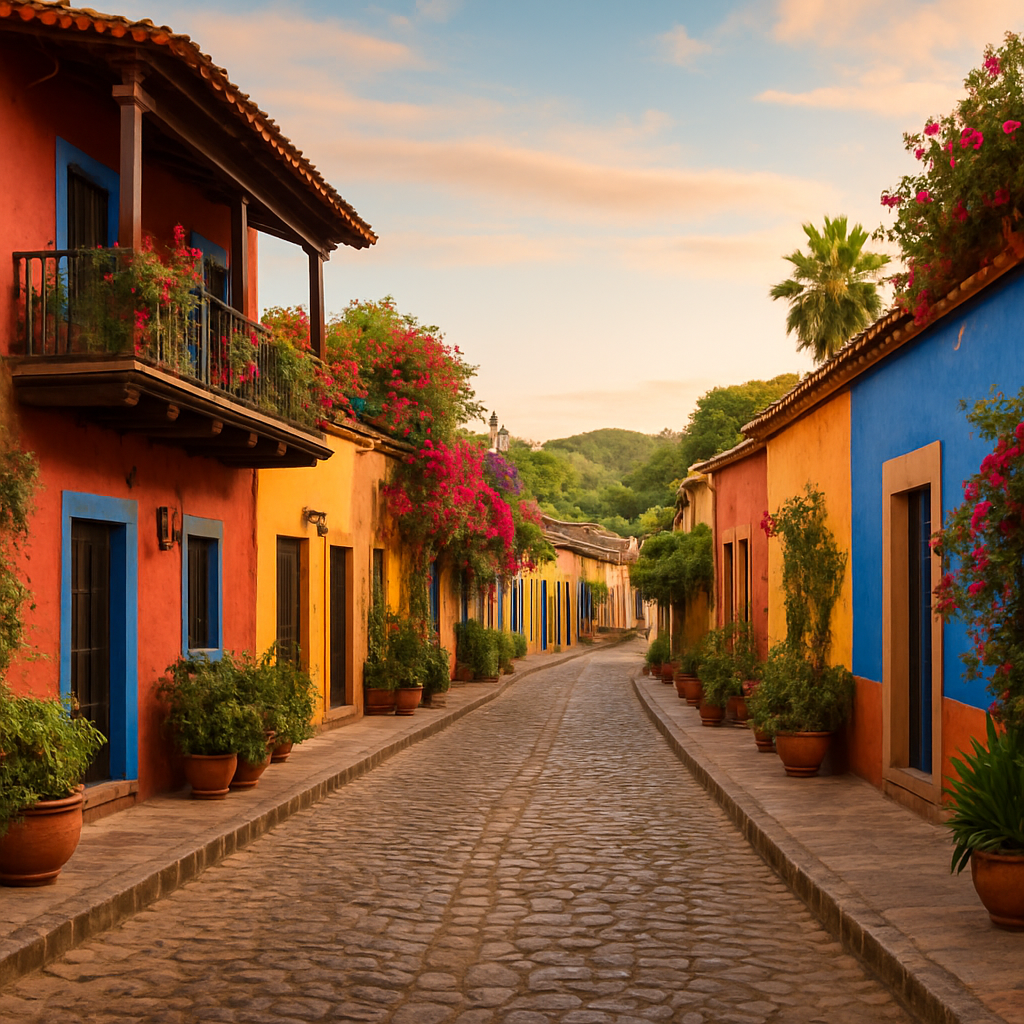
Lunch in El Quelite
Forty minutes north of the city, El Quelite is the colonial adobe village that locals send visitors to when they want to make sure you eat one proper Sinaloan meal. El Mesón de los Laureanos anchors the town — the menu is a regional greatest-hits roster: asado a la plaza, machaca, handmade tortillas off a comal you can see from your table. On weekends they demonstrate the prehispanic ulama ball game in the dirt lot behind the restaurant, which is the closest thing to time travel you'll do this trip. Drive out, eat slowly, drive back.
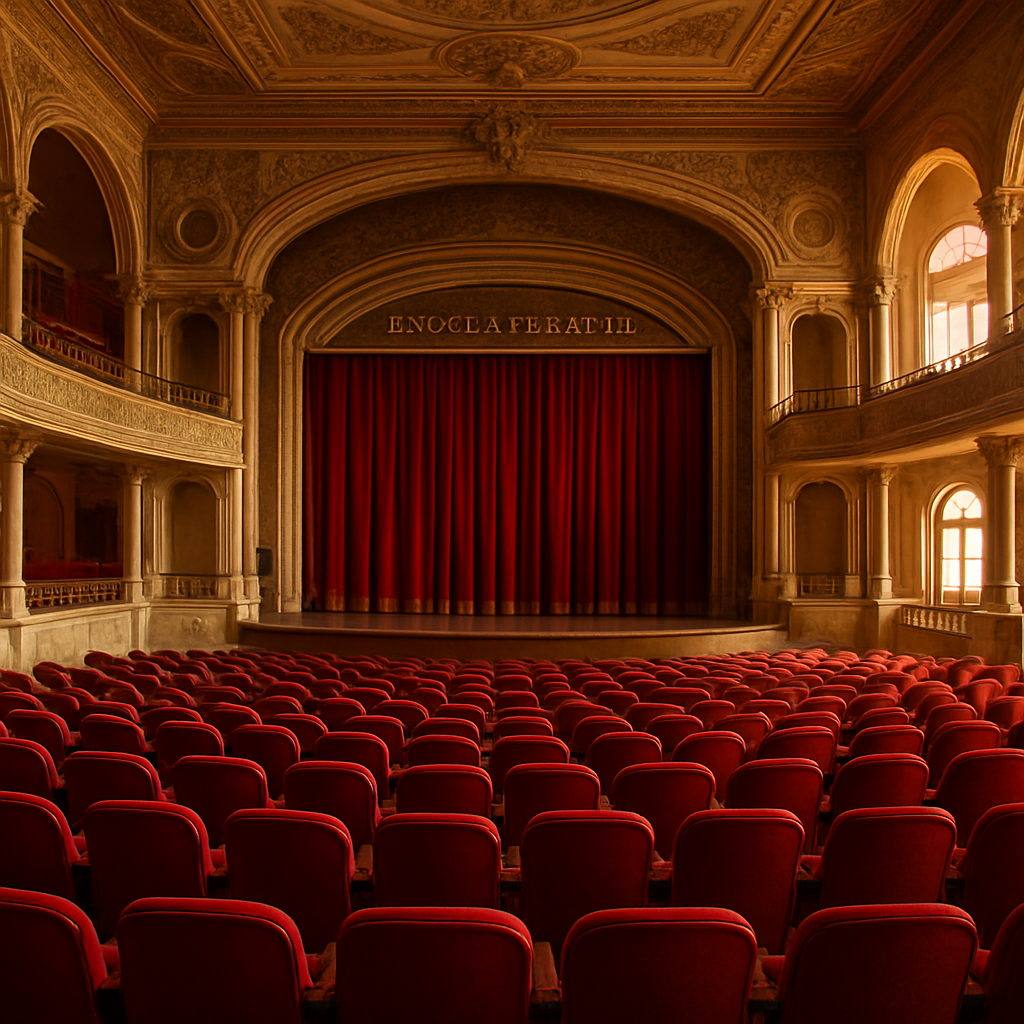
An Evening at Teatro Ángela Peralta
The 1874 opera house on Plazuela Machado — named for the Mexican soprano who died here in 1883, restored and reopened in 1992 — is the cultural anchor of Centro Histórico. Check the schedule before you arrive. Opera, ballet, Festival Cultural Sinaloa programming, and the occasional zarzuela night where the camp index runs high. The 19th-century interior alone is worth the 250-peso ticket, and walking out into Plazuela Machado at 10pm with the plaza in full Saturday-night swing is the version of Mazatlán you'll keep thinking about after you leave.
The places I actually send people to
Advice that fits how you travel
Mazatlán is an easier solo trip than its reputation suggests. Centro Histórico is small enough that by your third night the bartenders at Vitrolas and Pepe Toro will recognize you, and the cluster of bars on Calle Sixto Osuna means you can bar-hop on foot without ever needing a cab. The apps work — Grindr is active, with most pins concentrated in Centro and a thinner spread through Zona Dorada — though as anywhere in coastal Mexico, expect a mix of locals, snowbirds, and visiting chilangos, and verify before you commit.
Budget-wise, this is one of the more forgiving Pacific cities for solo travelers. A boutique room in Centro runs around MXN 1,400–2,200, breakfast at Panamá is under 200 pesos, and a long lunch of aguachile and a Pacífico at a beachside palapa generally tops out around 350. Pulmonías are cheap, plentiful, and half the fun of going out. My Chill score of 7.4 is partly about this — the city is comfortable in a way that doesn't ask you to perform.
For solo safety: stay in Centro or Olas Altas, walk in pairs after midnight where you can, and use Uber, DiDi, or a pulmonía instead of a random street cab. The Olas Altas seawall at sunset is the easiest place in town to fall into conversation with someone — locals, expats, fellow travelers all end up on the same wall watching the cliff divers. Start there.
Mazatlán is quietly one of the better couples destinations on Mexico's Pacific coast — less branded than Puerto Vallarta, less polished than Cabo, and considerably more affordable than either. Same-sex couples can hold hands without issue across Plazuela Machado, the Olas Altas malecón, and most of Zona Dorada. Hotel check-in for one bed is a non-event at every property in this guide. Casa de Leyendas markets explicitly to LGBTQ+ travelers, Casa Lucila is the eight-room oceanfront splurge with balconies directly on the seawall, and Pueblo Bonito Emerald Bay in Nuevo Mazatlán is the all-inclusive answer for couples who want quiet and don't want to think about it.
For dates, lead with Centro. Dinner on the rooftop at Casa 46 over Plazuela Machado, the amate-tree courtyard at El Presidio, the live trova on the terrace at Pedro y Lola from 8pm onward — these are the rooms that earn their romance. Pair any of them with an evening at Teatro Ángela Peralta, and you've built one of the better date nights in coastal Mexico for under what a single dinner costs in Vallarta.
For something quieter, take the 10-minute panga to Isla de la Piedra and walk past the first row of palapas to the coconut groves — same-sex couples have been doing low-key beach days here for decades. Pro tip: book a sunset catamaran cruise mid-trip, time it for a Thursday or Friday so you roll back into the malecón just as the Sixto Osuna bars are warming up. That's the night you'll remember.
Mexico recognizes same-sex marriage and adoption rights nationwide as of 2026, and Sinaloa codified marriage equality locally in 2021. LGBTQ+ families are fully recognized under the law — your kids' birth certificates, parental rights, and family structure carry full legal weight here. The cultural reality is what I'd call Mazatleco live-and-let-live: in tourist-facing zones (Centro, Olas Altas, Zona Dorada, the Marina), two-mom and two-dad families read as unremarkable, and resort staff are pros. Inland and at Mercado Pino Suárez you may get more curious looks, but it's typically observation, not hostility.
For activities, the city is genuinely kid-friendly. The 21-kilometer Malecón is a stroller's dream — flat, paved, and lined with public sculptures and lookouts. The aquarium and Mazagua waterpark do their jobs. Take the panga to Isla de la Piedra for a beach day with horseback rides and palapa lunches; older kids handle it without complaint and younger ones nap to the boat motor on the way back. El Quelite, 40 minutes north, demonstrates the prehispanic ulama ball game on weekends, which is the closest thing to time travel you'll do this trip.
Practical logistics: pulmonías don't carry car seats, so for kids under five you'll want Uber XL or a rental car. Restaurants on Plazuela Machado almost universally welcome kids — Pedro y Lola, La Tramoya, and El Túnel all have menus that work for picky eaters. Pueblo Bonito Mazatlán and The Inn at Mazatlán are the family-resort defaults in Zona Dorada with kid pools and condo-style suites. Pro tip: avoid July through September entirely — peak heat, humidity, and hurricane risk make it a hard sell with kids in tow.
What Mazatlán actually costs
Flights, visas, and the first 30 minutes
Airport: General Rafael Buelna International Airport (MZT) sits about 25 km southeast of Centro Histórico. It's a small, manageable terminal with roughly 25 direct international routes — heavy on US and Canadian winter traffic from Los Angeles, Phoenix, Denver, Dallas, Houston, Seattle, Vancouver, Calgary, Toronto, and Edmonton, plus domestic links to CDMX, Guadalajara, Monterrey, and Tijuana. Direct flight times typically run 2.5–3.5 hours from US West Coast hubs and 4–5 hours from Canadian gateways.
Visa requirements (as of 2026): US, UK, EU, Canadian, and Australian passport holders are typically visa-free for stays up to 180 days. You'll generally receive an FMM tourist permit on arrival — these days it's mostly digital and stamped electronically, though some travelers still get a paper slip. Hold onto whatever you receive until you leave the country. Your passport should typically be valid for the duration of your stay.
Airport to city: The official taxi kiosk is inside the terminal — buy a fixed-rate ticket before you walk outside. Authorized taxi to the Golden Zone runs approximately MXN 450–550 (20–25 min); to Centro Histórico approximately MXN 550–700 (25–35 min). Shared shuttle vans (colectivos) are MXN 200–280 per person with multiple drop-offs (30–45 min). Uber and DiDi are legal in Mazatlán and typically run MXN 280–420 — the pickup zone is across the airport access road, not at the terminal curb. Pro tip: do not negotiate with drivers outside arrivals to save 200 pesos. The road between the airport and Centro passes through patchier territory, particularly after dark — book the kiosk taxi or arrange hotel pickup.
Rental car: MXN 700–1,400/day plus mandatory Mexican liability insurance. Toll roads typically charge MXN 30–80 per segment. Useful if you're planning Sierra Madre day trips to El Quelite or Copala — less useful if you're staying in Centro, where everything's walkable and pulmonías handle the rest.
Traven's seasonal breakdown
The questions everyone asks
Is Mazatlán safe for LGBTQ+ travelers given Sinaloa's reputation?
Where should I stay — Centro Histórico or Zona Dorada?
Can same-sex couples get married in Mazatlán?
Is it safe to hold hands in public?
Do I need to speak Spanish?
When is Mazatlán Pride?
How much should I budget per day?
Screenshot this before you go
So should you actually go?
Go. Mazatlán is the rare Pacific Mexico city that's earned a real LGBTQ+ welcome without losing the working-port soul that made it worth visiting in the first place — an 8.1 overall that I'd defend against anyone trying to send you to Vallarta instead. Stay in Centro Histórico, eat under the amate tree at El Presidio, walk the Olas Altas seawall at sunset, end up at Pepe Toro by 11pm, and don't drive into the Sierra after dark. Do those five things and this city will quietly become one of your favorites.
Sources & Resources
Official links we reference when compiling this guide. Last verified 2026-05-04.
- CENSIDA (National HIV/AIDS Center)
- Comisión Estatal de los Derechos Humanos Sinaloa
- Fiscalía General del Estado de Sinaloa (to report hate crimes)
- It Gets Better México
- Letra S (HIV/AIDS and LGBT+ rights)
- Mazatlán Pride / Orgullo Mazatlán
- Secretaría de Salud Sinaloa
- U.S. Consular Agency Mazatlán
- Yaaj México (LGBT+ youth and mental health)