Mexico City doesn't need your validation — it's been throwing the best gay parties on the continent since before you knew it existed.
Mexico City is the queer capital of Latin America, and it's not particularly close. I don't mean that as a superlative thrown around for SEO — I mean that no other city on the continent combines this level of legal protection, this depth of scene, and this much raw, chaotic, beautiful energy at a price point that makes New York and London look like highway robbery. My Traven-Dex of 8.8 reflects a city that earns it across nearly every category, with a 10.0 on Legal that isn't decorative — same-sex marriage has been on the books here since 2010, a full five years before the U.S. got its act together.
Zona Rosa gets unfairly written off as "past its prime" by a certain type of traveler, and those people are wrong — or just going on the wrong night. Thursday through Saturday on Amberes and Londres, it is legitimately one of the most electric gay streets on the continent, and the cover charges are still absurdly cheap by any international standard. Marrakech Salón is a divey, sweaty, beautiful mess that has been around forever — order a rum and Coke in a plastic cup, get on the tiny dance floor, and accept that you will not leave before 3am. But the real shift in CDMX's queer geography is Roma Norte pulling the creative-class, millennial, and lesbian-identifying crowds away from Zona Rosa's more circuit-party energy. If your idea of a great queer night is natural wine, a tattooed bartender, and cumbia at a reasonable volume, Roma is where you actually want to be.
The contradictions are real, though, and I won't pretend otherwise. This city gave me a 9.0 on Scene because the infrastructure is world-class — bears have Nicho Bears & Bar, the drag kids have Cabaretito Fusión, the leather guys have Tom's Leather Bar, and everyone ends up sweating together at Kinky Bar at 2am regardless. But step outside the Cuauhtémoc borough and the progressive bubble thins fast. Tepito and Doctores are neighborhoods where machismo runs differently, and trans women face elevated risk of harassment that cis travelers simply don't. The city is enormous and socially uneven. Calibrate accordingly — but don't let that stop you from coming.
What CDMX does better than almost anywhere is make you feel like you belong to a living, breathing queer ecosystem, not a tourist attraction built on top of one. The Clínica Especializada Condesa offers free PrEP and HIV testing to anyone regardless of immigration status. Casa Frida shelters LGBTQ+ asylum seekers. The Marcha del Orgullo down Paseo de la Reforma draws over half a million people — it stops being a parade and becomes a citywide festival. This isn't a city performing allyship for your tourist dollar. It's a city where el ambiente has deep roots, real institutions, and a future that's being built in real time. Go.
The stuff your travel guide buries on page 47
Mexico City operates under some of the most protective LGBTQ+ legal frameworks in the Americas. Same-sex marriage has been legal here since 2010 — twelve years before the rest of Mexico caught up nationwide in 2022. Adoption rights for same-sex couples are fully recognized. Anti-discrimination law is broad, covering employment, housing, and services. Gender identity is governed by self-ID legislation passed in 2015, meaning legal gender marker changes require no medical procedures or psychiatric diagnoses — making CDMX one of the most progressive jurisdictions for trans travelers anywhere in Latin America.
There is no criminalization of same-sex conduct at any level. The city's anti-discrimination body, COPRED, maintains a dedicated hotline for discrimination reports and has real enforcement teeth within the capital's borders. CONAPRED handles federal-level complaints. Both are legitimate resources if you need them — not just bureaucratic theater.
Here's the reality check the legal summary can't give you: legal protection and street reality diverge sharply the moment you leave the central, wealthier colonias. Inside Cuauhtémoc borough — Juárez, Roma, Condesa, Centro — you're in one of the most openly queer cities on the continent and it feels that way. Travel north toward Tepito or into more peripheral working-class areas and the social arithmetic changes. The city is enormous and uneven. LGBTQ+-specific violence isn't flagged in US, UK, or Canadian government advisories, but all three maintain general increased-caution advisories for Mexico City due to petty crime and express kidnapping risk. Stay alert and use reputable transport after dark.
One resource worth knowing about for sexual health: the Clínica Especializada Condesa on Benjamín Hill in Hipódromo offers free PrEP, HIV testing, and full STI panels to anyone regardless of nationality or immigration status. Walk-in testing is available, the staff is genuinely non-judgmental, and it is a genuine pillar of the queer community here. For trans-specific legal support, Yaaj México is the go-to organization. And for anyone needing emergency community support, Casa Frida operates faster and with more cultural competence than going to the police. One more thing: altitude is not a joke. Mexico City sits at 2,240 meters. A mezcal at sea level is not the same animal as a mezcal at 7,350 feet. Hydrate aggressively your first two days before you attempt any real night out in Zona Rosa, or the city will humble you in ways you will not enjoy.
PDA comfort varies dramatically by neighborhood. In Zona Rosa and Roma Norte, same-sex couples holding hands or kissing are an entirely unremarkable sight — rainbow crosswalks and pride flags line Amberes year-round. La Condesa is equally relaxed. Polanco is upscale and generally tolerant but expect curious glances rather than warmth for more overt displays. Centro Histórico is broadly fine during the day; avoid isolated streets after dark. In Tepito or Doctores — traditional working-class neighborhoods where machismo runs hot — LGBTQ+ PDA is not recommended. On the Metro system, exercise situational awareness; verbal harassment has been reported, and the crowded carriages offer limited recourse.
What it actually feels like on the ground
Holding hands: On Amberes at midnight in Zona Rosa, completely fine — you'll be among friends. In Roma Norte or Condesa, equally relaxed. Walking through Centro Histórico at night is a different calculation: not because queer hostility is the primary risk, but because you're in a dense urban zone where tourists stand out and petty crime runs higher. Read the room block by block. The city is enormous and socially uneven; calibrate your visibility accordingly.
Hotel check-in: At properties in Zona Rosa, Roma, or Condesa — including every property in my picks — expect zero issues presenting as a same-sex couple. Mexico City's hospitality industry in these neighborhoods is thoroughly accustomed to queer guests. Budget properties in outer colonias are a mixed bag; read recent reviews before booking anywhere outside the core tourist areas.
Taxis and transport: This is the single most important safety rule in all of CDMX — never hail a taxi off the street. Express kidnapping via unlicensed taxis (secuestro exprés) is a documented, ongoing risk. Always use the Uber or InDriver app, or purchase a voucher taxi inside the airport terminal. Be especially careful about this after bar close in Zona Rosa, when your judgment is impaired and the bad actors know it. The random cab that pulls up when you're leaving Kinky Bar at 2am is not your friend.
Public spaces and parks: Parque México in Condesa on a Sunday afternoon is genuinely lovely and notably queer in a low-key way. Bosque de Chapultepec is enormous and generally safe during daylight hours — stick to the main areas around the museum and lake. Avoid isolated park sections after dark anywhere in the city.
Late night: The gay strip in Zona Rosa is actually relatively safe because there's safety in numbers, venue security is present, and the street is well-lit. Walking back to your hotel in Roma or Condesa at 3am is a different risk calculation — take an Uber. Don't walk long distances alone late at night in any neighborhood with your phone visibly in your hand.
Trans travelers: Mexico City passed self-ID gender recognition in 2015 and has a visible, politically active trans community centered in Zona Rosa and Colonia Guerrero. However, trans women — particularly trans women of color — face significantly elevated risk of violence and police harassment compared to cis LGBTQ+ visitors. If you encounter any issue, COPRED operates a dedicated discrimination hotline, Yaaj México provides trans-specific legal support, and Casa Frida offers emergency community support that is faster and more culturally competent than going to the police.
Verbal harassment risk: In Zona Rosa, Roma, and Condesa — low. Isolated incidents happen but are not the norm. On the Metro during peak hours — moderate, primarily due to crowding and general urban stress rather than targeted homophobia. In working-class neighborhoods further from the queer corridor — higher, particularly for people who are visibly gender-nonconforming. The macro risk in CDMX is petty crime and transportation safety, not organized anti-LGBTQ+ violence — but that doesn't mean you won't hear something ugly in the wrong zip code.
The queer geography
The queer geography of Mexico City is one of its most interesting features — it's not one neighborhood, it's a gradient that runs from the unapologetically loud to the quietly inclusive, and knowing how to navigate it separates a good trip from a great one.
Zona Rosa (Colonia Juárez)
Zona Rosa is the historic heart of Mexico City's gay life, and it still earns that title. The action centers on Amberes and Londres streets — a few blocks that pack in more gay bars, antros, drag venues, and queer-owned businesses than anywhere else in Latin America. The rainbow crosswalks are there year-round. Kinky Bar is your multi-level drag-show staple. Marrakech Salón on Amberes is the dive bar institution that should be your first-night stop — order a rum and Coke in a plastic cup and do not expect to leave before 3am. Nicho Bears & Bar on Londres is a proper, unpretentious home for bears and leather guys that gets genuinely packed after midnight on weekends, with a warm mix of locals and visitors who found it on Scruff and made it their base camp. Boy Bar Zona Rosa, Living Club, and Tom's Leather Bar round out the strip for different tastes. Lesbian-specific nightlife is thinner here than the men's scene — events organized through groups like El Closet de Sor Juana and pop-up parties advertised via Instagram are where the real action tends to be. Follow local queer Instagram accounts before your trip; it's genuinely the best advance research you can do.
Roma Norte (La Roma)
Roma Norte has undergone a quiet transformation into one of the city's most interesting queer spaces, even if it doesn't announce itself that way. The energy here is creative-class and millennial — natural wine bars, queer-owned bookshops, low-lit spaces where cumbia plays at a volume you can still have a conversation over. El Almacén on Álvaro Obregón is the anchor gay bar, with a relaxed crowd and a solid mezcal list. The neighborhood's restaurant culture — think Contramar, think the side-street taquerías — is thoroughly queer-welcoming without being self-consciously curated about it. This is where the scene has shifted for people who find Zona Rosa's circuit-party energy a bit much.
La Condesa
Adjacent to Roma Norte and one of the city's most walkable neighborhoods, La Condesa has a liberal, expat-friendly culture with a strong queer presence in its terrace bars and restaurants. It's less a nightlife destination and more a daily-life neighborhood where being openly queer doesn't register as unusual. Parque México on a Sunday afternoon is notably queer in the best low-key way — pack a torta from any deli on Tamaulipas and watch the city do its weekend thing before the antros call.
Beyond the Core
The Museo Universitario del Chopo near Buenavista is Mexico City's counterculture institution — not exclusively queer, but its rotating exhibitions and weekend tianguis flea market are magnets for queer artists, goths, punks, and anyone who finds Zona Rosa too mainstream. Colonia Guerrero northwest of Centro has a less visible but real queer underground scene, particularly among trans women of color — but know that it's a neighborhood where LGBTQ+ visitors should exercise more care than in the core colonias. The Monumento a la Diversidad Sexual in Parque Hundido is worth knowing as a symbol of the city's formal recognition of queer identity in public space, and Milán 44 remains a historically significant block in Zona Rosa's queer memory.
The experiences worth rearranging your itinerary for

Museo Nacional de Antropología
This is one of the world's great museums, full stop. The Aztec Sun Stone alone — five tons of carved volcanic rock dominating the central hall — justifies the visit. Twenty-three exhibition halls trace the full arc of Mesoamerican civilization: Olmec, Maya, Aztec, Zapotec, Toltec, and more, arranged with a curatorial intelligence that makes even a non-specialist feel the weight of what they're looking at. Budget at least three hours, ideally a full morning. It sits inside the vast Bosque de Chapultepec, so build in time to walk the park before or after. Entry is MXN 85 — one of the great museum bargains on earth.

Teotihuacán at Dawn
Fifty kilometers northeast of the city and a direct bus from Terminal Norte, Teotihuacán is one of Mesoamerica's most awe-inspiring archaeological sites. The Pyramid of the Sun is the third-largest pyramid on earth. Stand at the top, look down the Avenue of the Dead toward the Pyramid of the Moon, and reckon with the fact that this city housed 125,000 people when London was a provincial Roman outpost. Go early — 7am ideally — before the heat and the tour groups arrive. The bus ride is under 90 minutes and costs almost nothing. This is a non-negotiable.
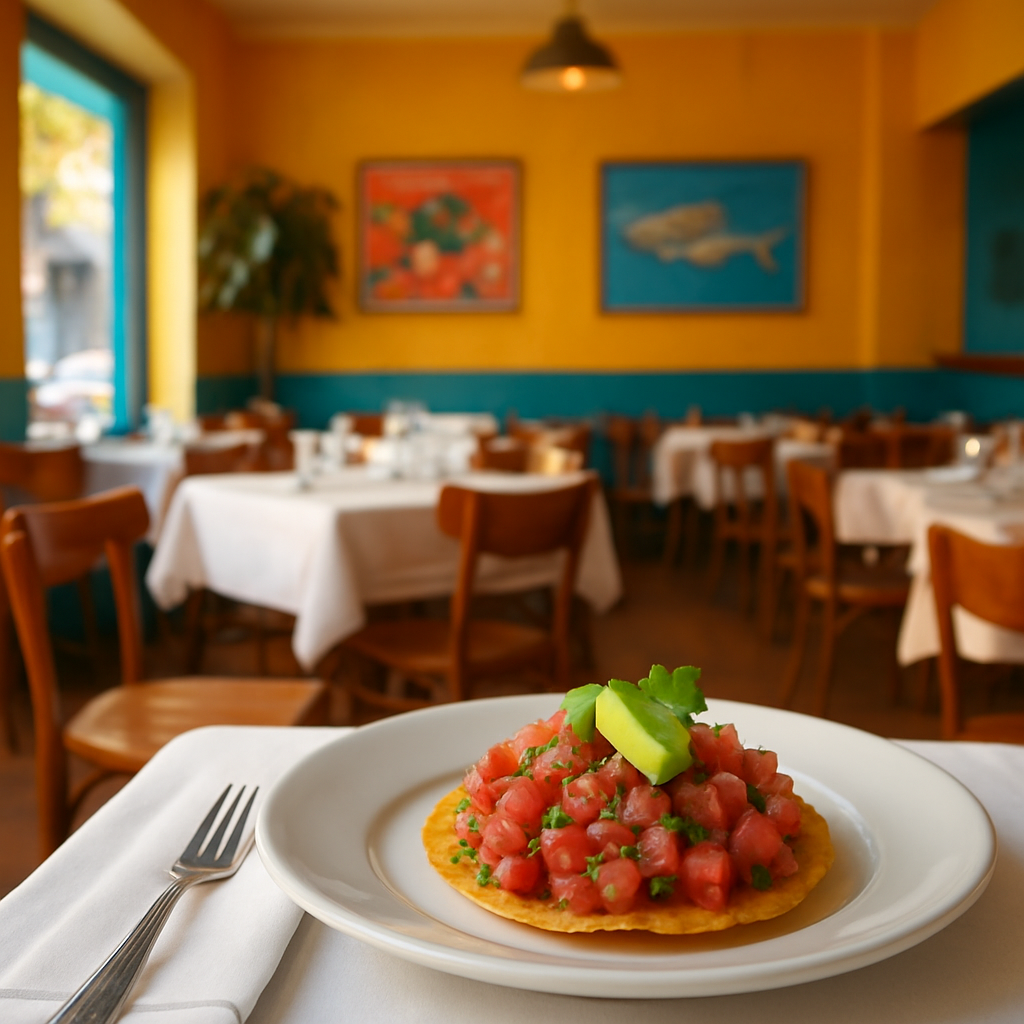
Lunch at Contramar
Contramar has been serving the same signature red-and-green grilled fish since 1998, and the fact that getting a table on a Tuesday afternoon is still an event says everything about how good it is. The tuna tostadas are the reason you make the reservation a week out: raw tuna on a crisp base with chipotle mayo and avocado. Order two immediately. The dining room is loud, beautiful, and full of exactly the mix of people you want to be around — locals celebrating milestones, visiting chefs, architects, journalists. This is the Mexico City lunch.
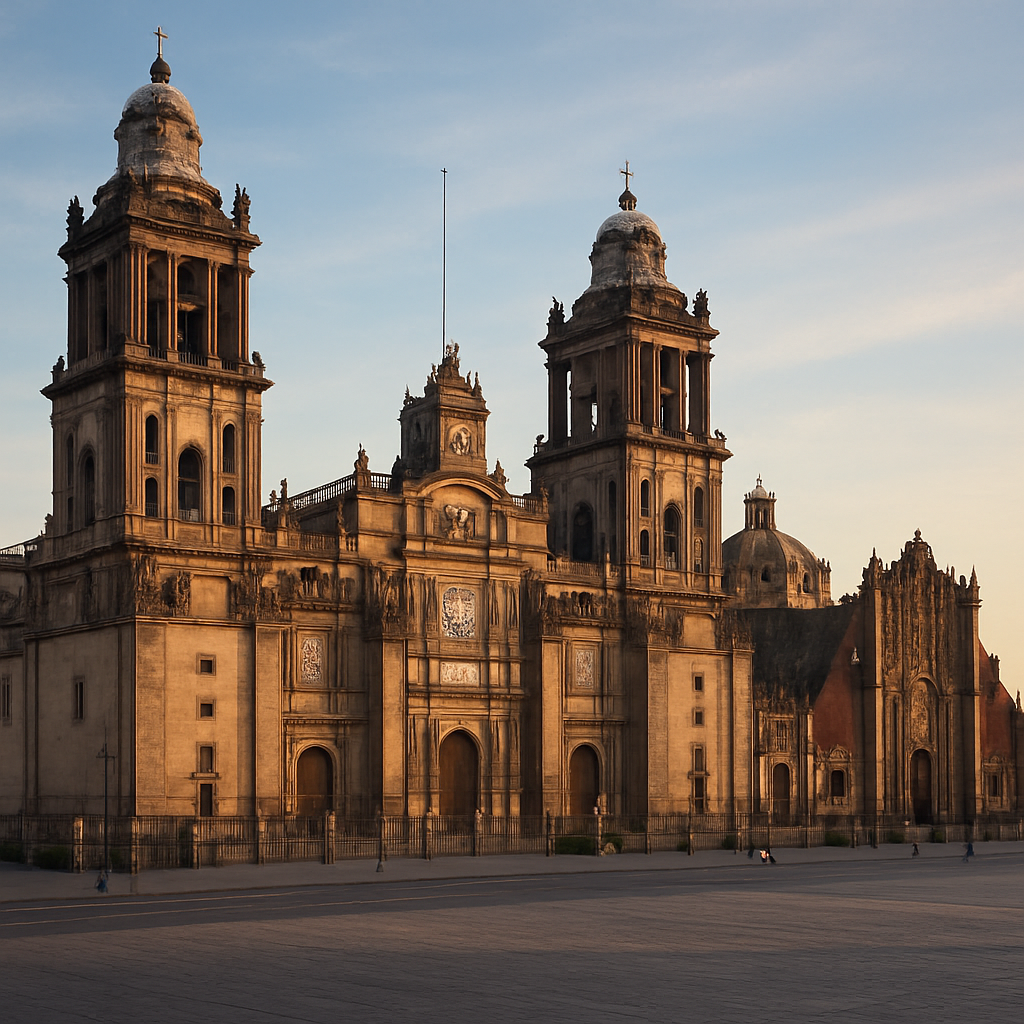
Sunday Morning in Centro Histórico
On Sunday, Centro Histórico belongs to the city's residents in a way that weekdays don't allow. The Zócalo breathes, street vendors set up along Madero, and the light on the colonial facades does something genuinely cinematic. Walk west from the Zócalo along Madero, stop at the Palacio de Bellas Artes, continue toward the Alameda. Get a café de olla from any street cart and drink it while walking. The architecture here — 16th-century Spanish colonial built directly on top of Aztec foundations — is unlike anything else in North America.
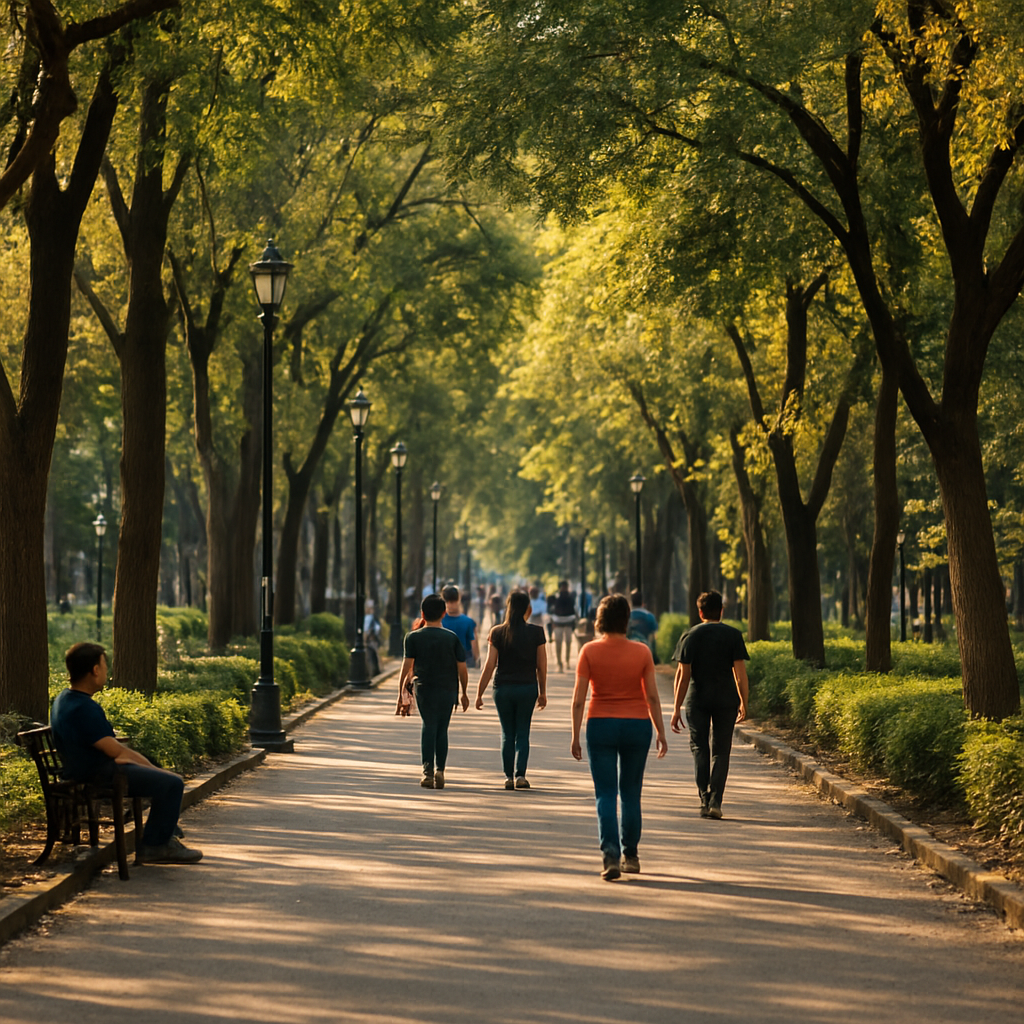
Sunday Afternoon in Parque México
One of the most pleasant ways to spend a few hours in Mexico City costs nothing and requires no planning. Parque México in Condesa is tree-lined, dog-dense, and on Sunday afternoons fills up with the city's most interesting cross-section — families, couples, skaters, readers. Pick up a torta from any deli on Tamaulipas, find a bench near the amphitheater, and spend two hours watching the city breathe. It's the exhale the rest of your trip needs, and the antros are only a cab ride away when you're ready.
The places I actually send people to
Advice that fits how you travel
Mexico City rewards solo travelers with something rare in a major city: genuine ease of human contact. The cantina culture — sit at a bar, order a beer, receive botanas, get into a conversation — is structurally designed for solo visitors who don't want to stare at their phones. In Zona Rosa, the bar scene on Amberes is specifically built for mingling, and walking into Marrakech Salón or Kinky Bar alone is not remotely awkward — half the people there came solo or in pairs and the energy is friendly rather than cliquey. Grindr and Scruff have active user bases here, but checking local queer Instagram hashtags like #ZonaRosaGay and #AmbienteDF before your trip will surface the one-off parties and pop-up events at non-permanent spaces where the most interesting nights often happen.
Budget-wise, solo travel in CDMX is genuinely remarkable value. The Metro costs MXN 6 per ride. A full lunch at a comida corrida — the set-menu midday meal that every neighborhood restaurant offers — runs MXN 80–120 and typically includes soup, a main, and a drink. A beer in Zona Rosa is MXN 60–80. You can have an excellent full day here for MXN 700–1,000 if you want to, and a luxurious one for MXN 3,500. The exchange rate against the dollar and euro currently makes Mexico City one of the best-value world capitals for English-speaking travelers.
Safety note for solos: the late-night Uber rule applies to you most of all. When it's 2am and you've had four mezcals and the bar is still going, the temptation to grab whatever car shows up outside is real. Don't. Open the app, wait for the confirmed ride, and get home. The neighborhoods around Zona Rosa, Roma, and Condesa are walkable and generally fine in the wee hours — just use your city senses and don't walk long distances alone with your phone out in your hand.
Mexico City is a genuinely romantic city if you know where to look, and it doesn't take much effort to find it. Dinner at Contramar on a Friday afternoon — long, leisurely, a bottle of Mexican white wine, the room buzzing around you — is one of the best date experiences in the hemisphere. Then walk south through Roma Norte on Álvaro Obregón as the street lights come on, stop for a mezcal at whatever bar looks inviting, and end up in Zona Rosa when you're ready for the night to get loud. That sequence costs less than a mediocre dinner in New York and it's genuinely better.
PDA as a same-sex couple is comfortable and unremarkable throughout Roma, Condesa, and Zona Rosa — these neighborhoods have been home to queer life for decades and it shows in the easy, unself-conscious way locals react (which is: they don't). Check into Ignacia Guest House in Roma Norte for the most romantic small-hotel experience in the city: eight rooms, a garden, a tequila bar, and staff who treat you like guests rather than transactions. If you're watching the budget, Casa de los Patios in Zona Rosa keeps you central and comfortable for a fraction of the price.
For a memorable shared experience, go to Teotihuacán early — the 7am bus from Terminal Norte has you at the pyramids before the crowds arrive, and watching the sun climb over the Pyramid of the Moon from the top of the Pyramid of the Sun is the kind of thing you'll talk about for years. Wear proper shoes, pack water, and plan to be back in the city by early afternoon for a long lunch. Contramar takes reservations and would not be a bad way to land.
Mexico City with kids is more feasible than the city's reputation suggests, particularly if you're based in Roma, Condesa, or Polanco. The Bosque de Chapultepec alone — a massive urban park containing the National Museum of Anthropology, the city zoo (free for children under 13), multiple lakes, and enough green space for an entire afternoon — could anchor two full family days. The Museo Nacional de Antropología is designed for broad audiences, and the sheer physical scale of the artifacts — the Aztec Sun Stone is five tons and the size of a room — tends to impress kids viscerally in a way that traditional art museums often don't.
LGBTQ+ families are legally recognized in Mexico City. Same-sex adoption rights are in place, and hotels and restaurants in the central colonias are thoroughly accustomed to queer families traveling together. You won't encounter meaningful resistance at any of the venues or neighborhoods in this guide. The practical logistics of traveling with children are smoothed by the city's strong service culture: kid menus exist at most sit-down restaurants, Condesa and Roma are stroller-navigable with relatively smooth sidewalks (Centro Histórico is less forgiving on uneven colonial pavement), and Uber makes family transport easy and safe without needing to navigate the Metro with gear.
For older children who can handle a long day out, Teotihuacán is extraordinary. The pyramids are climbable with proper footwear, the site is massive enough to feel genuinely epic, and the bus from Terminal Norte takes under 90 minutes each way. Budget around MXN 700–900 per adult for transport, entry, and lunch at the site. Go early — by midday the heat at the pyramids becomes significant and the climb is a real physical effort that's better done in the morning cool. Kids who make it to the top of the Pyramid of the Sun tend to remember it for a long time.
What Mexico City actually costs
Flights, visas, and the first 30 minutes
Airport: Aeropuerto Internacional Benito Juárez (MEX) is 13km east of the city center and handles the vast majority of international flights into CDMX. Mexico City is one of the most connected cities in the Americas — over 100 direct routes operate, making it accessible from virtually anywhere without a connection.
Major direct routes:
Miami (MIA): 3h 00m
Los Angeles (LAX): 3h 30m
New York (JFK): 5h 15m
Toronto (YYZ): 4h 45m
Madrid (MAD): 11h 00m
London (LHR): 11h 30m
Visa requirements: US, UK, EU (most nationals), Canadian, and Australian passport holders require no visa. A tourist card (FMM) is issued on arrival and allows stays of up to 180 days. Keep your FMM — you'll surrender it on departure and losing it creates hassle.
Getting to the city:
Metro (Line 5): MXN 6. 40–50 minutes to downtown. Cheapest option by far; luggage space is limited and the system is crowded — workable with a single carry-on, painful with a checked bag.
Authorized CDMX taxi (voucher): MXN 250–350. 25–45 minutes. Buy your voucher at the official taxi counter inside the terminal — do not accept offers from drivers approaching you in arrivals.
Uber / DiDi: MXN 200–320. 25–50 minutes. Pick up at the designated ride-share zone (follow signs inside the terminal). Surge pricing applies during peak hours.
Metrobús (Line 4): MXN 6. 30–40 minutes to Buenavista station. Requires a pre-loaded card available at station kiosks; connects well to the broader transit network.
Traven's seasonal breakdown
The questions everyone asks
Is it safe to hold hands as a same-sex couple in Mexico City?
Do I need to speak Spanish?
What's the best neighborhood to stay in as a queer traveler?
How much should I budget per day?
What's the altitude situation — should I be worried?
When is Pride in Mexico City?
Is PrEP available in Mexico City?
Screenshot this before you go
So should you actually go?
Mexico City is one of the great queer travel destinations on earth — a megacity with a legally progressive framework, a genuinely world-class gay scene, food that will permanently recalibrate your standards, and a price point that makes every other major world capital feel extortionate. The caveats are real: crime in the broader city requires vigilance, the altitude will catch you off guard, and the social terrain outside the central colonias is uneven in ways that matter for how you carry yourself. But inside Roma Norte, Condesa, and Zona Rosa, you'll find a city that doesn't just tolerate queer life — it built institutions for it, marches in the streets for it, and has been doing both longer than most cities you might compare it to. My answer is yes, go, book Ignacia Guest House, eat the tuna tostadas at Contramar, and end up on the tiny dancefloor at Marrakech Salón at 2am with a rum and Coke in a plastic cup. That's the trip.
Sources & Resources
Official links we reference when compiling this guide. Last verified 2026-03-04.
- COPRED – Consejo para Prevenir y Eliminar la Discriminación de la Ciudad de México
- CONAPRED – Consejo Nacional para Prevenir la Discriminación
- CENSIDA – Centro Nacional para la Prevención y el Control del VIH/SIDA
- Clínica Especializada Condesa (CDMX Sexual Health)
- Letra S – Sida, Cultura y Vida Cotidiana
- Yaaj México – Trans Rights Organization
- Casa Frida – LGBTQ+ Asylum Seekers Shelter
- Cuenta Conmigo Diversidad Sexual
- El Closet de Sor Juana – Lesbian Feminist Organization
- Marcha del Orgullo LGBT+ CDMX (Official City)
- ILIMITA – LGBTQ+ Legal Aid Mexico