
Oaxaca doesn't sell itself. It just lights the woodsmoke at eight on the Alcalá, pours a mezcal, and waits to see if you can keep up.
Eight in the evening on the Andador Macedonio Alcalá, and the air is doing three things at once: woodsmoke drifting up from the Mercado 20 de Noviembre, fresh bread still on the breeze from Boulenc's last bake, and a couple of musicians tuning up on the steps of Santo Domingo for whatever's about to happen next. A woman walks past with a tray of tejate balanced on her head. Two men hold hands without thinking about it. The cantera-stone facade of the church goes the color of warm bread under the last light. Nobody is performing. The city is just doing what it does at eight on a Tuesday.
This is the thing about Oaxaca that the food magazines keep half-explaining and never quite landing. It's not a city with a gay village — stop looking for one — it's a city where the line between the queer scene and the rest of the cultural life of the place dissolved so long ago that nobody bothers to redraw it. The morning patio at Boulenc, the afternoon at Convivio in Jalatlaco, Sabina Sabe by seven. That's the daytime circuit, and it's queer the same way it's creative, the same way it's bilingual, the same way it's mezcal-soaked. Just woven in.
There's a reason I gave this city an 8.3 overall and a 9.4 on Destination, and I'm not going to bore you with the math. I'll just tell you that the seven moles of Oaxaca are not a marketing line, that Monte Albán at 8am with the wind coming up off the valley is a religious experience whether you signed up for one or not, and that a ninety-minute appointment at Mezcaloteca will rewire your understanding of what a single agave plant can do. You can eat a memela at Itanoní in the morning and a tasting menu at Criollo at night and the through-line — heirloom corn, Zapotec lineage, an obsessive respect for ingredient — is the same.
What I want you to know going in: this is one of the most legally settled places in Latin America for queer people, with a Zapotec muxe tradition that pre-dates the modern conversation about gender by several centuries. It's also a high-altitude colonial city where mezcal is poured generously and cobblestones are unforgiving at 2am. Pace your copas, stay in Centro or Jalatlaco, and let the city do its work on you. It will.
The stuff your travel guide buries on page 47
Mexico legalized same-sex marriage nationwide in 2022, but Oaxaca got there earlier — the state has recognized same-sex marriage since 2019, and as of 2026 the legal scaffolding is as solid as it gets in Latin America. Joint adoption is legal, civil unions are recognized, and anti-discrimination protections cover sexual orientation and gender identity at the federal level. My Traven-Dex score of 9.5 on Legal isn't a courtesy — it's earned.
Gender identity law is where Oaxaca quietly outshines a lot of places I've covered. Mexico's federal self-ID framework lets adults change their gender marker administratively, and Oaxaca state has its own pathway too. Add the Zapotec muxe tradition — a third-gender identity recognized in indigenous communities of the Isthmus of Tehuantepec for centuries — and you get a place where gender variance isn't a culture-war flashpoint. It's older than the conversation. For a fuller picture of national-level rights work, the Comisión Nacional de los Derechos Humanos tracks LGBTQ+ cases and reports, and Letra S remains the country's sharpest watchdog on hate-crime data.
Now the on-the-ground reality. Same-sex couples can hold hands on the Andador without anyone breaking stride. PDA in Jalatlaco and Centro is a non-event. The further you get from town — into the Sierra, into traditional villages on day-trip routes — the more you're in read-the-room territory. Not hostile. Just more conservative, more Catholic, more elder-driven. A reader wrote in to remind me that Pride in Oaxaca lands in late June, ends at the Zócalo with speeches that run an hour past schedule, and is the kind of scrappy-civic event that feels like community rather than corporate float-ware. Bring water; the march starts at noon under brutal sun.
Pro tip: Grindr works in Centro and Reforma but thins out fast past Xochimilco. If you're staying in Etla or San Felipe del Agua for the slower-paced B&B experience, plan to come into town for nightlife rather than expecting nightlife to come to you.
What it actually feels like on the ground
Holding hands. On the Andador Macedonio Alcalá, around Santo Domingo, anywhere in Jalatlaco — go ahead. Same-sex couples are part of the visual texture of these blocks now. In the working-class market corridors around Mercado 20 de Noviembre and Mercado Benito Juárez, hand-holding draws no real heat but kissing might pull a stare. Not danger — just the difference between a tourist district and someone's daily commute.
Hotel check-in. Boutique properties in Centro Histórico — Casa Oaxaca, Otro Oaxaca, Hotel Escondido, Grana — handle same-sex couples like the non-event it should be. One bed, no flinch. The older convent-conversion luxury places follow international standards. I've never had a check-in friction story sent to me from Oaxaca, and I've asked.
Taxis and rideshare. Didi and InDriver are both more reliable than Uber here, especially after midnight when drivers cluster around the Llano park area. Authorized airport taxis use a fixed-rate counter inside the terminal — buy the ticket there, ignore the freelancers outside. Pro tip from local queer friends: don't stand on a dark side street refreshing the app at 1am. Walk to a lit corner near Santo Domingo or the Zócalo and call from there.
Late night. The walk back from Txalaparta or La Nueva Babel to a Centro hotel at 2am is, in my experience, fine — provided you're not stumbling and not flashing a phone. The actual statistical risk in Oaxaca isn't homophobia; it's altitude plus mezcal plus uneven cobblestone. Pace your copas. Resources like Censida handle HIV and sexual health information at the federal level; for in-state advocacy and rapid response, the Defensoría de los Derechos Humanos del Pueblo de Oaxaca is the body you'd contact for serious incidents.
Trans travelers. The Zapotec muxe tradition gives Oaxaca an unusual cultural fluency around gender variance — particularly compared to many Mexican states. Self-ID is available federally, and trans travelers I've heard from generally report positive experiences in the city itself. Rural day-trip villages and police interactions are the uneven zones; bring documentation that matches your presentation if possible, and stick to Centro and Jalatlaco for the bulk of your time.
Pickpockets, not bigots. The bigger urban-safety story here is petty crime during peak weeks — Guelaguetza in late July, Día de Muertos in late October. Cross-body bag, zipper forward on the Andador. Same advice your tía gave you about Mexico City. The federal advocacy networks at Letra S and the rights-monitoring framework at the CNDH are useful background reading before you go.
Verbal harassment. Genuinely uncommon in Centro and Jalatlaco. The city's tourism economy and progressive municipal politics have made open hostility socially expensive. I'd give you a different answer about a Sierra village at sunset.
The queer geography
Oaxaca isn't a city with a designated gay village. It's a city where the queer presence is woven through the same blocks where everyone else eats, drinks, paints, and argues about coffee. Stop looking for a Chueca or a Castro — the whole Centro is your district if you know where to sit. The local LGBTQ+ landscape is supported by community organizations like SURCO, and the annual Marcha del Orgullo LGBT+ Oaxaca is the closest thing to a centralized scene moment.
Centro Histórico
The UNESCO-protected old town, organized around the Zócalo and the Andador Macedonio Alcalá — the pedestrian spine that runs north to the Templo de Santo Domingo de Guzmán. Cobblestones, bougainvillea-hung courtyards, cantera stone facades in pink and green and ochre. At eight in the evening the Andador smells like grilled cecina, woodsmoke from the markets, and whatever someone is roasting at Boulenc. The Museo de las Culturas inside the former Dominican monastery is the non-negotiable cultural stop — Tomb 7 treasures from Monte Albán, plus the Jardín Etnobotánico next door. The Centro Fotográfico Manuel Álvarez Bravo and the Instituto de Artes Gráficas de Oaxaca are where I lose afternoons. Queer nightlife clusters here in small, mixed rooms — Privé Disco Bar and Bar 502 just off the Andador are the actual gay-coded dance options, small and sweaty and refreshingly free of Roma Norte influencer energy.
Jalatlaco
Just east of Centro across a creek, this is the pastel-painted, mural-covered barrio that became the city's de facto creative district sometime around 2015. Cobblestone streets so quiet you can hear your own footsteps, the Templo de San Matías Jalatlaco anchoring the main square, and a dense cluster of independent cafés, mezcalerías, and tiny galleries that have a visibly queer-friendly small business scene. The patio at Convivio in the afternoon is part of what I call the city's quiet queer circuit — Boulenc in the morning, Convivio mid-day, Sabina Sabe by seven. Memorize that triangle.
Xochimilco
Not the Mexico City one — Oaxaca's Xochimilco is an old aqueduct neighborhood north of Centro, named for the Aztec word for flower garden. Stone arches of the colonial-era arquitos aqueduct still cross the streets. Quieter than Jalatlaco, more residential, with cobblestone walks that fill with jacaranda blooms in March. Popular with queer artists and writers who want to be ten minutes from the action without sleeping above a mezcalería.
Reforma
The grid northeast of Centro — wider streets, mid-century houses, walking distance to Parque El Llano. Itanoní, the temple of native Oaxacan corn, lives here, and so does some of the city's better daily-life infrastructure: gyms, pharmacies, the kind of café where you can actually get a table. Same-sex couples will find Reforma comfortable but unremarkable — discretion not required, but the streetscape is residential rather than scene-driven.
Cerro del Fortín
The hillside northwest of town, home to the Auditorio Guelaguetza where the July festival's headline performances happen. Worth walking up at sunset for the view across the valley to Monte Albán in the distance. The Wednesday-night unofficial 'gay Guelaguetza' parties during festival weeks draw queer travelers from across Mexico — ask around at Sabina Sabe the week of and you'll find the door.
The experiences worth rearranging your itinerary for
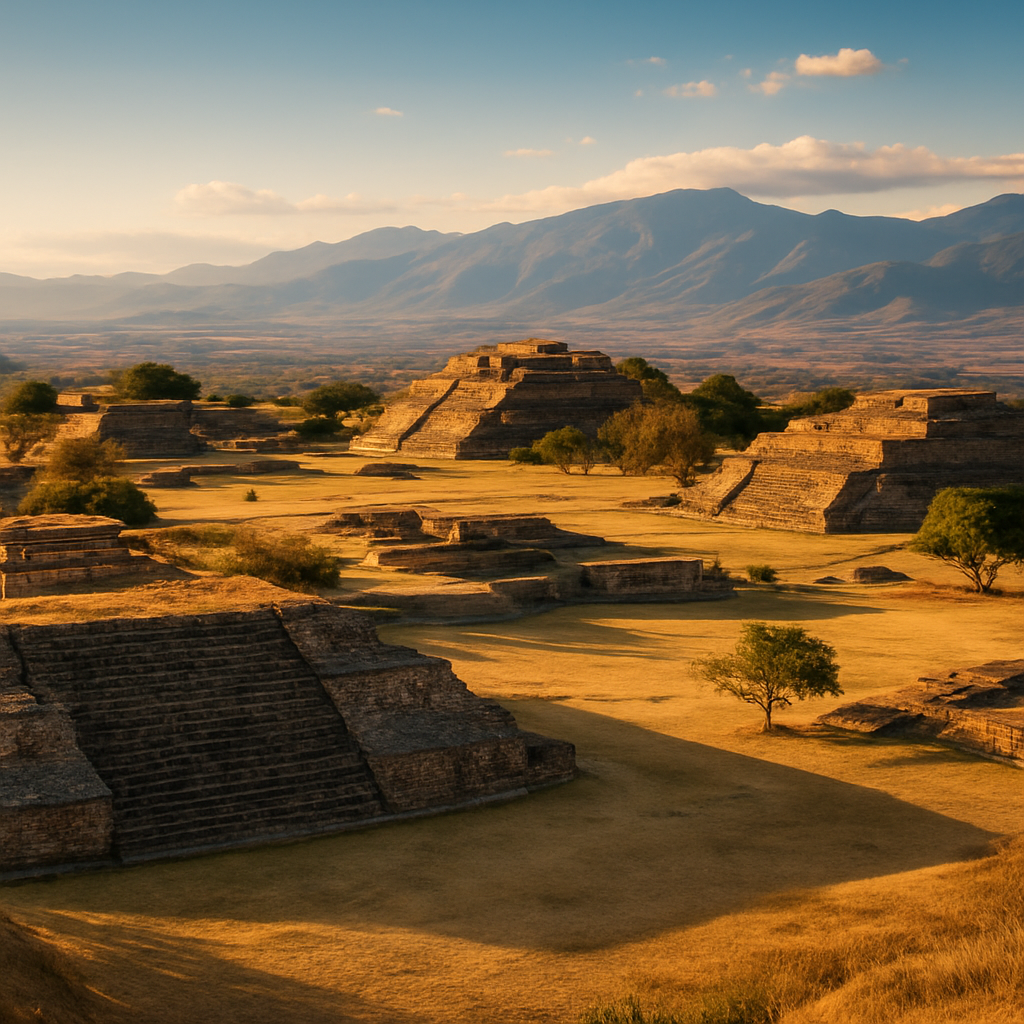
Monte Albán at Opening
Get there at 8am. Before the buses, before the lanyards, before the heat. Monte Albán is the former Zapotec capital, founded around 500 BCE, sitting on a leveled mountaintop with the Valley of Oaxaca falling away on every side, and the first hour of the day is when the place still belongs to itself.
Walk the Gran Plaza, find the Danzantes reliefs, climb Building J — the slanted one nobody fully understands. UNESCO listed it in 1987 for reasons that make obvious sense once the wind hits you up there. By the time the first tour groups arrive, you'll already be back at the Museo de las Culturas looking at the gold from Tomb 7 in town.
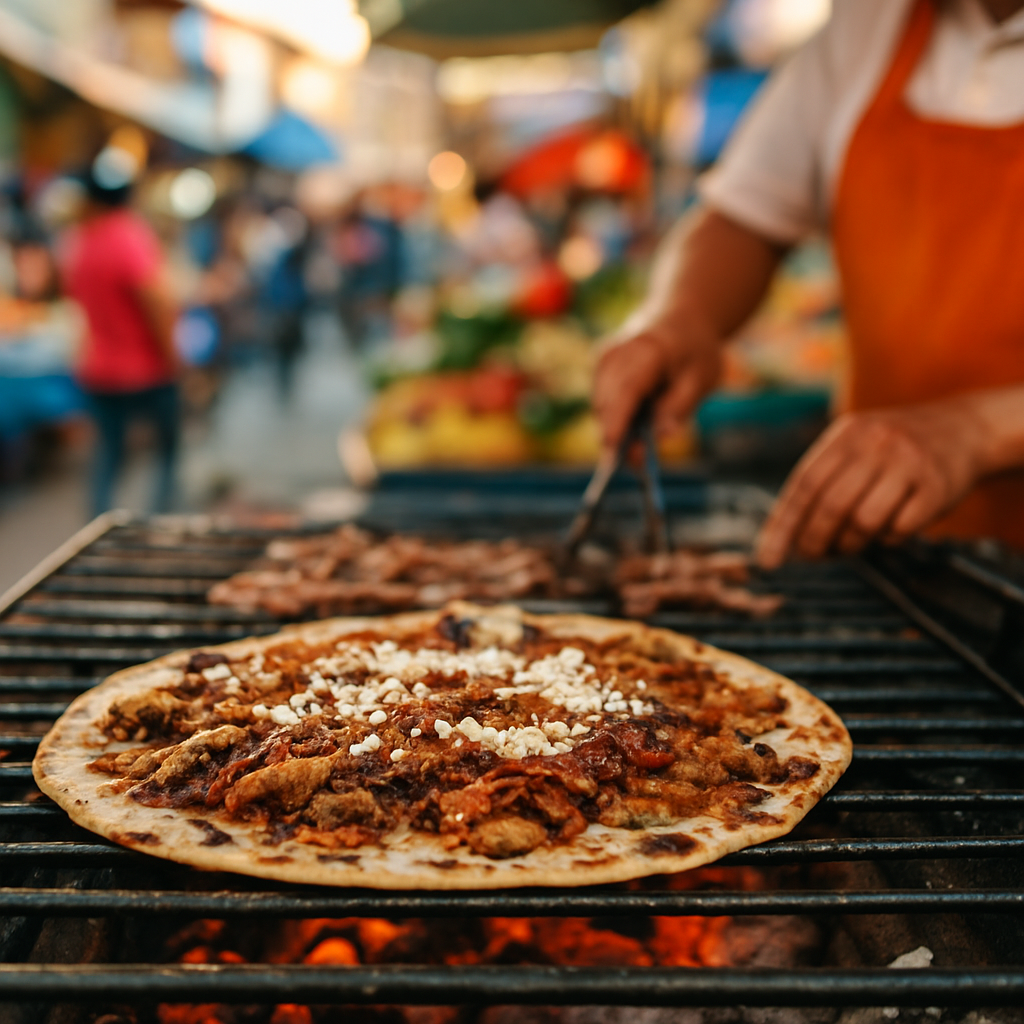
Eat Through the Pasillo de Humo
Walk into Mercado 20 de Noviembre, follow the smoke. The Pasillo de Humo — Smoke Hall — is a corridor of grilled-meat stalls where you point at a piece of tasajo, cecina enchilada, or chorizo, hand it to the woman with the comal, and watch it become lunch. Add tlayudas, memelas, fresh salsas, a stack of tortillas. This is the unfiltered version of the food everyone else cooks fancier upstairs.
Then walk one block to a doña selling tejate on the Zócalo edge — the pre-Hispanic cacao-and-corn drink that doubles as the morning-after cure. The whole sequence costs less than a single course at Criollo and tells you more about what Oaxaca actually eats.
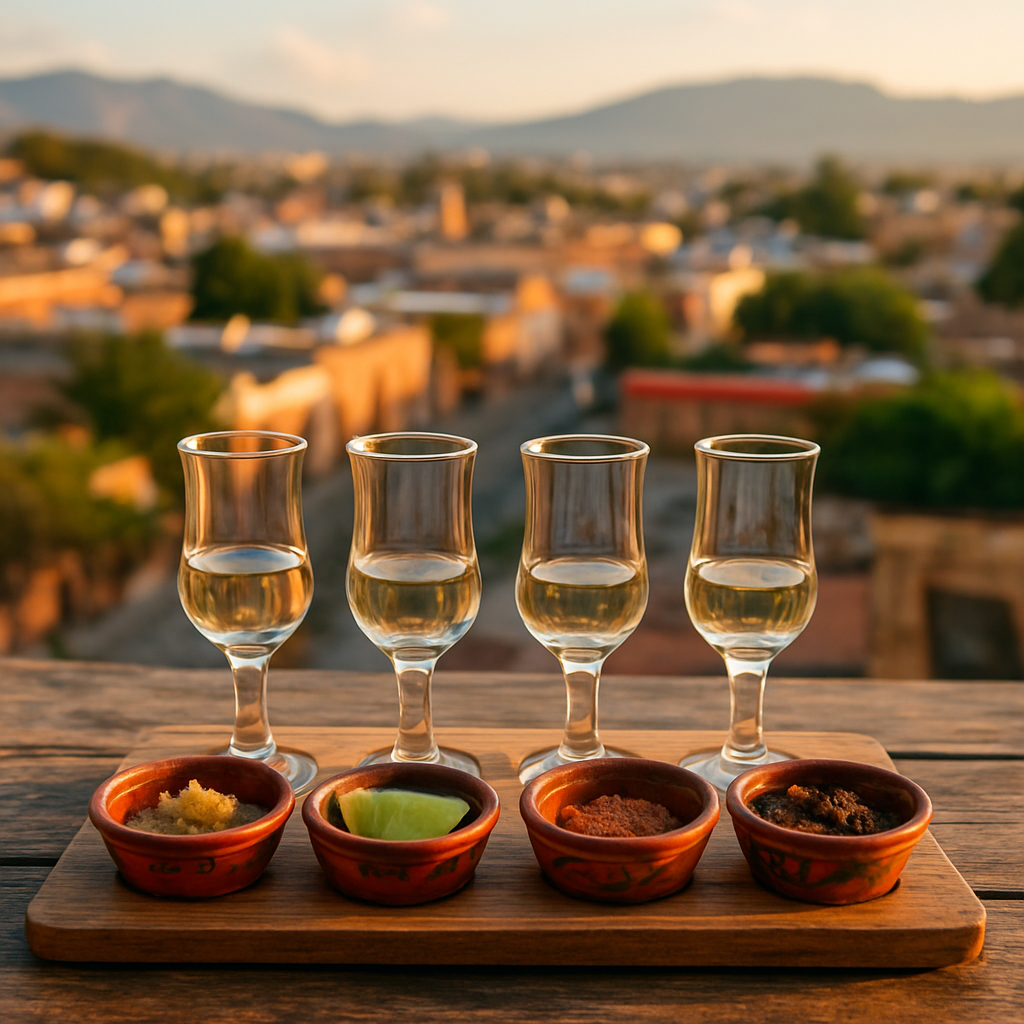
A Mezcal Tasting at Mezcaloteca
Book a day ahead — this is the mezcal education, not a walk-in bar. Mezcaloteca is appointment-only, founded to preserve ancestral production methods, and the staff will spend ninety minutes walking you through single-village mezcales you can't taste anywhere else on earth. It's a tasting room with the seriousness of a graduate seminar and none of the snobbery.
You'll leave knowing the difference between espadín and tobalá, why a clay-pot still changes the spirit, and which producer to ask for at every other bar in town for the rest of your trip. Mezcalogía on Reforma is the looser, walk-in version of the same education if Mezcaloteca's calendar is full.
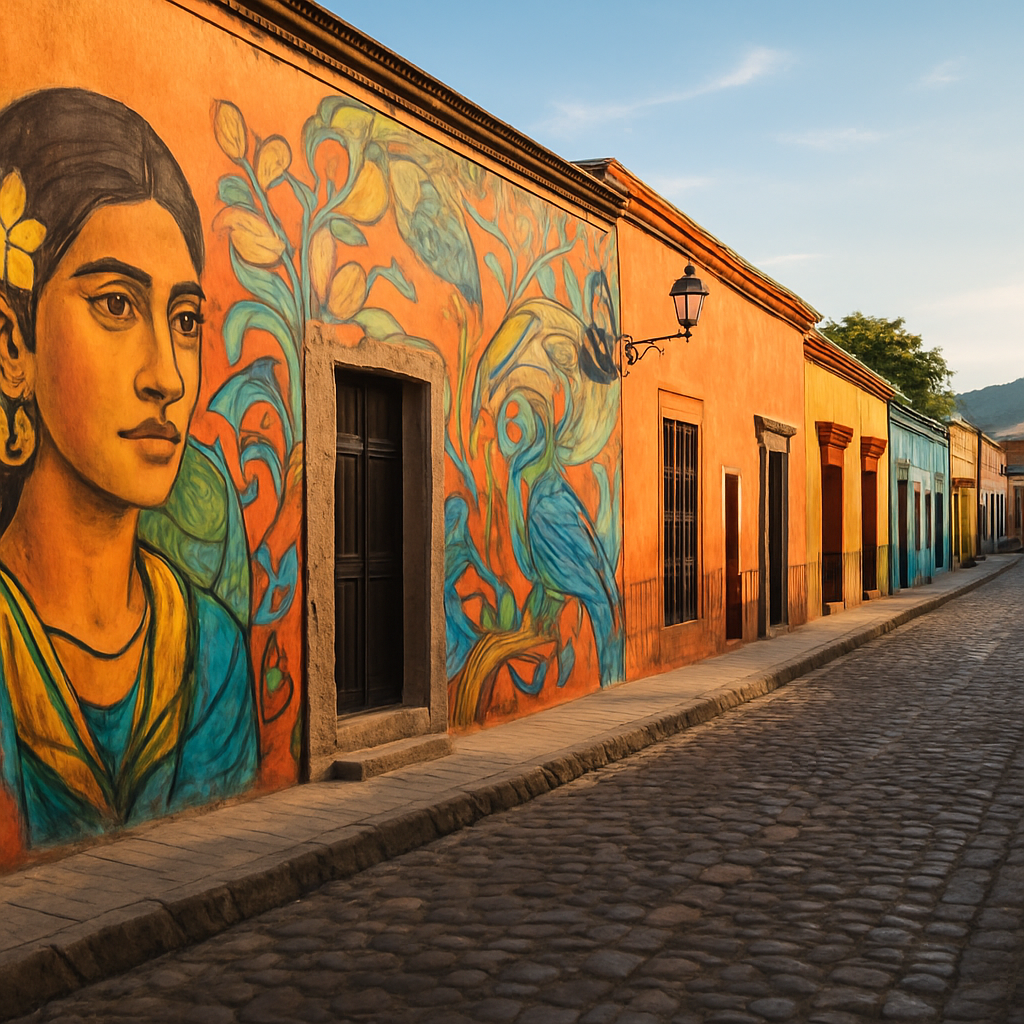
A Slow Afternoon in Jalatlaco
Cross the creek east of Centro and the city changes register. Jalatlaco is cobblestone, pastel, and quiet — low-rise colonial architecture, the Templo de San Matías Jalatlaco anchoring the main square, and a mural concentration that turns every alley into a wall text. The barrio became the city's creative district sometime around 2015 and has held the title without trying.
Independent cafés, mezcalerías, tiny galleries, the kind of bookshop where the owner argues with you about Bolaño. Walk slowly, sit longer than you planned, eat lunch wherever the patio looks right. Nobody is in a hurry, and within twenty minutes neither are you.
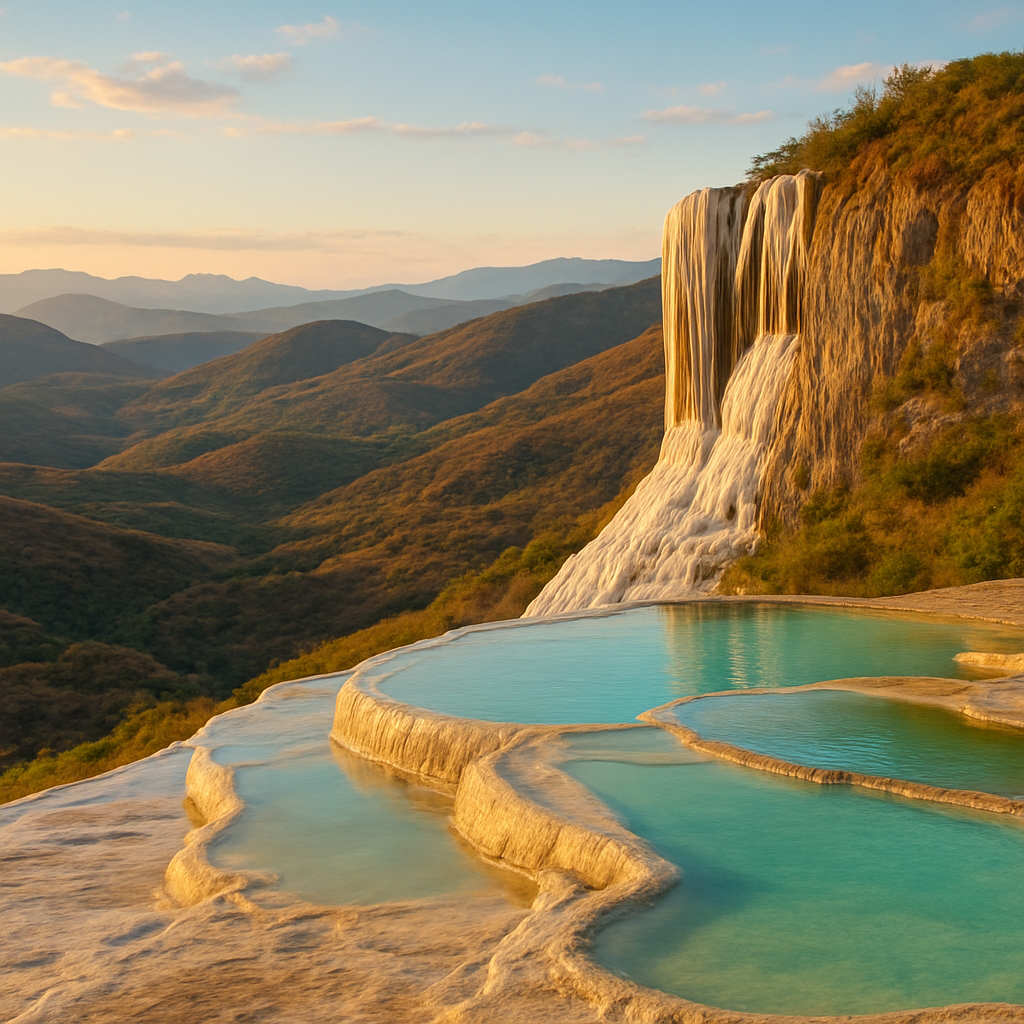
Hierve el Agua at Sunrise
Hire a private driver, leave Oaxaca in the dark, arrive before the tour buses. Hierve el Agua sits at roughly 1,800 meters elevation about 70 km east of the city — petrified-waterfall rock formations created over thousands of years by mineral-rich springs, with natural infinity pools cut into the cliff edge. The Sierra Norte rolls out for as far as you can see.
By 11am it becomes a queue. At 7am it's just you, the wind, and water that's been doing this since before any of us. Pair it with a stop at Teotitlán del Valle on the way back — the Zapotec weaving village where natural-dye wool rugs are still made on pedal looms in family workshops that have been running for generations.
The places I actually send people to
Advice that fits how you travel
Solo travel in Oaxaca is one of the easier sells I make. The city is walkable end to end in twenty minutes, the Centro is genuinely safe by day and reasonably safe past midnight, and the food culture is built around solo seats — counter stools at Suculenta, a single chair at the Pasillo de Humo, the long bar at Sabina Sabe where you'll end up in a conversation by your second mezcal whether you wanted one or not. Nobody here is going to make you feel weird for eating alone.
Meeting people is straightforward if you put yourself in the right rooms. Boulenc in the morning, Convivio in Jalatlaco mid-day, Sabina Sabe by 7pm — that's the daytime queer circuit and it works. Grindr is active in Centro and Reforma, thinning out past Xochimilco, and Privé Disco Bar and Bar 502 off the Andador are where actual locals dance. La Nueva Babel on Porfirio Díaz is the most reliably queer-mixed live-music room in town — get there before 10pm or stand.
Budget-wise, this is the rare design-forward Latin American city where solo travel is genuinely affordable. MXN 2,800–4,500 a day covers a moderate trip with a boutique hotel, mid-range dinners, and a cooking class or day tour. Pro tip: pace your copas. Oaxaca sits at roughly 1,550 meters, and the altitude-plus-mezcal math humbles people who think they can drink. Hydrate between rounds and your second day will thank you.
Oaxaca is one of the best couples cities I've covered, and I gave it a 9.4 on Destination for reasons that show up the minute you check into the right hotel. Same-sex couples will not have a single friction moment in Centro Histórico boutique properties — Casa Oaxaca, Otro Oaxaca, Hotel Escondido, Grana B&B all handle one-bed bookings the way they should be handled, which is without comment. Otro Oaxaca is adults-only, design-forward, and quietly built for honeymoon-grade weeks; Grana's rooftop pointed at Santo Domingo is the best mezcal-welcome view in town.
The romance infrastructure is built in. A tasting menu at Criollo, the rooftop at Pitiona at golden hour with the church lit up, a private appointment at Mezcaloteca where you'll spend ninety minutes learning how to taste — these aren't tourist gimmicks, they're the actual best version of a date night in Mexico. PDA on the Andador Macedonio Alcalá is a non-event, hand-holding through Jalatlaco draws zero attention, and the cobblestone walk between dinner and your hotel is the kind of thing couples remember a decade later.
For the slow-down day: hire a private driver, leave at sunrise for Hierve el Agua before the buses arrive, swing through Teotitlán del Valle on the way back to buy a wool rug directly from the family that wove it. That's the Oaxaca couples trip — quiet design hotel, two great meals a day, one big mezcal night, one valley drive, one rug you'll have for thirty years.
LGBTQ+ families are on solid legal ground in Oaxaca. As of 2026, same-sex marriage has been recognized statewide since 2019, joint adoption is legal, and federal anti-discrimination protections cover sexual orientation and gender identity — my Traven-Dex score of 9.5 on Legal reflects that ceiling. Two-mom and two-dad families generally check into Centro hotels without comment, and the city's tourism economy has made open hostility socially expensive in the neighborhoods you'll actually spend time in.
The kid-friendly itinerary writes itself. Monte Albán at opening hour — climb the pyramids, run the Gran Plaza, look out over the valley before the heat lands. The Jardín Etnobotánico next to Santo Domingo is a guided-tour-only garden that kids surprisingly love. Mercado 20 de Noviembre at lunch is sensory overload in the best way — the Pasillo de Humo grill smoke, the tlayuda stalls, the tejate ladies on the Zócalo edge. A weaving workshop in Teotitlán del Valle is the kind of hands-on day kids talk about later.
Practical logistics: cobblestones are the real enemy of strollers, so a soft carrier is your friend in Centro and a must in Jalatlaco. Most mid-range and boutique hotels can do a connecting room or family suite — ask when you book. Kid menus exist at the international-leaning spots like Boulenc, but honestly, quesadillas de quesillo are kid food in this country. Pro tip: the Guelaguetza festival in late July includes free community performances throughout the city that are entirely family-friendly and a thousand times better than any theme-park version of culture you've ever paid for.
What Oaxaca actually costs
Flights, visas, and the first 30 minutes
Airport: Aeropuerto Internacional de Oaxaca (OAX), about 8 km south of Centro Histórico. It's a small regional airport — quick to clear, easy to navigate, no terminal-shuffle stress.
Direct routes: Roughly 15 direct routes operate in and out of OAX, typically including daily flights from Mexico City (CDMX, 1h), Guadalajara (1h 45m), Monterrey (~2h), Tijuana, and Cancún via Aeroméxico, Volaris, and Viva Aerobus. Direct service from the U.S. typically runs from Houston (United) and Dallas (American), with Los Angeles and Chicago routes coming and going seasonally. From Europe, Asia, or Australia, plan to connect through CDMX — there's no direct intercontinental service.
Visa requirements (as of 2026): US, UK, EU, Canadian, and Australian passport holders typically don't need a visa for stays up to 180 days. You'll generally receive an FMM tourist permit on arrival — keep it with your passport, you'll need to surrender it on departure. Losing it means a fine and a trip to the immigration office, so guard it like a boarding pass.
Airport to city: The authorized taxi counter inside the terminal (Transportes Terrestres) sells fixed-rate tickets to Centro Histórico for MXN 250–350, 20–30 minutes. Skip the freelancers outside. A colectivo shared van runs MXN 100–150 with multiple drop-offs, 30–45 minutes — fine if you're not in a rush. Uber and Didi work but pickup at the airport can be restricted; meet drivers at the parking lot rather than the curb. Pre-booked private transfers run MXN 600–900 with English-speaking drivers. A rental car (MXN 800–1,500/day) is only worth it if you're doing multiple Valles Centrales day trips on your own — parking in Centro is genuinely a problem.
Pro tip: buy your authorized taxi ticket inside the terminal before you walk out. The fixed rate is published on the wall and the freelance hustle outside is the only friction point at OAX.
Traven's seasonal breakdown
The questions everyone asks
Is it safe to hold hands as a same-sex couple in Oaxaca?
Do I need to speak Spanish?
When is Pride in Oaxaca?
How much should I budget per day?
Do I need a visa?
What's the best month to visit?
Are the apps active here?
Screenshot this before you go
So should you actually go?
Go. I mean that with no qualification. Oaxaca is one of the most complete travel cities I've covered — design hotels that handle same-sex couples without comment, a food culture that runs from a market tlayuda to a Top Chef Mexico tasting menu without losing the plot, a queer presence woven through the daytime fabric of the Centro rather than corralled into a single street, and a legal floor that earns my Traven-Dex score of 9.5 on Legal. It's not a beach week and it's not a dance-floor week — it's a slow, intelligent, deeply nourishing seven days that LGBTQ+ travelers will leave already planning the return trip for. Bring a soft palate, an open afternoon, and a tolerance for cobblestones. The rest takes care of itself.
Sources & Resources
Official links we reference when compiling this guide. Last verified 2026-05-03.
- Censida (Centro Nacional para la Prevención y el Control del VIH y el Sida)
- Comisión Nacional de los Derechos Humanos (CNDH) — Diversidad Sexual
- Defensoría de los Derechos Humanos del Pueblo de Oaxaca
- Embassy of the United States — Mexico (LGBTQI+ traveler info)
- Letra S, Sida, Cultura y Vida Cotidiana
- Marcha del Orgullo LGBT+ Oaxaca (annual Pride)
- Servicios Universitarios y Redes de Conocimientos en Oaxaca (SURCO)