
Playa doesn't perform. It hands you a margarita on Quinta Avenida at sunset and lets the rest happen on its own.
Playa is what happens when Cancún's spring-breakers grow up, come out, and decide they want oat-milk cortados with their tequila. This is a scene city without the scene-city pretension — concentrated, walkable, and refreshingly uninterested in performing for itself. Tulum is for posing. Playa is for actually having a drink.
The whole city organizes itself around a four-kilometer pedestrian spine, and the gays figured out the math years ago. Calle 4 is the unofficial gay strip, three blocks of bars and clubs where Playa 69 has been the center of gravity for over a decade and where the Saturday drag shows are genuinely good. Walk five minutes in any direction from there and you hit the beach, the boutique hotels, the tasting-menu rooms on Calle 26, the late-night marquesita cart on Quinta and Calle 8 where the woman rolling crepes has been there approximately fifteen years and knows every drag queen in town by name. I gave it an 8.7 on Scene for exactly that reason — the density of it, in this small a footprint, is the whole pitch.
The seasonal personality shift is real. January through March is North American snowbird circuit-party energy, the apps lit like a Christmas tree, the Mamita's Sunday pool party fully populated by 1pm. September is almost entirely chilango and local — different city, same warmth, half the price. Either version works; you just need to know which one you're booking.
What earned the 8.6 overall isn't any single thing. It's the layered access. Same-sex marriage statewide since 2012, full equality nationwide as of 2026. A walkable scene that doesn't require you to drive home at 3am. Mayakoba's freshwater lagoons twenty minutes north when you want to disappear. Cozumel's reef forty-five minutes east when you want to escape the corridor entirely. Chichén Itzá at the end of a long drive west, which you should make at least once. Playa is the rare beach town that gives you the scene AND the staging — and doesn't make you choose.
The stuff your travel guide buries on page 47
Mexico legalized same-sex marriage nationwide as of 2022, and Quintana Roo got there a decade earlier — the state recognized same-sex marriage in 2012, and adoption rights followed. Comprehensive anti-discrimination protections are in place, and Mexico federally recognizes self-ID for legal gender change, with Quintana Roo amending its civil code in 2022 to allow administrative gender marker changes. On paper, this is one of the most progressive corners of Latin America. For the legal framework and rights resources, Letra S is the Mexican LGBT health and rights NGO worth bookmarking, and the U.S. Embassy Mexico LGBTQI+ traveler page covers entry-level practicalities.
U.S., U.K., E.U., Canadian, and Australian passport holders typically don't need a visa for stays up to 180 days — you'll get an FMM tourist permit on arrival. Don't lose it; you'll need it to leave the country. Cash is still king at the smaller bars on Calle 4 — Playa 69 and Bartola take cards, but the late-night taco stand that saves your life at 3am will not.
Practically, you can absolutely hold hands on Quinta Avenida and at the beach clubs along Mamita's. The further inland you go, into the colonias past Avenida 30, the more conservative things get — not hostile, just traditional Mexican family neighborhoods where two men kissing on a corner draws stares. Pro tip: ADO buses to Tulum and Cancún airport leave from the terminal on Calle 12 and Quinta — they're cleaner, faster, and gayer (somehow) than the colectivos. Buy tickets the day before in high season. For state-level info on Quintana Roo, the Quintana Roo State Government portal is the official source.
What it actually feels like on the ground
Holding hands on Quinta Avenida: Completely fine. PDA on the pedestrian stretch between Calle 4 and Calle 28 is unremarkable — same-sex couples are part of the daily texture here, and tourist density does the rest. Casual affection is accepted; full-on making out draws the same eye-rolls it would anywhere else.
Hotel check-in: Zero issues at the boutique hotels in Centro, the Playacar resorts, or the Mayakoba properties. Most international brands here have explicit LGBTQ+ inclusion policies, and the playense hospitality staff has seen everything twice. A king bed for two men is a non-event.
Taxis and Uber: Uber has been legal in Quintana Roo since 2023 but still operates in a legal gray zone — drivers will often ask you to ride up front so they look like a friend. Tip in cash. Authorized white-and-orange taxis are fine; avoid unmarked vehicles, especially at the airport.
Beaches and public spaces: The gay-friendly stretch of beach is just north of Mamita's Beach Club, around the wooden lifeguard tower. No flag, no signage — you'll just know when you see the speedos and the playlists. PDA is fine in Centro and on this beach section, but on the colectivo to Tulum or in a small inland taquería, read the room. Mexico isn't monolithic and Quintana Roo isn't San Francisco.
Late night on Calle 12 and Calle 4: The tourist police in white uniforms on Quinta are actually responsive and many speak English. The municipal cops can be more of a coin flip — if something happens, ask for the policía turística specifically. Drink-spiking has been an issue in some of the mixed straight clubs on Calle 12, less so in the dedicated LGBTQ+ spots. Watch your glass at Coco Bongo and Palazzo, relax a bit at Playa 69. For health services and HIV care if needed, Capasits Cancún is the regional HIV care center, and Yaaj México is the go-to for LGBT mental health resources.
Trans travelers: Self-ID is recognized at the federal and state level as of 2026, and trans travelers are generally safe in tourist zones along Quinta and the beach corridor. Mexico has elevated rates of anti-trans violence nationally, and trans women of color face higher risk in non-tourist areas — stick to Centro and the resort zones at night, and use authorized transport. Censida, Mexico's national HIV/AIDS program, is a federal-level resource.
Verbal harassment: Rare in tourist zones. The U.S. State Department maintains a Level 2 'Exercise Increased Caution' for Quintana Roo due to crime, but tourist areas of Playa del Carmen are heavily policed and recent isolated cartel-related incidents rarely affect visitors. Standard precautions apply — don't buy drugs from strangers, don't wander into unfamiliar neighborhoods at 4am, and you'll be fine.
The queer geography
Centro & Quinta Avenida
The four-kilometer pedestrian spine of Playa del Carmen runs parallel to the beach, and almost everything you came here for sits within a five-block radius of it. Quinta Avenida itself is where the marquesitas get rolled at carts after dark, where the Iglesia de Nuestra Señora del Carmen anchors the south end, and where the Portal Maya sculpture frames sunset photos at Parque Fundadores. Walk it slowly — the rhythm changes every two blocks, from cruise-ship souvenir stalls in the south to the quieter, more design-driven north end past Calle 26 where places like Chez Céline and Axiote have settled in. The LGBTQ+ scene clusters tight on Calle 4, the unofficial gay strip between Quinta and the beach, where Playa 69 has been the center of gravity for over a decade and Bartola handles the mezcal-and-cocktails crowd a block away. Calle 12 is the louder, mixed nightlife axis a few blocks north — La Santanera, Diablito Cha Cha Cha, and the Coco Bongo machine. For local LGBTQ+ community resources, the Centro Comunitario de Atención a la Diversidad Sexual serves the broader region from Cancún.
Zona Hotelera Norte & Mamita's Beach
North of the ferry pier, the city softens into a strip of beach clubs and boutique hotels where the sand widens and the daybeds multiply. Mamita's Beach Club has been operating on Playa Mamitas since 2002 — it survived the BPM Festival era and came out the other side as the cosmopolitan daytime anchor of the city. The gay-friendly section of beach is just past it, toward Wicky's Beach Club, which runs LGBTQ+ pool parties throughout high season. Get to Mamita's by noon on a Sunday — by 2pm the loungers are gone and you'll be paying tourist prices for a sliver of shade. The DJ usually starts around 1pm. Walk the coastline at golden hour and the whole stretch reads like a casting call; come at 8am with a coffee and you've got the Caribbean almost to yourself. The IGLTA directory tracks LGBTQ+-welcoming operators across the Riviera Maya if you're booking activities or stays.
Playacar
The gated resort community south of the ferry pier is its own kind of escape — wide streets, manicured fairways, a stretch of beach that feels less commercial than the Centro side. The all-inclusives here are international-clientele machines, and the architecture leans Mediterranean-meets-Mayan in a way that won't surprise anyone but does its job. Oh Lala!, the long-running French-Mediterranean spot from chef Eric Vasseur, is the dinner-on-the-sand reservation worth making. Playacar isn't where you'll find the scene — it's where you go to recover from it, then Uber back into Centro for the night.
Mayakoba
Twenty minutes north, the Mayakoba development is a different category entirely — a network of freshwater lagoons threading through mangroves, with five-star resorts (Rosewood, Banyan Tree, Andaz) connected by boat. This is the postcard version of the Riviera Maya: jungle, water, bird-call, stillness. Watch out for: the resorts here are essentially self-contained, so if you want any contact with Playa's actual gay nightlife, build in transport time. The Mayakoba bubble is glorious for a honeymoon and limiting for a scene weekend.
The experiences worth rearranging your itinerary for
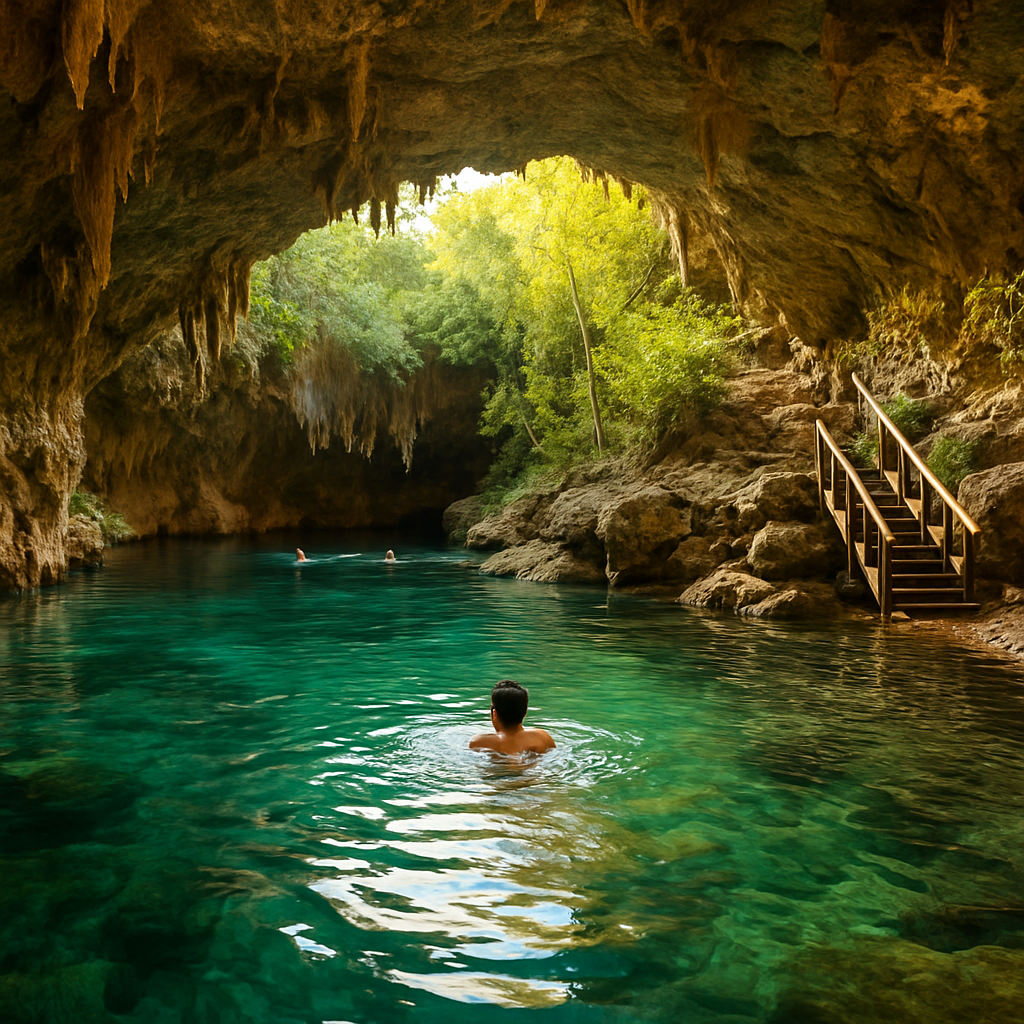
A Morning Swim at Cenote Chaak Tun
Ten minutes west of Centro, two cave cenotes drop into freshwater pools under stalactite ceilings — limestone caverns the Yucatán hides under itself. Guided tour and equipment rental are included, and the site is far less crowded than the famous cenotes near Tulum. Go early, before the tour buses, and you'll have the cathedral acoustics to yourself.
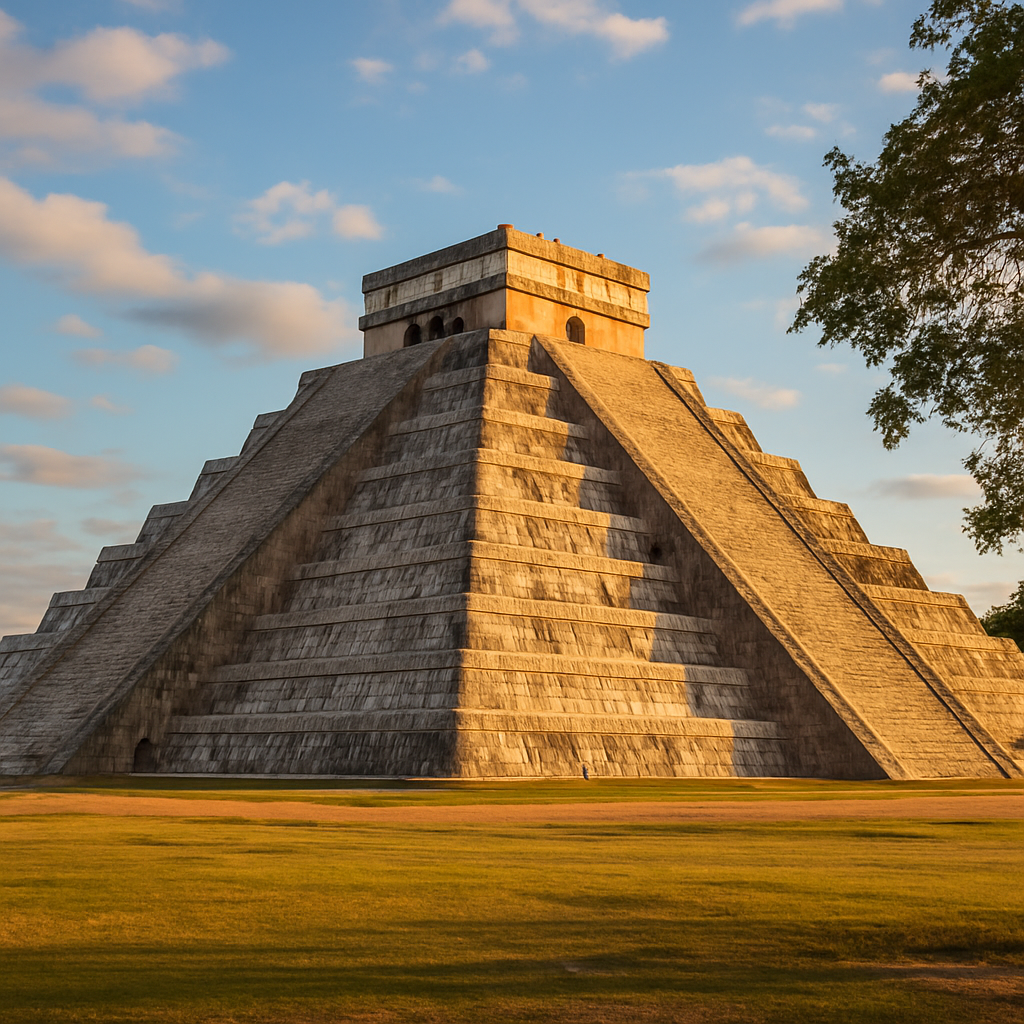
The Long Drive to Chichén Itzá
Approximately 180 km west into the Yucatán interior, the Temple of Kukulcán still does what UNESCO and the New Seven Wonders both confirmed — it stops you walking. Built between the 9th and 12th centuries, the pyramid scales the way only Mayan astronomy can scale. It's a long day from Playa, but skipping it when you're this close is a choice you'll regret.
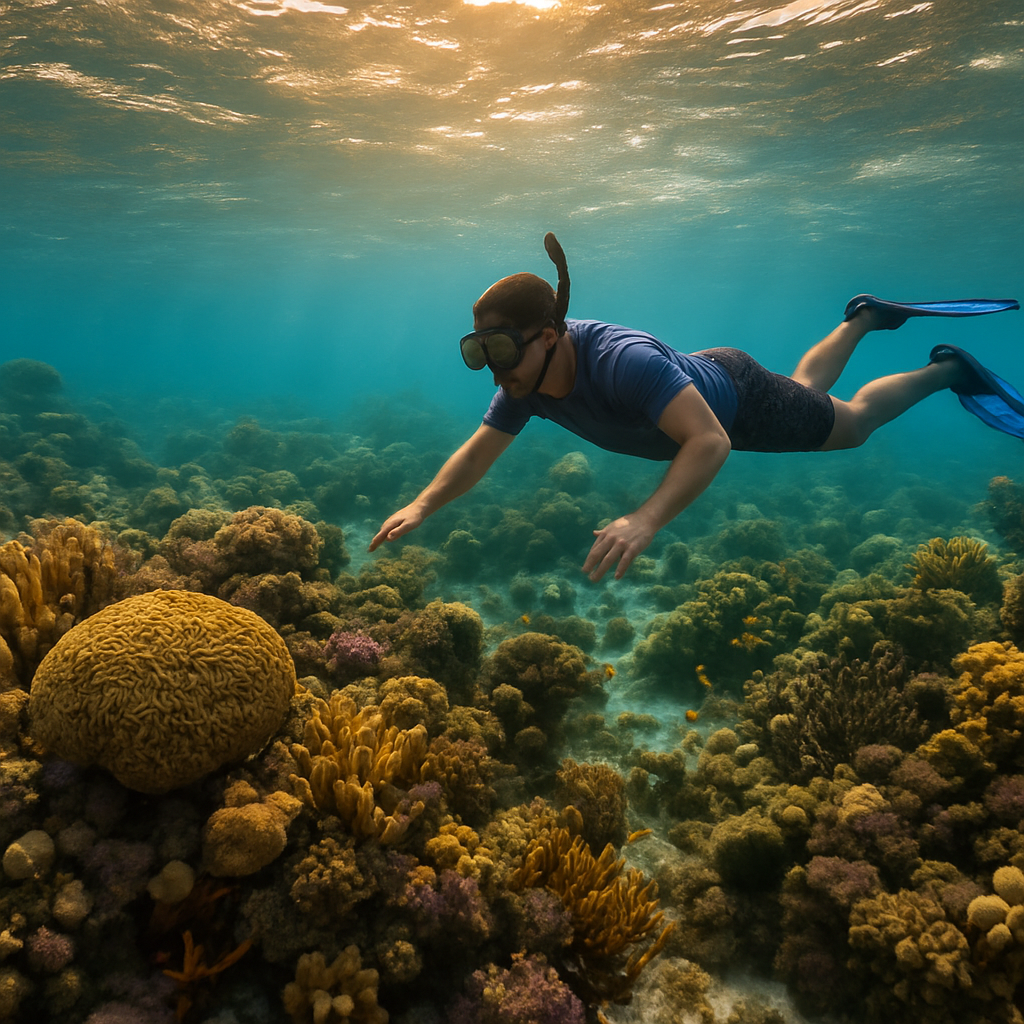
A Ferry Day in Cozumel
Forty-five minutes across the channel and you're on the island Jacques Cousteau put on the world's diving map in 1961. Snorkel the Mesoamerican Reef in the morning, rent a moped and ride the empty east coast in the afternoon, lunch at Coconuts before the last ferry back. The closest you'll get to escaping the Riviera Maya without actually leaving it.
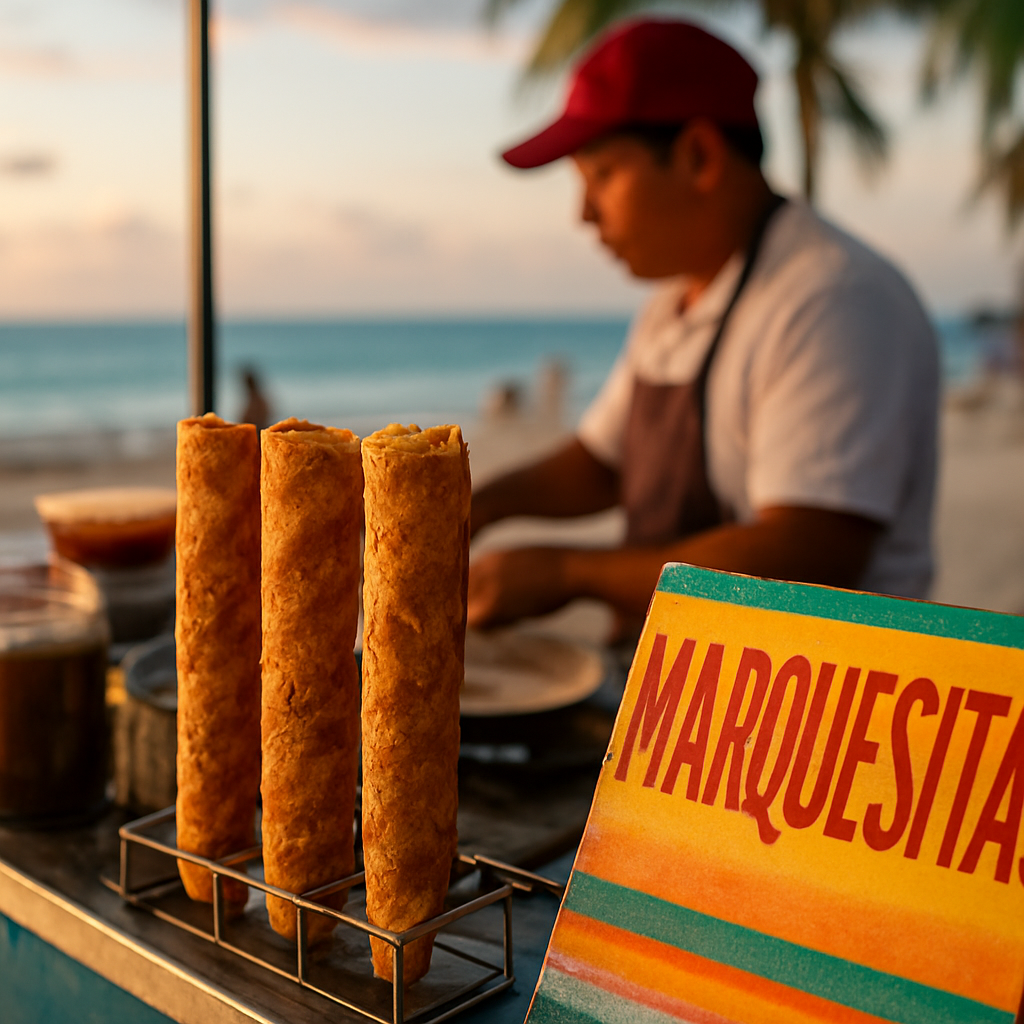
Marquesitas on Quinta Avenida
After dinner, work your way to the cart on Quinta and Calle 8 — crispy rolled crepes filled with Edam cheese and sweet toppings, the local late-night sweet that has nothing to do with the chains lining the avenue. Order the Nutella-and-Edam — yes, both, trust the process. The marquesita lady has been there approximately fifteen years and is part of the city's actual texture.
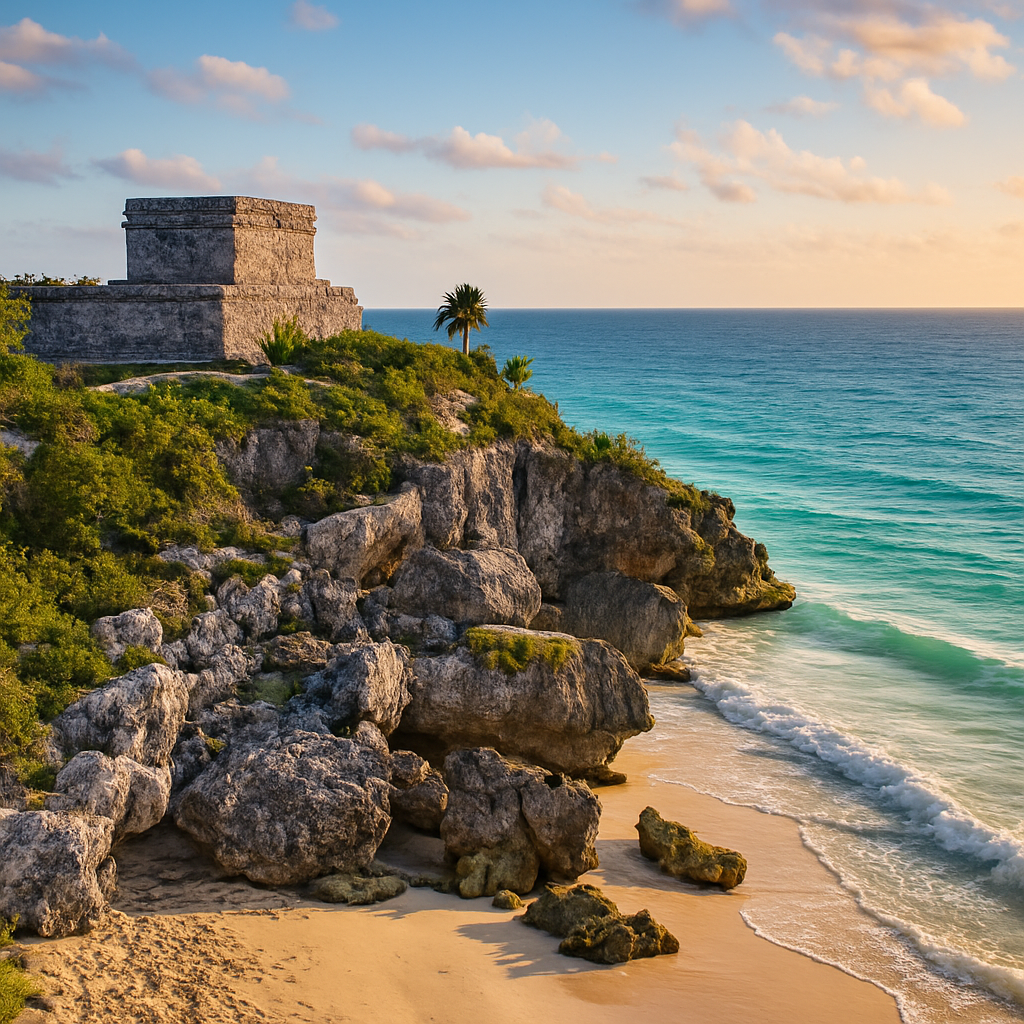
The Tulum Ruins at Sunrise
Approximately 65 km south, the Tulum Archaeological Zone sits on cliffs above the Caribbean — the only major Mayan site built on the coast. Get there at opening, before the crowds and the heat, and the iguanas have the place mostly to themselves. Pair it with a beach club lunch on the Tulum Hotel Zone road and you've got a full day worth the drive.
The places I actually send people to
Advice that fits how you travel
Playa is one of the easiest solo trips in the Caribbean, and the scene does most of the heavy lifting for you. Centro is small enough that by night three you'll recognize faces — the same crew rotates between Playa 69, Bartola, and whatever pool party Wicky's is running that weekend. Grindr and the apps light up like a Christmas tree from January through March, when the North American snowbirds descend and the circuit-party energy peaks. September is quieter, more chilango, more local — different city, same warmth.
Stay in Centro between Calles 10 and 20 and you can ditch transport entirely. Skip Playacar and Mayakoba unless you specifically want to disappear — solo, the bubble works against you. A boutique like Hotel Cacao or Be Playa puts you a five-minute walk from every gay bar worth visiting and the beach is right there. Budget MXN 3,200–5,000/day and you're living well; double that and you're living like a Rosewood guest who just doesn't know it yet.
Safety-wise, the tourist corridor is heavily policed and harassment is rare. The two things to actually watch: don't accept open drinks from strangers in the mixed Calle 12 clubs, and use Uber or authorized white-and-orange taxis — never an unmarked car. Pro tip: the marquesita lady on Quinta and Calle 8 has been there for fifteen years and knows every drag queen in town by name. Order the Nutella-and-Edam — yes, both, trust the process.
This is honeymoon territory and it's not subtle about it. Same-sex couples can hold hands the entire length of Quinta Avenida, share a daybed at Mamita's, and check into a king room at any of the international brands without a second glance. Mexico legalized same-sex marriage nationwide as of 2022 and Quintana Roo got there in 2012 — the legal framework is settled and the hospitality staff has seen everything twice.
For the romance set-piece weekend: book Rosewood Mayakoba or Banyan Tree Mayakoba, ride the lagoon boat between your villa and dinner, and don't leave the property for at least 48 hours. For something less hermetic, the Thompson on Calle 12 puts you in walking distance of the scene with a rooftop pool and ocean views. Dinner at Aldea Corazón in its open-air jungle garden is the locked-in romantic move on Quinta; Oh Lala! on the Playacar sand is the white-tablecloth version. Sunset cocktails at Coco Maya, late drinks at Bartola, then walk home along the beach.
Build in one shared adventure beyond the resort — the early ferry to Cozumel for a day of diving the Mesoamerican Reef, or a cenote swim at Chaak Tun ten minutes inland. Pro tip: if you're staying in Mayakoba and want any contact with Playa's actual gay nightlife, build in 25-minute transport time each way. The bubble is glorious for honeymoons and limiting for scene weekends — pick your weapon.
LGBTQ+ families are fully recognized under Mexican law as of 2026 — same-sex adoption is legal in Quintana Roo and your family structure won't raise an eyebrow at hotel check-in or a pediatric clinic. The Riviera Maya has been hosting two-dad and two-mom families for years; the all-inclusives are particularly fluent in it, and the international clientele at the Mayakoba properties and Hotel Xcaret México means your kids will hear three languages at the breakfast buffet.
For families, the resort zones earn their reputation. Hotel Xcaret México includes admission to the entire Xcaret park system — underground rivers, eco-archaeological park, water park — and is genuinely built for kids. Andaz Mayakoba and Rosewood Mayakoba have strong kids' programming and the lagoon-and-mangrove setting keeps everyone entertained without screens. Centro works too if you want walkability over poolside service — just skip the Calle 12 nightlife radius for accommodation.
Day trips do the heavy lifting. Chichén Itzá is a long day (180 km west) but the Temple of Kukulcán is the real thing and worth the drive. Cozumel by ferry is easier — 45 minutes across, a day of snorkeling on the reef, back by sunset. Cenote swims at Chaak Tun are kid-magic and ten minutes from town. Watch out for: sargassum seaweed peaks May through August and can pile up on the beach overnight — check the daily sargassum reports if you're planning a beach-heavy trip with kids, and consider Mayakoba's lagoons as a backup. November through April is the sweet spot for family travel here, no question.
What Playa del Carmen actually costs
Flights, visas, and the first 30 minutes
Airport: Cancún International (CUN) is the gateway — Playa del Carmen doesn't have its own commercial airport. CUN sits about 55 km north on Highway 307, roughly an hour's drive depending on traffic and which terminal you land in. With approximately 100 direct routes from across North America, Europe, and Latin America, getting here from a major hub is rarely a hassle.
Visa requirements (as of 2026): U.S., U.K., E.U., Canadian, and Australian passport holders typically don't need a visa for stays up to 180 days. You'll generally be issued an FMM tourist permit on arrival — keep it somewhere you won't lose it, because you'll need to surrender it on departure. Lose it and you're paying a replacement fee at the airport, which is exactly the kind of errand you don't want on your last morning.
Getting from CUN to Playa: Five solid options. The ADO bus is the budget pick — direct service from the CUN terminals to the ADO station downtown, MXN 280–360, 60–75 minutes, air-conditioned and reliable. Pre-booked private shuttles run MXN 1,400–2,400, door-to-door, English-speaking drivers, and are worth it if you're landing late or with luggage. Authorized airport taxis are MXN 2,200–2,800 — only use the official ones inside the terminal, never an unmarked car at the curb. Uber has been legal in Quintana Roo since 2023 and runs MXN 900–1,400 from CUN; the pickup zone is outside the terminal and drivers will sometimes ask you to ride up front to keep things low-profile. Rental cars run MXN 600–1,200/day plus mandatory Mexican liability insurance — useful if you're planning cenote day trips, overkill if you're staying in Centro.
Pro tip: If you're arriving on a Friday or Saturday night in high season, pre-book the shuttle. The taxi line at CUN after 9pm is its own special circle of hell.
Traven's seasonal breakdown
The questions everyone asks
Is it safe for same-sex couples to hold hands in Playa del Carmen?
Do I need to speak Spanish?
When is Playa Pride and is it worth timing a trip around?
How much should I budget per day?
Is Uber legal and safe in Playa?
Should I worry about cartel violence or the State Department advisory?
Mayakoba or Centro — where should I stay?
Screenshot this before you go
So should you actually go?
Go. Playa is one of the most accessible gay beach destinations in the Western Hemisphere right now — full legal equality as of 2026, a tight walkable scene clustered on Calle 4, and the kind of infrastructure that lets LGBTQ+ travelers exhale the moment they land. Stay in Centro between Calles 10 and 20 if you want the scene, Mayakoba if you want the honeymoon, and don't try to do both in three days. The 6.8 on Pulse reflects Mexico's ambient context, not tourist Playa specifically — use authorized transport, watch your glass on Calle 12, and you'll be fine. This is a city that earns its 8.6, and there's no version of this trip you'll regret booking.
Sources & Resources
Official links we reference when compiling this guide. Last verified 2026-05-03.
- Capasits Cancún (HIV care center)
- Censida (National HIV/AIDS Program)
- Centro Comunitario de Atención a la Diversidad Sexual (CCADS) — Cancún
- IGLTA — International LGBTQ+ Travel Association (Mexico)
- Letra S — Mexican LGBT Health & Rights NGO
- Quintana Roo State Government
- U.S. Embassy Mexico — LGBTQI+ Traveler Information
- Yaaj México (LGBT Mental Health)