
Auckland doesn't announce itself — it just hands you a flat white, points you toward K Road, and lets you figure out the rest.
Karangahape Road on a Tuesday night is a lesson in what happens when a city stops trying to build a gay village and just lets one grow. Drag bars sit next to ramen joints. A vintage shop shares a wall with a sex store. Family Bar has a line at 10pm on a weeknight, and the queens at Caluzzi are delivering performances so technically sharp they'd headline in Melbourne — except here, the room holds maybe sixty people and you're close enough to catch a false eyelash. This is not a curated experience. It's gloriously chaotic, and it works precisely because nobody's managing the brand.
What surprised me most about Auckland is how the takatāpui movement — that's the reclaimed Māori term for Indigenous queer identity — has genuinely reshaped the scene from the inside. You'll hear te reo Māori woven into Pride events, see tikanga practiced in community spaces, and encounter a queer culture that feels rooted in something older and more specific than the imported template from San Francisco or London. It's not performative. It's structural. And it gives Auckland's LGBTQ+ life a texture I haven't found anywhere else in the Pacific.
The city sprawls — Auckland is not a walker's paradise outside the inner core — but the corridor that matters runs from Ponsonby Road through Grey Lynn and up the ridge to K Road, and within that strip you've got everything: brunch spots with rainbow stickers so faded they've been there since the '90s, St Kevin's Arcade buzzing with arts gossip over flat whites, Eagle Bar's back deck on a warm evening, and Western Park up on the hill with its layers of queer history written into the grass. My Traven-Dex of 8.7 reflects a city that earns it through substance rather than spectacle — a perfect 10.0 on Legal, a scene that keeps delivering at 8.2, and a destination score of 8.7 that accounts for the fact that this city also happens to sit between volcanic islands and black-sand surf beaches.
Don't sleep on the weeknight drag shows at Caluzzi — the Friday crowd is tourists, but Tuesday is locals, and the quality is identical while the energy is dramatically better. New Zealand queens are technically excellent and absolutely savage with crowd work. And if your trip hits February, the Big Gay Out at Coyle Park is one of the best free outdoor community events in the Southern Hemisphere. Bring a picnic. Arrive before noon. Wear jandals. You'll understand this city in about three hours.
The stuff your travel guide buries on page 47
Legal framework: As of 2026, New Zealand has full marriage equality (since 2013), legal same-sex adoption, comprehensive anti-discrimination protections under the Human Rights Act 1993 covering sexual orientation, and self-identification for gender markers on official documents (introduced 2023). The Conversion Practices Prohibition Legislation Act bans conversion therapy nationwide. No LGBTQ+-specific travel advisories are issued by any major government for New Zealand. This is a 10 on my Legal score — it doesn't get more complete than this. For the latest on legal protections, the NZ Government's Rainbow Communities page is the primary resource.
Cultural reality: The law and the lived experience are closely aligned in Auckland's inner suburbs. Ponsonby, Grey Lynn, and Karangahape Road are deeply progressive, with queer visibility so normalised it's genuinely unremarkable. Auckland CBD is cosmopolitan and tolerant. The beaches — Mission Bay, St Heliers, Takapuna — skew family-oriented and broadly accepting, though Takapuna on the North Shore trends slightly more conservative. South and West Auckland suburbs are more socially conservative, with working-class and Pacific Island communities that hold more traditional values — visible PDA may draw attention in these areas. Rural areas around the Waitākere Ranges are generally safe for day trips but culturally traditional; discretion in small townships is advisable.
PDA comfort: On K Road and Ponsonby Road, same-sex PDA is entirely unremarkable — very high comfort. The CBD, Viaduct Harbour, Wynyard Quarter, Parnell, and Newmarket all rate high. Beaches are moderate-to-high depending on which one. The further you get from the inner city — particularly into South Auckland — the more you'll want to read the room. This isn't danger, it's awareness.
Practical geography note: Auckland sprawls aggressively, and the LGBTQ+ action is concentrated in a very specific corridor — K Road to Ponsonby. Base yourself in Mt Eden, Grey Lynn, or Ponsonby itself unless you enjoy expensive Ubers from the waterfront hotel district at 2am. The Big Gay Out in February at Coyle Park is genuinely one of the best free outdoor queer events in the Southern Hemisphere — BYO picnic supplies, arrive before noon to get grass, and know that the Pt Chevalier location means you'll want a rideshare rather than public transit. Auckland Pride runs through February and March — check their site for the current year's parade route, as it has historically shifted.
What it actually feels like on the ground
Holding hands: On K Road and Ponsonby Road — completely fine, any time of day or night. This is Auckland's queer heartland and nobody blinks. In the CBD along Queen Street, comfortable during the day and evening; occasional drunk friction very late at night but rare. At the waterfront (Viaduct Harbour, Wynyard Quarter) — relaxed and welcoming. In South or West Auckland suburbs, exercise judgment — you likely won't encounter trouble, but the social temperature is different from the inner city.
Hotel check-in: Zero issues anywhere in Auckland. New Zealand's anti-discrimination protections are comprehensive, and hotel staff across the price spectrum treat same-sex couples as routine. No one will question a shared bed or pronoun preferences.
Taxis and rideshares: Uber and local taxi services are straightforward. Drivers in Auckland are accustomed to picking up couples and groups from K Road's gay bars — this isn't a city where you need to perform straightness in the back seat. Pro tip: the blocks between K Road and the CBD get quieter and less monitored after midnight, so use a rideshare rather than walking the transition zone late.
Beaches and public spaces: Mission Bay and the eastern beaches are comfortable for queer couples. Takapuna on the North Shore skews slightly more conservative but still generally accepting. Piha Beach on the west coast is a public beach with no issues, though the surrounding area is rural — keep to the beach and trails rather than lingering in the small township if you want to avoid curious looks.
Late night: K Road is genuinely safe during bar hours — it's a known queer precinct and the nighttime foot traffic provides safety in numbers. Last drinks are typically 3am, and the city shuts down with impressive decisiveness at that point. Have your after-plans sorted before midnight or you'll be standing on K Road eating late-night dumplings wondering what happened. Stick to the lit strip or rideshare — don't wander into Western Park alone after dark.
Trans travelers: New Zealand introduced self-identification for gender markers in 2023, and Auckland's trans community is visible with active advocacy groups and affirming healthcare. Gender Minorities Aotearoa is a key resource. Inner-city Auckland — particularly K Road — is broadly welcoming. Some Pacific faith communities and rural areas hold more conservative views on gender presentation, but inner Auckland is one of the better places in the Asia-Pacific region for trans visibility.
Verbal harassment risk: Low in the inner city. Occasional incidents reported late at night in the CBD from intoxicated people, but this is generic street behaviour rather than targeted anti-LGBTQ+ aggression. South Auckland and some outer suburbs carry slightly higher risk for visible queer or gender-nonconforming people — not dangerous, but more likely to attract comments. If you need support, Outline NZ runs a free LGBTQ+ phone and online support line staffed by trained volunteers specifically oriented toward the Aotearoa context.
The queer geography
Karangahape Road (K' Road)
This is it. Auckland's queer nerve centre, formally recognised for its LGBTQ+ cultural heritage by Auckland Council, with a documented community presence dating to at least the 1980s. K Road runs along a ridge above the CBD and packs the city's gay bars, drag venues, and LGBTQ+-oriented businesses into a walkable strip. Family Bar is the anchor — it's been there through every wave of Auckland nightlife and it's the place to start any night, get your bearings, and ask the bartender where the after-party is, because they will know. Eagle Bar draws the leather and bear crowd with a genuinely relaxed no-attitude energy — the back deck on a warm Auckland evening is one of K Road's quieter pleasures. Caluzzi Bar & Cabaret runs drag shows in a tiny room where you're never more than five metres from the performer. Urge Bar and Whammy Bar round out the strip alongside The Wine Cellar, a below-street-level live music venue that's been part of the alternative scene for over two decades.
For daytime, St Kevin's Arcade — a heritage Art Deco arcade midway along K Road — houses indie cafés with rainbow stickers on the door and regulars who've been coming for years. This is where you overhear conversations about Pride committee drama and local arts gossip in equal measure. Western Park sits on the ridgeline connecting K Road to Ponsonby, with documented historical significance as a social gathering place for Auckland's gay community since at least the 1970s.
Ponsonby
Ponsonby Road is the daytime counterpart to K Road's nightlife — an affluent, historically LGBTQ+-associated strip of brunch spots, independent boutiques, and long-running institutions. SPQR Cafe & Bar has been here since 1993 with its European-style footpath seating. Non Solo Pizza has held its corner since the early '90s. Orphans Kitchen handles the ethical fine-casual register. The Verandahs guesthouse sits right on Ponsonby Road and has appeared in LGBTQ+ travel guides for years. This neighbourhood doesn't have the late-night edge of K Road, but it has the brunch-to-wine-bar arc that makes a perfect queer Saturday before heading uphill.
Grey Lynn
Just west of Ponsonby, Grey Lynn is the residential suburb where many of Auckland's queer residents actually live. Less flashy, more lived-in — excellent independent cafés, progressive community feel, and a strong sense of belonging without any of the performance. It's a great base for travellers who want proximity to K Road and Ponsonby without the foot traffic.
Britomart & Viaduct Harbour
Auckland's waterfront precinct — Britomart is a heritage-redeveloped dining and retail zone where Hotel Britomart and Cafe Hanoi sit alongside design shops and creative businesses. Viaduct Harbour and Wynyard Quarter are the tourist and dining hubs with harbour views. Not queer-specific, but cosmopolitan and completely comfortable. The disconnect is that it's a 15-minute Uber from K Road at 2am — great for daytime dining, less ideal as a nightlife base.
OutLine Aotearoa provides comprehensive information about LGBTQ+ services, social venues, and community support throughout Auckland. OutLine Aotearoa community resources.
Rainbow Youth maintains a directory of LGBTQ+ spaces, youth programs, and community resources in the greater Auckland area. Rainbow Youth community directory.
Use Eventfinda to search for LGBTQ+ parties, performances, and community events happening across Auckland throughout the year. Eventfinda entertainment guide.
The experiences worth rearranging your itinerary for
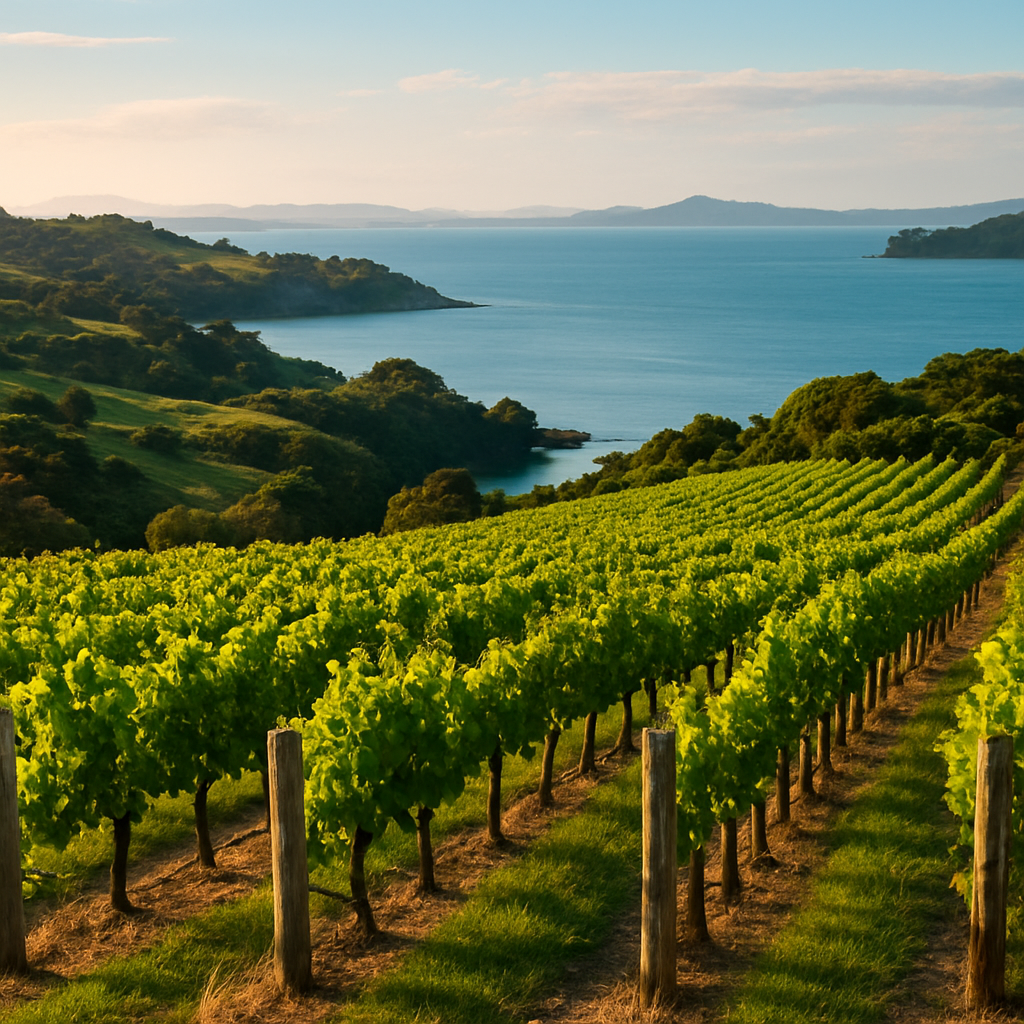
Waiheke Island Wine Trail
A 35-minute ferry from downtown Auckland drops you onto an island with over 30 wineries, olive groves, and beaches that look like they were art-directed for a magazine cover. The wine is genuinely world-class — Waiheke syrah and bordeaux-style reds compete internationally — and the format is perfect: hop between cellar doors on foot or by shuttle, eat lunch overlooking the Hauraki Gulf, and catch the late ferry back slightly sunburned and very happy. The arts community here is real, the food is seasonal and local, and the pace makes Auckland feel like it's on another planet.
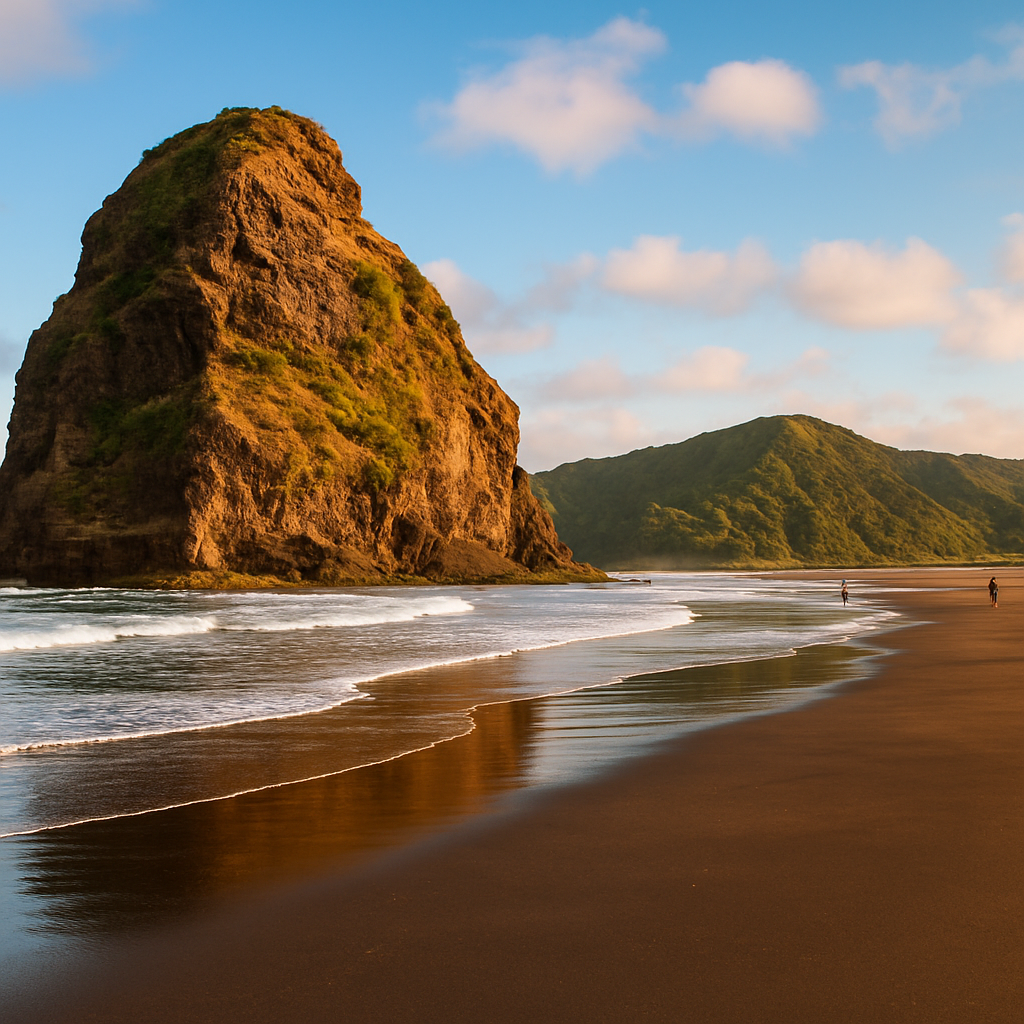
Piha Beach and Waitākere Ranges
Piha is 40km from the CBD but feels like another world — volcanic black iron sand, towering Lion Rock splitting the beach in half, and surf that demands respect. The drive through the Waitākere Ranges is half the experience: native bush so dense the light turns green, waterfalls you can hear from the road, and trails that plunge down through nikau palms to the coast. Come for the drama. The sand stains everything black and the water is cold even in January, but standing on that beach with the Tasman Sea throwing waves at your feet is one of the most visceral things you'll do in New Zealand.
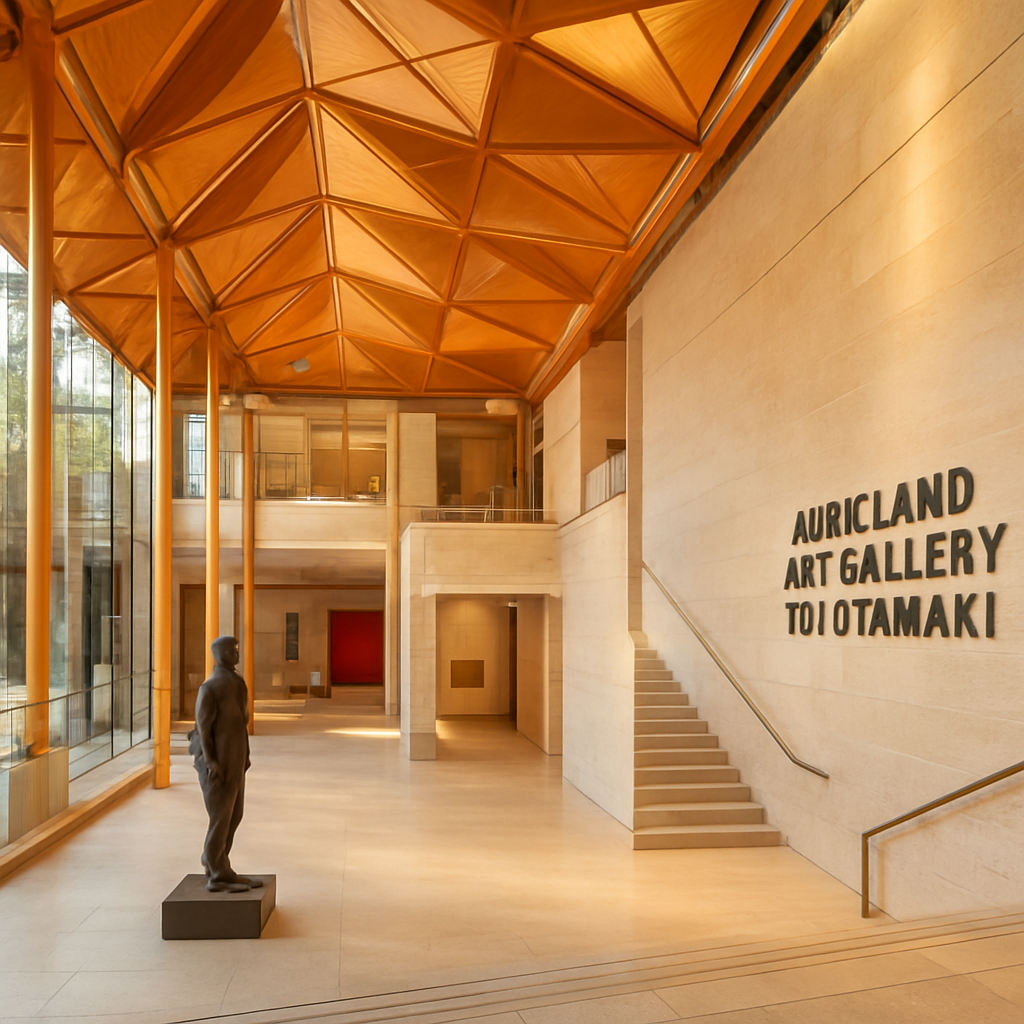
Auckland Art Gallery Toi o Tāmaki
New Zealand's largest art gallery sits in a heritage building on Wellesley Street, and the permanent collection — free to enter — spans Māori and Pacific art through to contemporary New Zealand work. The takatāpui-relevant works and queer New Zealand artists in the collection offer a perspective on identity and history you won't encounter in Northern Hemisphere institutions. Budget an hour even if museums aren't your thing. The building itself, with its French Renaissance revival facade and modern atrium extension, is worth the walk through the door.
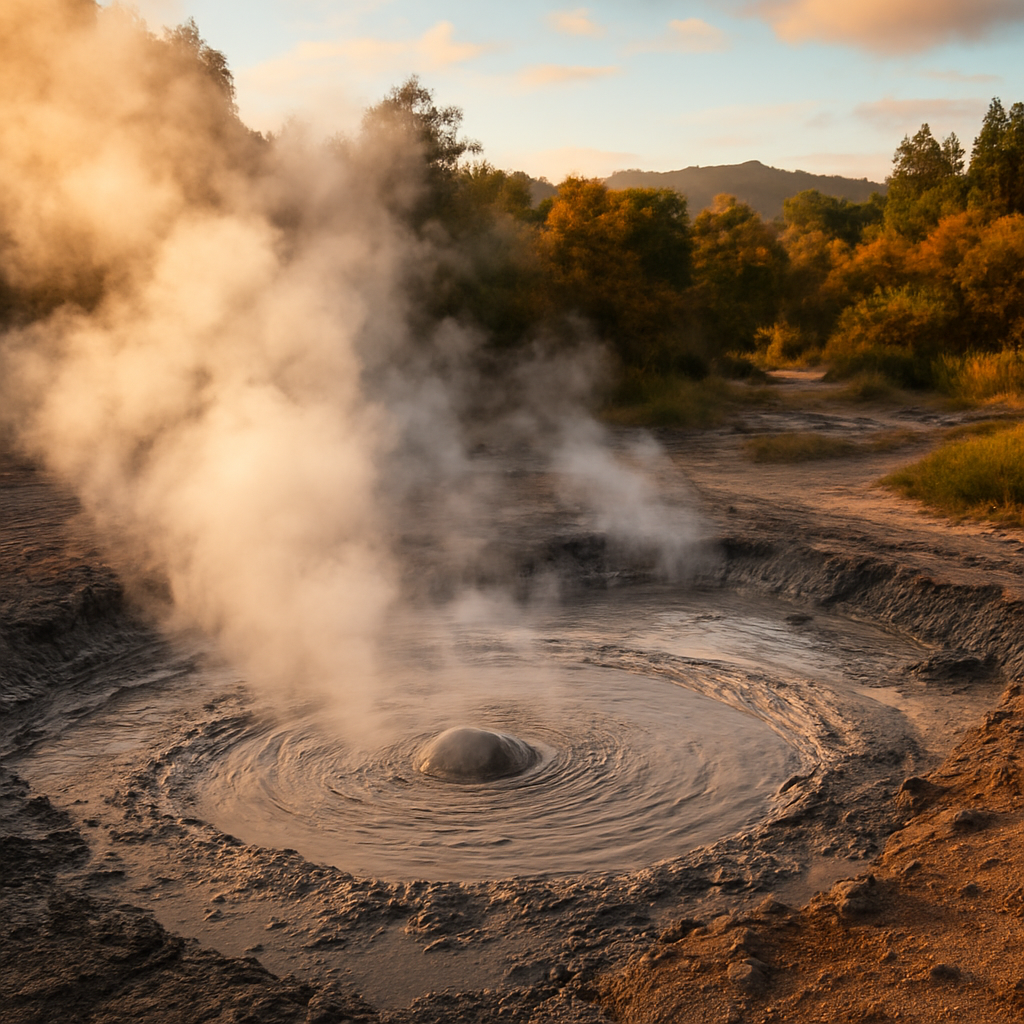
Rotorua Geothermal and Māori Cultural Experience
About three hours south of Auckland, Rotorua smells like sulfur before you see it — and then you see it: mud pools bubbling, geysers erupting on schedule, and steam rising from cracks in suburban footpaths. This is a centre of Te Arawa Māori culture, and the cultural performances and hangi feasts (food slow-cooked underground in geothermal heat) are unlike anything else in New Zealand. Māori-led tourism operators here actively discuss takatāpui identity within their cultural programming, offering a lens on indigenous queer history that reframes everything you thought you knew about the Pacific.
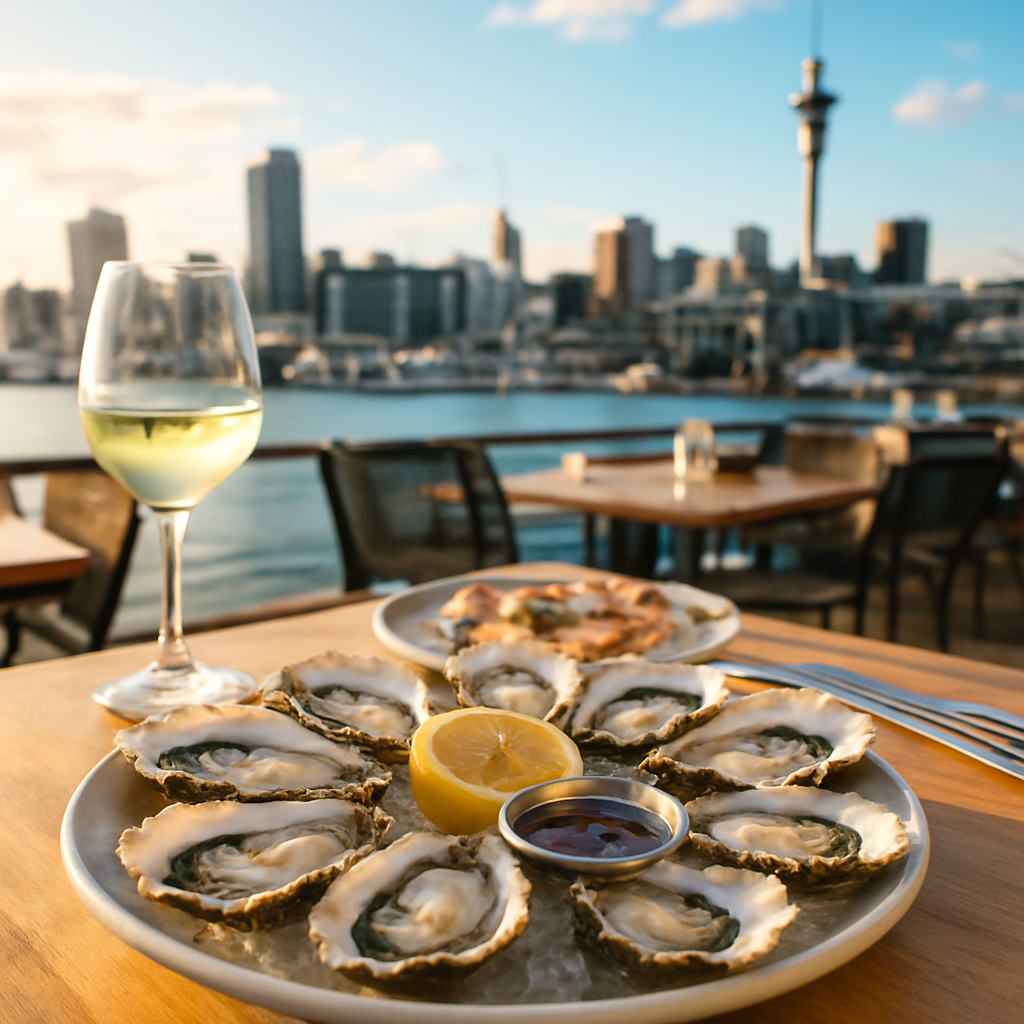
Federal Street Food Precinct
Federal Street in the CBD is Auckland's most concentrated stretch of serious eating. Depot anchors the strip — Al Brown's oyster bar has been on Metro's Top 50 for over a decade, and the shared plates of New Zealand seafood are the kind of food that makes you reconsider your relationship with clams. The format is walk-in, communal, and loud in the best way. Sit at the bar, order whatever just came off the boat, and pair it with a New Zealand sauvignon blanc that costs half what it would in London. This is where Auckland eats when Auckland wants to eat well without making a production of it.
The places I actually send people to
Advice that fits how you travel
Auckland is one of the easier cities in the Asia-Pacific for solo queer travel, and a lot of that comes down to scale — the LGBTQ+ scene is compact enough that you'll see the same faces twice in one night on K Road, which makes striking up conversation feel natural rather than forced. Family Bar is the default starting point: walk in alone on a Friday, sit at the bar, and the odds of leaving without talking to someone are approximately zero. The bartenders are knowledgeable community connectors — ask them what's on tonight and take their advice. Urge Bar has genuinely relaxed energy that makes it approachable for solo visitors even if the leather-bar label sounds intimidating.
App culture is active — Grindr, Scruff, and Hinge all have solid Auckland user bases, and the city is small enough that app-to-bar crossover is common. You'll match with someone and then see them at Whammy Bar three hours later. For dating or hookups, the apps work well; for community connections, show up in person. The daytime solo circuit is strong: St Kevin's Arcade for coffee and people-watching, Auckland Art Gallery for a free afternoon, the ferry to Waiheke Island for a vineyard lunch where solo diners are completely normal at the bar seats.
Budget solo travellers should know that Base Backpackers in the CBD puts you within walking distance of both K Road and the waterfront, and many Ponsonby restaurants are BYO — grab a bottle from a bottle shop and pay a small corkage fee, which makes a proper dinner dramatically cheaper. The AT HOP card covers buses, trains, and ferries and is the most cost-effective way to move around. Safety-wise, the inner city is comfortable for solo queer travellers; just avoid walking the quieter blocks between K Road and the CBD alone after midnight — rideshare is cheap and plentiful.
Auckland is one of those cities where being a queer couple isn't a logistics problem — it's just Tuesday. Ponsonby Road and Karangahape Road both sit at the very comfortable end of the PDA scale, and the density of excellent restaurants, wine bars, and waterfront spots means your only real challenge is narrowing it down to one evening's worth.
For a night that earns its keep, book ahead at Pasture in Parnell — it's on Asia's 50 Best list, the room is intimate, and the tasting-menu format makes the whole evening a shared event rather than just dinner. If you want something more relaxed, Orphans Kitchen on Ponsonby Road has been quietly excellent for over a decade, and the ethical-sourcing philosophy makes it feel considered without being self-righteous. One Auckland-specific pro tip: many Ponsonby restaurants are BYO licensed, meaning you grab something interesting from a local bottle shop and pay a small corkage at the table — genuinely good value for a special bottle on a romantic night.
For accommodation, The Verandahs in Ponsonby is my pick for couples who want character and proximity to the queer heartland. If budget allows, Hotel Britomart is genuinely beautiful — New Zealand's first carbon-positive certified hotel, inside a restored heritage building, steps from the waterfront. And if you can manage a full day on Waiheke Island — 35 minutes by ferry from the CBD — do it: vineyard lunch, swimming off a quiet beach, ferry home at golden hour. That day will outlast everything else in the trip's memory.
New Zealand has full marriage equality, legal same-sex adoption, and comprehensive anti-discrimination protections as of 2026 — your family structure is legally recognised here without asterisks or awkward moments at hotel check-in. Auckland receives LGBTQ+ families without ceremony; two dads or two mums with kids at a café or on a beach is entirely unremarkable in the inner suburbs, and you'll find the city broadly well set up for families travelling with children of any age.
The practical hits: Kelly Tarlton's Sea Life Aquarium at Mission Bay is a solid half-day — the Antarctic Encounter walk-through alone is worth it — and the calm-water beach right outside has cafés close enough to manage any mid-afternoon meltdown. Auckland Zoo covers New Zealand native wildlife alongside a strong international collection. If your trip lands in February, the Big Gay Out at Coyle Park is explicitly family-friendly — a free outdoor festival with live entertainment, community stalls, and a relaxed Kiwi vibe that genuinely works for all ages. Arrive before noon for decent grass, and use a rideshare to get to Pt Chevalier rather than relying on public transit.
The AT HOP card covers buses, trains, and ferries with kids travelling at reduced fares on most routes. Strollers handle the inner suburbs well, and most restaurants on Ponsonby Road will adapt for younger eaters without fuss. For a family day trip that feels like a genuine highlight, Waiheke Island delivers: beaches, open space, excellent food, and enough to exhaust anyone under 12. Base yourselves in Mt Eden, Grey Lynn, or Ponsonby for the best access to parks, playgrounds, and the welcoming café culture that makes inner Auckland genuinely easy to navigate as a family.
What Auckland actually costs
Flights, visas, and the first 30 minutes
Airport: Auckland Airport (AKL) is New Zealand's primary international gateway, located approximately 21km south of the CBD. It handles the vast majority of long-haul international traffic into the country and is well serviced by airlines from across the Pacific Rim, Asia, and beyond.
Major routes: Auckland connects to approximately 75+ cities with direct service. Key routes include Sydney (~3 hrs), Melbourne (~3.5 hrs), Los Angeles (~13 hrs), Singapore (~10 hrs), Tokyo (~11 hrs), and Dubai (~17 hrs). Connections from London typically involve a stopover, with total travel time around 24 hrs. Check your preferred carrier for current schedules, as routes and frequencies change seasonally.
Visas (as of 2026): Australian citizens travel visa-free under the Trans-Tasman Travel Arrangement — no application needed. Travellers from the US, UK, EU, and Canada typically need a NZeTA (New Zealand Electronic Travel Authority) before departure — an online application costing approximately NZ$23, valid for two years and multiple visits. Approval is generally fast but not instantaneous, so apply a few days ahead. Always check your government's travel advisory for the most current entry requirements before booking.
Getting to the city:
SkyBus — NZ$20–24, direct to the CBD, 45–60 minutes, runs 24/7. The practical default for most travellers; no booking required, just tap and go.
Taxi / Uber — NZ$75–110, 30–50 minutes depending on traffic; surge pricing applies during peak hours, so factor that in on arrival during rush hour.
Rental car — NZ$50–120/day; New Zealand drives on the left, and motorway access from the airport is straightforward. Worth considering if you're planning day trips to the Waitākere Ranges, Piha Beach, or further afield.
Traven's seasonal breakdown
The questions everyone asks
Is Auckland safe for LGBTQ+ travelers?
Do I need to speak English well?
How much should I budget per day?
What's the best neighborhood to stay in?
Is the Big Gay Out worth attending?
Can I hold hands with my partner?
What's a takatāpui and why does it matter?
Screenshot this before you go
So should you actually go?
Auckland is a city that doesn't perform its progressiveness — it just lives it. A perfect legal score, a scene that punches well above its weight class on K Road, and a cultural depth thanks to takatāpui and Māori queer identity that you genuinely won't find replicated anywhere else. The city sprawls, the weather's unpredictable, and it's a long flight from most places. None of that matters once you're standing on K Road at 11pm with a beer in your hand, listening to a drag queen roast a tourist in three languages. Go. Especially in February.
Sources & Resources
Official links we reference when compiling this guide. Last verified 2026-03-15.
- Auckland Pride Festival
- Body Positive – HIV Community Support
- Burnett Foundation Aotearoa – HIV & Sexual Health
- Auckland Community Law Centre
- Family Planning New Zealand – Sexual Health
- Gender Minorities Aotearoa
- InsideOUT – Rainbow Young People
- InsideOUT Kōaro – Rainbow Community Support
- Outline NZ – LGBTQ+ Helpline
- RainbowYOUTH – LGBTQ+ Youth Support
- Te Ara Tika – Māori LGBTQ+ Resources (Human Rights Commission)