
Wellington is a capital city that feels like a neighborhood — and the neighborhood happens to have a perfect 10 on legal equality and the best flat white in the Southern Hemisphere.
Wellington will trick you. You'll fly in expecting a smaller, quieter Auckland — a government town with good coffee and maybe a gay bar if you squint. Then you'll step onto Cuba Street on a Thursday evening and realize this city has been holding out on you. The wind is doing something rude to your hair, a drag queen is smoking outside San Fran at 171 Cuba Street, someone's busking badly and beautifully near the Bucket Fountain, and every second café has a flat white that would make Melbourne nervous. This is a capital city of roughly 215,000 people with a queer density along one corridor that rivals districts three times its size. There's a reason my Traven-Dex sits at 8.4 — and most of it lives within 800 meters of this one street.
New Zealand was the first country to give women the vote. It legalized same-sex marriage in 2013. It's had openly gay and transgender Members of Parliament for decades. In Wellington, this isn't history mounted behind glass at Te Papa Tongarewa — though you should absolutely go see the takatāpui exhibitions there, because they're extraordinary. It's ambient. It's the fact that nobody on Courtenay Place looks twice at two men holding hands. It's the way the word takatāpui — indigenous Māori LGBTQ+ identity — carries real cultural weight here, not as a token gesture but as something the community actively centers. I gave it a 10.0 on Legal, and the cultural reality genuinely keeps pace with the paperwork.
What surprised me most is how social the scene is. This isn't a city where you disappear anonymously into a megaclub. By your second drink at The Southern Cross on Abel Smith Street, someone's introduced you to their friend who knows the bartender at Ivy Bar who's dating the person running sound at Meow. It's a tight-knit family reunion on a good night — warm, funny, a little bit gossip-fueled, and genuinely glad you showed up. The trade-off is scale: this isn't Berlin, and Friday night has maybe three or four spots running hot rather than thirty. But what Welly lacks in volume it compensates for in sincerity. Every venue here earned its crowd. Nobody's coasting.
And then there's the wind. I need to be honest with you about the wind. The southerly will find you on Cuba Street at 11pm when you're in a good shirt and an optimistic jacket, and it will make you question every decision you've ever made. Pack layers. Pack them in summer. This is non-negotiable. But when you're sitting inside Midnight Espresso at 2am with post-drag performers and artists and people who clearly have nowhere better to be — cheap food, strong coffee, the kind of room that only exists in cities where people actually live their creative lives instead of just performing them — you'll understand why nobody here seems to want to leave.
The stuff your travel guide buries on page 47
Legal Framework: As of 2026, New Zealand provides full legal equality for LGBTQ+ people. Same-sex marriage has been legal since 2013, same-sex adoption is fully legal, and comprehensive anti-discrimination protections cover sexual orientation and gender identity in employment, housing, and public services. The Births, Deaths, Marriages, and Relationships Registration Act 2021 enables legal gender marker change via self-identification — no medical requirements. Criminalization of homosexuality was fully repealed in 1986. The New Zealand Human Rights Commission enforces these protections, and the institutional framework is among the strongest in the world.
Cultural Reality: The laws aren't aspirational — they reflect genuine social consensus. Wellington, as the capital and the country's most politically progressive city, takes this further than most of New Zealand. The rainbow community (the standard NZ term for LGBTQ+) is visible in civic life, government communications, and health services. Wellington City Council runs active rainbow inclusion policies, and organisations like OUTLine NZ and Gender Minorities Aotearoa operate with genuine community reach. The queer scene is small and deeply social — someone wrote in to tell me that within one evening on Cuba Street you'll likely meet people who already know each other. It's warmth, not claustrophobia, but calibrate for a tight-knit family reunion energy on a Friday night.
PDA Comfort: Cuba Street and Te Aro are where same-sex PDA is entirely unremarkable — routinely visible, zero reaction. The Wellington Waterfront and Courtenay Place nightlife strip are the same. The CBD and Lambton Quay are fine but slightly more formal during business hours. Oriental Bay and the harbour bays are welcoming and relaxed. Outer suburbs like Porirua and the Hutt Valley are predominantly fine — you're unlikely to draw comment — but they're more residential and less rainbow-visible than the inner city.
Practical Notes: Wellington's weather is legitimately unpredictable — the city earns its "Windy Wellington" nickname honestly, and Cuba Street becomes a full wind tunnel after dark in cooler months. Pack layers even in summer. Pro tip: most restaurants in Te Aro are BYO — grab a bottle from Moore Wilson's on Tory Street before dinner and save meaningfully. It's how locals do it, and it makes you look immediately like you live here.
What it actually feels like on the ground
Holding Hands: In Cuba Street, Te Aro, the waterfront, and Courtenay Place, holding hands will draw exactly zero attention. Same-sex couples are routinely visible and nobody stops walking. In outer suburbs — Karori, Johnsonville, Upper Hutt — you're still perfectly safe, but the environment is suburban New Zealand rather than queer-visible: fine, but not the same energy.
Hotel Check-In: No issues anywhere in Wellington. A same-sex couple requesting a double bed is standard, expected, and handled without comment at every property in this guide. New Zealand's anti-discrimination framework covers accommodation providers explicitly.
Taxis & Rideshare: Uber operates in Wellington and drivers are professional and unremarkable about same-sex couples. Taxis from the airport are the same. No incidents reported, no precautions needed beyond normal travel awareness.
Beaches & Public Spaces: Oriental Bay is Wellington's most popular urban beach — same-sex couples are present openly and no tension has been reported. Lyall Bay is the same. The Wellington Waterfront promenade is a high-traffic, family-friendly space where PDA of all kinds is visible and normal.
Late Night: Cuba Street and Courtenay Place are well-lit, well-populated, and safe for queer people late at night. Standard urban awareness applies — as anywhere, avoid poorly lit empty streets alone at 3am, but Wellington's compact CBD means you're rarely far from populated areas. The walk between Courtenay Place and Cuba Street is well-trafficked at all hours when bars are open.
Trans Travelers: New Zealand's gender self-identification law means legal gender marker change requires no medical documentation, as of 2026. Wellington has strong trans community infrastructure — Gender Minorities Aotearoa is Wellington-accessible and genuinely responsive to visitors. Health providers in the city are familiar with trans needs. Trans travelers report a broadly affirming experience in Wellington's inner city.
Verbal Harassment Risk: Extremely low in inner Wellington. Cuba Street, Te Aro, and the waterfront areas are as safe as anywhere in the world for visibly queer people. The outer suburbs are safe but less queer-coded — the worst you'd typically encounter is an occasional curious look, not hostility. OUTLine NZ runs a free support line at 0800 688 5463 if you ever need to talk, and Burnett Foundation Aotearoa provides sexual health services with rainbow-competent clinicians and no-judgment intake — they're used to travelers.
The queer geography
Cuba Street & Te Aro
This is it. Cuba Street runs roughly north–south through Te Aro, and if you're queer in Wellington, nearly every evening gravitates back here eventually. The pedestrian mall section, anchored by the Bucket Fountain since 1969, concentrates independent cafés, bars, galleries, and shops that have served as the gravitational centre for Wellington's LGBTQ+ and arts communities for decades. Vivian Street, crossing Cuba at the southern end, is where the explicitly queer venues cluster — Ivy Bar is the anchor, with drag nights and community programming. San Fran at 171 Cuba Street books queer DJs, drag nights, and live acts consistently, and the crowd is reliably mixed and enthusiastic. Arrive before midnight on Fridays or you're queuing in the Welly wind. Mighty Mighty, Laundry, and Meow on nearby Edward Street fill out the ecosystem — the line between "gay bar" and "welcoming bar" barely exists here because the entire corridor operates as a de facto queer district.
Courtenay Place
Courtenay Place is Wellington's main nightlife strip, running east from Cuba Street. It's more mixed than Cuba Street proper — mainstream venues sit alongside welcoming bars — but the atmosphere Thursday through Saturday is open, lively, and entirely comfortable for same-sex couples. The Embassy Theatre and Paramount Theatre anchor the cultural end, and after 10pm the pavement energy is genuinely fun. Hashigo Zake, the basement craft beer bar nearby, draws a crowd that skews independent and inclusive.
Newtown
South of Te Aro, Newtown is where a significant chunk of Wellington's queer community actually lives. It's rough around the edges in all the right ways — ethnically diverse, artsy, affordable, and home to the Newtown Community and Cultural Centre, which hosts more genuinely community-driven events than anywhere in the city centre. The neighbourhood cafés here are some of Wellington's most welcoming, and the vibe is residential-queer rather than nightlife-queer. Sunday morning in Newtown, walking to brunch through the suburb's painted Victorian houses, is a different Wellington than Cuba Street at midnight — and both are worth knowing.
Oriental Bay & The Waterfront
Oriental Bay is Wellington's harbour-front beach strip — progressive, welcoming, and popular with the running and coffee crowd. The Wellington Waterfront Promenade connects the bay to Frank Kitts Park and the CBD waterfront, and during Pride Festival this stretch becomes the parade route and community gathering space. The rest of the year, it's one of the nicest walks in the city. Same-sex couples are present openly and the atmosphere is entirely relaxed.
The experiences worth rearranging your itinerary for
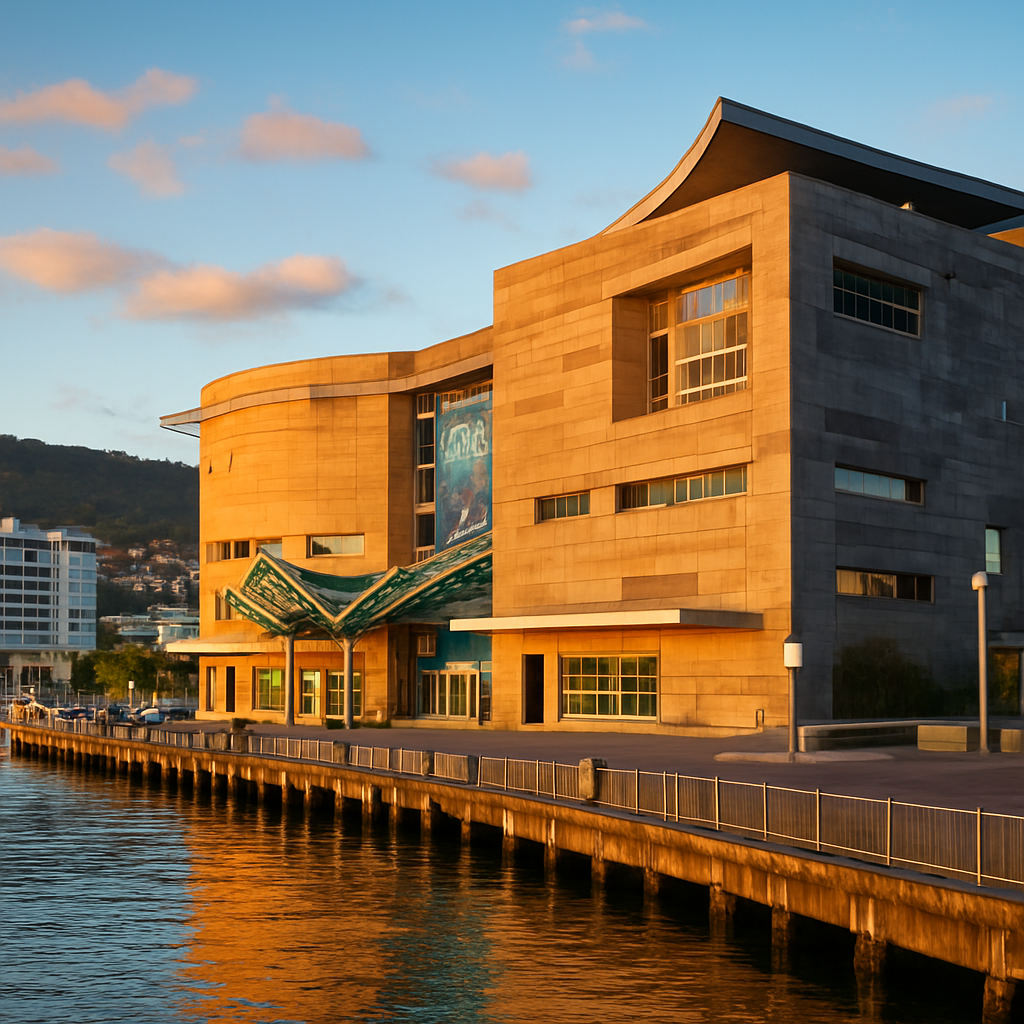
Te Papa Tongarewa & the Takatāpui Story
New Zealand's national museum sits on the waterfront and costs nothing to enter. What makes Te Papa different from most national museums is its treatment of takatāpui — indigenous Māori LGBTQ+ identity — and rainbow community history as a genuine chapter of the national narrative, not an appendix. The exhibition on LGBTQ+ rights in Aotearoa is one of the only treatments of its kind in the world that feels like it belongs in the building rather than being tolerated by it. Budget an extra hour you didn't plan for. The broader collection — Māori taonga (treasures), natural history, art — is enormous and immersive. Half a day minimum.
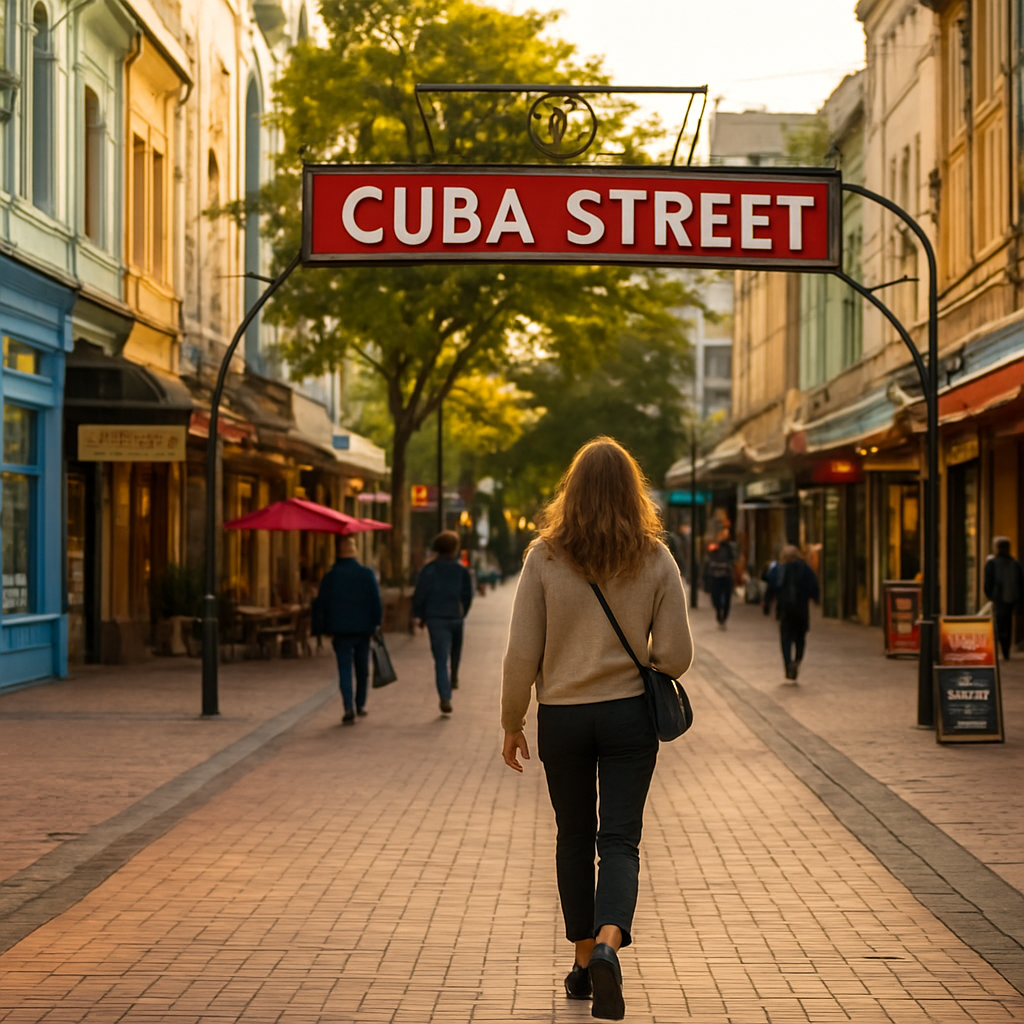
Cuba Street End to End
Walk Cuba Street from one end to the other during daylight and you'll understand the city. The Bucket Fountain marks the pedestrian mall. Arty Bees Books and Unity Books anchor the literary end. Fidel's and Midnight Espresso hold down the café culture. Independent galleries, vintage shops, and record stores fill the gaps. This isn't a tourist attraction — it's a functioning neighbourhood corridor that happens to have more personality per square metre than streets five times its length. Time it for Cuba Dupa street festival if you can — arguably Wellington's queerest mainstream event outside Pride, with drag stages, market stalls, and a crowd that makes the whole strip feel like a block party designed specifically for you.
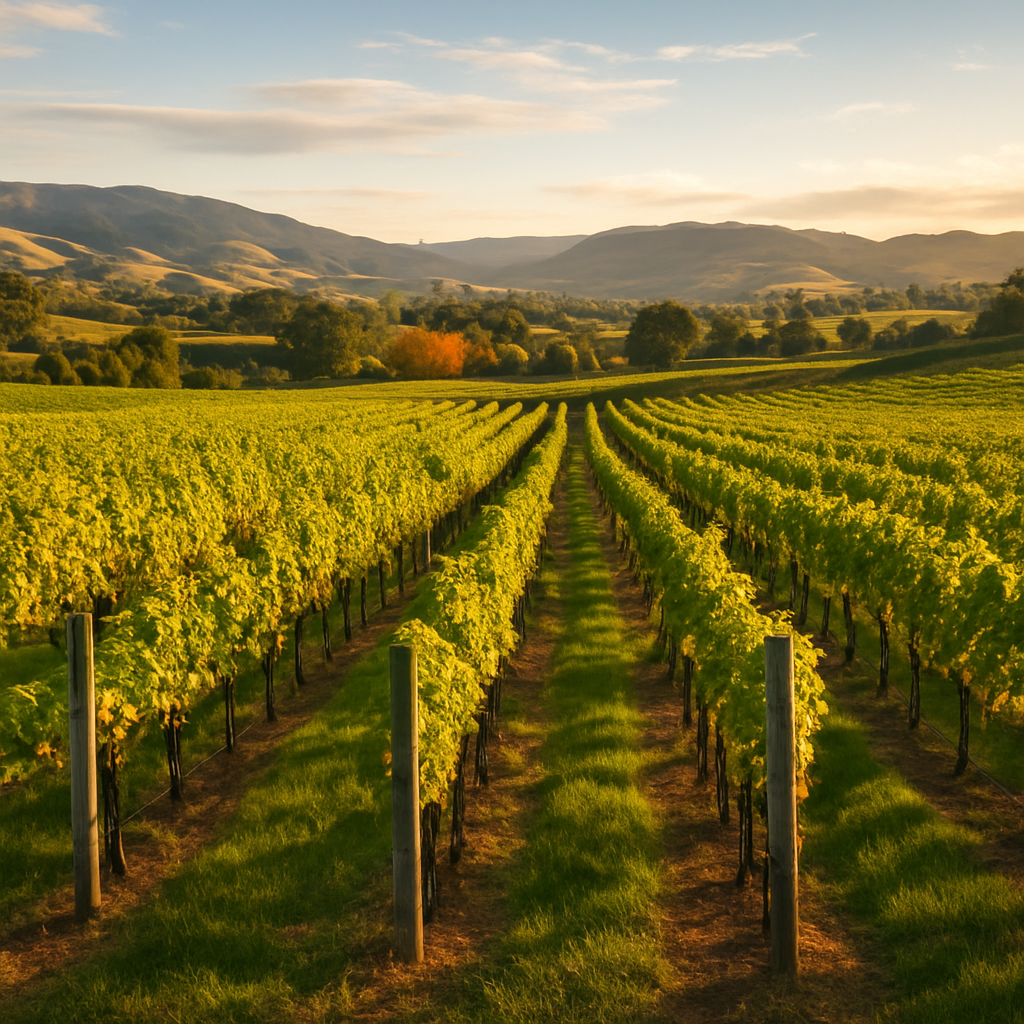
Martinborough Wine Trail
An hour's drive over the Remutaka Range into the Wairarapa, Martinborough's grid of streets radiating from a central square holds a concentration of boutique wineries specialising in pinot noir that rivals anything in Central Otago. The drive itself is gorgeous — switchbacks through native bush — and the village format means you can walk cellar door to cellar door without a car once you arrive. Toast Martinborough is the annual food and wine festival worth timing a trip around. Pair it with a stop in Greytown, 10 km north, for Victorian streetscapes and café lunch.
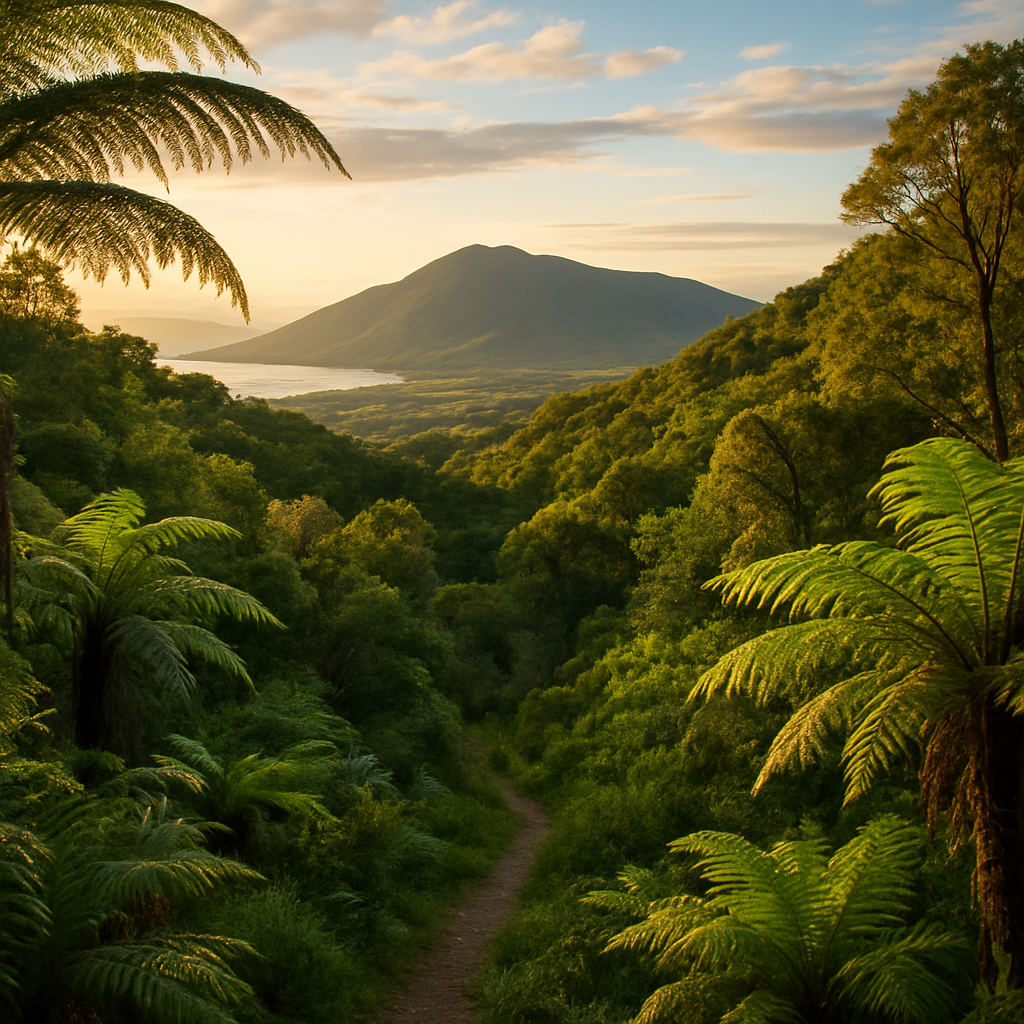
Kāpiti Island at Dawn
A Department of Conservation nature reserve approximately 50 km north of Wellington, predator-free since 1998, capped at 60 visitors per day by permit. You take a licensed boat from Paraparaumu Beach and land on an island where kiwi, kākāpō, and takahē live without mammalian predators for the first time in centuries. Hearing a kiwi call in the undergrowth while standing on an island you can see from the capital's coast is one of those experiences that doesn't translate to a photograph. Book your DOC permit well in advance — the daily cap means this fills up fast, especially in summer.
The Flat White Pilgrimage
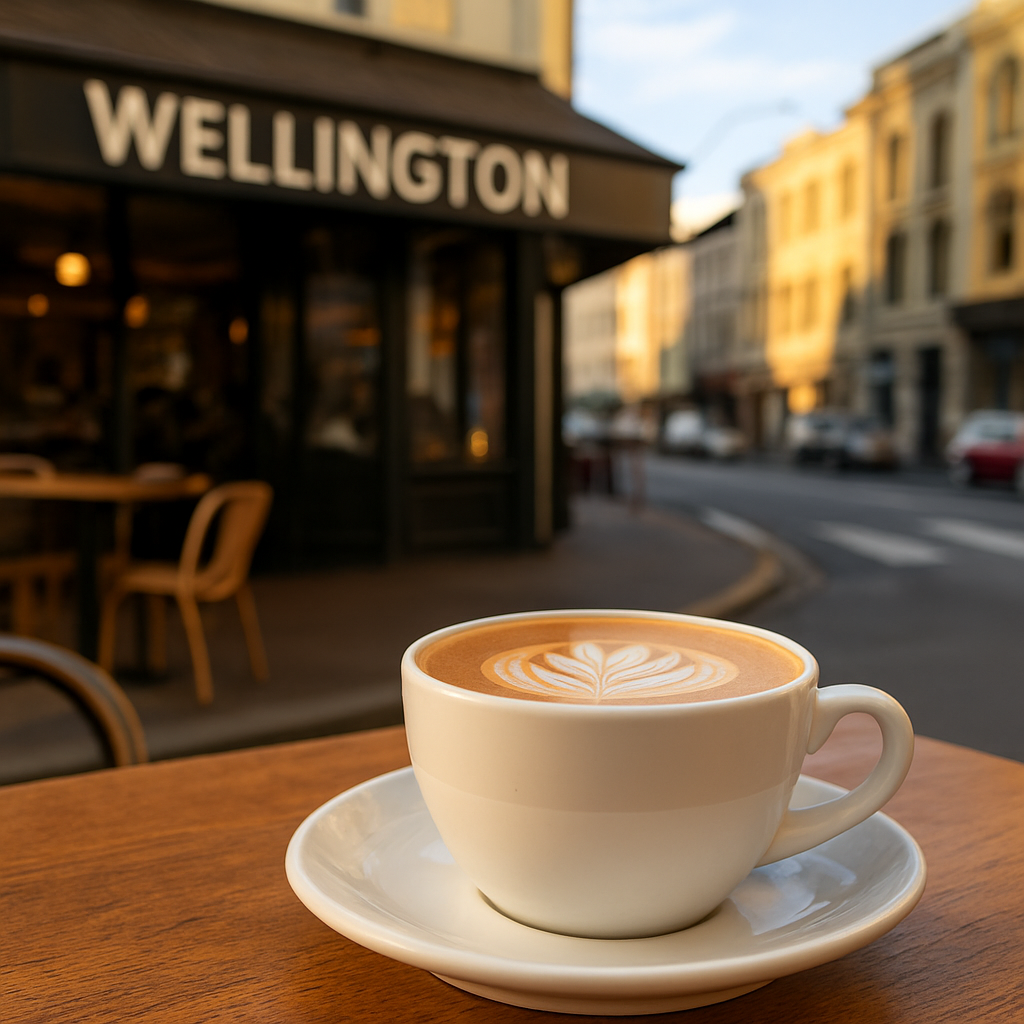
Wellington claims to have invented the flat white and takes it very, very personally. The city has more cafés per capita than most cities ten times its size, and the coffee culture here is competitive in the best possible way. Start at Fidel's on Cuba Street for the atmosphere. Try Floriditas on the same strip for the food-alongside-coffee experience. Hit Midnight Espresso at 2am because it's open, it's good, and the crowd at that hour is one of the most interesting rooms in Wellington. You'll develop a favourite within two days. You'll argue about it with someone at a bar. This is how it works here.
The places I actually send people to
Advice that fits how you travel
Wellington is one of the best solo travel cities I know, and the reason is structural: it's small enough that you'll memorize the layout in a day, walkable enough that you'll never feel stranded, and social enough that you won't eat alone unless you want to. The queer scene here is compact and deeply interconnected — within one Friday night on Cuba Street you'll likely be folded into conversations by people who already know each other but are genuinely happy to include a new face. App culture exists (Grindr, Hinge, and local dating apps are active) but the real connections happen in person at places like Ivy Bar on Vivian Street, Meow on Edward Street, and the bar at San Fran after a live show.
The budget math works in your favour. Te Papa is free. Cuba Street's entire ecosystem is walkable. A flat white at Fidel's costs a few dollars. Hostel dorms at Base Wellington or YHA Wellington City start under NZ$35 — and both put you within walking distance of everything that matters. Most restaurants in Te Aro are BYO, so grab a bottle from Moore Wilson's on Tory Street and your dinner bill drops meaningfully. Solo travelers who care about food and drink can eat extraordinarily well here without spending much.
Safety-wise, inner Wellington is as low-risk as solo travel gets. Cuba Street and Courtenay Place are well-lit and populated late. The walk between any two venues in Te Aro rarely exceeds ten minutes. Standard urban awareness applies, but I wouldn't think twice about walking this city alone at midnight. If you want to connect with the community beyond the bar scene, check Pride Wellington and Rainbow Wellington for events — and the Newtown Community and Cultural Centre hosts genuinely grassroots gatherings that welcome visitors.
Wellington is quietly one of the best cities in the world for a queer couple to slow down together. The city is compact enough that you'll never spend a night arguing about logistics — everything that matters is walkable from Cuba Street, and the atmosphere on that strip on a Friday evening, all independent wine bars and candlelit tables through open windows, feels designed for exactly this.
For a proper date night, book Logan Brown on Cuba Street well in advance — it's been running in that converted 1920s banking chamber since 1996, and a degustation dinner there with a good bottle of Central Otago pinot is a hard night to follow. If you want something more spontaneous, most restaurants in Te Aro are BYO — grab a bottle from Moore Wilson's on Tory Street and let the host seat you wherever. PDA throughout Cuba Street, Courtenay Place, and along the waterfront is entirely unremarkable; you won't give it a second thought.
For accommodation, Ohtel on Oriental Parade is the romantic call — roughly ten individually designed rooms overlooking Wellington Harbour, no front desk, deeply personal service. If the waterfront view matters as much as the room itself, this is the one. QT Wellington on Cable Street puts you closest to everything on Cuba Street and has that dramatic, theatrical-interior energy that suits a city break with some edge to it. Spend one afternoon on the Wellington Waterfront promenade and one morning on the cable car up to the Botanic Garden — it's genuinely one of the nicest two hours you can spend in this city, and it costs almost nothing.
New Zealand, as of 2026, offers full legal recognition to LGBTQ+ families across the board — same-sex adoption has been legal since 2013, and both parents on a same-sex couple's birth certificate are recognized without complication at schools, hospitals, and government services throughout the country. Wellington specifically has active rainbow inclusion policies at the city government level, and the family infrastructure here is excellent: wide waterfront paths, stroller-friendly neighborhoods, and the kind of city where kids are genuinely welcome in most restaurants without a second thought.
Start at Te Papa Tongarewa — it's free, it's enormous, and it holds the attention of kids and adults simultaneously in a way most national museums simply don't. Budget half a day minimum. Wellington Zoo is a short bus ride from the CBD, and for something more ambitious, Zealandia eco-sanctuary gives children a real encounter with native New Zealand wildlife in a predator-free valley that feels improbably close to the city center. The Wellington Cable Car is a reliable crowd-pleaser and costs next to nothing.
Families should know that Cuba Street itself is lively and welcoming during daylight hours, but the strip gets louder and later-night as the evening progresses — mornings and early afternoons on Cuba Street are relaxed and genuinely enjoyable for families, with café tables spilling onto the footpath and a low-pressure pace. For accommodation, a self-contained apartment in Te Aro or a family room at Bolton Hotel in Thorndon gives you kitchen access and space, which makes a meaningful difference when you're managing small children across multiple time zones. InsideOUT is a useful resource if you want to connect with rainbow-inclusive school and family programming during your stay.
What Wellington actually costs
Flights, visas, and the first 30 minutes
Airport: Wellington International Airport (WLG) sits approximately 6 km southeast of the CBD — one of the shortest airport-to-city runs of any capital in the world.
Getting there: Most international visitors arrive via Auckland (AKL), with domestic connections to Wellington taking approximately 1 hour. Direct flights from Sydney (SYD) run approximately 3 hours; Melbourne (MEL) approximately 3 hours 30 minutes; Brisbane (BNE) approximately 4 hours. Christchurch (CHC) and Queenstown (ZQN) connect domestically in 1 hour and 1 hour 20 minutes respectively. Wellington is served by 20+ city connections across Air New Zealand and partner carriers.
Visa requirements (as of 2026): Most visitors do not require a traditional visa but will typically need a New Zealand Electronic Travel Authority (NZeTA) obtained online before departure. US, UK, Canadian, and most EU nationals generally qualify for the NZeTA with no visa required for stays of 90 days (UK: up to 6 months). Australian citizens require neither a visa nor an NZeTA and may live and work in New Zealand indefinitely. Always check your own government's travel advisory for the most current entry requirements before you book.
Airport to city:
- Taxi / Uber: NZD 30–40, approximately 15–25 minutes. Flat-rate options available — the 6 km run makes this the easiest option when you have luggage.
- Airport Flyer Bus (route 91): NZD 12, approximately 30–40 minutes. Runs every 30 minutes with stops at Wellington Station and key city hotels — the value call if you're traveling light.
- Rental Car: NZD 60–120/day; on-site operators available. Note that CBD parking is expensive and largely unnecessary given the city's walkability.
Traven's seasonal breakdown
The questions everyone asks
Is Wellington safe for LGBTQ+ travelers?
Do I need to speak English?
How much should I budget per day?
When is Wellington Pride?
Is it really that windy?
What's the gay neighborhood?
Do I need a car?
Screenshot this before you go
So should you actually go?
Go. Wellington is a small capital with an outsized soul, and for LGBTQ+ travelers it delivers something rare: a city where full legal equality, genuine cultural warmth, and a concentrated, walkable scene all exist in the same compact footprint. The nightlife won't overwhelm you and the weather will test you, but the community is real, the food is excellent, the coffee is world-class, and you will feel welcome in a way that isn't performed or transactional — it's just how this city works. If you want a queer travel experience that feels like being invited into someone's actual life rather than being marketed to, Welly is it.
Sources & Resources
Official links we reference when compiling this guide. Last verified 2026-03-15.
- Body Positive NZ
- Burnett Foundation Aotearoa — Sexual Health & HIV Services
- Family Planning New Zealand
- Gender Minorities Aotearoa
- InsideOUT — Rainbow Schools New Zealand
- New Zealand Human Rights Commission
- OUTLine NZ — Rainbow Support Line
- Wellington Pride Festival
- Rainbow Wellington
- RainbowYOUTH (ry)
- Wellington City Council — Rainbow Community