
Oslo is what happens when a country decides equality isn't a debate topic — it's just Tuesday.
It's a Thursday evening on Youngstorget and the square is doing that thing where the light refuses to quit — it's past nine and the sky is still this bruised lavender that makes everyone look unreasonably good. There's a drag queen smoking outside London Pub in full face, chatting with a guy in a business suit who's clearly just come from the parliament building around the corner, and nobody — not one person — is looking twice. A couple in their sixties are holding hands at one of the outdoor tables at Kulturhuset across the way, and a pack of twentysomethings are pre-gaming for something louder. This is Oslo's gay scene in a single frame: small, calm, completely integrated into a city that genuinely doesn't care who you're kissing.
I know what you're thinking — Norway, expensive, cold, maybe a little serious. And sure, your wallet will feel it. But what you get in return is a city that runs on a level of social trust and quiet confidence I haven't found anywhere else in Europe. There's no anxious performance of tolerance here. Nobody's waving a flag to prove a point. They legalized same-sex partnerships in 1993, marriage in 2009, and moved on. I gave it a perfect 10.0 on Legal because, frankly, there's nothing left to legislate. The protections are as comprehensive as they get anywhere on the planet, and the cultural reality matches the paperwork.
What surprised me most is the food. Oslo has quietly become one of Scandinavia's most interesting eating cities — the fermentation-obsessed tasting menus, the natural wine bars in Grünerløkka, the specialty coffee culture that borders on religious devotion. Walk along the Akerselva river on a summer afternoon, past converted industrial buildings now housing restaurants and galleries, and you'll feel a city that's spending its oil wealth on things that actually make life better. The scene itself is compact — you can hit every gay bar in town in a long evening — but what it lacks in volume it makes up for in ease. My Chill score of 9.2 is the story here: Oslo doesn't have the biggest party, but it might be the most relaxed place on earth to be gay.
And then there's the fjord. It's right there, at the end of practically every street that runs south, glinting behind Renzo Piano's Astrup Fearnley building or framing the angular white slope of the Opera House. You can swim in it. People do, in June, jumping off the rocks at Tjuvholmen in their lunch breaks. That combination — total legal equality, Scandinavian calm, world-class food, water you can swim in from the city center — is why my Traven-Dex sits at 8.8. The points it doesn't get are for your bank account. Everything else, Oslo earns.
The stuff your travel guide buries on page 47
Legal framework: Norway is full equality, full stop. Same-sex marriage has been legal since 2009, with joint adoption rights included. Comprehensive anti-discrimination protections cover employment, housing, goods, and services. Gender identity law operates on self-identification — Norway adopted self-ID legislation in 2016, making it one of the earliest European countries to do so. There is zero criminalization of any LGBTQ+ identity or conduct. My Legal score of 10.0 reflects a country where there's simply nothing left to fight for on the statute books.
Cultural reality: Unlike some countries where progressive legislation sits awkwardly on top of conservative culture, Oslo genuinely lives its laws. A reader wrote in to say it perfectly: rainbow flags fly from government buildings during Pride without it feeling like a PR exercise. The national LGBTQ+ organization, FRI (Foreningen FRI), is well-funded and deeply embedded in civic life — the acronym conveniently means "free" in Norwegian, which locals appreciate. Oslo Pride in late June transforms the city center into a genuine celebration, with the parade down Karl Johans gate feeling warm and communal rather than performative.
The price situation: I need you to calibrate your expectations. A cocktail at London Pub or Masken will reliably run you 140–170 NOK ($13–16 USD), and that's not a tourist premium — that's just Oslo. Stop at a Vinmonopolet (the state alcohol monopoly) before 6pm — they close early and don't apologize for it — grab a bottle of something decent, and pre-game like every financially literate local does. Grocery store meals and strategic lunch specials are your friends here.
Social calibration: Norwegian social culture runs cool and reserved. Don't mistake the measured politeness of a Grünerløkka bartender for unfriendliness or disapproval. Get two rounds in and you'll discover that Osloites are genuinely warm people — they just don't lead with it the way Americans do, and honestly it's kind of refreshing. The word skeiv (Norwegian for "queer") is widely embraced and embedded in organization names everywhere. You'll also hear homo used casually as a neutral descriptor for gay men — it doesn't carry the same pejorative edge as in English, so don't flinch when it comes up in conversation.
PDA comfort: Grünerløkka and the Youngstorget area — very high comfort, all forms of affection completely unremarkable. Aker Brygge, Tjuvholmen, Karl Johans gate — high comfort, broadly accepted across all contexts. The immediate area around Oslo Central Station late at night and some outer suburban areas run moderate — not dangerous, just a touch less relaxed. No area in Oslo presents any legal risk whatsoever.
What it actually feels like on the ground
Holding hands / kissing: Oslo is about as safe as it gets. Holding hands or kissing in Sentrum, Grünerløkka, Frogner, or the waterfront draws zero attention and zero drama. The city consistently reports some of the lowest LGBTQ+-targeted hate crime rates in Europe, and that absolutely tracks with the street experience. In over a decade of traveling here I've never heard a credible report of daytime harassment in central Oslo.
Hotel check-in: No issues, period. Same-sex couples booking double rooms or king beds will encounter zero confusion or hesitation at any hotel in the city, from budget to luxury. Staff at properties like The Thief or Thon Hotel Rosenkrantz are trained and genuinely unfazed.
Taxis and rideshares: Completely safe. Oslo taxi drivers are licensed and professional. App-based rideshares operate normally. No reports of discrimination or discomfort — you can be as visibly queer in the back seat as you are on the street.
Public spaces and beaches: Oslo's public beaches and parks, including Vigelandsparken and the Sørenga swimming area in Bjørvika, are safe and welcoming. Same-sex couples sunbathing together or swimming together is wholly unremarkable. Norway's outdoor culture is deeply egalitarian — shared space is shared space.
Late night: The one area locals flag with mild caution is the immediate vicinity of Oslo Central Station very late at night, where low-level harassment can occasionally occur — it's general big-city late-night energy, not specifically anti-LGBTQ+. Stay in the Youngstorget corridor when bar-hopping and you'll never encounter it. The walk from London Pub back to most central hotels is well-lit and safe.
Trans travelers: Norway's 2016 self-identification law means legal gender recognition is straightforward and respected. Trans travelers generally report feeling safe and respected in Oslo, with gender-neutral facilities increasingly available in modern venues. FRI's LHBT-senteret runs a helpline and drop-in services with English-speaking staff — genuinely useful for navigating Norwegian healthcare as a trans traveler or just needing a friendly point of contact. They're not just for emergencies; they're legitimately helpful.
Verbal harassment risk: Extremely low in central Oslo. Some outer suburban areas (Groruddalen, etc.) have pockets that are more socially conservative, where keeping PDA low-key is advisable — but this is about social comfort, not physical safety, and even these areas present no legal risk. Overall, Oslo's safety profile for queer travelers is among the best in the world.
For current information on LGBTQ+ rights, legal protections, and support services throughout Norway, consult FRI, the country's leading organization advocating for sexual and gender diversity. FRI - Norwegian Organization for Sexual and Gender Diversity.
The queer geography
Youngstorget — Oslo's Queer Hub
Oslo's gay nightlife clusters tightly around Youngstorget, the central square in Sentrum that's been the community's home base for decades. London Pub at C.J. Hambros plass 5 has held court here since 1979 — it's the oldest and most iconic gay bar in the city, and it still functions as the social anchor of the entire scene. Steps away, Masken Bar & Scene at Youngstorget 2 is your best bet for drag shows and themed queer nights — check their Instagram before you go because the programming rotates constantly and the good nights fill up fast, especially the weekend drag spectaculars. Onkel Donald and Stonewall Oslo round out the immediate strip. The entire circuit is walkable in five minutes, which in Oslo winters is not a trivial consideration.
This area isn't a gay village in the historical sense — there are no rainbow crosswalks or dedicated queer retail. It's more like a few square blocks where the community has always gathered, surrounded by normal Oslo commercial life. Spikersuppa, the sunken plaza along Karl Johans gate, becomes Pride Park during Oslo Pride week in late June, and the parade route runs right past the edge of the neighborhood. The proximity of everything means a night out here requires zero planning — you just show up at Youngstorget around midnight and follow the energy.
Grünerløkka — The Queer Living Room
For daytime queer community energy, the café strip along Thorvald Meyers gate in Grünerløkka is the move. It's not a gay neighborhood in any official sense, but the density of queer-owned and queer-frequented spaces makes it feel like the city's living room on a Saturday afternoon. Oslo's artsy, bohemian east-side neighborhood has a casual queer presence that's progressive without being self-congratulatory about it — independent coffee shops, vintage stores, and a general air of creative acceptance. Elsker Bar brings cocktail-serious queer nightlife to this side of the river for those who want something more intimate than the Youngstorget strip.
BLÅ on the Akerselva riverbank hosts rotating queer club nights that pull a younger, arts-crowd demographic — less bear bar, more synth and gender-fluid fashion. The space is stunning and the sound system is excellent; just confirm the specific night on their website before making it your destination. Hausmania, the autonomous cultural center nearby, also programs queer events with a DIY political edge.
Other Neighborhoods Worth Knowing
Frogner, Oslo's upscale west side, isn't overtly queer but is quietly very accepting — same-sex couples strolling Vigelandsparken are entirely unremarkable here, and the neighborhood's cafés and restaurants are refined without being stuffy. Tjuvholmen and Aker Brygge on the waterfront offer an upscale, tourist-friendly environment where PDA is broadly comfortable. And Grønland, just east of the train station, is Oslo's most culturally diverse district — home to Olympen, that grand old beer hall quietly beloved by the queer community, and an increasingly interesting food scene that offers some of the city's more humane prices.
Oslo's vibrant LGBTQ+ community comes together each August for Oslo Pride, featuring cultural celebrations, performances, social events, and gatherings throughout the city.
FRI maintains a directory of LGBTQ+ community spaces, social groups, cultural events, and venues throughout Oslo. FRI Community Directory.
The official Visit Oslo website provides recommendations for LGBTQ+ friendly neighborhoods, accommodations, dining, and entertainment throughout the capital. Visit Oslo Travel Guide.
The experiences worth rearranging your itinerary for
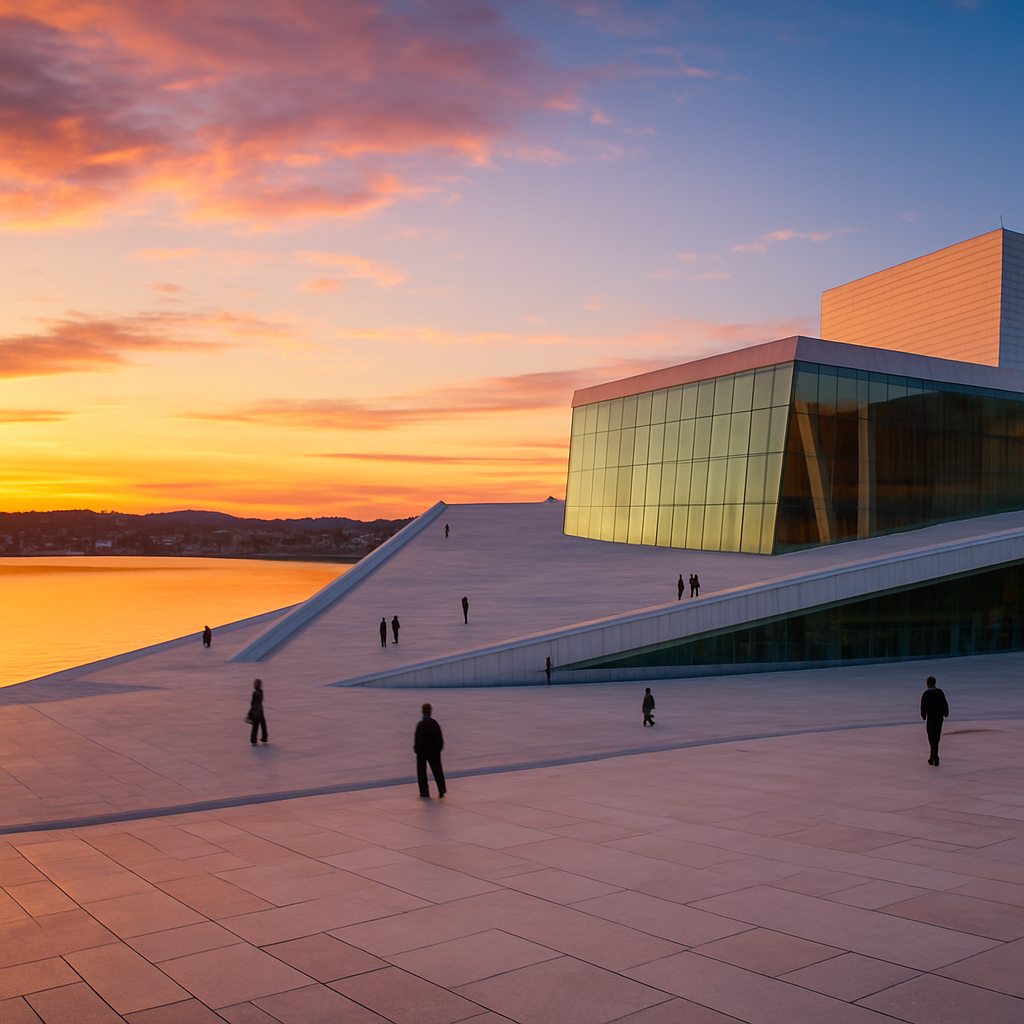
Walk the Oslo Opera House at Sunset
The Operahuset is one of the great pieces of architecture built anywhere in the last quarter century — all white marble and acute angles by Snøhetta, rising out of the Bjørvika waterfront like an iceberg that decided to stay. You walk directly onto the sloping roof, which is free and open to anyone, and at sunset the fjord light turns the whole thing gold and silver simultaneously. Bring a bottle of wine from Vinmonopolet, find a spot on the marble, and watch the city light up below you. If you catch a performance inside, the acoustics are world-class — but honestly, the rooftop at dusk is the main event.
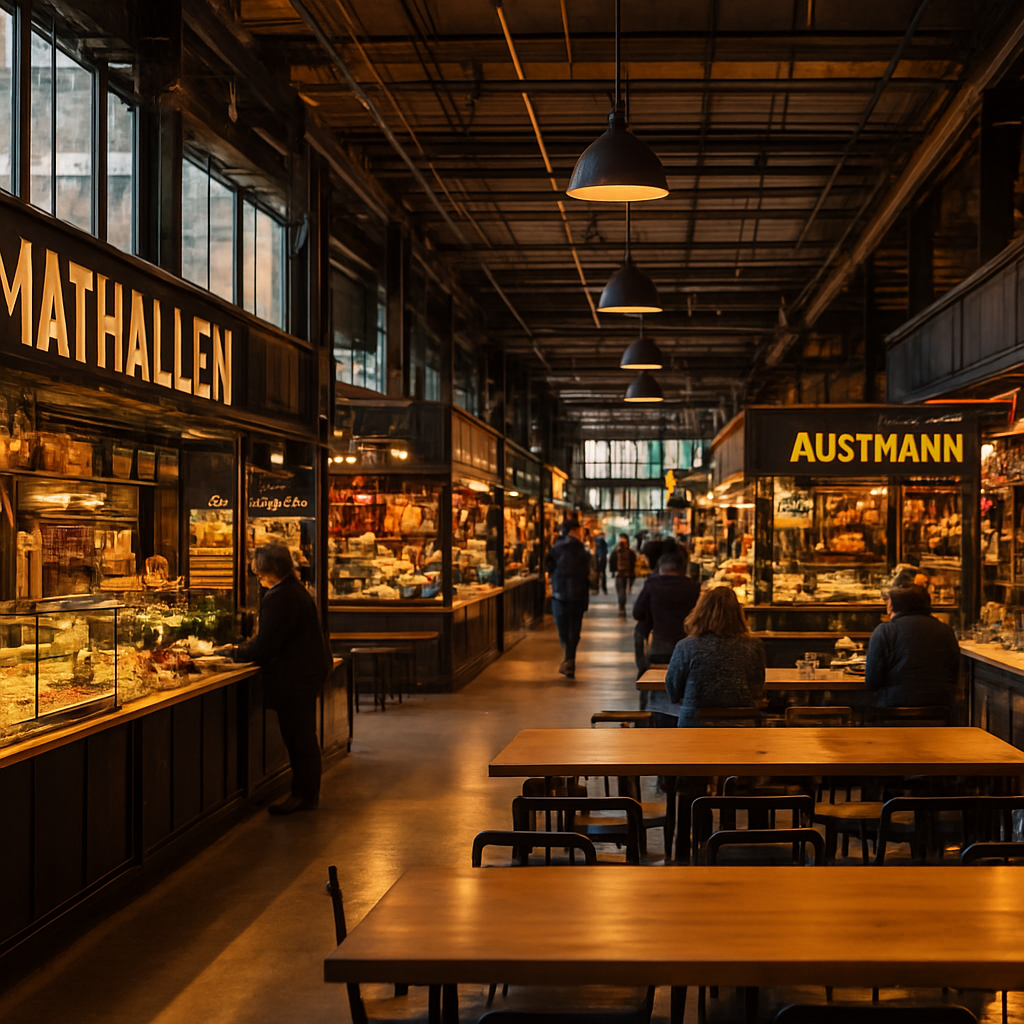
Graze Through Mathallen Oslo
Mathallen in the Vulkan district is Oslo's answer to the question of what happens when you put 30-plus artisan producers under one industrial roof and let people wander. Norwegian cheese, craft charcuterie, street food from half a dozen countries, local microbrews — you don't commit to a single meal here, you commit to an afternoon of strategic sampling. The converted factory space has terrific natural light and the kind of casual, unhurried energy that makes solo grazing feel like a social event. Pro tip: the smoked salmon vendors here are meaningfully better than what you'll find in tourist-oriented shops.
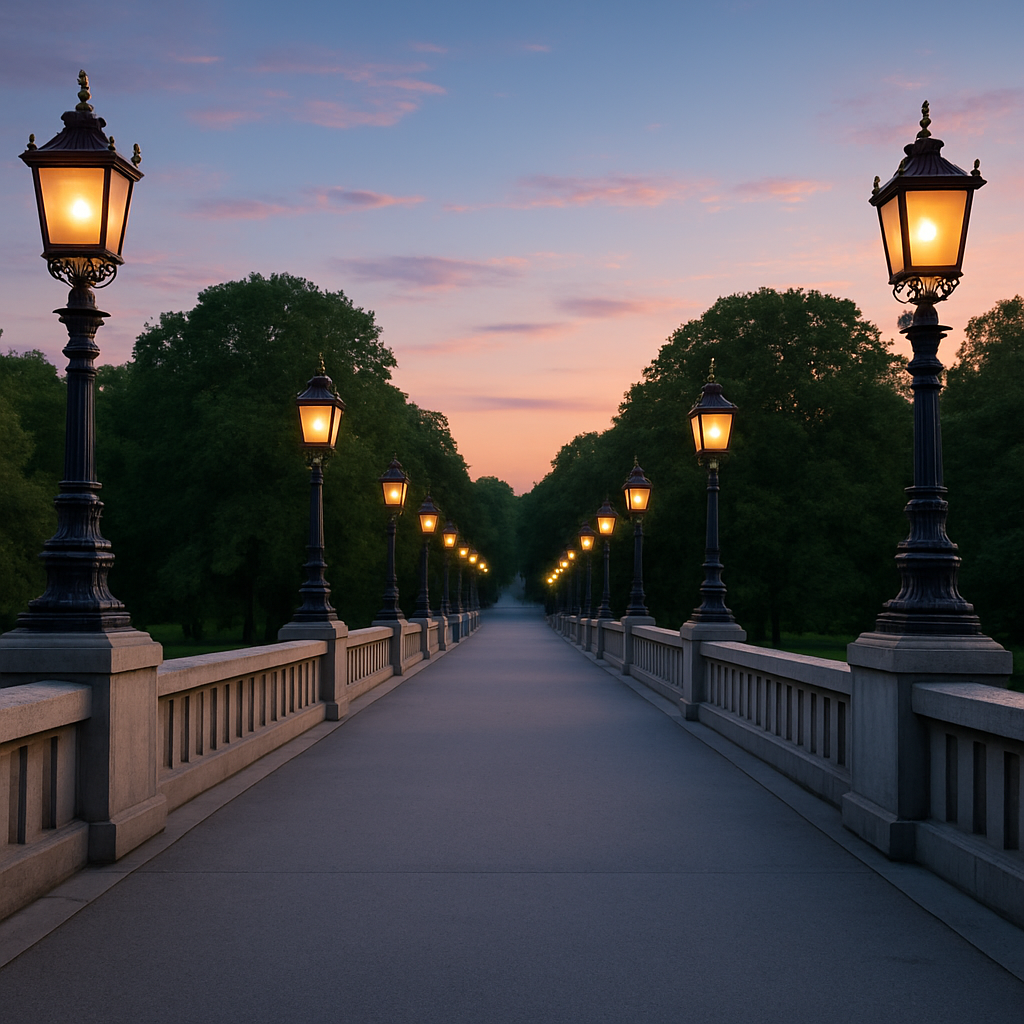
Vigeland Sculpture Park at Dusk
Vigelandsparken in Frogner is free, open around the clock, and features 212 bronze and granite sculptures of human bodies in every conceivable configuration — it is aggressively, earnestly homoerotic in the most deadpan Norwegian way imaginable. Gustav Vigeland spent his life creating this, and the result is a meditation on the human life cycle that's unlike anything you've seen in any other city. Go at dusk when the crowds thin and the light goes soft — the monolith column of intertwined bodies rising against a darkening sky is genuinely unforgettable. Queer couples have been using this park as a backdrop for decades, and it's easy to see why.
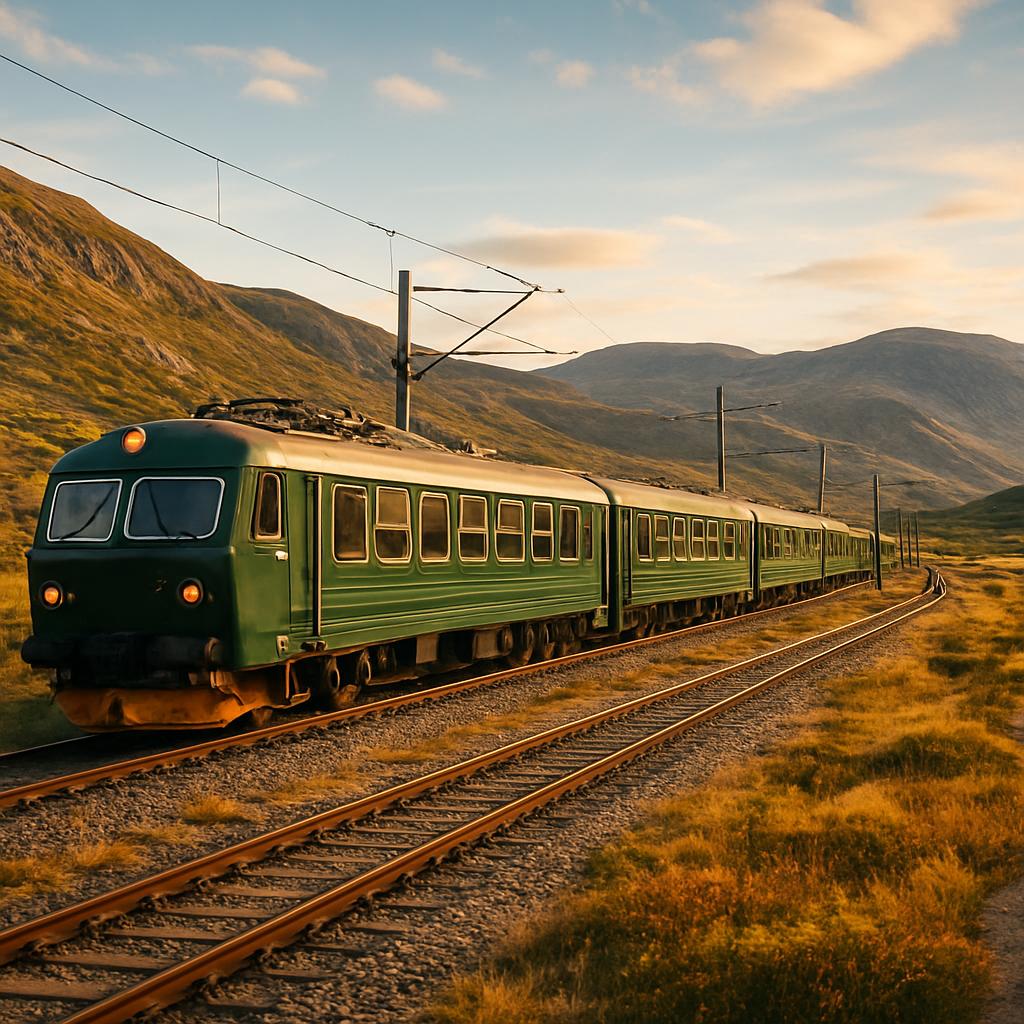
The Bergen Railway
The train from Oslo to Bergen crosses the Hardangervidda plateau at 1,300 meters with scenery that makes you forget you've been sitting for six hours — vast snowfields giving way to plunging green valleys, waterfalls appearing and vanishing in quick succession, and light that seems to come from everywhere at once. It's widely considered one of the most beautiful train journeys on earth, and it earns that reputation. Bergen on the other end delivers the UNESCO-listed Bryggen wharf — those iconic colored wooden houses — and a café culture several notches warmer than Oslo's reserved norm. Do it as a long day trip or stay overnight; either way, book early for a window seat on the left side heading west.
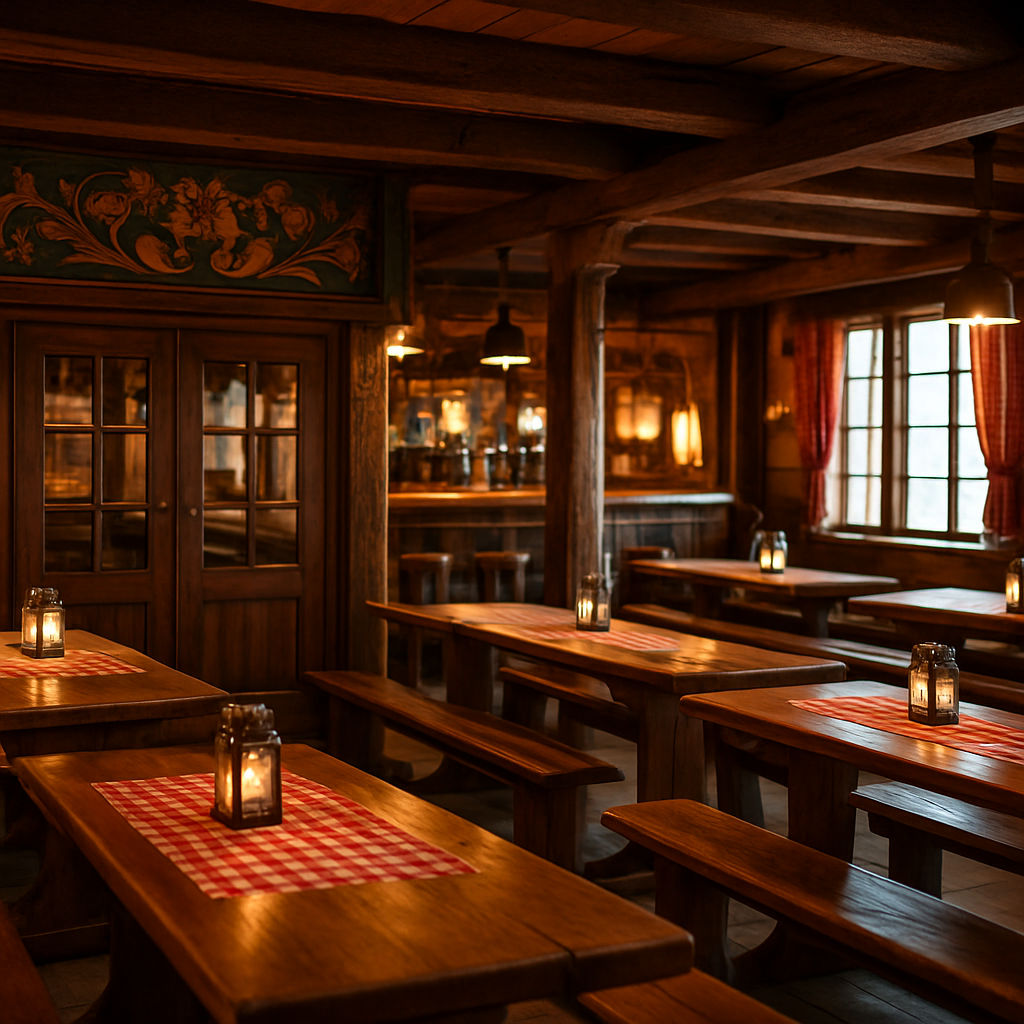
Kjøttkaker at Olympen
Olympen in Grønland is a grand old Norwegian beer hall that isn't remotely a queer venue but is quietly beloved by Oslo's queer community for its enormous menu, slightly more humane prices, and the genuine sense that every kind of person is welcome at its long communal tables. Order the kjøttkaker — Norwegian meatballs with brown gravy and lingonberries — and a local draft beer, and settle in. The room itself is beautiful in that heavy Nordic way — dark wood, high ceilings, the kind of place that's been feeding Oslo since before your grandparents were born. It's comfort food in a comfort space, and it costs roughly half what you'd pay in the waterfront district.
The places I actually send people to
Advice that fits how you travel
Oslo is one of the easier European capitals to navigate alone, and the compact geography of the queer scene is a genuine advantage. The entire Youngstorget strip — London Pub, Masken, and the surrounding spots — is a five-minute walk from Oslo Central Station, which means you can base yourself almost anywhere in Sentrum and never need a cab to get to the action. App culture is active — Grindr and Scruff both have healthy Oslo user bases — and the bar scene is welcoming to solo visitors in a way that doesn't feel forced. Norwegians take a minute to warm up, but once you're two rounds in at London Pub, the regulars are genuinely good company. The Comfort Hotel Xpress Youngstorget is the budget-smart solo pick: NOK 900/night, free breakfast, and you're literally on the doorstep of the nightlife.
During the day, solo traveling in Oslo is effortless. Grünerløkka's café strip along Thorvald Meyers gate is built for lingering alone with a coffee and a book — nobody rushes you, the people-watching is excellent, and Mathallen Oslo around the corner is the perfect solo lunch because grazing from stall to stall doesn't require a dining companion. The public transit system (Ruter) is clean, reliable, and simple — a day pass runs NOK 120 and covers everything. Vigelandsparken, the Opera House rooftop, and the Ekebergparken sculpture park are all free and all better experienced at your own pace without having to negotiate someone else's itinerary.
Pro tip: Skeiv Verden runs events specifically for LGBTQ+ people with immigrant and minority backgrounds — their meetups are warm, well-organized, and a genuinely excellent way to connect with a side of Oslo queer life that most travel guides completely overlook. Even if you don't fit the demographic exactly, the organization's events are open and welcoming, and they're one of the most interesting entry points into a community that isn't just the bar scene. Solo travel here isn't lonely — it's just Oslo-paced, which is to say: calm, considered, and yours to direct.
Oslo handles romance with the same quiet confidence it handles everything else — it doesn't make a production of it, it just works. Same-sex couples holding hands or kissing in Grünerløkka, around Youngstorget, or walking the Aker Brygge waterfront draw precisely zero attention, and that easy normalcy means you can actually focus on each other rather than your surroundings. The Oslo Opera House rooftop at sunset is one of the genuinely great free date moves in Northern Europe — all white marble and fjord light with the whole city spread out below you, and it costs nothing.
For accommodation, The Thief on Tjuvholmen is Oslo's most persuasive argument for spending more than you planned. Original commissioned artwork on the walls, a rooftop bar with real views, and a setting on a private peninsula that gives the city a comfortable distance — it's a hotel that genuinely enhances the trip rather than just housing you. If the rate gives you pause, Thon Hotel Rosenkrantz puts you centrally with an included evening buffet that solves the first night's dinner question before you've even unpacked.
The unmissable couples experience is dinner at Maaemo — chef Esben Holmboe Bang's three-Michelin-star institution in Bjørvika, overlooking the fjord. It requires advance booking and a significant budget commitment, but this is the meal that becomes the story you tell about the trip. Pair it with a late afternoon in Vigelandsparken — 212 sculptures of human bodies in an enormous free park, deeply atmospheric at dusk, and one of those places that queer couples have quietly claimed as their own for years. That combination of morning coffee in Grünerløkka, afternoon in the park, and a Michelin dinner by the fjord is a very good day in Oslo.
Norway has had joint adoption rights for same-sex couples since 2009, and the legal framework around LGBTQ+ parenting is among the most comprehensive in Europe. Your family structure will be recognized without question — at hotels, at check-in, in healthcare settings, everywhere. The social reality in Oslo matches the legislation in a way that doesn't always hold true even in progressive countries; don't expect awkward pauses or confused looks. Bufdir, Norway's Directorate for Children, Youth and Family Affairs, maintains LGBTQ+ family resources in English if you want official documentation of your rights before you travel.
Practically, Oslo is one of the more manageable European capitals for families. Children under 4 travel free on all Ruter public transit, stroller access is standard across the metro and tram networks, and the city's best free attractions skew heavily family-friendly. Vigelandsparken's 212 sculptures are endlessly fascinating to children of every age — the sheer strangeness of the figures is a gift — and the Oslo Opera House rooftop walk is genuinely thrilling for older kids. Mathallen Oslo in Vulkan is the smartest family lunch move in the city: 30-plus stalls mean everyone finds something they actually want to eat, with zero negotiation required.
The Bergen Railway day trip works well with children old enough to sit still for a spectacular six-hour round trip — the plateau scenery sells itself, and Bergen's Bryggen wharf is the kind of place kids remember. Back in Oslo, Grünerløkka has the best concentration of casual, genuinely kid-tolerant cafés and restaurants, particularly along Thorvald Meyers gate, where pavement tables and unhurried service make dining out with children considerably less stressful than the city's more formal options. Budget at the moderate level, book accommodation well in advance, and you'll have a comfortable and memorable trip.
What Oslo actually costs
Flights, visas, and the first 30 minutes
Airport: Oslo Gardermoen Airport (OSL) — Norway's main international hub, 47km northeast of the city centre and one of the more efficient airports in Northern Europe to transit through.
Direct flights: London Heathrow (2h 10m), Amsterdam AMS (2h 00m), Copenhagen CPH (1h 15m), New York JFK (8h 30m), Toronto YYZ (9h 00m), Dubai DXB (6h 30m). OSL connects to 150+ cities worldwide, with particularly strong European coverage.
Visa requirements: US, CA, AU — visa-free up to 90 days (Schengen). UK — visa-free up to 90 days under a separate bilateral agreement post-Brexit. EU/EEA citizens — freedom of movement applies; Norway is an EEA member.
Getting to the city:
- Airport Express Train (Flytoget) — NOK 230, 20 minutes. Departs every 10 minutes to Oslo Central Station. This is the one you want — fast, reliable, no fuss.
- NSB Regional Train — NOK 114, 22–27 minutes. Same basic journey, slightly less frequent, meaningfully cheaper. A smart call if you're watching the budget from the moment you land.
- Airport Bus Express — NOK 179, 40–60 minutes. Multiple city-centre stops but subject to traffic. Fine if you have luggage to manage and no particular time pressure.
- Taxi / Rideshare — NOK 700–1,000, 30–50 minutes. Fixed-rate taxis are available from the official rank outside arrivals; confirm the rate before you get in. App-based surge pricing applies at peak times.
Traven's seasonal breakdown
The questions everyone asks
Is Oslo really as expensive as people say?
Is it safe to hold hands in Oslo?
Do I need to speak Norwegian?
When does Oslo Pride happen?
How's the queer scene compared to other European capitals?
What's the best way to get from the airport to the city?
How much should I budget per day?
Screenshot this before you go
So should you actually go?
Go. Oslo won't shout at you or dazzle you with a massive gay district — that's not what it does. What it does is let you exist, completely and without friction, in one of the most beautifully designed, socially advanced, and genuinely welcoming cities in Europe. You'll eat extraordinarily well, you'll walk along a fjord at 10 p.m. in daylight that feels like a personal gift from the universe, and you'll never once wonder about your safety. It's expensive — I won't pretend otherwise — but the quality of the experience justifies every krone. For LGBTQ+ travelers who want a destination where equality isn't aspirational but just the way things are, Oslo is as good as it gets.
Sources & Resources
Official links we reference when compiling this guide. Last verified 2026-03-15.
- Oslo Pride
- Skeiv Verden – LGBTQ+ Immigrants and Refugees Norway
- Skeiv Ungdom – LGBTQ+ Youth Organization Norway
- Bufdir – Norwegian Directorate for Children, Youth and Family (LGBTQ+ resources)
- Norwegian Equality and Anti-Discrimination Tribunal
- Helsedirektoratet – Norwegian Directorate of Health (LGBTQ+ guidance)
- Oslo Municipality – Official City Services and LGBTQ+ Information
- Amnesty International Norway – LGBTQ+ Rights
- ILGA-Europe – Norway Rainbow Europe Country Profile